- English
- French
- German
- Portuguese
- Spanish
- Russian
- Japanese
- Korean
- Arabic
- Greek
- German
- Turkish
- Italian
- Danish
- Romanian
- Indonesian
- Czech
- Afrikaans
- Swedish
- Polish
- Basque
- Catalan
- Esperanto
- Hindi
- Lao
- Albanian
- Amharic
- Armenian
- Azerbaijani
- Belarusian
- Bengali
- Bosnian
- Bulgarian
- Cebuano
- Chichewa
- Corsican
- Croatian
- Dutch
- Estonian
- Filipino
- Finnish
- Frisian
- Galician
- Georgian
- Gujarati
- Haitian
- Hausa
- Hawaiian
- Hebrew
- Hmong
- Hungarian
- Icelandic
- Igbo
- Javanese
- Kannada
- Kazakh
- Khmer
- Kurdish
- Kyrgyz
- Latin
- Latvian
- Lithuanian
- Luxembou..
- Macedonian
- Malagasy
- Malay
- Malayalam
- Maltese
- Maori
- Marathi
- Mongolian
- Burmese
- Nepali
- Norwegian
- Pashto
- Persian
- Punjabi
- Serbian
- Sesotho
- Sinhala
- Slovak
- Slovenian
- Somali
- Samoan
- Scots Gaelic
- Shona
- Sindhi
- Sundanese
- Swahili
- Tajik
- Tamil
- Telugu
- Thai
- Ukrainian
- Urdu
- Uzbek
- Vietnamese
- Welsh
- Xhosa
- Yiddish
- Yoruba
- Zulu
Your Complete Guide to Designing the Best Light Industrial Steel Workshop
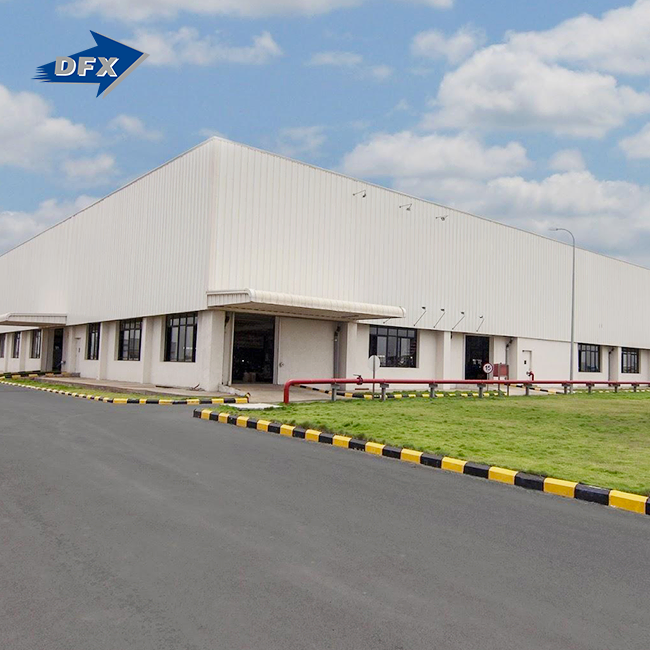
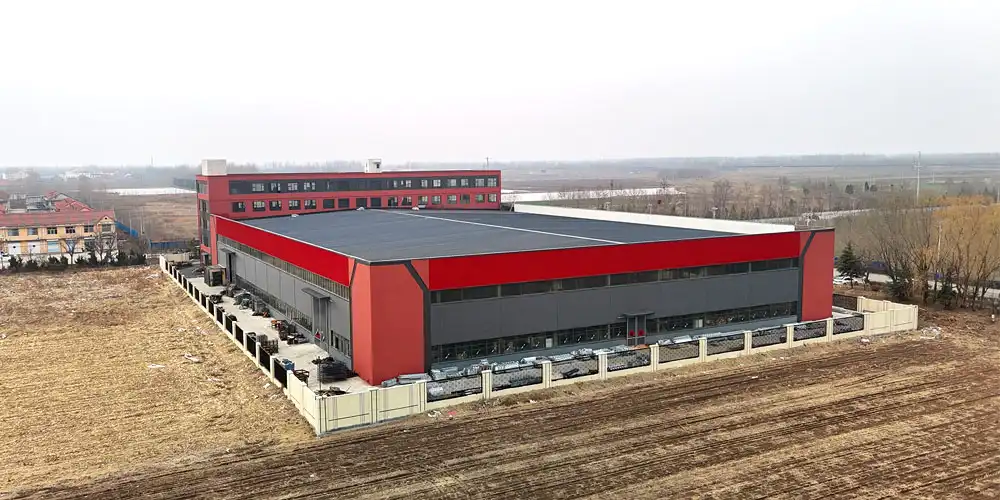
Planning a modern manufacturing facility demands more than just blueprints, Light Industrial Steel Workshop, and budget sheets. A well-designed Light Industrial Steel Workshop transforms operational efficiency, worker safety, and long-term profitability. Whether you're a project manager overseeing an industrial warehouse in Lagos or a factory owner expanding production capacity in Manila, understanding the design fundamentals of light-gauge steel structures ensures your investment delivers maximum returns. This comprehensive guide walks you through the critical design considerations that separate world-class workshops from mediocre facilities.
Why Light Steel Structures Dominate Modern Industrial Construction
The environment of manufacturing has changed a lot in the last twenty years. Traditional concrete structures can't meet the needs of quick deployment and operating flexibility anymore. Over 70% of all new industrial development projects around the world are now pre-engineered steel buildings. The appeal comes from measurable improvements in efficiency. When compared to traditional ways, steel structure workshops cut down on construction times by 40 to 50 percent. With fixed steel systems, a 2,000-square-meter assembly plant can be up and running in four to five months, while it would take nine months with reinforced concrete. Another compelling reason is material efficiency. Most light-gauge steel frames only need 30 to 50 kg of structural steel per square metre, which is a lot less than what is needed for heavy industrial uses. This lower weight immediately means a smaller foundation is needed, which saves a lot of money on site preparation costs. Precision in metal fabrication, which can only be achieved in a controlled factory setting, ensures measurements that can't be matched by pouring concrete on-site. The bolt holes are lined up within a 1 mm range. Before they are shipped, pre-welded joints go through a lot of strict non-destructive testing. This quality control gets rid of the need for expensive changes in the field that are common in traditional building.
Essential Design Parameters for Maximum Workshop Performance
Clear Span Configuration and Column Spacing
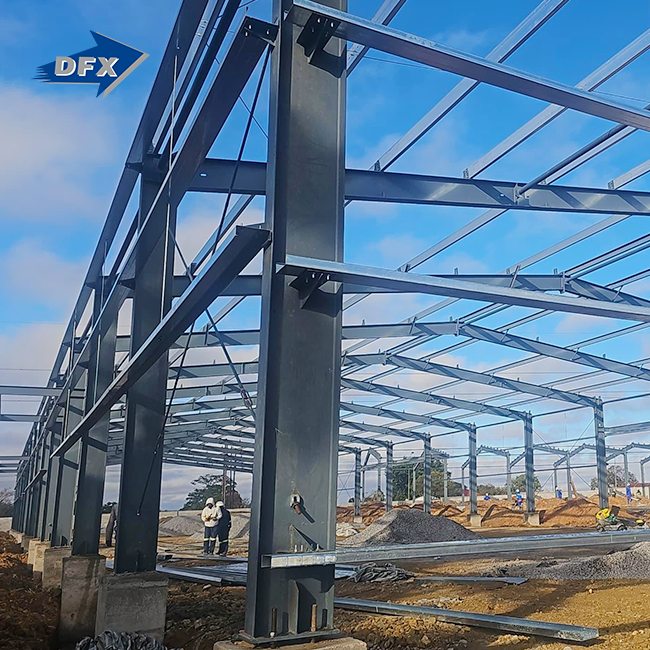
A flexible interior plan starts with a well-designed span. For assembly lines, material handling equipment, and improving efficiency, manufacturing plants need clear floor space. With portal frame designs, clear spans can be anywhere from 18 to 40 meters long, with no need for columns in the middle. The distance between columns affects both the amount of structural steel used and the freedom of operations. Standard bay lengths of 6 to 9 meters are the best compromise between saving money on steel and being able to adapt to different spaces. There are fewer foundation points when the spacing is wider, but the main frame weighs more when it is wider. When working with heavy tools, you need to carefully look at the load path. 5–10-ton bridge cranes need reinforced beam sections, which are usually made in stepped or lattice patterns. The crane runway beam is an important part of the design, and it's usually a small business workshop made of welded H-section steel that meets Q355B strength standards.
Height Optimization for Vertical Efficiency
Choosing the right eave height affects everything from how well air flows through the building to how much it can grow in the future. Standard light industrial workshops have eave heights of 6 to 8 meters, which are good for most forklift and manufacturing machinery activities.10-12 metre heights are best for logistics fulfilment centers and warehouses because they make vertical storage more efficient. Higher eaves make it possible for multi-level shelving systems and upper platforms for sorting machines to be installed. When figuring out the ridge height, you have to take into account the roof pitch, which can be anywhere from 1:10 to 1:120 based on how much snow needs to be removed and how well the water drains. In places where it rains a lot, steeper pitches work best, while flat terrains work best in dry areas.
Critical Structural Components That Ensure Longevity
Main Frame Engineering Standards
H-beams with variable cross-sections made from Q235B or Q355B carbon structural steel are used as the main structural elements. These specs promise that the main frames will have a yield strength of more than 345 MPa, which gives a lot of safety against design loads. Connection engineering decides how strong a structure is as a whole. High-strength Grade 8.8 or 10.9 fasteners are used to bolt steel links together. This allows for controlled assembly and future changes. Welded joints in the plant are inspected visually 100% of the time and ultrasonically 20% of the time to look for internal flaws like holes or slag inclusions. There are strict technical rules that define deflection limits. Depending on how the crane is used and the needs of sensitive equipment, vertical displacement is usually between L/180 and L/400. Horizontal drift stays between H/60 and H/150 levels to keep the cladding from getting damaged by wind events.
Secondary Framing and Purlin Systems
Cold-formed C/Z section steel purlins distribute roof and wall loads from cladding panels to the main frame. These lightweight members typically use 2.0-3.0mm thick galvanized steel, offering excellent corrosion resistance in humid industrial environments. Purlin spacing affects both structural steel quantity and panel performance. Roof purlins are commonly spaced at 1.5-1.8 meters, while wall girts maintain 1.2-1.5 meter intervals. Tighter spacing increases steel consumption but allows for thinner, more economical cladding panels. Material handling considerations extend to roof framing. Suspended conveyor systems, HVAC ducting, and fire suppression infrastructure require reinforced purlin connections. Design engineers must account for Small business workshop these concentrated loads during the initial structural analysis phase.
Envelope Design for Environmental Control and Energy Efficiency
Insulated Panel Selection Criteria
Building envelope performance directly impacts operating costs throughout the facility's lifespan. Sandwich panels incorporating polyurethane or polyisocyanurate cores deliver superior thermal resistance, with R-values ranging from R-15 to R-30 depending on core thickness. Manufacturing plants processing temperature-sensitive materials—electronics assembly, pharmaceutical production, food processing—demand stringent thermal performance. Sheet metal work facilities and general fabrication workshops can utilize more economical EPS core panels without compromising functionality. Panel profiles affect both aesthetics and weather tightness. Concealed-fix systems provide clean exterior lines and enhanced water resistance. Exposed-fastener panels reduce initial costs but require more frequent maintenance as gasket washers degrade over time.
Strategic Natural Lighting Integration
Daylight optimization reduces artificial lighting expenses while improving worker comfort and productivity. Translucent roof panels or continuous ridge skylights introduce natural illumination throughout interior spaces. Placement strategy matters significantly. North-facing skylights in Northern Hemisphere locations provide consistent, diffused light without excessive heat gain. East-west orientations require careful consideration of seasonal sun angles and potential glare issues. Percentage guidelines recommend 8-12% roof area allocation to translucent panels for general manufacturing applications. Precision assembly operations requiring detailed visual inspection may increase this ratio to 15-18%.
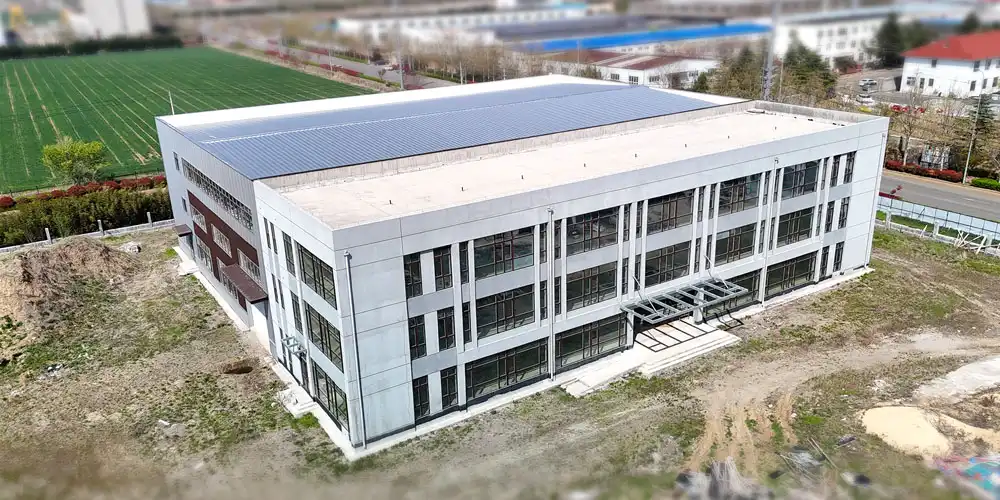
Climate-Specific Engineering Considerations
Wind Load Resistance Design
Coastal regions and tropical zones experience extreme wind events that demand rigorous structural analysis. Wind load calculations follow local meteorological data, with design pressures ranging from 0.3 kN/m² in sheltered locations to 1.2 kN/m² in cyclone-prone areas. Frame member sizing increases proportionally with wind loads. A shift from 0.4 kN/m² to 0.8 kN/m² typically adds 15-20% to structural steel weight. However, this investment prevents catastrophic failure during severe weather events. Cladding attachment becomes equally critical. Panel fasteners must resist uplift forces that can exceed gravity loads by a factor of three. Structural engineering software like SAP2000 models these complex load combinations to ensure code Light gauge steel compliance.
Seismic Performance in Active Zones
Regions with significant earthquake risk require ductile structural systems capable of energy dissipation. Steel frames inherently provide superior seismic performance compared to brittle concrete structures. Connection detailing determines earthquake resistance effectiveness. Moment-resisting frames and properly designed bracing systems allow controlled flexing during seismic events. The structure absorbs and redistributes energy rather than suffering catastrophic collapse. Industrial automation equipment mounted within the workshop requires additional seismic restraints. Precision machinery, elevated conveyors, and storage racking need independent anchoring systems designed to accommodate structural movement without operational damage.
Foundation Engineering for Long-Term Stability
Soil conditions dictate foundation design strategies. Clay soils with bearing capacities around 150 kPa require larger spread footings or continuous strip foundations. Rocky substrates exceeding 400 kPa capacity accommodate smaller, more economical pad footings. Foundation depth must extend below frost lines in cold climates. Heave forces from freezing soil can lift columns and disrupt structural alignment. Regional building codes specify minimum depths, typically ranging from 800mm to 1500mm, depending on latitude. Anchor bolt specifications directly impact connection reliability. Standard M24 to M30 Grade 8.8 bolts provide adequate capacity for most applications. Crane column bases often require M36 or larger bolts to resist combined tension and shear forces.
Fire Safety Integration and Code Compliance
Bare structural steel loses approximately 50% of its strength when temperatures exceed 550°C. Production facilities storing combustible materials or operating high-temperature processes must implement fire protection strategies. Intumescent coatings provide one solution. These specialized paints swell when exposed to heat, forming an insulating char layer that protects the underlying steel. Thickness specifications achieve 60, 90, or 120-minute fire ratings depending on regulatory requirements. Alternative approaches include concrete casing or fire-rated gypsum board cladding around critical structural members. These methods add weight and complexity but deliver reliable protection verified through UL or BS 476 testing protocols. Active suppression systems—sprinklers, foam deluge, or gaseous agents—reduce structural fire rating requirements in many jurisdictions. Integrated design balances passive and active protection for optimal cost-effectiveness.
Future-Proofing Through Expandable Design
Successful manufacturing operations inevitably Light gauge steelrequires additional capacity. Structural steel workshops accommodate growth more readily than any alternative construction method. End-wall frame design determines expansion ease. Portal frames designed with future bays in mind allow seamless extension. New sections bolt directly to existing structures with minimal operational disruption. Foundation planning should anticipate expansion even if immediate budgets don't justify the investment. Extended footings or stub columns reduce future modification costs dramatically. Utilities infrastructure—electrical conduits, compressed air lines, process piping—benefits from oversized capacity during initial installation. The incremental cost proves negligible compared to retrofit expenses later.
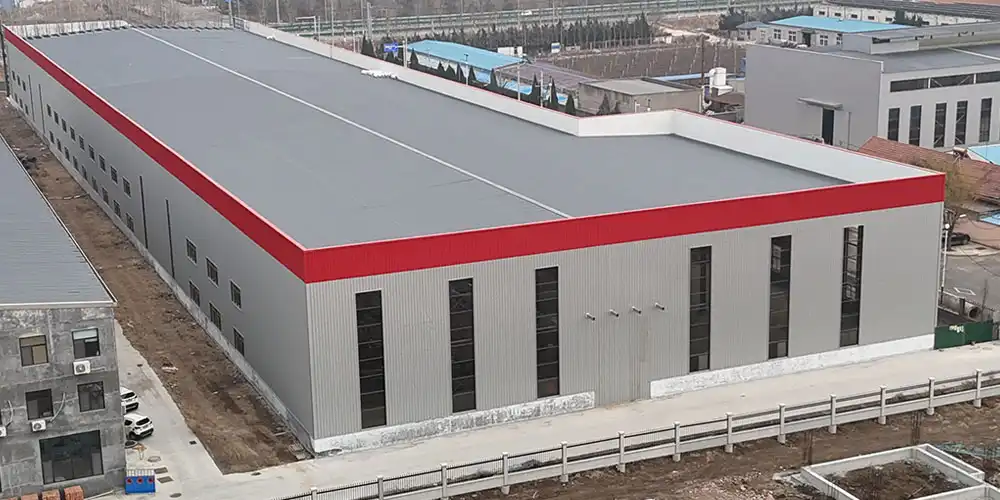
Conclusion
Designing an effective light industrial workshop requires balancing structural performance, operational efficiency, cost control, and future flexibility. The principles outlined in this guide—proper span configuration, climate-adapted engineering, strategic envelope design, and expansion-ready planning—establish the foundation for manufacturing facilities that serve businesses profitably for decades. Whether constructing assembly plants, logistics warehouses, or specialized processing facilities, partnering with experienced steel fabrication specialists ensures your investment achieves its full potential from day one.
Partner with Experienced Steel Structure Manufacturers for Project Success
Selecting the right Light Industrial Steel Workshop supplier determines whether your Light Industrial Steel Workshopproject delivers on time, on budget, and to specification. Director Steel brings over 12 years of specialized experience in manufacturing and erecting steel structures across diverse industrial applications. Operating 40,000 square meters of advanced production facilities with six automatic H-beam lines and comprehensive fabrication capabilities, Director Steel provides complete turnkey solutions—from architectural design and engineering to fabrication, surface treatment, and on-site installation guidance. Contact our technical team at jason@bigdirector.com to discuss your specific project requirements and receive detailed design proposals backed by ISO9001 certification and CE compliance.
References
1. American Institute of Steel Construction. (2016). Specification for Structural Steel Buildings: AISC 360-16. Chicago: AISC.
2. Davies, J.M. (2001). Lightweight Sandwich Construction. Oxford: Blackwell Science Ltd.
3. Trahair, N.S., Bradford, M.A., Nethercot, D.A., & Gardner, L. (2017). The Behaviour and Design of Steel Structures to EC3 (5th ed.). London: CRC Press.
4. Newman, A. (2004). Metal Building Systems: Design and Specifications (2nd ed.). New York: McGraw-Hill Professional.
5. Dubina, D., Landolfo, R., & Ungureanu, V. (2012). Design of Cold-Formed Steel Structures: Eurocode 3 - Design of Steel Structures. Berlin: Ernst & Sohn.
6. Blandford, G.E. (1999). Progressive Failure Analysis of Inelastic Space Truss Structures. Computers & Structures Journal, Vol. 58, Issue 3, pp. 981-990.
Learn about our latest products and discounts through SMS or email