- English
- French
- German
- Portuguese
- Spanish
- Russian
- Japanese
- Korean
- Arabic
- Greek
- German
- Turkish
- Italian
- Danish
- Romanian
- Indonesian
- Czech
- Afrikaans
- Swedish
- Polish
- Basque
- Catalan
- Esperanto
- Hindi
- Lao
- Albanian
- Amharic
- Armenian
- Azerbaijani
- Belarusian
- Bengali
- Bosnian
- Bulgarian
- Cebuano
- Chichewa
- Corsican
- Croatian
- Dutch
- Estonian
- Filipino
- Finnish
- Frisian
- Galician
- Georgian
- Gujarati
- Haitian
- Hausa
- Hawaiian
- Hebrew
- Hmong
- Hungarian
- Icelandic
- Igbo
- Javanese
- Kannada
- Kazakh
- Khmer
- Kurdish
- Kyrgyz
- Latin
- Latvian
- Lithuanian
- Luxembou..
- Macedonian
- Malagasy
- Malay
- Malayalam
- Maltese
- Maori
- Marathi
- Mongolian
- Burmese
- Nepali
- Norwegian
- Pashto
- Persian
- Punjabi
- Serbian
- Sesotho
- Sinhala
- Slovak
- Slovenian
- Somali
- Samoan
- Scots Gaelic
- Shona
- Sindhi
- Sundanese
- Swahili
- Tajik
- Tamil
- Telugu
- Thai
- Ukrainian
- Urdu
- Uzbek
- Vietnamese
- Welsh
- Xhosa
- Yiddish
- Yoruba
- Zulu
Why steel structures are ideal for open-plan retail shop designs?
These days, stores need to be flexible, look good, Steel Structure Retail Shop and be able to set up quickly. A Steel Structure Retail Shop uses engineered steel frame systems to come up with a new way to meet these goals in architecture. Because these buildings don't have many internal load-bearing walls, the floors are clear, which lets stores create dynamic experiences for their customers. Steel is becoming more and more popular among project managers and procurement directors who want to stay ahead in today's fast-paced business real estate market. It is fast, durable, and flexible.

Understanding Steel Structures in Retail Shop Design
What Defines a Steel Structure Retail Shop
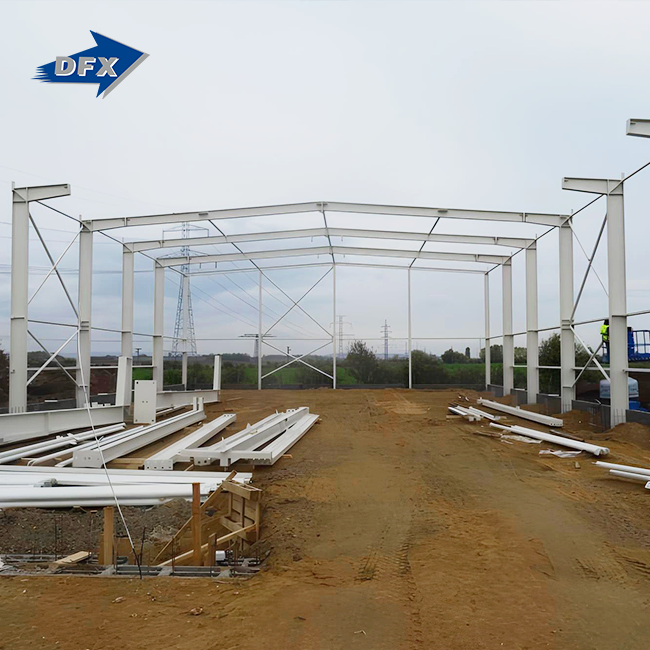
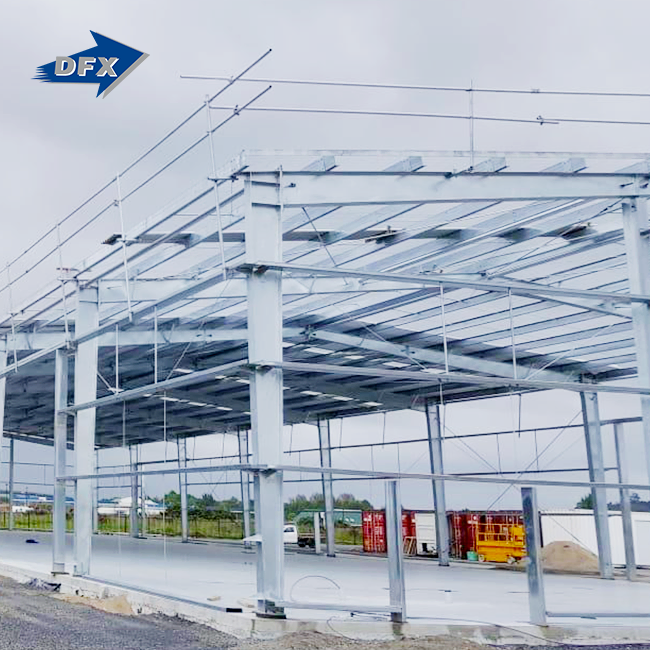
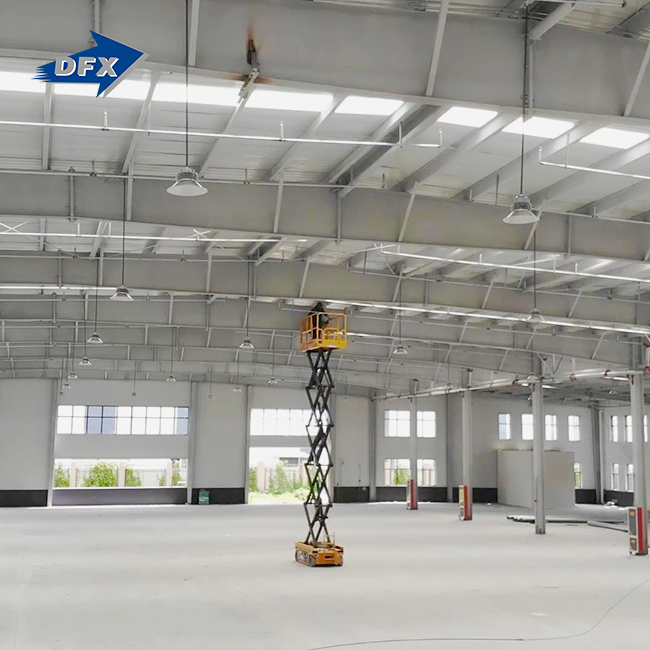
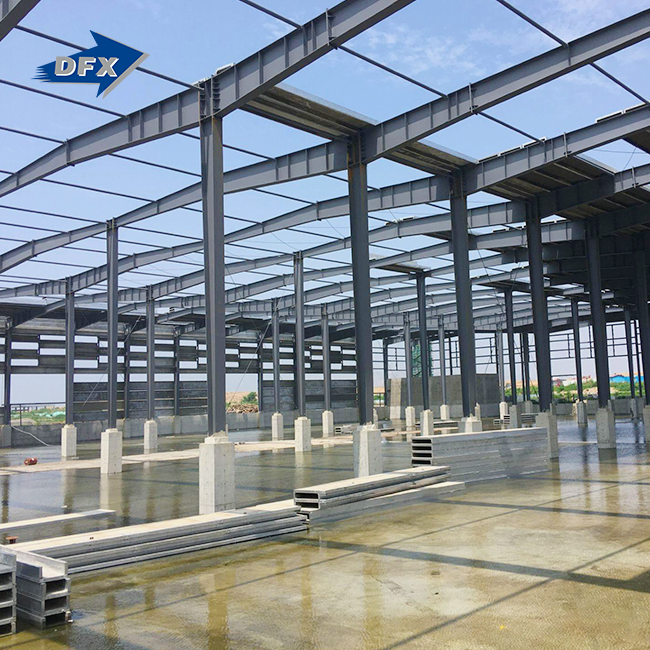
Steel Structure Retail Shop uses pre-engineered building systems with C/Z purlins, H-section columns and beams, and curved steel covering or glass curtain walls. Unlike regular reinforced concrete buildings, these systems come from factories already put together and are ready to be quickly put together on-site. The steel portal frame or beam-column construction makes it possible for spans that are more than 30 meters long and don't have any columns in between. This makes the most of the store floor space. This basic ability changes how stores set up their product displays, how customers move around, and how they feel about their brands. In China, factories like Qingdao Director Steel Structure Co., Ltd. use automatic welding lines and precise manufacturing equipment to make these parts. This makes sure that the quality is the same for all big business projects. The controlled environment of the factory promises accuracy in measurements that structures made on-site can't match.
Design Flexibility and Customization Potential
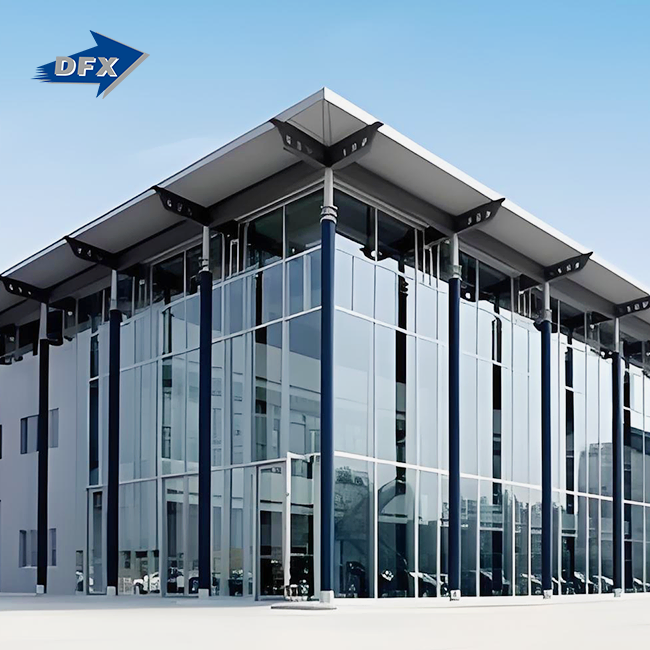
During the planning stages, structural steel systems can handle quick changes to the design. Unlike brickwork or poured concrete, architects can change the spacing between columns, the height of the roof, and the layout of the facades without having to deal with the material's limits. Large holes in the facade fit perfectly with the steel frames, letting in large glass walls that show off goods and bring people inside. The beam-and-column structure has places where suspended ceilings, lighting panels, HVAC distribution systems, and digital signage equipment can be attached. It's important for retail businesses to be able to react to changing market conditions and customer behavior, as shown by Commercial steel building, the fact that mezzanine levels can be added during building or later as business needs change.
Core Benefits of Steel Structures for Open-Plan Retail Shops
Unmatched Structural Durability and Load Performance
Some types of high-strength low-alloy steel, like Q355B, have yield strengths above 345 MPa and tensile strengths between 470 and 630 MPa. Because of these features, steel buildings can handle changing loads from the environment, such as wind pressures above 0.60 kN/m², shifting snow loads, and earthquakes with up to Grade 8 intensity. Steel is naturally flexible, so the structure can absorb energy during earthquakes without falling apart completely. This protects both the people who live in the building and its important goods. When steel parts are properly handled with hot-dip galvanization or a zinc-rich epoxy coat, they don't rust or oxidize for decades. Zinc coating masses of 275 g/m² or more offer sacrificial defense against water infiltration. This is especially important in humid conditions or seaside areas where regular materials break down quickly.
Energy Efficiency and Sustainability Credentials
Modern store buildings made of steel use high-tech envelope systems with polyurethane or rockwool sandwich panels that achieve R-values good for HVAC economy. Panels with fire ratings of B1 or A levels and widths of 50 to 100 mm offer better thermal performance, which lowers the amount of energy used for heating and cooling. Thermal breaks built into the frame system stop heat from moving through the structural parts. This fixes a major problem with older steel building methods. Steel buildings can get green certifications, like LEED and BREEAM, which are becoming more and more important because of city rules and companies' pledges to sustainability. When its time is up, steel can be recycled, which is good for the circular economy in a way that concrete buildings can't. Materials from demolition still have value and can be sold quickly, so they don't end up in landfills, which is good for the earth and keeps the value of assets.
Practical Guide to Building and Maintaining a Steel Structure Retail Shop
Site Analysis and Design Planning Essentials
Successful steel store projects start with a full site review that looks at things like the soil, the local temperature, how easy it is to get to utilities, Commercial steel building, and any rules or regulations that need to be followed. Geotechnical studies figure out the best base designs that take advantage of the fact that steel is lighter. Wind and snow load estimates that are specific to the site make sure that the structure is strong enough without over-engineering, which drives up costs needlessly. When planning the design, working needs should be taken into account. These need to be incorporated into the planning process. For example, electricity needs for lighting and point-of-sale systems; plumbing for bathrooms and food service areas; and HVAC zoning for customer comfort. The strengthened roof system has to be strong enough to hold the expected machine loads and have the right amount of slope for water to drain away. Because steel systems are naturally flexible and have known performance traits, they make it easier for architects and builders to work together.
Budget Considerations and Investment Returns
When looking at the whole project, the material costs for steel store buildings are still competitive, even though they are affected by global product markets. Labor savings from faster building, fewer base requirements, and easier site operations more than make up for the higher costs of materials compared to traditional options. Construction plans that are shortened help financing strategies because they lower interest carrying costs and allow for earlier entry. When getting parts made in other countries, delivery methods should be planned for in the project budget. However, containerized shipping and standard connections make the import process easier. Local labor costs for erection vary by area, but in general, it doesn't require as many specialized skills as structural welding or forming concrete. This could lower price rates for craft workers who are in short supply. Lifecycle costs are good when durability, low upkeep, energy economy, and adaptability are all present. Retailers can change the plan, add more space, or add new technology without having to deal with the structural issues and costs of tearing down brick or concrete buildings. This adaptability keeps the building useful and valuable in the market through different business cycles and renter generations.
Selecting the Right Steel Structure Solution for Your Retail Project
Standardized Kits Versus Custom Engineering
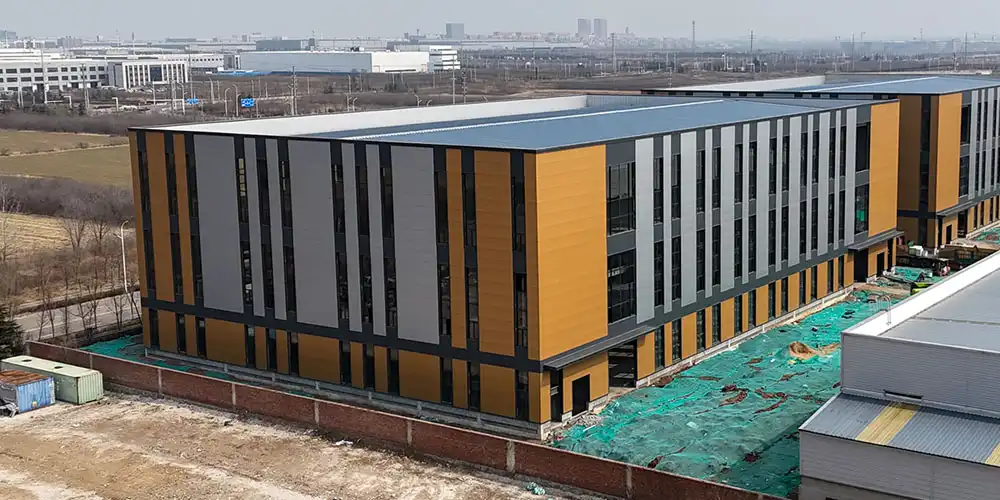
There are many ways to buy things, ranging from pre-designed building kits to custom construction solutions. For simple uses like product stores or display halls with standard shapes and normal loading conditions, standard steel kits are a cost-effective and quick way to set up. Installers put these packages together by following the manufacturer's directions. This cuts down on design fees and fabrication wait times. Custom-engineered solutions are used when there are complicated site conditions, specific design goals, or specific operating needs. Custom designs with curved rooflines, feature entrances, or built-in sign structures help sales shops that need to express their brands in a unique way. To meet exact project requirements, engineering teams look at specific load cases, find the most efficient use of materials, and plan the merging of building systems. When choosing between standard and custom methods, you should think about how much money you have, your business goals, and the unique challenges of the site. Many projects get the best results when they use a mix of standard frame systems and personalized envelope treatments. This gives the buildings a unique look without having to pay for full Metal storefront custom engineering costs.
Decision Factors Balancing Performance and Economics
When making a procurement choice, you have to weigh a lot of different objectives, such as the need for long-lasting structures, high-end looks, price constraints, and operational efficiency. Steel buildings are great in all of these ways, but depending on the job, some qualities may stand out more than others. In areas prone to hurricanes, retailers focus on wind resistance, while in the north, they look at how much snow something can hold and how well it keeps heat in. Both the cost of building and the long-term setting of a brand are affected by how complex the design is. Product stores aimed at high-end customers can afford building upgrades that make the shopping experience stand out, while warehouses primarily used for distribution should put function over style. Aligning building specs with the business plan makes sure that the use of capital supports the goals of making money. As utility costs and environmental laws change the operating economics, energy efficiency becomes a bigger factor in choices. When buildings use high-performance insulation, HVAC systems that work efficiently, and green energy, they can get tax breaks and lower their running costs. Investing in these things pays off over the life of a building, which is why steel's flexibility in adding energy-saving measures is a strategic benefit.
Future Trends and Innovations in Steel Structure Retail Shops
Advanced Prefabrication and Digital Design Technologies
Building Information Modeling (BIM) and 3D modeling tools make it possible to see and coordinate things exactly as they will be built before they are made. Digital models find problems between structural, mechanical, and electrical systems during the planning phase, instead of finding them during building, when making changes is more difficult and costs a lot of money. Automated stacking software makes the best use of materials, which cuts down on trash and saves money. Robotic welding systems and CNC cutting tools make parts with millimeter-level accuracy, which means that assembly in the field goes quickly and doesn't require any forced fits or changes. These improvements in manufacturing make quality more consistent while cutting down on production times. This lets providers respond quickly to changes in market demand and customer plan needs. By making fully finished building parts in factories and then transporting them to construction sites to be put together quickly, modular construction methods add to the benefits of prefabrication. When retail groups standardize store formats, they can use tried-and-true designs in many places, saving money on both production and running the business.
Sustainability Imperatives and Green Certifications
More and more people want approved sustainable homes because of the rules and companies' social responsibility promises. The LEED and BREEAM frameworks check how well a building uses energy, where its materials come from, how much water it uses, and how healthy the living setting is. Steel buildings naturally meet many certification requirements because they can be recycled, use materials efficiently, and work with green energy systems. Life cycle assessment methods measure how much damage a building does to the environment during its entire life, from creation to use to disposal. Steel's longevity and ability to be recycled make it a better choice than materials that need a lot of resources to make or that are hard to get rid of. Retailers who are ahead of the curve use approved buildings to set themselves apart in the market and save money on running costs by using less energy. As more companies use electric arc furnaces that are driven by clean energy, carbon-neutral steel production is becoming more popular. These production methods greatly lower the amount of carbon that is already in building materials. This fixes a big problem with construction's impact on the Earth. Early adopters of low-carbon steel products will be in a good Metal storefrontsituation as more carbon accounting and price systems are put in place.
Smart Building Integration and Operational Intelligence
Internet of Things (IoT) sensors built into store buildings keep an eye on the weather, how much energy is being used, and how many people are inside. Based on real-time data, building management systems make the best decisions about HVAC operations, lighting intensity, and machine timing. This saves energy and keeps customers comfortable. Through flexible building systems and open ceiling plenums, these smart systems fit in perfectly with steel structures. Predictive maintenance programs look at sensor data to find problems with equipment before they happen. They then schedule fixes for times when the equipment isn't being used so that they don't affect business operations. This proactive method cuts down on downtime costs and increases the life of technology by fixing small problems early on, before they become big problems. Digital twin technologies make virtual copies of real buildings. This lets facility managers use simulations to try different operating situations, plan renovations, and find the best way to use space. Structured shape and written specs make it easier to make a digital twin of a steel building than of a building that was built in an irregular way. This supports advanced facilities management practices.
Conclusion
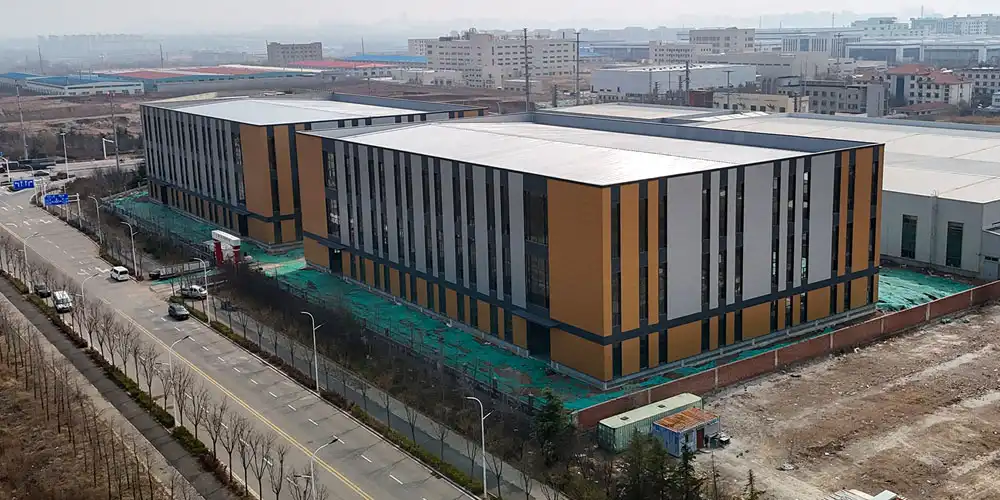
For project managers, buying directors, and business owners looking for cost-effective building options, steel structure retail shops offer clear benefits. When you combine open-plan space freedom, faster timelines, durability, and low cost, you get important choice factors that apply to a wide range of retail uses. As demands for sustainability grow and digital technologies improve, steel's flexibility makes it the best building material for stores that are looking to the future. China's manufacturing skills give you access to approved, cost-effective parts that are backed by ISO quality systems and follow international standards. Having an idea design, manufacturing, and erection support all in one place makes the project delivery process easier and ensures that all the building systems work together. When building product stores, exhibition halls, or sales centers, steel structures have been shown to work well and help businesses succeed for decades.
FAQ
1. What is the typical lifespan of a steel structure retail shop?
Steel Structure Retail Shops that are well taken care of can work well for more than 50 years. The skeletal frame will always be sound as long as the right surface treatments are used to protect it from rust. Steel parts last for decades when they are hot-dip galvanized or painted with good paint methods. Every 15 to 20 years, routine upkeep includes regular checks and small amounts of painted touch-ups. Depending on the location, the building envelope parts like roofs and cladding panels may need to be replaced every 25 to 30 years, but the main structure will still be able to support activities.
2. How do steel structure costs compare to traditional construction methods?
When you look at the whole lifespan of a project, the total costs for steel store buildings are usually the same as or less than those made of concrete. The cost of materials may be a little higher, but base savings, less work, and shorter building times will more than make up for it. Return on investment numbers get better when projects are finished 30–50% faster and start making money earlier. Operating costs are constantly cut because of better energy economy and lower repair costs. To fully understand the economic benefits of steel, building owners should look at prices in a more complete way than just looking at the initial construction bids.
3. Can steel structure retail shops be customized for unique brand identities?
Steel frame methods allow for a lot of flexibility in how buildings look while still being structurally sound. There are many ways to treat the outside of a building, from traditional brick veneers to modern glass curtain walls, metal panels, or composite covering systems. Different brand names can be supported by roofs that are flat, pitched, curved, or have complicated geometries. The column-free spans give interior plans full freedom, which lets customers have unique experiences. Each project is unique because of its color schemes, building features, and how signs are integrated. When you combine standardizing the structure with customizing the envelope, you save money and make your brand stand out.
Partner with DFX for Your Steel Structure Retail Shop Project
Are you looking at different building choices for a Steel Structure Retail Shop, the new store you want to open? DFX has been designing and building industrial steel buildings for more than 12 years, and they can help you with your job. As a certified Steel Structure Retail Shop maker, we run 40,000 square meters of high-tech production facilities that provide complete solutions from the initial idea to the final support for building. Our methods are ISO 9001 and CE approved to make sure that the quality is always the same, and our experienced engineering team creates designs that are perfect for your needs and your budget. Get in touch with jason@bigdirector.com to talk about how our made-to-order steel portal frame systems can speed up your project while giving you the column-free space freedom your retail vision needs.
References
1. American Institute of Steel Construction. (2022). Specification for Structural Steel Buildings (ANSI/AISC 360-22). Chicago: AISC.
2. Chen, W.F., & Lui, E.M. (2019). Handbook of Structural Engineering (3rd ed.). Boca Raton: CRC Press.
3. European Committee for Standardization. (2020). Eurocode 3: Design of Steel Structures – Part 1-1: General Rules and Rules for Buildings. Brussels: CEN.
4. Lawson, R.M., & Ogden, R.G. (2021). Sustainable Steel Construction: Design and Practice for the Built Environment. London: ICE Publishing.
5. Salmon, C.G., Johnson, J.E., & Malhas, F.A. (2018). Steel Structures: Design and Behavior (6th ed.). Upper Saddle River: Pearson Education.
6. World Steel Association. (2023). Steel Solutions in the Green Economy: Case Studies on Commercial Buildings. Brussels: worldsteel.
Learn about our latest products and discounts through SMS or email