- English
- French
- German
- Portuguese
- Spanish
- Russian
- Japanese
- Korean
- Arabic
- Greek
- German
- Turkish
- Italian
- Danish
- Romanian
- Indonesian
- Czech
- Afrikaans
- Swedish
- Polish
- Basque
- Catalan
- Esperanto
- Hindi
- Lao
- Albanian
- Amharic
- Armenian
- Azerbaijani
- Belarusian
- Bengali
- Bosnian
- Bulgarian
- Cebuano
- Chichewa
- Corsican
- Croatian
- Dutch
- Estonian
- Filipino
- Finnish
- Frisian
- Galician
- Georgian
- Gujarati
- Haitian
- Hausa
- Hawaiian
- Hebrew
- Hmong
- Hungarian
- Icelandic
- Igbo
- Javanese
- Kannada
- Kazakh
- Khmer
- Kurdish
- Kyrgyz
- Latin
- Latvian
- Lithuanian
- Luxembou..
- Macedonian
- Malagasy
- Malay
- Malayalam
- Maltese
- Maori
- Marathi
- Mongolian
- Burmese
- Nepali
- Norwegian
- Pashto
- Persian
- Punjabi
- Serbian
- Sesotho
- Sinhala
- Slovak
- Slovenian
- Somali
- Samoan
- Scots Gaelic
- Shona
- Sindhi
- Sundanese
- Swahili
- Tajik
- Tamil
- Telugu
- Thai
- Ukrainian
- Urdu
- Uzbek
- Vietnamese
- Welsh
- Xhosa
- Yiddish
- Yoruba
- Zulu
Can a steel building be used as a retail store?
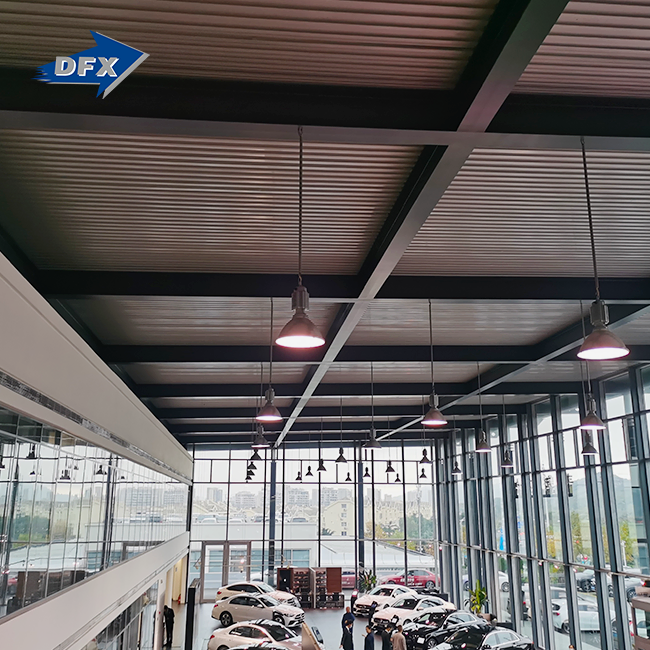
Absolutely—a steel building can serve as an excellent retail store solution. A Steel Structure Retail Shop represents a smart commercial building choice that combines structural strength, fast construction, and design flexibility. These open-space commercial steel buildings feature large façade openings, portal frame or beam-column structures, and reinforced roof systems manufactured to meet ISO9003, CE, COC, and PVOC certifications. Whether you're managing a product showroom, sales center, or exhibition hall, steel structures deliver on durability, affordability, and modern aesthetics that traditional construction methods often struggle to match.

Understanding Steel Structure Retail Shops
What Defines a Steel Structure Retail Shop?
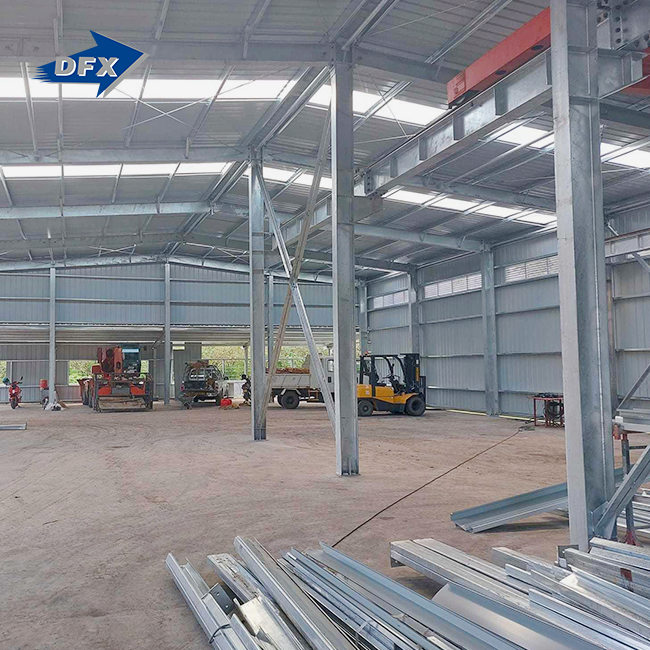
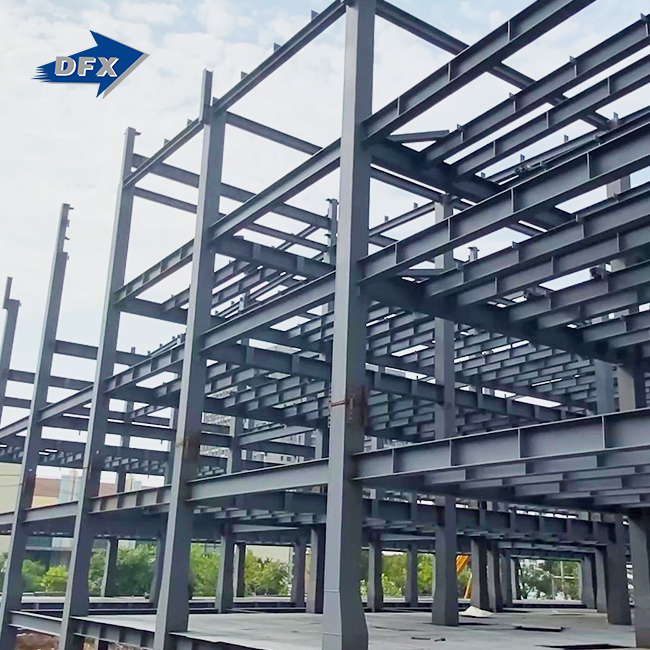
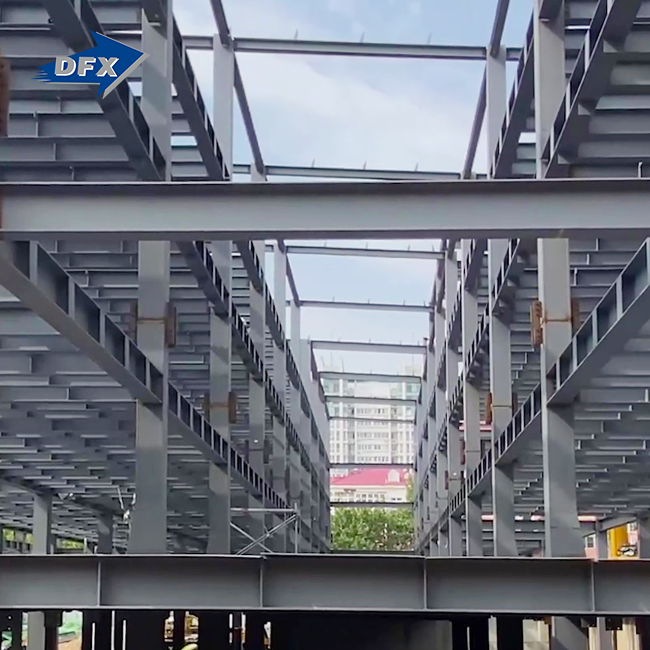
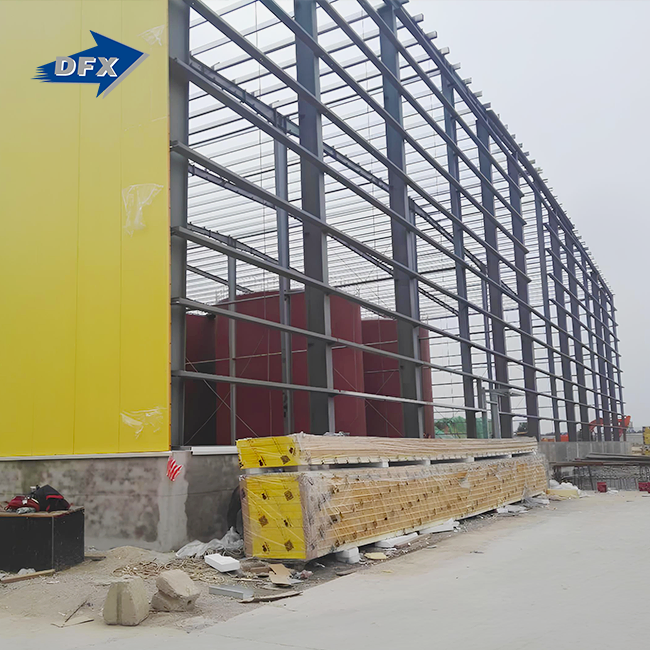
Steel-framed store buildings use pre-engineered parts like H-section poles, beams, C/Z purlins, and profiled cladding. These systems make internal areas open and free of load-bearing walls that get in the way of selling. The structure holds up sandwich panels or glass curtain walls, which make shops look warm and let in natural light. When compared to concrete options, steel portal frames easily spread loads, which means that foundations are not needed as much.
Core Components and Configurations
Several important parts are built into steel store buildings. High-strength steel with yield strengths above 345 MPa is used for the main frame. This steel is usually Q355B or ASTM A572 Gr. 50. Purlins and girts hold the roof and wall panels and are part of the secondary frame. Sandwich panels made of polyurethane or rockwool are often used in envelope systems. These panels offer good thermal protection for climate control. Surface processes like hot-dip galvanization protect against corrosion, which means that with proper upkeep, a structure can last longer than 50 years.
Key Advantages Over Conventional Construction
Why do project managers and people who buy things more often choose steel? The material makes a strong case for its value:
- Construction Speed: Steel retail shops cut build times by 30–50% compared to traditional ways, letting them get into the market faster and start making money sooner.
- Spatial Efficiency: Column-free spans of up to 30 meters make the most of the floor space available for displaying goods and moving customers around.
- Cost Predictability: Quality and price are controlled by the factory, so there aren't many on-site factors that can cause budgets to go up.
- Scalability: Bolt-together links let buildings grow in the future without tearing down the ones that are already there.
These traits directly address the problems that builders and owners in manufacturing have with commercial steel buildings when they have to work on business projects with short deadlines and limited funds.
Comparing Steel Structure Retail Shops with Traditional Building Methods
Construction Timeline and Business Impact
When building stores, speed is important. Steel buildings are finished a lot faster than traditional buildings made of brick and wood. Off-site fabrication happens at the same time as base work, and dry building methods keep delays from the weather to a minimum. A steel-built 5,000-square-foot store can be open for business in 8 to 12 weeks, while a similar concrete building needs 16 to 24 weeks. This shortening of the time frame has a direct effect on businesses that want to take advantage of regular sales cycles or take advantage of market possibilities.
Safety Performance: Fire and Seismic Considerations
What happens to steel when it's under stress has both pros and cons. Steel that isn't covered loses strength at temperatures above 400°C. However, fireproof finishes that don't catch fire or concrete encasing can meet international safety standards for two to three hours. Because the material is flexible, it can absorb energy during earthquakes, which keeps it from breaking in a terrible way. In places where earthquakes are common, steel buildings designed to withstand Grade 8 seismic loads perform better than rigid concrete buildings. Coastal stores are safe from storm damage if they have a wind load strength of more than 0.60 kN/m².
Prefabricated vs. Custom-Built Approaches
Standardized solutions are often weighed against custom designs when purchasing things. Prefabricated steel kits are great for simple store boxes or pop-up business strips because they save money and time on delivery. Custom-engineered buildings can be made to fit tricky site conditions, unique architecture ideas, or multi-story plans that work together. When EPC contractors are in charge of big projects, they usually ask for custom solutions that include mechanical systems, loading docks, and wall treatments that are special to the brand. Figuring out this range helps people make decisions that balance the need to meet useful needs with limited budgets.

Planning and Building a Steel Structure Retail Store
Design Considerations for Retail Success
Retail areas that work well match how they look with how they work. Large holes in the facade make doorways more welcoming and show off merchandise inside. The distance between columns affects where shelves go and how traffic flows. Wider gaps give you more planning options, but need heavier structural members. Customers' opinions are affected by ceiling heights; 4-5 meter gaps allow for signs, lights, and HVAC systems while keeping the room's comfortable size. In cities with a lot of traffic and high land costs, mezzanine floors can double the amount of space that a commercial steel building can provide.
Integrating Branding and Architectural Identity
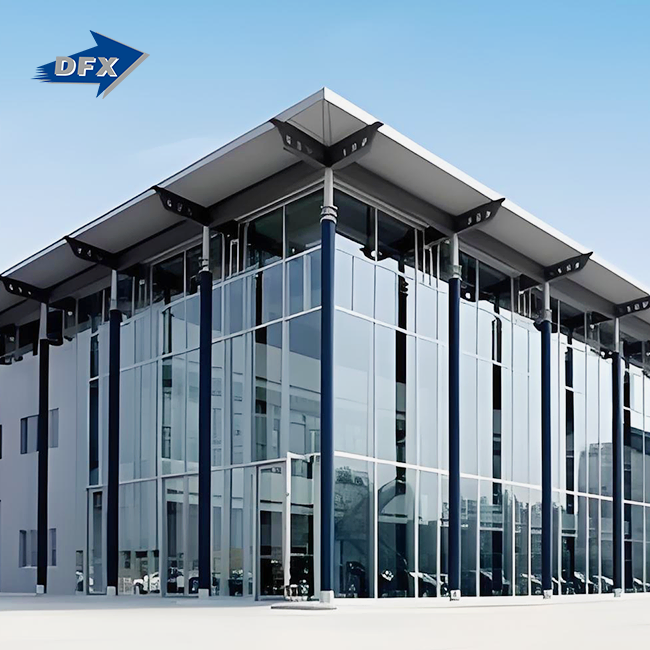
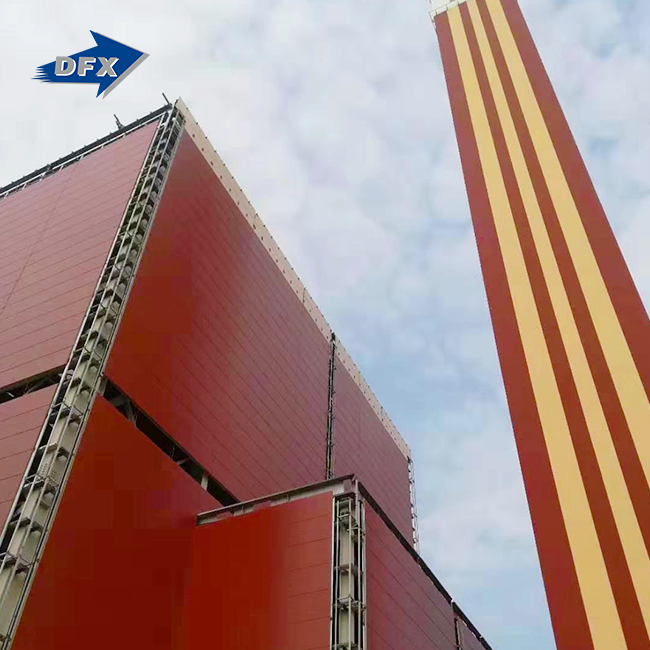
Generic boxes don't help people remember your brand. Standing seam roofing, composite panels, brick veneer highlights, or full glass curtain walls are just a few of the finish options available for metal storefronts. Color-matched steel wrapping makes the company's name stand out on the road. Canopy projections cover places where customers enter while making unique shapes. These building details show that steel construction doesn't have to give up good looks for good functionality.
Budgeting and Cost Management Strategies
Pricing that is clear helps people who work in buying make smart choices. There are several things that affect the cost of a steel retail building: planning and design services (8–12% of the total), raw materials and manufacturing (45–55%), surface treatment (5–8%), transportation (8–12%), and installation workers (20–25%). bigger projects benefit from economies of scale because setup costs are spread out over a bigger area. Some ways to cut down on costs are to standardize design elements, choose steel parts that are easy to find, and schedule work for times when the weather is good. Steel's value can be seen by comparing its initial investment to its lifecycle costs. Slightly higher initial costs often lead to big savings in the long run through less upkeep and better energy economy.
Maintenance, Durability, and Performance Optimization
Routine Inspection and Preventive Care
To make a structure last longer, it needs to be maintained regularly. Connection points should be checked for loosening, covering systems for damage, and drainage parts for blockages once a year. More frequent checks are needed in coastal or industrial areas with toxic air. Touch-up painting fixes small flaws in the coating before rust gets worse. Tightening fasteners stops connections from slipping, which could damage the structure.
Corrosion Prevention Across Climate Zones
The environment decides what kind of safety is needed. Hot-dip galvanization (zinc coating mass ≥275g/m²) protects against corrosion for 25 to 30 years in mild areas without any upkeep. Extra epoxy zinc-rich primers that make multi-layer shield systems are good for marine settings. In humid subtropical areas, proper airflow is needed to keep mist from building up, which speeds up oxidation. There isn't much chance of rusting in desert areas, Metal storefront, but there are problems with thermal growth that need to be addressed in the joints.
Security Features and Asset Protection
Strong protection needs to be built into retail buildings. During building, steel structures can easily fit cables for security systems. Door frames and window spaces that are reinforced are better at keeping people out than wooden buildings. Attachment ways for panels make it hard to take them off from the outside. Adding a fire suppression device saves goods and keeps the business running. These safety measures give store owners peace of mind that their investment will be safe.
Procuring Steel Structure Retail Shops: What B2B Clients Need to Know
Selecting Certified Suppliers and Manufacturers
Picking the right supplier is what makes a job successful. Check carefully for certifications that show quality management. For example, ISO9003 compliance means that production methods are organized, and CE marking means that they meet European safety standards. COC and PVOC certificates make sure that product specs are correct for sales in other countries. Check to see how much a maker can make. Plants that have multiple H-beam welding lines, sandwich panel production, and C/Z section rolling tools can handle large orders without running behind schedule.
Evaluating Local vs. International Sourcing
Geographic buying choices weigh the cost of a product against the difficulty of its delivery. Because of economies of scale and efficient production methods, Chinese manufacturers can give prices that are affordable. The Qingdao Director Steel Structure Co., Ltd. was established in 2011 and has 40,000 square meters of working space. It has more than 200 trained workers and high-tech equipment. They can make 20,000 tons of welded H-beams, 8,000 tons of C/Z section steel, and 50,000 square meters of sandwich panels every year. Made-to-order production lets you give specific instructions while keeping costs low. International buying gives you access to specialized technical knowledge and a wide range of services, such as idea design, manufacturing, surface treatment, and help with assembly. Transportation schedules need to be planned ahead of time, but moving

containers has become a safe and cost-effective way to get a lot of things. Local providers might be able to produce faster, but they might charge more per unit and have less production capacity.
Real-World Implementation Examples
Construction companies have used steel store platforms successfully in a wide range of settings. A Nigerian project manager managed the building of a 10,000-square-foot product showroom in just 11 weeks, which allowed a manufacturing client to start up operations early. An Australian business owner in the agriculture industry turned a steel-framed building into a store selling farm supplies. The building's ability to hold heavy HVAC equipment on the roof was a big plus. An industrial investor from the Philippines built a factory outlet center out of flexible steel, which allowed the business to grow in stages. These uses show how steel can be used in a variety of ways to meet the needs of different industries.
Conclusion
Steel buildings have been used as retail store options all over the world and have proven to be successful. Commercial steel buildings are very popular with construction builders, EPC firms, and business owners who are working with tight budgets and time frames because they can be built quickly and can be used in a variety of ways. Coating and insulation methods that have been used for a long time in modern engineering solve old worries about fire safety and thermal performance. As shopping malls change, steel buildings are smart investments because they can be easily modified to fit new layouts and businesses.
FAQ
1. Can steel buildings be customized to match retail branding requirements?
Metal storefronts can be changed in many ways, such as by adding color-matched cladding, glass curtain walls, brick veneer details, and architectural canopies. Manufacturers work with builders to add brand-specific design elements while staying within the budget and keeping the structure.
2. How does the lifespan of steel retail buildings compare to traditional construction?
When steel buildings are properly kept with galvanized protection and regular coating upkeep, they last longer than 50 years. This durability is as good as or better than standard masonry buildings, and it needs less upkeep over many years of use.
3. Are steel buildings energy-efficient for retail operations?
Sandwich panel systems made of polyurethane or rockwool make modern steel store buildings very good at keeping heat in. When compared to standard buildings with little insulation, buildings with insulation values between R-13 and R-30 lower their HVAC operating costs by 20 to 40 percent. This makes shopping areas more comfortable while keeping energy costs low.
4. What foundation types work with steel retail structures?
Because steel framing is 40–60% lighter than similar concrete buildings, it means that base loading needs are lower. Usually, simple pier foundations, slab-on-grade systems, or short strip footings are enough. This saves money on civil engineering costs compared to heavy building methods that need deep foundations.
Partner with Experienced Steel Structure Retail Shop Suppliers
DFX (Qingdao Director Steel Structure Co., Ltd.) has been making industrial steel buildings for retail uses like product showrooms, display halls, and sales centers for more than 12 years. Our 40,000-square-meter production center is certified by ISO9003, CE, COC, and PVOC. This makes sure that all stages of the project meet world quality standards. We offer full services, from conceptual design to fabrication, surface treatment, and help with installation. Having a single point of responsibility streamlines your buying process. Our made-to-order production method can handle both standard retail kits and fully customized engineering solutions that are made to fit your site's conditions and working needs. Our technical team works with your project managers and engineers to make sure that the structures you choose are the best for both quick construction and long-term performance. This is true whether you're building a single-unit store or a multi-unit business complex. Find out how a maker of steel structure retail shops with a track record of success can speed up your next business development project. Get in touch with jason@bigdirector.com to talk about your needs and get a full quote that fits your budget and schedule.
References
1. American Institute of Steel Construction. (2016). Specification for Structural Steel Buildings (AISC 360-16). Chicago: AISC.
2. Davies, J. M. (2019). Steel Building Design: Concise Eurocodes. Berlin: Ernst & Sohn Publishing.
3. Lawson, R. M., & Ogden, R. G. (2018). Sustainable Steel Construction: Commercial Buildings. London: The Steel Construction Institute.
4. Newman, A. (2020). Metal Building Systems: Design and Specifications (4th ed.). New York: McGraw-Hill Education.
5. Trahair, N. S., Bradford, M. A., Nethercot, D. A., & Gardner, L. (2017). The Behaviour and Design of Steel Structures to EC3 (5th ed.). Boca Raton: CRC Press.
6. Yu, W. W., & LaBoube, R. A. (2021). Cold-Formed Steel Design (6th ed.). Hoboken: John Wiley & Sons.
Learn about our latest products and discounts through SMS or email