- English
- French
- German
- Portuguese
- Spanish
- Russian
- Japanese
- Korean
- Arabic
- Greek
- German
- Turkish
- Italian
- Danish
- Romanian
- Indonesian
- Czech
- Afrikaans
- Swedish
- Polish
- Basque
- Catalan
- Esperanto
- Hindi
- Lao
- Albanian
- Amharic
- Armenian
- Azerbaijani
- Belarusian
- Bengali
- Bosnian
- Bulgarian
- Cebuano
- Chichewa
- Corsican
- Croatian
- Dutch
- Estonian
- Filipino
- Finnish
- Frisian
- Galician
- Georgian
- Gujarati
- Haitian
- Hausa
- Hawaiian
- Hebrew
- Hmong
- Hungarian
- Icelandic
- Igbo
- Javanese
- Kannada
- Kazakh
- Khmer
- Kurdish
- Kyrgyz
- Latin
- Latvian
- Lithuanian
- Luxembou..
- Macedonian
- Malagasy
- Malay
- Malayalam
- Maltese
- Maori
- Marathi
- Mongolian
- Burmese
- Nepali
- Norwegian
- Pashto
- Persian
- Punjabi
- Serbian
- Sesotho
- Sinhala
- Slovak
- Slovenian
- Somali
- Samoan
- Scots Gaelic
- Shona
- Sindhi
- Sundanese
- Swahili
- Tajik
- Tamil
- Telugu
- Thai
- Ukrainian
- Urdu
- Uzbek
- Vietnamese
- Welsh
- Xhosa
- Yiddish
- Yoruba
- Zulu
Steel Structure Meat Chicken Farm Building
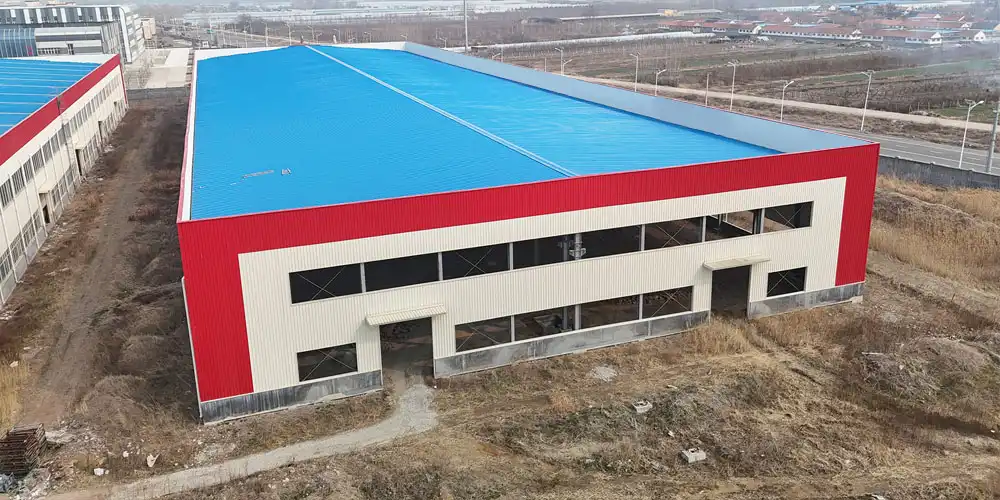
When looking at infrastructure options for commercial Steel Chicken Poultry Hangar poultry hangar businesses, it's important to know what makes a modern steel structure meat chicken farm building. In comparison to traditional building materials, a Steel Chicken Poultry Hangar is a pre-engineered farming structure made to house large-scale broiler production. These lightweight agricultural buildings are made with hot-dip galvanized steel frames and truss roof systems. They are designed to allow air flow, which is important for biosecurity and managing the temperature in industrial meat chicken farming. This technology directly lowers deaths by keeping conditions inside stable, no matter what the weather is like outside. This is why project managers, farm operations directors, and buying professionals looking for reliable turnkey solutions choose it.
Understanding Steel Structure Meat Chicken Farm Buildings
Why Steel Outperforms Traditional Building Materials
Steel frameworks have become very popular in farm building because they work better than other materials. Unlike wooden buildings that fall apart when they are exposed to high levels of ammonia from chicken waste, steel buildings stay strong even after decades of heavy use. Mites, germs, and wetness can live in wood, which breaks biosecurity rules that are important for the health of flocks. Because steel doesn't have pores on its surface, these disease sources are completely eliminated. Durability is more than just resistance to pests. Steel buildings don't bend, crack, or settle like wooden ones do when they are exposed to extreme weather, like hurricane-force winds of more than 120 km/h or heavy snow loads. Using zinc coats of 275g/m² or more during the hot-dip galvanization process makes a shield against corrosive surroundings. This treatment is necessary in chicken farms where ammonia fumes are always attacking building parts. A cost study shows that steel is more cost-effective over a 30-year working period. The original cost of a steel building may be 15-20% higher than that of a wood building, but it doesn't cost much to maintain. Wooden buildings need to be treated regularly, fixed when they rot, and eventually rebuilt, all of which costs more than steel over its lifetime. Insurance rates also favor steel because it doesn't catch fire and is strong, which saves even more money on operations.
Core Structural Components and Engineering Specifications
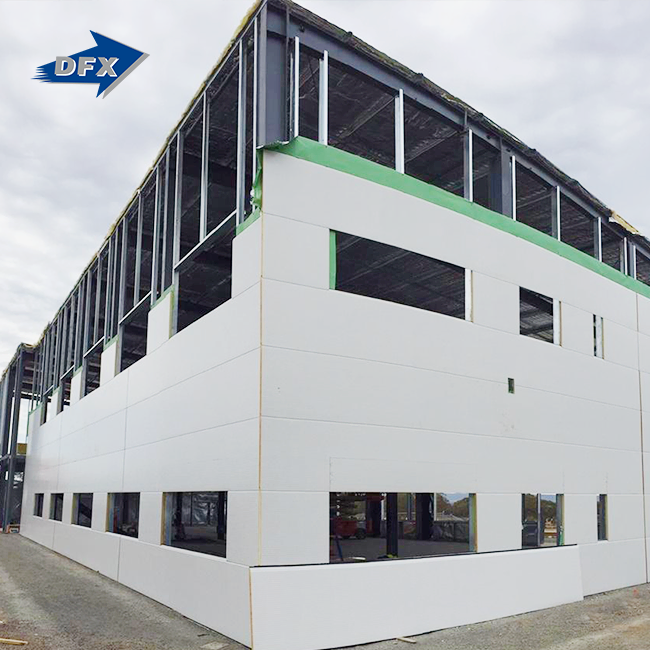
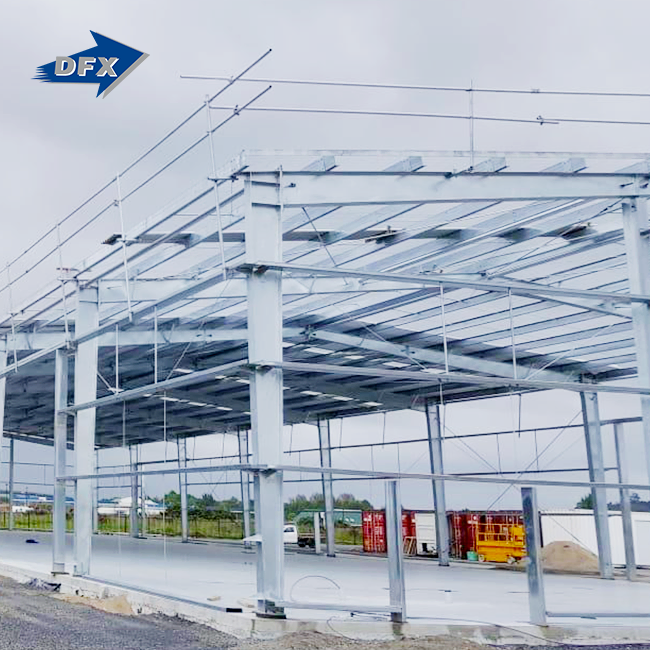
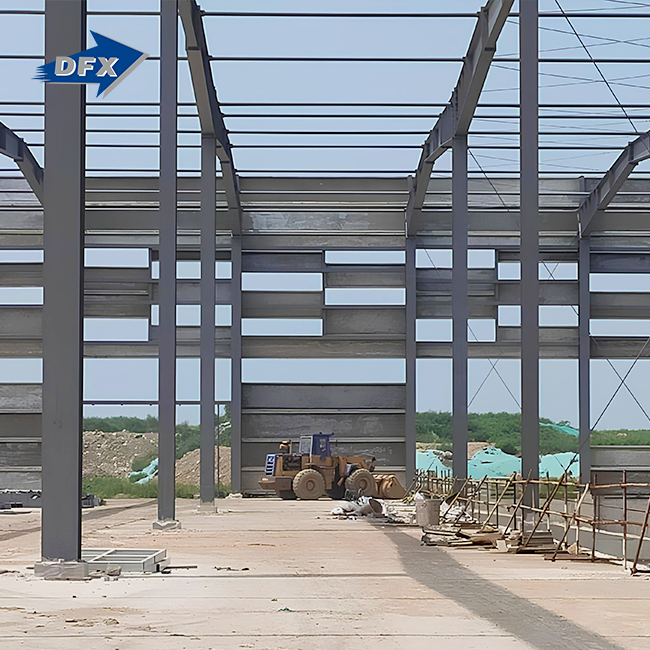
The main frame parts of modern steel chicken farms are made of Q345B or ASTM A572 Grade 50 high-tensile steel. This choice of material allows for clear-span designs that are 12 to 20 meters long, with no internal columns that would get in the way of automatic feeding systems, conveyor belts, and equipment paths. The rigid portal frame system uses high-strength bolts to join H-section columns and beams, which makes it strong enough to hold heavy equipment that is hung from the ceiling. Truss systems are built into roof assemblies to support heavy loads from Poultry house design ventilation fans, heating units, lighting groups, and sometimes repair workers. Cladding systems use composite sandwich panels with bases made of polyurethane or polyisocyanurate, which have heat resistance values higher than R-10. This protection reduces thermal bridging, which would otherwise make fog zones that are bad for the health of the flock's lungs. Because steel has a good strength-to-weight ratio, foundation standards stay simple. Concrete pier footings hold up column bases and distribute structural loads well without the need for a lot of foundation work that bigger building systems need. This simpler groundwork method cuts down on the cost of preparing the site and speeds up the building schedule, which are both very important for project managers who are working on tight deadlines.
Designing and Building Your Steel Chicken Poultry Hangar
Space Planning and Capacity Calculations
Proper measurement planning has a direct effect on how well production works and how well animals are cared for. According to industry standards, each broiler should have between 0.75 and 1 square feet, based on its goal market weight and the length of time it needs to grow. So, a building with room for 20,000 birds needs 15,000 to 20,000 square feet of floor space. In addition to the number of birds, operations must also fit in feed storage silos, automatic feeding tracks, water distribution lines, and systems for getting rid of trash. The choice of building width strikes a balance between the ease of entry for tools and the cost of construction. Structures that are 40 to 60 feet wide keep clear gaps that are cost-effective while improving tunnel airflow. Length changes based on production volume, and flexible expansion lets businesses grow in stages as they get bigger. This adaptability is very helpful for farms that are moving from medium- to large-scale production. Specifications for ceiling height have a big impact on managing air quality. Sidewalls that are at least 10 feet high and roof peaks that are 14 to 16 feet high make it easier for air to flow and heat to be distributed. Multi-tier cage systems are used in layer operations and can fit in taller buildings. Broiler facilities, on the other hand, usually have single-level floor systems. Enough vertical room keeps heat from building up at bird level in the summer, when heat stress can hurt flock performance.
Prefabrication Advantages and Construction Timeline
When compared to traditional building methods, prefabricated steel parts come to job sites ready to be put together, which greatly shortens the time it takes to build. When steel sections are made in a controlled factory setting, they are made to exact specifications that can't be reached when they are built on-site. The bolt holes line up perfectly, the panels fit together without any gaps, and the structural parts are made to exact specs, which are checked by quality control procedures. When the foundations are dry, it only takes three to four weeks for assembly teams to put up a 20,000-square-foot broiler facility. It takes the same amount of time for wooden buildings of the same size. This advantage in terms of timing cuts down on financing costs and speeds up the production of income, which is especially helpful for businesses that need to meet contract dates with integrators. Weather delays are less likely to happen because most construction work can be done in light rain or wind. The concepts of modular design allow for future growth without affecting current processes. To add more bays for more output, all that needs to be done is to lengthen the structure and connect the utilities. This ability to grow is useful for farming businesses that are expanding and building companies that are handling clients' phased project deliveries. Having engineering help during the planning stages makes sure that Poultry house design original builds include room for growth, which prevents expensive retrofits later on.
Maintenance and Longevity of Steel Chicken Poultry Hangars
Preventive Maintenance Protocols
Systematic repair schedules are needed to make structures last longer than 30 years. Every three months, galvanized surfaces should be checked for damage to the coating. This is especially important around fixed connections, where movement can wear away the protective zinc layers. Touch-up painting with zinc-rich primers takes care of any steel that is visible right away, before rust starts. High-pressure washing in between flock rounds gets rid of dust and organic matter that has built up, which stops moisture retention that speeds up breakdown. To keep the environment separate, which is important for hygiene, door seals, curtain systems, and panel gaskets need to be replaced every year. Lubricating moving parts, like air system valves and access door hinges, keeps them from binding and increases the life of the machine. When roofs are inspected after bad weather, possible leaks are found before water gets inside and damages insulation or makes the roof slippery. Professional engineering evaluations should be used every five years to check the structural stability. This test checks for settlement in the base, tightness of the link bolts, and frame alignment to make sure the building can continue to hold weight. Keeping records of these checks is required by insurance companies and protects you from liability if bad weather tests the limits of your structure. The costs of proactive maintenance are less than 2% of the building's value per year, which is very small compared to the costs of fixing up buildings that haven't been maintained.
Sustainability Considerations and Environmental Impact
More and more recovered materials are used in modern steel production. In fact, 70 to 90% of structural parts are made from salvaged materials. Steel can be recycled, which is different from wood goods that break down during processing and can't be used again. When steel buildings reach the end of their useful lives, they are fully taken apart. The parts are then recycled and turned into new goods, which is what it means to truly participate in the circular economy. Less damage to the earth is directly linked to using less energy. Well-insulated steel buildings use less fuel to heat and power to cool, which lowers greenhouse gas emissions over the course of their useful lives. Adding LED lights, ventilation fans with varying speeds, and automatic climate controls is another way to save energy. These integrations make businesses eligible for farm sustainability ratings that big chicken processors and retail buyers want more and more. Adding waste management systems to the planning stages of a building project reduces the damage that handling manure does to the environment. Automatic belt systems in steel buildings take trash to dumping sites or biogas digesters all the time. This keeps ammonia levels from building up, which is bad for the air quality. Groundwater doesn't get contaminated by sealed flooring systems, which are strict environmental protection methods in North American and European markets.
Procurement Guide: How to Source Your Steel Chicken Poultry Hangar
Essential Quality Certifications and Compliance Standards
By making sure that goods meet foreign safety and performance standards, specifying the right Chicken farm buildingcertifications saves procurement investments. Getting ISO 9001 approval shows that a company has quality control systems in place for the planning, production, and inspection processes. This standard makes sure that the quality of the product stays the same across production runs, which is very important when looking for many buildings for regional growth projects. The CE mark shows that the product meets European standards for health, safety, and the environment. This makes it easier to put the product in foreign markets. For deployments in Africa, COC (Certificate of Conformity) and PVOC (Pre-Export Verification of Conformity) certifications make it easier to get through customs and get governmental permission. Biosecurity, waste management, and animal care are all covered by agricultural building standards that are special to chicken plants. These standards are based on best practices in the industry. Material approvals make it possible to track structural steel by checking its grade standards and mechanical qualities. The chemical make-up and tensile strength of materials are shown in mill test results, which prove that the materials meet the design standards. Galvanization papers say how thick the zinc layer is, which ensures that the amount of corrosion protection meets the standards. By asking for full paperwork packages during the seller evaluation process, you can tell the difference between qualified makers and suppliers selling low-quality goods at inflated prices.
Cost Analysis and Value Optimization Strategies
Pricing systems that are clear make it easier to make accurate budgets and compare vendors. Reliable makers give detailed quotes that break down the costs of structural parts, cladding systems, doors, air integration, and freight. This information helps buying managers figure out where the best deals are and find ways to cut costs without affecting important performance factors. Payment terms and financial choices affect the viability of a project, especially for businesses in agriculture that have to deal with seasonal cash flows. Manufacturers who offer payment plans that are staggered to match building stages need less working capital. Some suppliers have working ties with farm lenders that make it easier to get loans for equipment at reasonable rates. These financial plans often have a bigger impact on the success of a project than the cost of the raw materials. Bulk buying programs help building companies and EPC firms that are working on multiple projects at the same time. When you commit to a certain volume, you get lower prices and priority scheduling for production, as well as specialized expert help. Setting up favorite supplier relationships makes operations more efficient by standardizing designs, streamlining the buying process, and building up institutional knowledge that speeds up the delivery of future projects.
Case Studies and Industry Insights
Documented Performance Improvements and ROI Metrics
A full case study from a broiler farm in the mid-Atlantic shows the benefits of steel structures by showing results that can be measured. The old wooden houses that housed 30,000 birds were replaced with a new steel building with temperature control and an automatic tunnel air system. Results from three production rounds showed a 4.2% drop in deaths, a 0.8% rise in the feed conversion ratio, and a 12% drop in heating costs. These improvements in performance led to an extra $47,000 in profits every year, which meant that the structural investment was paid for in 5.8 years. Agricultural project managers say that steel's most useful quality is its dependability. One procurement director who was in charge of buildings in several states said that maintenance emergencies like roof collapses, air problems, and structural settling were no longer a problem with steel buildings. These problems used to mess up production plans and require emergency contractor mobilizations. Contract performance with integrators who expect regular bird supply went up because running costs were predictable, and Chicken farm building downtime was kept to a minimum. Steel structures can now do more than just provide protection thanks to new technologies. Smart farming connections now put monitors all over buildings to keep an eye on things like temperature differences, humidity levels, ammonia levels, and bird activity patterns. This information is sent to automatic control systems that change heating curves, improve ventilation rates, and warn managers of problems before they hurt the health of the flock. These technological setups fit perfectly into steel buildings thanks to easy-to-reach wire paths and equipment mounting holes that were built in from the start.
Conclusion
Buildings with a steel frame for meat chicken farms are tried-and-true ways to deal with the complicated needs of modern heavy poultry production. Because these facilities are more durable, better at hygiene, better at controlling the environment, and more cost-effective over their whole life, they help farms meet their production goals while still meeting standards for animal care and environmental protection. Steel is the best material for broiler farms, layer operations, and breeding facilities in a wide range of climates because it can be built quickly, offers scalable designs, and doesn't need much upkeep. When procurement workers work with qualified makers, they can get access to technical knowledge, quality certifications, and integrated service delivery. This turns building projects from possible risks into competitive benefits.
FAQ
1. What ventilation capacity should I specify for my steel broiler facility?
The amount of ventilation needed depends on how many birds are in the area and the weather. When it's cool outside, broiler houses need 0.5 to 1 CFM (cubic feet per minute) of minimum air per bird. When it's hot outside, they need 4-5 CFM per bird for tunnel ventilation mode. So, a vent fan with a total capacity of 80,000 to 100,000 CFM is needed for a building with 20,000 birds. Large exhaust fans (48 to 54 inches in diameter) and stronger mounts needed for these airflow volumes can fit inside steel buildings. Talking to experts in poultry ventilation during the planning process will make sure that the size of the system fits your production model, the weight of the birds, and the high temperatures in your area.
2. How do steel structures enhance biosecurity compared to traditional buildings?
Biosecurity is protected by steel's smooth, non-porous surfaces, which stop pathogens from hiding between flocks. The structure of the wood grain, cracks, and joints makes small spaces where bacteria, viruses, and parasites can live and grow even after standard cleaning methods are used. Steel's smooth, coated surfaces don't get damaged by high-pressure washing or strong disinfectants, so they can be cleaned thoroughly. In traditional buildings, rodents can get in through holes in the panels, but sealed panel links get rid of those holes. These features lower the chances of cross-contamination, which is very important for operations that have to follow strict integrator hygiene checks.
3. Can steel chicken farm buildings be customized for extreme climates?
Customization helps with temperature problems by letting you choose the right insulation, airflow, and materials. In northern areas, operations need stronger insulation panels (R-15 to R-20), extra heating capacity, and high roof pitches to get rid of snow. Facilities in the south put a lot of emphasis on reflective roof coats, better natural airflow, and evaporative cooling. Engineers change the formulas they use to load structures so that they can handle snow loads, wind speeds, and earthquake needs in different areas. Because steel is so flexible, it can be used to raise chickens in all of North America's temperature zones, from the Canadian plains to the Gulf Coast.
Partner with DFX for Your Next Poultry Infrastructure Project
We have over 12 years of experience at DFX (Qingdao Director Steel Structure Co., Ltd.), making farming steel buildings that change how chicken farms work. Our ISO 9001-certified production facilities cover 40,000 square meters and have six automated H-beam welding lines as well as specialized sandwich panel production tools that can give you full Steel Chicken Poultry Hangar options that are made to fit your needs. As a well-known manufacturer that works with building companies, EPC firms, and farming businesses around the world, we offer a range of services, from planning the layout of farms and doing structural engineering to making things and helping with installation. Our hot-dip galvanized steel frames and truss roof systems are compliant with CE, COC, PVOC, and farm building standards. This means they are legal in all foreign markets. Are you ready to talk about your idea for a chicken farm, a layer house, or a breeding operation? Email our technical team at jason@bigdirector.com to get a quote that is specific to your site conditions, capacity needs, and time frame goals. We're committed to giving you equipment that is both durable and cost-effective so that you can be more successful in commercial poultry farming.
References
1. American Society of Agricultural and Biological Engineers. (2019). Design of Ventilation Systems for Poultry and Livestock Housing. ASABE Standards EP270.5.
2. Donald, J., & Dawson, L. (2021). Poultry Production Systems: Environmental Management and Sustainability. Wageningen Academic Publishers.
3. Midwest Plan Service. (2018). Structures and Environment Handbook: Poultry Housing and Equipment. MWPS-2, 14th Edition.
4. National Chicken Council. (2020). Animal Welfare Guidelines and Audit Checklist for Broiler Chickens. Washington, DC.
5. Purswell, J. L., & Olanrewaju, H. A. (2020). "Thermal Environment in Tunnel-Ventilated Broiler Houses: A Review." Journal of Applied Poultry Research, 29(1), 129-142.
6. Xin, H., & Harmon, J. D. (2018). "Environmental Factors in Confined Animal Housing: Air Quality, Thermal Environment, and Animal Performance." Transactions of the ASABE, 61(5), 1711-1724.
Learn about our latest products and discounts through SMS or email