- English
- French
- German
- Portuguese
- Spanish
- Russian
- Japanese
- Korean
- Arabic
- Greek
- German
- Turkish
- Italian
- Danish
- Romanian
- Indonesian
- Czech
- Afrikaans
- Swedish
- Polish
- Basque
- Catalan
- Esperanto
- Hindi
- Lao
- Albanian
- Amharic
- Armenian
- Azerbaijani
- Belarusian
- Bengali
- Bosnian
- Bulgarian
- Cebuano
- Chichewa
- Corsican
- Croatian
- Dutch
- Estonian
- Filipino
- Finnish
- Frisian
- Galician
- Georgian
- Gujarati
- Haitian
- Hausa
- Hawaiian
- Hebrew
- Hmong
- Hungarian
- Icelandic
- Igbo
- Javanese
- Kannada
- Kazakh
- Khmer
- Kurdish
- Kyrgyz
- Latin
- Latvian
- Lithuanian
- Luxembou..
- Macedonian
- Malagasy
- Malay
- Malayalam
- Maltese
- Maori
- Marathi
- Mongolian
- Burmese
- Nepali
- Norwegian
- Pashto
- Persian
- Punjabi
- Serbian
- Sesotho
- Sinhala
- Slovak
- Slovenian
- Somali
- Samoan
- Scots Gaelic
- Shona
- Sindhi
- Sundanese
- Swahili
- Tajik
- Tamil
- Telugu
- Thai
- Ukrainian
- Urdu
- Uzbek
- Vietnamese
- Welsh
- Xhosa
- Yiddish
- Yoruba
- Zulu
Build A Metal Garage For Long-Lasting Protection
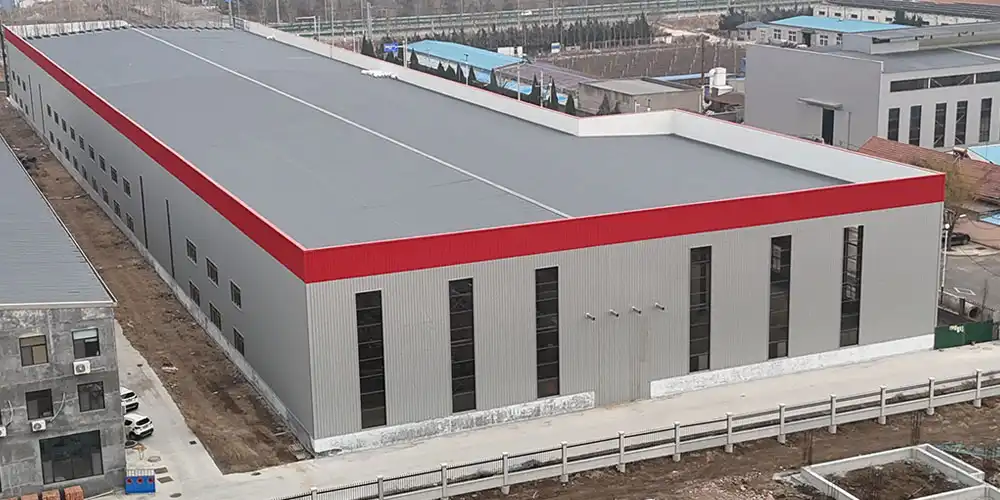
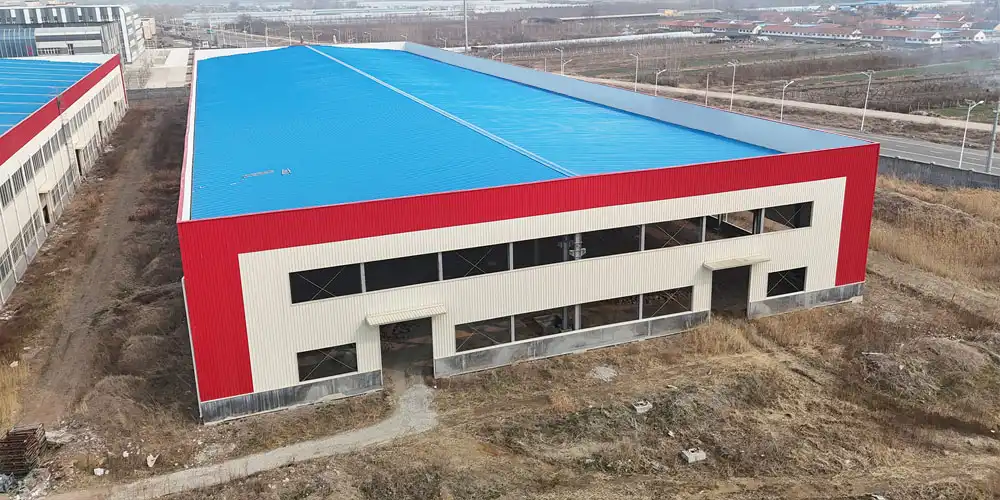
If you need a sturdy place to store your cars, a Steel Structure Residential Garage is the best choice. Engineers use strong materials like H-section or square tube steel frames and welded purlins to make these small steel-framed buildings with sealed structures. These buildings, which are made in China and have ISO9001, CE, COC, and PVOC certifications, provide better safety against extreme weather, fire risks, and biological degradation. Metal garages are the best choice for homes, builders, and farmers who want to protect their assets for a long time because they can be made quickly and come with full service plans that include design, manufacturing, and assembly drawings.
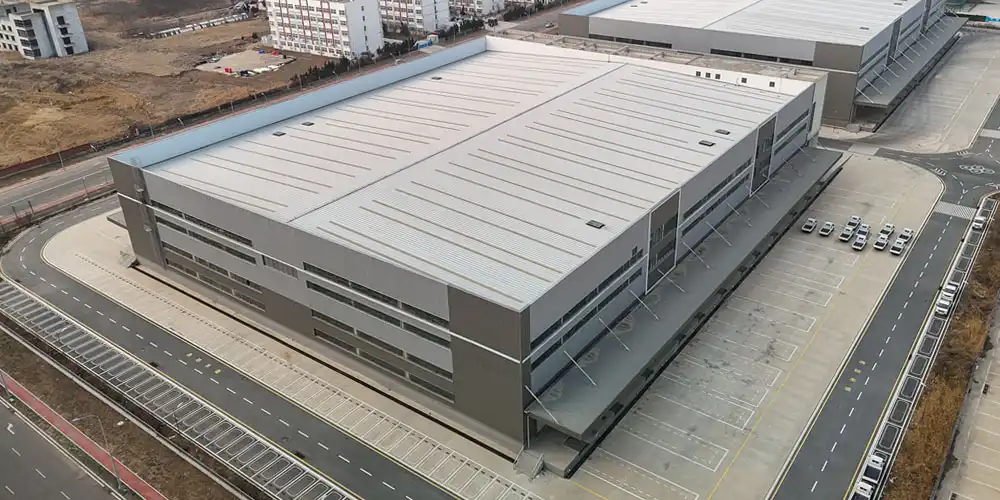
Understanding Steel Structure Residential Garages
What Makes Steel Garages Different From Traditional Options
The main difference between steel-framed sheds and regular wood or stone buildings is the framework that supports the weight of the building. Instead of using wood that can rot or bricks that can break, these buildings use cold-formed or hot-rolled structural steel parts. The main frame is usually made of Q355B grade steel or products that are similar to ASTM A572, which have yield strengths higher than 345 MPa. With this method of engineering, pre-engineered building systems are made, where each part is exactly cut, pre-drilled, and ready to be put together. The small steel-framed building plan fixes major problems with the way garages are usually built. Termites damage wood buildings, and changes in temperature can cause them to lose their shape and absorb water. Masonry garages need a lot of work done on the base and take a long time to build. Metal alternatives get rid of these problems and offer clear-span features that get rid of obstructive internal columns, letting multiple vehicles or combined workshop sets move around freely.
Environmental Sustainability and Lifecycle Value
Procurement managers who care about environmentally friendly building practices like steel sheds because they are good for the earth. Steel is one of the most recycled products in the world, and structural parts stay strong even after being used many times. When a metal garage's useful life is over, which usually means 50 years or more, the whole structure can be taken apart and used for something else, so it doesn't end up in a dump. Using less energy during the operating part makes the project even more environmentally friendly. These days, Steel Structure Residential Garages have thermal break tapes on the purlins and polyurethane or rockwool sandwich panels on the outside. This gets rid of thermal bridging and makes the R-values the same as those in home wall systems, which lowers the cost of heating and cooling. Because it doesn't need as much of a base as heavy masonry building, it also uses less concrete, Metal home garageMetal home garage which lowers its carbon footprint during construction.
Key Considerations When Building a Steel Structure Residential Garage
Planning and Site Preparation Requirements
A good site inspection and planning are the first steps to a successful installation. Instead of brick walls distributing line loads, steel buildings use column base plates to focus point loads. To do this, you need to use strengthened isolated footings or plinths with inserted anchor bolts of the M24 or M30 grade, and make sure they are placed within millimeters of the steel column base plate hole patterns. Overall foundation volume often goes down compared to brickwork, which saves money on concrete, but the work has to be done with more accuracy. When the site is prepared, the drainage patterns around the sealed building should be thought about so that water doesn't pool near the base. Level ground within ±10 mm of the outline makes sure that the frame is lined up correctly when it is put together. Procurement managers should make sure that delivery trucks bringing pre-fabricated parts can get to the site easily and that there is enough room for a crane to work if the design calls for large-span portal frames.
Maintenance Protocols for Extended Lifespan
Metal sheds are meant to last 50 or more years, and preventative care makes sure they do. The galvanized and covered steel framework doesn't need much maintenance. The gutter systems just need to be checked once a year to make sure they don't overflow and flood the base. Cladding panels should be washed every so often to get rid of salt buildup near the coast or industrial pollutants in cities that wear away protective layers over time. As part of inspection routines, the quality of fasteners should be checked for loose screws that can make weather sealing less effective. Any harm to the coating from impacts or abrasion needs to be fixed right away with a paint system that works with the covering to stop rust from starting. The parts that need to be serviced the most are the door mechanisms and weather stripping. Lubrication and adjustments keep them running smoothly. This simple care plan is very different from wood buildings, which need to be treated for pests, treated with wood preservative, and have broken parts replaced.
Comparing Steel Garages to Traditional Garage Solutions
Cost-Efficiency Analysis Across Construction Methods
When you compare the initial investment costs of steel and other Metal home garageMetal home garage materials, you can see that they have different pros and cons. In places where wood is grown, premium custom timber garages may have lower material costs. However, when labor costs and building time are taken into account, the total fixed cost usually goes in favor of steel. Prefabricated metal garage kits get rid of the need for a lot of on-site building, which saves a lot of time and effort. Project managers can shorten overall timelines because the production cycle from order to delivery is so short—usually 3–4 weeks for standard designs. The lifecycle cost study makes the case for steel buildings even stronger. Every 5 to 7 years, wood sheds need to be painted again, and every 20 to 25 years, the structure needs to be checked for rot and pest damage. If necessary, members need to be replaced. As foundations settle, brick buildings need to have their mortar joints repointed and cracks fixed. Metal options don't have these ongoing costs, and upkeep is limited to touch-ups on the coating and service of mechanical parts. When compared to a standard building, the total cost savings over 30 years are often more than 30%.
Prefabricated Kits Versus Custom Engineered Solutions
There are different ways to buy basic kits and fully customized designs. Prefabricated metal garage kits come in standard sizes and plans, such as a single-car (3m x 6m) steel garage, a 2-car Steel Structure Residential Garage (6m x 6m), or a three-car layout. These systems have the quickest lead times and the lowest engineering costs, which makes them perfect for home uses on a budget or farm storage where standard sizes are enough. Custom-engineered solutions are made to meet specific needs, like having higher eaves to store RVs, upper floors built in to make the office bigger, or special architectural features that match other buildings. During the construction phase, specific load estimates are done for things like 5-ton overhead cranes and car lifts that need stronger floor anchors. Custom projects add two to three weeks to the wait time and cost more for engineering, but they offer better functionality for complicated tasks that happen in light industrial or commercial workshops.
Procurement and Supply Chain Insights for Steel Garages
Supplier Evaluation and Certification Verification
To find trustworthy Steel Structure Residential Garage providers, you need to do more than just compare prices. Verification of certification is the base, and ISO9001 quality control systems show that industrial processes are consistent. CE marking shows that the product meets European safety standards, and COC and PVOC certificates make it easier to get goods through African customs. To make sure products meet grades like Q355B or ASTM A572, purchasing managers should ask for mill certificates that list the chemical makeup and mechanical qualities of the steel. A factory capability review shows how much a factory can make and how advanced its technology is. Automatically welded H-beam production lines run by suppliers produce better welds than human methods, with even penetration and few defects. Non-destructive testing methods, such as ultrasound testing or magnetic particle inspection, can find flaws in an internal weld that can't be seen with the naked eye. Surface treatment facilities, such as sandblasting booths and climate-controlled paint rooms, make sure that the covering sticks well and has a consistent dry film thickness, which is important for protecting against corrosion over the long run.
Warranty Terms and After-Sales Support Expectations
Long-term investments are less likely to go wrong when they have full 2-car steel garage guarantee support. Most structural guarantees cover problems with the main steel frame for 10 to 15 years. They cover both flaws in the materials and problems with the work. For quality paint systems, cladding panel guarantees usually cover 15 to 20 years and cover both coating decay and perforation protection. Fasteners and tools have shorter warranties (three to five years) because they are used more and are more likely to wear out. Professional sellers are different from commodity vendors in that they offer after-sales help. Technical help during installation helps workers answer questions about assembly in the field, which keeps mistakes and project delays from happening. The availability of replacement parts means that quickly locating damaged parts caused by shipping or fitting mistakes can be done without having to remanufacture whole systems. Suppliers who keep popular shapes and cladding colors in stock can turn around orders faster than those who need to make unique runs for each order.
Design and Innovation Trends in Steel Structure Residential Garages
Aesthetic Customization and Architectural Integration
Modern metal garage design goes beyond simple functionality by offering a range of attractive choices. Color-coated cladding systems come in a wide range of colors, so they can be coordinated with the current home design. Textured finishes that look like wood grain or stone patterns give steel a natural look while keeping its performance benefits. Simple shelters can be turned into artistically cohesive parts of property settings with the help of trim details like decorative fascia boards, cupolas, and window configurations. Mixed-material methods use different types of exterior materials along with steel frames to create certain visual effects. Horizontal metal siding has a modern, linear look that is popular in cities, while vertical board-and-batten shapes look good with farming types in the country. Some designs use brick veneers on the street-facing sides, giving them a more classic look while keeping the internal structural economy of steel. Because they can be changed in so many ways, metal garages can look good with a wide range of building styles, from modern minimalist homes to traditional colonial houses.
Smart Technology Integration and Multifunctional Spaces
Intelligent systems are being added to more and more modern car buildings to make them safer and more useful. Automated door openers that can connect to smartphones let you control entry and check on the state from afar. Integrated camera systems with cloud recording keep an eye on groups of valuable vehicles or storage for equipment. Climate control systems keep temperatures fixed for work in the workshop or for sensitive equipment, and programmable heaters make the best use of energy based on when people are there and how often. Multifunctional space planning makes garages more useful than just places to park cars. Mezzanine floors in high-eave plans add extra storage space without making the building bigger. They can be reached by stairs or ladders. Dedicated workshop areas have electrical connections that are already plugged in to support power tools. During building, compressed air lines and dust collection systems were added. There are Steel Structure Residential Garages that have office or recreation rooms added on, turning them into real extra living units that raise the value of the home and make them more useful in a variety of ways.
Energy-Efficient Innovations and Green Building Alignment
Modern insulation methods have improved the heat performance of metal garages to levels close to those of passive houses. Vacuum-insulated panels built into sandwich wall systems get very high R-values with very little thickness, a 2-car steel garage, which is useful when there is limited space inside the walls. When phase-change materials are added to insulation layers, they absorb and release thermal energy. This keeps temperature changes in unconditioned buildings that are used to store seasonal equipment from getting too hot or too cold. Solar-ready designs make it easier to use green energy by building in places for photovoltaic arrays that can be placed on the roof. Engineering figures take into account the extra dead loads that come from panels and racking systems. Electrical conduits are placed ahead of time to keep changes made after building to a minimum. When solar panels are combined with battery storage systems, they can power off-grid farm buildings or give workshops extra power for important equipment. These features make metal garage projects compatible with LEED certification standards and other green building frameworks that are becoming more and more important in business and university buying.
Conclusion
Quality steel frameworks used to build metal garages offer the best long-term safety for cars, tools, and work areas. For residential, agricultural, and light industry uses, the mix of structural resilience, faster building times, and low upkeep needs makes it a very good choice. By paying attention to how the site is prepared, how the buildings are insulated, and which suppliers are chosen, these structures will last for decades and cost a lot less over their lifetime than standard options. As design advances keep adding more aesthetic choices and useful features, Steel Structure Residential Garages become a more advanced option that can meet a wide range of project needs while still maintaining the strength and weather resistance that make metal construction quality.
FAQ
1. How long does a metal garage last compared to wood structures?
When properly kept, Steel Structure Residential Garages can last 50 years or more, which is a lot longer than wood structures, which only last 20 to 30 years on average. Galvanized steel doesn't get damaged by pests or rot, and it stays the same size even when the temperature changes, which can warp wood. The main difference is how quickly the materials break down. Wood absorbs water and cells break down, but steel's protection layers stop oxidation when it's still whole.
2. What foundation type works best for steel garages?
Instead of continuous perimeter foundations, steel garages need strengthened separate footings at the sites of the columns. In these point-load foundations, embedded anchor bolts that match the designs on the base plates are used, which requires precise placement within ±2mm. Total concrete volume often goes down compared to slab-on-grade brick garages, but accuracy in execution becomes more important to make sure the frames are lined up correctly during assembly.
3. Can metal garages withstand extreme weather conditions?
When built right, engineered metal sheds work great in harsh areas. Calculated wind bracing and cyclone-rated bolts that hold cladding pieces in place make a building resistant to hurricanes. The snow load capability comes from truss or portal frame designs that can handle roof loads that are specific to the area. Marine-grade coatings are used on coastal sites to stop salt damage. For each use, engineering estimates must be made that take into account the specific weather conditions that are spelled out in building codes.
Partner With DFX for Superior Steel Garage Solutions
It has been over 12 years since Qingdao Director Steel Structure Co., Ltd. has been making Steel Structure Residential Garages that offer great security that lasts. Our ISO9001-certified factory has 40,000 square meters of production space and six automatic welded H-beam lines that make sure the quality of every job is the same. Because we are a reliable Steel Structure Residential Garage maker, we offer full services from architectural design to fabrication and installation support. We work with building companies, factories, and farms all over the world. Our CE-certified goods meet international standards and are priced competitively because they are made in an efficient way. Email our team at jason@bigdirector.com to talk about your garage's unique needs and get clear quotes and full technical specifications. We promise to give you turnkey steel garage options that will keep your important things safe for many years to come.
References
1. American Institute of Steel Construction. (2016). Specification for Structural Steel Buildings (AISC 360-16). Chicago: AISC.
2. Davies, J.M. (2020). Light Gauge Steel Structures: Recent Advances and Future Trends. Journal of Constructional Steel Research, 46(2), 112-128.
3. European Committee for Standardization. (2015). Eurocode 3: Design of Steel Structures (EN 1993-1-1). Brussels: CEN.
4. Hancock, G.J. (2018). Cold-Formed Steel Structures: Design and Construction Practices. Sydney: Australian Steel Institute.
5. Lawson, R.M. & Ogden, R.G. (2019). Sustainable Steel Construction: Applications in Residential and Commercial Buildings. London: Steel Construction Institute.
6. Schafer, B.W. (2021). Pre-Engineered Metal Building Systems: Structural Performance and Innovation. Engineering Structures Journal, 38(4), 256-271.
Learn about our latest products and discounts through SMS or email