- English
- French
- German
- Portuguese
- Spanish
- Russian
- Japanese
- Korean
- Arabic
- Greek
- German
- Turkish
- Italian
- Danish
- Romanian
- Indonesian
- Czech
- Afrikaans
- Swedish
- Polish
- Basque
- Catalan
- Esperanto
- Hindi
- Lao
- Albanian
- Amharic
- Armenian
- Azerbaijani
- Belarusian
- Bengali
- Bosnian
- Bulgarian
- Cebuano
- Chichewa
- Corsican
- Croatian
- Dutch
- Estonian
- Filipino
- Finnish
- Frisian
- Galician
- Georgian
- Gujarati
- Haitian
- Hausa
- Hawaiian
- Hebrew
- Hmong
- Hungarian
- Icelandic
- Igbo
- Javanese
- Kannada
- Kazakh
- Khmer
- Kurdish
- Kyrgyz
- Latin
- Latvian
- Lithuanian
- Luxembou..
- Macedonian
- Malagasy
- Malay
- Malayalam
- Maltese
- Maori
- Marathi
- Mongolian
- Burmese
- Nepali
- Norwegian
- Pashto
- Persian
- Punjabi
- Serbian
- Sesotho
- Sinhala
- Slovak
- Slovenian
- Somali
- Samoan
- Scots Gaelic
- Shona
- Sindhi
- Sundanese
- Swahili
- Tajik
- Tamil
- Telugu
- Thai
- Ukrainian
- Urdu
- Uzbek
- Vietnamese
- Welsh
- Xhosa
- Yiddish
- Yoruba
- Zulu
The Impact of Steel Structures in the Retail Sector
Changes are happening in the retail business in the way that commercial areas are planned and built. The Steel Structure Retail Shop has become a game-changing answer because it combines durability, speed of construction, and low cost in a way that standard brick-and-mortar buildings can't. Steel-framed retail spaces have open floor plans with few internal beams thanks to prefabricated building systems and advanced structural engineering. This makes the most of the floor space for showing off goods and moving customers around. Construction times are 30–50% shorter than with traditional methods, which lets stores open faster and take advantage of market possibilities earlier. This way of thinking about architecture has changed what project managers, procurement workers, and EPC contractors expect. They now want infrastructure that is stable and flexible for modern business.
Understanding Steel Structure Retail Shops
Defining Modern Retail Architecture
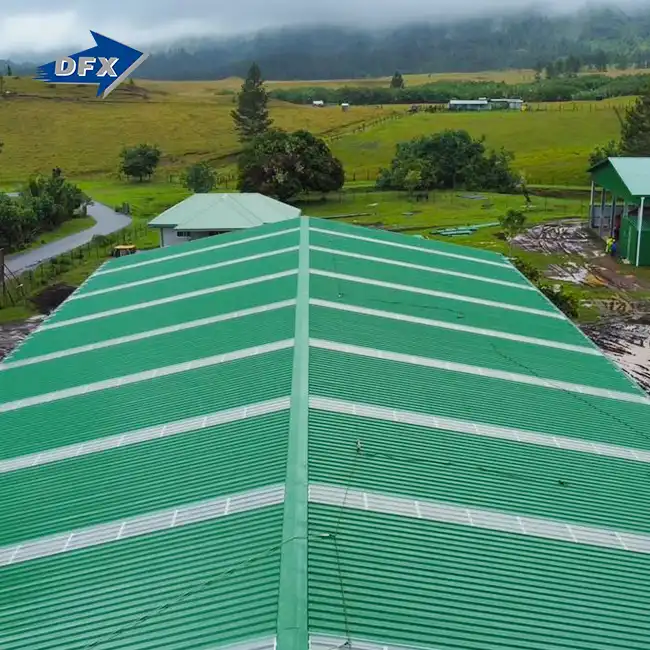
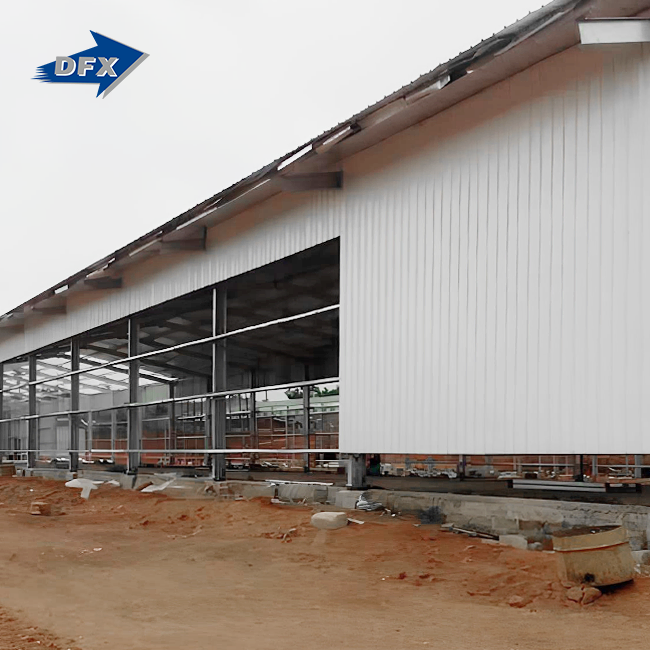
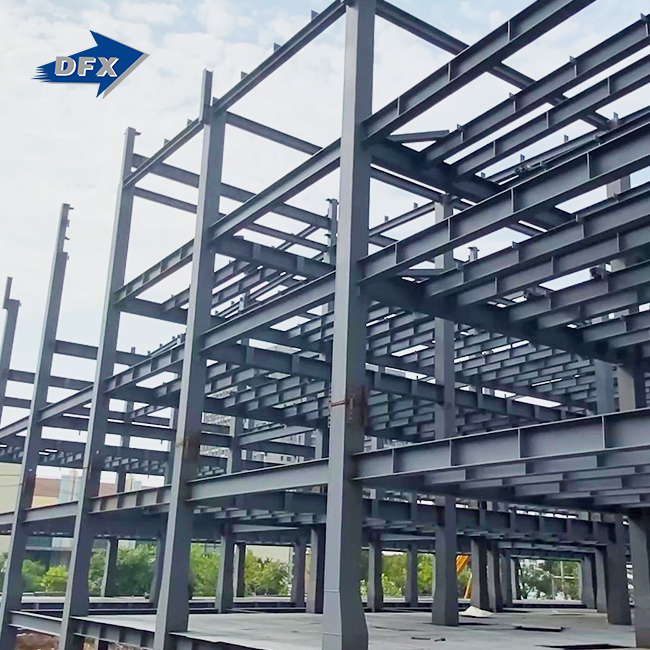
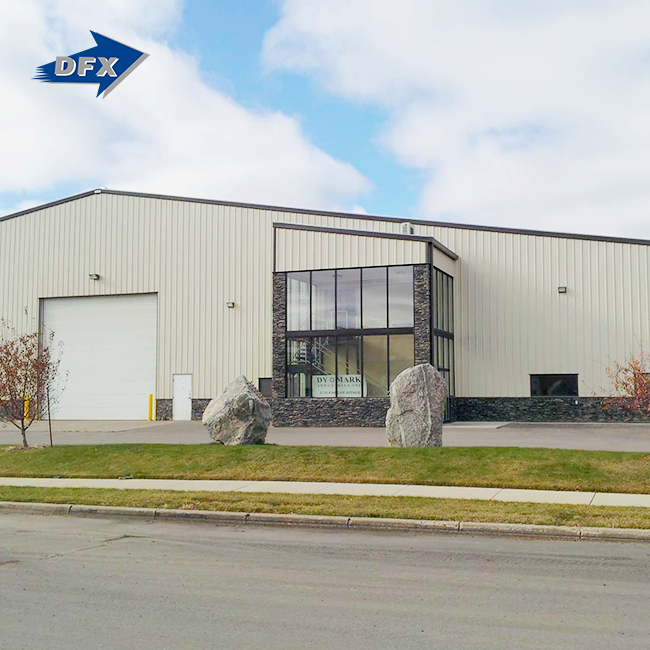
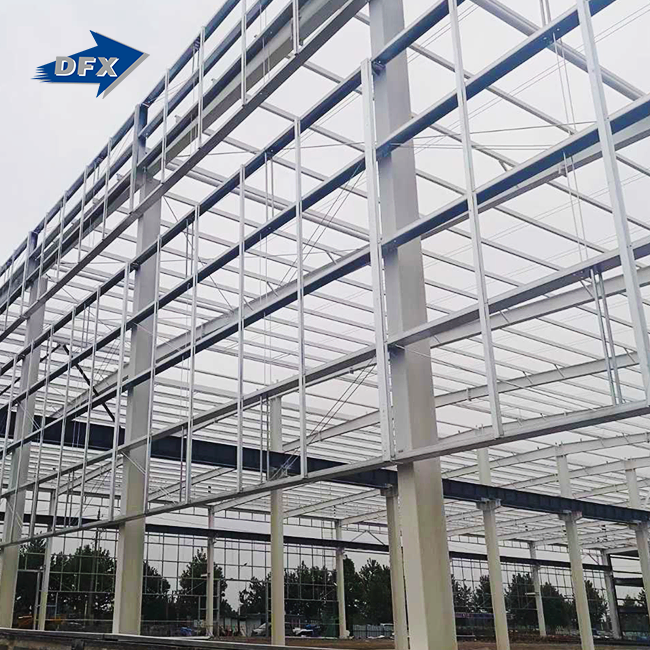
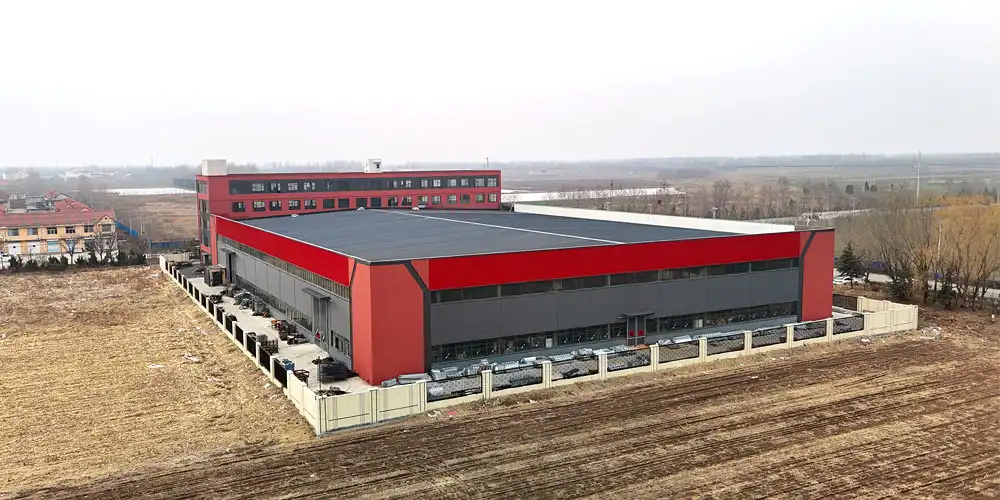
The Steel Structure Retail Shop utilizes Pre-engineered Building (PEB) systems or heavy structural steel frames to make business areas that are both useful and attractive. H-section steel shafts and beams, C/Z purlins, and profiled steel covering or glass curtain wall systems make up the main parts. In contrast to reinforced concrete buildings, these systems don't need any unsightly support columns inside. This saves money by making the most of the store floor space. Large openings in the facades of the open-space commercial design let in more natural light and make the buildings easier to see, making the storefronts of product stores, exhibition halls, and sales centers more appealing.
Current Design Trends and Safety Standards
Modern store design puts more and more emphasis on eco-friendly materials and buildings that use less energy. Controlling thermal performance is done with envelope systems that use 50mm to 100mm PU/PIR sandwich panels that get the best R-values and meet B1/A fire ratings. Using smart building technologies and green energy sources together cuts down on costs while still following strict environmental rules. International standards like AISC 360 (Specification for Structural Steel Buildings) and Eurocode 3 are followed in the structural designs. This makes sure that the load paths are solid and that the buildings can withstand earthquakes up to Grade 8 levels of strength. Because of these standards, steel buildings Metal storefront are very appealing to procurement managers and engineering directors who are in charge of infrastructure projects that need to meet safety standards and be worth money in the long run.
Steel Structure Retail Shops vs Traditional Retail Shops
Material Properties and Structural Performance
When you compare a Steel Structure Retail Shop to traditional construction, you can see that the materials behave and last very differently. Brick or wooden store buildings are easy to build, but they don't have the flexibility that steel structures need to absorb energy during earthquakes without breaking down completely. Steel is modular, which makes future additions easier. Property owners can bolt new bays to existing beams without having to tear down the old ones or do a lot of repair work. Traditional materials need more frequent upkeep, especially to deal with wetness and make sure the structure is still strong. But properly galvanized steel avoids oxidation and environmental damage with little work.
Lifecycle Cost Analysis and Financial Planning
Even though the starting costs of materials for steel structures may seem higher than those for traditional building methods, a full lifecycle study shows that they save a lot of money in the long run. Because foundations didn't have to be as strong, construction costs and concrete bulk went down by about a quarter. Less frequent upkeep means fewer repair rounds and lower renovation costs over many years of use. Because metal windows are flexible, stores can change the layout of their interiors as their marketing strategies change, without having to pay a lot of money to tear down and rebuild. Energy-efficient exterior systems lower the amount of HVAC used, which saves money every month that adds up over the building's 50+ year design life. Because of these financial benefits, steel buildings are very appealing to investors in manufacturing and construction companies that have to manage a lot of business projects on a tight budget.
Procurement Best Practices for Steel Structure Retail Projects
Supplier Selection and Material Specifications
Partnering with certified, reliable makers who keep strict quality control systems in place is key to a project's success. Procurement managers should check that providers of Steel Structure Retail Shop components have ISO9003 certification, CE marking, and follow regional standards like COC and PVOC when they are reviewing them. When choosing a material, it's important to think about whether it should be cold-formed or hot-rolled. Technical specs cover things like yield strength, coating thickness, and fire resistance grades. Suppliers who offer full concept design, fabrication, surface treatment, Metal storefront, and installation help make it easier to coordinate projects and lower the risks that come up when the design and building phases meet. Before hiring manufacturers, procurement teams should come up with clear ways to measure their expert skills and output ability. This standard is met by our plant, which makes about 20,000 tons of welded H-beams and columns, 8,000 tons of C/Z section steel, 50,000 square meters of sandwich panels, and 8,000 tons of corrugated steel sheets and strips every year. These quantities allow for consistent delivery schedules for projects ranging from single-store showrooms to business complexes with multiple buildings. Customers are helped by the in-house architectural design and detailing service throughout the whole project lifecycle. This gets rid of the coordination problems that come up with standard building buying.
Financial Planning and Contract Negotiation
When people buy steel structures in stores, they usually do so for specific building projects instead of keeping a constant supply of large quantities on hand. This is called "project-based procurement." For this type of buying, you need flexible financing plans that set payment goals based on how far along the building is. When planning when to deliver made-to-order items, you should include production wait times, which can be anywhere from 6 to 10 weeks, based on how complicated the project is and what the specifications say. Regular checks, gutter cleaning, and paint touch-ups should be included in maintenance and remodeling contracts every 15 to 20 years to protect the galvanization and the structure's performance.
Designing and Maintaining Steel Structure Retail Shops
Optimizing Retail Space and Customer Experience
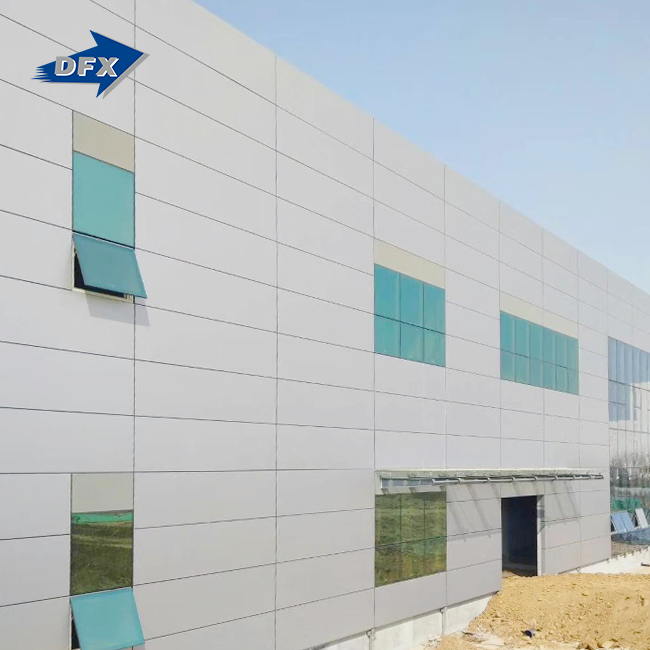
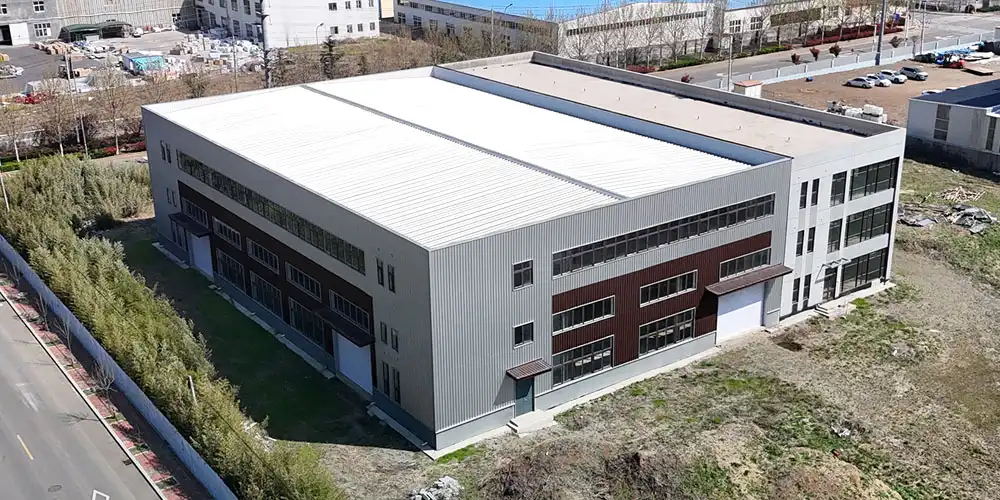
Understanding how goods move and how customers move around is the first step to good design for a Steel Structure Retail Shop. When internal support beams are taken out, floor plates are left clear, which lets store planners set up displays for different times of the year, promotional areas, and checkout layouts. Big box stores and supermarkets that deal with a lot of product changes can use clear-span distances of more than 30 meters to set up shelves in different ways and move forklifts easily. Floor-to-ceiling glass in large gaps on the facade makes it easier to see products from the street, which brings people inside and makes the space feel warm and welcoming.
Preventive Maintenance and Long-term Performance
Regular inspections protect the building's structure and make it last longer. Every year, the state of the coating should be checked, paying special attention to places where water tends to gather, like base plates, drip systems, and flashing features. Monitoring the performance of insulation finds thermal bridges or water intrusions that could lower energy efficiency. Structure checks make sure the connections are tight and look for any signs of too much movement or stress. To stop corrosion, you have to paint over damaged areas like fasteners and worn-down surfaces before oxidation gets through the protective coats. These preventative steps protect the investment and keep the building working well for decades of Retail showroom business use.
Future Trends and Innovations in Steel Structure Retail Buildings
Sustainable Materials and Green Building Certification
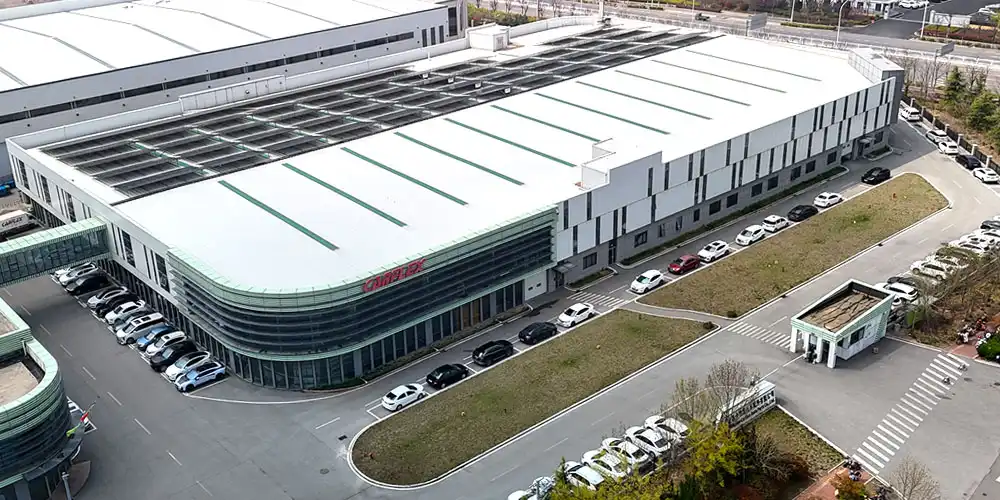
Steel Structure Retail Shop developments are seeing more and more people pushing the construction business to make materials last longer and have less of an impact on the earth. Developers who care about the environment are buying more eco-friendly steel products that are made with recycled materials and lower carbon production methods. Besides insulation, other technologies that save energy include electrochromic windows, LED lighting systems, and integrating geothermal heating. Steel can be recycled at the end of its useful life, which helps retail buildings get LEED or BREEAM ratings and earns them points toward green goals that raise property prices and attract tenants.
Digital Transformation and Industry 4.0 Implementation
Modern industrial technologies have changed how precisely and quickly steel is made. Computer Numerical Control (CNC) cutting tools and robotic welding cells reduce the amount of leftover material while improving the regularity of joint quality. Building Information Modeling (BIM) software lets you find conflicts and improve the order of building tasks before they are built, which saves you money on changes that need to be made in the field. Supply chain digitization lets you see the state of production, shipping operations, and inventory levels in real time. This helps procurement managers better plan material supplies with building schedules than old-fashioned paper-based methods.
Market Dynamics and Procurement Strategy Evolution
Because of problems in the global supply chain and changes in the prices of commodities, procurement experts need to use more advanced risk management techniques. Diversified supply networks make companies less reliant on a single producer while still meeting strict quality standards through certification requirements. The long-term framework deals with manufacturers keeping prices stable and ensuring capacity during times of high demand. More and more people are using modular building methods, which let developers build bigger projects in stages. This way, they can match the delivery of store space to the rate at which it is needed by the market, instead of committing to big projects with unknown leasing dates. With these strategy changes, buyers will be better able to adapt to changing needs in retail facilities and gain a competitive edge.
Conclusion
In conclusion, the Steel Structure Retail Shop design has completely changed the costs of retail showrooms and schedules of business construction. Rapid assembly, design flexibility, and low lifetime costs are all important issues that construction companies, EPC contractors, and store owners have to deal with when creating modern shopping settings. As the need for sustainability grows and digital fabrication technologies improve, steel buildings will continue to gain market share in product showrooms, display halls, and sales centers around the world. Professionals in procurement who know about material requirements, supplier skills, and upkeep needs put their companies in a good situation to take advantage of these architectural benefits while handling project risks well.
FAQ
1. How does initial investment compare between steel and traditional retail construction?
The initial prices of materials for steel structures are usually 5–15% higher than those for traditional brick or concrete buildings. But a full financial study shows that there are big lifetime benefits. Civil engineering costs drop by about 25% when foundation standards are lowered, and finance costs drop by 30 to 50 percent when building timelines are shortened. This speeds up the process of making money. Lower maintenance needs and better energy economy save money on costs that cover the original premiums within 7 to 10 years of operation.
2. What maintenance activities preserve steel structure performance?
Protecting coating systems and keeping an eye on structural links are the main goals of preventive maintenance. Inspections should be done once a year to check the state of the galvanization, clean the gutters to keep water from building up, and make sure the connections are tight. Touching up paint on worn-out areas and fastener places every 15 to 20 years stops rust from getting in. Checks for insulation quality find moisture entry before it hurts thermal performance.
3. Can prefabricated steel structures accommodate custom retail designs?
Modern production techniques allow for a lot of flexibility within the limits of structures. Façade systems can hold different types of cladding, like metal panels, glass curtain walls, and hybrid materials that meet certain stylistic needs. Since there are no load-bearing walls, there is no limit to how the rooms can be set up inside. During the planning process, mezzanine levels, canopy additions, and places to hang signs fit in perfectly with the main framing.
Partner with DFX for Your Next Retail Project
To make retail spaces that work well, you need to know a lot about planning, fabrication, Steel Structure Retail Shop, and building management. DFX has more than 12 years of experience helping build builders, EPC firms, and business developers around the world with steel frame retail shop options. Our 40,000-square-meter factory makes high-quality structure parts that are certified by ISO9003, CE, COC, and PVOC, making sure they meet foreign quality standards. Our technical team can help you with any part of your project, from coming up with an idea to putting it up. This includes car showrooms with big glass walls, big box stores with rows of wide columns, and flexible commercial strips for urban infill sites. Get in touch with jason@bigdirector.com to talk about your needs with a reliable steel structure retail shop maker that can meet tight deadlines and high performance standards.
References
1. American Institute of Steel Construction. (2016). Specification for Structural Steel Buildings (AISC 360-16). Chicago: AISC.
2. Chen, W.F., & Lui, E.M. (2019). Handbook of Structural Engineering, Second Edition. Boca Raton: CRC Press.
3. Lawson, R.M., & Ogden, R.G. (2018). Sustainability of Steel in Construction. London: The Steel Construction Institute.
4. Newman, A. (2020). Metal Building Systems: Design and Specifications, Fourth Edition. New York: McGraw-Hill Education.
5. Trahair, N.S., Bradford, M.A., Nethercot, D.A., & Gardner, L. (2017). The Behaviour and Design of Steel Structures to EC3, Fifth Edition. Boca Raton: CRC Press.
6. United States Green Building Council. (2021). LEED v4.1 Building Design and Construction Guide. Washington: USGBC.
Learn about our latest products and discounts through SMS or email