- English
- French
- German
- Portuguese
- Spanish
- Russian
- Japanese
- Korean
- Arabic
- Greek
- German
- Turkish
- Italian
- Danish
- Romanian
- Indonesian
- Czech
- Afrikaans
- Swedish
- Polish
- Basque
- Catalan
- Esperanto
- Hindi
- Lao
- Albanian
- Amharic
- Armenian
- Azerbaijani
- Belarusian
- Bengali
- Bosnian
- Bulgarian
- Cebuano
- Chichewa
- Corsican
- Croatian
- Dutch
- Estonian
- Filipino
- Finnish
- Frisian
- Galician
- Georgian
- Gujarati
- Haitian
- Hausa
- Hawaiian
- Hebrew
- Hmong
- Hungarian
- Icelandic
- Igbo
- Javanese
- Kannada
- Kazakh
- Khmer
- Kurdish
- Kyrgyz
- Latin
- Latvian
- Lithuanian
- Luxembou..
- Macedonian
- Malagasy
- Malay
- Malayalam
- Maltese
- Maori
- Marathi
- Mongolian
- Burmese
- Nepali
- Norwegian
- Pashto
- Persian
- Punjabi
- Serbian
- Sesotho
- Sinhala
- Slovak
- Slovenian
- Somali
- Samoan
- Scots Gaelic
- Shona
- Sindhi
- Sundanese
- Swahili
- Tajik
- Tamil
- Telugu
- Thai
- Ukrainian
- Urdu
- Uzbek
- Vietnamese
- Welsh
- Xhosa
- Yiddish
- Yoruba
- Zulu
Multi-Span Steel Building: Design, Cost, and Benefits
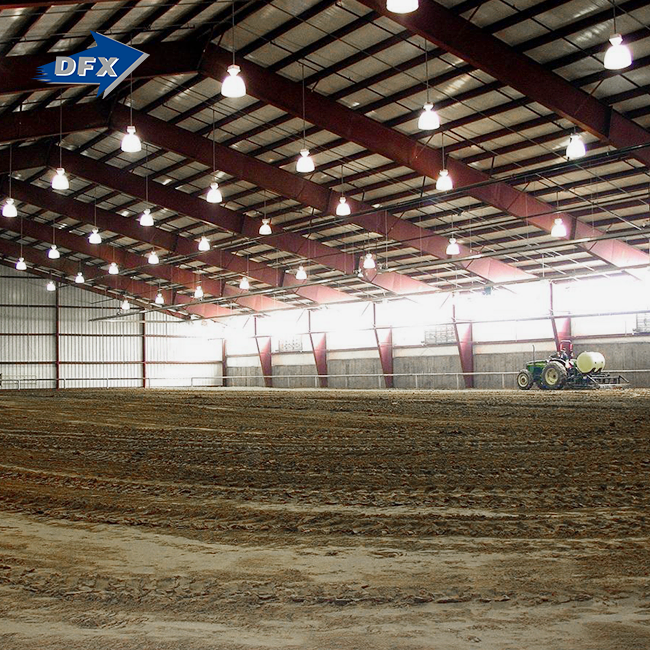
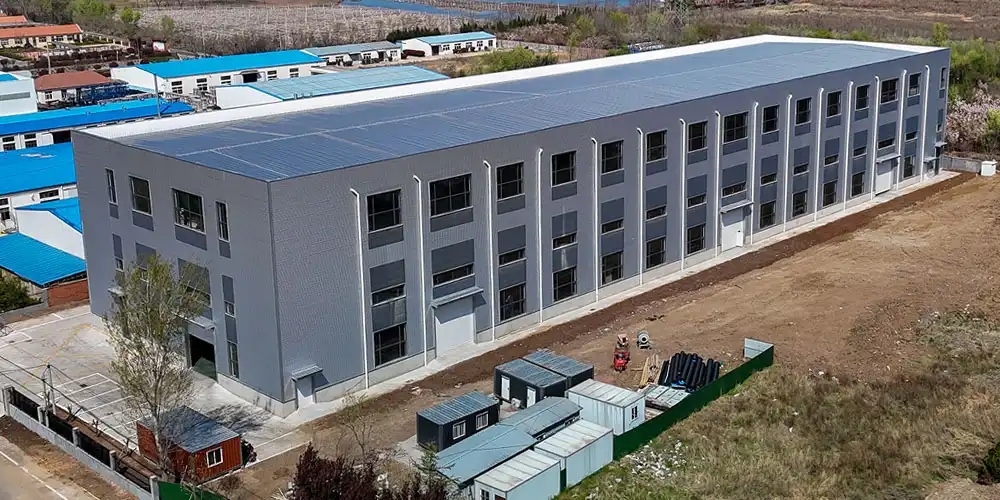
If you want to build a big commercial project, you need a building Multi-span Steel Workshopthat is both big and cheap. A Multi-span Steel Workshop does just that, with large areas covered by many parallel rooms that are divided by poles inside the workshop. For manufacturers, builders, and farmers who need wide spaces but don't want to pay as much for clear-span options, this configuration is the best choice because it evenly spreads loads and keeps material costs low. If you're building a factory, transportation hub, or processing plant, knowing how multi-span plans make the best use of space and money will help you decide what to buy next.
Understanding Multi-Span Steel Workshops: Design and Structural Principles
Multi-span steel structures are a smart way for engineers to design buildings with a lot of floor space that don't cost a lot of money. Instead of only using columns on the outside to support wide roofs, which is a useless and costly way to do it beyond 40 meters, these buildings use columns in the middle to split the structure into several bays. Each bay is usually 18 to 30 meters long, making a flexible system that can be expanded to almost any width your business needs.
Core Structural Components and Materials
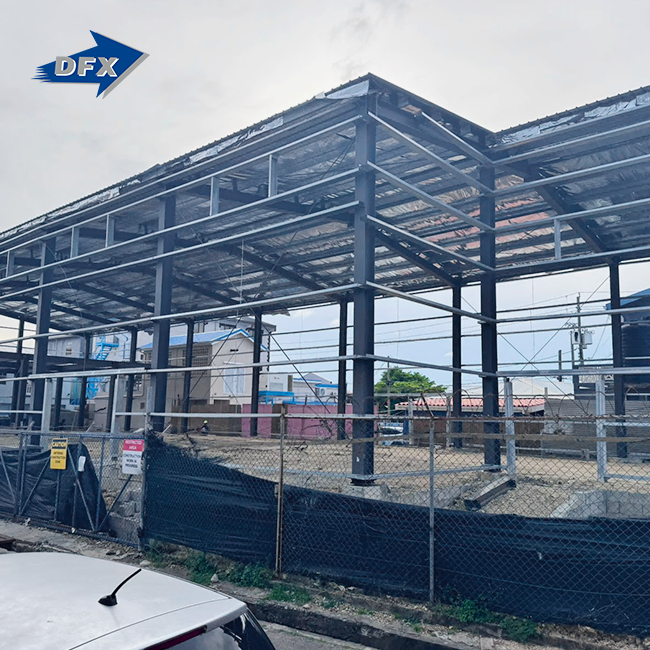
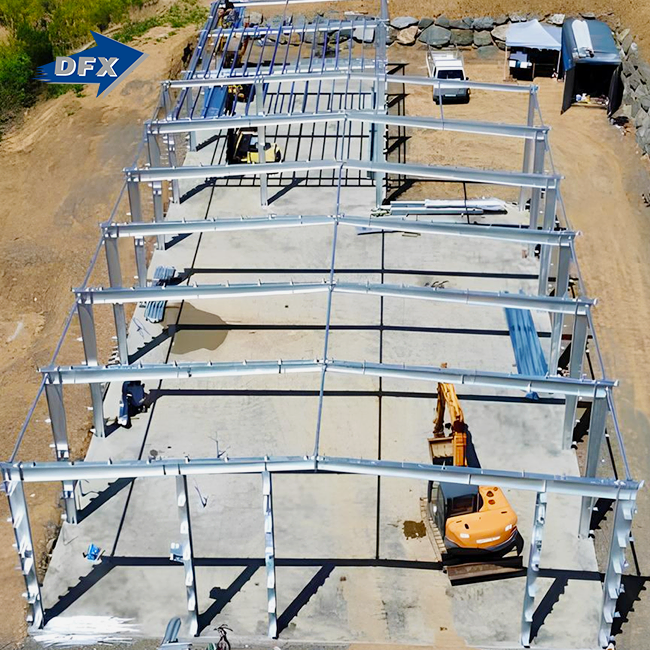
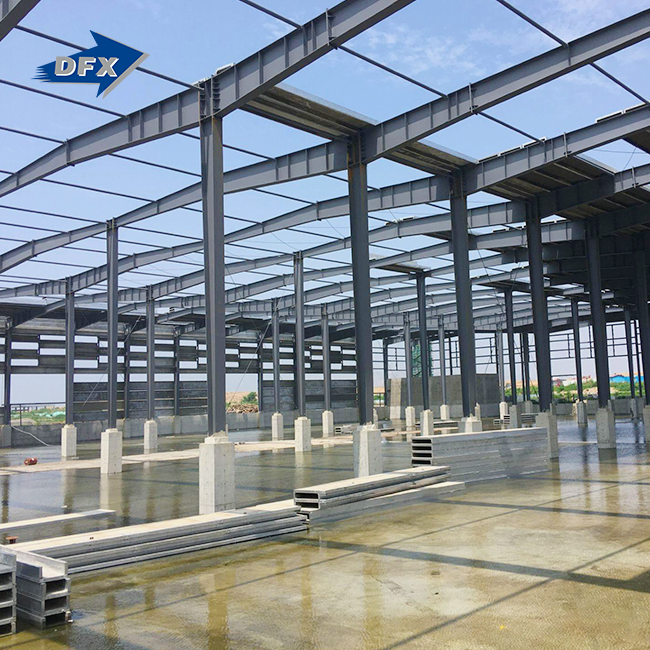
The main part of these buildings is made up of welded H-section steel frames made from high-strength steels like Q235 or Q355, which meet ASTM material compliance standards. These main frames are attached to engineered supports and bolted together, which makes building on-site quick and easy. Steel purlins made of C and Z sections run perpendicular to the frames and hold up the roof and wall panels while keeping the structure stable. Instead of putting all the stress on a few beams, this stacked system spreads live loads, dead loads, wind pressure, and earthquake forces out over the whole structure. Grades of steel like Q355B have yield strengths above 345 MPa, which means that cross-sections made of these grades can be lighter than those made of lower grades. The welded connections are put through strict quality checks that are based on AWS D1.1 standards. This makes sure that the joints can handle dynamic loads from big equipment or high cranes. All structural parts get a surface treatment, which is usually shot blasting to a Sa2.5 grade, followed by an epoxy zinc-rich filler or hot-dip galvanization at a minimum of 600g/m². This keeps the metal from rusting in places like factories and farms that are wet or chemically-rich.
Frame Configuration and Load Distribution
In clear-span designs, the whole roof weight has to be carried by a single beam over long lengths. In multi-span designs, the weight is spread out over several shorter spans. This greatly lowers the depth and weight of the beams needed per square meter, which saves 15–30% of the materials needed for projects wider than 40 meters. The internal columns do two things: they hold up vertical loads and provide anchor points for beams that support crane runways, mezzanine floors, or walls that split work areas. Depending on how much snow falls in the area and how well the roof drains, the pitch usually falls between 1:10 and 1:22. The multi-ridge shape makes valleys between bays that are next to each other. This means that strong interior gutter systems made of stainless steel or heavy-gauge galvanized material are needed. During storms, these drainage pathways handle large amounts of water, keeping it from pooling and leaking, which could damage equipment or goods below. The type of earth and the weight of the building affect the foundation system. When the ground is stable, multiple ridge building and strong enough to hold the building, spread footings are enough. But when the ground is soft or there is a lot of earthquake activity, pile foundations are needed. Engineering estimates take wind uplift into account, especially at corner columns, and include anchor bolts that are big enough to handle these horizontal and vertical loads for the life of the building.
Cost Analysis: Multi-Span Steel Workshop Price and Construction Process
Breaking down each step from idea to finish is needed to figure out how much a job costs. We've improved this process at Director Steel over the past 12 years of manufacturing experience, which has taught us what makes costs go up and where clients find value.
Design and Engineering Phase
Architectural planning determines the building's size, the distance between bays, and its height based on your needs. Whether you need room for high cranes, ventilation systems in chicken coops, or places without columns for assembly lines, these factors affect the first design choices you make. Our in-house architectural team works with project managers and engineers to make thorough plans that take into account your U.S. location's building codes, wind zones, and snow loads. Engineering skills usually make up 3–5 percent of the total cost of a job. This investment includes structural formulas, connection details, and base specs. This paperwork makes sure that the building code is followed and the permit process goes smoothly. For EPC workers who are in charge of multiple projects, having the fabricator make these plans makes it easier for trades to work together and cuts down on problems that can happen during installation.
Transportation and Installation
Shipping parts made in China to ports in the U.S. costs an extra $40 to $70 per ton by ocean freight, depending on the price of fuel and the supply of containers. Domestic trucking from the port to the spot depends on how far it is and how the load is set up. Containerized packages make it easier to clear customs and protect parts while they're in transit. However, for large beams, you may need flat-rack containers or break-bulk boats. On-site construction costs between $8 and $15 per square meter, depending on how easy it is to get to the spot, how experienced the crew is, and the weather. We give you detailed installation plans and can set up online technical support or send experienced supervisors to make sure the assembly is done right. Crews can quickly raise frames with mobile cranes thanks to bolted connections. In ideal conditions, most projects can finish putting up 500 to 800 square meters of structure per week. Total turnkey prices for a complete multi-span workshop range from $65 to 120 per square meter, but this depends on the features, location, and specs. This is cheaper than concrete tilt-up construction ($90–$150 per square meter) or regular steel buildings with clear-span designs ($85–$140 per square meter), especially as the width of the building grows.
Comparing Multi-Span Steel Workshops with Alternative Structures
Choosing what kind of building to buy depends on how well it fits the wants of the business and the budget. Multi-span plans are a good compromise between different building methods, each of which has its own pros and cons.
Multi-Span vs. Clear-Span Steel Buildings
Clear-span buildings don't have any internal columns, so the floor space is completely Multiple ridge building open. This setup works well in hangars for airplanes, indoor sports grounds, or other places where the setup of the equipment needs to be completely flexible. But the engineering needed to support roofs that are 50 meters or more in length without any intermediate supports calls for huge beam sections, which greatly increases the weight and cost of steel. Clear-span construction is usually 20–35% more expensive than multi-span construction for projects that are wider than 35–40 meters. Multi-span buildings have internal shafts that are spaced out regularly, usually 20 to 25 meters apart. This makes beam sizes smaller and reduces the total amount of material needed. This trade-off works well in factories with parallel production lines, warehouses with shelving systems that connect to columns, and farms with animal pens that are split up into parts. The poles give utilities, dividers, and equipment places to connect while leaving large open spaces inside each bay.
Steel Frame vs. Traditional Concrete Construction
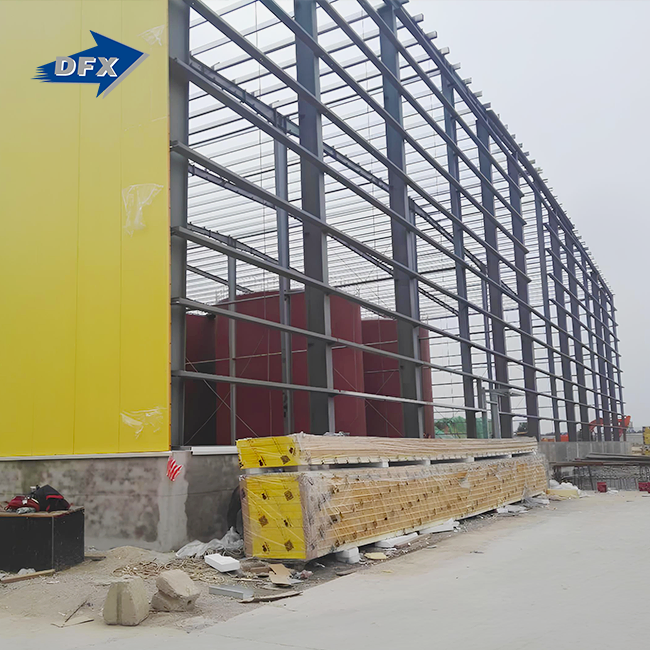
Concrete buildings are very resistant to fire and have a lot of heat mass, but they need a lot of formwork, longer curing times, and skilled brick tradespeople. Usually, it takes 18 to 24 months from the start of construction to the time the building is ready for use. Prefabricated steel parts, on the other hand, come ready to be put together, which speeds up the building process and allows similar-sized buildings to be finished in 6 to 10 months. This sped-up plan lowers the cost of borrowing and lets operations start sooner, making money that covers the initial investment. Because steel is stronger than concrete, its foundations can hold more weight than concrete ones. This can cut foundation costs by 10-15%. Steel structures are also easier to expand in the future—adding new bays or making the building longer only requires joining more frames, instead of tearing down and rebuilding load-bearing walls. Environmental concerns are becoming more and more important in buying choices. Steel can be recycled, which is good for the environment because old buildings can be taken apart and recovered without making more trash for landfills. Demolition of concrete causes problems with waste removal and the production of new materials that use a lot of carbon. Steel framing works well with insulation systems and reflective roofing that lower the amount of energy used for operations. This is important for production businesses that want to keep costs low over the long term.
Maintenance, Environmental Impact, and Long-Term Performance
The total cost of ownership, which includes beginning building costs, is based on how long something lasts. Steel buildings need to be checked on a regular basis to keep their protective finishes and structural stability.
Routine Maintenance Protocols
Corrosion control is still the most important upkeep task. Paint or galvanization should be checked for harm once a year, especially at fastener joints, base plates, and places where water can build up. If you catch small rust spots early, you can wire-brush them and touch them up with treatments that work with the metal before they spread. Recoating buildings that are near the coast or that use acidic processes should be done every 10 to 15 years to keep them protected. Gutter systems on roofs need to be cleaned out regularly to keep debris from building up and blocking drainage, which leads to ponding. Temperature changes can loosen nuts over time, so you should check how tight your fasteners are every so often. After bad weather, roof panels and flashings should be inspected, and any broken parts should be changed right away to stop water from getting in and speeding up corrosion. Door and window covers can be damaged by UV light and changes in temperature. Replacing weatherstripping and cleaning hinges keeps the steel bay spacing hardware in good shape and saves energy by stopping air from escaping. These small fixes cost a lot less than the repairs that need to be done right away because of neglected upkeep.
Long-Term Structural Reliability
When properly designed, steel frames can survive decades of heavy commercial use without breaking down too much. Steel stays strong as long as its protective layers stay in place, unlike wood structures that can rot, be damaged by insects and water, or concrete structures that can crack and rebar rust. Because they last so long, multi-span workshops are great for tough environments like chemical plants with corrosive fumes, farming facilities that are exposed to ammonia, or manufacturing facilities that make heat and humidity. Steel is seismically resilient because it is ductile, which means it can bend during shocks without breaking. When connections are planned with the right bolt sizes and plate widths, seismic energy is spread out, and the building stays stable. When buildings are designed for areas with a lot of wind, they have extra support and better anchorage to keep them standing during hurricane-force waves. Director Steel backs up structural integrity with a lot of paperwork, such as mill test papers that confirm the chemical and mechanical properties of the steel, weld inspection reports that meet AWS standards, and dimensional proof that confirms the limits for fabrication. This good paperwork backs up warranty claims and gives asset managers maintenance baselines they can use to plan for the long run.
Selecting the Right Multi-Span Steel Workshop Supplier and Manufacturer
Picking a manufacturing partner is just as important to the success of a project as picking the right design. Several factors separate sellers who are capable from those who are likely to cause delays or poor quality.
Technical Capabilities and Certifications
A supplier's manufacturing ability tells you if they can handle the size and timing of your project. Director Steel runs six automatic welded H-beam production lines that make about 20,000 tons of steel each year. They also have tools just for purlins, panels, and roofs. This system makes sure that we stick to production plans even when we are working on several big projects at the same time. Smaller manufacturers may have trouble with limited capacity, which can cause delays that affect the whole building schedule. Quality standards are an objective way to check how things are made. Our ISO 9001 certification shows that we have structured quality control throughout the whole production process, from receiving the raw materials to doing the final check. Conformity with European guidelines on structural safety is confirmed by a CE mark, which is a credential that foreign builders are increasingly looking for. It's not just paper that these certifications mean; they also mean that processes and testing routines have been checked and found to be effective at reducing errors and maintaining consistent product quality.
Delivery Performance and After-Sales Support
Reliability in lead times is very important when project plans include fines for finishing late. Our normal manufacturing window is 25–47 days, which includes getting materials, planning the order of production, quality checks, and packing to keep them safe. We send you updates on our progress throughout the making process so you can confidently plan how to prepare the site, rent a crane, and schedule the crew. Delays in the manufacturing stage can affect the whole project. To protect your schedule and budget, choose providers with a history of on-time delivery. Installation instructions are the link between parts that have been made and buildings that are complete. We give you full erection drawings with piece marks, connection steps, and lifting points that make it easier to put the structure together in the field. For difficult projects or teams that haven't worked with steel before, we can set up remote advice or on-site supervision to fix problems and make sure the right way to do things is used. This help is very helpful when weather delays make it hard to stick to plans and teams have to speed up their work without lowering the quality. After-sales service answers the questions that will inevitably come up during building and the first few weeks of use. Quick technical support keeps small problems from turning into big ones that cost a lot of money, whether you need help understanding torque specs, replacing screws, Steel bay spacing, or adding equipment attachments to frames that are already there. Our 200-person team includes engineers who know how to quickly fix problems in the field so that your project can keep moving forward.
Conclusion
Multi-span steel workshops are a great choice for industrial, manufacturing, and farming uses because they are large, structurally efficient, and cost-effective. When you use internal columns in a smart way, you can save material compared to clear-span options while still leaving a lot of space for tools, storage, and production. With good planning, good construction, and regular upkeep, these buildings will last for decades in a wide range of environments and for a wide range of challenging purposes. They are more appealing to forward-thinking buying workers looking for sustainable building solutions because they can be built faster, have more design options, and can be recycled. If you choose makers with a track record of success, you can be sure that your investment will work well and last for a long time.
FAQ
1. What width range works best for multi-span steel workshop configurations?
Multi-span plans work best for buildings that are 40 to 100 meters wide. Plans with a clear span or a single slope are often cheaper for lengths less than 40 meters. After 100 meters, the multi-span method is still a good deal, but you need to pay close attention to the thermal expansion joints and the complexity of the drains. Bay lengths are usually between 18 and 30 meters, which is a good balance between making the structure as efficient as possible and making sure that columns don't get in the way of work or equipment.
2. Can overhead cranes operate in every bay of a multi-span building?
Of course. Crane runway beams connect to poles inside and outside the building to support lifting equipment all over the building. When multiple cranes are working at the same time in neighboring bays, engineering estimates need to take into account the possibility of dynamic loads that change the design of the structure. Most industrial and assembly jobs call for cranes that can hold between 5 and 50 tons. However, heavier systems that can hold up to 100 tons or more can be used with the right frame reinforcement and base design.
3. How do multi-span buildings handle thermal expansion across wide footprints?
Structures longer than 80 to 100 meters usually have expansion joints that let them move in a controlled way when temperatures change. These joints are made up of moving connections or slit holes that let the frame move longitudinally without putting stress on it. When placed correctly, it keeps things from breaking in the summer or getting too tight during cold spells. Extreme weather changes happen a lot in the United States, so buildings in those areas need careful planning of these systems to keep their structure strong all year.
Partner with Director Steel for Your Next Multi-Span Steel Workshop Project
Director Steel has been building big industrial structures for clients all over the world for more than 12 years. As a Multi-span Steel Workshop maker that is ISO 9001 and CE approved, we handle every step of the process, from designing the structure to providing installation instructions, making sure the project goes smoothly. Our 40,000-square-meter factory has more than 200 skilled workers who use high-tech welding lines, purlin equipment, and panel-making systems that can make 20,000 tons of H-beams every year. We offer custom solutions backed by ASTM-compliant materials and strict quality control, whether you're an EPC builder looking for an industrial plant, a manufacturing company wanting to make more, or a farming business building a facility for livestock. Get in touch with jason@bigdirector.com right away to talk about your needs and get a full quote. Find out how our integrated design-fabrication-support method makes buying easier, speeds up the building process, and gives you the best value as a trusted Multi-span Steel Workshop provider.
References
1. American Institute of Steel Construction (2022). Steel Construction Manual, 15th Edition. Chicago: AISC.
2. Newman, Alexander (2021). Pre-Engineered Metal Buildings: Design and Construction Practices. New York: McGraw-Hill Professional.
3. Owens, Geoffrey and Knowles, Peter (2020). Steel Designers' Manual, 7th Edition. Oxford: Wiley-Blackwell.
4. Chen, Wai-Fah and Lui, Eric (2019). Handbook of Structural Engineering, 2nd Edition. Boca Raton: CRC Press.
5. Gaylord, Edwin et al. (2018). Design of Steel Structures, 5th Edition. New York: Springer Publishing.
6. Trahair, Nicholas and Bradford, Mark (2020). The Behaviour and Design of Steel Structures to EC3, 5th Edition. London: Taylor & Francis.
Learn about our latest products and discounts through SMS or email