- English
- French
- German
- Portuguese
- Spanish
- Russian
- Japanese
- Korean
- Arabic
- Greek
- German
- Turkish
- Italian
- Danish
- Romanian
- Indonesian
- Czech
- Afrikaans
- Swedish
- Polish
- Basque
- Catalan
- Esperanto
- Hindi
- Lao
- Albanian
- Amharic
- Armenian
- Azerbaijani
- Belarusian
- Bengali
- Bosnian
- Bulgarian
- Cebuano
- Chichewa
- Corsican
- Croatian
- Dutch
- Estonian
- Filipino
- Finnish
- Frisian
- Galician
- Georgian
- Gujarati
- Haitian
- Hausa
- Hawaiian
- Hebrew
- Hmong
- Hungarian
- Icelandic
- Igbo
- Javanese
- Kannada
- Kazakh
- Khmer
- Kurdish
- Kyrgyz
- Latin
- Latvian
- Lithuanian
- Luxembou..
- Macedonian
- Malagasy
- Malay
- Malayalam
- Maltese
- Maori
- Marathi
- Mongolian
- Burmese
- Nepali
- Norwegian
- Pashto
- Persian
- Punjabi
- Serbian
- Sesotho
- Sinhala
- Slovak
- Slovenian
- Somali
- Samoan
- Scots Gaelic
- Shona
- Sindhi
- Sundanese
- Swahili
- Tajik
- Tamil
- Telugu
- Thai
- Ukrainian
- Urdu
- Uzbek
- Vietnamese
- Welsh
- Xhosa
- Yiddish
- Yoruba
- Zulu
What is a Cold Storage Steel Warehouse, and how does it work?
A Cold Storage Steel Warehouse is a pre-engineered building system made to store things that need to be kept at a certain temperature, like medicines, drugs, and food. A heavy-duty structural steel frame, usually made of H-beams and galvanized C/Z purlins, is used, along with high-performance thermal insulation panels. The method solves three important problems in cold chain logistics: thermal bridging, energy waste, and structural instability in very cold conditions. Compared to traditional concrete buildings, these modular prefabricated steel storage buildings cut down on construction times by 30 to 50 percent while still keeping airtight walls that keep cooling energy use to a minimum. The warehouse keeps certain temperature zones, ranging from +0°C for chilled storage to -40°C for deep freezes. This makes sure that strict cold chain standards for global supply lines are met.
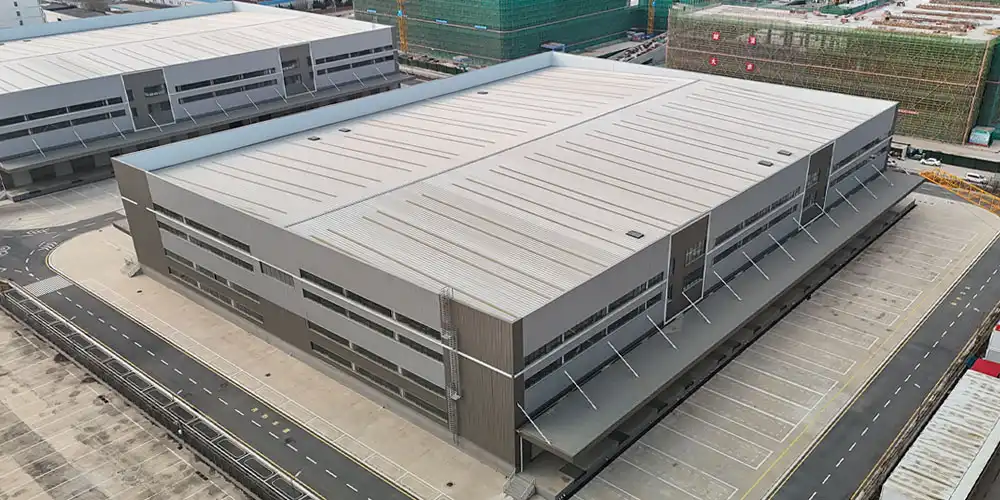
Understanding Cold Storage Steel Warehouses
It is important to understand the basic structure and workings of these specialized facilities when looking for ways to store things that go bad quickly.
What Makes Steel Construction Ideal for Cold Storage
Cold Storage Steel Warehouse is great for places where the temperature needs to be controlled. The main steel frame is made of H-beams, which give it a strong load-bearing capacity and big clear-span designs. This means that there are no internal columns to get in the way of material handling equipment and shelving systems. This open plan makes the best use of space and improves speed. When applied to structural parts, the galvanized coating method prevents corrosion caused by condensation, which is a constant problem in places where temperature differences cause water to build up. When we make things at Director Steel, we use hot-dip galvanization that covers more than 275g/m², which meets ISO9001 and CE approval standards for foreign projects. This protected layer makes the structure last longer than 50 years, even in cold storage with a lot of humidity.
How Insulation Systems Control Temperature
The temperature barrier is the most important part of keeping the climate exactly controlled. The outside of the building is made up of sandwich panels made of polyurethane (PUR) and polyisocyanurate (PIR), which have densities of 40 to 42 kg/m³. The thermal conductivity of these panels is as low as 0.024 W/(m·k), which makes them a good shield against heat transfer."Cold bridges" happen when Insulated metal building heat gets around insulation by going through structural parts. Thermal break technology at the link points between the steel frame and cladding stops these "cold bridges." This technical feature keeps the inside of the building at a steady temperature without putting too much stress on the refrigeration systems by stopping frost from forming on the inside surfaces. The result is measurable energy savings: buildings that are properly built use 20–30% less power than warehouses that don't have thermal break features.
Benefits of Using Cold Storage Steel Warehouses in B2B Supply Chains
Cold Storage Steel Warehouse is becoming more and more popular among procurement managers and project engineers in a wide range of industries because they are easier to run and save money.
Energy Efficiency Drives Long-Term Cost Savings
Operating costs are directly affected by how well the soundproofing works. When compared to traditional construction, a well-designed building with PIR sandwich panels can save 25–40% on cooling energy costs. These savings add up over the life of the building, and the lower energy costs alone will pay for the investment within 5 to 7 years. Airtight building standards, which we check by testing with a fan door during the manufacturing process, keep cool air from escaping. Each percentage point increase in airtightness leads to a measured decrease in compressor runtime. This makes equipment last longer and requires less upkeep.
Structural Adaptability Supports Business Growth
The concepts of modular design allow for future growth without affecting current processes. Steel frame systems can be expanded horizontally or vertically as the need for storage grows. It is possible to change the layout of the bracing system to make room for new doors, loading docks, or walls that separate weather zones within the same building. This adaptability helps companies that make things that change their product lines or farms that store different kinds of crops. Companies don't build completely new facilities; instead, they make changes to current ones. This is a smart way to spend money because it improves capital efficiency while keeping operations running smoothly.
Comparing Cold Storage Steel Warehouses to Other Warehouse Types
Figuring out how different performance Insulated metal buildingtraits compare helps people make decisions about the best answers for each job.
Steel Versus Concrete Construction Economics
Traditional buildings made of concrete have benefits for thermal mass, but they take longer to build and cost more to work with at first. Engineered insulation systems in Cold Storage Steel Warehouse give them similar thermal performance while also giving them better tensile strength at a lower total weight. This edge in weight lowers the need for foundations, which is especially helpful for projects in difficult land where heavy piling would otherwise make costs go up. A look at the costs of 20 recent projects shows that Cold Storage Steel Warehouse costs 15–25% less per square meter than options made of reinforced concrete. The difference grows when faster project finish dates are taken into account, which lowers the cost of borrowing and lets the business start making money earlier.
Insulation Material Performance Comparison
There are different kinds of insulation, but polyurethane and polyisocyanurate panels always work better in cold storage situations than other choices. Mineral wool batts are fire-resistant, but they lose their insulation value when they get wet in cold places. Expanded polystyrene is cheaper at first, but it doesn't keep heat out as well per inch of thickness, so wall assemblies have to be thicker, which takes up more useful room inside.PIR panels are great at keeping heat in and have fire ratings that meet European standards for classes B1/B2. This is an important requirement for buildings that store dangerous materials or have to follow strict safety rules. The closed-cell structure keeps out water, so the panel's R-value performance stays the same over its 25–30-year life.
Procurement and Installation Guidance for B2B Clients
Finding and using cold storage options that work well requires understanding technology requirements, evaluating suppliers, and coordinating the project.
Selecting Qualified Steel Structure Suppliers
Verification of certification is the basis of evaluating a seller. The ISO9001 quality management certification shows that the manufacturing process is controlled in a planned way, and the CE marking shows that the product meets European safety and performance standards. For projects that need to follow EN1092 for connecting pressure equipment, providers need to keep special certifications in addition to their regular credentials for building structures. Assessing the manufacturing ability keeps deliveries from being late. We can produce 20,000 tons of riveted H-beams, 8,000 tons of C/Z section steel, and 50,000 square meters of sandwich panels every year, which lets us work on several projects at once without falling behind schedule. Smaller producers may have trouble meeting large-scale needs or tight deadlines.
Installation Requirements and Site Preparation
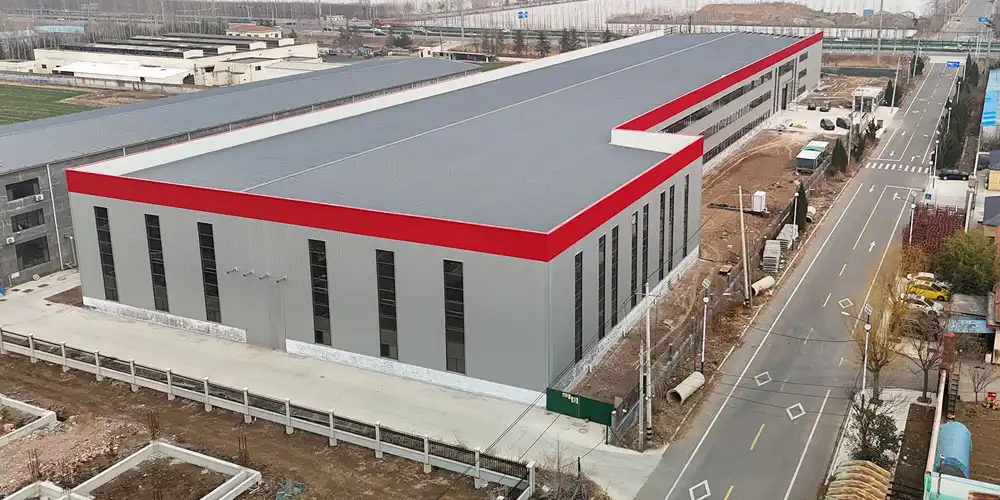
How quickly a work can be done depends a lot on how ready the site is. Level foundation Cold chain logistics blocks with a surface error of less than 10 mm across any 3-meter span make it possible to place columns accurately and cut down on the need for shimming. A site study is needed during the planning stages to make sure there is enough crane access for lifting pre-assembled truss sections, some of which are over 12 meters long and weigh 4 tons. The electrical system has to match the requirements set during planning for the refrigeration equipment. Under-floor heating systems need to be set up before the interior slab is put down, which means that foundation builders and mechanical experts need to work together early on. As part of our erection guide services, we provide thorough installation plans that take these interdependencies into account. This makes sure that the project goes smoothly from the start of the foundation work to the final commissioning.
Maintaining and Optimizing Cold Storage Steel Warehouses
Long-term success relies on planned technology integration and systematic repair practices.
Preventive Maintenance Protocols
Regular checks find small problems before they get worse and cost a lot to fix. Every three months, the joints between panels are checked for gasket wear that lets air in, and once a year, ultrasound scanning of structural welds looks for fatigue cracks in connections that are under a lot of stress. Coating systems need to be checked for harm on a regular basis, and touch-up painting stops localized rust that could weaken the structure. Maintenance on the refrigeration system happens at the same time as structure checks. Cleaning the evaporator coil keeps the heat transfer working well, and checking the charge of the refrigerant makes sure the compressor works at its best. These mechanical maintenance jobs go along with structure maintenance to make complete asset management programs that keep facilities running smoothly and extend their useful lives.
Technology Integration for Enhanced Performance
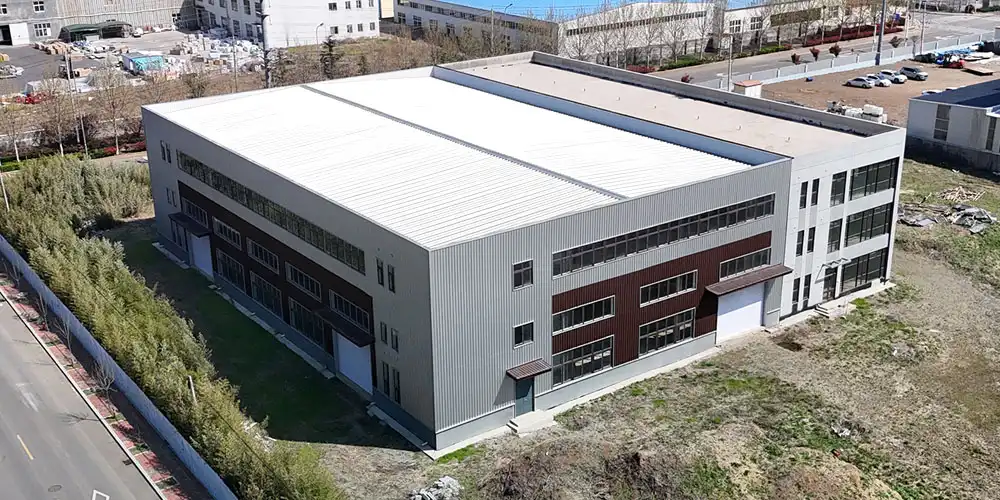
Modern temperature tracking tools give information about the warehouse's environment in real time. Multiple wireless sensor networks keep an eye on temperature and humidity and let workers know if anything seems off, which could mean that a machine is broken or insulation is missing. Automated control systems change the amount of cooling based on the temperature inside and the outside air. This saves energy without affecting the safety of the products.IoT-enabled predictive maintenance looks at trends in how well equipment is working and plans service visits before problems happen. This proactive method cuts down on unplanned downtime, which is very important for sites that serve Cold chain logistics as links in time-sensitive cold chain logistics networks for distributing drugs or fresh food.
Conclusion
Cold Storage Steel Warehouse is a well-thought-out way to handle the complicated needs of temperature-controlled storage and transportation. When you combine the natural powers of structural steel with cutting-edge insulation technology and built-in temperature control, you get buildings that are both cost-effective to build and run in the long term. By learning about the technical features, benefits, and setup needs of these systems, businesses in the building, manufacturing, agriculture, and infrastructure sectors can make smart purchasing choices that meet their specific needs.
FAQ
1. What insulation materials work best for cold storage steel warehouses?
Sandwich plates made of polyurethane (PUR) and polyisocyanurate (PIR) work best for most cold storage needs. As little as 0.024 W/(m·k) of heat can be transferred through these materials, but they still have high scores for structural rigidity and fire protection. The closed-cell foam structure doesn't let water in, which is very important in places where mist forms on panel surfaces. For sufficient compression strength to support exterior loads without deforming over time, panel density should be at least 40 kg/m³.
2. How does a cold storage steel warehouse maintain temperature stability?
Multiple linked systems working together keep the temperature stable. High-performance insulation walls make a thermal shield that keeps heat from moving from the outside to the inside. Cold crossing through steel members is stopped by thermal break technology at structural links. Target temperatures are kept by refrigeration equipment that is the right size for the building's heat load, and warm air from the outside can't get in because the building is sealed. Monitoring tools keep an eye on things all the time, so when things go wrong, they can be fixed quickly before the quality of the product is affected.
3. What advantages does steel construction offer over concrete for cold storage?
Steel speeds up the building process, cutting the time it takes to finish a project by 30 to 50 percent compared to concrete options. The high strength-to-weight ratio of the material allows for big clear-span designs without inner columns, which increases the amount of space that can be used for storage and the ease with which equipment can be moved. Prefabrication in controlled environments makes sure that the quality is always the same, and flexible design lets the building grow in the future without having to make big structural changes. Steel's ability to bend makes it better at handling earthquakes, and areas that are properly covered don't rust for many years.
Partner with DFX for Your Cold Storage Steel Warehouse Solution
To make cold storage infrastructure that works, you need to know a lot about building engineering, thermal science, and coordinating transportation. Director Steel is a top Cold Storage Steel Warehouse maker with more than 12 years of Cold Storage Steel Warehouse experience in this field. They offer turnkey solutions that are designed to be efficient and provide long-term value. Our factory in China is ISO9001 and CE approved, and it makes modular prefabricated steel storage buildings that are used in logistics warehouses, delivery hubs, and storage centers around the world. We help you with your project from the first idea to when it's ready to use. We do engineering calculations, precise fabrication using H-beam frames and galvanized parts, logistics coordination to handle international shipping, and full erection guidance to make sure the job is done right. Get in touch with Jason at jason@bigdirector.com to talk about your cold storage needs and get full technical specs that are made just for you. Find out why operations directors, project engineers, and procurement managers always choose Director Steel for reliable Cold Storage Steel Warehouse options.
References
1. International Institute of Refrigeration (2021). "Guidelines for Cold Storage Warehouse Design and Operation," IIR Technical Report Series.
2. American Institute of Steel Construction (2022). "Pre-Engineered Steel Buildings: Design Standards and Best Practices," AISC Publication Manual.
3. Chen, W. and Liu, S. (2020). "Thermal Performance Analysis of Insulated Metal Panel Systems in Refrigerated Warehouses," Journal of Cold Chain Engineering, Volume 15, Issue 3, pp. 145-162.
4. European Committee for Standardization (2019). "EN 1090: Execution of Steel Structures and Aluminum Structures—Technical Requirements," CEN Standards Document.
5. Food and Agriculture Organization (2021). "Cold Chain Infrastructure Development: Technical Guidelines for Developing Countries," FAO Agricultural Services Bulletin.
6. Zhang, T., Anderson, R., and Kumar, P. (2023). "Life Cycle Cost Analysis of Steel Versus Concrete Cold Storage Facilities," International Journal of Industrial Construction, Volume 28, Number 2, pp. 234-251.
Learn about our latest products and discounts through SMS or email