- English
- French
- German
- Portuguese
- Spanish
- Russian
- Japanese
- Korean
- Arabic
- Greek
- German
- Turkish
- Italian
- Danish
- Romanian
- Indonesian
- Czech
- Afrikaans
- Swedish
- Polish
- Basque
- Catalan
- Esperanto
- Hindi
- Lao
- Albanian
- Amharic
- Armenian
- Azerbaijani
- Belarusian
- Bengali
- Bosnian
- Bulgarian
- Cebuano
- Chichewa
- Corsican
- Croatian
- Dutch
- Estonian
- Filipino
- Finnish
- Frisian
- Galician
- Georgian
- Gujarati
- Haitian
- Hausa
- Hawaiian
- Hebrew
- Hmong
- Hungarian
- Icelandic
- Igbo
- Javanese
- Kannada
- Kazakh
- Khmer
- Kurdish
- Kyrgyz
- Latin
- Latvian
- Lithuanian
- Luxembou..
- Macedonian
- Malagasy
- Malay
- Malayalam
- Maltese
- Maori
- Marathi
- Mongolian
- Burmese
- Nepali
- Norwegian
- Pashto
- Persian
- Punjabi
- Serbian
- Sesotho
- Sinhala
- Slovak
- Slovenian
- Somali
- Samoan
- Scots Gaelic
- Shona
- Sindhi
- Sundanese
- Swahili
- Tajik
- Tamil
- Telugu
- Thai
- Ukrainian
- Urdu
- Uzbek
- Vietnamese
- Welsh
- Xhosa
- Yiddish
- Yoruba
- Zulu
Benefits of Steel Chicken Poultry Hangar in Climate-Controlled Farming
These days, raising chickens requires coming up with new ways to house them that can stand up to weather problems and still keep the birds healthy and productive. The Steel Chicken Poultry Hangar is a huge step forward in farming infrastructure. It has better temperature control features that directly improve flock performance and operating efficiency. Compared to traditional wooden coops, these structures are much more durable, use less energy, and can be customised in many ways. This makes them essential for modern farming operations looking for long-lasting and expandable solutions.
Understanding Steel Chicken Poultry Hangars and Their Role in Climate-Controlled Farming
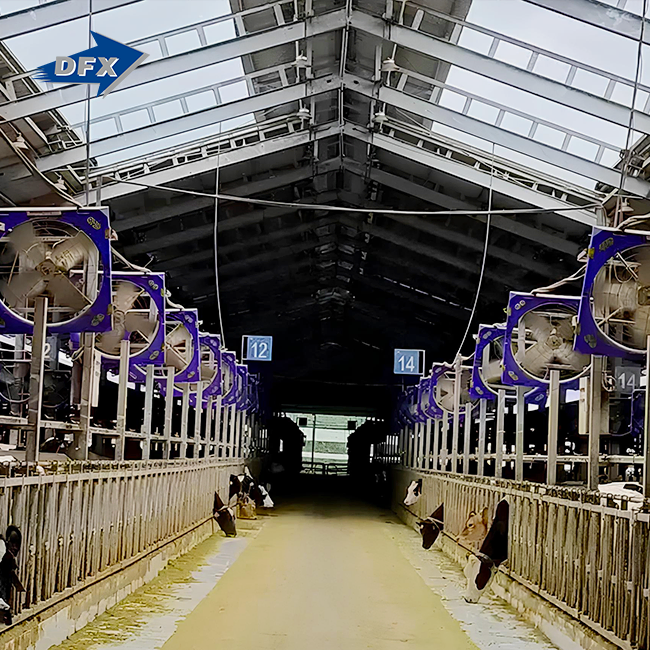
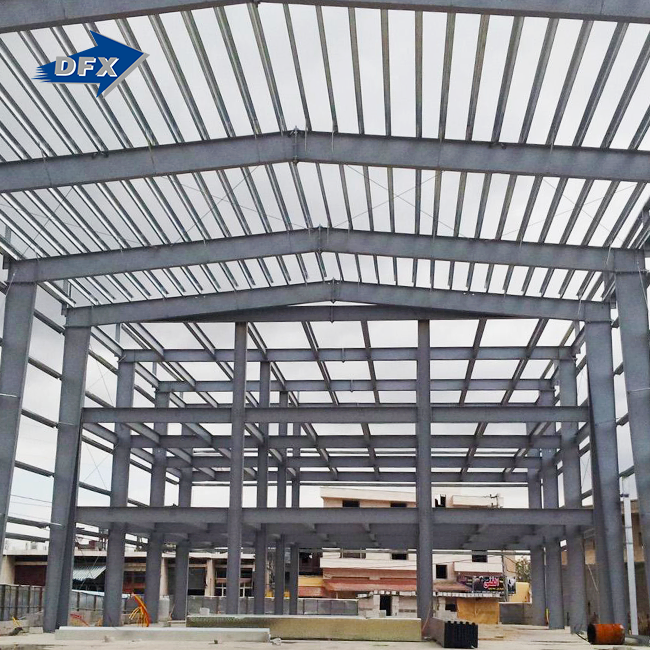
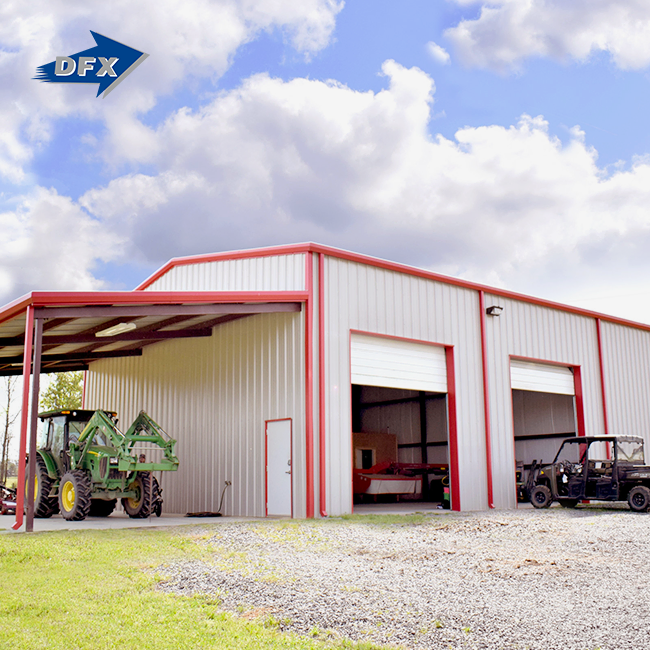
Steel chicken poultry hangars are lightweight agricultural steel structures with ventilation-oriented layouts designed for poultry operations. Hot-dip galvanised steel frames with truss roof systems offer structural integrity and excellent foundation weight distribution.
Agriculture-Applied Advanced Engineering
ISO9001, CE, COC, and PVOC certifications ensure worldwide agricultural construction requirements are met throughout manufacture. Project-based production ensures constant performance across varied agricultural conditions by rigorously quality-controlling each structure. Hot-dip galvanising generates a corrosion-resistant zinc coating that extends the structure's lifetime beyond typical materials.
For bird health and performance, poultry farming climate control demands careful environmental management. Temperature, humidity, and air quality affect egg production, meat quality, and flock health. Steel hangars' improved insulation and compatibility with sophisticated HVAC systems enable precise temperature adjustment.
Complete Service Integration
Modern steel hangar providers offer agricultural layout, structural design, manufacturing, and installation services. For best temperature control, this integrated method optimises location and design. The design process takes into account local climate, flock size, and operational demands to offer customised solutions that boost production and save costs.
Key Benefits of Steel Chicken Poultry Hangars in Climate-Controlled Environments
By improving environmental control and efficiency, steel poultry hangars improve agricultural operations. These structures excel in several performance areas that affect agricultural profitability and sustainability.
Increased durability and weather resistance
Steel structure resists strong winds, heavy rain, and temperature fluctuations. Even in humid or coastal locations, the galvanised coating prevents rust and corrosion, preserving structural integrity. The construction lasts 15-20 years longer than timber counterparts due to its increased durability.
The main benefits of steel poultry hangars are:
1. Superior structural strength: Hot-dip galvanised frames endure harsh weather and retain dimensional stability over temperature.
2. Improved insulation efficiency: Advanced panel systems use 30% less energy than timber buildings.
3. Optimised ventilation design: Integrated airflow systems ensure facility-wide air quality and temperature.
4. Lower maintenance: Corrosion-resistant materials reduce maintenance expenses and prolong major repair periods.
These performance features allow farm operators to sustain output levels while minimising weather-related delays and costs.
Long-term value and cost efficiency
Steel hangars are more cost-effective than timber buildings due to lower maintenance, prolonged replacement intervals, and energy savings. The Steel Chicken Poultry Hangar benefits from improved insulation, which maintains consistent interior temperatures with little energy input, lowering heating and cooling expenses.
Scalable and customisable design
Modular steel hangars allow farms of various sizes to expand or adapt to changing operating demands. The lightweight structure speeds site preparation and assembly, lowering installation time and labour costs. Customisation possibilities include ventilation settings, automatic temperature control integration, and agricultural infrastructure-compatible dimensions.
Comparative Analysis: Steel vs. Wood Chicken Poultry Hangars
Steel housing outperforms wooden housing in various performance parameters for chicken farms. These advantages are especially noticeable in climate-controlled farming, where environmental constancy affects production.
Structural performance, longevity
Steel is strong and stable, requires little maintenance, and resists environmental harm. The galvanised coating inhibits rust and insect penetration, which deteriorate timber buildings. Steel hangars last 25-30 years with minimum maintenance, but timber buildings need substantial repairs or replacement after 10-15 years.
Environmental Impact and Sustainability
Modern steel goods use eco-friendly techniques and are fully recyclable. Galvanised steel manufacture uses recycled resources in 70% of new construction and produces little waste. This sustainable strategy contrasts with wood procurement strategies that may cause deforestation depending on forestry management.
Market data shows that steel hangars are more durable and high-quality despite greater initial prices. Total cost of ownership study over 20 years favours steel construction when maintenance, energy efficiency, and replacement intervals are included.
Supplier Support and Reliability
Leading manufacturers emphasise strong supply chains and complete after-sales service for B2B customers needing continuous availability and technical assistance. Steel suppliers can meet urgent project delivery deadlines due to their higher inventory capacity and quicker manufacturing times than bespoke timber structure builders.
Practical Guide: Building and Maintaining a Steel Chicken Poultry Hangar for Climate-Controlled Farming
Steel poultry hangars must be carefully planned and executed from site preparation to maintenance. Proper installation maximises structural performance and longevity.
Foundation and Site Preparation
Building preparation includes site study and fundamental work for stability and lifespan. Steel Chicken Poultry Hangar steel hangars need less foundation than heavier building materials, making site preparation faster. Proper drainage prevents moisture from compromising the structure's foundation.
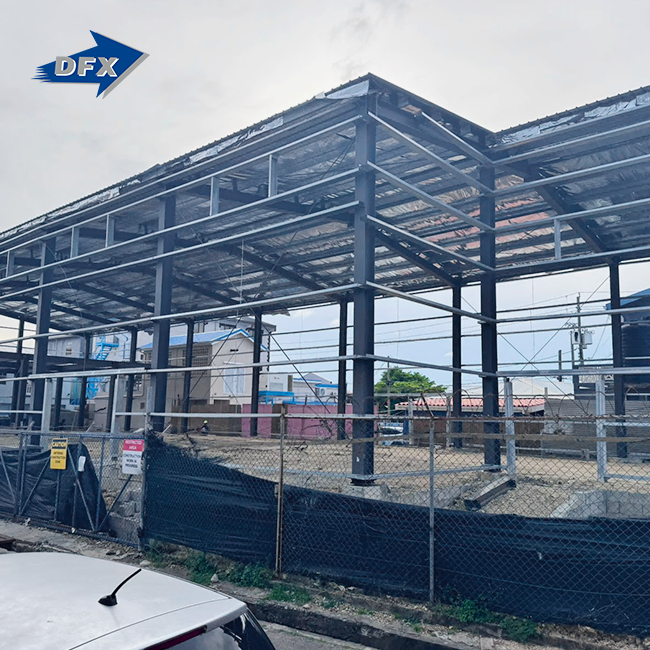
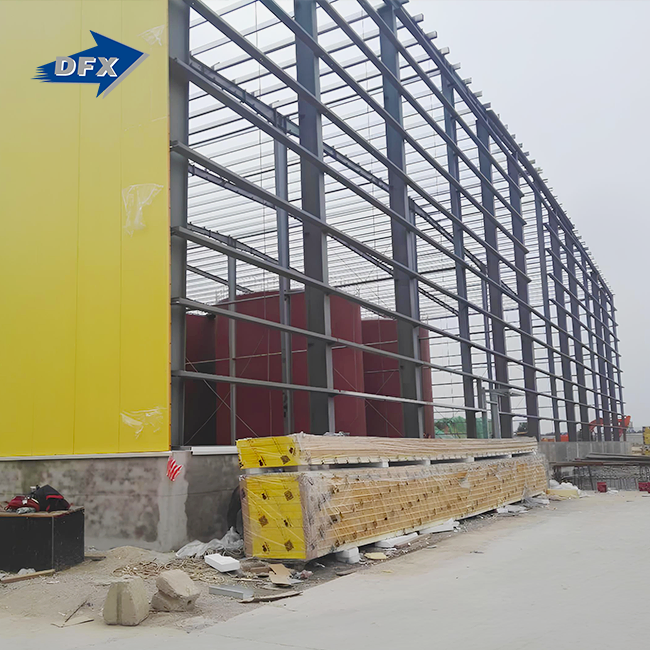
Assembly uses prefabricated components for easy installation using typical construction equipment. Modularity permits customisation to fit spatial and operational needs while retaining structural integrity. Professional installers can finish standard-sized facilities in 2-3 weeks.
Best Ventilation and Insulation
For constant temperature management, strategic ventilation and superior insulation are needed. The truss roof structure supports mechanical and natural airflow ventilation. Thermal barriers from proper insulation reduce energy loss and stabilise interior temperature.
Ventilation optimisation factors include:
1. Natural airflow patterns: Strategic opening placement maximises cross-ventilation and prevents poultry stress drafts.
2. Mechanical system integration: Mounting locations for automatic ventilation systems provide precise environmental management.
3. Moisture management: Vapour barriers prevent condensation from affecting air quality and structure.
These features produce ideal environmental conditions for poultry health and production while reducing energy use.
Maintaining and Increasing Life Duration
Scheduled maintenance ensures the structure's functionality and durability throughout its lifespan. Routine inspections detect problems before they damage structures or environmental controls. Galvanised coatings need little care but should be cleaned periodically to eliminate marine debris and salt deposits.
Ventilation, insulation, and structural connections are inspected during preventive maintenance. Regular checkups take 4-6 hours quarterly and may be done by agricultural workers with minimal maintenance abilities. Professional inspections every 3-5 years assure safety compliance and identify system updates.
Procurement Insights and Company Introduction
Quality certifications, customisation, after-sales assistance, and supplier dependability must be considered while choosing steel poultry hangar providers. These are essential for smooth integration into complicated agricultural operations and long-term success.
Supplier Evaluation Criteria
Quality certifications like ISO9001, CE, COC, and PVOC guarantee product uniformity and manufacturing standards. Suppliers should have agricultural knowledge and understand poultry climate control. Optimising farm layout planning and structural design for operational demands requires technical skill.
Skills and Experience of DFX
Steel poultry housing solutions are our speciality, with product lines tailored to different farm sizes and climates. We ensure quality throughout manufacture and offer excellent customer service from consultation to installation.
Qingdao Director Steel Structure Co., Ltd. has 40,000 square meters of enclosed production area with six automated welded H-beam production lines and agricultural equipment. Our 200-person team specialises in steel manufacturing and agricultural construction, assuring project excellence.
The firm produces 20,000 tonnes of welded H beams and columns annually, serving big agricultural projects with consistent delivery dates. From idea to installation, our in-house architectural design and detailing service provides complete project assistance.
We specialise in prompt project completion and competent installation assistance, building long-term relationships with B2B customers seeking reliable, efficient, and creative Steel Chicken Poultry Hangar solutions that boost operational efficiency and profitability.
Conclusion
Steel chicken poultry hangars are the future of climate-controlled poultry farming, outperforming timber buildings in durability, energy efficiency, and operational flexibility. Hot-dip galvanised structure, innovative ventilation systems, and customisable design choices improve poultry health and productivity while reducing operating expenses. These structures provide exceptional value through extended operational lifespans, reduced maintenance requirements, and superior environmental control capabilities that directly enhance farm profitability and sustainability.
FAQ
1. How long do steel poultry hangars last compared to wooden ones?
Hot-dip galvanised steel poultry hangars last 25-30 years with minimum maintenance. This outlasts wooden equivalents, which need extensive repairs or replacement after 10-15 years owing to weather deterioration, insect ingress, and structural decay.
2. How do steel hangars outperform wooden ones in temperature control?
Steel hangars' innovative panel systems and mechanical temperature control integration offer outstanding insulation. The lightweight design supports complex ventilation setups without compromising structural integrity. Thermal barriers save 30% more energy than timber constructions and improve interior temperature management.
3. What automatic climate control system customisation possibilities exist?
Automated ventilation, temperature monitoring, and humidity control are available in steel hangars. The truss roof design allows many sensor and mechanical equipment attachment locations while retaining structural integrity. Smart farming, remote monitoring, and energy-efficient temperature control solutions adapted to operational needs may be integrated.
Partner with DFX for Premium Steel Chicken Poultry Hangar Solutions
DFX delivers industry-leading steel poultry housing solutions engineered for optimal climate control and operational efficiency. Our certified manufacturing processes and comprehensive service approach ensure seamless project execution from initial design through installation completion. Contact at jason@bigdirector.com for personalized consultations and discover how our Steel Chicken Poultry Hangar manufacturer expertise can transform your farming operations with innovative, sustainable infrastructure solutions that maximize productivity and profitability.
References
1. Agricultural Engineering International: Advanced Steel Construction Methods in Poultry Housing Design and Climate Control Applications, Journal of Agricultural Structures, 2023.
2. Poultry Science Association: Environmental Control Systems in Modern Poultry Production Facilities, Comparative Analysis of Construction Materials and Performance Outcomes, 2022.
3. International Federation of Agricultural Engineers: Sustainable Building Materials in Livestock Housing, Steel vs. Traditional Construction Methods in Climate-Controlled Environments, 2023.
4. American Society of Agricultural and Biological Engineers: Ventilation Design Standards for Poultry Housing Structures, Guidelines for Steel Frame Construction and Climate Control Integration, 2022.
5. World Poultry Science Journal: Economic Analysis of Poultry Housing Investment Decisions, Long-term Cost Comparison of Steel and Wood Construction Materials, 2023.
6. Agricultural Research Service: Climate Control Technologies in Commercial Poultry Operations, Performance Evaluation of Modern Housing Systems and Environmental Management Strategies, 2022.
Learn about our latest products and discounts through SMS or email