- English
- French
- German
- Portuguese
- Spanish
- Russian
- Japanese
- Korean
- Arabic
- Greek
- German
- Turkish
- Italian
- Danish
- Romanian
- Indonesian
- Czech
- Afrikaans
- Swedish
- Polish
- Basque
- Catalan
- Esperanto
- Hindi
- Lao
- Albanian
- Amharic
- Armenian
- Azerbaijani
- Belarusian
- Bengali
- Bosnian
- Bulgarian
- Cebuano
- Chichewa
- Corsican
- Croatian
- Dutch
- Estonian
- Filipino
- Finnish
- Frisian
- Galician
- Georgian
- Gujarati
- Haitian
- Hausa
- Hawaiian
- Hebrew
- Hmong
- Hungarian
- Icelandic
- Igbo
- Javanese
- Kannada
- Kazakh
- Khmer
- Kurdish
- Kyrgyz
- Latin
- Latvian
- Lithuanian
- Luxembou..
- Macedonian
- Malagasy
- Malay
- Malayalam
- Maltese
- Maori
- Marathi
- Mongolian
- Burmese
- Nepali
- Norwegian
- Pashto
- Persian
- Punjabi
- Serbian
- Sesotho
- Sinhala
- Slovak
- Slovenian
- Somali
- Samoan
- Scots Gaelic
- Shona
- Sindhi
- Sundanese
- Swahili
- Tajik
- Tamil
- Telugu
- Thai
- Ukrainian
- Urdu
- Uzbek
- Vietnamese
- Welsh
- Xhosa
- Yiddish
- Yoruba
- Zulu
Steel Structure Workshop Features: Strength, Durability, Flexibility
Steel structure workshops are preferred in contemporary industry owing to their strength, durability, and design flexibility. These aspects influence B2B purchase choices for efficient, long-lasting solutions for different operating demands. This blog covers steel structure workshop basics, advantages, procurement advice, and industry best practices. Understanding these factors helps European and American industrial purchasers maximise investment value and operational effectiveness. Industrial applications have driven worldwide steel building market development. Modern manufacturing requires buildings that can adapt to changing production processes while retaining safety and efficiency. Steel workshops are selected by industrial establishments globally because they satisfy these criteria with developed solutions that combine structural performance and economic feasibility.
Understanding Steel Structure Workshops – Core Characteristics and Design Essentials
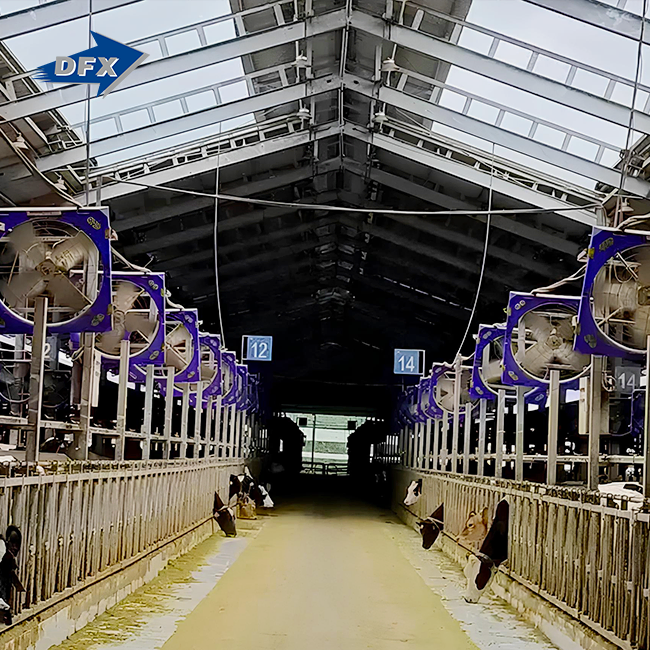
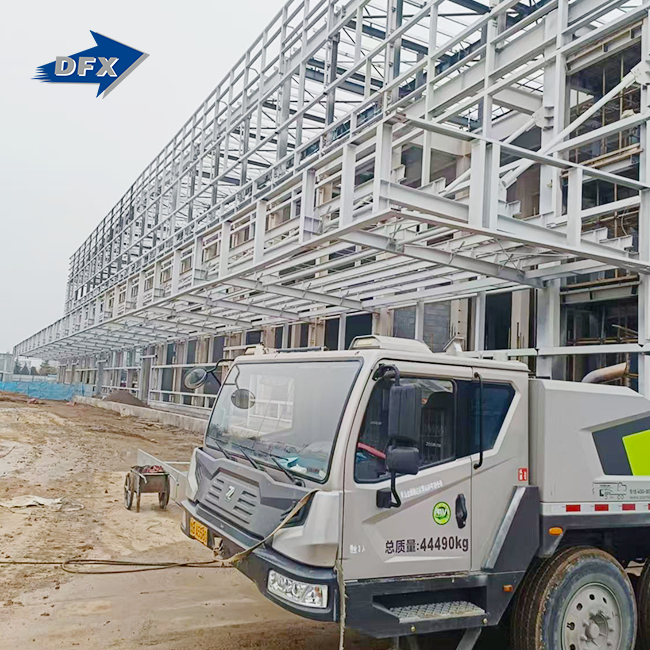
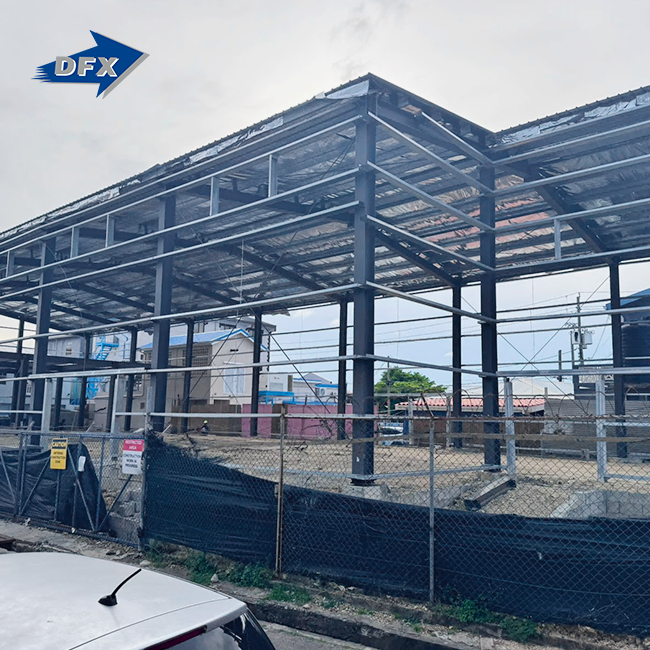
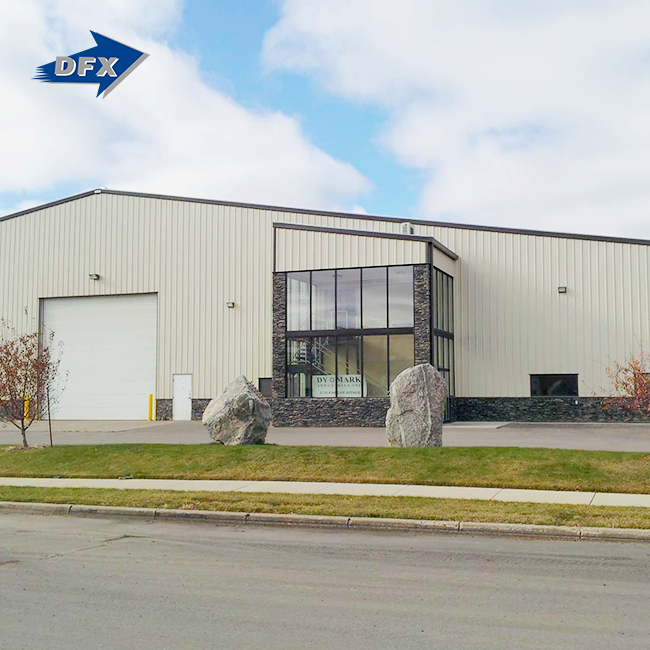
Steel structure workshops use prefabricated frames, panels, and components for fast assembly and load-bearing capability. Steel buildings are stronger-to-weight, quicker, and more durable than concrete, timber, and prefab alternatives. Foundation stability, structural integrity under large loads, and environmental control insulation are important design factors. Customisation and modular expansion fulfil industry needs from light assembly to large equipment housing due to design flexibility.
Enhanced Steel Frame Engineering
Modern steel workshops use Q235 or Q355 grade welded H-section steel main frames for excellent structural performance. The engineering concept creates large-span open areas without intermediary supports by carefully placing columns and beams to distribute weight. This design maximises floor area while withstanding dynamic and static stresses.
The framework's quality and dimensions are maintained using welded H-beam construction. Each component is precision-fabricated in controlled settings for better assembly fit and quality. Bolted steel connectors simplify installation and allow for operating changes.
A Complete Material System
The structural structure supports roofs and walls using C/Z steel purlins. These parts function along with the main structure to disperse wind, snow, and earthquake stresses. To optimise performance, local construction regulations, climate, and operating needs are considered during material selection.
Steel components are protected from corrosion and environmental damage by surface treatment. Advanced coating technologies save maintenance and increase service life, saving money over time. Thermal insulation systems offer temperature control and energy efficiency, essential for industrial activities in certain environments.
Benefits of Steel Structure Workshops for B2B Industrial Clients
Steel workshops are stronger and safer than conventional materials because of their fire tolerance and impact resistance. Steel structure workshops offer durability, which means minimal maintenance and a longer service life, saving money throughout the building's existence. Design flexibility in steel structure workshops lets operations adjust to changing production needs and integrate heavy equipment. Advanced insulating alternatives reduce operating costs and maintain pleasant industrial operations by improving energy efficiency.
Excellent Structure
The intrinsic characteristics of steel allow workshops to resist harsh operating circumstances while preserving safety margins that surpass regulatory limits. Due to its high strength-to-weight ratio, steel can sustain heavy equipment, overhead cranes, and dynamic loading situations in industrial applications at minimal cost. This material's constant characteristics guarantee predictable performance in different environments.
When protected, correctly built steel buildings outperform many other materials in fire resistance. Steel stays structurally intact at high temperatures, giving emergency responders time. Impact resistance prevents industrial equipment and vehicle accidents, decreasing downtime and maintenance costs.
Economic Benefits of Lifecycle Cost Analysis
Steel workshops' operating efficiency and upkeep boost their economics beyond construction. Construction time reduction accelerates project completion and production start-up, enhancing ROI. Steel resists typical deterioration processes that plague other construction materials, reducing upkeep.
High-efficiency insulation and thermal bridge management save heating and cooling expenses. Integrating renewable energy systems with contemporary construction technology improves sustainability and reduces environmental impact. These features provide industrial customers focused on total cost of ownership substantial economic benefits.
How to Build and Procure a Steel Structure Workshop – Step-by-Step Guide
Planning operating requirements, site circumstances, and foundation needs to meet production expectations is key to successful procurement. Choosing climate-appropriate steel grades and thermal insulation optimises performance. Clients should consider expertise, quality certifications, and turnkey or custom-to-order design services when choosing a manufacturer or supplier. Budgeting and investment planning need knowledge of cost factors such materials, design complexity, and installation to ensure quality and cost-effectiveness.
Project preparation and needs assessment
The procurement process starts with a thorough assessment of production capacity, equipment demands, and growth potential. Site study informs foundation design and project strategy by assessing soil, environmental, and utility conditions. Early communication with local authorities is needed to meet regulatory compliance requirements by location and usage.
Professional structural design services optimise material use, code compliance, and operational needs for the steel structure workshop. Design considerations for the steel structure workshop include safety, environmental loads, and equipment integration to produce complete solutions. To streamline construction, drawings, specs, and installation instructions are included.
Quality Control and Manufacturer Choice
Production capabilities, quality certifications, and project experience must be assessed while choosing steel structure manufacturers. ISO9001 accreditation shows quality management system dedication, while CE marking proves European compatibility. ASTM material compliance checks steel grade and mechanical characteristics for design conformance.
Manufacturing needs sufficient manufacturing capacity, innovative fabrication equipment, and skilled technicians. Offering design-to-installation services lowers coordination issues and maintains project continuity. Product quality and performance are ensured by quality control during fabrication and surface treatment.
Steel Structure Workshop vs. Alternative Workshop Types – Making the Informed Choice
Compared to concrete or brick workplaces, steel buildings are cheaper and better at dynamic loads. Steel is stronger, fire-resistant, and pest- and decay-resistant than wood. When large equipment integration is needed, prefabricated steel workshops may be quicker to construct but may lack customisation. Energy efficiency and environmental implications distinguish these choices, with steel constructions outperforming alternatives in sustainability and operating cost reduction.
Performance Comparisons
Compared to conventional building techniques, steel workshops perform better. Concrete buildings take longer to build and may cause thermal movement that affects equipment. Masonry structures need major structural changes to permit future equipment improvements.
Wooden frame architecture limits span and load-bearing capability, limiting layout and equipment location. For moisture damage, insect ingress, and dimensional stability, wood constructions need constant upkeep. Steel workshops alleviate these issues and provide design and operational flexibility.
Environmental and Sustainability Considerations
Modern steel products include over 90% recycled material, promoting sustainable building. Durable materials minimise replacement frequency, reducing environmental effect during the building's life. Energy efficiency gains from thermal optimisation lower operating carbon footprint.
Precision manufacture and modular assembly reduce construction waste. Steel workshops produce far less building detritus than cast-in-place concrete or masonry. The flexibility to move or expand steel buildings improves their lifespan and decreases demolition and new construction environmental effect.
Industry Best Practices and Solutions – Ensuring Strength, Durability, and Flexibility
To meet workshop applications, industry best practices include choosing steel grades and structural kinds from light-duty to heavy industrial frames for the steel structure workshop. Designing to European and American standards provides compliance, safety, and dependability. Effective solutions for corrosion, thermal expansion, and maintenance enhance the steel structure workshop's life. Success stories show how optimised designs for the steel structure workshop increase strength, durability, and operating flexibility for varied industrial customers.
Material and Structure Optimisation
To maximise performance, steel grade selection balances mechanical qualities, cost, and environment. Q235 steel is good for general purposes, whereas Q355 steel is stronger for structural applications. To guarantee safety, loading circumstances, span requirements, and connection details are considered during selection.
Structures are optimised to maximise efficiency and reduce material use and expense. Computer-aided design technologies allow iterative configuration analysis to find optimum solutions. Building information modelling improves architectural, structural, and mechanical system coordination and reduces construction disputes.
Lifespan Enhancement and Maintenance
Workshop preventive maintenance extends service life and reduces downtime. Regular inspections detect flaws before they compromise structural performance or safety. Environmental exposure and operating circumstances necessitate protective coating renewal.
Joint design and connection details that accommodate thermal expansion avoid stress concentration and fatigue. Water management via drainage system maintenance protects structural components and building exterior systems. These methods extend the building's service life and improve operational dependability.
DFX Steel Structure Workshop Solutions – Your Trusted Manufacturing Partner
DFX is a leading steel structure workshop builder that creates tailored solutions for current industrial processes. Our steel workshops are strong, durable, and flexible thanks to our 12 years of manufacturing expertise. Our turnkey solutions cover the whole project lifecycle from idea to installation with modern manufacturing and extensive services.
Our 40,000-square-meter manufacturing facility has six automated welded H-beam lines and modern fabrication equipment. This facility produces 20,000 tonnes of welded H-beams and columns annually, sufficient for various projects. ISO9001-compliant quality management systems and CE certification ensure worldwide compliance.
The service comprises structural design, precision manufacturing, surface treatment, protective packaging, complete installation plans, and on-site supervision. Our technical team works with customers to provide cost-effective, optimised solutions for operational needs. Made-to-order manufacture with 25-40 day lead periods assures project delivery without sacrificing quality.
Conclusion
Steel structure workshops are best for contemporary industrial applications that need strength, durability, and flexibility. Advanced engineering, excellent materials, and established construction procedures outperform other building systems. Planning, manufacturer selection, and industry best practices assure project success and long-term value for industrial customers. Steel workshops are the best choice for different manufacturing, assembly, and processing applications in today's competitive industrial climate due to their economic, environmental, and operational advantages.
FAQ
1. What is the average steel structure workshop lifespan?
Steel structure workshops may last 50+ years under normal industrial settings with adequate maintenance. High-quality steel materials, protective coating methods, and sturdy structural design endure environmental and operating loads over long service periods.
2. How cost-effective are steel workshops?
Rapid construction, cheaper labour costs, and lower maintenance costs make steel workplaces competitive. Due to energy efficiency, low maintenance, and long service life, steel construction has a lower total cost of ownership than other building technologies.
3. Are steel structure workshops customisable for industrial use?
Customisation is easy with flexible designs that fit industrial functions, equipment layouts, and operational needs. Modular steel structure allows future changes, extensions, and equipment integration without affecting structural integrity, making these workshops appropriate for many manufacturing and processing applications.
Partner with DFX for Your Steel Structure Workshop Requirements
DFX offers complete steel structure workshop solutions supported by production and technical experience. Our team builds specialised industrial structures to match your operating needs while maximising strength, durability, and adaptability. We provide industry-leading project solutions via integrated design, manufacturing, and installation. Connect with our experienced engineers at jason@bigdirector.com to discuss your steel structure workshop requirements and explore how our manufacturing capabilities can support your industrial facility needs. As a trusted steel structure workshop supplier, we offer competitive pricing, reliable delivery schedules, and comprehensive technical support throughout your project journey.
References
1. American Institute of Steel Construction. "Steel Construction Manual: Design Standards for Industrial Buildings." Engineering Publications, 2022.
2. European Committee for Standardization. "Eurocode 3: Design of Steel Structures - Part 1-1: General Rules and Rules for Buildings." CEN Standards, 2023.
3. Building Research Establishment. "Comparative Life Cycle Assessment of Steel Frame and Concrete Frame Industrial Buildings." Sustainable Construction Research, 2022.
4. International Association for Bridge and Structural Engineering. "Steel Structures in Industrial Applications: Performance and Economic Analysis." Structural Engineering Review, 2023.
5. Metal Building Manufacturers Association. "Energy Efficiency in Pre-Engineered Steel Buildings: Performance Data and Best Practices." Industrial Construction Guide, 2022.
6. World Steel Association. "Sustainability in Steel Construction: Environmental Benefits and Recycling Considerations." Global Steel Industry Report, 2023.
Learn about our latest products and discounts through SMS or email