- English
- French
- German
- Portuguese
- Spanish
- Russian
- Japanese
- Korean
- Arabic
- Greek
- German
- Turkish
- Italian
- Danish
- Romanian
- Indonesian
- Czech
- Afrikaans
- Swedish
- Polish
- Basque
- Catalan
- Esperanto
- Hindi
- Lao
- Albanian
- Amharic
- Armenian
- Azerbaijani
- Belarusian
- Bengali
- Bosnian
- Bulgarian
- Cebuano
- Chichewa
- Corsican
- Croatian
- Dutch
- Estonian
- Filipino
- Finnish
- Frisian
- Galician
- Georgian
- Gujarati
- Haitian
- Hausa
- Hawaiian
- Hebrew
- Hmong
- Hungarian
- Icelandic
- Igbo
- Javanese
- Kannada
- Kazakh
- Khmer
- Kurdish
- Kyrgyz
- Latin
- Latvian
- Lithuanian
- Luxembou..
- Macedonian
- Malagasy
- Malay
- Malayalam
- Maltese
- Maori
- Marathi
- Mongolian
- Burmese
- Nepali
- Norwegian
- Pashto
- Persian
- Punjabi
- Serbian
- Sesotho
- Sinhala
- Slovak
- Slovenian
- Somali
- Samoan
- Scots Gaelic
- Shona
- Sindhi
- Sundanese
- Swahili
- Tajik
- Tamil
- Telugu
- Thai
- Ukrainian
- Urdu
- Uzbek
- Vietnamese
- Welsh
- Xhosa
- Yiddish
- Yoruba
- Zulu
Technical Performance Analysis Of Steel Structure Workshop
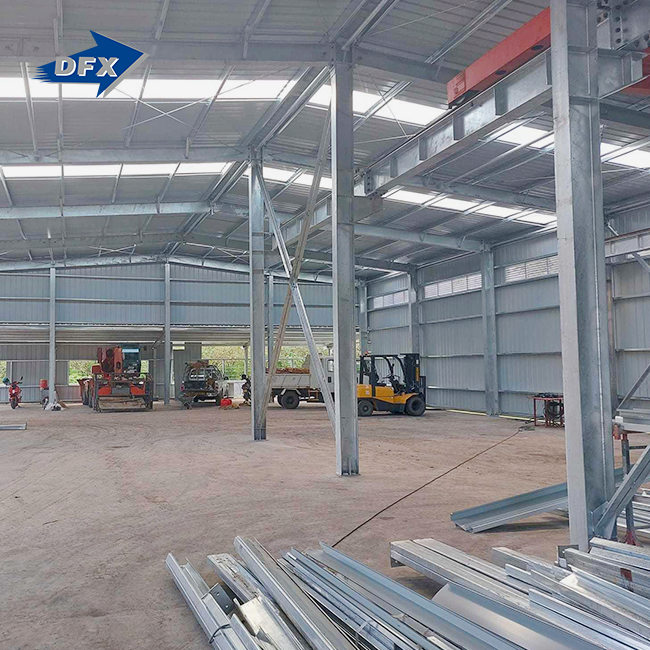
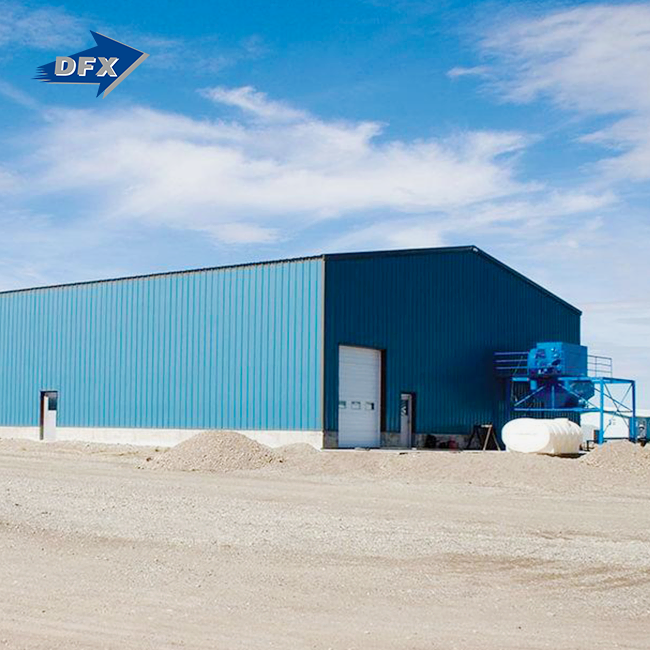
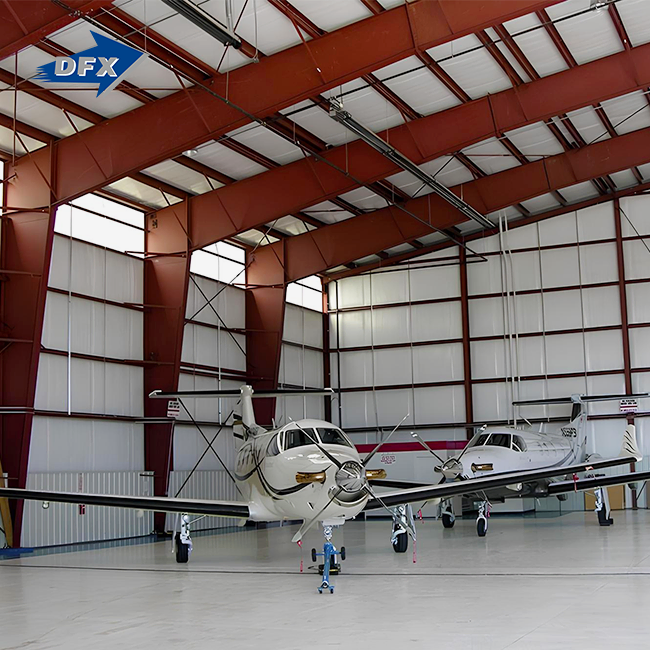
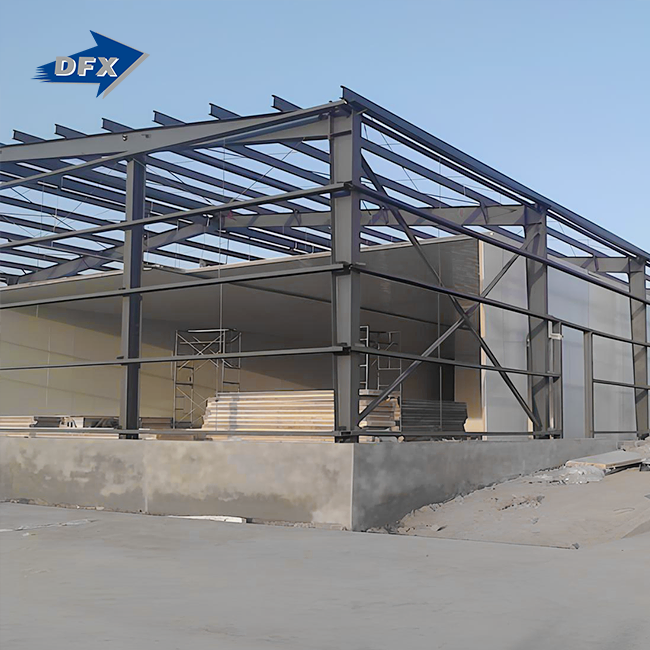
A Steel Structure Workshop represents a sophisticated industrial building system engineered from high-strength steel frameworks, utilizing Q235 and Q355 grade welded H-section beams with bolted connections and C/Z steel purlins. These pre-engineered buildings deliver exceptional load-bearing capacity, spanning up to 48 meters without interior columns while maintaining superior structural integrity. Through comprehensive technical performance evaluation, modern steel workshops demonstrate remarkable advantages in construction speed, durability, and cost-effectiveness compared to traditional concrete alternatives, making them the preferred choice for manufacturing facilities, assembly plants, and industrial processing centers worldwide.
Introduction
Today's industrial development needs building options that are strong, efficient, and flexible. Steel structure workshops have become an important part of modern industry facilities because they work so well in so many different industries. This in-depth study looks at the technical details and practical benefits of these buildings that put them at the cutting edge of industrial building technology.
Industrial sites are under more and more pressure to keep strict quality standards while also reducing the time it takes to build things. Most of the time, traditional ways of building with concrete can't meet these needs, especially when projects need big clear spans or quick deployment plans. Steel workshops deal with these problems by using advanced engineering ideas and efficient building methods that cut down on project times by 30 to 50 percent compared to the old way of doing things.
As the focus on environmentally friendly building methods grows, steel structures have become more popular as eco-friendly options. These buildings meet the company's environmental goals because they can be recycled completely and leave much smaller carbon footprints during construction. They also perform better over time. More and more manufacturing businesses that are growing see steel workshops as smart investments that help them be more efficient and care for the environment.
Understanding the Core Technical Aspects of Steel Structure Workshops
Structural Design Excellence and Load-Bearing Capabilities
The skeletal engineering of a high-performance commercial building is what makes it work. Welded H-section main frames made of Q235 and Q355 grade steel, which have yield strengths of 235 MPa and 355 MPa, are used in steel workplaces. Because these materials are so strong for how light they are, builders and engineers can make large interior areas without worrying about the structural integrity.
Grade 10.9 high-strength friction-grip nuts are used in advanced connection systems to make sure that they work rigidly even when loads are changing. This bolted link method makes building more precise while keeping the structure's flexibility needed for quake resistance. The modular design theory lets the design be expanded and changed in the future, so it can adapt to changing business needs without having to do a lot of rebuilding.
Using C/Z section steel purlins together makes a complete load distribution network that moves roof and wind loads to the main structure effectively. With this organized method of managing loads, clear spans can be longer than 30 meters in most cases. For special situations, spans of up to 60 meters are possible to meet specific business needs.
Material Quality and International Compliance Standards
The choice of materials for a steel portal frame has a direct effect on how well the structure works and how long it lasts. Modern steel workshops use materials that meet international standards set by ASTM. This makes sure that the quality is always the same and that the performance is always reliable. Before they are put together in structural systems, the steel parts go through a lot of tests, such as a chemical composition analysis and a mechanical property test.
The methods for surface treatment are very important for long-term success. Shot blasting to the Sa2.5 grade gets rid of surface dirt and makes it easier for protective coatings to stick. Multi-layer coating systems, which include zinc-rich epoxy primers and polyurethane topcoats with a dry film thickness of at least 150 micrometers, guard against rust completely and are good for harsh industrial settings.
Quality management systems that meet ISO9001 standards control the whole production process, from getting the materials to putting them together at the end. CE certification makes sure that a product meets European safety and performance standards. This makes it easier to use in foreign projects and get approval from regulators in many different areas.
Performance Optimization and Durability Analysis
Advanced Corrosion Protection and Structural Longevity
Durability in harsh environments is a key factor in designing industrial buildings. Under normal conditions, Steel Structure Workshop systems have long-lasting rust protection features that make them last longer than 50 years. Hot-dip galvanizing is the best way to protect things in corrosive settings because the zinc coats can weigh more than 600 grams per square meter in serious situations.
Because of how it is made, structural steel has a very high tolerance to fatigue under cyclic stress situations. This quality is especially useful in factories where heavy machinery is used all the time, causing constant tremors and dynamic loads. When these things are properly considered in the planning process, the structure will stay strong for long periods of time.
Compared to concrete options, steel workshops still don't need as much maintenance. Regular inspection routines check the state of the coating and the integrity of the connections. Preventive maintenance uses simple steps that keep operations running smoothly. Because steel behaves in a reliable way, it is possible to accurately plan for long-term upkeep and allocate budgets.
Energy Efficiency Through Advanced Insulation Systems
Thermal performance has a big effect on how much it costs to run industrial buildings. Modern steel workshops use high-tech insulation methods, like rockwool and polyurethane-core sandwich panels, which are much better at keeping heat in. Rockwool insulation has Class A non-combustible properties for uses that need to be very resistant to fire, and polyurethane cores give great thermal performance for tasks that need to save energy.
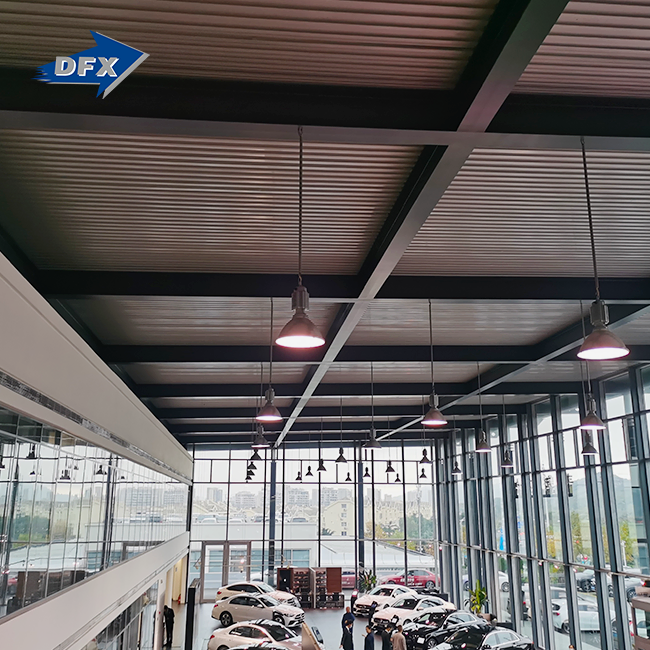
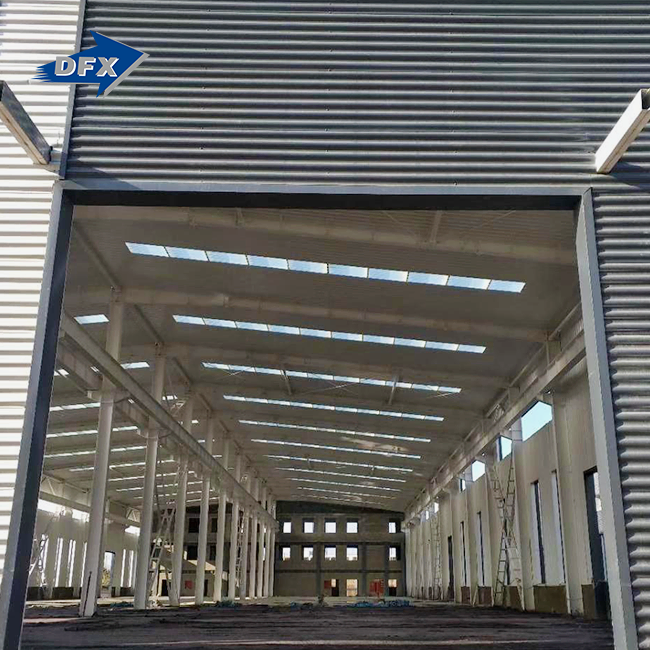
Because steel is so light, it can be used in creative ways to let in natural light and air flow. By strategically placing windows and adding translucent panels, less artificial lighting is needed to keep working conditions at their best. These design features help cut down on energy use and make operations more environmentally friendly.
During the planning process, thermal bridging is carefully thought out, and insulation systems are built to keep heat from moving through structural parts as little as possible. When you take a thorough approach to temperature management, you save energy, which lowers the overall cost of ownership over a longer period of time.
Safety and Environmental Impact Considerations
Fire Resistance and Seismic Performance Standards
When designing an industrial building, safety is the most important thing to think about, especially in factory settings where valuable tools and people work. In steel workshops, intumescent coatings are used that expand when exposed to heat, forming insulating walls that keep structures intact for two to four hours during fires. This safety goes above and beyond what is required by law, and it gives people important time to evacuate.
Seismic design principles use the naturally ductile nature of steel to absorb the energy of an earthquake through controlled plastic distortion. This ability to release energy stops severe failure modes and keeps the structure stable during earthquakes. Local seismic codes, such as ASCE 7-16 standards, are used in the design formulas to make sure they meet area safety standards.
A lot of care is paid to wind load protection in large-span uses, where uplift forces can make the design very hard. Portal rigid frames and strategic wind bracing systems effectively move horizontal forces to the base systems, keeping the structure stable even when the weather is bad. Design wind speeds of up to 280 kilometers per hour can be handled by making sure the structure is the right size and has the right bracing set up.
Sustainable Construction and Environmental Stewardship
More and more, choices about industrial buildings are based on how they will affect the environment. When compared to concrete alternatives, the Steel Structure Workshop building creates a lot less waste. This is because exact prefabrication cuts down on material over-ordering and waste on the job site. The controlled climate in the plant makes it possible to use materials efficiently and recycle all of the waste that comes from making things.
Because steel buildings don't need as many foundations, they use less concrete and cause less damage to the ground. Because steel is stronger than concrete and about 30–50% lighter than similar concrete buildings, it can be used for smaller foundation systems that cause less damage to the environment during development.
End-of-life issues support steel construction because it can be recycled completely without losing any of its function. Steel's magnetic qualities make it easy to separate and recycle materials, which makes sure that building materials keep their value over their entire lifetime. This circular economy method fits with businesses' goals for sustainability and gives the world real benefits.
Comparative Analysis for Informed Procurement Decisions
Steel Versus Traditional Construction Methods
When procurement workers are looking at different choices for industrial buildings, it's helpful to know the pros and cons of each construction method. Steel workshops speed up building plans, which directly leads to lower carrying costs and an earlier start to operations. The prefabrication method lets the site be prepared, and the structure be built at the same time, which cuts down on standard building times by a large amount.
Costs include more than just the original costs of building. They also include the ongoing costs of running the business. The total cost of ownership is lower for steel than for concrete options, which may need major repairs or replacements over long periods of time. This is because steel's upkeep needs are expected, and its durability is excellent. For growth businesses, being able to make changes in the future without having to do a lot of rebuilding is very valuable.
Controlling quality is better with prefabricated steel buildings because they can be made in controlled settings that don't let weather cause delays or changes in quality. Factory production allows for exact control of dimensions and thorough testing before delivery to the site, which cuts down on changes in the field and ensures uniform performance standards.
Prefabricated Versus Custom Steel Solutions
Choosing between prefabricated and custom steel options relies on the needs of the project and the limitations of the business. For standard uses, prefabricated systems have shorter lead times and lower costs, while custom solutions give you complete freedom in the design to meet your specific operating needs.
Lead time factors have a big effect on how projects are scheduled. Standard premade systems usually take 25 to 40 days to build and deliver, which lets projects be put into action quickly for time-sensitive uses. Custom solutions might take longer to design and make, but they provide performance that is perfectly suited to specific needs.
Because of the unique needs of an application, custom engineering methods are often justified, even if they take longer and cost more. Custom design solutions that improve building performance for specific uses are helpful for manufacturing processes that need particular crane capacities, environmental controls, or operating plans.
Cost Insights and Market Trends
Comprehensive Cost Analysis and Budget Planning
When you know how Steel Structure Workshop projects are priced as a whole, you can make smart purchasing choices that balance the original investment with the long-term operating benefits. Material prices usually make up 40 to 50 percent of the total cost of a job. The rest of the money is spent on fabrication, shipping, and installation. To get an accurate cost estimate, you need to think about things that are unique to the spot, like the type of foundation that is needed, the cost of work in the area, and the cost of permits.
If they aren't thought through properly during the planning stages, hidden costs often show up when the project is being carried out. Preparing the site, connecting utilities, and setting up temporary buildings can all have a big effect on the total cost of a job. Experienced steel workshop sellers give detailed cost reports that include these extra costs. This lets you make an accurate budget and avoid unexpected costs going over.
During the whole planning and purchase process, there are chances to use value engineering. Standardized connection details, the right size of members, and quick ways to put things together can lower the cost of materials and labor without lowering the quality of the work. When owners, planners, and builders work together, they can often find ways to save money that are good for everyone involved in the project.
Emerging Market Trends and Technology Integration
As the market changes right now, it focuses on eco-friendly design principles and energy-saving options that are in line with new rules and companies' sustainability goals. Advanced steel alloys have better performance traits while still being cost-effective. This means that structural designs can be more efficient while using less material.
Integrating building information modeling (BIM) into industrial workshop design makes the planning and building process more efficient by making it easier to work together and reducing disagreements. Three-dimensional models let you precisely measure materials and plan how they will be built, which cuts down on waste and makes building more efficient. These improvements in technology help projects turn out better and cost less overall.
Smart building technologies are becoming more and more integrated with steel construction systems to make tracking and controlling operations easier. Monitoring tools for structural health can keep track of how well a building is doing over time. This lets repair plans be planned ahead of time, which lowers costs and increases dependability.
Conclusion
A study of technical performance shows that current Steel Structure Workshop systems are very valuable because they offer better structural capabilities, faster building times, and many environmental benefits. Steel workshops are the best way to build industrial buildings today because they use high-strength materials, follow modern engineering principles, and use tried-and-true building methods. If the designs are well thought out and the buildings are well built, these structures will last for decades and meet changing operating needs thanks to their natural ability to change and grow.
FAQ
Q1: What determines the service life expectancy for industrial steel workshops?
When steel workplaces are well taken care of and given the right anti-corrosion treatments, they can last for more than 50 years. Permanent building standards were used to create the frame's structure, and hot-dip galvanizing and multi-layer protection coatings make sure it will last for a long time. Regular upkeep schedules that include inspections and new coatings keep structures strong for long periods of time.
Q2: How do steel workshops accommodate heavy machinery and overhead crane systems?
Steel Structure Workshop designs can incorporate overhead crane systems through specialized engineering during initial planning phases. Crane loads put a lot of stress on the structure in both the vertical and horizontal directions, so supports, piers, and runway beam systems need to be pre-engineered. With the right structural size and reinforcement techniques, crane loads can range from 5 tons to 100 tons.
Q3: What foundation requirements apply to steel workshop construction?
Due to their higher strength-to-weight ratios, steel workshops need 30–50% smaller supports than similar concrete buildings. When foundation loads are lowered, base sizes can be made smaller, and less digging is needed. This saves a lot of money during the site preparation phases. Foundation design takes into account the dirt conditions in the area and the building rules that apply.
Q4: How do steel workshops manage thermal insulation and energy efficiency?
Advanced insulation systems, including rockwool, polyurethane, and fiberglass cores, provide superior thermal performance while meeting fire resistance requirements. Composite sandwich panels eliminate thermal bridging while maintaining structural integrity. Strategic natural lighting integration reduces artificial lighting requirements, contributing to overall energy efficiency.
Partner with DFX for Superior Steel Structure Workshop Solutions
DFX stands as your trusted steel structure workshop manufacturer, delivering comprehensive turnkey solutions that encompass structural design, fabrication, and installation support. Our ISO9001-certified production facility spans 40,000 square meters with advanced automated welding lines and skilled craftsmen, ensuring exceptional quality standards. Contact jason@bigdirector.com to explore how our expertise can transform your industrial building requirements into efficient, durable steel workshop solutions.
References
1. American Institute of Steel Construction. "Steel Construction Manual, 15th Edition." AISC Publications, 2017.
2. European Committee for Standardization. "Eurocode 3: Design of Steel Structures - Part 1-1: General Rules and Rules for Buildings." CEN, 2005.
3. Building and Construction Authority. "Code of Practice for Structural Use of Steel 2011." Singapore Standards Council, 2011.
4. American Society of Civil Engineers. "Minimum Design Loads and Associated Criteria for Buildings and Other Structures." ASCE 7-16 Standard, 2017.
5. International Organization for Standardization. "Hot Rolled Products of Structural Steels - Technical Delivery Conditions." ISO 630-2:2011, 2011.
6. Steel Construction Institute. "Design Guide for Building Structures to EC3." SCI Publication P362, 2009.
Learn about our latest products and discounts through SMS or email