- English
- French
- German
- Portuguese
- Spanish
- Russian
- Japanese
- Korean
- Arabic
- Greek
- German
- Turkish
- Italian
- Danish
- Romanian
- Indonesian
- Czech
- Afrikaans
- Swedish
- Polish
- Basque
- Catalan
- Esperanto
- Hindi
- Lao
- Albanian
- Amharic
- Armenian
- Azerbaijani
- Belarusian
- Bengali
- Bosnian
- Bulgarian
- Cebuano
- Chichewa
- Corsican
- Croatian
- Dutch
- Estonian
- Filipino
- Finnish
- Frisian
- Galician
- Georgian
- Gujarati
- Haitian
- Hausa
- Hawaiian
- Hebrew
- Hmong
- Hungarian
- Icelandic
- Igbo
- Javanese
- Kannada
- Kazakh
- Khmer
- Kurdish
- Kyrgyz
- Latin
- Latvian
- Lithuanian
- Luxembou..
- Macedonian
- Malagasy
- Malay
- Malayalam
- Maltese
- Maori
- Marathi
- Mongolian
- Burmese
- Nepali
- Norwegian
- Pashto
- Persian
- Punjabi
- Serbian
- Sesotho
- Sinhala
- Slovak
- Slovenian
- Somali
- Samoan
- Scots Gaelic
- Shona
- Sindhi
- Sundanese
- Swahili
- Tajik
- Tamil
- Telugu
- Thai
- Ukrainian
- Urdu
- Uzbek
- Vietnamese
- Welsh
- Xhosa
- Yiddish
- Yoruba
- Zulu
What to Know Before Building a Steel Structure Office Building?
Building a Steel Structure Office Building necessitates careful consideration of a variety of factors that will affect the success, schedule, and long-term performance of your project. Compared to traditional building methods, these new ways of building are much more durable, cost-effective, and open to different design options. If you know about the important parts, like the right materials, how they're built, how they'll affect the environment, and how to choose a provider, you can make smart choices that help your business reach its goals and get the best return on your commercial property development investment.
Understanding Steel Structure Office Buildings
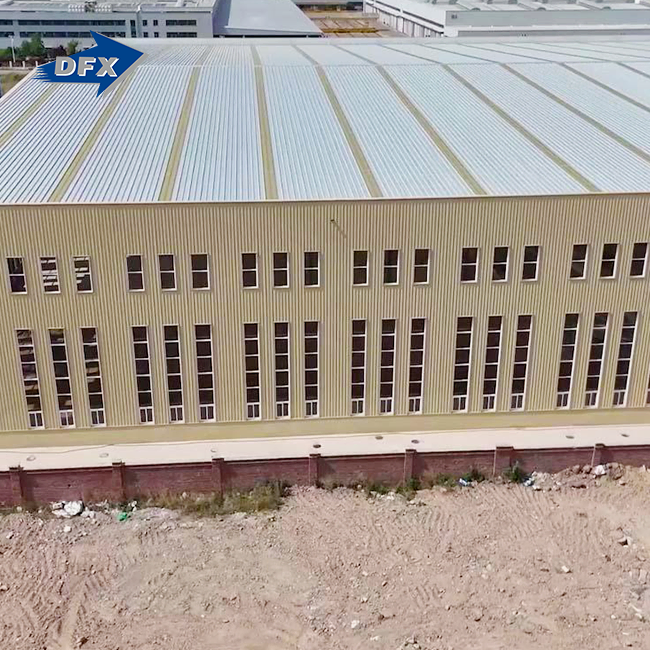
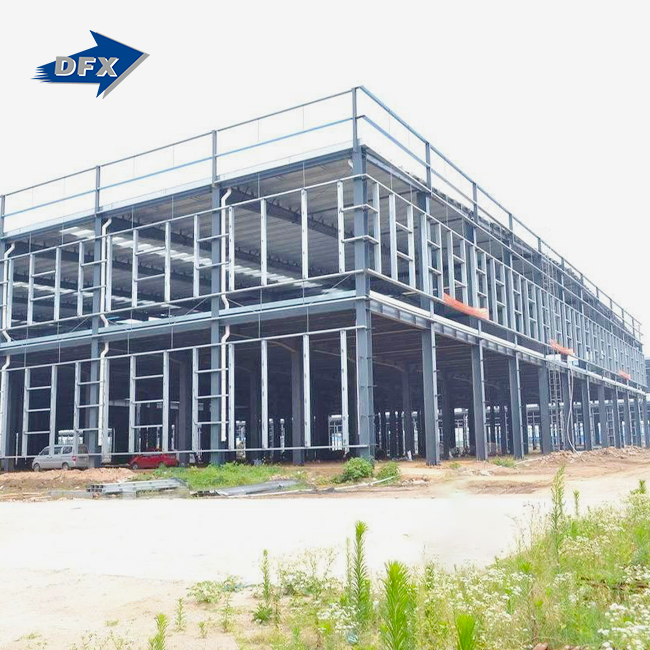
Steel structure office buildings are a completely new way to build commercial buildings because they combine excellent engineering with useful business benefits. High-quality steel frames are used as the main load-bearing system in these buildings, making strong bases for modern workplaces.
Core Parts and Top-Notch Engineering
Any business building with a steel frame is held together by carefully designed steel column-beam frames, which are usually made from Q235 or Q355 grade steel. These requirements make sure that the structure stays strong under different loads while also having the best strength-to-weight ratios. The composite floor system and steel support elements fit together perfectly, making a single skeletal network that moves forces around the building surface efficiently.
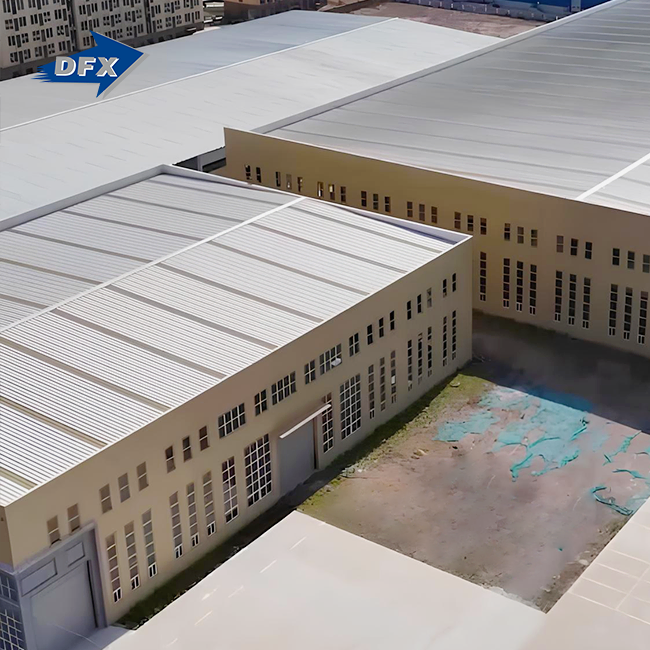
Modern steel office buildings have complex facade systems, like curtain walls and metal panel exteriors, that make the buildings look good and work well. The sealed façade design keeps the inside safe from outside forces and lets architects make a lot of changes to the way the building looks.
Pros Compared to Traditional Building Methods
There are measured benefits to steel building that can be turned into business value. Construction times are usually 30–40% shorter than with concrete options, which means that buildings can be occupied and making money sooner. Precision production of steel parts in controlled workplace settings guarantees uniform quality while reducing delays on-site caused by bad weather.
Design that is easy to change is a big plus, especially for businesses that are growing and may need to make changes in the future. Steel frames are easy to change the layout of inside rooms, add floors, or make buildings bigger without causing too many structural problems. This adaptability safeguards the long-term worth of investments and accommodates changing business needs.
Trends of Today and Adding Smart Buildings
Building a Steel Structure Office with smart building technologies and energy-saving systems is becoming increasingly common. Specifically made insulation options for steel frames improve heat performance and lower running energy costs. These new ideas are in line with companies' climate goals and help get green building certifications, which raise property values and make apartments more appealing to renters.
The Construction Process and Cost Estimation
Knowing how construction works helps project managers plan ahead for what they will need and make the best use of resources as the building is being built.
Planning and designing things before they are built
The building process starts with a detailed architectural plan design and structure calculations that make sure the building meets all local building codes. Professional design teams use cutting-edge tools to make the best use of materials while still meeting the practical needs of business centres, executive buildings, and corporate offices.
Preparations for the site happen at the same time as manufacturing processes that happen off-site. This increases speed and shortens the overall project timeline. Assuring proper load distribution and long-term safety, foundation work follows standard processes that have been tweaked to fit the needs of steel structures.
Phases of Making and Putting Together
Project-based manufacturing lets you make exact changes while still meeting quality control standards. Parts that meet foreign approval standards like ISO9001, CE, COC, and PVOC are made in factories that have automatic welding systems and advanced quality assurance processes.
On-site assembly follows thorough installation instructions given by engineering teams with a lot of experience. This methodical approach makes sure that all the parts are lined up correctly and that the structure is strong, while also cutting down on building delays and safety risks.
Costs and Planning an Investment
Estimating costs involves a lot of different factors that affect the total amount of money needed for a job. The cost of materials changes depending on the state of the steel market, the size of the job, and the specifications that need to be met. Labour costs depend on where you live and how the local building market is doing, so you need to do research on each area to make sure your budget is correct.
Transportation and logistics issues affect the total cost of a project, especially for big projects or places that are far away. To avoid expensive delays and storing needs, delivery times must match up with building times.
Comparing Steel Structures with Other Building Materials
Material selection decisions have a big effect on how well a project works, how well operations run, and how much value is created in the long term. Comparative benefits help people involved in a project make choices that are in line with its goals.
Building with Steel or Concrete
Building a Steel Structure Office with steel, when compared to concrete options, is much faster, more flexible, and better for the earth. While concrete is great for heating mass and fire protection, steel buildings can be built more quickly and are easier to change in the future.
Steel products can be recovered, which helps with environmental sustainability goals. In fact, recycling content often exceeds 90% in new building projects. This trait helps with business social responsibility goals and LEED approval points.
Steel building is better because it is lighter, especially in places with difficult dirt or a lot of earthquakes. Lighter structural loads mean that foundations aren't needed as much, and buildings can be built on areas that wouldn't work for bigger, heavy concrete buildings.
Steel Frame vs. Wood Frame Building
When compared to wood building, steel constructions last longer and are more resistant to weather factors. Fire resistance rates are much higher than those for wood frames, which lowers insurance costs and makes people safer.
Steel construction is better for long-term upkeep needs because properly treated steel buildings keep their stability for decades with little work. Wood building costs more over its lifetime because it needs to be treated for pests, kept dry, and checked for damage on a regular basis.
The benefits of design freedom are especially clear in business settings that need big open areas, high ceilings, or the installation of specialised equipment. Because steel can span longer distances, it gets rid of the need for internal beams that could limit office plans or future changes.
Procurement and Partner Selection for Steel Structure Office Buildings
Choosing skilled providers and building partners who have experience in business steel construction is very important for the success of a project.
Criteria for Evaluating Suppliers
Steel structure providers you can trust have a wide range of skills, including planning services, top-notch manufacturing, and project support. Companies that have been around for a long time and have a good track record give customers trust in their service performance and quality dependability.
A company that makes things should have the ability to make enough, use high-tech tools, and have quality control systems that meet foreign standards. Companies with large production sites and skilled expert teams get better results than smaller businesses that don't have as many resources.
Service Scope and Supporting Skills
Comprehensive service providers give all-in-one solutions that include designing the building plan, doing the math for the structure, making the parts, and giving advice on how to put them. This "turnkey" method makes project management easier and makes sure that the design purpose and manufacturing skills are in sync.
Technical help goes beyond the original release and includes advice on ongoing upkeep, suggestions for improving performance, and planning for future growth. These extra services protect project capital and help operations succeed in the long run.
Partnership Advantages and Long-Term Bonds
Strong relationships with suppliers make it easier to carry out projects because they allow for better contact, more flexible timing, and custom solutions. Partners with a lot of experience know how to deal with local building rules, permit processes, and building practices that can affect project timelines and compliance needs.
Building a Steel Structure Office with the right risk management and resource distribution allows companies to support large-scale projects, as long as they are financially stable and have enough capacity. Large business investments are safer when they are made in well-established companies with strong financial bases.
Environmental and Long-Term Performance Considerations
Environmental duty is becoming more and more important in business real estate decisions. This makes environmental factors very important when choosing building materials and improving designs.
Sustainability and Effects on the Environment
Steel building is very good for the environment because the materials can be recycled and the making processes use little energy. The steel industry's plan to cut down on carbon emissions is in line with both government rules and business environmental goals.
More than 90% of new building is made from recycled steel, which drastically cuts down on the use of raw materials and the damage they do to the earth. End-of-life recyclability keeps building materials valuable and keeps them out of landfills.
Energy-efficient design choices made just for steel frame building improve heat performance and lower the carbon footprint of operations. Modern insulation systems and building shell technologies make buildings more energy efficient without lowering their structural strength.
Durability and Performance Over a Lifetime
Steel buildings are very strong and can withstand natural disasters like earthquakes, storms, and other extreme weather. This stability saves building investments and makes sure that processes can continue even when things go wrong.
With the right rust protection and regular upkeep, structures can last for 50 years or more with little damage. The cost of preventative upkeep is still low compared to other building materials, which makes the lifetime economy favourable.
Steel buildings can keep working well in a wide range of climates and environments because they are resistant to changes in temperature. This ability to change helps companies with their plans to grow and diversify their portfolios.
Conclusion
Building a Steel Structure Office Building necessitates a thorough understanding of the building process, the benefits of the materials used, and the provider skills. Steel building has many great benefits that help businesses and investors reach their long-term and short-term goals. These benefits include shorter construction times, more design options, less damage to the environment, and long-lasting sturdiness. Careful planning, choosing a good provider, and paying attention to environmental performance factors that affect building value and running costs are all important for projects to go well. Steel construction is a good choice for corporate offices, executive buildings, and business centres in a wide range of market situations because it can be made with modern technology, comes with full service support, and has a history of performance.
FAQ
1. What are the best things about office buildings with a steel frame?
Steel office buildings can be built more quickly, have more design options, last longer, and are better for the earth because they are made of reusable materials. These buildings are better at withstanding natural disasters than others, and they have big, open areas that work well for modern office plans.
2. How long does it take to build an office block out of steel?
Depending on the size and complexity of the building, construction usually takes between 6 and 12 months. This is 30 to 40 percent less time than building with concrete. Pre-engineered parts and processing off-site make it possible to prepare the site for production while it is being built.
3. What kinds of licenses should I look for in a steel building supplier?
Quality providers keep their ISO9001 quality management certification, their CE approval for European standards, and any other regional certificates that are needed, such as COC and PVOC. Designing something that follows local building rules makes sure that it gets approved by the government and that a building permit is issued.
Choose DFX as Your Trusted Steel Structure Office Building Manufacturer
DFX stands ready to transform your commercial building vision into reality with our comprehensive steel structure solutions and proven expertise. Our 12+ years of experience in manufacturing high-quality Building a Steel Structure Office buildings, combined with ISO9001 and CE certifications, ensures your project meets the highest standards of quality and reliability. We provide complete turnkey services including architectural design, structural calculations, precision fabrication, and installation guidance for corporate offices, administrative buildings, and business centers. Contact at jason@bigdirector.com today to discuss your Steel Structure Office Building requirements and discover how our integrated manufacturing capabilities and technical expertise can deliver exceptional value for your commercial construction investment.
References
1. American Institute of Steel Construction. "Steel Construction Manual: Design Standards and Specifications for Commercial Buildings." 15th Edition, 2017.
2. Building Design and Construction Magazine. "Comparative Analysis of Construction Materials: Steel vs. Concrete Performance in Commercial Applications." Industry Report, 2023.
3. International Code Council. "International Building Code Requirements for Steel Structure Commercial Buildings." 2021 Edition.
4. National Institute of Standards and Technology. "Sustainability Assessment of Steel Construction Materials and Environmental Impact Analysis." Technical Publication, 2022.
5. Structural Steel Educational Council. "Cost-Benefit Analysis of Steel Frame Office Buildings: Economic Performance and Lifecycle Value." Research Study, 2023.
6. World Steel Association. "Sustainability Report: Environmental Benefits of Steel Construction and Recycling Programs in Commercial Development." Annual Publication, 2023.
Learn about our latest products and discounts through SMS or email