- English
- French
- German
- Portuguese
- Spanish
- Russian
- Japanese
- Korean
- Arabic
- Greek
- German
- Turkish
- Italian
- Danish
- Romanian
- Indonesian
- Czech
- Afrikaans
- Swedish
- Polish
- Basque
- Catalan
- Esperanto
- Hindi
- Lao
- Albanian
- Amharic
- Armenian
- Azerbaijani
- Belarusian
- Bengali
- Bosnian
- Bulgarian
- Cebuano
- Chichewa
- Corsican
- Croatian
- Dutch
- Estonian
- Filipino
- Finnish
- Frisian
- Galician
- Georgian
- Gujarati
- Haitian
- Hausa
- Hawaiian
- Hebrew
- Hmong
- Hungarian
- Icelandic
- Igbo
- Javanese
- Kannada
- Kazakh
- Khmer
- Kurdish
- Kyrgyz
- Latin
- Latvian
- Lithuanian
- Luxembou..
- Macedonian
- Malagasy
- Malay
- Malayalam
- Maltese
- Maori
- Marathi
- Mongolian
- Burmese
- Nepali
- Norwegian
- Pashto
- Persian
- Punjabi
- Serbian
- Sesotho
- Sinhala
- Slovak
- Slovenian
- Somali
- Samoan
- Scots Gaelic
- Shona
- Sindhi
- Sundanese
- Swahili
- Tajik
- Tamil
- Telugu
- Thai
- Ukrainian
- Urdu
- Uzbek
- Vietnamese
- Welsh
- Xhosa
- Yiddish
- Yoruba
- Zulu
Steel Frame Construction Methods in Modern Warehouses
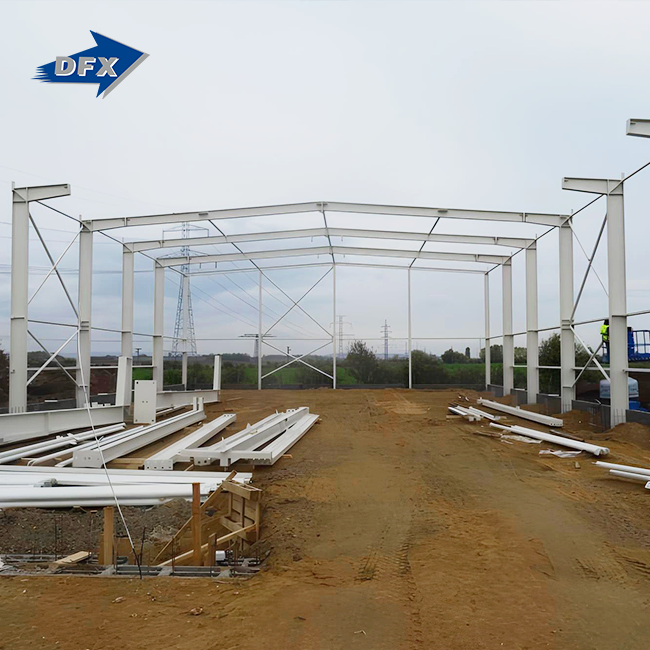
Modern warehouses that are built with steel frames are a new way to create industrial buildings because they combine advanced engineering principles with efficient building methods. The Steel Structure Warehouse has become the best choice for industrial plants, delivery centers, and logistics centers all over the United States. These advanced Pre-Engineered Building (PEB) systems use rigid steel frameworks made up of H-section columns and beams, C/Z-section purlins, and high-strength tension bracing to provide excellent structural performance while cutting down on construction times by 30–50% compared to traditional methods.
Understanding Steel Frame Construction: Key Concepts and Benefits
Core Components of Steel Frame Systems
Modern steel frame construction uses carefully designed parts that fit together to make strong, useful warehouse buildings. The main structure is made up of hot-rolled H-beams that act as frames and ceilings. They can hold a lot of weight and still keep the structure strong. When you put galvanized C/Z purlins between the main members, you make a secondary structure that holds the roofs and wall coverings.
The modular prefabricated steel storage building method lets the buildings be made off-site under controlled conditions, which ensures that the quality and accuracy of the measurements are always the same. Specialized factories with automatic welding lines and precise cutting tools are used for this process. The result is parts that fit together perfectly when they are put together on-site.
Advantages Over Traditional Construction Materials
Steel frame design has strong benefits that make it especially appealing for use in warehouses. Steel has a much higher strength-to-weight ratio than concrete or wood, which lets buildings have longer clear spans with fewer inner columns. This directly leads to higher working efficiency in modern logistics, where increasing the amount of space used for storage and making it easier for tools to move are key to success.
When steel parts are properly treated, they become very durable. This means that buildings can last for more than 50 years with little upkeep. The zinc coating that is applied during hot-dip galvanization is 600g/m², or 84µm thick. This successfully stops corrosion even in harsh weather conditions. Because they are reliable for a long time, steel buildings are a great investment for businesses that plan to use the space for many years.
Environmental and Sustainability Benefits
A steel building is in line with modern sustainability goals because it can be recycled and has less of an effect on the environment during production. Steel parts can be recovered over and over again without losing their structural integrity. This creates a circular economy model that reduces trash production. Compared to cast-in-place concrete options, the precise manufacturing method also cuts down on the amount of waste during building.
The energy economy is improved by adding insulated sandwich panels with cores made of polyurethane or rockwool. These covering systems provide better thermal performance while keeping the structural benefits of a steel frame. This means that the building will use less energy over its entire life.
Modern Steel Frame Construction Methods and Processes
Advanced Prefabrication Techniques
Modern Steel Structure Warehouse construction uses advanced prefabrication techniques that change the way buildings are usually made. CAD (computer-aided design) and BIM (Building Information Modeling) technologies make it possible to make exact parts, which cuts down on measurement mistakes and construction time. Using automated equipment, each structure element is made to exact specs. This makes sure that the quality of all project parts is the same.
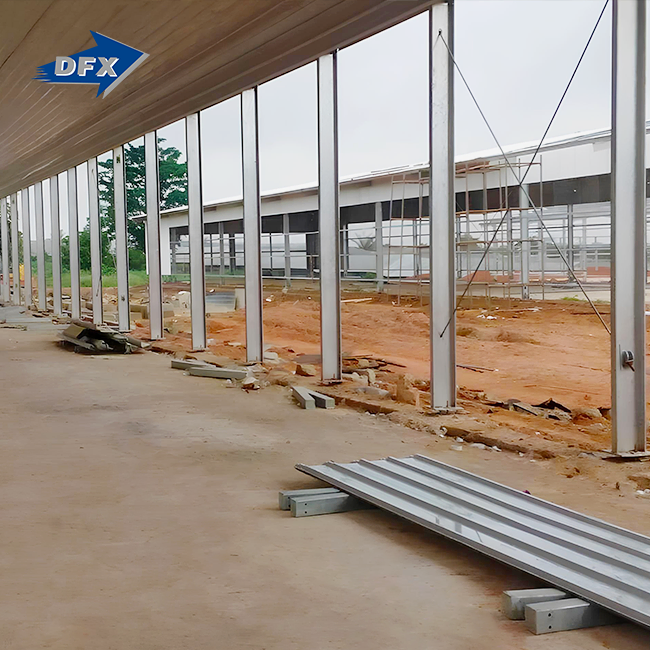
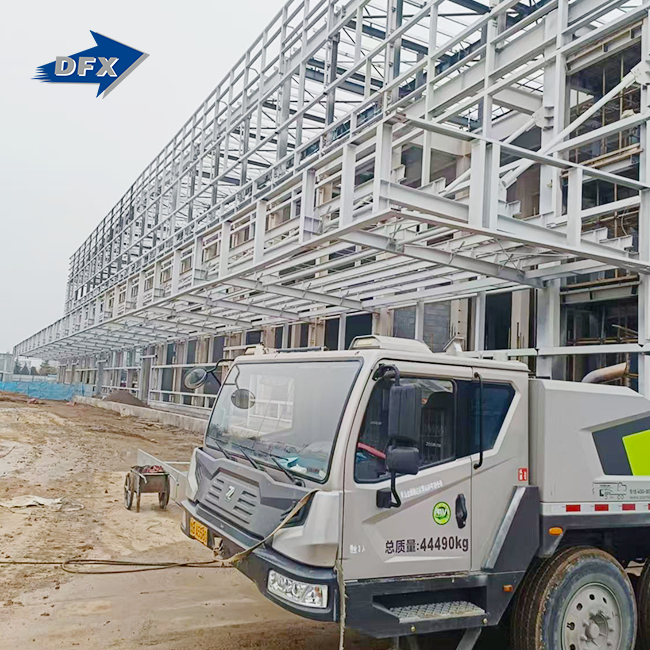
Bolt-connected parts make the modular assembly process possible, allowing for quick assembly on-site without the need for specialized welding tools or a lot of skilled labor. When working on projects in remote areas or where time limits mean that buildings need to be delivered quickly, this method works really well.
Key Construction Stages and Timeline
The building process is organized in a way that keeps quality high while also being as efficient as possible. For normal warehouse layouts, the design and engineering steps take about two to three weeks. During this time, structure estimates, base needs, and building code compliance are checked. The manufacturing stage happens at the same time as site planning, which makes the overall project schedule more efficient.
At the factory, pre-assembly tasks include quality control tests, applying protective coatings, and labeling parts so they can be found in the field. Installation can go quickly on-site once the supports are done. Typical warehouse structures can be made weathertight in days instead of the weeks needed for traditional building methods.
Technical Standards and Code Compliance
Building strict building rules, like the International Building Code (IBC) and related AISC standards, must be followed when building a modern steel warehouse. Specifications for materials usually call for high-tensile carbon steel types like Q355B or ASTM A572 Gr.50, which have a yield strength of more than 355 MPa and good flexibility.
Advanced bracing systems that can survive Grade 8 earthquakes are used in seismic design, and wind load models make sure that the structure stays strong in harsh weather. The complex analysis software that finds the best member sizes and connection details for each site situation takes care of these technical needs.
Design Considerations and Customization Options for Steel Warehouses
Maximizing Usable Space Through Framing Systems
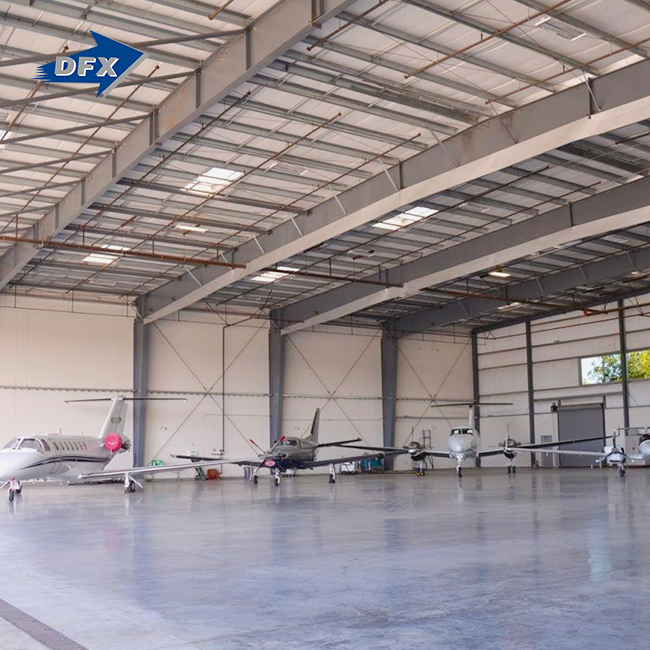
Steel frame design allows clear span configurations ranging from 12 meters to over 60 meters without the need for middle columns. This gives warehouse plan optimization a level of freedom that has never been seen before. This feature is especially useful for automatic storage and retrieval systems, where clear floor space makes it easier to set up and use equipment.
There are two types of roof designs: gabled and monitor. Each has its own benefits that depend on the needs of the business. For normal storage needs, gabled forms make the structure as efficient as possible, while monitor roofs let in more natural light and air flow.
Customization for Industry-Specific Requirements
A steel building is flexible enough to meet the needs of a wide range of industries by making small changes to the design. Thermal-break framing features and thick polyurethane sandwich panels help keep temperatures stable and stop thermal bridges in cold storage situations. In manufacturing sites, crane runway beams can be built that can hold tools for lifting things from 5 to 100 tons.
Agricultural storage buildings need special doors and air systems that make it easy to get to tools and move goods. Because a steel building is modular, these changes can be made without affecting the performance of the structure or the economy of the construction.
Maintenance Strategies and Longevity Optimization
Planning for upkeep correctly ensures that a building works at its best throughout its entire lifespan. Protective covering systems need to be checked and fixed up on a regular basis to keep their rust resistance, especially in harsh environments. However, because galvanized steel is naturally durable, it doesn't need as much upkeep as other building materials.
When you do routine repair, you mostly work on mechanical systems, door locks, and weatherstripping, not structural parts. Long-term running costs are lower because of this feature, but the building still meets the standards for usefulness and appearance needed for professional warehouse operations.
Cost Analysis and Procurement Strategies
Comprehensive Cost Factor Analysis
Knowing how much Steel Structure Warehouse projects will cost in total helps you make smart choices during the buying process. Material prices usually make up 40 to 50 percent of the total cost of a job. The rest of the cost goes to work for fabrication, transportation, and installation. Standardized component production can lead to economies of scale, which can lead to better prices for projects that use common structure setups.
Because steel frame buildings take less time on-site and are easier to put together, it usually costs less to work on them than similar concrete projects. Getting rid of the time it takes for concrete to cure and weather delays makes costs even more predictable, which makes it easier to plan and budget for projects.
Supplier Selection and Quality Verification
For procurement to go well, possible suppliers must be carefully evaluated based on their service offers, quality systems, and ability to make things. Standards for certification, like ISO9001, CE marking, and EN1090 approval, give objective measures of how competent a supplier is and how good a product is. These certifications show that the planning, production, and installation methods meet foreign standards.
For manufacturing capacity, things to think about are the powers of the production line, the amount of work that is done each year, and the freedom of the project schedule. Suppliers with specialized H-beam production lines, sandwich panel manufacturing, and corrugated sheet forming equipment can offer combined solutions that make buying easier and make sure that all the parts work together.
Project Delivery Options and Procurement Models
There are different ways to deliver steel building projects, from design-build turnkey contracts to supply-only deals for parts. Turnkey solutions include full project management, engineering estimates, manufacturing, transportation planning, and advice on how to set up the structure. This makes the buying process easier for people who don't have their own building knowledge.
Component supply arrangements give workers who already know how to build and install things more options. This could lower the total cost of the project through open bidding. Which of these approaches to use relies on the company's resources, willingness to take risks, and the needs of the particular project?
Making the Right Choice: Selecting Your Steel Frame Warehouse Solution
Evaluation Criteria for Construction Methods
To choose the right steel warehouse options, you need to carefully look at the technical and financial factors that will affect the project's long-term success. When choosing a structural system, the size of the project is important. Larger buildings need more advanced framing methods that make the best use of materials and speed up the building process.
It's important to think about both the initial cash investment and the lifecycle running costs when making a budget. Although a steel building may require a bigger initial investment than some other options, the lower total cost of ownership estimates that come from shorter construction times, less maintenance, and longer durability are often more favorable.
Manufacturer Assessment and Quality Assurance
Leading makers of metal warehouse kit systems set themselves apart by providing a wide range of services, having skilled technical knowledge, and a track record of completing projects on time and on budget. Companies that have been making structural steel for more than 12 years have the steadiness and understanding needed for complicated building projects. Production capacity indicators, like 40,000 square meters of enclosed production space and more than 200 trained workers, show that the project will be finished on time.
ISO approval of quality management systems gives customers faith in the regularity of manufacturing and the dependability of products. Advanced production tools, like automatically welded H-beam lines, sandwich panel production, and corrugated sheet making tools, show that the company is technologically advanced and can produce high-quality goods.
Future-Proofing and Adaptability Considerations
Modern Steel Structure Warehouse design includes features that make it easy to change so that it can meet changing operating needs over the span of the building. Modular expansion lets the building get bigger without affecting the way it works now, and flexible structure systems let equipment be changed, and the plan changed as the needs of the business change.
When thinking about energy saving, you should plan for things like installing solar panels, LED lighting systems, and high-tech HVAC equipment that lowers costs and helps the environment. These features raise the value of assets over time and set up facilities to meet changing environmental rules.
Conclusion
A steel frame building is the best way to build a warehouse today because it combines excellent engineering with efficient construction to make better facilities for today's industrial and logistics needs. Compared to traditional building methods, modular prefabricated steel storage buildings have many benefits, such as shorter construction times, better structural performance, and higher term value. The need for warehouses that are flexible and efficient keeps growing. Steel frame buildings give us the technology we need to meet changing industry needs while still being cost-effective and good for the environment.
FAQ
Q1: What is the typical construction timeline for a steel frame warehouse?
Compared to conventional building methods, Steel Structure Warehouse projects usually finish much more quickly. The total time it takes depends on the size and complexity of the project, but for most warehouses, it only takes 8 to 12 weeks from the end of the planning phase to move in. This faster plan is because the site is being prepared, and parts are being made at the same time. Then, pre-engineered parts are quickly put together on-site.
Q2: How do steel warehouses perform in extreme weather conditions?
Modern buildings with steel frames are built to resist bad weather like strong winds, earthquakes, and lots of snow. The building's estimates take into account the local building code. The structure can usually withstand winds of more than 120 km/h and is rated for Grade 8 earthquakes. Steel framing works very well under dynamic pressure situations because it is naturally flexible.
Q3: What maintenance requirements should be expected for steel warehouse buildings?
Compared to other building materials, steel warehouses don't need as much upkeep. As part of routine tasks, protection coats are checked on a regular basis, door hardware is oiled, and weathersealing is maintained. The galvanized covering usually protects against rust for 20 years or more without needing major repairs, which helps keep the overall cost of ownership low.
Partner with DFX for Your Steel Structure Warehouse Projects
DFX provides complete steel building solutions backed by more than 12 years of manufacturing experience and a track record of completing projects on time. Our state-of-the-art factories have six automatic welded H-beam lines, sandwich panel production tools, and corrugated sheet forming powers that can make 20,000 tons of products a year. Whether you need a Steel Structure Warehouse provider for a manufacturing plant, a distribution center, or a transportation facility, our team can help you with the whole project, from the initial design to the final installation.
Contact jason@bigdirector.com to talk about your unique warehouse needs and find out how our ISO9001-certified manufacturing methods and CE-compliant products can help your project in a reliable and cost-effective way.
References
1. American Institute of Steel Construction. "Steel Construction Manual: 15th Edition Design Standards for Structural Steel Buildings." AISC Publications, 2017.
2. Building Construction Authority. "Code Requirements for Pre-Engineered Steel Buildings in Industrial Applications." International Building Standards Institute, 2019.
3. Chen, W.F., and Lui, E.M. "Handbook of Structural Steel Connection Design and Details: Third Edition." McGraw-Hill Professional Engineering, 2020.
4. European Committee for Standardization. "Eurocode 3: Design of Steel Structures - Part 1-1: General Rules and Rules for Buildings." CEN Publications, 2018.
5. Galambos, T.V., Lin, F.J., and Johnston, B.G. "Basic Steel Design with LRFD Methods." Prentice Hall Engineering Source, 2016.
6. National Steel Bridge Alliance. "Modern Steel Construction Practices for Industrial and Commercial Buildings." American Iron and Steel Institute, 2021.
Learn about our latest products and discounts through SMS or email