- English
- French
- German
- Portuguese
- Spanish
- Russian
- Japanese
- Korean
- Arabic
- Greek
- German
- Turkish
- Italian
- Danish
- Romanian
- Indonesian
- Czech
- Afrikaans
- Swedish
- Polish
- Basque
- Catalan
- Esperanto
- Hindi
- Lao
- Albanian
- Amharic
- Armenian
- Azerbaijani
- Belarusian
- Bengali
- Bosnian
- Bulgarian
- Cebuano
- Chichewa
- Corsican
- Croatian
- Dutch
- Estonian
- Filipino
- Finnish
- Frisian
- Galician
- Georgian
- Gujarati
- Haitian
- Hausa
- Hawaiian
- Hebrew
- Hmong
- Hungarian
- Icelandic
- Igbo
- Javanese
- Kannada
- Kazakh
- Khmer
- Kurdish
- Kyrgyz
- Latin
- Latvian
- Lithuanian
- Luxembou..
- Macedonian
- Malagasy
- Malay
- Malayalam
- Maltese
- Maori
- Marathi
- Mongolian
- Burmese
- Nepali
- Norwegian
- Pashto
- Persian
- Punjabi
- Serbian
- Sesotho
- Sinhala
- Slovak
- Slovenian
- Somali
- Samoan
- Scots Gaelic
- Shona
- Sindhi
- Sundanese
- Swahili
- Tajik
- Tamil
- Telugu
- Thai
- Ukrainian
- Urdu
- Uzbek
- Vietnamese
- Welsh
- Xhosa
- Yiddish
- Yoruba
- Zulu
Why Choose a Hangar Steel Structure for Your Aircraft?
When protecting your valuable aeroplane assets in a Steel Structure Hangar, picking the right shelter isn't just about covering equipment—it's also about making sure operations don't stop, keeping big investments safe, and making sure your infrastructure will work in the future. This mix of dependability and efficiency is exactly what a Steel Structure Hangar gives you. These long-span buildings have unmatched clear height and interior room thanks to their welded H-section steel frameworks and reinforced bracing systems. They also don't have any columns that get in the way of moving planes or doing maintenance. Whether you're an EPC contractor planning an airport expansion, a project manager looking for infrastructure for defence projects, or an operations director planning a new maintenance facility, you need to know why steel is better than traditional building methods in order to make smart purchasing decisions that give you a clear return on investment.
Understanding Steel Structure Hangars: Definition and Core Benefits
What Defines a Modern Aircraft Hangar Built from Steel
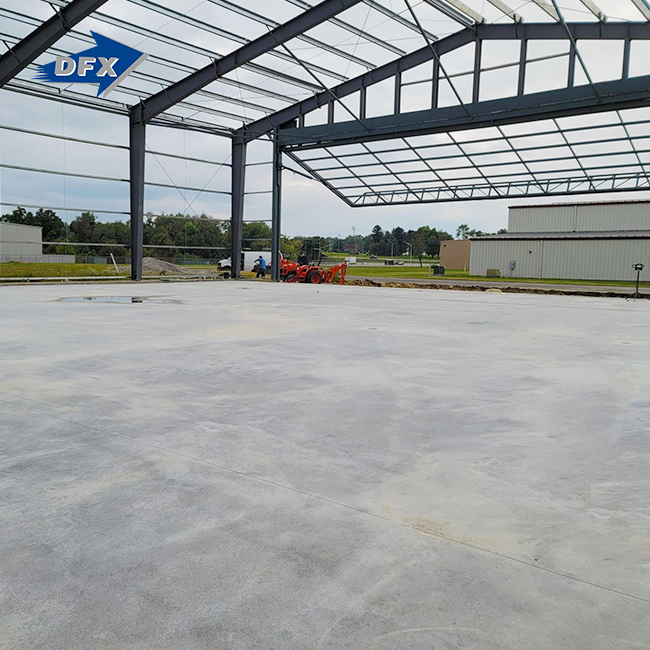
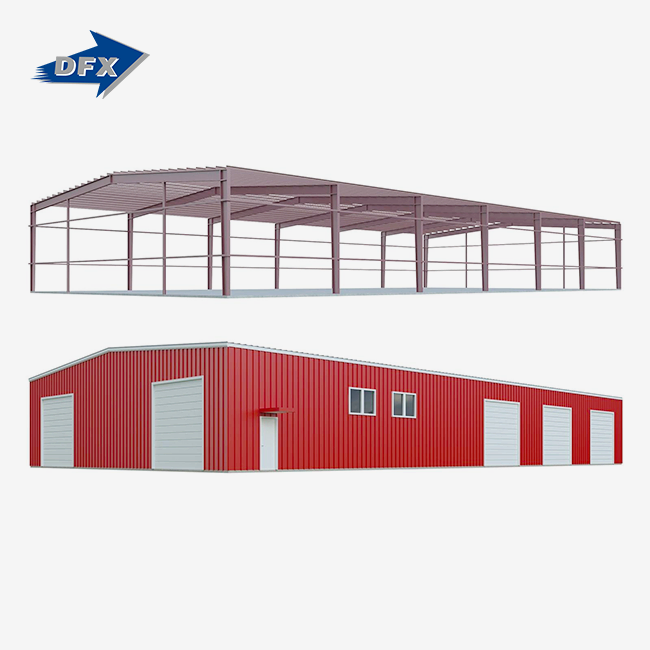
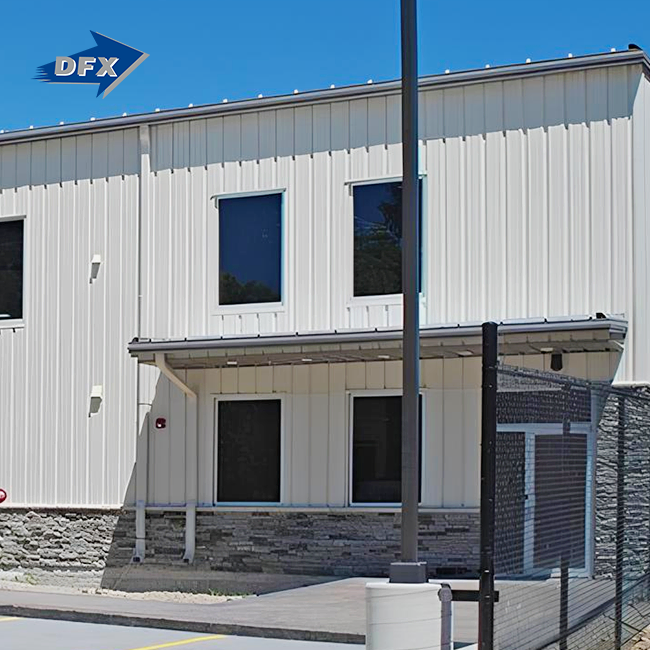
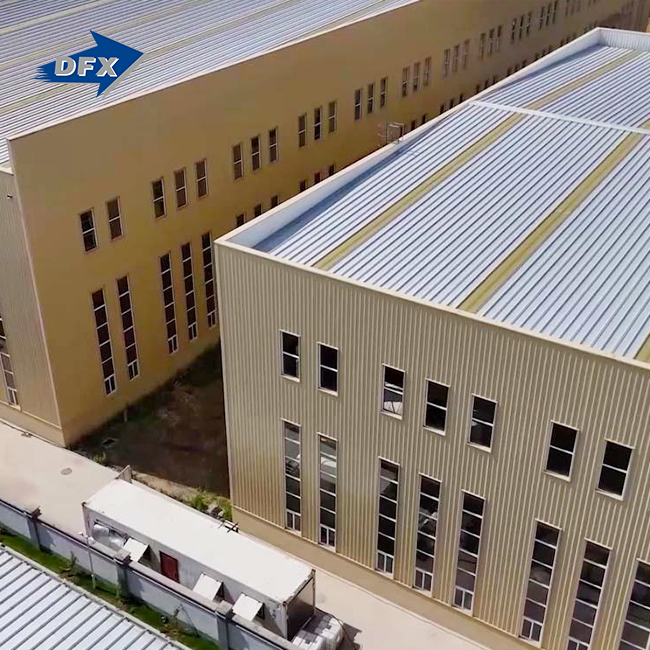
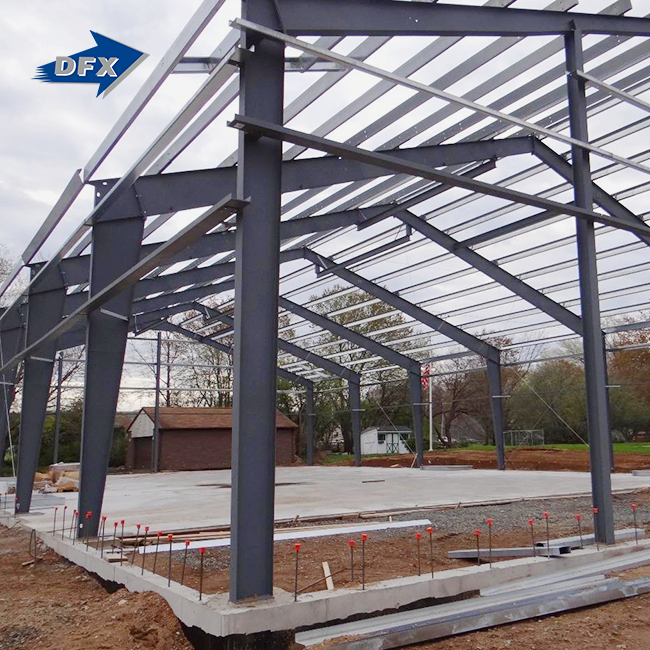
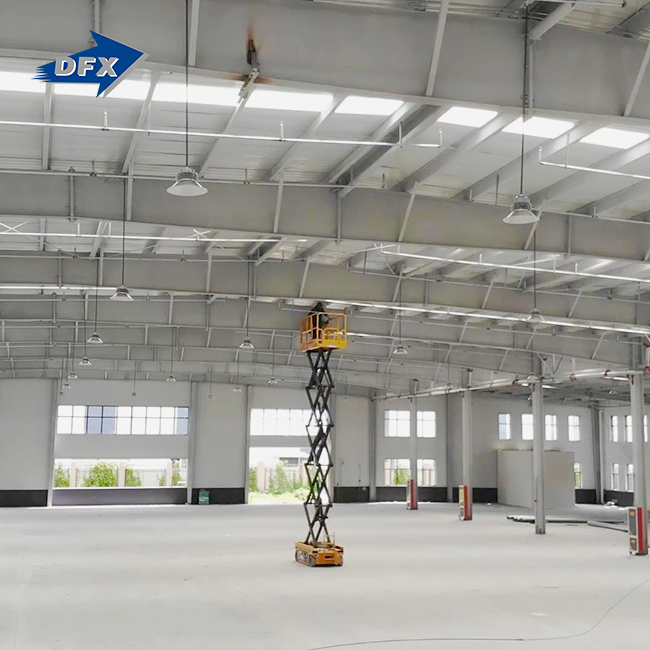
A steel aeroplane hangar is a pre-engineered building system made up of high-strength H-section steel columns and beams that have been welded together. Unlike most buildings made of concrete or stone, these hangars come in separate modules that are built off-site under controlled conditions and then put together on-site. The main structure is made of Q355B or ASTM A572 Gr.50 grade steel, which has yield forces above 345 MPa and keeps the structure light. This engineering method makes clear spans from 30 meters to over 100 meters without any supports in the middle. This gives planes with wide wingspan the uninterrupted floor space they need to turn. The construction method solves one of the biggest problems in aviation infrastructure: making huge, column-free interiors that can handle extreme environmental loads. Companies like Qingdao Director Steel Structure Co., Ltd., which has ISO9001, CE, COC, and PVOC certifications, use automatic welding production lines to make sure that every beam and column is the same. This cuts down on variations that can happen on-site and weaken the structure.
Core Advantages Driving Industry Adoption
Aviation site managers and procurement specialists put steel at the top of their lists for more than just speeding up the building process. The material's natural properties solve long-standing operational problems that plague traditional building methods. Shortened Project Lead Times: Pre-engineered parts made in controlled factories cut the time needed for construction on-site by 30 to 50 percent compared to traditional methods. This shortening of the timeline is very important when operational dates can't be changed, like when the military is deployed or when an airline's fleet grows. Director Steel's 40,000-square-meter production facility has six automatic welded H-beam production lines that can make about 20,000 tonnes of steel each year. This means that multiple projects can be worked on at the same time without sacrificing quality. Superior Load Management: Steel's high strength-to-weight ratio means that structures can withstand wind speeds of over 140 km/h and snow loads that are normal for alpine regions. This strength saves not only the building itself but also the planes inside, keeping valuables from being destroyed by bad weather. During the design phase, engineering calculations are done to make sure that the building meets AISC standards and takes into account the specific environmental conditions of the site. Lifecycle Cost Efficiency: Steel may have higher initial material costs than some other options, but its durability and low maintenance needs make it more cost-effective over its entire life. Surfaces that are properly treated—shot-blasted to a Sa2.5 grade and covered with an epoxy zinc-rich primer and polyurethane topcoats that reach a dry film thickness of 120μm—do not rust for decades. Hot-dip galvanisation at 600g/m² adds to the service life in coastal areas where salt spray speeds up material degradation. Design Flexibility: Modular building works with a range of aircraft sizes and operational workflows. The basic engineering concepts are the same, just scaled up or down depending on whether the hangar is for a single-engine Cessna or a wide-body commercial jet. This adaptability is very helpful for fixed-base operators who have to manage different client fleets or for makers who are planning to expand their facilities in stages. All of these benefits work together to make an infrastructure that helps businesses grow instead of stopping them. When purchasing managers look at supplier proposals, it's helpful for them to know how these technical skills translate into operational performance, predictable upkeep, and financial returns.
Comparing Steel Structure Hangars with Alternative Hangar Types
Material Performance: Steel Versus Aluminum and Wood
In the past, hangars were built with aluminium frames or structures made of wood, but these materials have problems when used for flight needs. Aluminium is resistant to corrosion and light, but it can't hold a lot of weight, which is needed for large-span uses. Structures wider than 40 meters need a lot of secondary bracing, which blocks the inside and makes upkeep work harder. While wood is cheap for small projects, it breaks down quickly in damp places and poses fire safety risks that make flight insurance companies raise rates. Steel, on the other hand, doesn't have these problems. A main structure made of welded H-section steel evenly spreads weight across the frame, which lowers the frame's tendency to bend when it's under stress. This structural stability enables integrated crane systems that are often rated between 5 and 10 tonnes and are needed to take out the engines and do maintenance on the fuselage. Because engineers can predict how the material will behave under pressure, it makes calculations easier and cuts down on design errors and Helicopter shelter material waste.
Fabric Hangars and Concrete: Operational Trade-Offs
Fabric membrane hangars became popular as short-term or cheap solutions, especially for general aviation activities. These structures can be put up quickly and don't cost as much at first, which makes them appealing to businesses with limited capital funds. But membrane materials break down in UV light and need to be replaced every 10 to 15 years. Limits on wind resistance make it hard to use in places with bad weather, and controlling the temperature inside becomes hard, which affects equipment that is sensitive to changes in temperature. Concrete hangars are the opposite of this: they are stable, strong, and rigid. Construction takes months, which wastes money and delays getting the building ready for use. Costs of modifications make it hard to adapt as fleet needs change, leaving owners with infrastructure that doesn't meet their new needs. For military uses, concrete is great at resisting blasts, but for business and general aviation, speed and adaptability are more important. Steel is the best material because it is both durable and flexible. Structures that are approved to international standards can handle environmental stresses as well as concrete, while still being able to be changed in ways that fabric hangars can't. An EPC contractor in charge of airport infrastructure likes this balance because it makes it easy for planned additions to fit in with the steel frames that are already there.
Quantifying Performance: Data-Driven Comparison
Procurement decisions benefit from objective metrics comparing lifecycle performance across materials. Steel structures demonstrate measurable advantages in three critical areas:
- Construction Velocity: Typical steel hangar projects complete foundation-to-occupancy within 6-8 months, compared to 12-18 months for equivalent concrete structures. This 40-60% timeline reduction accelerates revenue generation for commercial operators.
- Maintenance Frequency: Properly treated steel requires inspections every 3-5 years with minor touch-up painting, whereas fabric membranes demand annual assessments and more frequent repairs. Concrete remains low-maintenance but sacrifices adaptability.
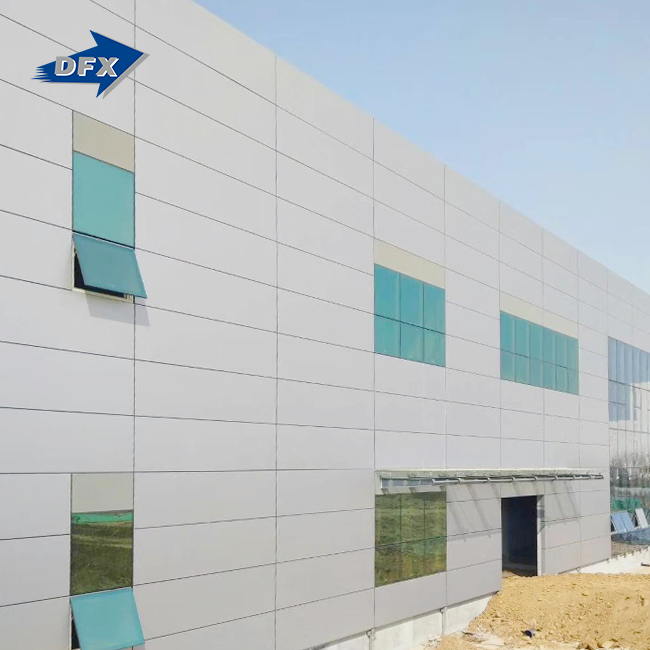
- Energy Efficiency: Insulated sandwich panel cladding, achievable with steel framing, reduces HVAC costs by 20-30% compared to uninsulated fabric or single-skin metal buildings. Polyurethane cores in these panels achieve R-values exceeding R-20, maintaining climate stability critical for avionics workshops.
Project managers evaluating supplier proposals gain negotiating leverage by understanding these performance differentials. A manufacturer offering comprehensive warranties and post-delivery support reduces long-term risk, transforming infrastructure investment into a competitive advantage.
How to Procure and Build a Steel Structure Hangar: Step-by-Step Guide
Strategic Planning: Defining Requirements and Site Assessment
Successful procurement begins long before supplier contact, with comprehensive requirement definition that aligns infrastructure capabilities with operational objectives. Project teams must document aircraft dimensions, operational workflows, and future expansion scenarios. A maintenance facility supporting Boeing 737 operations requires different door configurations and interior heights than a general aviation FBO managing Cessna fleets. Site assessment identifies geotechnical constraints and regulatory requirements affecting design decisions. Soil bearing capacity determines foundation approaches, while local building codes mandate specific wind and snow load calculations. Coastal locations demand enhanced corrosion protection, adding galvanization requirements to specification documents. Engaging civil engineers during this phase prevents costly redesigns after fabrication begins. Environmental permits and aviation authority approvals operate on separate timelines that must synchronize with construction schedules. Applications often require 3-6 months of processing, making early submission critical to maintaining project momentum.
Supplier Selection: Evaluating Manufacturers and Engineering Capabilities
Identifying qualified steel structure hangar manufacturers requires evaluating technical capabilities beyond price quotations. Certifications like ISO9001, CE, and PVOC verify quality management systems that consistently produce specification-compliant components. Facilities equipped with automated production lines—such as Director Steel's operations featuring computerized welding systems—deliver tighter tolerances and superior weld quality compared to manual fabrication shops. Engineering support represents another critical differentiator. Suppliers offering structural calculation services and customized design capabilities reduce the burden on procurement teams lacking in-house engineering resources. Companies like Director Steel, with over 12 years of experience specializing in large commercial buildings and aircraft hangars, bring experiential knowledge that anticipates common challenges before they disrupt schedules. Request detailed fabrication timelines, shipping logistics, and installation guidance documentation during vendor evaluation. Transparent communication regarding production capacity and current workload prevents surprises when deposit payments trigger manufacturing sequences.
Procurement Pathways: Custom Design Versus Standard Configurations
Project-specific requirements often necessitate custom engineering, particularly for military applications or unique site constraints. Custom design processes begin with preliminary structural analysis, translating operational requirements into steel section sizes, connection details, and bracing configurations. Iterative design reviews allow procurement teams to optimize costs by adjusting specifications without compromising performance. Standard prefabricated configurations suit general aviation applications where aircraft dimensions and operational workflows align with common designs. These solutions accelerate delivery by leveraging existing engineering documentation and proven component inventories. While customization options remain limited, standardization reduces costs and shortens lead times. Hybrid approaches balance these extremes, starting with proven base designs modified to accommodate site-specific requirements. This methodology captures efficiency gains from standardization while addressing unique operational needs.
Installation Management: Ensuring Quality Through Construction Phases
Even the highest-quality fabricated components fail to deliver value without proper installation. Procurement contracts should specify installation guidance provisions, including on-site technical support during assembly. Director Steel's service scope encompasses installation guidance, recognizing that successful projects depend on correct field execution. Foundation preparation demands careful attention, as errors at this stage cascade through subsequent construction phases. Anchor bolt placement must achieve tolerances within millimeters to ensure proper frame alignment. Independent surveying confirms the position of the helicopter shelter's accuracy before concrete placement commits these elements permanently. Erection sequences follow engineered plans that maintain structural stability throughout assembly. Temporary bracing prevents distortion as crews connect columns to beams, tighten high-strength bolts to specified torque values, and install secondary framing elements. Quality control inspections at each milestone verify compliance with design documents, using non-destructive testing methods like ultrasonic examination on critical welds. Punch-list management addresses minor deficiencies before final acceptance, ensuring every door operates smoothly, every roof panel seals properly, and every electrical connection meets safety standards. Thorough commissioning protects investments and establishes baselines for future maintenance planning.
Ensuring Long-Term Value: Maintenance, Environmental, and Cost Considerations
Proactive Maintenance: Protecting Your Infrastructure Investment
Even inherently durable steel structures require systematic maintenance to achieve their 30-50 year design lifespans. Establishing routine inspection schedules identifies developing issues before they escalate into costly repairs or operational disruptions. Corrosion monitoring focuses on areas where protective coatings experience accelerated wear: door tracks, base plates near grade, and fastener connections exposed to moisture. Annual visual inspections supplemented by dry film thickness measurements every 5 years quantify coating degradation, informing touch-up painting schedules that preserve underlying steel. Facilities in coastal environments or industrial zones with airborne contaminants benefit from shortened inspection intervals. Structural assessments verify connections maintain design integrity. High-strength bolt assemblies can loosen over time due to thermal cycling and vibration, reducing joint capacity. Torque wrench verification during scheduled maintenance confirms proper preload levels, restoring slip-critical connection performance. Roof drainage systems demand attention to prevent water accumulation that accelerates corrosion and increases structural loads beyond design parameters. Clearing debris from gutters and downspouts twice annually ensures proper water management, protecting both the building envelope and interior equipment.
Environmental Stewardship: Sustainability and Energy Efficiency
Modern procurement increasingly weighs environmental impacts alongside traditional performance metrics. Steel construction aligns well with sustainability objectives through multiple pathways. Material recyclability represents steel's most compelling environmental advantage. At the end-of-life, structural components retain scrap value and reenter manufacturing supply chains without quality degradation. This closed-loop recycling contrasts sharply with concrete demolition waste destined for landfills or fabric membranes contaminated with coatings that complicate disposal. Energy efficiency during operational phases stems from advanced insulation systems integrated into wall and roof assemblies. Polyurethane sandwich panels combining exterior and interior steel skins around foam cores achieve thermal resistance values, reducing heating and cooling demands substantially. Climate-controlled hangars maintaining consistent temperatures for avionics work or composite repairs realize meaningful utility cost reductions compared to uninsulated buildings. Renewable energy integration becomes practical with steel structures designed to accommodate roof-mounted solar arrays. The material's strength supports additional dead loads from photovoltaic panels without compromising structural margins, enabling facilities to offset grid power consumption and enhance operational resilience.
Cost Analysis Framework: Understanding Total Ownership Expenses
Procurement teams face pressure to justify infrastructure investments through detailed financial analysis extending beyond initial capital outlays. Comprehensive cost modeling accounts for variables spanning the asset lifecycle. Material and fabrication costs form the foundation, influenced by steel market pricing, complexity of engineering requirements, and manufacturing efficiency. Automated production facilities achieve economies of scale that manual fabrication shops cannot match, translating into competitive pricing for buyers. Transportation expenses scale with distance between the manufacturer and the project site, favoring suppliers with established logistics networks. Foundation work represents a significant variable cost depending on geotechnical conditions. Sites with poor soil bearing capacity require deep foundations or soil stabilization, adding expenses that can reach 15-20% of total project costs. Early geotechnical investigation prevents budget surprises during construction phases. Labor costs for installation vary by regional wage rates and crew productivity. Prefabricated steel systems reduce field labor hours compared to cast-in-place concrete or stick-built framing, partially offsetting higher material costs. Detailed installation timelines provided by manufacturers enable accurate labor budgeting. Operational costs, including utilities, maintenance, and insurance premiums, extend over decades, often exceeding initial construction expenses. Energy-efficient designs reduce utility bills year after year, while low-maintenance materials minimize staffing requirements. Insurance underwriters view steel's fire resistance and structural stability favorably, potentially reducing premium rates compared to alternative construction methods. Financial modeling comparing these lifecycle costs across material options reveals steel's superior ROI in most applications. Procurement managers presenting investment recommendations to executive leadership strengthen proposals by quantifying these long-term advantages rather than focusing exclusively on upfront pricing.
Trusted Providers and How to Choose the Right Steel Structure Hangar Supplier
Essential Evaluation Criteria: Certifications and Quality Systems
Selecting a manufacturing partner capable of delivering clear-span hangar infrastructure that performs reliably for decades requires evaluating qualifications beyond pricing competitiveness. International certifications provide objective evidence of quality management capabilities and product compliance.
ISO9001 certification verifies that manufacturers maintain documented quality management systems covering design, procurement, fabrication, and delivery processes. Regular third-party audits confirm ongoing compliance, reducing the risk of quality lapses affecting your project. CE marking demonstrates conformity with European health, safety, and environmental protection standards, essential for contractors working on internationally funded projects or facilities subject to multinational regulations. COC and PVOC certifications facilitate customs clearance in African markets, streamlining logistics for projects on that continent. Beyond paperwork, inspect manufacturing facilities when feasible. Modern production environments featuring automated equipment, organized material storage, and systematic workflow controls indicate operational maturity that translates into consistent product quality. Qingdao Director Steel Structure Co., Ltd. operates 40,000 square meters of enclosed production space with dedicated equipment for each manufacturing process—welded beams, sandwich panels, purlins, and corrugated sheets—demonstrating the specialization that supports reliable output.
Engineering Support and Customization Flexibility
Pre-engineered buildings still require significant engineering to adapt standard designs to site-specific conditions. Suppliers offering comprehensive structural calculation services and in-house architectural design teams reduce coordination burdens for procurement managers lacking dedicated engineering resources. Detailed design capabilities enable manufacturers to address unique operational requirements: oversized door openings accommodating specific aircraft, mezzanine floors for administrative offices, crane runway integration for maintenance equipment, or specialized ventilation systems for paint booths. Director Steel's service scope explicitly includes customized design and fabrication, recognizing that aviation facilities rarely conform to one-size-fits-all solutions. Request sample engineering deliverables during supplier evaluation: structural calculations sealed by licensed engineers, fabrication drawings showing connection details, and erection plans outlining assembly sequences. Quality documentation indicates engineering depth that prevents field conflicts during construction.
Post-Delivery Support: Warranties and Technical Assistance
Infrastructure investments spanning decades require supplier relationships extending beyond delivery and installation. Comprehensive warranties covering both materials and workmanship protect against defects emerging during initial operational years. Standard structural warranties range from 5-10 years, with coating systems often warranting 15-20 years against degradation. Technical support responsiveness proves its value when questions arise during installation or operational issues require expert guidance. Manufacturers with established customer service protocols, multilingual support staff, and experience serving international markets deliver superior problem resolution compared to suppliers treating delivery as the relationship endpoint. Document warranty terms explicitly in procurement contracts, including remediation procedures, response timeframes, and cost responsibilities. Ambiguous language creates disputes that consume time and resources better directed toward operational objectives.
Conclusion
Choosing a hangar built from steel fundamentally shapes operational capability, financial performance, and long-term asset value. The combination of clear-span design, accelerated construction timelines, environmental resilience, and lifecycle cost efficiency positions steel as the optimal solution for protecting valuable aircraft investments. Procurement professionals evaluating infrastructure options benefit from understanding how material properties translate into measurable performance advantages—from reduced maintenance demands to superior energy efficiency. Partnering with certified manufacturers offering comprehensive engineering support, quality fabrication, and post-delivery assistance transforms infrastructure procurement from transactional purchasing into strategic asset development. Whether managing airport expansion projects, building MRO facilities, or establishing private aviation operations, the decision to specify steel structures delivers returns extending decades beyond initial construction completion.
FAQ
1. How long does it take to construct an aircraft hangar using steel?
Typical steel hangar projects are completed within 6-8 months from foundation start to operational readiness, significantly faster than concrete alternatives requiring 12-18 months. This timeline assumes standard site conditions, timely permit approvals, and prefabricated components manufactured concurrently with foundation work. Complex custom designs or challenging site conditions may extend schedules, making early planning and supplier engagement critical to maintaining project momentum.
2. What maintenance does a steel aircraft hangar require?
Routine maintenance focuses on corrosion monitoring, structural inspections, and protective coating touch-ups. Annual visual examinations identify areas where paint or galvanization shows wear, while comprehensive inspections every 3-5 years include fastener torque verification and roof drainage system clearing. Facilities in harsh environments benefit from shortened inspection intervals, but properly treated steel structures remain low-maintenance compared to alternatives requiring membrane replacements or extensive concrete repairs.
3. Can steel hangars accommodate future expansion needs?
Modular steel construction facilitates phased expansion more readily than cast-in-place concrete or fabric structures. Additional bays integrate with existing frameworks when original designs anticipate growth, using compatible connection details and structural systems. Engineering flexibility enables modifications supporting changing operational requirements—door relocations, mezzanine additions, or crane system upgrades—without compromising structural integrity.
Partner with DFX for Your Next Aircraft Hangar Project
Qingdao Director Steel Structure Co., Ltd. brings over 12 years of specialized Steel Structure Hangar expertise to aviation infrastructure projects, combining advanced manufacturing capabilities with comprehensive engineering support. Our ISO9001, CE, COC, and PVOC certified production facility delivers welded H-section steel structures meeting international standards, while our in-house design team provides customized solutions addressing your specific operational requirements. Contact our technical team at jason@bigdirector.com to discuss your aircraft hangar needs and discover why procurement managers worldwide trust Director Steel as their preferred Steel Structure Hangar manufacturer for projects demanding reliability, quality, and performance.
References
1. American Institute of Steel Construction (AISC). Steel Construction Manual, 15th Edition. Chicago: AISC, 2017.
2. Hancock, Gregory J., and Thomas M. Murray. Cold-Formed Steel Structures to the AISI Specification. New York: Marcel Dekker, 2001.
3. Newman, Alexander. "Comparative Life-Cycle Assessment of Aircraft Hangar Building Materials." Journal of Construction Engineering and Management 145, no. 8 (2019): 04019052.
4. Federal Aviation Administration. Advisory Circular 150/5320-6F: Airport Pavement Design and Evaluation. Washington, DC: Department of Transportation, 2016.
5. Galambos, Theodore V., and Andrea E. Surovek. Structural Stability of Steel: Concepts and Applications for Structural Engineers. Hoboken: John Wiley & Sons, 2008.
6. Barrett, Richard T. "Pre-Engineered Steel Buildings: Design Considerations and Performance in Aviation Applications." Practice Periodical on Structural Design and Construction 24, no. 2 (2019): 04019003.
Learn about our latest products and discounts through SMS or email