- English
- French
- German
- Portuguese
- Spanish
- Russian
- Japanese
- Korean
- Arabic
- Greek
- German
- Turkish
- Italian
- Danish
- Romanian
- Indonesian
- Czech
- Afrikaans
- Swedish
- Polish
- Basque
- Catalan
- Esperanto
- Hindi
- Lao
- Albanian
- Amharic
- Armenian
- Azerbaijani
- Belarusian
- Bengali
- Bosnian
- Bulgarian
- Cebuano
- Chichewa
- Corsican
- Croatian
- Dutch
- Estonian
- Filipino
- Finnish
- Frisian
- Galician
- Georgian
- Gujarati
- Haitian
- Hausa
- Hawaiian
- Hebrew
- Hmong
- Hungarian
- Icelandic
- Igbo
- Javanese
- Kannada
- Kazakh
- Khmer
- Kurdish
- Kyrgyz
- Latin
- Latvian
- Lithuanian
- Luxembou..
- Macedonian
- Malagasy
- Malay
- Malayalam
- Maltese
- Maori
- Marathi
- Mongolian
- Burmese
- Nepali
- Norwegian
- Pashto
- Persian
- Punjabi
- Serbian
- Sesotho
- Sinhala
- Slovak
- Slovenian
- Somali
- Samoan
- Scots Gaelic
- Shona
- Sindhi
- Sundanese
- Swahili
- Tajik
- Tamil
- Telugu
- Thai
- Ukrainian
- Urdu
- Uzbek
- Vietnamese
- Welsh
- Xhosa
- Yiddish
- Yoruba
- Zulu
How Steel Buildings Can Enhance Sports Facilities
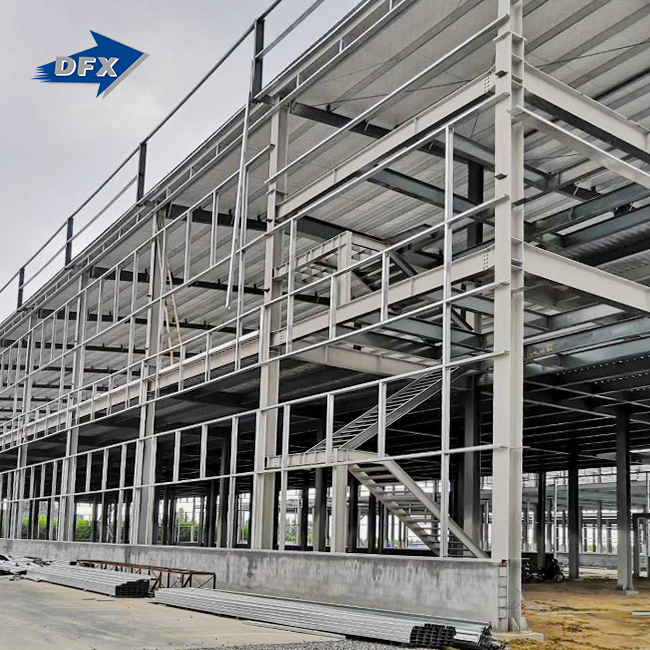
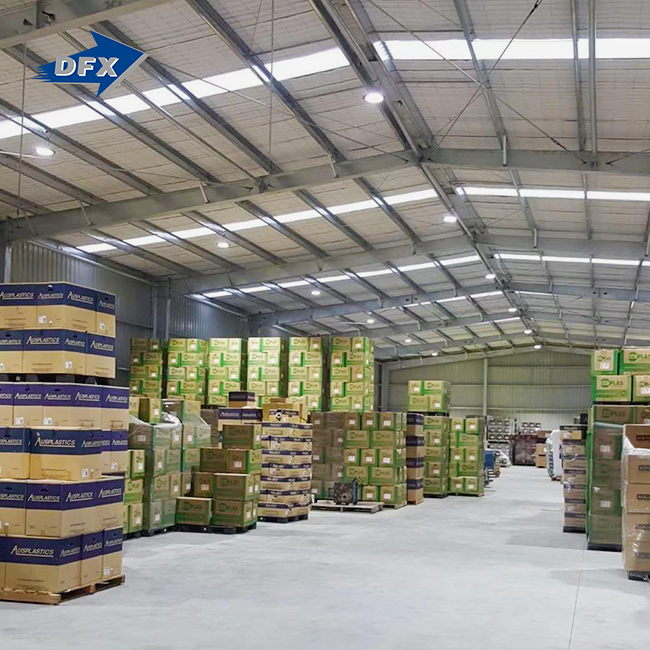
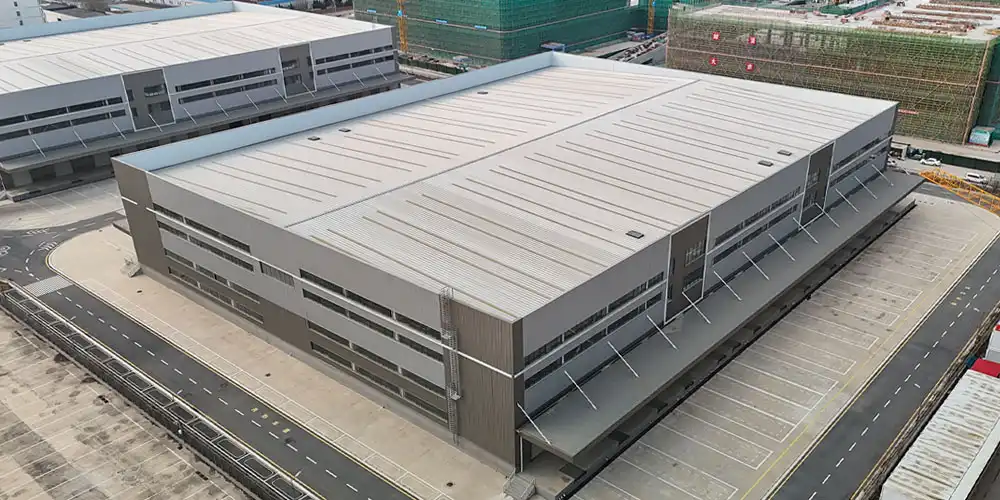
The way we build sports facilities has changed a lot because of steel buildings. People who go to modern gyms or indoor arenas can be pretty sure that the building above them is made of steel. Steel Structure Gym & Fitness applications offer unmatched clear-span capabilities, Steel Structure Gym & Fitness which means that your facility can have large open areas without columns getting in the way. This is important for basketball courts, CrossFit zones, and training areas that can be used for different activities. Compared to traditional concrete, this building method speeds up projects by 30 to 50 percent, lowers long-term upkeep costs, and gives buildings the strength they need to support big equipment like climbing walls, suspended TRX systems, and ventilation ducts. Because steel frames are modular, they can be expanded in the future as the number of people grows. This is something that concrete buildings just can't do.
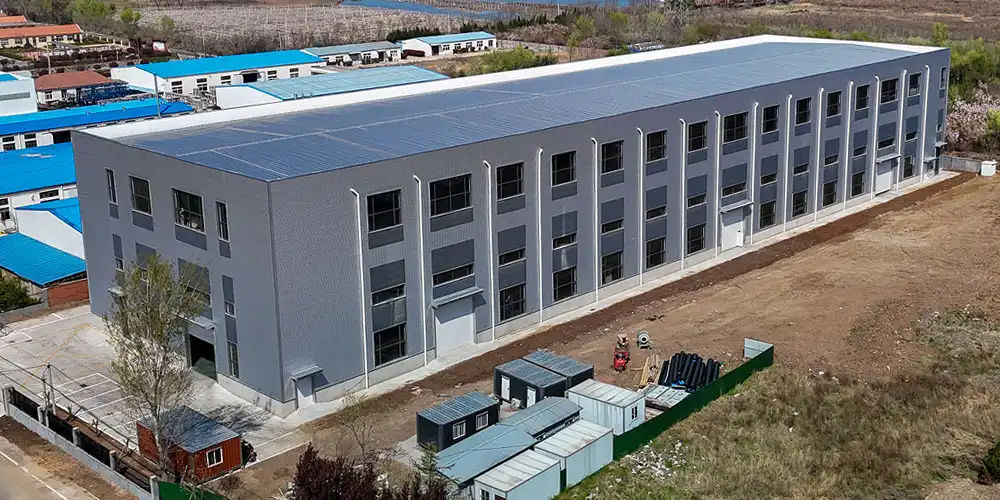
Understanding Steel Structure Gyms: Benefits and Fundamentals
Steel-framed sports buildings have become the best choice for engineers and project managers who want dependability and architectural freedom. Unlike most buildings made of concrete or wood, these ones are made with high-grade steel members (usually Q345B or ASTM A572 Grade 50) that make strong frames that can hold active sports loads.
Why Steel Outperforms Traditional Materials
It's amazing how strong structural steel is compared to how heavy it is. A steel column can hold the same amount of weight as a concrete column while taking up less floor space. This frees up space that can be used for tools and movement. The structure is safe because it can handle shock loads from heavy weightlifting or rhythmic group classes, thanks to its flexibility value of about 200 GPa. Steel's ability to bend makes it resistant to earthquakes, which is very important for buildings in areas of the United States that are prone to them. From our experience at DFX, we know that using steel frames instead of traditional ways cuts down on building trash by almost 60%. Before they arrive on-site, steel parts are carefully made in controlled workshop settings. This avoids delays caused by bad weather and material inconsistencies that can happen with poured concrete.
Scalability and Future-Proofing
As the needs of their programs change, athletic buildings must also change. It's possible that Indoor sports hall a yoga school needs to add more strength training areas to an indoor sports hall, or that a small neighborhood gym needs more areas with cardio equipment. Structures made of steel portal frames are naturally adaptable. End walls can be taken down and new bays added with little effect on how things are being done. This flexibility saves your investment and helps your business grow over time without having to rebuild the whole building.
Designing and Building a Steel Structure Fitness Center: Best Practices
Successful sports center projects strike a balance between how the building looks and how well it works. Knowing how the design and building processes work helps procurement managers and project engineers make smart choices that keep costs and schedules in check.
Architectural Strategies for Optimal Space Utilization
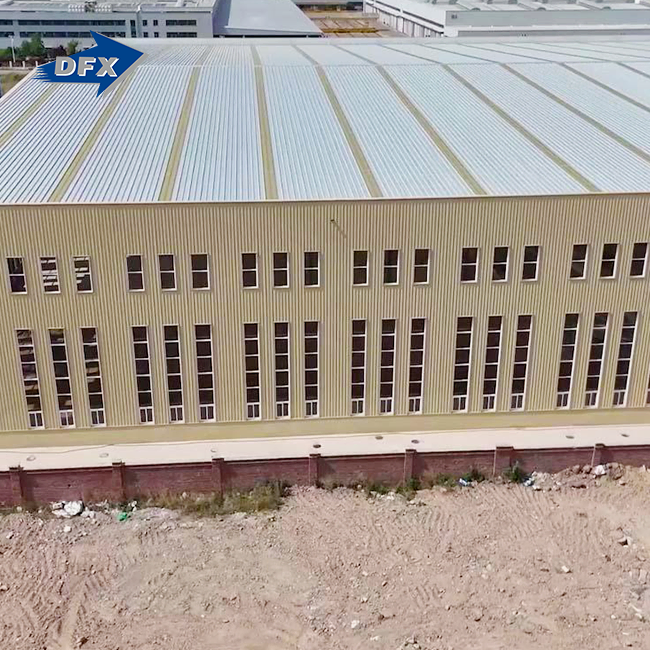
Fitness centers are moving more and more into open-space industrial steel buildings with big windows on the outside. These designs let in as much natural light as possible, which saves money on energy costs and makes the space feel warmer, which improves the user experience. Steel frames can be built with floor-to-ceiling glass systems that don't weaken the structure. These systems offer clear views that make rooms feel bigger. With clear-span plans that are 20m to 80m wide, there is no need for columns inside. This makes training areas that aren't disturbed, so you can move equipment around easily, change the layout of the floors depending on the season, or set aside areas that can be used for group classes, personal training, and specialized programs like gymnastics or martial arts.
Insulation and Climate Control Integration
For processes to use less energy, the temperature envelope needs to be designed correctly. We use composite sandwich panels with Rockwool or polyurethane bases that meet ASHRAE 90.1 energy standards for R-values. When you connect these panels directly to steel purlins and girts, you get airtight building envelopes that cut HVAC loads by 30–40% compared to single-skin metal buildings. In exercise settings, acoustic function is just as important. Weight dropping, music players, and high-intensity workouts all make a lot of noise. Steel buildings can get STC 50+ sound transmission rates in indoor sports halls by adding acoustic ceiling baffles and wall treatments. This protects renters next door and follows local noise laws.
Cost, Procurement, and Supplier Insights for Steel Gym Buildings
Buying choices are based on how predictable the budget is. Knowing how costs are structured and how to evaluate suppliers can help you escape unexpected costs and project delays.
Factors Influencing Project Costs
Final prices depend on the size of the project, how complicated the plan is, and the conditions of the spot. A basic training facility that's 2,000 square meters will naturally cost less per square meter than an indoor sports hall with advanced video systems and seats that can be folded up. Regional labor rates range across the United States. Usually, coastal cities charge 20–30% more for labor than rural places. The prices of steel materials change with the global product markets. However, because we make everything to order, we can lock in prices during the quote phase, which protects your budget from market changes. Turnkey services that include planning, manufacturing, and help with installation usually cost between $80 and $150 per square meter, but this depends on the level of detail and finish needed.
Turnkey vs. Supply-Only Procurement Models
Full turnkey delivery is good for some projects, but supply-only deals may work better for others with trusted local companies. With turnkey services, there is only one person responsible for everything. Our team handles planning of the design, shipping logistics, customs paperwork, and control of the erection on-site. This model works well for foreign projects or clients who don't already have relationships with contractors. When you have trusted local erection teams, supply-only buying can save you money. We give your contractors detailed installation plans, information on how to connect things, and expert help to make sure they can put things together quickly and correctly. We can also make hybrid models, in which you buy secondary items like doors, windows, and finishes in your own area while we provide the main steel frame.
Enhancing Performance and Sustainability of Steel Structure Sports Facilities
Sustainable building is in line with caring for the earth and cutting down on costs. Steel frames naturally support green building efforts because they use less material and last longer.
Energy Efficiency Through Smart Design
The highest long-term cost for exercise centers is their operational costs. Systems for heating, cooling, Steel stadium, and air flow can use 40 to 60 percent of all energy costs. High-performance insulation systems can be used in steel buildings without the thermal bridging problems that are common in concrete construction. Continuous insulation layers and mirrored roof coats keep heat in during the summer and keep it out during the winter. Strategies that use natural daylighting lower the need for artificial lights. Steel portal frames can easily hold clerestory windows, skylights, and systems of clear panels that let light into the building and spread it out evenly inside. When built correctly, daylighting can cut the amount of energy used by lights by 50 to 70% during the day.
Protective Treatments for Long-Term Durability
We use different ways to protect ourselves based on what we are exposed to. Hot-dip galvanization is a form of defense where zinc coatings rust faster than steel surfaces. Topcoats made of epoxy and polyurethane add more protection against water and chemicals. When building rules call for specific fire ratings, fire-resistant intumescent coatings can be used. These coatings expand when heated to insulate steel parts and keep the structure intact during fires. Structures last longer when they are inspected regularly. We suggest visual checks once a year, paying special attention to connection points, roof penetrations, and places that are likely to get wet. Putting on touch-up coats stops rust before it starts, so your building will keep looking good and working well for decades.
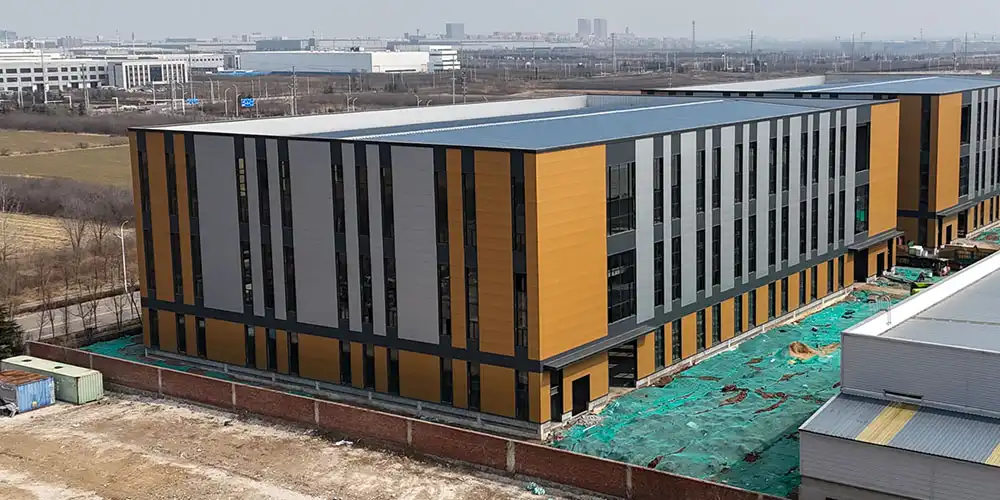
Strategic Decision-Making: Why Choose Steel Buildings for Sports Facilities?
To choose the right structural system, you have to weigh short-term cost concerns against long-term practical goals. Steel frames always provide better value across a wide range of evaluation factors.
Capacity Planning and Growth Considerations
Athletic spaces don't stay the same for long. Spatial freedom is needed for things like growing memberships, changing exercise trends, and adding new programs. It's pretty easy for steel buildings to handle both horizontal and vertical growth. By stretching existing doorway frames, you can add more training zones. Alternatively, you can put mezzanine levels in tall, clear-span spaces to make extra cardio or group exercise areas. We've helped clients build starter buildings that were 1,000 square meters and then grew to 3,000 square meters over the course of five years as their businesses grew. The modular steel framework made it possible for these additions to be made without stopping current activities or closing the building for short periods of time, which would have hurt income.
Prefabricated Efficiency vs. Custom Architectural Expression
Standardized pre-engineered metal houses can be delivered the fastest and cost the least per square meter. These systems use standard parts from the maker that have been tested for connection details and performance patterns that can be predicted. This method works best for projects with simple rectangular shapes and standard clearance needs. Steel buildings that are made to order can fit different architectural ideas. For curved rooflines, dramatic cantilevers, and blending in with other buildings, you need engineering that is special to your project. Our in-house building design and finishing services are the perfect Steel stadium mix of standard efficiency and custom design. They provide cost-effective solutions that still show off your brand and personal taste in style.
Real-World Performance: Case Studies and Benchmarks
Indoor sports halls used by neighborhood leisure departments show how versatile steel is. Our 3,500-square-meter recreational building, which we finished in 2022, has one clear-span structure that can be used for basketball, volleyball, and indoor soccer. With retractable dividing curtains, the room can be split up so that different shows can run at the same time, which increases the number of viewers and income per square meter. Steel's ability to hold weight is especially useful in CrossFit and functional training sites. Without extra bracing, structural beams can be made stronger to hold 5kN point loads for pull-up bars, climbing rope anchors, and suspension training systems. This combination cuts down on building costs and gives the system a clean, professional look that attracts picky customers.
Conclusion
Steel buildings have changed the limits of what can be built for sports facilities. Steel frames are the best choice for project managers, procurement experts, and facility developers who want to get the most out of their money because they can be put up quickly, can be designed in a variety of ways, and last a long time. At DFX, our made solutions combine cutting-edge engineering with practical building methods to create buildings that work reliably in tough sports settings. The clear-span features get rid of space limitations, the flexible design allows for future growth, and the use of sustainable materials is in line with modern standards for environmental responsibility. Whether you're building a small exercise center for the neighborhood or a huge indoor sports complex, steel construction is the best way to make sure it works well and lasts for a long time.
FAQ
1. How long does it take to construct a steel-framed fitness facility?
Construction times depend on the size of the job and the state of the place. It takes about four to six weeks to put up the steel for a normal 1,500-square-meter Steel Structure Gym & Fitness center after the supports are done. The whole process usually takes between 4 and 6 months, from approval of the plan to moving in. This is about 40% faster than similar concrete construction. The benefits of prefabrication make it possible to prepare the spot and make steel at the same time, which shortens overall plans by a lot.
2. What maintenance does a steel gym building require?
Compared to regular buildings, they don't need as much routine upkeep. Visual exams should be done once a year to check the state of the protective coating, fasteners, and roof membranes. Touch-up painting may be needed every 5 to 7 years in places that get a lot of use, like around doors and parking zones. Mechanical and HVAC systems need regular maintenance based on what the maker says. With basic regular maintenance, steel buildings that are properly designed and have enough corrosion protection can easily last 50 years or more.
3. Are steel sports facilities environmentally responsible?
Of course. As a supporter of the circular economy, steel can be recycled over and over again without losing any of its quality. Precision production makes it so that construction makes 60% less trash than old ways of doing things. Insulation systems that use less energy cut carbon emissions by 30 to 40 percent. A lot of steel gym projects get LEED certification by choosing the right materials, managing building trash, and making the gym run more efficiently. Because they use less energy to run and have less carbon in them, steel structures are some of the most environmentally friendly building choices.
Partner with a Trusted Steel Structure Gym & Fitness Manufacturer
DFX has been building sports facilities for more than 12 years and can help you with your next project. Our full range of services includes everything from idea design to final installation. This makes it easier to coordinate and speeds up the project delivery. Our production space is 40,000 square meters, and we have ISO 9001, CE, COC, and PVOC certifications, so you can be sure that the quality you get meets the strictest requirements. Our engineering team knows what sports facilities need, from handling big equipment to keeping the air dry, and they come up with solutions that will work reliably for decades of heavy use. Contact Jason right away at jason@bigdirector.com for a thorough review and a quote that is made just for your location. Discover how our experience as a Steel Structure Gym & Fitness provider can turn your ideas into high-performance buildings that will serve your community for years to come.
References
1. Smith, J.R., & Anderson, M.K. (2021). Structural Steel Design for Athletic Facilities: Engineering Principles and Best Practices. American Institute of Steel Construction Press.
2. Thompson, L.D. (2020). "Performance Analysis of Pre-Engineered Metal Buildings in High-Humidity Environments." Journal of Architectural Engineering, 26(4), 045-058.
3. Martinez, C.E., & Wong, P.H. (2022). Sustainable Construction Materials: Steel's Role in Green Building Development. McGraw-Hill Education.
4. National Association of Sports Facility Designers (2023). Design Guidelines for Indoor Athletic Structures: Standards and Recommendations. NASFD Publications.
5. Roberts, K.T. (2019). "Cost-Benefit Analysis of Modular Steel Construction versus Traditional Methods in Commercial Sports Buildings." Construction Economics Journal, 18(2), 112-129.
6. Bradley, S.M., & Chang, W.Y. (2021). Modern Gym Design: Architectural Strategies for Fitness and Wellness Centers. Routledge Publishing.
Learn about our latest products and discounts through SMS or email