- English
- French
- German
- Portuguese
- Spanish
- Russian
- Japanese
- Korean
- Arabic
- Greek
- German
- Turkish
- Italian
- Danish
- Romanian
- Indonesian
- Czech
- Afrikaans
- Swedish
- Polish
- Basque
- Catalan
- Esperanto
- Hindi
- Lao
- Albanian
- Amharic
- Armenian
- Azerbaijani
- Belarusian
- Bengali
- Bosnian
- Bulgarian
- Cebuano
- Chichewa
- Corsican
- Croatian
- Dutch
- Estonian
- Filipino
- Finnish
- Frisian
- Galician
- Georgian
- Gujarati
- Haitian
- Hausa
- Hawaiian
- Hebrew
- Hmong
- Hungarian
- Icelandic
- Igbo
- Javanese
- Kannada
- Kazakh
- Khmer
- Kurdish
- Kyrgyz
- Latin
- Latvian
- Lithuanian
- Luxembou..
- Macedonian
- Malagasy
- Malay
- Malayalam
- Maltese
- Maori
- Marathi
- Mongolian
- Burmese
- Nepali
- Norwegian
- Pashto
- Persian
- Punjabi
- Serbian
- Sesotho
- Sinhala
- Slovak
- Slovenian
- Somali
- Samoan
- Scots Gaelic
- Shona
- Sindhi
- Sundanese
- Swahili
- Tajik
- Tamil
- Telugu
- Thai
- Ukrainian
- Urdu
- Uzbek
- Vietnamese
- Welsh
- Xhosa
- Yiddish
- Yoruba
- Zulu
How to install a Heavy-duty Steel Workshop
Setting up a Heavy-duty Steel Workshop needs careful planning, accuracy, and cooperation between several teams. From the base to the final review, these industrial buildings, which are made with high-strength steel frames and are meant to hold heavy loads, need to be built with great care. Whether you're in charge of expanding a manufacturing plant or building new infrastructure, knowing the installation process lowers risks, keeps costs down, and makes sure the structure stays strong. I've worked with construction teams and procurement managers for a long time, and I've seen how following the right installation steps can have a direct effect on project timelines and the building's long-term performance.
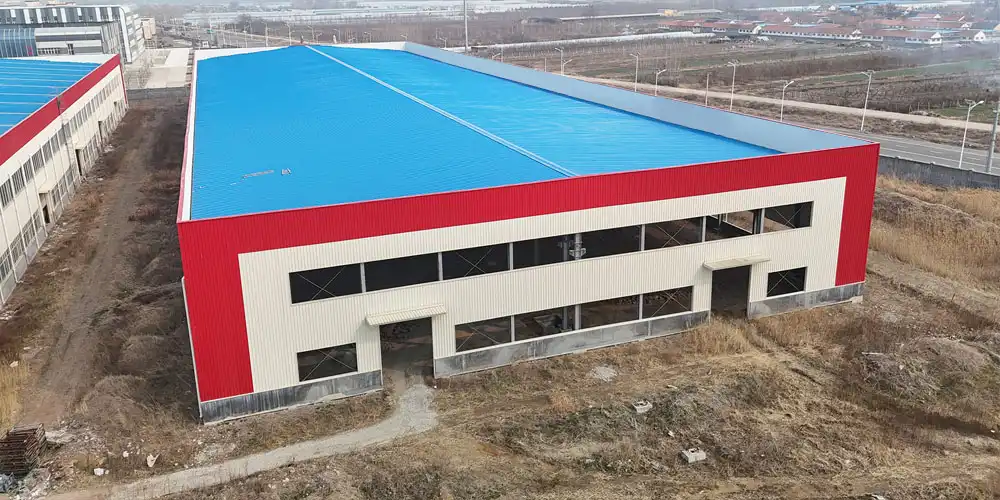
Understanding Heavy-Duty Steel Workshops and Installation Challenges
What Defines a Heavy-Duty Steel Workshop
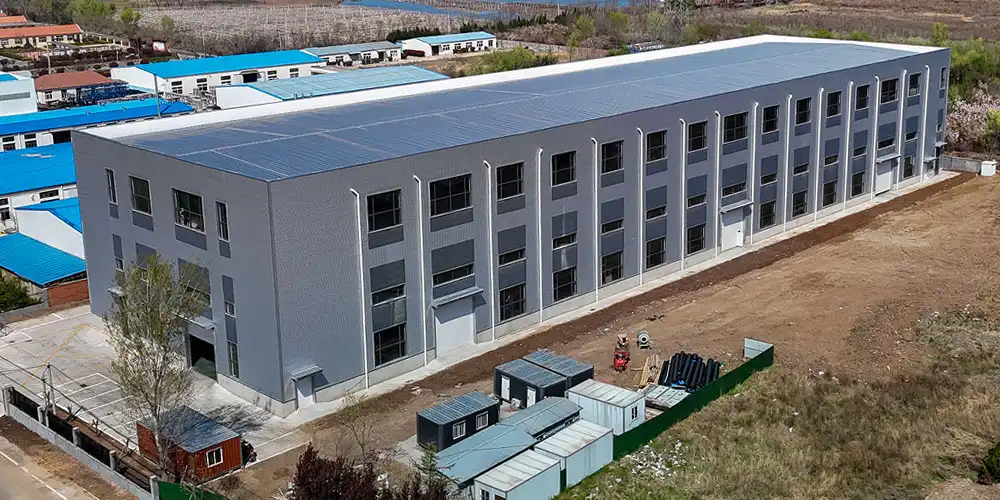
Industrial buildings with long spans and welding H-section steel frames made from Q235 or Q355 grade steel are called a Heavy-duty Steel Workshop. The inside of these buildings is open and doesn't have any walls, so the equipment plans can be changed easily. This makes them great for manufacturing workshops, assembly plants, and industrial processing facilities. The main frame is usually put together with high-strength bolts, and the roof and wall systems are held up by C/Z steel purlins. In contrast to lighter buildings, these workshops can handle high cranes, heavy machinery noises, and loads that are grouped together that weigh more than 20 tons.
The engineering that went into these buildings solves certain problems in the business world. In order for production lines to work, manufacturing businesses need clear floor space. Structures in processing plants need to be able to handle changing loads. In order to meet changing production needs, assembly plants need to be able to change their layouts. If you choose the right type of structural steel, like Q355B, which has a yield strength of 345 MPa, the building will be able to survive decades of constant use and still meet the requirements for wind and earthquake loads.
Common Installation Challenges Procurement Teams Face
The first big problem is getting the site ready. Uneven ground, bad soil conditions, or not enough ventilation can make a base less stable. I've seen projects get held up for three months because geotechnical studies showed that the ground was surprisingly soft, needing pile foundations instead of shallow footings. Environmental impact studies and permission approvals make things more difficult, especially for sites that are close to residential areas or protected areas.
When putting together the frame, it's important to pay close attention to how stable it is under changing loads. High-load steel frames need to be perfectly lined up. Even small errors in the levelness or verticality of the columns or beams can cause problems when the roof is being put on. The quality of the welding directly impacts the strength of the structure; important links that aren't fully fused or have holes in them make the structure less able to hold weight. The weather makes things even more difficult because rain or very high temperatures can stop coatings from being applied or concrete from setting.
Compliance with regulations changes a lot from one place to another. Some places have specific fire protection scores that mean buildings must have intumescent coatings or be encased in concrete. Others have strict rules about how to treat surfaces and get rid of trash that are bad for the earth. Managers in charge of buying things must make sure that sellers have ISO9001, CE, and ASTM material compliance paperwork. Not having the right certificates can stop building and lead to expensive redesigns.
Step-by-Step Heavy-Duty Steel Workshop Installation Process
Pre-Installation Planning and Site Assessment
A thorough evaluation of the spot sets the stage for a good installation of a Heavy-duty Steel Workshop. Geological studies find out how much weight the land can hold, how deep the water table is, and what kinds of things can cause earthquakes. Depending on these results, your project will need spread footings, grade beams, or deep pile supports. Topographic studies show where drainage systems are and what services are already there, which keeps problems from happening during excavation.
The standards for the design must match the needs of the process. For factories that use overhead cranes, the crane beam structures need to be strengthened and have details that don't wear out easily. These structures need to be rated for Class A6–A8 operations. All connection details, weld types, and pin grades should be shown on structural design plans. Manufacturers like Director Steel usually provide installation plans and on-site advice to make the process of putting things together easier and less likely to go wrong.
Regulatory compliance starts with planning. Get environmental clearances, building permits, and occupancy certificates before the materials are delivered. Talk to the local government about building plans, especially for projects that will be close to public infrastructure. Plan on 25–41 days for making structure parts to order, which will give you time for quality checks and coordinating supplies.
Foundation Preparation and Floor Systems
When building a foundation, accuracy is important because any mistakes make problems worse when the frame is put up. To reach the required depth, dig, making sure the sides stay stable and don't get wet. When putting up the formwork, pay close attention to where the anchor bolts go—these inserted parts must line up perfectly with the column base plates. Misalignment of even 5 mm can require changes to the field that make links weaker.
For concrete filling to go smoothly, it needs to be cured according to the right steps. Use the right grade of concrete (usually C30 or higher) and make sure the placement goes on all the way through to avoid cold joints. Completely shake to get rid of air spaces around the support bolts. Keep the right amount of wetness and temperature during the curing time, which is usually seven days before loading. Use measuring tools to make sure the measurements are correct, and compare the pin bolts' height, spacing, and projections to engineering plans.
For heavy-duty uses, floor systems often have reinforced concrete blocks with wire mesh or rebar that are made to hold up heavy machines. Surface treatments for industrial use, such as hardeners or epoxy coats, protect against chemical spills and mechanical wear. If environmental controls are important to your business, you should look into the insulation standards. In climate-controlled buildings, radiant shields or rigid foam under the blocks can help save energy.
Steel Frame Assembly and Erection Sequence
Putting up a frame is done in a sensible order: the columns go up, the crane beams are placed, the main beams are connected, and the purlins are put in. Mobile cranes and tower cranes are used to move parts into place. They need qualified workers and rigging experts. First, put up the corner poles to serve as guides for the rest of the building. Use precision levels and theodolites to check for plumbness. If you find any deviations, fix them right away before moving on.
For bolted joints, Grade 10.9 high-strength friction-grip bolts are used, and measured wrenches are used to tighten them to the right torque values. Connection checking is a must—loose nuts make a structure less stable when wind or earthquakes hit it. For welded connections, you need experienced welders who are licensed to meet AWS D1.1 standards. To find flaws inside full-penetration butt welds, like porosity or slag inclusion, they need to be tested 100% non-destructively using ultrasound or radiographic methods.
Extra care must be taken when installing crane beams. When the crane moves back and forth, these heavy parts are loaded and unloaded many times. Runway beams need to be perfectly lined up all the way along their length, with most of the time being within ±1mm of accuracy. As shown on the engineering plans, put in place rigid bracing systems and diagonal parts. These stop the structure from swaying laterally and evenly spread loads. Temporary bracing will stay in place until the whole structure is stable.
Roofing, Cladding, and Secondary Systems Installation
The roof is put on after the main frame is finished, and its safety is checked. C/Z section purlins connect to major beams at certain distances apart to make the frame that holds up the roof panels. Depending on your income and thermal performance needs, you can choose between standing seam metal roofs or insulated sandwich panels to protect your home from the weather. Panel installation starts at one end and works its way to the other, making sure that the gaps meet correctly and are held in place with self-drilling fasteners.
Wall covering methods work in the same way. Insulated sandwich panels with polyurethane or rockwool cores do a great job of keeping heat in and cold air out, meeting the U-values needed for temperature control. Instead, single-skin corrugated sheets with different pieces of insulation are cheaper to buy at first. Make sure that the flashing is installed correctly around all holes and penetrations to keep water out. Use weatherproof sealants that are rated for industrial settings to seal all the gaps.
Integration of secondary devices happens at the same time as envelope construction. Ventilation systems need holes in the roof and supports for the tubing to be planned for during the planning part. Purlins or an extra frame can hold electrical cables and light fixtures. For overhead doors, staff entry points, and window installs, you need to know the exact rough opening sizes. Carefully coordinate these trades to avoid problems and keep the work moving forward.
Maintaining Safety and Performance in Your Heavy-Duty Steel Workshop
Installation Safety Protocols and Risk Mitigation
Managing safety during the installation of a Heavy-duty Steel Workshop keeps workers safe and keeps the project from being held up. Comprehensive danger assessments find risks that are unique to steel erection, such as jumps from heights, being hit by rolling loads, and being crushed while placing parts. Put in place strict rules about personal protective equipment, like hard hats, safety belts, steel-toed boots, and clothes that stand out. Fall protection systems, like guardrails, safety nets, and personal fall arrest gear, need to meet OSHA guidelines or state rules that are the same.
Crane operations come with a lot of risks that need to be carefully coordinated. Set up no-go zones around the edges of the crane's swing circles. Hold meetings before the lift to go over the load weights, rigging setups, and hand signs. It's important to keep an eye on the weather because when wind speeds reach 20 mph, lifting activities often have to stop. The ground must be stable enough to support the crane's outriggers. Tipping over can happen because of unsteady dirt or not enough cribbing.
When you weld or cut something hot, you create fire risks and poisonous fumes. Keep fire extinguishers in working places and make sure that welders have up-to-date credentials. Make sure tight areas have enough airflow to keep fumes from building up. To keep electrical systems safe, you need skilled electricians, good grounding, and GFCI security on temporary power systems. Daily toolbox talks help teams be more aware of safety and give them a chance to share their concerns before they happen.
Long-Term Maintenance and Structural Monitoring
Regular care can make a structure last longer than the usual 50 years. Routine checks, which happen every three months for the first year and then once a year after that, find new problems before they get worse. Check important parts like the orientation of the crane runway beams and how tight the bolts are, the quality of the welds at high-stress joints, and the state of the coatings on surfaces that will be seen. Keep track of changes over time to find trends of wear and tear by taking pictures and taking measurements to record what you find.
In industrial settings, protecting against corrosion needs constant attention. The first treatment, which includes shot blasting to a Sa2.5 grade, then an epoxy zinc-rich primer, and polyurethane topcoats with a total dry film thickness of more than 150µm, gives good protection. Fix any damage to the cover right away to stop rust from spreading. Corrosion is sped up by chemical exposure, high humidity, or being near the coast. Buildings in these areas should have more frequent inspections and better covering systems rated for C4/C5 environments.
As processes change, keeping an eye on load capacity becomes more important. When you add new tools or make a crane bigger, it may go beyond what was originally planned. Before making changes, structural engineers should look at them and figure out how they will affect the frame parts and supports. Crane runway rails need to be surveyed on a regular basis to find deformation or imbalance caused by heavy loads. Keeping detailed records of care helps guarantee claims and shows that you did your job when the facility is inspected or transferred.
How to Procure and Partner with Reliable Heavy-Duty Steel Workshop Suppliers
Evaluating Supplier Credentials and Capabilities
Choosing the right supplier is the most important factor in determining the success of a project for a Heavy-duty Steel Workshop. Give more weight to makers who can show that they are certified by ISO9001 and CE to make sure they follow foreign standards. When steel types are certified by ASTM, it means they meet certain mechanical qualities, such as yield strength, tensile strength, and elongation values that are important for structural performance. Ask for mill test papers that show the chemical makeup and physical test results for the products you're getting. This is especially critical when sourcing a high-load steel frame, as these components must handle extreme weights and stresses without deformation.
Production capacity shows how well a job can be finished on time. The company Director Steel was founded in 2011 and has 40,000 square meters of industrial space with six automatic welded H-beam production lines that make 20,000 tons of steel each year. This scale lets multiple projects run at the same time without affecting completion dates. Check out the sites that can make C/Z section steel lines, sandwich panels, and perforated sheets. Integrated manufacturing makes it easier to coordinate and keep an eye on quality.
Technical help services set high-quality providers apart from average ones. Our in-house architectural design and finishing services make the whole process of building a project, from the initial idea to the final installation, very smooth. Check that providers offer detailed installation plans and on-site advice. This will help you avoid making mistakes that will cost a lot of money. Over 200 well-trained workers and state-of-the-art tools make sure that the standard of production is always high. Years of knowledge are important; well-known makers have improved their methods over hundreds of projects in a wide range of settings.
Structuring Procurement Agreements for Project Success
Custom design choices can be used to meet specific business needs. Give exact information about the building's size, weight, environment, and any limitations that affect its function. Suppliers with a lot of experience take these inputs and turn them into improved structure designs that balance cost and performance. Before accepting fabrication, make sure you carefully look over the engineering calculations and plans. Making changes after production has started can cause delays and extra costs.
Logistics for delivery need to be carefully planned. Depending on the difficulty of the project and the number of orders, made-to-order production usually takes 25 to 41 days. Plan the shipping methods, like using containers for projects overseas or flatbed trucks for deliveries within the United States, taking into account the costs of shipping and how easy it is to get to the spot. Check that the packing methods protect the parts during shipping so that they don't get damaged and make fitting harder.
The terms of payment and the guarantee protect your investment. A down payment, payments in stages based on production goals, and a final payment at the end of the project all work together to keep everyone's cash flow in check. If problems happen, you can get help from guarantees that cover both the supplies and the work for a certain amount of time. Make it clear what kind of after-sales support is available, such as extra parts and expert help for future changes.
Conclusion
To build industrial steel structures correctly, you need to find a balance between expert accuracy and practical project management. From the first review of the place to the final inspection, each step needs careful attention to detail and teamwork between different types of experts. A Heavy-duty Steel Workshop that is built on stable foundations, put together with quality-controlled parts, and kept up with proactive maintenance routines, supports manufacturing operations for decades. Because of its structural strength, ease of installation, and low cost over its lifetime, steel is the best material for tough industry uses. Working with heavy-duty steel workshop suppliers with a lot of knowledge who can help with everything from planning to commissioning will lower your risks and increase your return on investment.
Frequently Asked Questions
1. What qualifications should installation crews possess?
Welders who are qualified and meet AWS D1.1 standards must be on installation teams, as well as riggers who know how to calculate loads and lift safely, and crane operators who have valid credentials for the types of equipment used on site. Supervisors should be able to show that they have managed similar-sized steel-erection projects before and know how to follow the quality control procedures and connection details that are unique to industrial buildings.
2. How long does a typical installation take?
Assuming good weather and a large enough crew, a standard-complexity 5,000-square-meter Heavy-duty Steel Workshop can be finished in 6 to 8 weeks after the materials are delivered. Depending on the state of the dirt, foundation work takes an extra two to three weeks. Projects with specialized features like big crane systems or complicated shapes may take 30 to 40 percent longer than planned.
3. Can workshops be expanded after initial construction?
When planned correctly, modular steel design makes it easier to add on in the future. The original planning should include ways to connect and extend the base to make room for possible additions. Plan for growth with your provider during the initial planning phase to make sure the structure will work and to keep the cost of changes as low as possible when the business grows.
Partner with DFX for Reliable Steel Workshop Solutions
DFX, which does business as Qingdao Director Steel Structure Co., Ltd., has been making and placing industrial steel buildings for clients all over the world for more than 12 years. Our all-in-one method includes designing the structure, carefully making it out of welded H-section steel main frames in grades Q235 and Q355, treating the whole surface to protect it from corrosion, and providing thorough installation drawings along with on-site expert support. Our 20,000-ton annual production capacity is backed by ISO9001, CE, and ASTM certifications. We can offer quality-assured Heavy-duty Steel Workshop solutions in 25–41 days.
Our 200-person team uses high-tech production lines to make whole building systems, from main frames and purlins to sandwich panels and metal roofs. We have the skills and support your project needs, whether you're a building contractor in charge of an EPC project, a manufacturing business that wants to make more products, or an infrastructure developer who needs unique solutions. Get in touch with heavy-duty steel workshop makers who know what's important for B2B buyers: cheap pricing, structural reliability, engineering skills, and quick service. Contact jason@bigdirector.com to discuss your project requirements and receive a detailed proposal tailored to your specifications.
References
1. American Institute of Steel Construction. (2016). Steel Construction Manual (15th ed.). Chicago: AISC.
2. European Committee for Standardization. (2005). Eurocode 3: Design of Steel Structures – Part 1-1: General Rules and Rules for Buildings. Brussels: CEN.
3. Fisher, J.M., & Kloiber, L.A. (2006). Base Plate and Anchor Rod Design (2nd ed.). Steel Design Guide Series No. 1. Chicago: AISC.
4. Owens, G.W., & Cheal, B.D. (1989). Structural Steelwork Connections. London: Butterworths.
5. Salmon, C.G., Johnson, J.E., & Malhas, F.A. (2009). Steel Structures: Design and Behavior (5th ed.). Upper Saddle River: Prentice Hall.
6. Trahair, N.S., Bradford, M.A., Nethercot, D.A., & Gardner, L. (2008). The Behaviour and Design of Steel Structures to EC3 (4th ed.). London: Taylor & Francis.
Learn about our latest products and discounts through SMS or email