- English
- French
- German
- Portuguese
- Spanish
- Russian
- Japanese
- Korean
- Arabic
- Greek
- German
- Turkish
- Italian
- Danish
- Romanian
- Indonesian
- Czech
- Afrikaans
- Swedish
- Polish
- Basque
- Catalan
- Esperanto
- Hindi
- Lao
- Albanian
- Amharic
- Armenian
- Azerbaijani
- Belarusian
- Bengali
- Bosnian
- Bulgarian
- Cebuano
- Chichewa
- Corsican
- Croatian
- Dutch
- Estonian
- Filipino
- Finnish
- Frisian
- Galician
- Georgian
- Gujarati
- Haitian
- Hausa
- Hawaiian
- Hebrew
- Hmong
- Hungarian
- Icelandic
- Igbo
- Javanese
- Kannada
- Kazakh
- Khmer
- Kurdish
- Kyrgyz
- Latin
- Latvian
- Lithuanian
- Luxembou..
- Macedonian
- Malagasy
- Malay
- Malayalam
- Maltese
- Maori
- Marathi
- Mongolian
- Burmese
- Nepali
- Norwegian
- Pashto
- Persian
- Punjabi
- Serbian
- Sesotho
- Sinhala
- Slovak
- Slovenian
- Somali
- Samoan
- Scots Gaelic
- Shona
- Sindhi
- Sundanese
- Swahili
- Tajik
- Tamil
- Telugu
- Thai
- Ukrainian
- Urdu
- Uzbek
- Vietnamese
- Welsh
- Xhosa
- Yiddish
- Yoruba
- Zulu
Chemical Storage Spaces: Top Challenges and Solutions
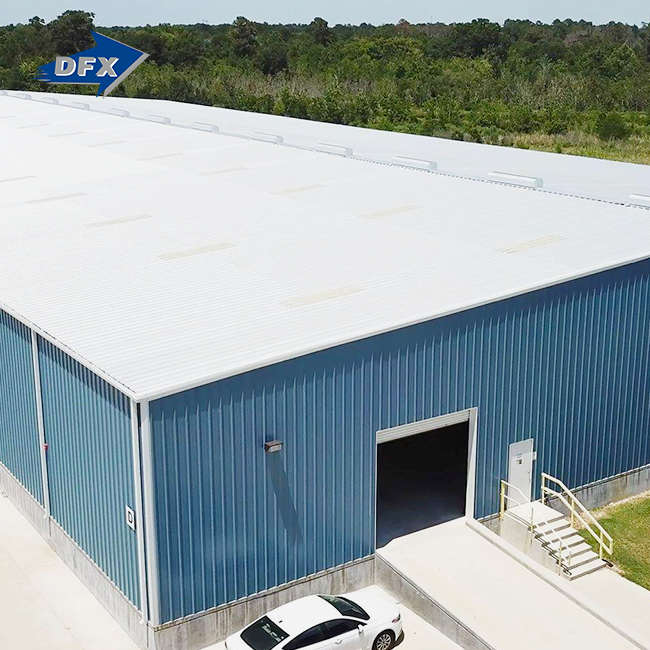
More than just finding space for dangerous materials on the floor, running a chemical storage warehouse offers a number of unique challenges. To keep people, property, and the communities around these specialized facilities safe, strict rules must be followed for regulatory compliance, structural integrity, and safety protocols. Industrial facilities that store corrosive substances, flammable liquids, or explosive compounds need to take care of a lot of different tasks, such as keeping exact environmental limits and avoiding chemical incompatibility incidents. Project managers, procurement workers, and operations directors can build strong infrastructures that protect supply lines and meet strict legal requirements by understanding these problems and putting tried-and-true solutions to use.
Understanding Chemical Storage Warehouse Challenges
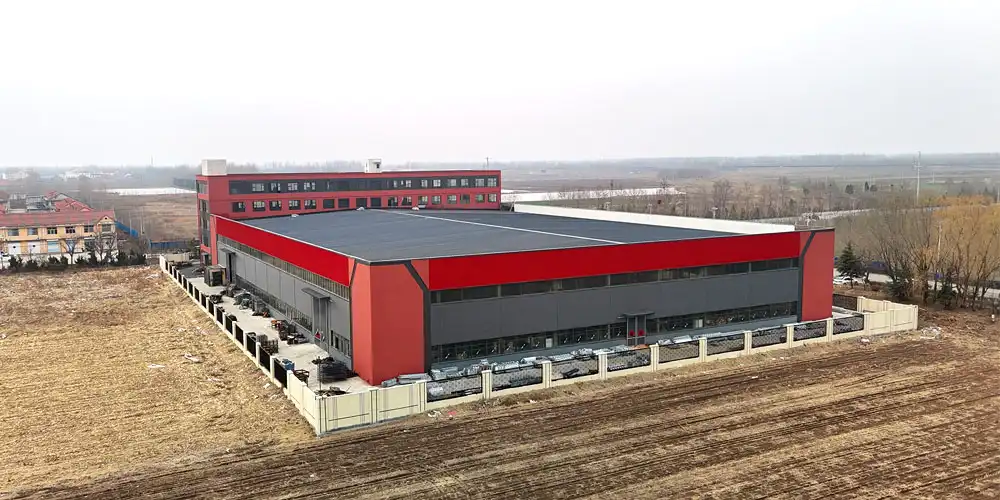
Facilities that handle dangerous materials have to deal with three linked areas that make their operations difficult: following the rules, the risk of structural damage, and making sure everything runs smoothly. There are different problems in each area that can throw off production plans and put companies at risk of being sued.
Navigating Regulatory Compliance Frameworks
Organizations that store chemicals must follow rules set by OSHA, the EPA, and foreign groups that regulate them. The Hazard Communication Standard from OSHA calls for thorough records of all substances kept, such as safety data sheets that all employees can view. The EPA's Risk Management Plan rule applies to places that store certain amounts of controlled drugs. It requires facilities to look at the worst-case scenarios and work with local officials to plan how to respond to emergencies.
In addition to federal rules, state and local fire codes also set limits on store space, separation measures, and suppression systems. Facilities that store oxidizers and explosive liquids must keep them physically separate, usually at least 20 feet, to avoid disastrous reactions. These different levels of standards make it hard for smaller businesses that don't have specialized compliance staff to keep up with them.
Structural Degradation from Corrosive Atmospheres
When metal structures are exposed to acidic or alkaline mists that are common in chemical settings, they break down faster. In high-humidity situations full of volatile organic compounds, steel beams that are not covered can lose more than 0.5 mm of thickness every year. This corrosion lowers the structure's ability to hold weight, which could lead to partial falls during times of high stocking.
Chemicals don't hold up well against long-term contact with traditional building materials. If you don't protect your concrete floors properly, spilled liquids will soak in and create pollution plumes below the ground that move toward groundwater. When exposed to ammonia or chlorine fumes, standard paint coats blister and peel off within months, exposing the steel below to rust damage.
Operational Challenges in Inventory and Climate Control
Keeping correct real-time inventory is much harder to do when you have to deal with hundreds of chemical SKUs that have different stability standards and shelf lives. Manual tracking systems don't show when materials have passed or are getting close to levels of degradation that could be dangerous. Precursors that are sensitive to temperature need climate zones that stay within narrow ranges. For example, pharmaceutical intermediates often need stability between 15°C and 25°C. However, standard HVAC systems have trouble handling the thermal loads that come from truck traffic and seasonal changes.
Inefficient plans make these issues worse by making lanes crowded, which slows down the retrieval of materials and raises the risk of collisions. When production grows and needs more storage space, facilities that weren't built with future growth in mind will have to pay a lot to be fixed up. These operating friction points have a direct effect on the lead times for purchasing things and the continuation of production.
Key Safety and Design Principles for Chemical Storage Warehouses
Effective places to store dangerous materials include many safety layers, starting with the structure design and going all the way through the operating rules. Strategic engineering choices lower the chances of accidents happening, and plans that follow the rules make inspections easier.
Implementing Damage-Limiting Structural Designs
Explosion-relief systems in modern chemical storage warehouse sites direct the force of an explosion away from important structures. When pressure spikes inside the building happen, usually at 0.03 to 0.05 bar, lightweight release panels placed in the outside walls let out the air before the frames become permanently deformed. This method protects the main H-beam framework during limited events, which lowers the cost of repairs and downtime.
Fire-resistant building techniques make it easier to get out of a building in an emergency. When steel beams are heated above 200°C, intumescent coatings on them spread, creating insulating char layers that keep the structure from breaking. For projects that need an R120 fire grade, coating thicknesses are estimated using standard testing methods. This makes sure that the coating stays intact for two hours, even when it is directly exposed to flames.
Optimizing Ventilation and Atmospheric Controls
Managing airflow correctly keeps chemicals stable and stops dangerous vapors from building up. High-velocity air systems change the volume of a building eight to twelve times an hour, which dilutes fugitive emissions below the levels that are safe for workers to be exposed to. Ridge-mounted exhaust fans create areas with negative pressure that keep dirty air from moving into office areas.
Zoned temperature control is needed for certain tasks. Agrochemical wholesalers who store ammonium nitrate use dehumidification systems to keep the relative humidity below 40%. This keeps the ammonium nitrate from clumping and breaking down because of moisture. Pharmaceutical-grade buildings use insulated sandwich panels with polyurethane bases that have thermal conductivity values of 0.022 W/mK. This keeps the temperature inside stable even when the temperature outside changes.
Establishing Spill Containment and Segregation Protocols
Integrated filtration systems catch leaks before they pollute the environment. Concrete bunds that are resistant to chemicals circle storage areas and provide additional containment volumes that are 110% of the biggest tank's capacity. When glued to slab surfaces, high-density polyethylene covers stop petroleum distillates and organic solvents from penetrating. This makes walls that can't be broken through, as shown by hydrostatic testing.
Chemical classes that don't mix need real walls to keep them from getting mixed up during spills. Storing acids in different rooms from alkalis with fire-resistant walls between them eliminates the risk of a neutralization reaction. Material workers are guided by color-coded floor marks and sign systems. This cuts down on mistakes in placement that could lead to dangerous interactions.
Best Practices for Optimizing Chemical Warehouse Management
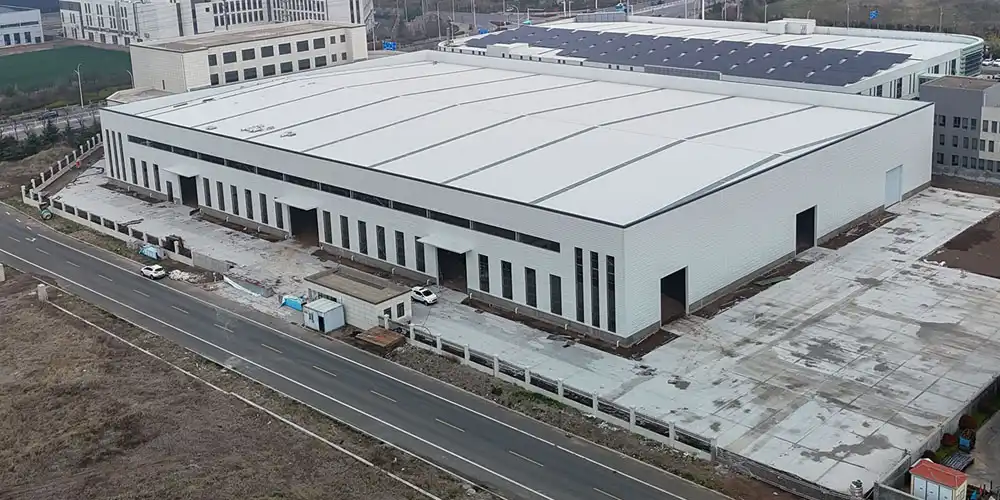
Using technology, doing proactive repair, and improving the skills of workers are all important for making hazardous material sites run at their best. These parts work together to make systems that are strong and can change to meet new safety standards.
Leveraging Digital Inventory Tracking Systems
Barcode-based tracking tools let you see where chemicals are, how many there are, and how they are aging in real time. When processes are scanned at receiving docks, enterprise resource planning systems are instantly updated. This gets rid of the need for mistakes in manual entry that lead to stock differences. Time-stamped records keep track of how things move around in facilities, which helps with regulatory checks and lets companies quickly issue safety warnings for recalls.
Environmental sensors built into storage areas send temperature and humidity readings continuously to centralized tracking panels. When conditions change from certain ranges, automated alerts let bosses know so that corrective actions can be taken before chemicals break down. Historical trend analysis finds equipment failures that happen over and over again. This information is used to make preventative repair plans that cut down on unexpected downtime.
Conducting Rigorous Inspection and Maintenance Protocols
Regular checks find early warning signs of damage to structures or equipment that isn't working right. Ultrasonic thickness readings taken every three months on steel columns show how much rust is happening. This helps determine when to coat the columns again before their load capacity drops. Thermographic scans find electrical parts that are burning that can't be seen during eye checks. This stops ignition sources in flammable vapor zones.
Every year, spill control sumps need to be tested for soundness to make sure they work properly and don't leak. When 1.5 times the design capacity is applied to hydrostatic pressure tests, microcracks or liner flaws are found before they cause operating failures. Measurements of the ventilation system's airflow show that the design requirements are still being met, even though the filter is full and the fan belt is worn out.
Building Safety-Focused Workforce Competencies
Comprehensive training programs for employees teach them how to spot hazards and what to do in an emergency. Before they can go into storage areas, new employees have to go through classroom training that covers chemical compatibility, proper handling methods, and choosing the right personal safety equipment. Teams are told about new processes and lessons learned from accidents in the industry at refresher classes that happen once a year.
Emergency drill scenarios act out real-life emergencies like smoke leaks, forklift accidents, or fire alarms, testing how well people can work together to respond and evacuate. After-action reviews find holes in processes and communication problems, which lead to constant improvement of preparation procedures. Over time, this attitude of proactive safety lowers the number and intensity of accidents.
Comparing Chemical Storage Solutions: Which One Suits Your Business?
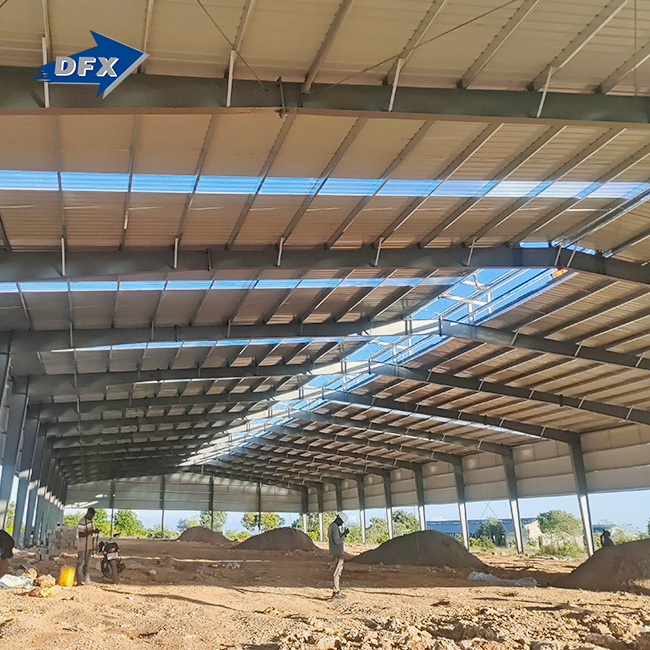
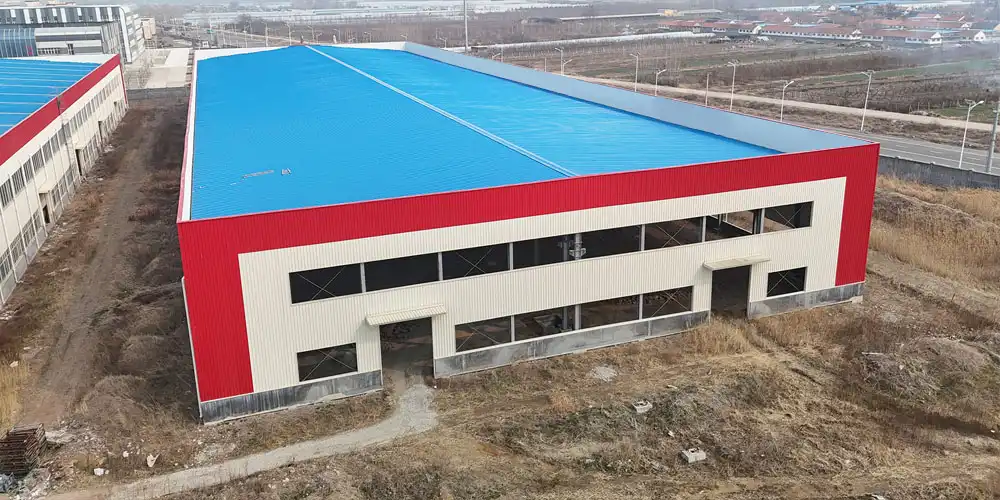
To choose the right storage infrastructure, you must weigh technical requirements against business needs and budget constraints. Depending on the types and quantities of chemicals being stored, each type of building offers unique advantages. Hazardous material storage warehouse-sized sites provide manufacturers and distributors with maximum flexibility for managing large inventories of diverse chemicals. These buildings can accommodate drums and intermediate bulk containers that hold thousands of units. Rapid deployment is possible with modular prefabricated steel buildings featuring H-beam main frames and galvanized C/Z purlins. Typical erection times range from 8 to 12 weeks from base completion. Clear-span designs, with no internal beams, facilitate forklift movement and maximize storage space.
Smaller businesses that only deal with small amounts of chemicals can benefit from installing special storage boxes and lockers in existing buildings. Fire-rated boxes made of double-walled steel with air gaps keep dangerous liquids contained in one area without the need for separate buildings. These solutions work well for drug companies that need to store reagent bottles or farms that need to keep chemical stocks below the reporting level. Extreme hazard ratings bring their own set of problems that need to be solved by custom-engineered buildings. For projects using explosive ingredients or highly toxic materials, blast-resistant supports and higher venting capacities are added on top of what is normally required. When purchasing, teams look at providers, they should check their certifications, such as the ISO9001 quality management system and the CE marking that shows they meet European standards.
The choice of material has a big effect on the costs of ownership over time. Hot-dip galvanized steel parts don't rust as easily as painted ones, so they require less upkeep over their 20-year lifetimes. Facilities that are in harsh environments can benefit from duplex coating systems, which are made up of metallic zinc-aluminum layers topped with epoxy phenolic finishes. These systems have been proven to work by putting them through salt spray tests that last more than 1,000 hours, as required by ASTM B117 standards.
How to Procure the Right Chemical Storage Warehouse: A Buyer's Guide
Thoroughly assessing needs, evaluating suppliers, and using smart contracting methods are all important for successful buying. When going through this process, procurement managers should give priority to partners who can provide full project support.
Defining Functional Requirements and Hazard Classifications
Start by making a list of all the chemicals that need to be stored, including the maximum amounts that can be present at once and their physical states. Sort materials into groups based on their level of danger—flammable liquids, corrosive acids, oxidizers, or poisonous substances—because each type needs different design considerations. Figure out how much floor space you'll need, taking into account safe separation lengths, forklift lanes, and future inventory growth.
Specifications for climate control depend on how stable the chemicals are. Compounds that are sensitive to temperature need well-insulated building surfaces and precise HVAC systems. On the other hand, materials that are stable at room temperature lower the costs of mechanical systems. Write down the rules that apply to your business and the place where it's located, and make sure that the plans of your buildings include these required features from the beginning of the planning process.
Evaluating Supplier Capabilities and Certifications
Fabricators who are trustworthy show that they have good quality control by getting ISO9001 approval and CE marks on their products. Ask for case studies of similar projects that have already been done—pharmaceutical storage buildings are very different from petrochemical uses. Check to see if your company has engineering staff; sources who offer structure estimates, fabrication drawings, and erection advice make project planning easier.
How reliable deliveries are depends on how much can be made. Fabricators who have more than one production line, like automatic H-beam welding systems and sandwich panel lines, can handle bigger orders without having to wait longer for delivery. Check the yearly production numbers to make sure that the suppliers can handle the size of your project without losing quality control.
Considering Build-to-Suit Versus Standard Solutions
Project-based fabrication lets you make changes that are special to the spot and solve problems like seismic zones or limited entry routes. Tailored designs make the best use of materials, which could save money compared to normal models that are too big. Turnkey service providers, who do everything from foundation planning to final finishing, make managing and holding vendors accountable easier.
Leasing gives companies that plan to move or change their production methods within the next 5 to 7 years more options. Purchase choices are good for businesses that need fixed infrastructure that fits with their long-term goals. When considering procurement routes, you should look at the total cost of ownership, which includes costs for upkeep, insurance, and eventually shutting down.
Conclusion
To address the numerous challenges associated with storing chemicals, comprehensive solutions are required that cover regulatory compliance, building design, and operational management. Facilities built with damage-limiting principles—such as corrosion-resistant materials, explosion relief systems, and robust containment—reduce risks while maintaining smooth logistics. Incorporating chemical-resistant coating on structural components further enhances durability and protects against chemical exposure, extending the life of storage facilities.
Modern technologies for inventory tracking and proactive maintenance planning make operations even safer and more reliable. Procurement specialists can ensure that infrastructure investments continue to provide value over decades by carefully evaluating supplier qualifications, customization options, and total lifecycle costs. Because the stakes are high when handling hazardous substances, meticulous planning and the selection of reliable partners are essential to safeguarding people, property, and the wider community.
FAQ
1. What makes steel structures suitable for chemical storage compared to concrete buildings?
Steel frames are better at withstanding earthquake and wind loads, and they can be put together faster—usually in 8 to 12 weeks, compared to 20 or more weeks for poured concrete. When modular prefabricated components come, they are already built, which cuts down on on-site work costs and delays caused by bad weather. Hot-dip galvanization and epoxy phenolic finishes are two examples of advanced protective coats that offer corrosion resistance similar to that of concrete at lower operating costs. When compared to column-grid concrete plans, clear-span designs have more useful floor space and are easier for forklifts to move around.
2. How do I determine the required ventilation capacity for my chemical inventory?
Find the warehouse's total volume in cubic meters, then increase that number by the number of air changes you want per hour. For general chemical storage, 8 to 12 changes per hour is normal, but 15 to 20 changes per hour is needed for volatile organic compound environments. Take into account the heat loads from people and tools, as well as the rates of fugitive emissions from kept materials. Check the ACGIH Industrial Ventilation rules and hire mechanical engineers to make a model of the airflow patterns to make sure there are no dead spots where vapors could build up. Create systems with fans that can be set to different speeds so that they can be adjusted as product needs change.
3. What certifications should I verify when selecting a steel structure supplier?
It is important to get ISO9001 certification because it shows that you have quality control systems in place for the planning, production, and delivery processes. When structural parts have the CE stamp, it means they meet European safety standards that apply to many places around the world. Ask for mill test papers for different types of steel that prove their chemical makeup and yield strength. Welding licenses that meet AWS D1.1 or a similar standard show that producers hire qualified workers and follow approved processes. All of these qualifications show that suppliers keep a close eye on quality throughout the whole production process.
4. Can existing buildings be retrofitted for chemical storage compliance?
Existing buildings need full inspections that check the strength of the base, the structural stability, and the amount of air flow that is available. When retrofitting, floor slabs often need to be strengthened to hold the weight of the drums, and extra containment systems need to be put in place. It might cost a lot to bring fire control up to code-compliant levels and add explosion relief panels to the outside walls. Plan to spend between 60 and 75% of the cost of a new building on major renovations. Sometimes, replacing old facilities with purpose-built ones that will last longer is a better idea.
Partner with DFX for Your Chemical Storage Warehouse Project
To build a safe place to store dangerous materials, you need people with a lot of experience who know a lot about both structural engineering and following the rules. DFX has been making things out of steel for more than 12 years and works with building companies, EPC firms, and industrial companies all over the world. Our 40,000-square-meter factory makes modular prefabricated steel storage buildings with galvanized C/Z purlins, H-beam main frames, and built-in bracing systems that are perfect for chemical storage warehouse uses that need to be tough.
We help with every part of a project, from engineering estimates and precise manufacturing to logistics planning and on-site erection advice. Our quality control methods are ISO9001-certified, and CE/EN1095 certification is available if you want it. This makes sure that every part meets international safety standards. Whether you're setting up agrochemical delivery hubs or increasing the production capacity of pharmaceuticals, our expert team works with your procurement managers to come up with custom solutions that balance safety, efficiency, and cost control. Get in touch with our project experts at jason@bigdirector.com to talk about your chemical storage warehouse needs with a dependable provider dedicated to your business's success.
References
1. Occupational Safety and Health Administration. "Hazard Communication Standard: Safety Data Sheets." U.S. Department of Labor, 2021.
2. National Fire Protection Association. "NFPA 400: Hazardous Materials Code." 2022 Edition, Quincy, Massachusetts.
3. American Institute of Steel Construction. "Steel Design Guide 28: Stability Design of Steel Buildings." Chicago, Illinois, 2013.
4. Environmental Protection Agency. "Risk Management Program Guidance for Offsite Consequence Analysis." EPA Publication 550-B-99-009, 1999.
5. American Conference of Governmental Industrial Hygienists. "Industrial Ventilation: A Manual of Recommended Practice for Design." 30th Edition, Cincinnati, Ohio, 2019.
6. International Code Council. "International Building Code Chapter 4: Special Detailed Requirements Based on Use and Occupancy." 2021 Edition, Washington, D.C.
Learn about our latest products and discounts through SMS or email