- English
- French
- German
- Portuguese
- Spanish
- Russian
- Japanese
- Korean
- Arabic
- Greek
- German
- Turkish
- Italian
- Danish
- Romanian
- Indonesian
- Czech
- Afrikaans
- Swedish
- Polish
- Basque
- Catalan
- Esperanto
- Hindi
- Lao
- Albanian
- Amharic
- Armenian
- Azerbaijani
- Belarusian
- Bengali
- Bosnian
- Bulgarian
- Cebuano
- Chichewa
- Corsican
- Croatian
- Dutch
- Estonian
- Filipino
- Finnish
- Frisian
- Galician
- Georgian
- Gujarati
- Haitian
- Hausa
- Hawaiian
- Hebrew
- Hmong
- Hungarian
- Icelandic
- Igbo
- Javanese
- Kannada
- Kazakh
- Khmer
- Kurdish
- Kyrgyz
- Latin
- Latvian
- Lithuanian
- Luxembou..
- Macedonian
- Malagasy
- Malay
- Malayalam
- Maltese
- Maori
- Marathi
- Mongolian
- Burmese
- Nepali
- Norwegian
- Pashto
- Persian
- Punjabi
- Serbian
- Sesotho
- Sinhala
- Slovak
- Slovenian
- Somali
- Samoan
- Scots Gaelic
- Shona
- Sindhi
- Sundanese
- Swahili
- Tajik
- Tamil
- Telugu
- Thai
- Ukrainian
- Urdu
- Uzbek
- Vietnamese
- Welsh
- Xhosa
- Yiddish
- Yoruba
- Zulu
Clear-Span VS Multi-Span Steel Buildings- China structuralsteel
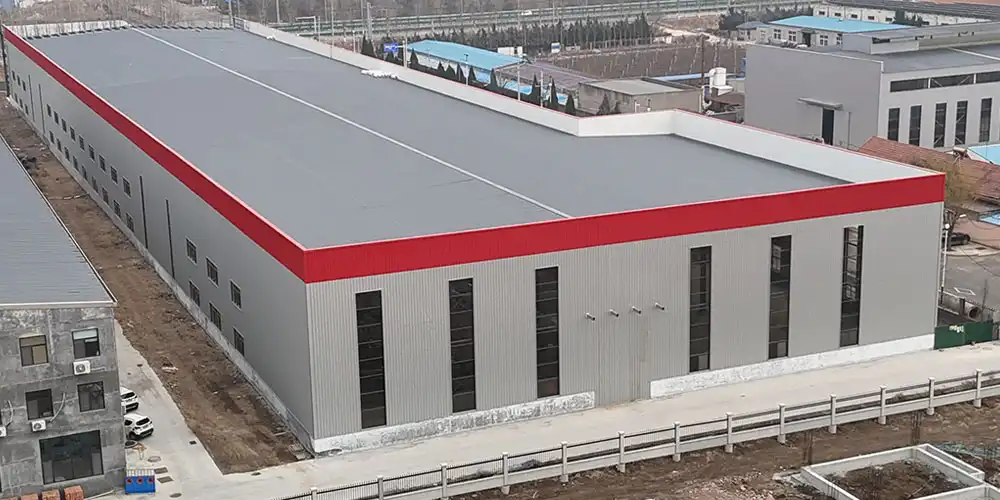
Choosing the correct steel building design can make Multi-span Steel Workshop or break a project. When deciding between clear-span and multi-span steel buildings, it's important to know how they are built and how much they will cost. The Multi-span Steel Workshop is better for large industrial buildings with internal beams because it saves 15 to 30 percent of the cost of clear-span designs for sizes over 40 meters. This design uses interior support columns to better spread roof loads, which cuts down on the size of the beams needed and the total amount of steel used. Clear-span buildings don't have any beams inside, so the floors are completely open, which is great for uses that need open plans. Both types of structures are useful for different industrial purposes, and the best one to use relies on the needs of the business, the available budget, and the size of the project.
Understanding Clear-Span and Multi-Span Steel Buildings
Structural Design Fundamentals
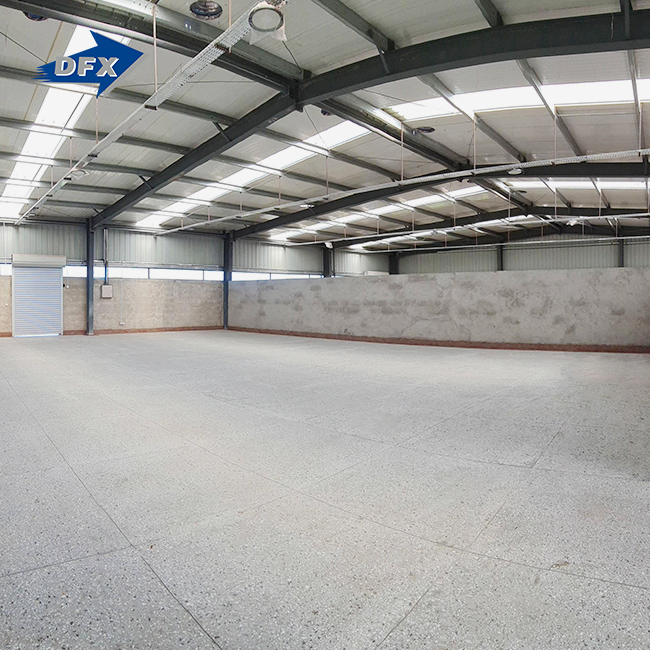
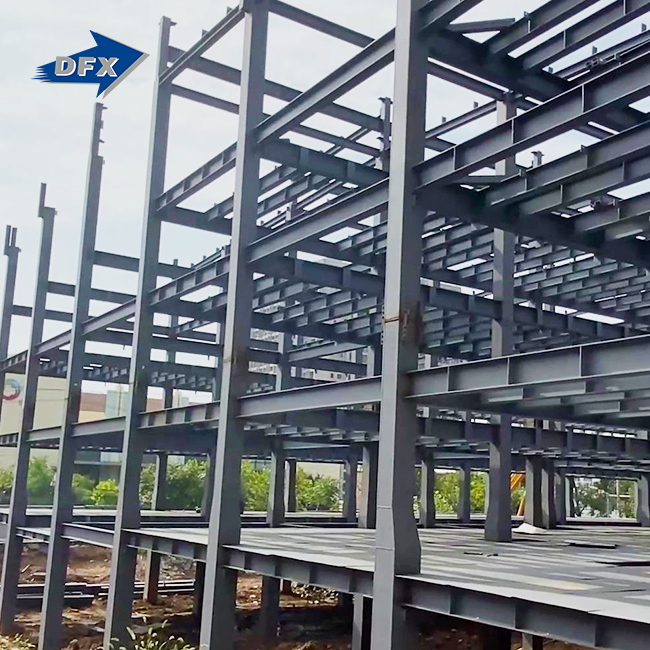
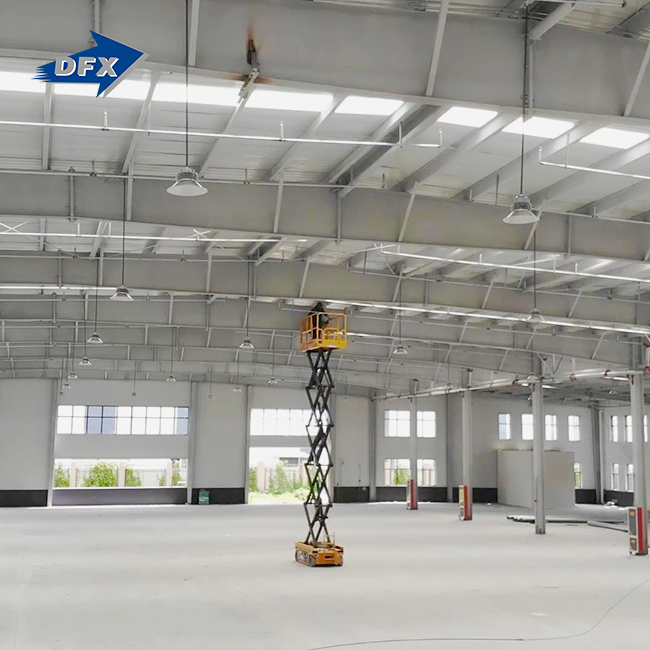
Clear-span steel buildings have load-bearing beams on the outside that hold up the whole roof system. This leaves the inside of the building fully open. Heavy-duty welding H-section steel frames made from Q235 or Q355 grade steel, which have yield strengths of up to 345 MPa, are used in this design. Because they don't have any supports inside, these buildings are perfect for places like warehouses, airplane hangars, and logistics centers, where having open floor space makes operations more flexible. In multi-span designs, internal beams are put carefully every so often, usually 18 to 30 meters apart. This makes multiple portal frames that are linked horizontally. This design spreads the vertical loads across many support points, which greatly reduces the size of the roof beams' cross-sections. Because it is modular, it can be expanded in width almost indefinitely. This makes it the best choice for large industrial sites where different operating zones live in the same building.
Load Distribution and Spatial Flexibility
The physics of load distribution are very different between these arrangements. Clear-span designs put most of the weight of the structure on the columns around the edges. To keep the structure strong over wide spans, they need a lot of work on the foundations and stronger beam sections. When you use intermediate columns in multi-span buildings, you can better distribute the load. This lowers the bending moments on the rafters and makes it possible to use lighter roof beam standards. When open floor plans are a must, clear-span buildings are better because they are more flexible with space. Column-free settings are better for manufacturing operations that use heavy-duty bridge cranes, big assembly lines, or equipment that needs to be moved around a lot. Instead, multi-span workshops work best in places where production zones easily divide into different areas, such as areas for quality control that are separate from processing lines, storage for raw materials that are next to processing lines, or areas just for packing. The internal beams support the structure and act as fixing points for dividing walls or systems that move things above.
Comparative Analysis: Clear-Span VS Multi-Span Steel Buildings
Cost Efficiency and Material Consumption
Calculations of the initial spending show that the costs of multiple ridge buildings vary by a large amount. As the width of a clear-span building goes beyond 30 meters, it gets more expensive because the amount of steel needed goes up exponentially. A 50-meter clear-span building might need 45–60 kg of structural steel per square meter, but the same-sized multi-span facility only needs 30–40 kg per square meter. At today's steel prices, this means that the multi-span facility saves more than $15–20 per square meter in materials. Foundation costs make these differences even bigger. For clear-span designs to work, the outer supports need to be strong enough to handle strong side forces and concentrated vertical loads. Multi-span designs spread the need for foundations across multiple column locations. This lowers the size of each base and the total amount of concrete used. Most of the time, the total cost of foundations for multi-span buildings is 20–25% less than for clear-span buildings of the same size. Lifecycle costs go beyond the cost of building something. Clear-span buildings with fewer structural parts need less upkeep, but any fixes to the main load-bearing members are emergencies that need the building to be shut down. Multi-span structures spread risk across many columns and beams, so repair can be done on individual parts without stopping the whole process.
Environmental Impact and Energy Performance
Sustainability issues are becoming more and more important in building choices. When they are made and shipped, clear-span structures made of heavier steel sections leave bigger carbon footprints. A normal 10,000-square-meter clear-span building might need 400–500 tons of supporting steel, but a multi-span building only needs 300–350 tons, which cuts the amount of carbon that is built into the building by about 25%. The form of the building skin, not the structure, determines how energy efficient it is. Using C and Z-section steel purlins to support sandwich panels with thermal resistance values above R-20, both methods meet the same insulating requirements. For heating and cooling separate areas, multi-span buildings have a few small benefits. They let you set up separate temperature control zones that use less energy.
Multi-Span Steel Workshop: Design, Construction, and Maintenance
Frame Spacing and Roof Configuration Strategies
The best frame spacing strikes a mix between how well the structure works and how flexible the building can be. The standard distance between bays is between 6 and 9 meters, and the distance between columns is between 18 and 30 meters. Most roofs are gable shapes with slopes between 1:10 and 1:20. This makes sure that water can drain properly while keeping the structure's height and material use to a minimum. Valley gutters between spans that are next to each other need careful planning. These internal drainage systems are made of heavy-gauge galvanized steel or stainless steel to handle large amounts of water during strong rainstorms. Leaking is a common problem with multi-span structures. A well-designed valley gutter can stop this by including overflow holes and regular repair entry points.
Maintenance Protocols for Extended Performance
Regular inspections keep structures in good shape for as long as they are used. Every year, the main things that are checked are the torque on the connection bolts, the state of the surface finish, and the drainage system's ability to work. More care is taken to check areas with a lot of traffic around crane platforms for deformed bearing plates or connections that are worn out from repeated Multiple ridge building loading cycles. Stopping corrosion is still very important. Touch-up painting fixes any damage to the finish within 90 days of finding it. This keeps water from getting in and speeding up the rusting process. Valley gutters need to be cleaned every six months to keep garbage from building up and causing overflow, which could damage building materials.
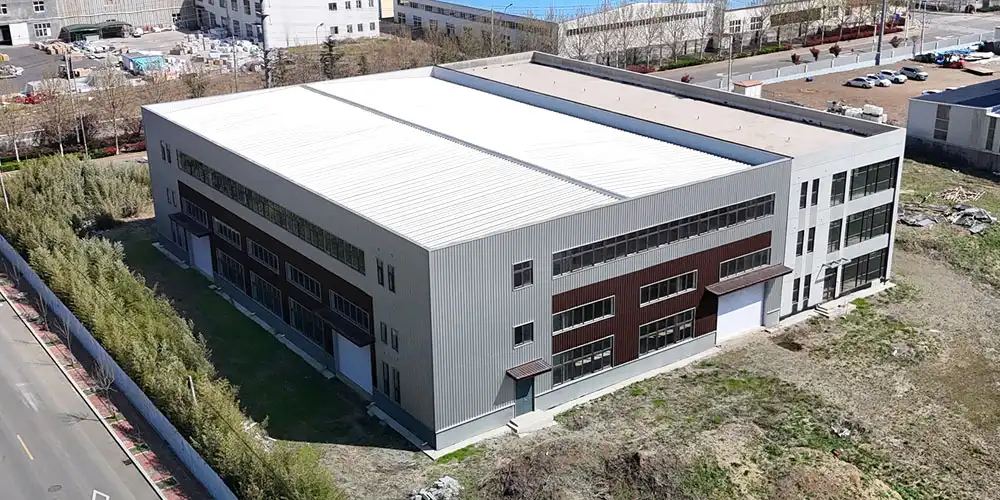
Procurement Considerations: Buying Multi-Span and Clear-Span Steel Structures
Supplier Selection and Certification Requirements
Credibility of the supplier is the key to good buying. Companies like Qingdao Director Steel Structure, which has been in business for over 12 years and has 40,000 square meters of protected working space, have shown they can handle difficult projects. ISO 9001 approval proves that the quality management system is working properly, and CE marking proves that the product meets European safety standards, which is very important for getting a foreign project approved. A production capability review should look at the yearly output capacity, the level of sophistication of the tools, and the qualifications of the workers. Facilities that make sandwich panels, automatic welded H-beam lines, and C/Z section steel make sure that supply chains are connected, which lowers the risk of communication problems and delivery delays. Customer references from finished projects in similar industries are a good way to make sure that a supplier is doing a good job.
Customization Options and Delivery Timelines
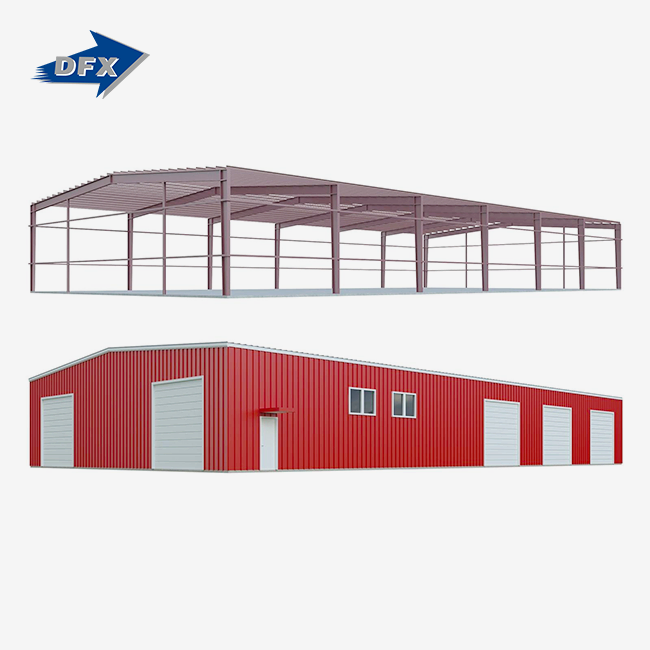
Quality sellers are different from common suppliers because they offer more customization options. Customized solutions are made to fit the needs of each project, whether it has an uneven site shape, needs to be integrated with other buildings, or has special loading conditions. In-house building design and detailing services make it easier to customize, which cuts down on wait times and makes sure that the product can be made. Prefabricated building kits offer standard answers for common problems, which saves time and money on both engineering and production. Usually, these sets come with main frames, secondary purlins, roof and wall panels, fasteners, and trim accessories. They have everything you need to build the whole building envelope. Standard setups work well in simple industrial warehouses or workshops that don't need anything extra. Made-to-order manufacturing can handle complicated jobs that need specifics. Custom engineering takes into account difficult site conditions, combines specialized systems like wide-ranging crane coverage, or improves plans for certain manufacturing processes. The 25–47 day lead time for custom projects is due to careful planning, study, buying materials, and quality-controlled manufacturing methods that make sure the products work well.
How to Choose Between Clear-Span and Multi-Span Buildings for Your Project
Project Scale and Operational Requirements
The width of the building has a big effect on the choice of structure. For widths up to 30 to 35 meters, clear-span designs are both cost-effective and physically sound. This covers about 80% of common commercial uses. When a project needs more width, it should look into multi-span configurations. These have fewer internal columns, which makes the structure simpler without limiting operating freedom, and the steel bay spacing is also too much. Column acceptance is based on operational processes. Fixed equipment plans in manufacturing processes, like machine tools, production lines, and process vessels, can easily fit carefully placed columns that may even help organize the facility better. Even though they cost more, clear-span investments are worth it for operations that need the most freedom on the floor, like aircraft assembly, shipbuilding construction, and logistics cross-docking. Thoughts about future growth should be evaluated. Multi-span flexible designs make it easy to add small amounts of space by adding spans or extending more bays longitudinally. Clear-span buildings are less flexible when it comes to adding on, as they usually need whole new structures instead of additions that fit in with the existing structure.
Environmental and Regulatory Factors
Local building rules set basic standards for how buildings should be designed based on things like wind loads, earthquakes, snow buildup, and other environmental factors. These rules affect the size of the structure and the design of the base, no matter if the building is clear-span or multi-span. However, multi-span buildings can usually meet the standards more cheaply because the load paths are spread out. Environmental laws are making it more and more necessary to be energy efficient and perform well in terms of sustainability. Both types of structures meet the same building environment requirements, so they control heat and wetness in the same way. Multi-span designs are slightly better for the environment because they use less material and leave smaller carbon footprints. Permitting processes sometimes favor certain building arrangements. Clear-span project timelines may be sped up in places where approval procedures for standard building types are easier, but both designs are treated the same in places that need full engineering review.
Trade-Off Summary and Decision Matrix
The choice between clear-span and multi-span steel buildings involves distinct trade-offs:
- Clear-Span Advantages: An unobstructed internal room gives you the most options for how to run your business. Less complicated structural systems are easier to maintain. Specialized tools and processes that need open layouts can work in settings without columns. Because of these perks, some apps can afford to pay more.
- Multi-Span Benefits: Better cost effectiveness for big buildings cuts steel use by 20–30%. The modular form makes it easier to build in stages and add on in the future. Columns inside the building help with practical zoning and hanging equipment. These benefits make them useful for most industry uses.
Real-world applications demonstrate configuration matching. A chicken farm in Australia chose multi-span buildings for their 12,000 square meter broiler houses because they were 28% cheaper than clear-span options and could still fit ventilation systems on the inside poles. An aircraft maintenance center in the US picked 60-meter clear-span hangars because they were the cheapest option while still providing enough room for wide-body aircraft to park. Most factories like multi-span workshops because the production tools, Steel bay spacing, and workflow automatically define the areas where workers can do their jobs. Inside columns fit into the layouts of machines and support safety measures and overhead lines without slowing them down.
Conclusion
When deciding between clear-span and multi-span steel buildings, it's important to think about the project's size, operating needs, and funds. Clear-span configurations offer the most internal freedom for specific uses, while multi-span workshops are cost-effective options for large industrial buildings. When designed and built correctly, both types of structures can last, work well, and meet regulations. Instead of trying to use one-size-fits-all methods, the success of a project depends on making sure that the building layout fits the needs of the project. Working with skilled steel structure makers that offer full design-build services will help you get the best results that meet your project's goals and your long-term business goals.
FAQ
1. What width makes multi-span more economical than a clear-span design?
When building lengths are more than 35 to 40 meters, multi-span designs become cost-effective. After this point, clear-span buildings need disproportionately heavy beam sections and strong supports, which makes them 20–30% more expensive than multi-span options. The exact point at which the beam breaks relies on the load, the price of steel, and the properties of the foundation dirt.
2. Can overhead cranes operate in multi-span buildings?
Overhead cranes with capacities of more than 100 tons can easily be used in multi-span workplaces. Crane runway beams can be attached to poles inside and outside the building, making more than one rising area inside the same building. When multiple cranes are working at the same time, engineering calculations must take into account dynamic loads to make sure the structure can hold enough weight, and the connections are strong enough.
3. How do drainage systems differ between configurations?
Clear-span buildings have circular drains and simple downspout systems that make it easy to deal with water. Structures with more than one span need valley gutters inside the spans that are next to each other to catch water from more than one roof surface. For these valley gutters to work well, they need to be built strong with heavy-gauge galvanized steel or stainless steel, with overflow holes and regular entry for upkeep.
Partner With a Trusted Multi-Span Steel Workshop Manufacturer
DFX (Qingdao Director Steel Structure) has been making high-quality Multi-span Steel Workshop commercial buildings that are ready to use for 12 years. Our 40,000-square-meter factory has six automatic welded H-beam lines and more than 200 skilled workers who make 20,000 tons of steel every year. We use Q235/Q355 high-strength steel to make Multi-span Steel Workshops that are certified by ISO 9001 and CE to make sure they meet foreign standards. We offer full services that include structural design, manufacturing, surface treatment, and fitting advice. We can help you with your project from the beginning to the end. Our planning team makes sure that building layouts are best for industrial, logistics, and farming uses. Lead times are usually between 25 and 47 days. Email our Multi-span Steel Workshop supplier team at jason@bigdirector.com to talk about your project needs and get thorough technical offers that are made to fit your business.
References
1. American Institute of Steel Construction. (2022). Steel Construction Manual: Design of Steel Building Structures. Chicago: AISC Publications.
2. Chen, W.F., & Lui, E.M. (2019). Handbook of Structural Engineering: Steel Structures in Industrial Buildings. Boca Raton: CRC Press.
3. Eurocode 3. (2021). Design of Steel Structures: General Rules and Rules for Buildings. Brussels: European Committee for Standardization.
4. Kameshki, E.S., & Saka, M.P. (2020). "Optimum Design of Multi-Span Steel Frames with Pre-Engineered Sections." Journal of Constructional Steel Research, 178, 245-261.
5. Packer, J.A., & Henderson, J.E. (2018). Hollow Structural Section Connections and Trusses: A Design Guide for Industrial Applications. Toronto: Canadian Institute of Steel Construction.
6. Zhang, H., Liu, Y., & Wang, B. (2023). "Comparative Life Cycle Assessment of Clear-Span and Multi-Span Industrial Steel Buildings in China." Building and Environment, 231, 110-124.
Learn about our latest products and discounts through SMS or email