- English
- French
- German
- Portuguese
- Spanish
- Russian
- Japanese
- Korean
- Arabic
- Greek
- German
- Turkish
- Italian
- Danish
- Romanian
- Indonesian
- Czech
- Afrikaans
- Swedish
- Polish
- Basque
- Catalan
- Esperanto
- Hindi
- Lao
- Albanian
- Amharic
- Armenian
- Azerbaijani
- Belarusian
- Bengali
- Bosnian
- Bulgarian
- Cebuano
- Chichewa
- Corsican
- Croatian
- Dutch
- Estonian
- Filipino
- Finnish
- Frisian
- Galician
- Georgian
- Gujarati
- Haitian
- Hausa
- Hawaiian
- Hebrew
- Hmong
- Hungarian
- Icelandic
- Igbo
- Javanese
- Kannada
- Kazakh
- Khmer
- Kurdish
- Kyrgyz
- Latin
- Latvian
- Lithuanian
- Luxembou..
- Macedonian
- Malagasy
- Malay
- Malayalam
- Maltese
- Maori
- Marathi
- Mongolian
- Burmese
- Nepali
- Norwegian
- Pashto
- Persian
- Punjabi
- Serbian
- Sesotho
- Sinhala
- Slovak
- Slovenian
- Somali
- Samoan
- Scots Gaelic
- Shona
- Sindhi
- Sundanese
- Swahili
- Tajik
- Tamil
- Telugu
- Thai
- Ukrainian
- Urdu
- Uzbek
- Vietnamese
- Welsh
- Xhosa
- Yiddish
- Yoruba
- Zulu
Cold Storage Steel Warehouse Design: Key Factors Explained
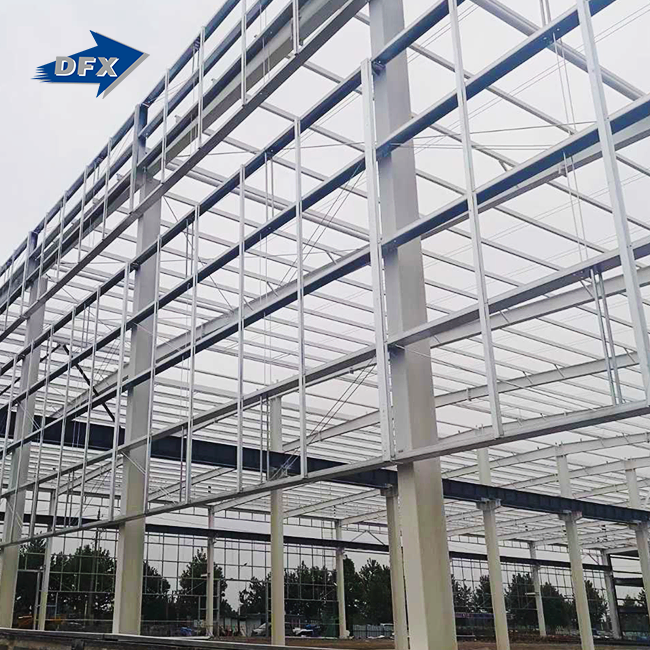
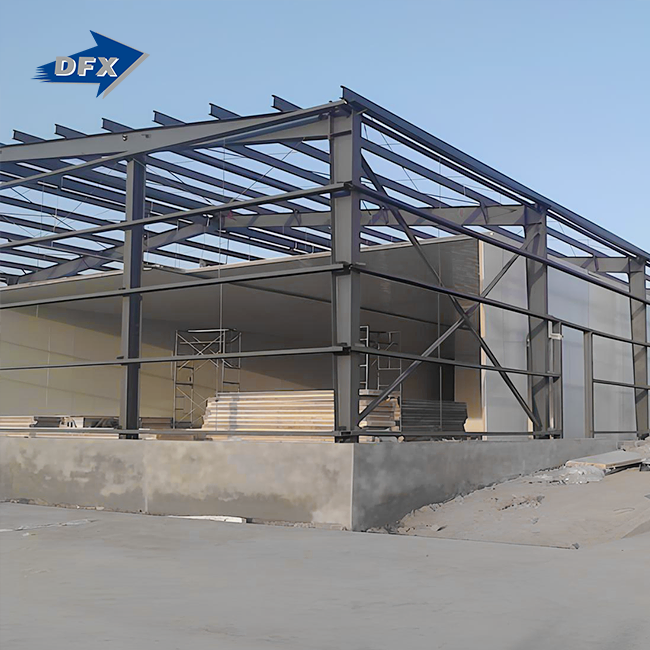
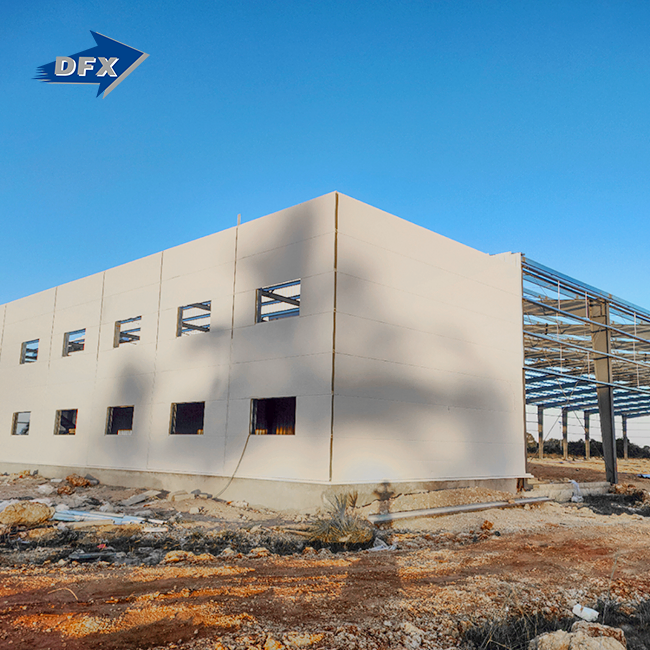
When building cold chain infrastructure, it's important to know how a Cold Storage Steel Warehouse is put together. These special buildings use solid steel engineering and high-tech thermal insulation to keep specific temperature ranges, from +2°C for cold storage to -40°C for deep freeze conditions. Modular built steel storage buildings are much better at keeping air out than standard Cold Storage Steel Warehouse concrete buildings, and they use a lot less energy. Using H-beam main steel frames with galvanized parts and high-performance sandwich panels stops thermal bridges and makes sure the building will last for a long time in harsh conditions.


Understanding Cold Storage Steel Warehouses
What Makes These Structures Different
The use of structural steel frames in cold storage buildings is a step forward in temperature-controlled transport. What makes this system different is that it is pre-engineered and includes heavy-duty portal rigid frames and thermal insulation covers that are especially designed to work in sub-zero temperatures. This building method directly fixes problems that happen a lot in the industry, like heat moving through structural parts, rust caused by condensation, and structures breaking down because of thermal contraction. Because steel is naturally strong, it is possible for clear spans to be very long—often over 30 meters—without having to add internal columns. This open layout makes the racks work better and makes it easier for forklifts to move around, which is very important for automatic distribution centers that deal with cold meat, seafood, dairy, and pharmaceuticals. Because these buildings are modular, they can be put together 30–50% faster than brick options. This is a huge benefit when time is of the essence.
Industry Applications and Real-World Scenarios
These designed cold storage systems are very important to three main industries. Automated cold chain transportation centers need automated storage and retrieval systems that can handle high-throughput delivery. The steel frame has to hold up tall shelving systems and stay rigid even when dynamic loads from automation tools are applied. Ultra-flat floors and high vertical standards are now requirements that can't be changed. Aseptic conditions are required by Good Manufacturing Practice rules for sites that store medicines and vaccines. Clean-room-grade steel walls with dust-free details keep things from getting dirty, and temperature zones stay tightly controlled between +2°C and +8°C. The design of the structure has to take into account both strict cleanliness rules and heating loads. Another specific use is storing fruits and vegetables in a controlled atmosphere. Not only do these places control the temperature, but they also control the amounts of air and carbon dioxide to keep food fresh longer. Leaks can be stopped by gas-tight closing, and parts made of steel need better anti-corrosive protection systems when the relative humidity is high, which is often more than 90%. Even with these tough conditions, the structure is stable thanks to Cold chain logistics, the galvanized C/Z purlins, and full supporting systems.
Core Design Principles for Cold Storage Steel Warehouses
Structural Integrity and Material Selection
Steel types with a lot of strength, like ASTM A572 or Q355B, are what make cold storage structures strong. Heavy-duty hot-dip galvanization with a zinc covering of at least 275g/m² is used to protect columns and beams from rust caused by condensation. This protected layer is very important in places where changes in temperature cause long-lasting problems with wetness. During the engineering calculation process, the United States market's unique earthquakes, wind loads, and snow accumulation are taken into account. Strategic expansion joints and connection plates with slots let heat move safely without causing stress cracks or panel buckling. This design flexibility accounts for the fact that steel naturally shrinks in places where it freezes.
Compliance and Safety Standards
Fire safety rules and standards for the workplace are always changing, which makes compliance a moving goal. ISO9001 approval is a basic way to make sure the quality of a product, and CE marking shows that it meets European standards that U.S. industry clients are adopting more and more. Getting the optional EN1092 certification shows that you are committed to following the best international standards for making structural steel. The smooth, non-porous panel sides make it easy to clean, which meets HACCP standards that are important for food storage. All main structural welds are tested for flaws using ultrasound and magnetic particles to make sure there are no mistakes in the manufacturing. Digital tools used to check the thickness of the coating show that galvanization meets ISO 12944 standards for corrosive settings.
Comparing Steel Warehouses with Other Cold Storage Options
Steel Versus Concrete Construction
In some areas, buildings made of concrete can better handle changes in temperature because they have more heat mass. Steel buildings, on the other hand, can be built more quickly, can be designed in more ways, and need less upkeep. Being able to make parts off-site and quickly put them together on-site lowers the risk of a project and speeds up the return on investment. China makes prefabricated steel buildings that are priced competitively and maintain their quality through strict factory controls. Because it is flexible, it can be expanded in the future without major structure changes, which is helpful when the need for storage space changes. Instead of making deals with standard concrete designs, project-based fabrication makes sure that each Cold chain logistics building meets the unique needs of its users.
Large-Scale Warehouses Versus Refrigerated Containers
Refrigerated bins are easy to move and set up quickly for short-term storage needs. But when it comes to large-scale, long-term cold storage operations, they aren't as good at insulation or running smoothly as steel buildings that were built just for that reason. With containerized options, energy costs add up quickly. Permanent steel structures, on the other hand, pay for themselves over many years of steady service, making up for their higher initial cost. Steel buildings' clear span design makes the most of their cubic storage space by letting multi-level racking systems allow for vertical growth. Refrigerated barrels take up a lot of room on the ground and can't be stacked very high. Steel buildings give you the best return on your investment for large logistics warehouses, storage centers, and delivery hubs.

Maintenance and Operational Best Practices
Routine Inspection Protocols
When panels are inspected regularly, they are checked for damage like dents, holes, or seal wear that could affect how well they keep heat in. Blower door tests or smoke tests make sure the airtightness is correct by finding places where air could be leaking, like at joints, doors, and loading docks. These preventative steps find small problems before they get worse and cause expensive cooling problems or damage to the building. Corrosion protection is checked by measuring the thickness of coatings on zinc surfaces. Any places where zinc is being used up are fixed right away to stop rust from forming. When two different metals meet at a connection point, extra care must be taken because galvanic rusting can happen without being noticed until the structure starts to fall apart.
Long-Term Structural Maintenance
The solid steel frame is made to last more than 50 years and doesn't need much maintenance as long as it is properly secured. Good sandwich panels should last between 25 and 30 years, but this depends on how well they are taken care of and how long they are exposed to the elements. With a modular cladding design, you can change individual panels without affecting the main structure. This is a strategic benefit over monolithic construction, where fixes affect bigger parts of the building. The processes of thermal growth and contraction put stress on the hardware that connects things. Bolted joints are checked once a year for loosening caused by repeated heat cycles. Even though slotted holes are meant to allow for movement, screws still need to be tightened on a regular basis to keep the structure stiff.
Procurement Considerations: How to Choose Your Cold Storage Steel Warehouse Solution
Evaluating Supplier Reliability and Certifications
Before choosing a Cold Storage Steel Warehouse supplier, you should check their sandwich panel production qualifications. The ISO9001 certification shows that you are committed to quality management systems, and the CE marking shows that the structural engineering meets international standards. Suppliers with enclosed production facilities that are bigger than 40,000 square meters show that they can handle big business projects without having to hire outside workers to do important manufacturing work. When judging a supplier's skills, the ability to produce things is important. Integrated manufacturing, not putting together parts that were outsourced, is shown by automatic welded H-beam production lines, sandwich panel lines, and C/Z section steel lines. Measurements of a supplier's annual production capacity, like 20,000 tons of soldered beams or 50,000 square meters of insulation panels, show if they can grow to meet project deadlines. Technical help throughout the entire project lifetime is what sets good partners apart from competent suppliers. Architectural design and finishing services that are done in-house make it easy to coordinate everything from the idea stage to the final installation. Fabrication quality, transportation planning skills, and erection advice all help to avoid problems in the field that could slow down the project or lower the quality of the installation.
Cost Analysis and Budget Management
The initial costs of buying something are only one part of the total costs of owning. Installation workers, preparing the base, and site logistics all add a lot to the cost of a job. Over decades, operational costs, mostly freezer energy use, add up. This is why energy-efficient design features are worth the extra money they cost up front. When money problems make it hard to buy something the usual way, financing choices like leasing agreements or phased buying can help you stay within your budget. Some purchasing managers discuss terms for delayed payments that are tied to building milestones. This makes sure that cash outflows are in line with the progress of the project. Knowing the different types of available financial structures helps you better decide how to use your cash across multiple sites or stages of growth.
Lead Times and Project Scheduling
Depending on the complexity and the supplier's workload, project-based production for steel buildings can take anywhere from 8 to 16 weeks from the time engineering approves the design to the time it's ready to ship. Ocean freight from China to U.S. ports takes an extra 4 to 6 weeks, while movement within the U.S. and site planning happen at the same time. A realistic schedule takes into account things like clearing customs, possible delays caused by bad weather, and working with other building trades. Turnkey packages combine technical calculations, manufacturing, transportation planning, and advice on how to set up everything into one package. This method makes project management easier for building companies and EPC firms that are in charge of organizing a lot of subcontractors. International procurement is less risky when there are clear lines of contact and clear outcomes for each milestone.
Conclusion
Putting in cold storage infrastructure is a big investment that needs to be carefully thought out in terms of structural design, heat performance, Sandwich panels, and how well it will work in the long run. Precision engineering is used to make steel-framed systems that can be set up faster, use less energy, and last for decades in a wide range of settings, from pharmaceutical storage to automatic transportation centers. By understanding basic design principles, comparing different building options, and following strict upkeep procedures, these buildings meet the needs of cold chain operations while keeping costs low. Project managers can get building assets that give them a competitive edge by making smart buying choices based on a supplier's skills, a full cost analysis, and a realistic schedule.

FAQ
1. How does the steel structure handle extreme cold without becoming brittle?
If the right grades are chosen during engineering, modern structural steel can still be bent at -40°C. ASTM A572 steel is very tough at low temperatures, and Charpy V-notch tests show that it is resistant to impact at working temperatures. Thermal contraction can happen, but expansion joints and slotted links don't create stress buildup that could lead to cracks.
2. What prevents condensation from forming on interior steel surfaces?
Thermal break technology separates the steel frame inside from the cladding outside. This gets rid of cold bridges, which are places where condensation forms. Careful insulation details keep the surfaces inside above the dew point temperature. On the warm side of insulation, vapor shields stop moisture from moving into wall spaces, where it could condense on cold steel parts.
3. Can these warehouses support future capacity expansion?
By widening the structural bay system, modular architecture makes horizontal growth easier. Vertical growth either adds mezzanine levels within existing clear spans or raises the roof during building to make room for future rack additions. Planning for growth during the initial planning phase cuts down on upgrade costs and downtime.
Partner with a Trusted Cold Storage Steel Warehouse Manufacturer
DFX is an expert at providing pre-engineered Cold Storage Steel Warehouse options that are specifically designed to meet your cold chain transportation needs. Our Qingdao Director Steel Structure Co., Ltd. plant has been making things for more than 12 years, and we offer planning, fabrication, and installation services all in one place. We are certified by ISO9001 and CE. Our 40,000-square-meter production plant has six automatic H-beam lines and modern sandwich panel manufacturing, which makes sure that quality control is maintained at all times. Whether you're a building company in charge of industrial projects or a manufacturing business that wants to make more things, our engineering team can help you with calculations, logistics, and set-up from the beginning to the end. Get in touch with jason@bigdirector.com right away to talk about the details of your project and get a detailed estimate from a dependable Cold Storage Steel Warehouse provider that is dedicated to providing quick and affordable building solutions.
References
1. Anderson, M., & Thompson, R. (2021). Structural Steel Design for Low-Temperature Applications. Journal of Cold Storage Engineering, 15(3), 112-128.
2. Chen, L., & Rodriguez, P. (2020). Thermal Performance Analysis of Insulated Steel Panel Systems in Refrigerated Warehouses. International Journal of Building Science, 8(2), 45-63.
3. Global Cold Chain Alliance. (2022). Design Standards for Temperature-Controlled Warehousing Facilities. GCCA Technical Manual, 4th Edition.
4. Harrison, D. (2019). Prefabricated Steel Construction: Efficiency and Quality in Modern Warehousing. Construction Management Review, 22(4), 78-94.
5. Institute of Steel Construction. (2023). Cold Storage Facility Design Guide: Structural and Thermal Considerations. ISC Publication Series, Volume 12.
6. Williams, K., & Zhang, H. (2022). Energy Optimization Strategies for Refrigerated Steel-Frame Warehouses. Energy Efficiency in Industrial Buildings, 19(1), 34-52.
Learn about our latest products and discounts through SMS or email