- English
- French
- German
- Portuguese
- Spanish
- Russian
- Japanese
- Korean
- Arabic
- Greek
- German
- Turkish
- Italian
- Danish
- Romanian
- Indonesian
- Czech
- Afrikaans
- Swedish
- Polish
- Basque
- Catalan
- Esperanto
- Hindi
- Lao
- Albanian
- Amharic
- Armenian
- Azerbaijani
- Belarusian
- Bengali
- Bosnian
- Bulgarian
- Cebuano
- Chichewa
- Corsican
- Croatian
- Dutch
- Estonian
- Filipino
- Finnish
- Frisian
- Galician
- Georgian
- Gujarati
- Haitian
- Hausa
- Hawaiian
- Hebrew
- Hmong
- Hungarian
- Icelandic
- Igbo
- Javanese
- Kannada
- Kazakh
- Khmer
- Kurdish
- Kyrgyz
- Latin
- Latvian
- Lithuanian
- Luxembou..
- Macedonian
- Malagasy
- Malay
- Malayalam
- Maltese
- Maori
- Marathi
- Mongolian
- Burmese
- Nepali
- Norwegian
- Pashto
- Persian
- Punjabi
- Serbian
- Sesotho
- Sinhala
- Slovak
- Slovenian
- Somali
- Samoan
- Scots Gaelic
- Shona
- Sindhi
- Sundanese
- Swahili
- Tajik
- Tamil
- Telugu
- Thai
- Ukrainian
- Urdu
- Uzbek
- Vietnamese
- Welsh
- Xhosa
- Yiddish
- Yoruba
- Zulu
Why Steel Is the Ideal Choice for Building Schools?
When project managers, procurement directors, and engineers look at investments in educational infrastructure, the building material they choose affects more than just how nice it looks. It also affects how long the project will take, how much it will cost to run, Steel Structure School Building and how safe the students will be for years to come. A Steel Structure School Building is a great way to address these issues because it has many proven engineering benefits. Unlike traditional concrete buildings, steel frames made from Q235 or Q355 grade materials are easy to put together, more resistant to earthquakes, and very flexible to meet changing educational needs. This way of building uses prefabricated H-beam columns, composite floor systems, and a variety of envelope choices to make learning spaces that meet strict building codes and cut the total project delivery time by 30 to 50 percent. Steel is being used more and more in schools, which shows that architects are moving toward materials that are both strong and cost-effective.
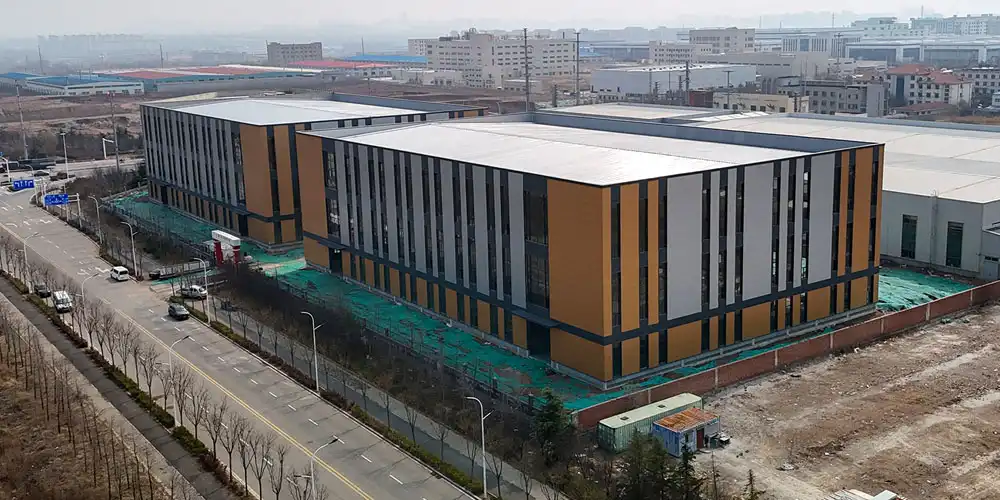
Understanding Steel Structure School Buildings
Schools want buildings that are built in a way that puts safety, durability, and freedom of use first. There is a special type of pre-engineered building called a Steel Structure School Building that is made to meet the needs of learning settings.
Core Components and Structural Systems
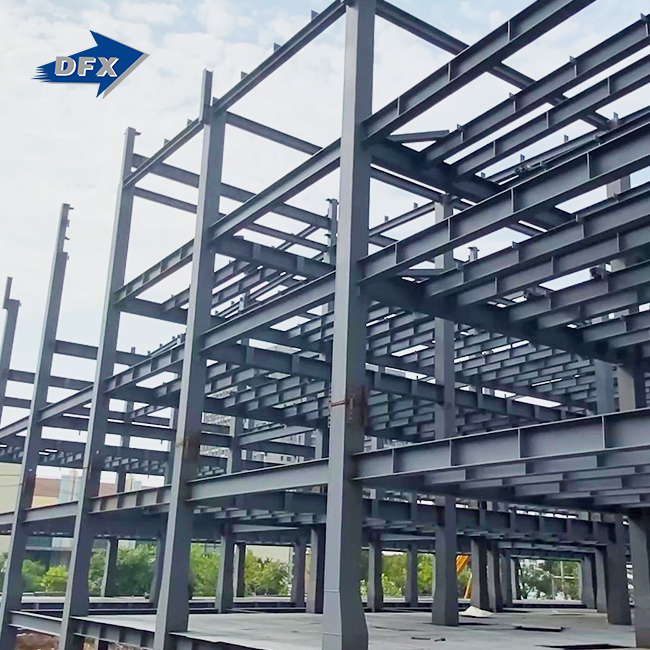
The most important parts of modern steel buildings for schools are carefully made parts that fit together like a puzzle. The main structure is made up of load-bearing H-beams and C and Z purlins, which support the roof and wall parts. These parts are millimeter-perfect when they get to building sites because they were cut, drilled, and prepared in a controlled workshop setting. The steel column-beam frame makes clear-span rooms that are great for gyms, cafeterias, and auditoriums because it doesn't have any internal beams that get in the way of using the space. For multi-story school buildings that need to meet fire and soundproofing codes, composite floor systems use steel decking and a concrete finish. Throughout the frame, bracing elements provide horizontal support, which is especially important in places where high winds or earthquakes are common. The facade system, like curtain wall glass or insulated metal panels, is attached to this framework separately. This makes it possible to make changes to the building in the future without damaging the structure.
Design Flexibility for Educational Requirements
Educational design needs rooms that can be used for a variety of tasks while still being Modular classroom efficient. A steel building is flexible in this way because of a few of its natural properties. Large-span features let gyms and meeting rooms go out 30 to 40 meters without any supports in the middle, making the most of the floor space. In cities where land costs make it worth it, multi-story designs spread out administration offices, labs, and classes vertically. According to modular planning concepts, schools can grow slowly as the number of students increases. It is possible to add more classroom wings to existing steel frames with little impact on daily operations. This is especially useful for schools that can't afford to close for long periods of time. The interior partition walls don't support any weight, so managers can rearrange rooms as teaching methods change without having to make any structural changes. Because the building is so flexible, it can be used in a lot of different situations.
Comparing Steel Structure and Traditional School Building Materials
When working on school building projects, procurement workers need objective performance data to show stakeholders why they chose the materials they did. When you compare Steel Structure School Building construction to regular concrete construction, you can see clear benefits in a number of areas.
Structural Performance and Durability Analysis
The strength-to-weight ratio tells us a lot about the material's power. The ratio of steel to concrete is about 10 times higher than that of concrete, which means that the same amount of structural capacity needs a lot less material volume. This means that a lighter base is needed and less digging is needed, which is especially helpful in areas with bad dirt where deep piling would normally be needed. In places where earthquakes are common, seismic resistance is very important. Because steel is flexible, the structure can receive and release earthquake energy through controlled deformation, keeping people safe even during big events. Even though concrete is strong when compressed, it is weak when it breaks, which makes it more likely to fall apart. Performance records from earthquakes in Japan and California show that steel-framed educational buildings often have harm that can be fixed, while similar concrete structures fail in terrible ways. Corrosion control is important for long-term longevity. When properly cared for, steel structures usually last between 75 and 100 years, which is as long as or longer than concrete structures when the reinforcements start to rust. When used properly during building, modern protection coatings and drainage features almost completely get rid of rust problems. Concrete has problems with how long it lasts, like cracking from freeze-thaw cycles and alkaline-aggregate reactions that weaken the structure over time.
Environmental Impact and Sustainability Metrics
Sustainability is becoming more and more important to schools when they decide what buildings to use, both to be good to the earth and to show kids good values. Steel is great for the earth in many ways. On average, 25–30% of the material is recovered, and some makers can get as high as 90% by using an electric arc furnace to make the material. When a building is no longer needed, its steel parts still have value and can be used again. Almost all of them are turned into new goods without losing any of their quality. About 8 percent of the world's carbon emissions come from making concrete, mostly from making cement. In some areas, the thermal mass of concrete is a benefit, but in most places, a steel building with high-performance Modular classroom insulation is better for the envelope. During building, a lot less water is used because putting up steel frames uses a lot less water than setting concrete, which is important to know in places where water is scarce. As schools try to get LEED certification and meet their carbon reduction goals, these environmental factors become more important in their purchasing decisions.
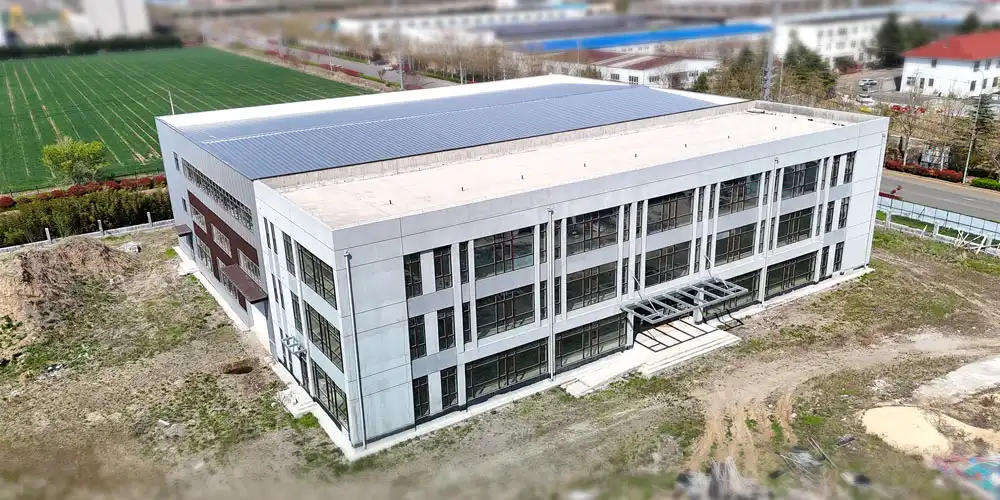
How to Build a Steel Structure School Building: From Planning to Procurement
Structured methods that reduce risks and make sure results meet stakeholder standards are used in successful educational construction projects. Understanding how to execute a Steel Structure School Building project helps buying teams make smart choices throughout the whole project lifecycle.
Project Planning and Design Development
Planning is the first step in building an educational facility. This includes figuring out how much room is needed, how many people can fit, and how the different areas will work together. Using builders who have experience with educational design ensures that plans support instructional goals and work well for operations. Planning a steel building has some benefits, such as the ability to make places without columns, easier routing for mechanical systems through structural cavities, and the ability to be changed in the future. Based on local building rules and environmental loads, structural engineering formulas figure out the frame's size, how it should be connected, and what kind of support it needs. Different places have very different wind loads, snow loads, and earthquake design categories, so each one needs its own study. Design teams that know a lot about steel detailing make manufacturing plans that tell makers exactly what sizes, grades, and assembly orders to use. This level of paperwork has a direct effect on how well the fabrication is done and how quickly it is built.
Installation Coordination and Quality Assurance
To keep the plan on track, the site must be prepared before the steel is delivered. Foundation work, like putting in anchor bolts, needs to be done carefully because it's hard to make changes after the concrete has hardened. Survey control sets up points of reference that help with aligning the frame while it is being put up. To improve speed, temporary places for workers to stay, places to store materials, and where to put the crane are all planned. Erection processes are based on engineering plans that make sure the structure stays stable during building. Usually, workers start by putting in anchor columns and connecting beams to make safe bays. They then slowly build upwards and outwards. Modern steel buildings mostly use bolt-up connections, a safe steel structure which don't need hot work and doesn't depend on the weather like field welding does. Professional erection teams that have worked on educational building projects before can get the job done quickly and safely, which is especially important for projects that are close to facilities that are already full. Quality control during building includes checking the dimensions, the soundness of the connections, and the coating. Methods of non-destructive testing prove the quality of the weld on important links. As-built paperwork shows the real conditions so that they can be used for upkeep and changes in the future. The small problems on the punch list are fixed before the building is officially accepted, making sure that all of its systems meet the requirements.
Why Leading B2B Clients Choose Steel Structure School Building Solutions
Governing boards want schools to be fiscally responsible, officials want schools to be able to change how they run their businesses, and communities want schools to have safe, long-lasting buildings. These different needs can be met by choosing a Steel Structure School Building, which has benefits that go beyond initial cost concerns.
Proven Performance in Educational Applications
Steel-framed schools work well in a wide range of temperatures and situations around the world. In California, which is prone to earthquakes, steel educational buildings did better during the Northridge event in 1994. Most of them were back in use within days, while concrete buildings took months to fix. In Gulf Coast states, hurricane-resistant designs use steel framing to get wind ratings above 150 mph, which keeps kids and tools safe during bad weather. Extreme temperatures put buildings to the test in ways that show their material limits. Modern insulation systems with R-values of 30 to 40 in the walls and 50 to 60 in the roofs keep steel schools in northern areas warm for learning all winter. Reflective roof coatings and smart shade are used in desert sites to keep the insides cool while reducing the cooling load. These real-life examples show how steel can be used in situations that would be hard for other materials.
Total Cost of Ownership Advantages
A budget study that goes beyond the original building shows that steel is more cost-effective over 50-year operational periods. Maintenance costs stay low because there is no concrete flaking that needs to be fixed, no brickwork that needs to be repointed, a safe steel structure, and no structural damage that needs to be fixed. Panel systems connect to purlins without disturbing the main structure, making it easy to repair the roof. Upgrading HVAC equipment can happen without making any changes to the structure because mechanical systems that are suspended don't have to deal with load-bearing limits. Every year, the amount of energy used has a direct effect on operating spending. Continuous insulation methods that get rid of thermal bridging make steel buildings' envelopes work better. In warm climates, reflective metal roofs lower the amount of cooling that needs to be done. In cold climates, it makes it easier for snow to melt. Placing windows in a way that lets in natural light saves money on lighting and makes learning settings better, which is something that a concrete building can't do without major changes.
Conclusion
In conclusion, when schools spend money on infrastructure, they need things that are safe, last a long time, and don't cost a lot over the years. These needs are met by a steel building, which is better at handling earthquakes, speeds up project completion, and is amazingly flexible enough to meet changing educational needs. Steel is the best material for institutions that care more about long-term value than short-term cost because it is made precisely, is structurally efficient, and is environmentally friendly. When purchasing, professionals look at different choices for building schools; steel frames stand out because they have many benefits that will last for generations and help students, staff, and communities.
FAQ
1. How does steel compare to concrete for classroom acoustics?
Modern steel school buildings have multi-layer wall systems that make their soundproofing as good as or better than concrete. Sound Transmission Class scores of 50 to 55 are achieved by insulated metal panels with mineral wool or fiberglass bases. These panels effectively block noise between rooms. In multi-story buildings, suspended ceiling systems and durable floor flooring make sound separation even better.
2. What is the typical construction timeline for a steel school building?
A 50,000-square-foot school building with a steel frame usually takes 9–12 months to finish from breaking ground to moving in, while the same building built of concrete would take 14–18 months. When prefabrication is done at the same time as site work, plans are sped up a lot, which lowers borrowing costs and lets money start coming in sooner.
3. Can steel school buildings achieve LEED certification?
A steel building makes LEED approval easier in a number of ways. Recycled content, getting materials from nearby sources, cutting down on building waste, and improving energy efficiency are all good things that can be said. The material can be recycled naturally at the end of its life, which supports the circular economy ideas that are becoming more important in school environmental projects.
Partner with DFX for Your Educational Steel Structure Projects
With more than 12 years of experience, Qingdao Director Steel Structure Co., Ltd. (DFX) builds schools that put safety, speed, and long-term value first. Our 40,000-square-meter factory has six automatic H-beam lines and more than 200 skilled workers who make parts that are ISO 9001 and CE approved. We offer full turnkey solutions that include architectural plan design, structural calculations, precise manufacturing, and on-site installation help. These are the services that make your educational vision a reality. If procurement managers are looking for a trusted Steel Structure School Building manufacturer, our building skills and quality systems meet the high standards that educational projects need. Get in touch with jason@bigdirector.com right away to talk about your project needs and get a full technical plan that fits your needs.
References
1. American Institute of Steel Construction. (2022). Seismic Design Manual. Chicago: AISC.
2. Chen, W.F. & Lui, E.M. (2019). Handbook of Structural Engineering. CRC Press.
3. Gorgolewski, M. (2017). Resource Salvation: The Architecture of Reuse. Wiley-Blackwell.
4. International Code Council. (2021). International Building Code. Country Club Hills: ICC.
5. Lawson, R.M. & Ogden, R.G. (2020). Sustainable Steel Construction. Steel Construction Institute.
6. Smith, B.S. & Coull, A. (2018). Tall Building Structures: Analysis and Design. John Wiley & Sons.
Learn about our latest products and discounts through SMS or email