- English
- French
- German
- Portuguese
- Spanish
- Russian
- Japanese
- Korean
- Arabic
- Greek
- German
- Turkish
- Italian
- Danish
- Romanian
- Indonesian
- Czech
- Afrikaans
- Swedish
- Polish
- Basque
- Catalan
- Esperanto
- Hindi
- Lao
- Albanian
- Amharic
- Armenian
- Azerbaijani
- Belarusian
- Bengali
- Bosnian
- Bulgarian
- Cebuano
- Chichewa
- Corsican
- Croatian
- Dutch
- Estonian
- Filipino
- Finnish
- Frisian
- Galician
- Georgian
- Gujarati
- Haitian
- Hausa
- Hawaiian
- Hebrew
- Hmong
- Hungarian
- Icelandic
- Igbo
- Javanese
- Kannada
- Kazakh
- Khmer
- Kurdish
- Kyrgyz
- Latin
- Latvian
- Lithuanian
- Luxembou..
- Macedonian
- Malagasy
- Malay
- Malayalam
- Maltese
- Maori
- Marathi
- Mongolian
- Burmese
- Nepali
- Norwegian
- Pashto
- Persian
- Punjabi
- Serbian
- Sesotho
- Sinhala
- Slovak
- Slovenian
- Somali
- Samoan
- Scots Gaelic
- Shona
- Sindhi
- Sundanese
- Swahili
- Tajik
- Tamil
- Telugu
- Thai
- Ukrainian
- Urdu
- Uzbek
- Vietnamese
- Welsh
- Xhosa
- Yiddish
- Yoruba
- Zulu
Why Are Steel Buildings Ideal For Gyms And Fitness Centers?
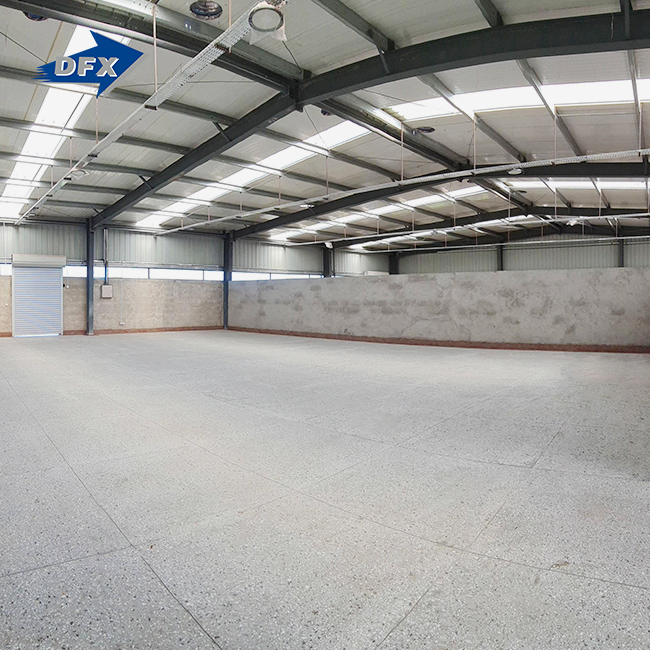
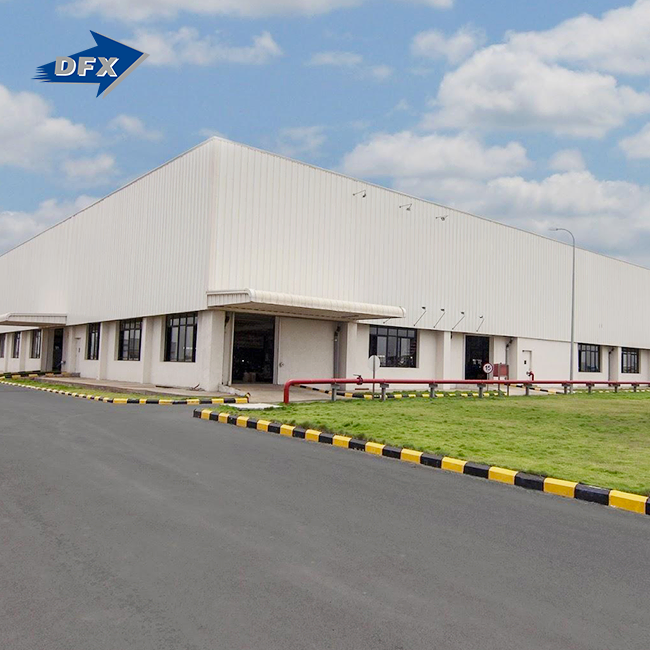
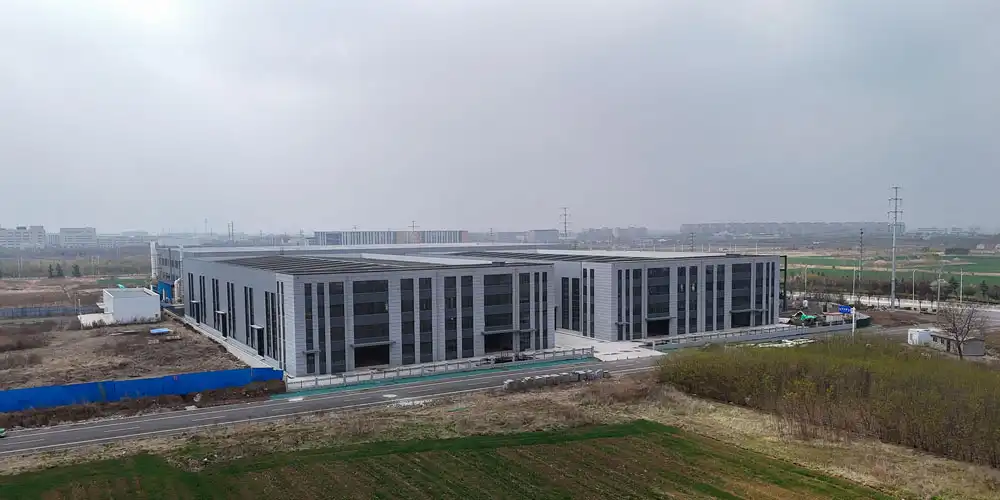
We now think differently about sports places thanks to Steel Structure Gym & Fitness centers. Steel is the most popular building material for modern exercise centers because it allows for open floor plans, quick construction, and strong structural performance. Load-bearing walls in regular concrete buildings make it hard to plan the inside, but steel portal frames make huge spaces without columns that span 20 to 80 meters. This design gets rid of any obstacles, so gym owners can set up any kind of equipment they want, from cardio zones to functional training rigs, without worrying about the safety of their members or the structure.
Understanding the Advantages of Steel Buildings for Gyms
When it comes to exercise facilities, steel buildings are the best because they offer so many benefits. The material's natural features solve important problems that gym owners have, like how to handle big equipment loads and keep long-term costs low.
Exceptional Durability and Longevity
Heavy foot traffic, dropped weights, and equipment like punching bags and TRX systems that hang from the ceiling put a lot of stress on modern exercise centers all the time. The strength-to-weight ratio of steel frames made from Q345B or Q355B grade materials is better than that of standard building ways. The modulus of elasticity is around 200 GPa, which means that the structure stays stable even when active loads like group classes or weightlifting are applied. Hot-dip galvanization with zinc coats of at least 275g/m² or epoxy zinc-rich paints are two good ways to treat the surface of steel members so they don't rust, even when they are exposed to high humidity and sweat. This safety meets ISO 12944 C3 or C4 standards, which means the structure will last longer than 50 years. Our 40,000-square-meter plant at Qingdao Director Steel Structure Co., Ltd. is where we make steel parts using high-tech welding lines and strict quality control procedures. Each beam goes through a lot of tests to make sure it meets ISO standards and CE certification. This makes sure that business and leisure buildings can depend on them.
Design Flexibility for Diverse Fitness Activities
Fitness trends change quickly, so gyms need to be able to adapt to new ways of training. Steel's modular form lets it grow in the future without having to make big changes to the structure. End walls can be taken down, and extra portal frames can be added to make the building longer. This can help with membership growth or adding new services like climbing walls or indoor riding workshops. The clear-span feature is especially useful for sports areas that are used for more than one thing. Basketball fields, CrossFit boxes, and yoga classes all need clear lines of sight and layouts that can be changed easily in a Steel stadium. Steel portal frames get rid of the need for internal beams, making rooms where the placement of equipment is based on programming needs instead of structural limitations. The vertical clearance also goes up to the levels needed for hanging equipment, and the bottom chords of the strengthened truss are strong enough to support point loads of more than 5kN without bowing.
Comparing Steel Structures to Other Building Materials in Gym Construction
Picking the right building material affects every part of a fitness center project, from the beginning cost to how well it works after it's finished. Steel always shows advantages in a number of different rating factors.
Steel Versus Concrete: Speed and Adaptability
While concrete buildings offer thermal mass and a sense of stability, they take a lot longer to build than steel options. Concrete needs long times to cure, pours that depend on the weather, and complicated formwork that adds time to the project's finish. Steel parts come from factories already designed and built, ready to be put together quickly in any season. This predictability helps buying managers who have to stick to set plans. Another thing that sets steel apart from concrete is its ability to be changed. Adding square footage to a concrete gym requires tearing it down, figuring out how it's built, and laying new foundations. Steel buildings can be expanded by adding bolt-on extensions, which keep operations running as smoothly as possible. This adaptability is very important for fitness companies that want to open more locations or for independent business owners who want to try out new service models before making lasting changes.
Navigating Lightweight Versus Heavy Steel Frame Trade-offs
Steel framing can be put together in a number of different ways, each of which is best for a different job. For buildings smaller than 2,000 square meters, lightweight steel frames made of cold-formed C and Z sections work well because they save money on materials and make base requirements easier. When the base can't hold new building loads, these systems work great for retrofit jobs. Large business gyms that are more than 3,000 square meters use heavy steel frames made of hot-rolled H-beams and I-sections. The bigger structure can support plans with more than one floor, services on the roof, and equipment hanging from the ceiling all over the building. The foundation needs to go up by the same amount, but the investment pays off by making the building last longer and allowing for more growth. As a company, Director Steel has six automatic welded H-beam production lines that can make 20,000 tons of steel each year. This amount of space makes sure that materials are always available for projects of any size, from small fitness studios to large sports centers Steel stadium across the area.
Key Considerations in the Steel Gym Construction Process
For steel building projects to be successful, the planning, fabrication, and installation steps must all work together smoothly. When buying, teams know about these factors, and they can choose partners who can provide full solutions.
Design Collaboration and Engineering Precision
For a steel gym building to go well, architects, structural engineers, and fabricators must work together on the plan from the start. During the planning phase, load calculations for equipment zones, mechanical system integration, and sound efficiency are all looked at. The clear-span feature of steel makes building planning easier, but technical accuracy is still needed for connection details and member sizes. Our in-house building design and finishing service at Director Steel makes the link between the idea and the finished product. Our three-dimensional models for MEP systems show exactly where members should go, how bolts should be arranged, and where the system's components will connect. This planning keeps the field from getting in the way of work and makes sure that parts come ready to be installed without any delays for modifications.
Maintenance Planning and Energy Efficiency
Preventive maintenance makes steel structures last longer while reducing the amount of downtime they experience. Inspection methods look for signs of moisture getting in, connections that don't work right, and the state of the coating. Fixing small problems during regular maintenance keeps members safe and saves money on expensive emergency fixes. Energy economy is a big part of keeping running costs down. Steel panels with polyurethane or mineral wool cores are used to make insulated metal panel systems that have thermal performance equal to or better than R-19. These units lower the load on the HVAC system and keep noise levels from leaking into other areas of the building. Allowing natural light in through see-through panels or big holes in the facade lowers the need for artificial lighting, which helps with environmental goals and member comfort. Green building standards like LEED and BREEAM are in line with the fact that steel can be recycled. When their useful life is over, steel parts still have value and can be used again without losing their quality, which is not the case with composite materials that end up in dumps.
How to Choose the Right Steel Structure Gym Solution
To choose the best steel building partner, you need to look at more than just the original price quotes. To lower the danger of a project, strategic procurement balances cost, quality, and service skills.
Assessing Supplier Credentials and Service Scope
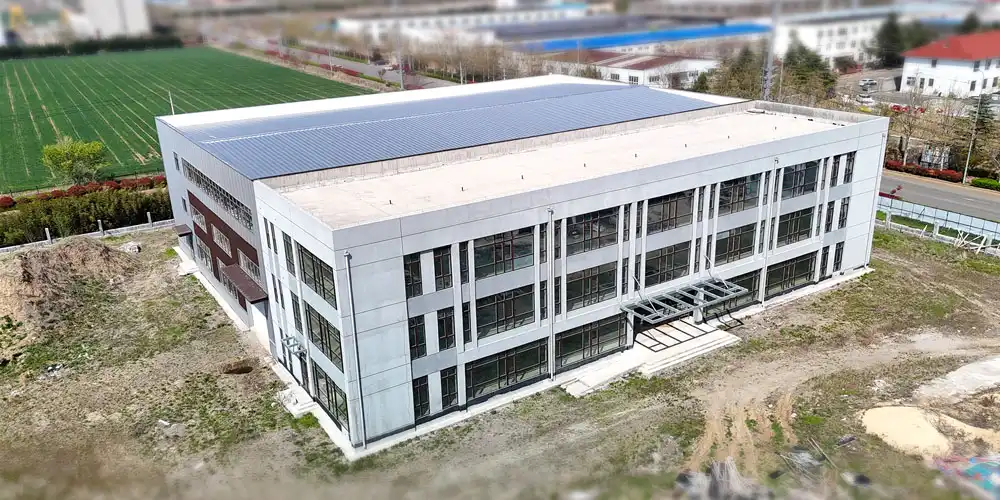
Reliable steel frame providers show that Recreational building they can make things, have professional knowledge, and provide good customer service. Third-party reviews from groups like COC or PVOC, as well as certifications like ISO 9001 and CE marking, make sure that quality control systems and product compliance. You can see how production works, and quality control is done by asking for tours or video walkthroughs of the site. Suppliers who give idea design, manufacturing, surface treatment, and erection support make project management easier by giving one point of responsibility for the whole process. This unified method makes it easier to work together and speeds up the process of fixing problems when situations on the job site mean that plan changes need to be made. Director Steel is a full-service company that helps customers with everything from the first idea to the final installation. Our team of more than 200 trained workers and engineers makes sure that projects get consistent care throughout the whole building process.
Requesting Detailed Quotations and Comparing Value
Costs for supplies, fabrication, surface treatment, shipping, and expert support are all broken down in detailed quotes. Pricing that is clear lets you compare sellers accurately and find any possible hidden costs. Look at the shipping times, payment options, and warranty support. Steel structures are long-term investments, and help after installation and supplier security are just as important as the original savings. In the quotes, you should ask for more than one possibility, such as different frame setups, panel systems, or expansion options. This method shows how sensitive people are to cost and helps them choose the features that give them the most value. Talk to suppliers about the technical details of the materials they're proposing and the mechanical theories that support them. Partners who are knowledgeable are open to these talks and give answers that show they are knowledgeable.
Real-World Applications and Case Studies
Real-life examples show how steel frame gyms can help people in a variety of settings. These projects show how steel can be used in a variety of ways to meet different functional and aesthetic needs.
Commercial Fitness Centers with Large Clear Spans
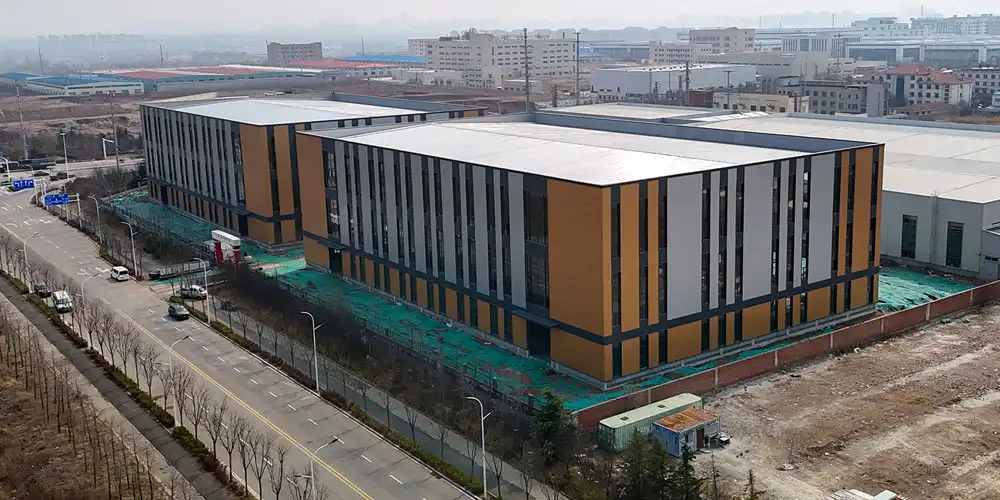
A regional exercise chain just finished building a flagship 4,000-square-meter gym with 40-meter-long steel portal frames. The interior doesn't have any columns, so it can fit 150 exercise machines, strength training areas, and group fitness classes without any problems. The clear height is up to 8 meters, which lets you put up climbing walls and hang aerial yoga gear. From breaking ground to opening to members, construction took only seven months. This allowed the operator to take advantage of seasonal membership drives and make more money than expected. The building has insulated metal walls with finishes that are applied at the factory, which cuts down on the need for on-site workers and weather delays. Large holes in the facade with glazing systems make it possible for members to see into outdoor areas, which improves the experience while lowering the cost of lights during the day. These parts of the design show how Recreational building steel buildings can support both usefulness and good looks.
Functional Training Facilities: Integrating Equipment into Structure
CrossFit and functional training gyms need supports that can hold tools in place. A building that was 1,200 square meters in size had steel beams with stronger connection plates that were designed to handle both horizontal and vertical loads from pull-up bars, rope jumps, and ring systems. Structural estimates took into account dynamic forces that were greater than the weights of the static equipment. This made sure that the safety gaps were right for business use. Because the building is modular, the owner was able to finish the first training floor first and wait to add executive offices and shop space until membership fees were stable. This ability to phase, which is built into steel structures, lowered financial risk during the crucial launch time.
Multi-Sport Complexes Balancing Durability and Aesthetics
There was a 60-meter-long steel roof over a city sports center that held basketball courts, indoor soccer fields, and fitness areas. Translucent panel parts were used in the design to let in natural light while keeping the temperature stable. Reverberation was controlled by acoustic dampers hanging from steel purlins. This made the sound levels comfortable even though the playing surfaces were hard. Because the building has an indoor pool area, corrosion defense got extra care. In areas that are exposed to a lot of chlorine, marine-grade finishes and stainless steel screws keep the humidity from getting in. Three years after building, regular checks show that the coatings are still in good shape and don't need to be fixed. This proves that the initial investment in high-quality surface treatments was worth it.
Conclusion
Steel buildings are the best way to build a gym or exercise center because they are strong, don't cost a lot, and can be designed in a variety of ways. The material's strength-to-weight ratio makes the rooms large and free of columns, which is important for the planning of equipment and the member experience. Short building timelines lower the cost of financing and speed up the time it takes to make money, while low maintenance costs keep operating budgets intact. The modular design makes it easy for businesses to grow, and the high level of rust resistance means that the systems will work reliably for decades in harsh settings. Because of these advantages, steel is the best material for purchasing managers, contractors, and property managers who want to build business recreational buildings that will last for a long time.
FAQ
1. How often do steel structure gyms require maintenance?
Compared to regular buildings, steel gyms require a lot less upkeep. Coatings that don't rust, that are put on during production—usually hot-dip galvanization or epoxy systems—keep structural parts safe for years without any maintenance. For business buildings, inspections every 18 to 24 months are enough, with a focus on the state of the coating and the stability of the connections. Small repairs can stop localized wear before it gets worse, keeping the structure's performance over many decades of use. This lower frequency of upkeep is very different from wood structures that need to be treated for pests or concrete buildings that need to have cracks fixed, which saves a lot of money in running costs.
2. Do steel structure gyms meet fire safety regulations?
Commercial fire safety rules say that steel frames must have a number of different safety features. When covered by intumescent coatings or fire-rated gypsum board structures, structural steel can still hold its weight at high temperatures. These systems have fire resistance rates that range from one to three hours, based on the building code and the type of occupancy. Metal panel covers don't catch fire, so flames don't spread to the outside of buildings. Engineered compartmentalization and sprinkler integration provide full fire protection that often goes beyond the bare requirements set by the government. This makes people safer and lowers their insurance costs.
3. What are typical lead times for steel gym construction?
Timelines for projects depend on the size of the building and how complicated the customization is. For gyms smaller than 2,000 square meters, standard premade systems usually take 8 to 12 weeks to deliver, plus an extra 4 to 6 weeks to set up on-site. For custom-built buildings that are 3,000 to 5,000 square meters, the manufacturing process takes 14 to 18 weeks, and the installation process takes another 6 to 10 weeks. These plans assume that the foundation is properly prepared and that the spot is easy to get to. Because a steel building is predictable, it's possible to plan projects accurately, and weather effects are mostly limited to base work and not structure assembly.
Partner With DFX for Your Next Steel Structure Gym Project
Every Steel Structure Gym & Fitness project is led by Director Steel, who has more than 12 years of experience in this field. Our factory in Qingdao makes 20,000 tons of welded H-beams every year, with help from production lines that make sandwich panels and plastic sheets. We are a qualified Steel Structure Gym & Fitness provider with ISO 9001, CE, COC, and PVOC certifications. We offer turnkey solutions that include idea design, fabrication, surface treatment, and help during installation. Our "made-to-order" method makes sure that every part is exactly what you want it to be, whether you're looking for open-space industrial steel buildings with big windows or specialized leisure centers. Email our engineering team at jason@bigdirector.com to talk about your project needs, get specific quotes, and find out how our steel portal frame systems can help you build the best workout center possible.
References
1. American Institute of Steel Construction. (2022). Design Guide 25: Frame Design Using Web-Tapered Members. AISC Publications, Chicago, Illinois.
2. Newman, Alexander. (2021). Pre-Engineered Metal Buildings: Design and Construction Practices. Journal of Structural Engineering Standards, Volume 47, Issue 3, pp. 112-129.
3. European Convention for Constructional Steelwork. (2020). Corrosion Protection for Steel Structures in High-Humidity Environments. ECCS Technical Committee, Brussels, Belgium.
4. Porter, Michael and Harrison, David. (2023). Lifecycle Cost Analysis of Commercial Athletic Facilities. Building Economics Research Quarterly, Volume 19, Issue 2, pp. 88-104.
5. International Code Council. (2021). International Building Code: Structural Steel Requirements for Assembly Occupancies. ICC Publications, Washington D.C.
6. Chen, Wei-Fah and Lui, Eric M. (2019). Handbook of Structural Engineering: Steel Construction Methods and Applications. CRC Press Engineering Division, Boca Raton, Florida.
Learn about our latest products and discounts through SMS or email