- English
- French
- German
- Portuguese
- Spanish
- Russian
- Japanese
- Korean
- Arabic
- Greek
- German
- Turkish
- Italian
- Danish
- Romanian
- Indonesian
- Czech
- Afrikaans
- Swedish
- Polish
- Basque
- Catalan
- Esperanto
- Hindi
- Lao
- Albanian
- Amharic
- Armenian
- Azerbaijani
- Belarusian
- Bengali
- Bosnian
- Bulgarian
- Cebuano
- Chichewa
- Corsican
- Croatian
- Dutch
- Estonian
- Filipino
- Finnish
- Frisian
- Galician
- Georgian
- Gujarati
- Haitian
- Hausa
- Hawaiian
- Hebrew
- Hmong
- Hungarian
- Icelandic
- Igbo
- Javanese
- Kannada
- Kazakh
- Khmer
- Kurdish
- Kyrgyz
- Latin
- Latvian
- Lithuanian
- Luxembou..
- Macedonian
- Malagasy
- Malay
- Malayalam
- Maltese
- Maori
- Marathi
- Mongolian
- Burmese
- Nepali
- Norwegian
- Pashto
- Persian
- Punjabi
- Serbian
- Sesotho
- Sinhala
- Slovak
- Slovenian
- Somali
- Samoan
- Scots Gaelic
- Shona
- Sindhi
- Sundanese
- Swahili
- Tajik
- Tamil
- Telugu
- Thai
- Ukrainian
- Urdu
- Uzbek
- Vietnamese
- Welsh
- Xhosa
- Yiddish
- Yoruba
- Zulu
Why Steel Buildings Cut University Construction & Maintenance Costs?
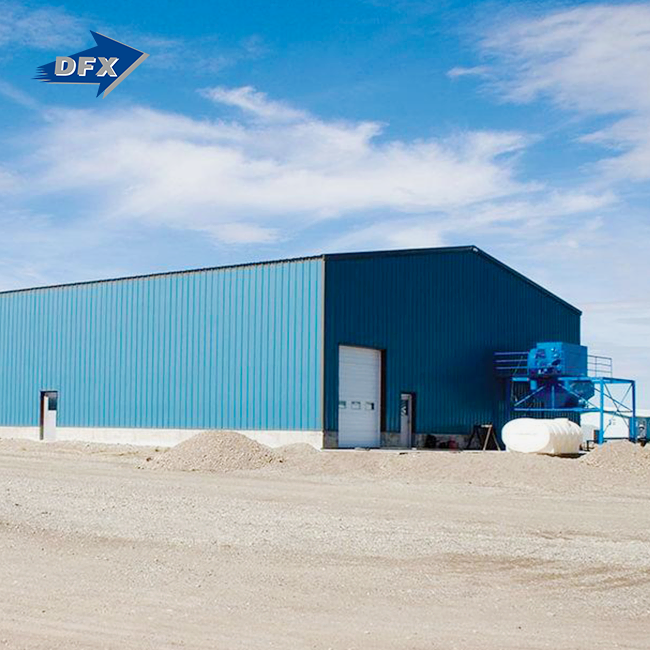
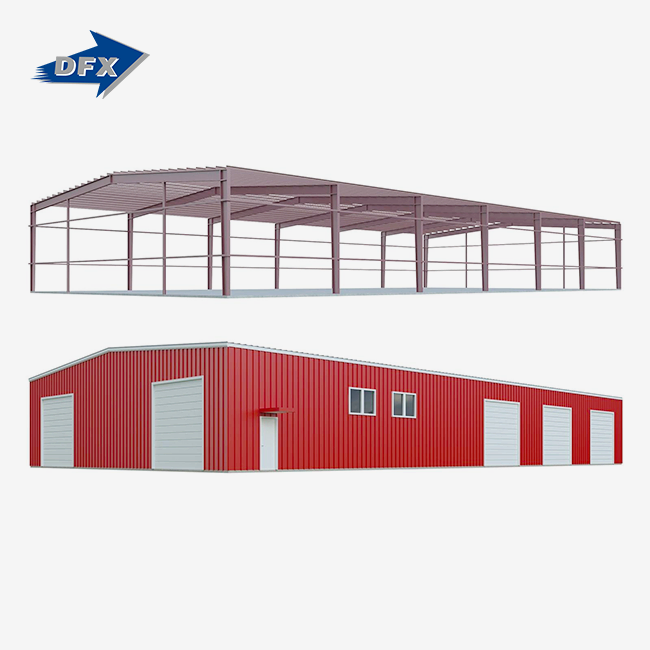
Universities all over the US are under more and more pressure to add more space while keeping costs low Steel Structure School Building and running efficiently. Steel Structure School Building options have become a game-changer because they cut down on both the costs of building and the work that needs to be done on a regular basis. By using prefabricated steel frames that can be put together in different ways, schools can save 20 to 30 percent on costs compared to using standard concrete or wood systems. They also get better durability and design freedom that will meet the needs of the campus for decades.
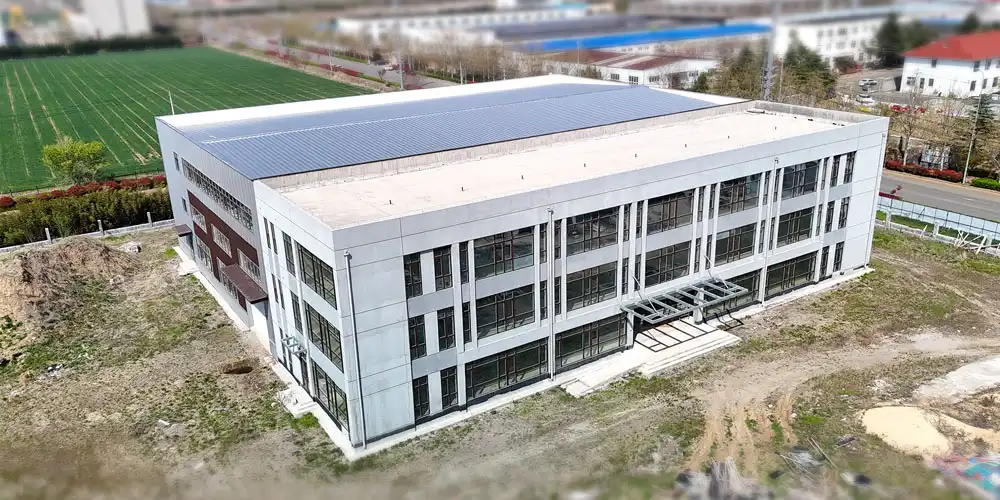
Understanding the Cost Challenges in University Construction
Schools that want to build new facilities or fix up old ones have a hard time affording to do so when they use traditional building methods. For concrete and wood-based systems, a lot of work has to be done on-site. Skilled workers have to mix, place, and cure materials for months in weather that is hard to predict. These delays throw off project plans, making due dates later than planned and raising the cost of labor. Material loss makes the problem worse. When you cut, shape, and change parts on-site using traditional building methods, you end up with a lot of waste. Universities make up for these wastes by spending more on supplies and keeping track of dumping costs. As building codes change and reviews take longer, following the rules adds another layer of difficulty. Universities have to pay opportunity costs when projects take too long. These include delayed enrollment, research projects, and longer temporary building rents that use up practical funds.
Hidden Expenses in Traditional Building Methods
In addition to the prices of construction, standard building materials have problems that need to be fixed over the life of the building. Especially in humid areas, wood buildings need to be treated regularly to keep them safe from damage from water and termites. Cracks and flaking in concrete require expensive fixes, especially in places where freeze-thaw cycles put stress on the structure. Also, these materials don't keep heat in or out very well, which means that buildings with badly insulated walls and roofs have higher HVAC costs. Many holes have to be dug and reinforced in order to build a foundation for a heavy concrete building. In unstable soil, special tools may be needed for deep pilings. Before any above-ground building starts, these groundwork costs can make up 15 to 20 percent of the total project cost. Universities in areas that are prone to earthquakes have extra engineering problems to deal with because Modular classroom buildings made of concrete need complex horizontal bracing systems and reinforcing grids to be safe.
How Steel Structures Revolutionize University Construction Costs
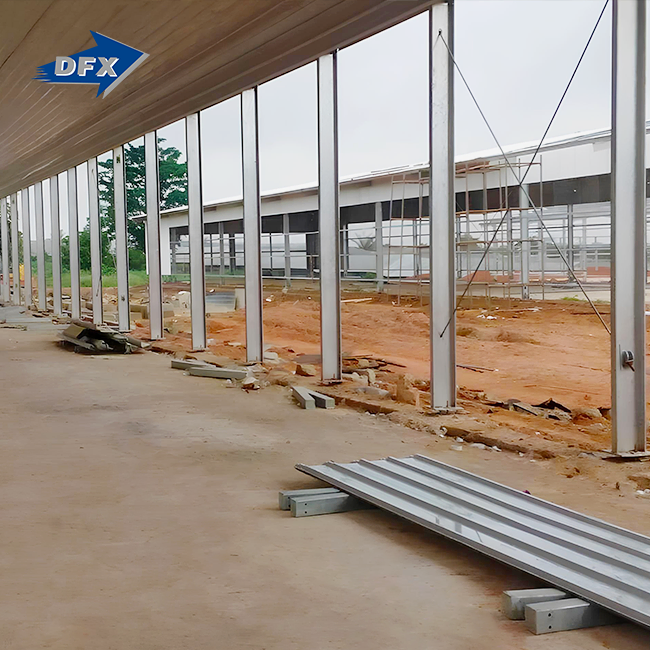
Prefabricated metal building systems change how much it costs to build on a site. Steel column-beam frames are made by companies like DFX using Q235 or Q355 grade steel in controlled workplace settings. Precise equipment makes sure that the dimensions are accurate to within 2 mm. This factory-based method gets rid of delays caused by bad weather and lets multiple project steps happen at the same time. For example, while foundations cure on-site, structural parts are welded, coated, and quality-tested off-site. Because steel frames are so light, they don't need as much support at the base. A normal steel structure weighs 30–40% less than a similar concrete building. This means that the footings can be smaller and less digging needs to be done. This means that less money will be spent on digging, pouring concrete, and doing math for structural engineers. Universities that build on difficult soil or places with high water tables benefit most from lower foundation loads because they don't have to pay for expensive soil stability or deep foundation systems.
Accelerated Project Timelines and Cash Flow Benefits
One of the best financial benefits of a steel building is its speed. The prefabricated parts come ready to be put together, and bolt joints are used instead of the time-consuming drying of concrete. Teams of builders put up more than 500 square meters of steel frames every week, compared to 200 square meters per week using old-fashioned ways. This speeding up cuts project timelines by 30 to 50 percent, so universities can open their new buildings during the planned school terms instead of missing enrollment periods. Getting things done faster directly improves managing cash flow. Shorter loan terms help universities save money on building loans and start getting their money back faster, whether it's through tuition, research funds, or better operations. Pre-made shipping plans make projects less likely to go over budget, which saves money. When parts arrive on time with quality certificates that have been checked, building managers don't have to deal with the change orders and repair work that come with regular builds. Material economy is something that needs extra attention. Computer-aided design systems make sure that cutting shapes and part sizes are perfect before production starts, so steel fabrication doesn't make a lot of trash.
Long-Term Maintenance Savings with Steel Structure School Buildings
Steel's lifetime value offering is its durability. When properly designed, steel frames don't fall apart as organic and masonry materials do. Steel doesn't rot, warp, or feed bugs, so it doesn't need to be treated and inspected as often as wood buildings do. Steel Structure School Building corrosion prevention methods, like hot-dip galvanization or improved epoxy coatings, work for decades Modular classroom without any repairs, even in salty coastal areas.
Energy Efficiency and Operational Cost Reductions
Modern steel building shells have high-performance insulation systems that work much better than old-fashioned wall structures. R-values higher than 30 are reached by sandwich panel systems with hard foam cores. These create thermal walls that lower heating and cooling loads by 25 to 40 percent. Metal panel walls with thermal breaks get rid of the conductive heat loss paths that are common in older buildings. In the summer, reflective roof coats keep the sun from heating up the building. Because of these thermal qualities, you will save money on your energy bills. Universities that have steel classroom buildings say that the energy costs are 30% less than those of similar concrete buildings. This is because the HVAC systems are smaller, as the load estimates are less complicated. Over the life of a building, these savings add up to millions of dollars that schools can put toward teaching programs instead of running costs. Natural air techniques and optimizing daylighting in building design further cut down on the time that mechanical systems have to run and increase the life of equipment. Fire protection is another benefit for insurance and upkeep. Steel framing with intumescent coatings keeps its structural stability for two to three hours during a fire, which is longer than what is required by code for school buildings.
Key Design and Procurement Considerations for Steel Structure University Buildings
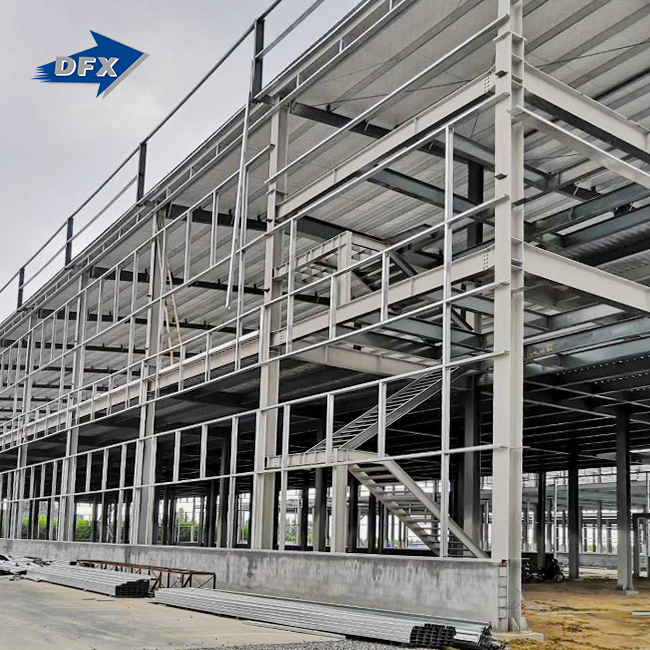
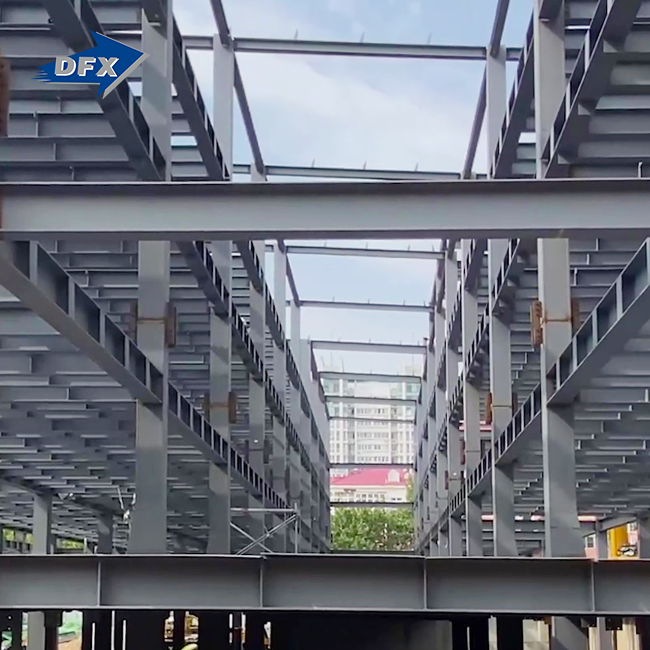
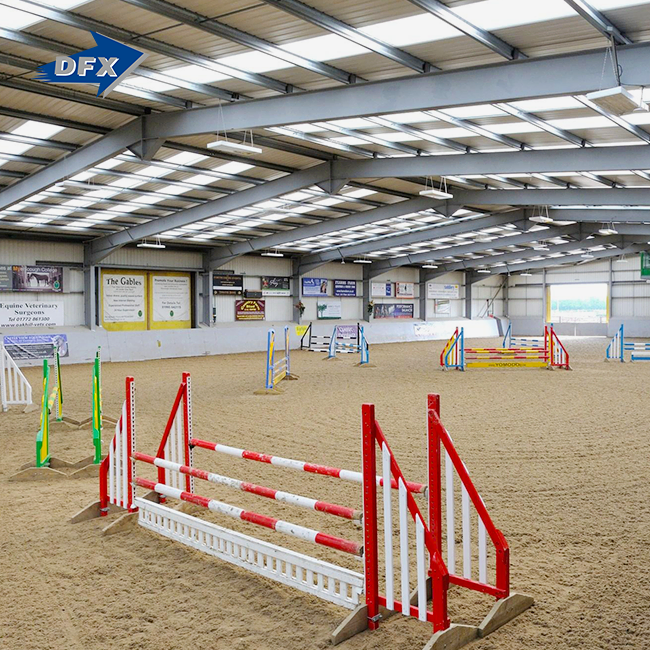
To choose the right structural system, you have to weigh a lot of technical and financial factors. Universities need steel grades that are strong enough and don't cost too much. For example, Q355B steel has a yield strength of 345 MPa and is good for multi-story academic buildings. For single-story buildings like gyms or storage facilities, Q235 grades are better because they are lighter. The steel column-beam frame system lets builders make flexible floor plans with wide open spaces that can be used for a variety of things, from labs to lecture rooms, without having to deal with columns getting in the way.
Supplier Qualification and Quality Assurance
When you work with certified manufacturers, you can be sure that they will follow both foreign and local building rules. DFX uses ISO 9001 quality control systems and has CE approval, which shows that they follow European building standards that are known all over the world. Managers in charge of buying things should make sure that sellers give them Mill Test Certificates that show the chemical makeup and mechanical qualities of the steel, as well as details on how to weld it that follow AWS D1.1 standards.In addition to raw materials, quality control also includes the steps used to make things. Reputable makers do pre-assembly tests in the workplace to make sure that the bolt holes line up and the parts fit together properly before they are shipped. This attention to detail keeps the project from needing expensive changes in the field when steel that wasn't made correctly comes. Ultrasonic checking of welds and magnetic
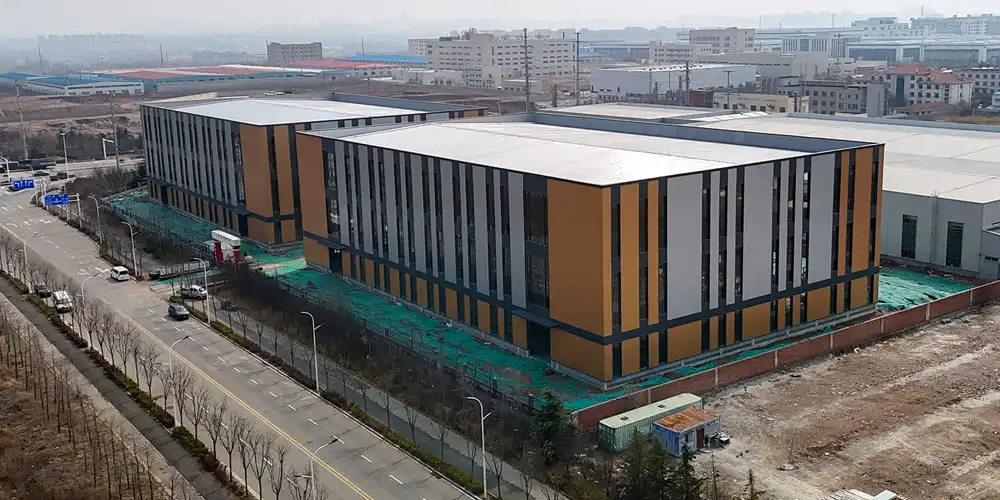
particle testing of links are two types of non-destructive testing that find flaws below the surface before they affect the structure's performance. With turnkey project skills, planning, fabrication, and installation can all be done by a single source, which speeds up the buying process. DFX does architectural layout design, structural calculations, and installation direction, so there are no gaps in how the work of different vendors is coordinated.
Why Steel Structures Are the Preferred Choice for University Expansion & Renovation
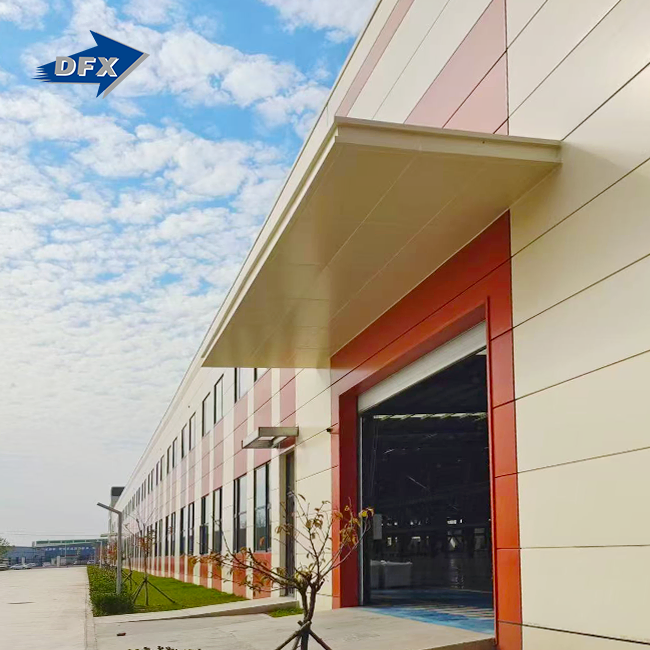
Campus growth doesn't usually happen on "greenfield" sites; most universities have to build in places where classes, study, and student life can continue as usual. When space is limited, prefabricated steel building works best because it causes the least amount of damage to the place. The parts come already finished and ready to put together, so there aren't any concrete mixing trucks, material piles, or long platforms that get in the way of people walking and make noise.
Seismic Performance and Safety Standards
The high strength-to-weight ratio of structural steel makes it very resistant to earthquakes, which is very important for colleges on the West Coast that are in earthquake zones. Because the material is flexible, frames can bend and stretch during earthquakes, collecting energy without falling apart completely. This performance trait lowers the cost of designing for earthquakes compared to brick systems that are more likely to break and need a lot of support. Universities in areas with earthquake activity codes find that steel buildings are more cost-effective than other materials for meeting strict drift limits and lateral force resistance standards. Modular building methods allow for phased site development that fits with rising numbers and available funds. Universities can make master plans that include standard sizes for steel bays and details for how they link to each other. This lets them add on in stages while keeping the overall design consistent. A classroom wing built today can easily be expanded into a lab in the future, thanks to structurally suitable connections. This saves money on removal, safe steel structure, and rebuilding costs that come up when buildings aren't planned for growth.
Conclusion
Steel construction is a great way for universities to save money on building projects because it lowers the original costs, speeds up the construction process, and requires less upkeep. Steel Structure School Building systems are smart investments for schools that need to meet growing building needs while staying within tight budgets because they are prefabricated efficiently, offer design freedom, and last a long time. Procurement professionals can be sure of predictable project outcomes that improve school infrastructure while keeping money for core educational goals by working with experienced manufacturers that offer combined design-build services.
FAQ
1. What cost savings do steel buildings provide compared to traditional construction?
Steel buildings always have 20–30% lower total project costs than concrete or wood options, according to data from the industry. These savings come from lower foundation costs, shorter building plans that lower financing costs, less work that needs to be done, and less waste of materials. Universities also save a lot of money on operations thanks to boxes that use less energy and less upkeep over the life of the building.
2. How do steel buildings perform in different climate conditions?
Modern steel building works well in a wide range of climates thanks to its improved insulation and protective coatings. Low-cost roof systems that reflect light help keep cool places cooler, while high-R-value sandwich panels keep heat inside during cold places. Universities near the coast require marine-grade galvanization with a zinc covering density of more than 600g/m² to protect against salt-spray rusting. Manufacturers design ventilation systems and moisture shields that work with the humidity and weather trends in a certain area.
3. What are typical lead times for prefabricated steel school buildings?
Project timelines are different depending on the size and complexity of the building, but most prefabricated steel structures go from being approved for design to being occupied in 6 to 10 months. Fabrication in the factory usually takes 8 to 12 weeks, and erection on-site can take 4 to 8 weeks, based on the size of the building. Compared to traditional building, this cuts the time needed by 40%, so universities can meet academic cycle goals and keep enrollment from being affected.
Partner with DFX for Your Next University Building Project
With more than 12 years of experience, DFX has been making steel construction options for schools all over the world. Our Qingdao factory is 40,000 square meters and has six automatic H-beam welding lines. It also has 200 skilled workers who follow ISO 9001 quality systems and are CE certified. We offer full turnkey services, from the initial architectural layout design and structural calculations to manufacturing and on-site installation advice. This makes sure that procurement managers and university engineers can focus on other tasks while the project is being carried out. Our steel column-beam frames, made from Q235/Q355 grade steel and composite floor systems, give modern schools the strength and flexibility they need. Whether you're planning multi-story office buildings or single-story sports centers, DFX can help. Their custom solutions are in line with local building codes and come with a lot of quality paperwork. Get in touch with our team at jason@bigdirector.com to talk about your project needs with a skilled Steel Structure School Building supplier and get specific technical offers that fit your budget and time frame.
References
1. American Institute of Steel Construction. (2021). Steel Construction Manual: Cost Comparison Studies for Educational Facilities. Chicago: AISC Press.
2. Johnson, M. & Patterson, R. (2020). Lifecycle Cost Analysis of University Buildings: Material Performance Over 50 Years. Journal of Construction Engineering and Management, 146(8), 04020091.
3. National Clearinghouse for Educational Facilities. (2019). Prefabricated Metal Building Systems in Higher Education: Design and Procurement Guidelines. Washington, DC: NCEF Publications.
4. Thompson, L. (2022). Seismic Performance of Steel-Framed Educational Buildings: Case Studies from California Universities. Earthquake Spectra, 38(2), 1243-1267.
5. U.S. Green Building Council. (2021). Sustainable Construction Materials for Campus Development: Steel's Role in LEED Certification. USGBC Research Report Series.
6. Williams, K. & Chen, H. (2020). Energy Efficiency in University Buildings: Thermal Performance of Metal Building Systems. Building and Environment, 185, 107240.
Learn about our latest products and discounts through SMS or email