- English
- French
- German
- Portuguese
- Spanish
- Russian
- Japanese
- Korean
- Arabic
- Greek
- German
- Turkish
- Italian
- Danish
- Romanian
- Indonesian
- Czech
- Afrikaans
- Swedish
- Polish
- Basque
- Catalan
- Esperanto
- Hindi
- Lao
- Albanian
- Amharic
- Armenian
- Azerbaijani
- Belarusian
- Bengali
- Bosnian
- Bulgarian
- Cebuano
- Chichewa
- Corsican
- Croatian
- Dutch
- Estonian
- Filipino
- Finnish
- Frisian
- Galician
- Georgian
- Gujarati
- Haitian
- Hausa
- Hawaiian
- Hebrew
- Hmong
- Hungarian
- Icelandic
- Igbo
- Javanese
- Kannada
- Kazakh
- Khmer
- Kurdish
- Kyrgyz
- Latin
- Latvian
- Lithuanian
- Luxembou..
- Macedonian
- Malagasy
- Malay
- Malayalam
- Maltese
- Maori
- Marathi
- Mongolian
- Burmese
- Nepali
- Norwegian
- Pashto
- Persian
- Punjabi
- Serbian
- Sesotho
- Sinhala
- Slovak
- Slovenian
- Somali
- Samoan
- Scots Gaelic
- Shona
- Sindhi
- Sundanese
- Swahili
- Tajik
- Tamil
- Telugu
- Thai
- Ukrainian
- Urdu
- Uzbek
- Vietnamese
- Welsh
- Xhosa
- Yiddish
- Yoruba
- Zulu
Customize Your Steel Warehouse Building To Improve Operations
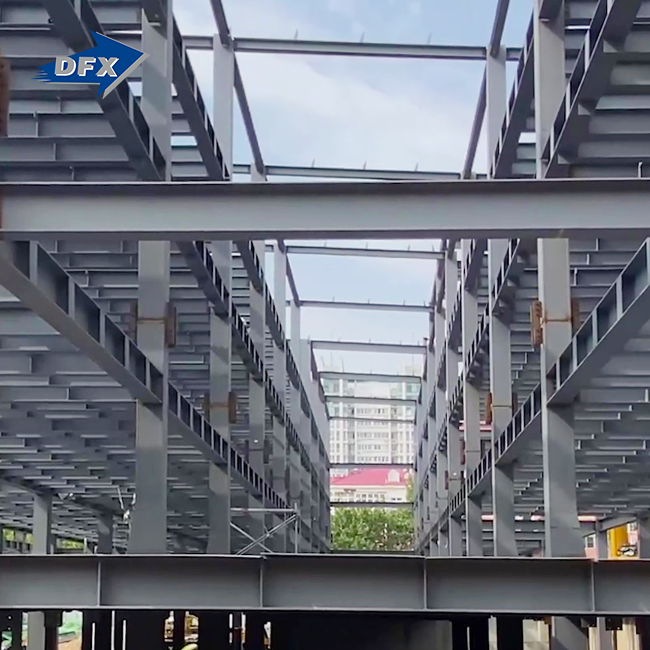
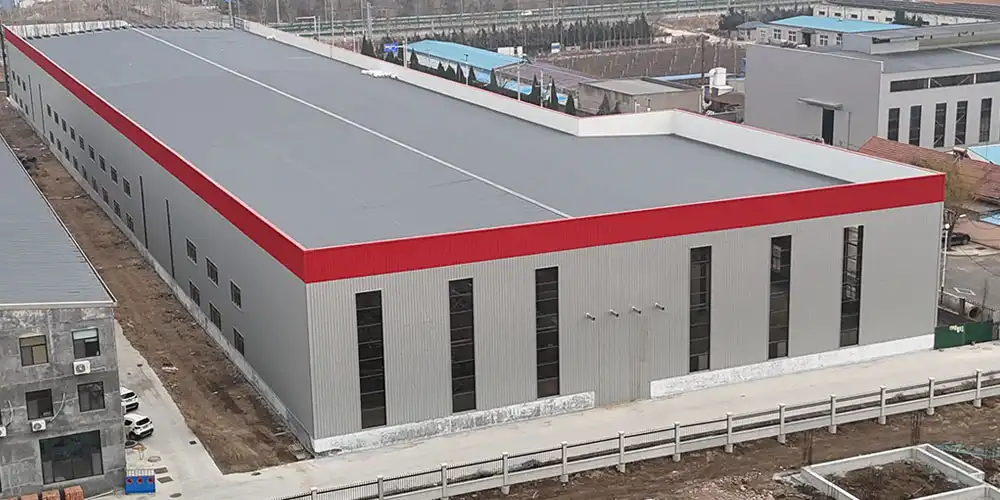
A Custom Industrial Steel Warehouse is the perfect place for your operations when they need more than just a basic cover. It is carefully designed to fit your business needs. These modular prefabricated steel storage buildings are made up of H-beam primary steel frames, galvanized C/Z purlins, and bracing systems. They can be used as transportation stores, storage centers, or distribution hubs because they are flexible. Customized metal buildings, on the other hand, are made to fit specific needs like load limits, climate control requirements, and space arrangements. These factors have a direct effect on the daily productivity and long-term profits of construction companies, manufacturing businesses, and farming businesses.
Understanding Custom Industrial Steel Warehouses and Their Benefits
What Makes Steel Warehouses Superior to Traditional Construction
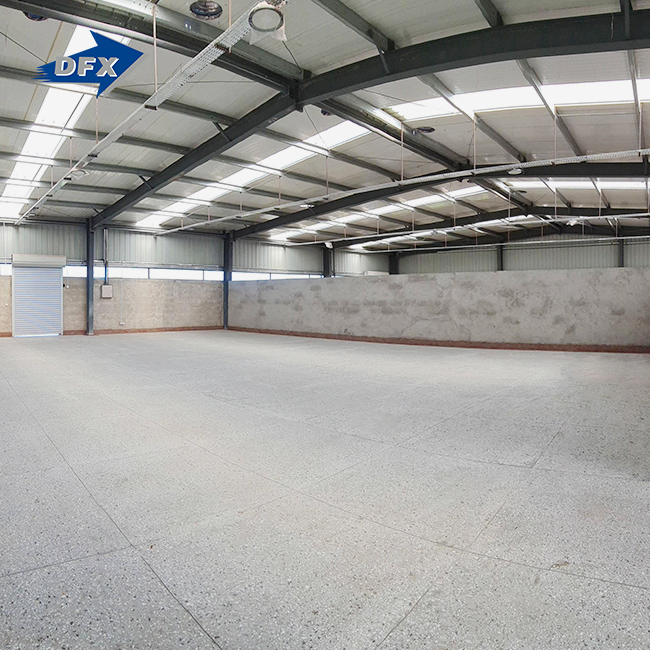
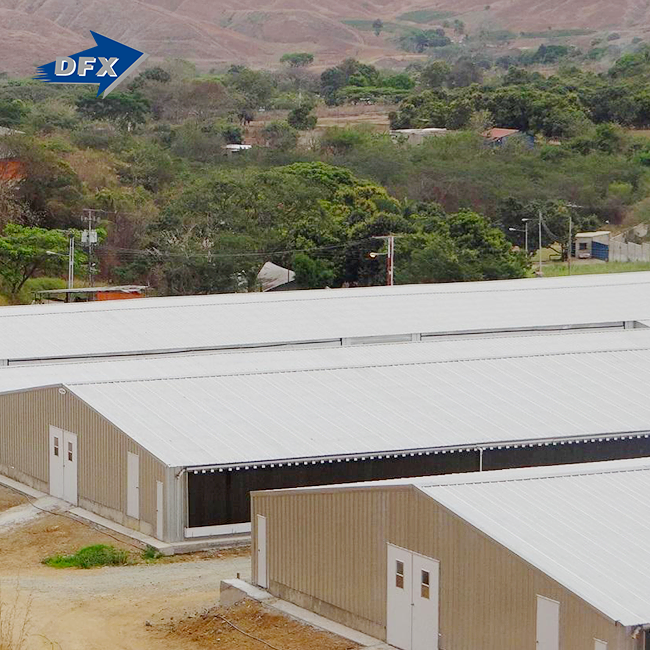
In ways that matter to project managers and buying heads, steel structures work better than other types of building materials. The high tensile strength of Q355B steel frames lets them have clear spans of more than 30 meters without any internal poles. This makes the most of the storage space that can be used. This gets rid of the things that get in the way of forklifts and make inventory control harder. A Texas factory increased the size of its assembly line by 40% after replacing a concrete building with a steel one. This shows that choosing the right materials can lead to real practical gains. Durability goes far beyond the original building. Hot-dip galvanizing with 85-micron zinc coatings keeps structural parts from rusting in harsh settings where chemicals or coastal humidity speed up the breakdown process. Agricultural businesses that keep chickens or other animals as pets will benefit the most, since ammonia-rich air corrodes metals in just a few years. When steel frames are properly treated, they keep their structural stability for decades with little maintenance. This lowers the lifetime costs that eat up capital budgets.
Modular Flexibility for Evolving Business Needs
Steel buildings that are already built can be changed to fit the needs of a business. Bolt-connected assemblies allow for lengthwise development without tearing down existing buildings, which is a huge benefit for businesses that are growing. In Louisiana, an EPC contractor added 5,000 square feet to their equipment storage building in six weeks while keeping their business running. Because the modules are separate, businesses can use phased investment strategies to build up their infrastructure as their income grows, rather than investing capital too soon. Engineered cooling performance leads to better energy economy. Polyurethane sandwich walls that are 200 mm thick stop heat from moving around and keep the temperature inside stable, which protects sensitive goods and lowers HVAC costs. When compared to options that aren't well insulated, cold chain logistics operators, such as Tailored Metal Building, say they save more than 30% on energy costs. This has a direct effect on profit margins in competitive markets where running costs determine bidders' ability to win.
How to Design Your Industrial Steel Warehouse for Maximum Efficiency
Spatial Layout Strategies That Enhance Workflow
Analyzing how materials move and what equipment is needed is the first step in designing a warehouse that works well. Automated systems for storage and recovery work best with high-bay layouts, while heavy machinery that needs an overhead crane works best with lower profiles. Arkansas's chicken processing plant improved its layout by putting receiving docks across from cold storage. This cut the time it took to handle products by 22 minutes per shift. These kinds of changes add up over the course of a year's work and lead to big drops in worker costs. The clear span measurements show how much space can be stored and how flexible the work can be. When you get rid of internal columns, you get clear floor room where pallet rack systems can store things more vertically. Reconfigurable shelving is very helpful for distribution centers that deal with a lot of different SKU counts because it can adapt to yearly changes in inventory without having to make any structural changes. During the early stages of the design process, project engineers should define the column spacing because limits on retrofitting make future flexibility harder.
Climate Control and Insulation Considerations
Thermal bridging at purlin joints hurts the performance of insulation if it is not fixed. When applied to cold-formed C/Z purlins, thermal break tapes stop condensation that damages goods and speeds up rusting. Pharmaceutical wholesalers that have to stick to strict temperature ranges ask for air barriers with R-values higher than 30 to make sure they follow the rules and keep the quality of the product. Ridge ventilators and powered exit fans work with insulation systems to keep the inside and outside temperatures the same. This keeps wetness from building up, which is what mold needs to grow.
Industrial Steel Warehouse Construction Process Explained
Partnering with Certified Manufacturers
Quality control starts with choosing the right provider. Manufacturers who have both ISO9001 certification and EN1090 execution class compliance show that they are dedicated to standard processes that lower the number of defects. Spectrographic analysis is used to ensure that the steel composition meets the required mechanical qualities. This keeps structures from falling apart because of alloys that aren't up to par. Director Steel has been making things for 12 years and makes sure that every batch of steel goes through strict mill test certificate verification and tensile strength testing. This makes sure that the 20,000 tons of steel that are made every year are all the same. The strength of a structure depends on how well the welds are done. Ultrasonic testing and methods that are in line with AWS D1.1 can find holes inside full-penetration butt welds, and magnetic particle screening can find Tailored metal building cracks on the surface of fillet welds. These non-destructive testing methods keep things from breaking down badly when cranes are working or when heavy snow is loaded. Directors of procurement should check the quality control methods of manufacturers and make sure that inspection paperwork is sent with all shipped parts.
Budget Management and Pricing Transparency
The price of a steel building is usually between $18 and $35 per square foot, but this depends on how complicated the structure is, whether a crane is needed, and how much insulation is needed. Simple storage buildings are cheaper, while temperature-controlled buildings with big cranes are getting closer to being expensive. To find ways to save money, procurement managers should ask for detailed quotes that break down steel manufacturing, material supply, shipping, and installation instructions. Financing choices affect how possible a job is. Lease-purchase agreements help companies that are spreading their resources across multiple expansion projects keep their operating cash. Agricultural businesses often use USDA Rural Development loans, which have good terms, to invest in equipment that makes output more efficient. Knowing the different ways to get money for projects lets decision-makers move forward with them even if they might use up all of their cash savings.
Choosing the Right Custom Steel Warehouse Solution for Your Business
Comparing Custom-Built Versus Prefabricated Options
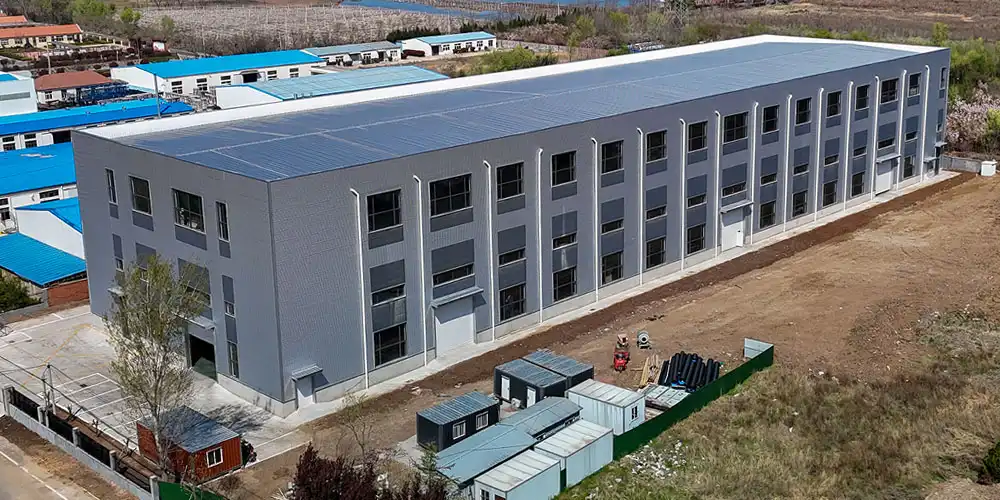
Fully customized warehouses can meet specific business needs that can't be met by standard buildings. For chemical storage sites that need explosion-proof ventilation systems and special epoxy phenolic coatings, custom engineering is needed in addition to premade options. Regulations for dangerous materials require containment fences and spark-resistant parts, which means working with designers who know about NFPA codes and OSHA safety standards. For everyday tasks, prefabricated modular solutions are cheaper than other options. Standardized designs cut engineering costs by 25%, which is helpful for distribution centers that need simple rectangular layouts. Manufacturers keep extras of popular parts on hand, which cuts down on delivery times and lets projects start in weeks instead of months. EPC workers who are in charge of multiple projects at the same time, like how predictable premade solutions are for coordinating schedules.
Evaluating Supplier Credentials and Track Records
Certification files show what a company can do and how committed they are to quality. CE marking shows that something meets European safety standards, which helps companies that do business around the world sell more. The EN1108 certification shows that the person is qualified to work on complicated structural systems where tight tolerances keep performance problems from happening. Director Steel has invested in infrastructure to support regular output quality. These include ISO quality control systems and 40,000 square meters of enclosed production space. Post-installation assistance is what sets long-term partnership-focused providers apart from transactional ones. If problems show up during the early stages of operation, you can get help through comprehensive guarantees that cover the structure's stability. As businesses change, facilities need to adapt, so technical help for future additions or changes is valuable even after the building is finished. When choosing partners for mission-critical infrastructure, procurement managers should look at how Heavy industry quick suppliers are and how well they can provide local service.
Maintenance Tips and Longevity Optimization for Steel Warehouses
Proactive Inspection and Corrosion Prevention
Visual checks done once a year find early signs of wear and tear before they get bad enough to need expensive fixes. White rust on galvanized surfaces means that the zinc layer is wearing off. This means that touch-ups are needed, which are very cheap compared to replacing the structural part. Marine settings speed up corrosion, so sites near the coast need to be inspected every six months. Maintenance arrangements with structure experts make sure that trained workers can find small signs that untrained people might miss. Maintenance of the coating method makes structures last decades longer. Epoxy zinc-rich primers that protect steel in C4/C5 corrosivity settings need to be re-coated every five to seven years, based on how bad the exposure is. The results of salt spray tests are used to plan upkeep, which stops rust from getting worse and lowers the load-bearing capacity. Agricultural buildings that house animals can be cleaned with high-pressure water every so often to get rid of ammonia buildups before they cause chemical damage.
Energy Efficiency Enhancements
Improvements to insulation pay for themselves quickly because they lower energy costs. In places with extreme weather, adding higher R-value panels to old buildings cuts heating and cooling costs by 40%. When motion sensors are paired with LED lighting upgrades, less electricity is used. This helps meet sustainability goals while cutting down on running costs. Rising energy costs cut into manufacturing companies' profit margins, so investing in the economy is now a must rather than a choice. Optimizing a ventilation system means finding a balance between the need for fresh air and the loss of heat. With occupation and temperature sensors, variable-speed exhaust fans change the flow of air, so they don't lose energy by running all the time. During mild weather, natural airflow through roof vents and sidewall louvers shortens the time that the mechanical system has to run. This makes equipment last longer and uses less electricity. These steps are in line with business responsibility efforts that are having a bigger impact on buying choices in all B2B industries.
Conclusion
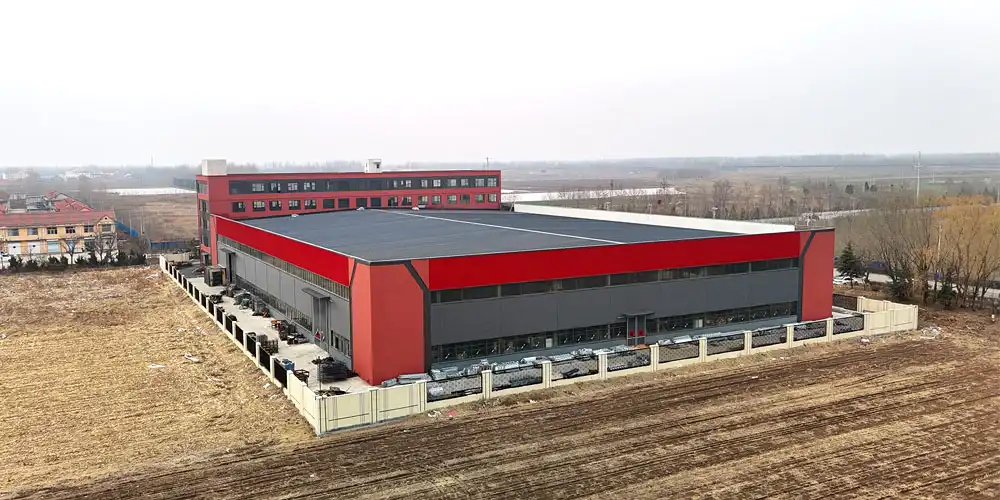
By matching infrastructure with specific process needs and environmental challenges, customizing your steel warehouse building changes how efficiently it runs. Strategic decisions made at each stage of a project add up over the lifetime of the building. These decisions affect everything from the original layout of the space and the amount of weight that will be put on it to the ongoing upkeep that protects long-term investments. The modular freedom of prefabricated steel construction lets businesses grow without having to redo, which costs a lot of money. Additionally, the buildings' high durability and energy efficiency lower lifetime costs that affect their ability to compete. Working with certified makers who have strict quality control and offer help after installation ensures that projects give the value that was promised for decades to come.
FAQ
1. Can steel warehouses support retrofitted heavy equipment like overhead cranes?
Adding a lot of crane power after the building has already been built is very hard. Frames that aren't already designed to handle dynamic loads need to have runway beams and reinforced columns installed, which can add up to 60% to the cost of building a new house. Specificating expected crane needs during the design phase saves the most money because it lets structural engineers use bigger H-beam flanges and the right bracketry from the start. Planning for future crane installation gives you operating freedom at a low extra cost, even if it's not planned to be installed right away.
2. How do steel buildings perform in regions with extreme temperature variations?
With the right insulation, steel buildings can keep their interiors safe in all kinds of weather. Facilities in northern states choose high-R-value polyurethane panels to keep heat in during subzero winters, while facilities in the south choose shiny roof coats to keep heat in. The most important thing is to deal with thermal bridging at structural links, which happens when metal conducts temperature differences and increases the risk of condensation. These paths are blocked by thermal break materials, which keep the insulation working well throughout the building shell.
3. What maintenance obligations come with galvanized steel structures?
Galvanized coats protect against rust for decades with little upkeep. Inspections once a year that find damage to the layer allow quick touch-ups that stop rust from spreading. Facilities near the coast need to be checked on more often because salt water speeds up the loss of zinc. Maintenance funds are usually set aside $0.15 to $0.30 per square foot per year for inspections and small fixes. This is a lot less than what is needed for concrete buildings that need crack sealing and spall remediation.
Partner with DFX for Your Steel Warehouse Manufacturing Needs
Director Steel has more than 12 years of experience in Custom Industrial Steel Warehouse building precision-engineered steel structures that improve operations in the industrial, agriculture, and transportation sectors. Our 40,000-square-meter production plant has six automated welded H-beam lines, as well as specialized sandwich panel and C/Z section steel production. It can produce 20,000 tons of steel each year and has ISO9001 and CE certifications. As a reliable seller, we offer a wide range of services, including engineering calculations, fabrication, transportation planning, and advice on how to put things together. These services make sure that your project goes smoothly from the idea stage to the commissioning stage. Our in-house architectural design team works with sourcing managers and project engineers to make the best layouts, choose the right materials, and include plans for future growth that protect long-term investments. Get in touch with jason@bigdirector.com to talk about how our turnkey solutions can meet your needs and help you get up and running faster.
References
1. American Institute of Steel Construction (AISC). Steel Construction Manual, 15th Edition. Chicago: AISC, 2017.
2. Newman, Alexander. Industrial Facility Design and Material Handling. New York: McGraw-Hill Professional, 2019.
3. Salmon, Charles G., and John E. Johnson. Steel Structures: Design and Behavior, 5th Edition. Upper Saddle River: Pearson Education, 2008.
4. Trahair, N.S., and M.A. Bradford. The Behaviour and Design of Steel Structures to EC3, 4th Edition. London: Taylor & Francis, 2017.
5. Pham, Long. "Life-Cycle Cost Analysis of Steel Versus Concrete Industrial Buildings." Journal of Construction Engineering and Management 145, no. 8 (2019): 04019058.
6. Galambos, Theodore V. Guide to Stability Design Criteria for Metal Structures, 6th Edition. Hoboken: John Wiley & Sons, 2008.
Learn about our latest products and discounts through SMS or email