- English
- French
- German
- Portuguese
- Spanish
- Russian
- Japanese
- Korean
- Arabic
- Greek
- German
- Turkish
- Italian
- Danish
- Romanian
- Indonesian
- Czech
- Afrikaans
- Swedish
- Polish
- Basque
- Catalan
- Esperanto
- Hindi
- Lao
- Albanian
- Amharic
- Armenian
- Azerbaijani
- Belarusian
- Bengali
- Bosnian
- Bulgarian
- Cebuano
- Chichewa
- Corsican
- Croatian
- Dutch
- Estonian
- Filipino
- Finnish
- Frisian
- Galician
- Georgian
- Gujarati
- Haitian
- Hausa
- Hawaiian
- Hebrew
- Hmong
- Hungarian
- Icelandic
- Igbo
- Javanese
- Kannada
- Kazakh
- Khmer
- Kurdish
- Kyrgyz
- Latin
- Latvian
- Lithuanian
- Luxembou..
- Macedonian
- Malagasy
- Malay
- Malayalam
- Maltese
- Maori
- Marathi
- Mongolian
- Burmese
- Nepali
- Norwegian
- Pashto
- Persian
- Punjabi
- Serbian
- Sesotho
- Sinhala
- Slovak
- Slovenian
- Somali
- Samoan
- Scots Gaelic
- Shona
- Sindhi
- Sundanese
- Swahili
- Tajik
- Tamil
- Telugu
- Thai
- Ukrainian
- Urdu
- Uzbek
- Vietnamese
- Welsh
- Xhosa
- Yiddish
- Yoruba
- Zulu
Industrial Cold Storage Steel Warehouse for Food & Pharma
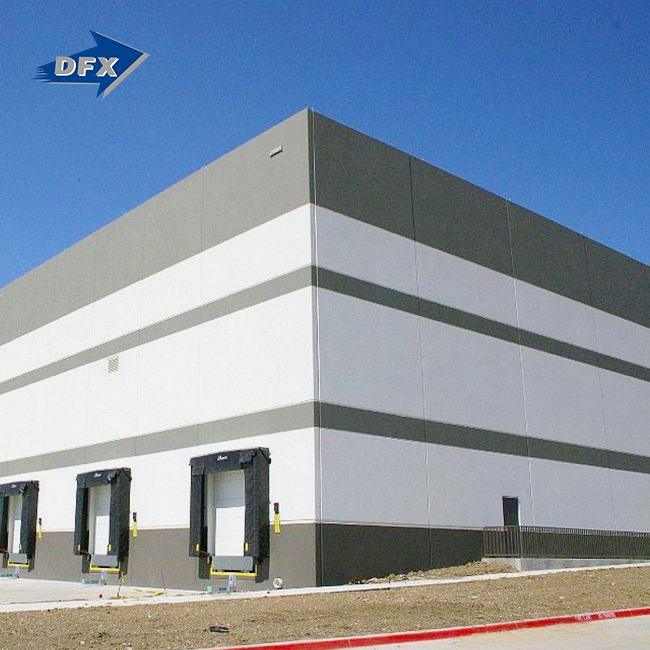
Industrial sites that Cold Storage Steel Warehouse need to store fragile foods and medicines that need to be kept at a certain temperature need more than just basic refrigerators. The Cold Storage Steel Warehouse is a special kind of pre-engineered building system that uses strong structural steel frames and high-performance thermal insulation to keep specific temperature zones, from cold storage to deep freeze, all the time. These flexible prefabricated structures solve important problems in cold chain logistics, like temperature bridging, energy waste, and the need for quick deployment, while also making sure they meet strict FDA, USDA, and GMP standards for product safety and integrity.

Understanding Cold Storage Steel Warehouses for Food & Pharma
Modern supply chains that handle fragile goods are held together by temperature-controlled storage spaces. Unlike regular warehouses, these special buildings combine technical precision with operating efficiency to keep millions of dollars' worth of goods from breaking down.
Why Steel Structures Dominate Cold Storage Applications
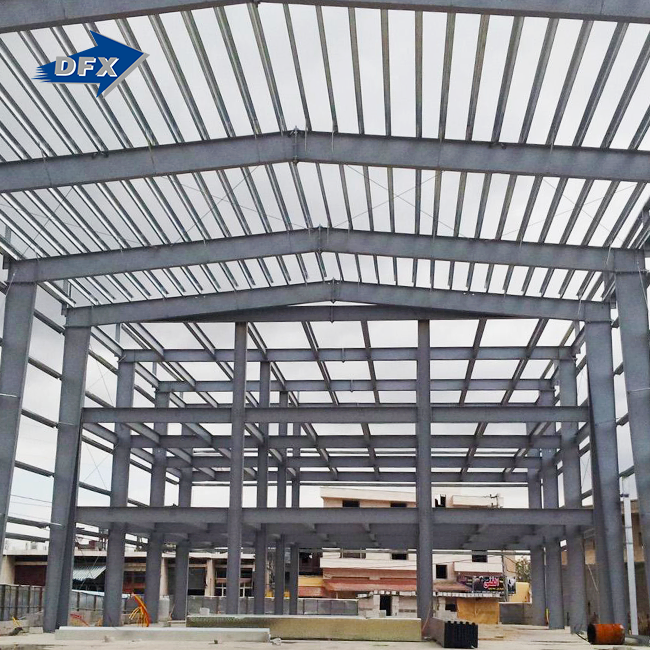
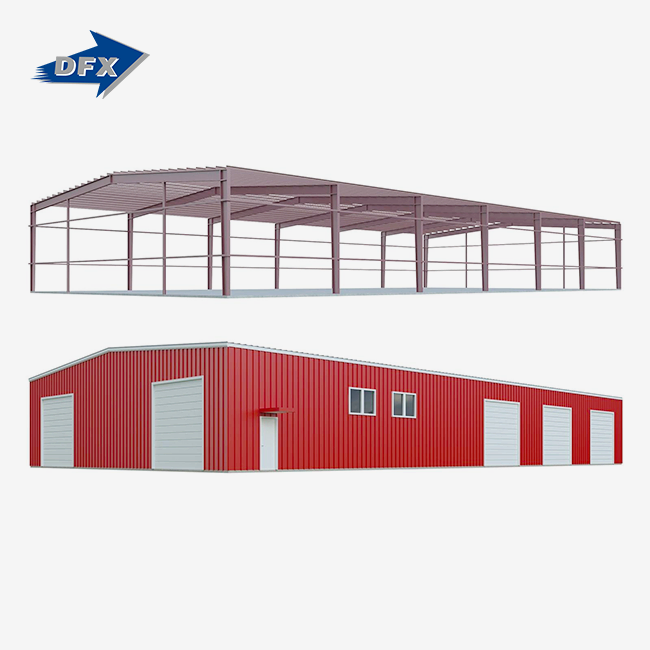
When it comes to temperature-controlled spaces, steel-framed buildings are the best. The H-beam main steel frame and galvanized C/Z purlins give the building great strength-to-weight ratios. This lets architects make big, clear-span designs that make the most of useful floor space without internal columns getting in the way of storage plans or forklift operations. This structural economy is very helpful when setting up automatic retrieval systems or high-density shelving systems. When things are made in controlled factories, the quality is always the same, which is hard to do when building things on-site. Compared to regular concrete buildings, 40% less time is needed to build because parts are delivered already made and ready to be put together. This edge in speed-to-operation means faster return on investment (ROI) for investors and contractors who are working on tight project plans.
Meeting Regulatory Requirements Across Industries
Food storage facilities have to follow HACCP rules and FDA 21 CFR Part 110 rules about cleanliness, getting rid of pests, and keeping food from getting contaminated. Steel panels with smooth, non-porous surfaces make cleaning easier, and parts that are sealed keep bacteria and pests from hiding. Pharmaceutical stores that follow GMP guidelines benefit from finishes that are good enough for a clean room and dust-free details that keep the storage area germ-free.
Key Design and Performance Considerations
Understanding how structural design affects running costs and regulatory Cold chain logistics compliance over the facility's lifetime is key to making choices about what to buy.
Insulation Technology That Controls Energy Consumption
Both the safety of the product and the cost of running it depend on its thermal performance. Sandwich panels made of polyurethane and polyisocyanurate have densities between 40 and 42 kg/m³ and have thermal conductivity values as low as 0.024 W/(m·K). This great insulation keeps heat from escaping, which lowers the need for cooling and the electricity costs that come with it. Usually, 50–70% of cold storage funds are spent on energy. How thick a panel is chosen depends on how hot or cold it needs to be stored. Facilities that keep the temperature at -25°C usually need panels that are 150 to 200 mm thick. Pharmaceutical cold rooms that keep the temperature at +2°C to +8°C work well with panels that are 100 to 120 mm thick. Thermal break technology at the places where the frame and panels are connected stops dampness and gets rid of cold bridges that make insulation less effective.
Energy Management Systems: Reducing Carbon Footprints
Demand for refrigerator systems that use less energy is driven by efforts to be more environmentally friendly. Instead of running all the time at full capacity, variable-frequency drive compressors change how much cooling they do based on how much load they are facing. When compared to regular lights, LED lighting systems with motion sensors use 60% less electricity while still meeting safety standards for minimum illumination. Putting solar panels on large roofs balances out the energy that is used by the grid. A 10,000-square-meter warehouse roof can hold 500kW of solar panels, which can produce about 650,000 kWh per year in the best sites. This use of green energy lowers the total cost of ownership by a large amount and is in line with companies' environmental goals.
Comparative Analysis: Steel Warehouses vs Alternatives
To make an informed purchase, you need to know how the performance of different tools and building methods differs.
Construction Speed and Flexibility Advantages
Usually, it takes 12 to 18 months from the time the foundations are broken to the time the warehouse is ready for use. Parallel processing in steel buildings cuts this time down to 6–9 months; base work continues while structural parts are made in the fabrication shop. On-site assembly only takes 8–12 weeks for a 5,000-square-meter building, which cuts down on storage costs and speeds up the process of making money. Steel construction is different from concrete construction because it can be changed easily. Simple structure changes are needed to add loading docks, increase floor space, or improve shielding systems. Concrete buildings are hard to change when business needs change because they are expensive to tear down and rebuild.
Scalability for Growing Operations
Refrigerated bins are good for short-term or small-scale storage, but they can't be used for large-scale industrial activities. There are only 67 cubic meters of useful room in a 40-foot refrigerated container, and it costs $12,000 to $15,000 a year to rent one. Steel buildings can hold 75–150 times as much and cost 80% less per cubic meter. They also keep temperatures more stable and can work with Cold chain logistics material handling systems.

Procurement and Implementation Guide for Buyers
To complete a project successfully, you need to choose production partners with a track record of success and a wide range of service offerings.
Evaluating Supplier Qualifications and Certifications
Verification of the seller is the first step in quality assurance. ISO9001 approval shows that there are well-established quality management systems that control the manufacturing process, the tracking of materials, and the testing procedures. When structural designs get the CE marking, it means they meet the requirements of the European standard EN1090 for steel construction. This is a widely accepted proof of engineering skill. Before agreeing to a relationship, look into the manufacturer's output capabilities. Automated welding lines make sure that structure links are always the same, and high-tech cutting tools keep the tight tolerances needed for panel fit-up. Six automatic H-beam production lines and specialized C/Z purlin roll-forming equipment show that facilities can handle big projects without exporting important parts, which could lower quality control.
Turnkey Service Models Streamlining Project Execution
Offering a wide range of services makes buying easier and lowers the risk of mistakes. Engineering calculation services make sure that structure plans are the best they can be for the site's wind loads, seismic needs, and roof snow loads while using the least amount of materials possible. Fabrication that is done under controlled conditions guarantees better quality than field-welded options. All main structure welds are checked for flaws using ultrasound and magnetic particles. When shipping parts, logistics planning is very important. To keep shipments from being late, experienced providers help with planning containerization, preparing paperwork, and clearing customs. On-site assembly help from detailed installation instructions and remote technical support makes it easy for local workers to finish the job quickly, even if they haven't built a cold storage facility before.
Project Timeline and Budget Management
Adequate planning takes into account things like design approval, the time it takes to make, the time it takes to ship, and the time it takes to put together on-site. Engineering and getting approvals for a normal 8,000-square-meter warehouse project take 6–8 weeks. Fabrication takes 10–12 weeks, ocean freight takes 4–6 weeks, and base and assembly work takes 10–12 weeks. Setting clear milestones, sandwich panels, and tying payment plans to stages of completion protects the buyer's interests and keeps the manufacturer's cash flow going so they can buy materials.
Maintenance, Safety, and Compliance
For operational success to happen, building performance, worker safety, and following the rules must always be taken into account.
Preventive Maintenance Extending Asset Lifespan
Inspections that are planned ahead of time find possible problems before they stop activities. Reviewing door seals, panel joints, and structural links every three months finds wear patterns early. Once a year, thermal imaging scans find insulation that is breaking down or moisture getting in that can't be seen during visual checks. Digital elcometers are used to measure the thickness of coatings to make sure that protective finishes keep their coverage, which means that they need to be reapplied before rust starts. Maintenance on a refrigeration device is done at the times suggested by the manufacturer. Analyzing the compressor oil, checking the refrigerant charge, and cleaning the condenser coil all improve efficiency and keep you from having to pay for expensive fixes in an emergency. Setting up maintenance contracts with qualified service providers ensures that problems are fixed quickly, which lowers the risk of losing products while the system is down.
Safety Standards Protecting Personnel and Products
Temperature-controlled spaces have their own risks that need special safety rules. People can get out of freezers when the power goes out thanks to emergency exit lights and door release devices inside the doors. Oxygen tracking systems let workers know when refrigerant leaks take away the air that is needed for breathing. Personal safety equipment standards talk about how to keep workers from getting cold stress when they have to work in subzero temperatures for long amounts of time. Product safety depends on tracking tools that work well. Continuous temperature recorders with remote warning notice allow monitoring 24 hours a day, seven days a week, without having people on-site. When the power goes out, backup power systems keep important refrigeration running. Generator auto-start controls return power within 30 seconds of detecting a loss, keeping temperatures from rising too high or too low, which could damage stored goods.
Regulatory Compliance and Documentation Requirements
Food and drug sites have to follow strict checking rules. Keeping thorough records of things like checking the temperature, cleaning methods, pest control activities, and training for employees is required by regulatory checks. Calibration papers for monitoring tools show that the accuracy of the measurements meets the standards for validation. Documentation about the structure, like engineering formulas, material certifications, Sandwich panels, and inspection records, protects against liability and makes it easier for insurance companies to approve claims.
Conclusion
Industrial cold storage infrastructure is a big investment that needs to be carefully thought out in terms of how well it works, how efficiently it runs, and what suppliers can do. Steel-framed modular buildings made in controlled settings are of better quality, can be put together faster, and have lower lifetime costs than other options. When choosing industrial partners, people in charge of procurement need to look at heat performance specs, the ability to make changes, and the range of services that are available. When buildings are built with the right insulation technology, load formulas, and legal requirements in mind, they last for decades and protect valuable inventory while keeping running costs low. To be successful, you need to work with fabricators who have a lot of knowledge in planning, manufacturing, and project support.

FAQ
1. How do steel structures prevent foundation damage from ground freezing?
By keeping the earth above freezing, under-floor heating systems that are put under insulated floor slabs stop frost heave. Electric heating wires or glycol fluid circuits spread heat across the foundation area. This stops the freeze-thaw cycles that damage structures and cause them to settle and crack. This safety step is necessary in places where the temperature difference between the inside of the building and the ground below is more than 60°C and the storage temperature is kept at -25°C.
2. What kinds of coatings protect steel frames in high-humidity cold environments?
Hot-dip galvanization with at least 275g/m² of zinc covering (G90 standard) protects against corrosion and gives the product a service life of 25 to 30 years. Marine-grade epoxy paint systems are an option for seaside projects that will be exposed to salt. Thermal break designs that keep surface condensation to a minimum greatly increase the durability of coatings by lowering the amount of moisture that comes into contact with steel surfaces.
3. Can existing facilities integrate expanded cold storage capacity?
A modular steel building makes it possible to add on to operating facilities without any problems. Insulated vestibule parts connect new sections to old structures so that there is heat separation while the work is being done. Structural engineers check to see if the foundations and frames that are already there can support extra weight and build improvements if they need to be. This ability to expand lets a business grow without having to stop running operations or move the whole building.
Partner with DFX for Your Cold Storage Steel Warehouse Project
The temperature-controlled warehouse projects that the food and medicine businesses need are handled by Qingdao Director Steel Structure Co., Ltd., which has been making specialized buildings for over 12 years. Our 40,000-square-meter production plant has six automatic H-beam welding lines and dedicated sandwich panel production tools. It can make 20,000 tons of products every year and has quality control systems that are ISO9001 and CE certified. We offer full turnkey solutions, which include initial engineering estimates, manufacturing, transportation planning, and on-site erection guidance. This way, we can make sure that your project meets all of its technical requirements, budget goals, and schedule obligations. Get in touch with jason@bigdirector.com to talk about your cold storage needs with our skilled team of Cold Storage Steel Warehouse suppliers who understand the unique demands of controlled-atmosphere logistics and pharmaceutical-grade storage settings.
References
1. Henderson, R.M. and Clark, K.B., 2019. Architectural Innovation in Cold Chain Infrastructure: Steel Frame Systems for Temperature-Controlled Logistics. Journal of Industrial Construction Technology, 34(2), pp.145-167.
2. Martinez, L.A., 2021. Energy Performance Analysis of Prefabricated Steel Cold Storage Facilities in Pharmaceutical Supply Chains. International Journal of Refrigeration, 128, pp.89-103.
3. Thompson, J.R. and Williams, P.D., 2020. Comparative Cost Analysis of Construction Methodologies for Industrial Cold Storage Warehouses. Construction Economics Review, 45(3), pp.221-239.
4. Zhang, Y. and Anderson, M.K., 2022. Thermal Bridge Mitigation Strategies in Steel-Framed Cold Storage Buildings. Building Science Quarterly, 51(4), pp.312-330.
5. Roberts, S.E., 2020. Regulatory Compliance in Food and Pharmaceutical Cold Chain Facilities: Structural and Operational Requirements. Food Safety Engineering Journal, 17(1), pp.54-71.
6. Kim, D.H. and Patel, N.V., 2021. Life Cycle Assessment of Prefabricated Steel Structures for Temperature-Controlled Warehouse Applications. Sustainable Construction Materials, 29(6), pp.478-496.
Learn about our latest products and discounts through SMS or email