- English
- French
- German
- Portuguese
- Spanish
- Russian
- Japanese
- Korean
- Arabic
- Greek
- German
- Turkish
- Italian
- Danish
- Romanian
- Indonesian
- Czech
- Afrikaans
- Swedish
- Polish
- Basque
- Catalan
- Esperanto
- Hindi
- Lao
- Albanian
- Amharic
- Armenian
- Azerbaijani
- Belarusian
- Bengali
- Bosnian
- Bulgarian
- Cebuano
- Chichewa
- Corsican
- Croatian
- Dutch
- Estonian
- Filipino
- Finnish
- Frisian
- Galician
- Georgian
- Gujarati
- Haitian
- Hausa
- Hawaiian
- Hebrew
- Hmong
- Hungarian
- Icelandic
- Igbo
- Javanese
- Kannada
- Kazakh
- Khmer
- Kurdish
- Kyrgyz
- Latin
- Latvian
- Lithuanian
- Luxembou..
- Macedonian
- Malagasy
- Malay
- Malayalam
- Maltese
- Maori
- Marathi
- Mongolian
- Burmese
- Nepali
- Norwegian
- Pashto
- Persian
- Punjabi
- Serbian
- Sesotho
- Sinhala
- Slovak
- Slovenian
- Somali
- Samoan
- Scots Gaelic
- Shona
- Sindhi
- Sundanese
- Swahili
- Tajik
- Tamil
- Telugu
- Thai
- Ukrainian
- Urdu
- Uzbek
- Vietnamese
- Welsh
- Xhosa
- Yiddish
- Yoruba
- Zulu
Buying an Agricultural Machinery Shed: What You Should Consider
When buying an Agricultural Machinery Shed, people need to think about how strong the structure is, what materials are used, how well the shed will work in different climates, and how much it will cost to run in the long run. An Agricultural Machinery Shed is an important asset security system because it keeps expensive farm machinery safe from UV damage, water damage, and corrosion, and gives you a place to work on it during the off-season. When making a choice, it's important to weigh the short-term cost with the long-term value, think about clear-span design to make it easier for big equipment to move around, and make sure the provider can provide certified, engineered solutions that meet the wind and snow load standards of the site.

Understanding Agricultural Machinery Sheds: Types, Materials, and Design
Before you can choose the right structure for storing farm tools, you need to know what options are available and how each one works in real life. Today's farming operations need more than just buildings; they need designed solutions that protect their investments and help them run more efficiently.
Steel vs. Wooden Structures: Performance Comparison
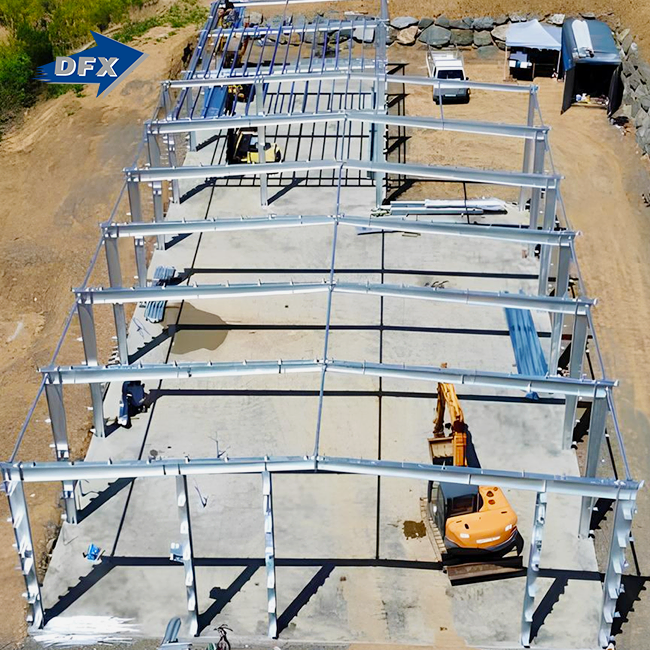
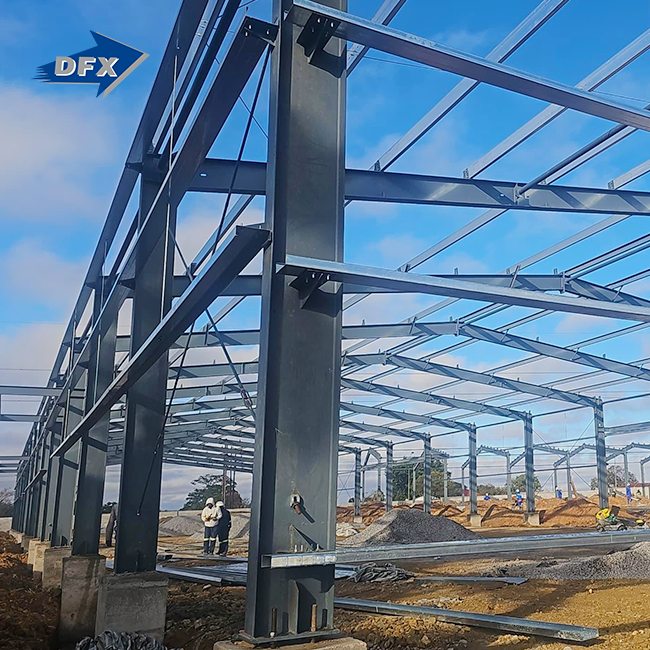
Many farms that manage fleets of expensive tools now choose steel buildings over other materials. Fire resistance is better with this material; it has Class A grades that lower insurance rates by 15–30% compared to wooden options. Steel frames made from Q345B or ASTM A572 Grade 50 carbon steel have a yield strength of more than 345 MPa, which means they can have clear spans of 12 to 60 meters without having interior beams that get in the way of combine harvesters or articulated tractors. When it comes to harsh agricultural settings, wooden buildings have their limits. Ammonia from livestock activities, fertilizer residues, and water all speed up the deterioration of wood, which usually means it needs to be replaced or fixed in big ways within 10 to 15 years. If you treat steel Agricultural Machinery Shed units with Z275 hot-dip galvanization or AZ150 aluminum-zinc coats, they will stay strong for 25 to 50 years in the same circumstances. The ability to prevent corrosion is very important when keeping equipment that will be exposed to chemical residues or when the shed is used for both chemical storage and machinery housing.
Insulated and Non-Insulated Configurations
The weather determines how much protection is needed. Insulated panel systems keep equipment from getting wet, which is helpful for operations in northern areas where temperatures drop below -10°C. When moisture builds up on cold metal surfaces, it speeds up the rusting of electrical and hydraulic parts. Roofing panels with anti-condensation fleece backing are a cheap option for moderate areas because they soak up moisture vapor and let it out when it gets warmer. Structures that aren't protected and have open sides let in the most natural air flow, which is important for keeping tools from rusting when they're not in use. These designs work well in warm areas where equipment dries quickly and doesn't need to be protected from high temperatures. The price difference between insulated and non-insulated buildings is between $8 and $15 per square meter. Farm equipment storage, which is a big deal for storage places bigger than 500 square meters.

Key Factors to Consider When Buying an Agricultural Machinery Shed
For strategic buying to work, business needs, site conditions, and long-term financial impacts must all be carefully considered. If you decide to buy something quickly without first doing a thorough needs assessment, you might end up having to make expensive changes or replace it too soon.
Assessing Your Operational Requirements
Analysis of the inventory is the basis for deciding on the right size. Write down the sizes of your biggest pieces of equipment. For example, combine headers need 12 meters of width, and the current planters with wing extensions need the same amount of space. Add 20% to the margin to allow for future purchases or improvements of tools. When you figure out the eave height, you have to take into account the vertical clearance of GPS radio poles and spray booms, which usually means you need at least 5.5 to 6.5 meters of height. The site's geography affects the size of the foundations needed and the total cost of the job. Level areas with dirt that drains well save money on earthwork costs, while sloped land may need a lot of grading or a base system with steps. Testing the soil's holding ability lets you know if regular concrete pad foundations are enough or if you need deeper pier systems. Clay soils that don't drain well need more work to be done on the spot, which could add 15 to 25 percent to the cost of the foundation.
Budget Planning and Cost-Benefit Analysis
The cost of storing farm machinery depends on the type of equipment and the market factors in the area. Standardized steel buildings with open sides and no supports cost between $40 and $65 per square meter. Depending on how much you customize them, fully sealed houses with insulated panels, concrete floors, and built-in lighting systems cost between $85 and $140 per square meter. Depreciation perks, lower insurance premiums, and not having to pay for upkeep should all be included in a financial analysis. Agricultural equipment valuation studies show that machinery stored in the right way keeps its higher resale prices and loses 8–12% less value over time than machinery kept in the field. When equipment is kept in approved steel buildings with controlled access, insurance companies often lower rates by 10 to 20 percent. Equipment loans, farm running lines, and maker payment plans are all other ways to get money. Some steel building suppliers give payment plans that are timed to work with harvest cash flow cycles. This means that you don't need as much cash right away. When you consider less equipment upkeep, longer machine life, and higher operational efficiency, project payback times are usually between 5 and 8 years.
Building and Maintaining Your Agricultural Machinery Shed
For a project to be completed successfully, the steps of purchase, site preparation, delivery handling, Farm equipment storage, and installation must all work together. Knowing how the application process works helps project managers decide how to use their resources and keep operations running as smoothly as possible.
Procurement and Installation Process
The first step in working with makers is to evaluate the spot and come up with specifications. Reliable providers offer technical help, looking at the site conditions and equipment needs to suggest the best combinations. Companies that have ISO approval follow written quality methods that make sure everything is the same from production to delivery. Director Steel can make 20,000 tons of welded H-beams and 8,000 tons of C/Z section steel every year, which shows that they have the industrial scale to meet the needs of big projects. Logistics for delivery depend on the size of the project and how far away the producing sites are. It usually takes 25 to 35 days for containers made in China to get from China to ports in North America, plus the time it takes to get to the spot on land. Production lead times are between 3 and 6 weeks, based on how complicated the customization is and how busy the manufacturer's production plan is. Expecting the whole project to take 8–12 weeks, from placing the order to finishing the work, is a reasonable goal. Professional contractor services and owner-managed building are two different ways to install something. Professional construction by qualified teams makes sure that the structure meets engineering standards and protects maker warranties. Labor costs usually make up 30 to 40 percent of the total cost of a job, but they remove the risk of putting things together incorrectly, which could weaken the structure. For an owner-managed installation of an Agricultural Machinery Shed to go smoothly, skilled tradespeople, machine operators, and engineers must work together according to the details shown on the fabrication plans.
Maintenance and Longevity Strategies
Routine check procedures keep small problems from getting worse and increase the life of structures. Fastener stiffness should be checked every three months, especially after bad weather, when wind loads can loosen connections. Check galvanizing surfaces for damage to the coating caused by impact or abrasion. Within 30 days, paint exposed areas with zinc-rich repair paint to stop rust from starting. Maintenance of the ventilation system is very important in forms that are enclosed or partly enclosed. Ridge vents and soffit holes need to be cleaned once a year to get rid of garbage that blocks airflow. Proper airflow stops condensation, which speeds up the rusting process on kept items, especially when temperatures change with the seasons. Facilities that store equipment with crop residue should check it more often, since the breakdown of organic matter creates water and chemicals that are harmful to equipment. Seasonal weatherproofing jobs include checking door locks and roller systems before winter, cleaning gutters before heavy rain, and figuring out how much damage was done after a storm. Agricultural businesses in areas that get a lot of snow should keep an eye on how much snow builds up on roofs, but structures that are properly designed can handle the snow loads that were planned for without any help. Facilities that store sensitive technology or high-precision farming tools can benefit from keeping an eye on humidity levels and possibly installing dehumidification systems during storage seasons.
Making the Right Choice: How to Select the Best Agricultural Machinery Shed for Your Business
For strategic selection, the shed's features must match both the current operating needs and the needs that are expected to arise in the future. When planning for the next three to five years, decisions that are made will give better financial returns than methods that only deal with short-term problems.
Defining Decision Criteria
When measuring durability, it's not just about choosing the right material; design wind speeds, snow load ratings, Tractor shed, and, if necessary, earthquake factors are also taken into account. Make sure that the planned buildings meet or go beyond the local building code. Engineering licenses should be used to show that they do. Coastal operations should ask for better rust protection, and sites in tornado-prone areas should ask for stronger links and better anchor systems. Long-term value is affected by scalability, especially for businesses that are rising. Modular designs let you add more bays in the future without affecting the buildings that are already there. End-wall configurations should be able to handle growth, so there aren't any fixed closures that would require expensive changes. Operations that want to add more equipment to their fleet should first buy an Agricultural Machinery Shed that is too big for their needs, since the extra costs of growth are 40 to 60 percent higher per unit area than the costs of integrated construction.
Evaluating Supplier Reputation and Support
When choosing a supplier, you should focus on how well they can make things, get quality certifications, and offer help after the work is done. Companies that use ISO 9001 quality management systems keep records of their processes to make sure that they always meet the same standards for manufacturing. CE approval shows that a product meets European safety and performance standards. These standards are becoming more and more important for export projects and international farming businesses. Customer recommendations can help you figure out how reliable a seller is and how well they solve problems. Ask for the contact information of three to five recent projects with similar scope and ask about meeting delivery deadlines, how quickly technical help is responded to, and the quality of service after installation. Suppliers who understand seasonal limitations and can work installation plans around planting and harvest times are highly valued by agricultural businesses. Support after the sale is what sets top providers apart from transactional ones. Full help includes advice on how to do upkeep, access to replacement parts, and engineering advice for future changes. Suppliers with regional offices or partnerships in North America offer quick local support, which gets rid of the contact delays that come with working directly with other countries.
Conclusion
Buying an Agricultural Machinery Shed is a big investment in infrastructure that needs to be carefully thought out in terms of structural requirements, material qualities, provider capabilities, and costs over the shed's lifetime. In comparison to traditional options, steel buildings made to international quality standards last longer and need less upkeep. When you choose providers, make sure they offer engineering support, quality certifications, and quick after-sales service. This way, you can balance short-term budgetary concerns with long-term practical value. Businesses that regularly look at how much space they need for storing equipment, the state of their site, and their plans to grow will be in a better position to build structures that will protect their valuable assets and keep their farm running smoothly for decades.

FAQ
1. What size shed do I need for my equipment?
To figure out the sizes, measure your biggest tools and add some extra space for error. Standard combines with 12-meter heads need at least 14-meter internal lengths, while articulated tractors need at least 4–5 meters per unit, plus room to move around. An Agricultural Machinery Shed 20 meters by 30 meters can fit most types of equipment groups, including big tractors, planters, and harvesters, and still have enough room for people to move around.
2. Steel or wood: which material performs better?
In farming settings, steel structures work much better than other materials. Fertilizers and animal waste can eat away at wood in about 10 to 15 years, but galvanized steel doesn't rust. Steel's Class A fire grade lowers insurance costs, and its clear-span features get rid of interior posts that get in the way of moving equipment. When considering repair needs and replacement times, lifecycle analysis always favors steel.
3. Should I hire professionals or manage the installation myself?
Professional construction makes sure that the structure meets engineering standards and protects maker warranties. Typical farm sheds are finished by certified teams in 10–14 days, while owner-managed projects take 4–6 weeks. Professional services add 30 to 40 percent to the total cost, but they get rid of mistakes in building that make it less safe and less long-lasting. Businesses that don't have experienced building supervisors should hire professional workers.
Partner with DFX for Your Agricultural Equipment Storage Solution
Director Steel delivers engineered Agricultural Machinery Shed solutions backed by over 12 years of manufacturing excellence and ISO 9001/CE certification. Our production capabilities include specialized H-section beam and column fabrication, C/Z galvanized purlin manufacturing, and both enclosed and open-sided configurations tailored to your operational requirements. We serve construction contractors, EPC project managers, and agricultural enterprises throughout North America with standard design packages, complete fabrication services, and comprehensive installation drawings. Our short production cycles and documented quality systems ensure your equipment storage project meets timeline and performance expectations. Connect with our engineering team at jason@bigdirector.com to discuss your specific requirements and receive a detailed quotation. As an established Agricultural Machinery Shed manufacturer, we provide turnkey solutions from concept through installation, protecting your valuable farm assets with structures engineered for decades of reliable service.
References
1. Agricultural Engineers Association (2021). Steel Building Systems for Farm Equipment Storage: Design and Specification Guidelines. Technical Publication AEA-2021-08.
2. Henderson, T.R. & Morrison, K.L. (2020). Corrosion Protection Systems for Agricultural Steel Structures. Journal of Agricultural Engineering Research, 45(3), 187-204.
3. National Farm Building Association (2022). Lifecycle Cost Analysis of Farm Storage Structures: Comparative Study of Construction Materials. Research Report NFBA-22-14.
4. Patterson, D.J. (2019). Clear-Span Steel Frame Design for Agricultural Applications. American Society of Agricultural Engineers Press.
5. Schmidt, R.A. & Williams, P.T. (2021). Climate-Responsive Design Strategies for Farm Equipment Storage Facilities. Agricultural Infrastructure Journal, 38(2), 112-129.
6. United States Department of Agriculture (2020). Farm Buildings and Equipment Storage: Best Practices for Asset Protection and Operational Efficiency. USDA Extension Publication 2020-07.
Learn about our latest products and discounts through SMS or email