- English
- French
- German
- Portuguese
- Spanish
- Russian
- Japanese
- Korean
- Arabic
- Greek
- German
- Turkish
- Italian
- Danish
- Romanian
- Indonesian
- Czech
- Afrikaans
- Swedish
- Polish
- Basque
- Catalan
- Esperanto
- Hindi
- Lao
- Albanian
- Amharic
- Armenian
- Azerbaijani
- Belarusian
- Bengali
- Bosnian
- Bulgarian
- Cebuano
- Chichewa
- Corsican
- Croatian
- Dutch
- Estonian
- Filipino
- Finnish
- Frisian
- Galician
- Georgian
- Gujarati
- Haitian
- Hausa
- Hawaiian
- Hebrew
- Hmong
- Hungarian
- Icelandic
- Igbo
- Javanese
- Kannada
- Kazakh
- Khmer
- Kurdish
- Kyrgyz
- Latin
- Latvian
- Lithuanian
- Luxembou..
- Macedonian
- Malagasy
- Malay
- Malayalam
- Maltese
- Maori
- Marathi
- Mongolian
- Burmese
- Nepali
- Norwegian
- Pashto
- Persian
- Punjabi
- Serbian
- Sesotho
- Sinhala
- Slovak
- Slovenian
- Somali
- Samoan
- Scots Gaelic
- Shona
- Sindhi
- Sundanese
- Swahili
- Tajik
- Tamil
- Telugu
- Thai
- Ukrainian
- Urdu
- Uzbek
- Vietnamese
- Welsh
- Xhosa
- Yiddish
- Yoruba
- Zulu
Cold Storage Steel Warehouse: Benefits, Design & Cost Guide
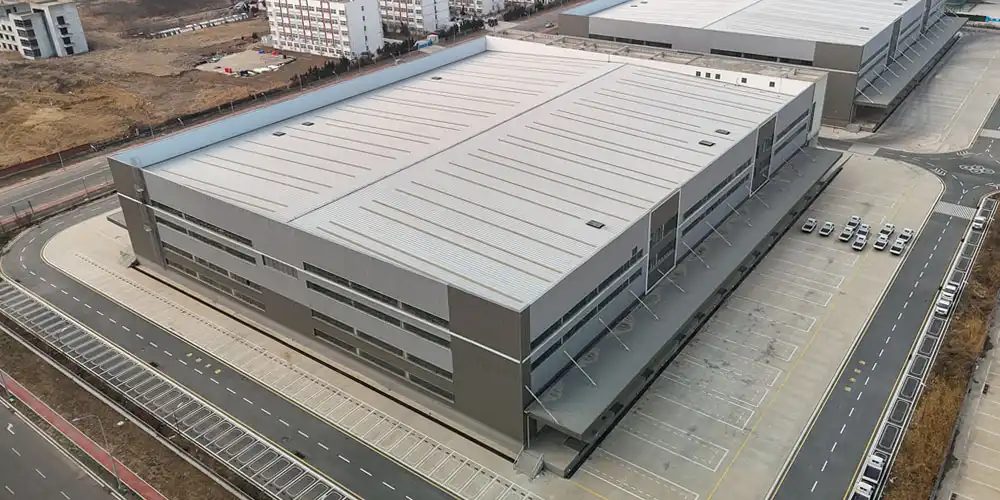
When project managers and procurement experts look at investments in infrastructure, Cold Storage Steel Warehouse stands out as a reliable option that solves important operating problems. These special buildings use solid steel engineering and high-tech insulation systems to keep food that goes bad quickly, medicines, and materials that need to stay at a certain temperature. Compared to traditional buildings made of brick or concrete, a Cold Storage Steel Warehouse cuts down on construction times by 30 to 50 percent while providing better energy and airtightness. The flexible built design lets companies quickly expand their operations to meet growing storage needs without having to stop operations for long periods of time. As the global cold chain grows at unimaginable speeds, it's important for decision-makers to understand the design principles, cost structures, and performance characteristics of steel-based cold storage facilities. This information helps them make smart buying decisions that protect product integrity and reduce long-term operational costs.
Understanding Cold Storage Steel Warehouses
What Makes Steel Warehouses Ideal for Temperature-Controlled Storage
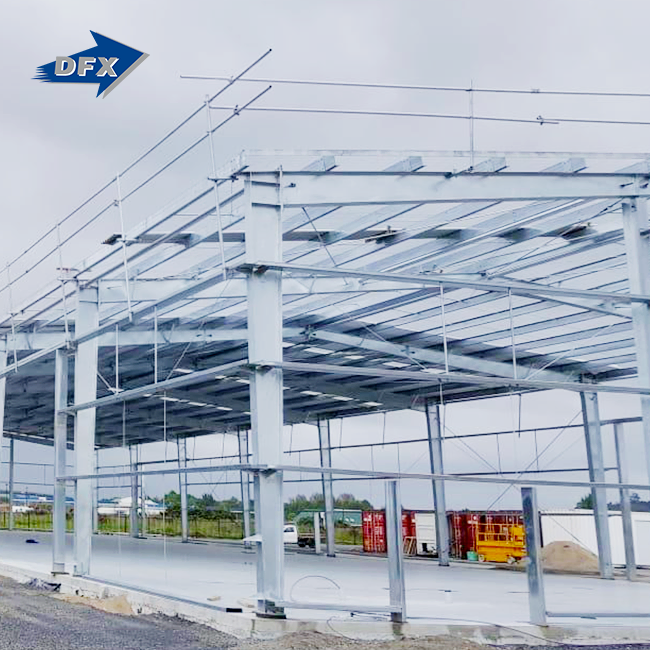
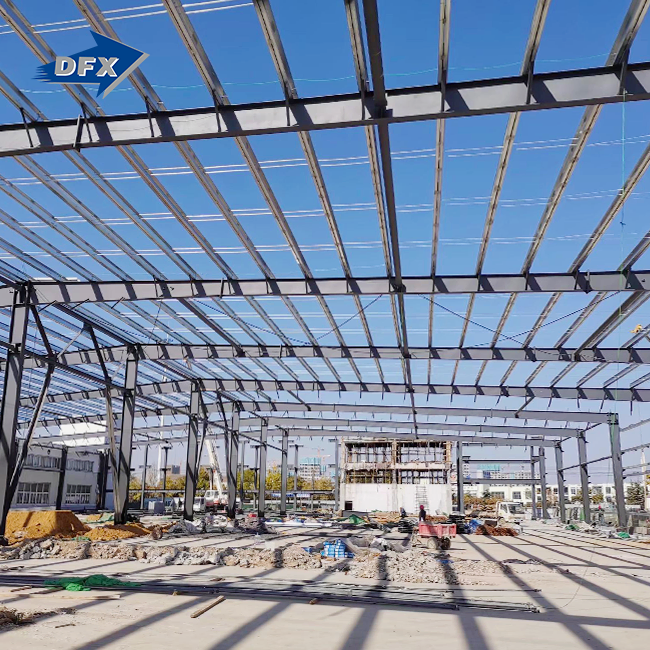
Cold Storage Steel Warehouse facilities with steel frames are the most important part of today's cold chain infrastructure. The main steel frames of these buildings are made of H-beams, and the galvanized C/Z purlins and extensive bracing systems make the structures strong enough to survive high thermal stress cycles. It is possible to add heavy refrigeration equipment, high-density shelving systems, and overhead conveyor systems without damaging the structure because the solid steel framework can hold a lot of weight. Temperature-controlled areas need materials that don't allow thermal bridging, which is when heat moves through structural parts and makes shielding less effective. At connecting nodes, modern steel stores use thermal break technology to stop condensation and frost buildup, which are problems with older building methods. The clear-span design gets rid of inner columns, making the most of the floor space that can be used and making it easier to move things around. When it comes to automatic storage and retrieval systems that need clear work areas, this design benefit is especially useful.
Industry Applications Driving Demand
Cold Storage Steel Warehouse buildings are used by many different industries that need to strictly control the environment through cold chain logistics. The biggest market section is made up of food distribution centers that handle frozen meat, seafood, and dairy goods. These facilities must always keep the temperature between -18°C and -25°C. Pharmaceutical and vaccine storage facilities work within tighter temperature ranges, usually +2°C to +8°C, and must meet GMP compliance standards that require a building that is clean room grade and free of dust. Agricultural activities use controlled atmosphere storage, which controls not only the temperature but also the amounts of oxygen and carbon dioxide in the air, to keep food fresh longer. For these specific uses, airtightness is very important—gas-tight closing stops air from leaking out, which would ruin the storage conditions. When chemical companies store temperature-sensitive materials, steel warehouses are a good choice because they can be designed in a way that lets them create different climate zones inside the same building. Because each job needs a different set of engineering solutions, it's important to work with steel structure makers who have a lot of experience and know what the needs of each business are.
Design Considerations for Cold Storage Steel Warehouses
Structural Engineering for Extreme Temperature Environments
When designing Cold Storage Steel Warehouse facilities, you have to deal with structural issues that don't come up in regular warehouse jobs. When it freezes, steel shrinks, which causes cycles of heat expansion and contraction that put stress on systems that connect and cover steel. Slotted holes are used by skilled engineers in connection plates and strategic expansion joints to allow controlled movement without causing stress cracks or panel bowing. When designing a foundation, it's important to keep frost heave in mind. This is when the ground freezes and expands under the floor slabs, damaging steel frames and cracking the foundation. Putting in under-floor heating systems with electric elements or glycol fluid circulation keeps the ground from freezing, which protects the stability of the base over many years of use. When figuring out the load, you have to take into account the evaporators, condensers, and large networks of pipes that are placed on the roof. Steel beams and purlins get reinforcement requirements based on exact dead load predictions. This makes sure that the equipment that is hung is safely supported without any worries about deflection.
Integrating Refrigeration and Monitoring Technology
More and more modern cold storage sites have smart tracking systems that make the best use of energy in cold chain logistics while still following the rules. Temperature monitors connected to a network in different storage areas give real-time information and send alerts when conditions change from what was expected. This preventative tracking keeps the goods from going bad and shows that they are following the HACCP and GMP rules that are needed in the food and drug businesses. The choice of refrigeration technology affects both the initial cost and the ongoing costs. Ammonia-based systems are better for large-scale processes because they use less energy, but they need special safety rules. Synthetic refrigerants are popular for smaller sites because they are easier to maintain and pose fewer safety risks. No matter what refrigerant is used, the system must be the right size for the building's heat load to work efficiently. Oversized equipment rotates a lot, which lowers efficiency and shortens the life of parts; on the other hand, systems that are too small have trouble keeping temperatures stable during times of high load.
Comparing Steel Cold Storage Warehouses with Alternative Construction Methods
Speed and Flexibility Advantages
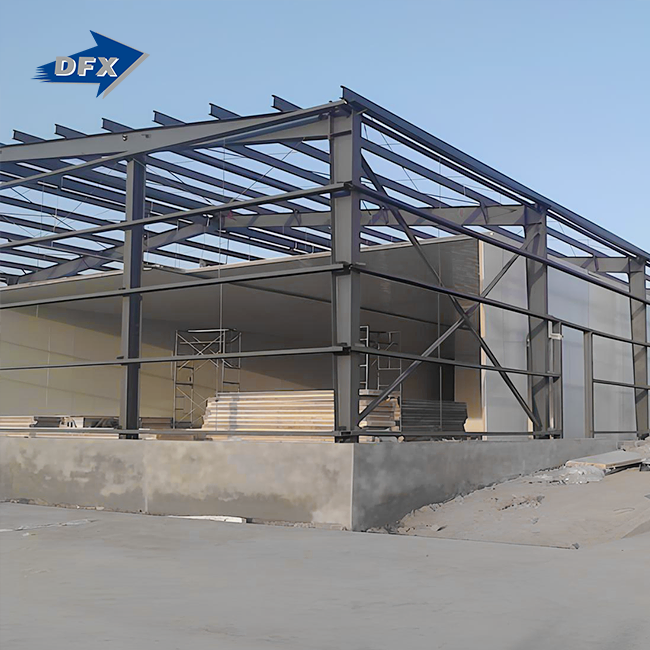
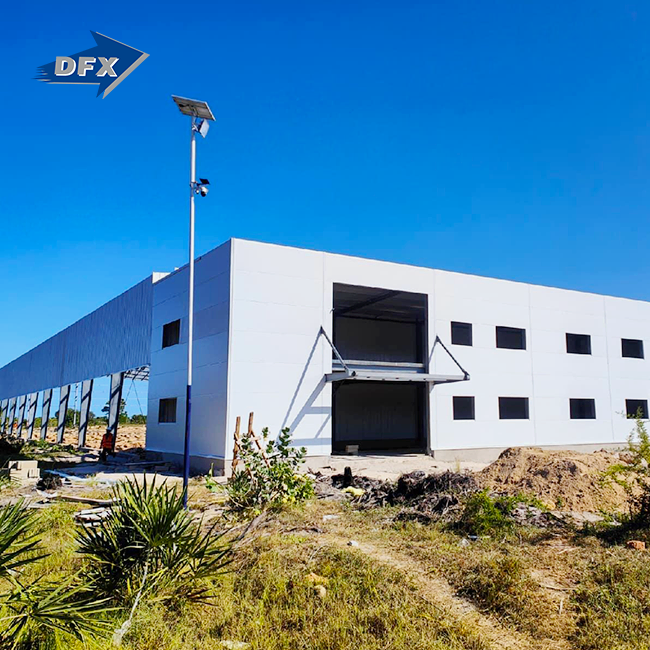
When compared to concrete or brick, the Cold Storage Steel Warehouse building has the fastest project timelines. Prefabricated steel parts come to the job site ready to be put together, which cuts down on the need for field work and delays caused by bad weather. A normal 10,000-square-meter facility built with modular steel can be weathertight in 8–12 weeks, while the same building built out of concrete would take 16–24 weeks. This shorter timeline means that money will start coming in earlier and building costs will be lower. Because steel buildings are flexible, they can be expanded in stages that match capital investment with business growth. Companies can build the first stages to meet their immediate storage needs and then add more space as demand grows. This ability to grow is especially helpful for farming businesses that have to deal with yearly changes in sales or manufacturing businesses that are introducing new product lines. Concrete buildings don't allow for much growth, so they usually need to be torn down and rebuilt, which can be expensive.
Environmental Sustainability Considerations
Steel is one of the most recycled products in the world, and when structural steel Cold Storage Steel parts reach the end of their useful life, they can be recovered almost completely. This circularity has less of an effect on the world than concrete, which makes a lot of carbon emissions when it's made and cannot be recycled very well. More and more modern steel companies use renewable energy to run electric arc furnaces. This makes steel building materials even less carbon-intensive. Operating in a way that uses little energy is another benefit for ecology. When high-performance insulation, limited thermal bridging, and airtight construction are all used together, refrigeration energy use goes down. This is important because energy use is often the highest cost and environmental effect for cold storage facilities. Some steel warehouse designs meet LEED certification or other green building standards, which makes them appealing to businesses that want to be more environmentally friendly and to clients who are paying more attention to environmental performance measures.
Cost Analysis and Procurement Guide
Breaking Down Investment Components
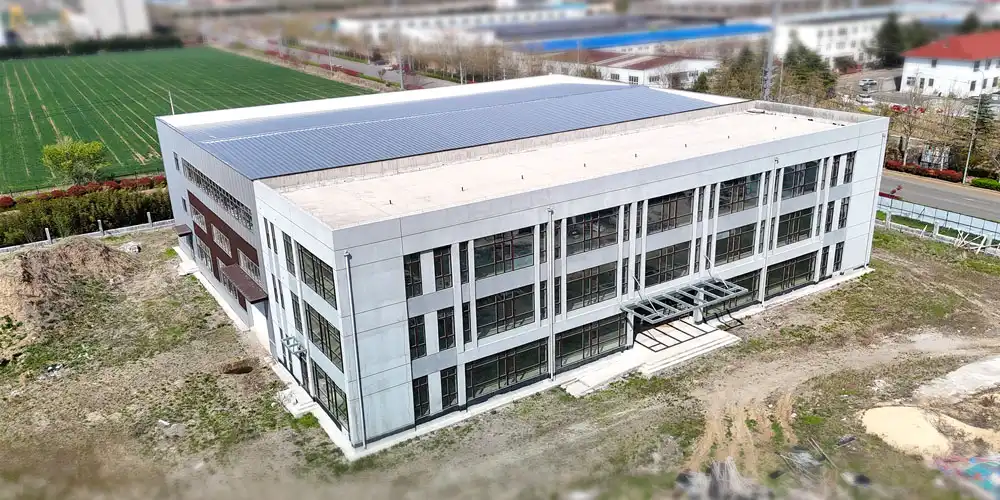
To figure out how much a Cold Storage Steel Warehouse costs, you have to look at a lot of different types of investments. The H-beam frame, purlins, bracing systems, and assembly work are just some of the structural steel parts that make up 35–45% of the total cost of a project. Another 25–35% is made up of sandwich panel covering and insulation systems, with different needs based on thermal performance and panel fire ratings. Twenty to thirty percent of funds are spent on refrigeration systems, HVAC equipment, and electricity infrastructure. The rest of the money is spent on base work, floor insulation, and site preparation. Pricing based on projects takes into account things that need to be customized, like the size of the building, the type of insulation needed, the amount of cooling that it can handle, and site-specific factors like wind loads and earthquakes. Professionals in procurement should ask for thorough cost estimates that list all of the major parts. This will help them make smart choices about specification trade-offs that maximize value without sacrificing performance. Including manufacturers early on in the planning stages of a project allows for value engineering talks that find ways to cut costs without lowering quality or usefulness.
Service Scope and Technical Support
Superior providers are different from basic makers because they offer a wide range of services. Look for partners that can help with engineering formulas, detailed fabrication drawings, transportation coordination, and erection advice. These are all services that make project completion easier and make it easier for buying teams to coordinate. With in-house building design and detailing skills, makers can help customers with all stages of a project, from coming up with the initial idea to putting it into use. Customer service and guarantee terms protect investments that will last for a long time. Make sure you understand what the warranty covers for structural parts, insulation panels, and protection coatings. Depending on the specs and the location, the warranty for panels is usually 5–10 years, and the warranty for structural steel is 15–25 years. Having technical help for questions about upkeep, finding replacement parts, and planning for future growth projects adds value beyond the initial building. This creates partnerships that support changing business needs instead of just transactional Cold Storage Steel supplier relationships.
Practical Applications and Cold Chain Logistics Integration
Optimizing Facility Layout for Operational Efficiency
Strategic planning of a Cold Storage Steel Warehouse increases throughput while keeping temperatures stable. Keeping the shipping and receiving areas separate with their own entry points cuts down on the number of door openings and the heat loss that comes with them. Keeping staging areas at middle temperatures creates buffer zones where products can get used to the temperature change before going from room temperature to freezer temperature. This lowers the thermal shock that can damage product quality and cause moisture to settle on the packing. Steel's clear-span property allows for high-bay racking systems that reach heights of 25 to 30 meters, which triples the amount of space that can be stored compared to standard single-level plans. Automated systems for storing and retrieving items work perfectly with steel buildings that are designed to have very flat floors and the exact vertical limits that robotic equipment needs. Steel frames are structurally stiff, so they can handle dynamic loads from automatic material handling without deflection problems that happen with other building methods.
Regulatory Compliance and Quality Assurance
To follow the rules for the cold chain, facilities must be carefully planned, built, and run with strict quality control and lots of paperwork. These needs are met by a steel warehouse building, which uses factory-controlled production methods to make sure that the quality of the materials and the accuracy of the measurements are always the same. Ultrasonic flaw detection and magnetic particle tests make sure that the welds on the main structural parts are good, and checking the thickness of the coatings makes sure that galvanization or epoxy paint meets ISO 12944 standards for protecting against corrosion in acidic environments. During the building's opening, temperature mapping studies make sure that all storage areas keep the conditions that were agreed upon. These studies find any cold or warm spots that need to be fixed before goods are put away. Smart tracking systems keep track of temperature data all the time and make compliance reports for quality requirements and regulatory checks. Steel buildings are easier to keep up with because their structures are stable and their thermal performance is consistent. This makes ongoing compliance easier and reduces the amount of paperwork and audit results compared to older facilities that had trouble with temperature changes.
Conclusion
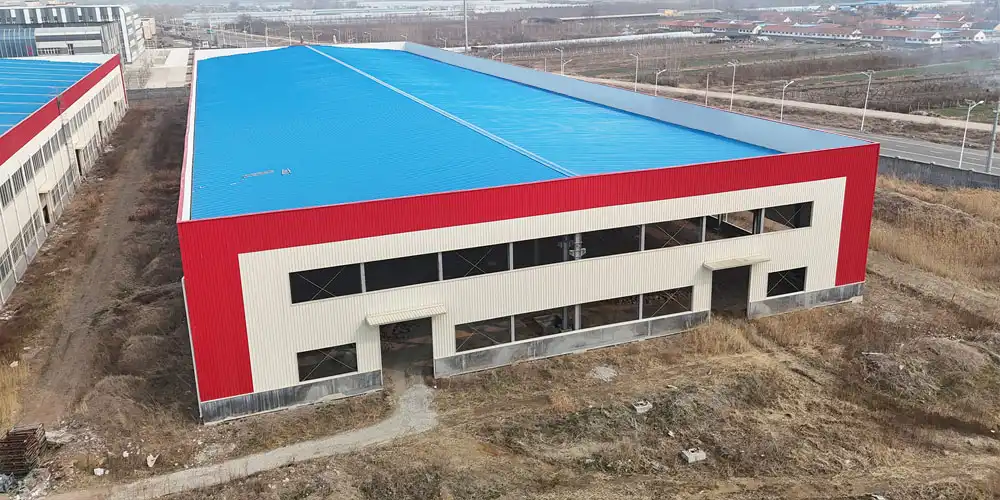
Cold Storage Steel Warehouse solutions are an advanced way to handle the complex needs of current cold chain operations in the chemical, pharmaceutical, and food industries. When you combine structural steel engineering, high-performance insulation systems, and the modular construction method, you get buildings that are both cost-effective to build and efficient to run in the long run. These facilities are the best options for procurement professionals looking at temperature-controlled storage structures because they are made of steel, which has many benefits, such as short building times, design freedom, better energy performance, and longer service life. For projects to go well, engineers need to pay close attention to details like preventing thermal bridges, keeping the foundations safe from frost, and integrating the cooling system. Working with experienced makers that offer full services from design to installation helps make sure that projects meet the technical requirements, price limits, and time goals that define successful procurement.
FAQ
1. How long does a Cold Storage Steel Warehouse typically last?
If the solid steel frame is properly coated and cared for, it will last for more than 50 years. Insulated sandwich panels keep their thermal performance for 25 to 30 years, and their flexible designs let you change only the ones that need it without affecting the main structure. Protective coatings and regular upkeep make parts last longer, which makes steel buildings a good investment for the long run.
2. What prevents condensation from damaging the steel structure?
Frame parts don't rust because they are coated with marine-grade epoxy or high-grade hot-dip galvanized steel. When structure links use thermal break technology, temperature differences that cause condensation are kept to a minimum. The risk of condensation in the whole building is further reduced by installing vapor barriers correctly and designing temperature control systems in the right way.
3. Can big cooling equipment be put on top of steel warehouses?
During the planning part, engineers figure out the exact dead loads for coolers, evaporators, and pipe networks. Steel rafters and purlins get specs for reinforcement that make sure they can safely hold up equipment that is hung. Steel framing can handle heavy loads on the roof without bending because it is naturally strong and well-engineered.
4. How does steel construction handle extremely cold temperatures?
When steel freezes, it shrinks. To deal with this, engineers make link holes with slots and expansion joints that let the steel move in a controlled way. These aspects of the design keep the panel from buckling and developing stress cracks during temperature changes. The right engineering makes sure that the structure stays strong no matter what the temperature is, from cold storage to deep freezes.
Partner with DFX for Your Cold Storage Steel Warehouse Project
At DFX, we've been planning, building, and placing Cold Storage Steel Warehouse facilities that meet the strict requirements of global cold chain operations for more than 12 years. Our 40,000-square-meter factory makes premade steel buildings with H-beam frames, galvanized C/Z purlins, and full bracing systems. All of these are approved to ISO9001 quality standards, and you can get them marked with the CE mark as well. Our engineering team helps with every part of the project, from planning the structure to coordinating the logistics and giving advice on how to put it together on-site. This makes sure that everything goes smoothly from the idea stage to the final inspection. Our turnkey solutions give you the performance, dependability, and cost-effectiveness that procurement workers need, whether you need a pharmaceutical-grade controlled environment or a high-capacity frozen food delivery center. Email our team at jason@bigdirector.com right now to talk about your project needs and get a thorough quote. As a reliable Cold Storage Steel Warehouse builder, we're dedicated to providing infrastructure options that keep your goods safe and make your business run more smoothly.
References
1. International Institute of Refrigeration. (2021). "Cold Chain Standards and Best Practices for Perishable Goods Storage." Paris: IIR Publications.
2. American Institute of Steel Construction. (2020). "Design Guide for Cold Storage Facilities: Structural Considerations for Low-Temperature Environments." Chicago: AISC Technical Publications.
3. Johnson, M. & Williams, R. (2022). "Thermal Performance of Insulated Steel Panel Systems in Cold Storage Applications." Journal of Building Physics, 45(3), 267-289.
4. Global Cold Chain Alliance. (2023). "Infrastructure Investment Trends in Temperature-Controlled Logistics." Arlington: GCCA Research Report Series.
5. European Committee for Standardization. (2019). "EN 1993-1-10: Eurocode 3 - Design of Steel Structures - Material Toughness and Through-Thickness Properties." Brussels: CEN Publications.
6. Zhang, L., Chen, H., & Kumar, S. (2021). "Life Cycle Cost Analysis of Steel versus Concrete Cold Storage Facilities." Construction and Building Materials, 298, 123-145.
Learn about our latest products and discounts through SMS or email