- English
- French
- German
- Portuguese
- Spanish
- Russian
- Japanese
- Korean
- Arabic
- Greek
- German
- Turkish
- Italian
- Danish
- Romanian
- Indonesian
- Czech
- Afrikaans
- Swedish
- Polish
- Basque
- Catalan
- Esperanto
- Hindi
- Lao
- Albanian
- Amharic
- Armenian
- Azerbaijani
- Belarusian
- Bengali
- Bosnian
- Bulgarian
- Cebuano
- Chichewa
- Corsican
- Croatian
- Dutch
- Estonian
- Filipino
- Finnish
- Frisian
- Galician
- Georgian
- Gujarati
- Haitian
- Hausa
- Hawaiian
- Hebrew
- Hmong
- Hungarian
- Icelandic
- Igbo
- Javanese
- Kannada
- Kazakh
- Khmer
- Kurdish
- Kyrgyz
- Latin
- Latvian
- Lithuanian
- Luxembou..
- Macedonian
- Malagasy
- Malay
- Malayalam
- Maltese
- Maori
- Marathi
- Mongolian
- Burmese
- Nepali
- Norwegian
- Pashto
- Persian
- Punjabi
- Serbian
- Sesotho
- Sinhala
- Slovak
- Slovenian
- Somali
- Samoan
- Scots Gaelic
- Shona
- Sindhi
- Sundanese
- Swahili
- Tajik
- Tamil
- Telugu
- Thai
- Ukrainian
- Urdu
- Uzbek
- Vietnamese
- Welsh
- Xhosa
- Yiddish
- Yoruba
- Zulu
School design inspirations featuring steel building systems
These days, schools need to be innovative, long-lasting, and flexible. Utilizing pre-engineered steel frames and flexible design principles, the Steel Structure School Building is a revolutionary approach to educational infrastructure that creates safe, cost-effective, Steel Structure School Building and eco-friendly learning spaces. High-strength steel parts like H-beams, box columns, and C/Z purlins are used in these designs, along with lightweight exterior materials like curtain walls and insulated metal panels. Steel Structure School Buildings not only meet strict building codes but also solve important problems like short construction periods, the need for earthquake safety, and the need for flexible internal plans that work with modern teaching methods. Architects and procurement workers are becoming more aware of how steel can change how schools are built and how they are delivered in a variety of temperatures and terrains.
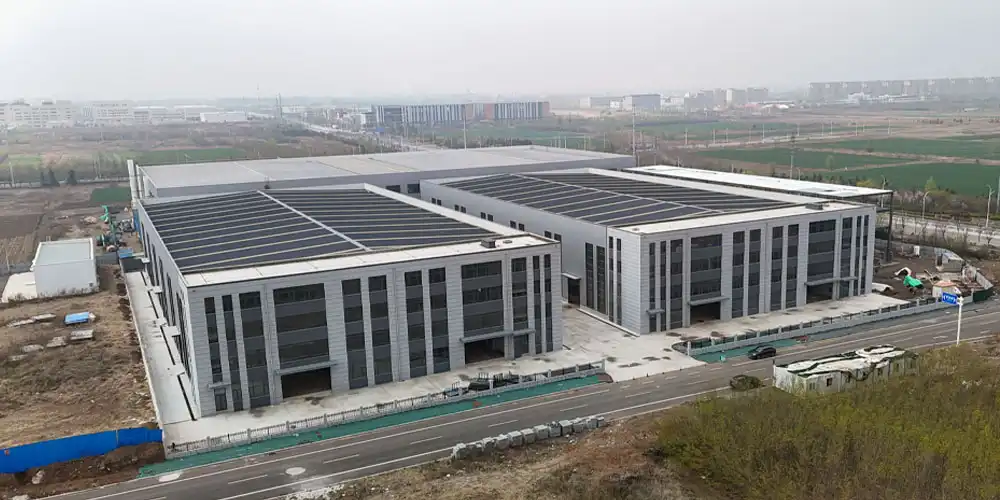
Understanding Steel Structure School Buildings
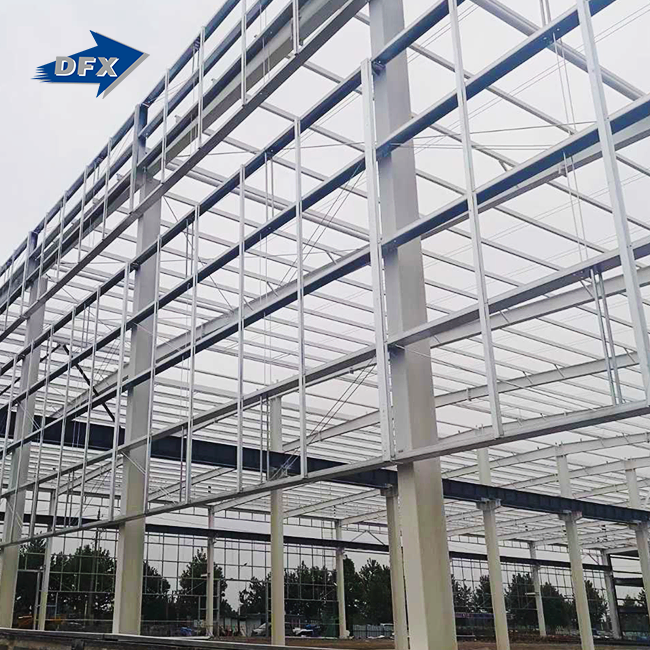
Traditional masonry or poured-concrete buildings are very different from the Steel Structure School Building infrastructure. The system that supports weight is made up of structural steel parts that are usually made from Q235 or Q355 alloys, which have yield strengths higher than 345 MPa. These main frames hold up composite floor systems, steel bracing networks, and facade parts like insulated sandwich panels and glass curtain walls.
Core Technical Specifications
In all foreign markets, manufacturing standards are in line with ISO 9001, CE certification, and local building codes. The projects start in specialized manufacturing facilities in China. These facilities have high-tech production lines that make cutting, welding, and finishing very accurate. The Steel Structure School Building is made up of column-beam frames that can be used for both single-story and multi-story layouts. This means that the building can be used for a wide range of purposes, from basic schools to university research facilities.
Advantages Over Traditional Methods
Speed is what gives the most instant gain. When compared to concrete options, prefabrication cuts the time needed for building on-site by 30 to 50 percent. This means that schools can open on time without having to pay for costly delays. Because the dry Educational facility building process doesn't depend on the weather like curing concrete does, Steel Structure School Buildings can be used in harsh regions like arid deserts and sub-zero temperatures. When materials are used efficiently, costs go down. The higher strength-to-weight ratio of a Steel Structure School Building lowers base loads and material volumes, which lowers both the cost of construction and the cost of upkeep over time. Seismic performance is better than hard concrete systems because the material's ductility lets it bend without breaking in huge chunks during earthquakes, which is very important for keeping students safe.
Comparing Steel Structure Schools with Traditional Building Methods
When procurement teams look at different building methods, they need to consider more than just the starting costs. When compared to traditional methods, Steel Structure School Buildings have different operating and financial profiles.
Cost-Effectiveness Analysis
Initial material prices for steel are usually about the same as or slightly higher than those for concrete. However, when you look at overall project economics, Steel Structure School Buildings are better because they are faster to build, use less labor, and cost less over their lifetime. Prefabricated parts come to the job site ready to be put together, which cuts the number of hours needed for skilled work by about 40%. This efficiency in using labor is especially helpful in places where there aren't enough building workers or where wages are high. With a Steel Structure School Building, maintenance times are much longer. When these structures are properly protected, they don't rust for 50 to 100 years after being hot-dip galvanized or coated with marine-grade systems. On the other hand, concrete buildings usually need pricey fixes for concrete spalling and rebar cleaning every 20 to 30 years, especially in humid or seaside areas.
Regional Market Considerations
The choice of materials depends on the resources, labor costs, and rules that are in place in each area. For public buildings, North American markets have traditionally liked steel, while European and Asian markets have traditionally liked concrete. As sustainability rules and faster project completion become general concerns, recent trends show that more and more people around the world are adopting the Steel Structure School Building. Knowing these regional factors helps purchasing managers match the materials they choose with the local building industry. This makes sure that bids are cheap and contractors are available during the whole project.
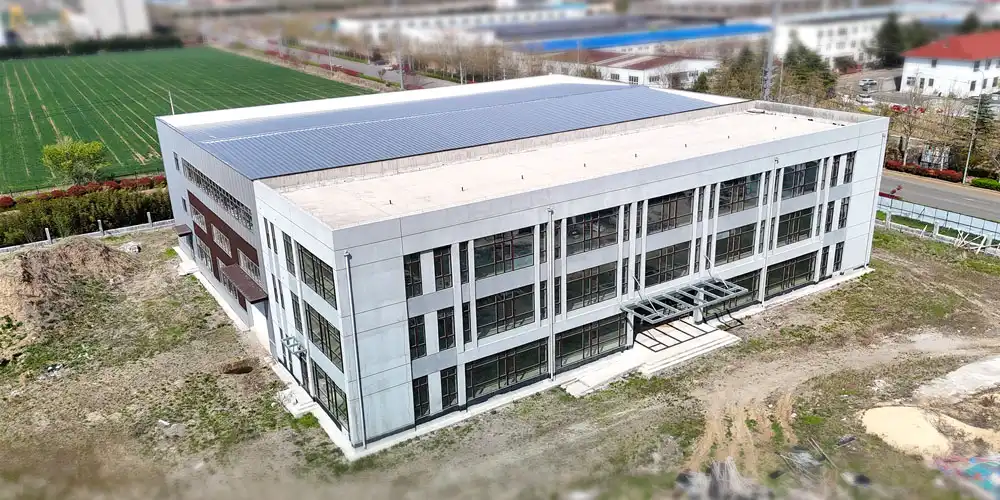
Inspiring School Design Ideas Using Steel Building Systems
Steel Structure School Building systems free architects from Educational facility standard space limitations, allowing them to create new learning spaces that are hard to make with other materials.
Open-Plan Learning Environments
The most important design benefit of a Steel Structure School Building is its ability to span large areas. With trusses and space frames, you can make rooms with more than 30 meters of clear space, which is great for places like libraries, gyms, cafeterias, and lecture halls. Modern teaching methods call for flexible furniture setups and areas where students can work together to learn. These open spaces make that possible. Since there are no load-bearing walls inside a Steel Structure School Building, it is easy to change the layout as educational programs change. With a load-bearing brick building, schools can't change the size of their classrooms, add maker spaces, or make labs bigger without making changes to the structure.
Sustainable Design Integration
Steel Structure School Buildings can be recycled, which meets the standards for green building approval. The material is made up of 90% recovered materials and can be remade again and again after its useful life is over. It helps you earn LEED points toward your certification goals. Conserving water during construction—Steel Structure School Building erection needs much less water than drying concrete—helps places that are prone to drought get the resources they need. Several well-known case studies show how these ideas work in real life. An elementary school district in California just finished building a steel structure school building, a middle school, four months early, and is getting LEED Gold approval. The project included flexible classroom wings, solar canopies, and natural ventilation techniques that, compared to standard designs, cut the expected energy costs by 52%.
Procurement Guide for Steel Structure School Buildings
To successfully find Steel Structure School Buildings, you need to plan ahead for things like figuring out costs, evaluating suppliers, and coordinating deliveries.
Budget Planning and Cost Drivers
Material costs change with the price of steel, but they usually fall between $800 and $1,500 per ton, based on the specs and the number of tons ordered. Including structural steel, roofing, siding, and internal finishes, a full Steel Structure School Building job usually costs between $180 and $280 per square foot. This price is still competitive with concrete buildings, and it allows for faster occupancy and lower finance costs. Customization has a big effect on costs. Standard rectangular shapes with regular bay spacing make the construction of a Steel Structure School Building easier and cheaper. On the other hand, artistically complicated shapes that need special connection details raise engineering and production costs by 15 to 30 percent. In the early stages of design, procurement teams should find a balance between how things look and how much money they have. Delivery times depend on how much can be made and how the goods can be shipped. Usually, it takes 12 to 18 weeks from signing the contract to getting the parts, and then another 8 to 16 weeks for putting them together on-site. These schedules may be pushed back for projects that need custom finishes or specialized engineering. This is why early Modular classroom contact with Steel Structure School Building suppliers is so important for meeting occupancy goals.
Evaluating Steel Structure Manufacturers
More than any other buying choice, choosing the right Steel Structure School Building supplier is what makes or breaks a project. Manufacturers that you can trust show a few important traits: Certification and Compliance: Check that the goods have ISO 9001 quality control certification, CE certification for shipping to Europe, and proof that they meet the building rules of the target country. Ask for proof that similar Steel Structure School Building projects have been successfully approved by the code in other areas. Production Infrastructure: Take a tour of the factories or look at full documents about their capacities. Advanced Steel Structure School Building makers use automatic welding lines, CNC cutting tools, and paint booths with temperature control to make sure the quality of the finish and accuracy of the dimensions. The annual production capacity should be enough to handle the amount of your project without any scheduling problems. Project Experience: Ask for case studies and examples from Steel Structure School Building projects that were similar in size and difficulty to the one you want to work on. Talking to past clients gives you information about how well you communicate, how well you solve problems, and how well you provide help after the delivery.
Ensuring Longevity and Maintenance of Steel Structure Schools
With regular upkeep, Steel Structure School Buildings can last much longer than their 50-year design life. This protects financial investments and makes sure that learning spaces are safe.
Inspection Protocols
Set up regular Steel Structure School Building check times once a year, paying special attention to links, coatings, and draining systems. Bolted connections should be checked for proper tension by trained inspectors, welded joints should be checked for cracks, and protective coats should be checked for wear and tear. Finding small problems early on saves you a lot of money on fixes later on. Pay extra attention to places where water tends to gather, like roof valleys, wall bases, and openings where mechanical systems go through the Steel Structure School Building surface. Water getting into a structure leads to rust, which weakens it if it is not stopped.
Corrosion Prevention Strategies
The main protection against oxidation in a Steel Structure School Building is protective coats. High-performance systems use zinc-rich epoxy bases and polyurethane topcoats to make dry film thicknesses greater than 120 microns. If you use and take care of these multi-layer systems the right way, they will last for decades without breaking down from heat, chemicals, or UV light. Steel Structure School Buildings near the coast need extra safety because they are exposed to salt spray. You can ask for hot-dip galvanization with a covering weight of at least 600 grams per square meter, or you can choose weathered steel (Corten), which naturally forms protective oxide layers. In addition to these basic defenses, you should check them from time to time and paint any areas that need it.
System Upgrades and Renovations
Steel is naturally flexible, a modular classroom, which makes it easier to add on to or update Steel Structure School Buildings in the future. Bolted links make it possible to take parts apart without damaging the structure. This lets facility managers change the plan of rooms, add wings to the building, or improve mechanical systems without affecting the structure's strength. As standards for economy change, energy retrofits are a popular way to make improvements to a Steel Structure School Building. Putting in insulation, changing single-pane windows with high-performance glazing, and adding variable-speed HVAC equipment can make a building more useful for longer while also lowering its operating costs. These changes can be made more easily to a Steel Structure School Building frame than to load-bearing brickwork.
Conclusion
Modern Steel Structure School Building construction needs structures that are both cost-effective and flexible in how they are designed. These systems allow for faster building plans, better safety during earthquakes, and flexible learning settings. They also help meet environmental goals by using recyclable materials and running on little energy. When procurement experts look at different building methods, they should know that Steel Structure School Buildings have many benefits, including lower starting costs, lower lifecycle costs, and better functionality. The technology has grown enough to be used in standard systems for elementary schools, high schools, and colleges and universities around the world. Strategic partnerships between suppliers and experienced makers guarantee the successful delivery of projects. These partnerships combine technical know-how with turnkey service models that make complex institutional building easier. As the needs of schools change, Steel Structure School Buildings provide the flexible infrastructure that supports new ways of teaching and community needs for many years to come.
FAQ
1. How long do steel structure school buildings last with proper maintenance?
Usually, Steel Structure School Buildings last longer than 50 years, and many of them can keep working for 75 to 100 years if they are properly kept. How long something lasts depends mostly on how well it protects against rust and how well it is maintained. Hot-dip galvanized steel with polymer topcoats doesn't rust for decades, especially if it is inspected regularly and any damage to the finish is fixed right away. Steel Structure School Buildings that are in mild areas with low humidity don't break down as quickly, but those near the coast or in industrial areas need more careful maintenance.
2. Are steel schools more cost-effective than concrete construction?
The Steel Structure School Building usually has a lower overall cost of ownership, even though the starting costs of materials are about the same or a little higher. Accelerated building plans lower the cost of funding and allow for earlier occupancy or income generation. Labor efficiency during installation cuts costs by a large amount. Steel has lower lifecycle costs because it needs less upkeep, can be renovated more easily, and uses less energy when combined with current envelope systems. Relative costs are affected by things like site conditions, local labor rates, and the complexity of the design.
3. Can steel school buildings accommodate diverse architectural designs?
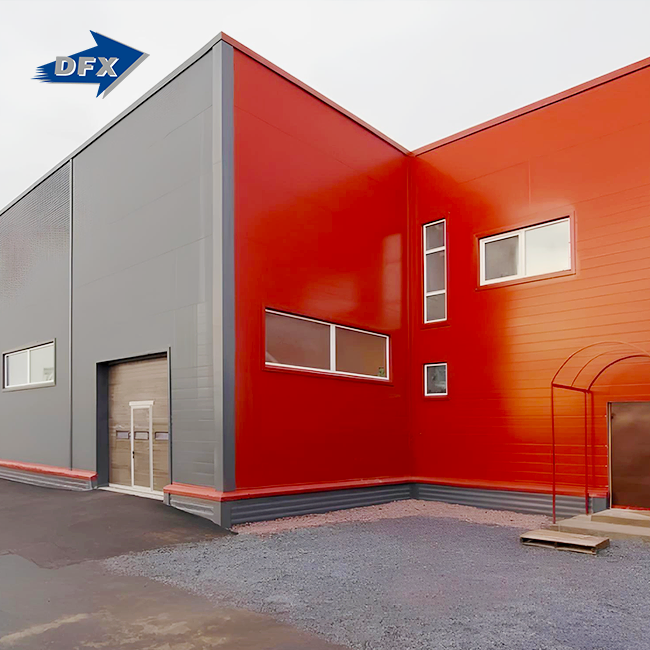
Because it is strong, flexible, and works with a wide range of covering systems, the Steel Structure School Building frame lets architects express almost any style. Architects ask for things like curved rooflines, protruding parts, big windows, and complicated shapes that are hard to make with regular building materials. The structure is hidden behind the facade, which can be made of anything from brick veneer to glass curtain walls. This means that Steel Structure School Buildings can fit in with any style, from traditional to modern. Because of this, steel can be used for projects that fill in gaps in historic districts, colleges in the suburbs, and high-rise schools in cities.
Partner with DFX for Your Educational Infrastructure Needs
DFX has been making Steel Structure School Buildings for more than twelve years and is known for delivering complete projects on time and to high standards of engineering. Our 40,000-square-meter factory uses cutting-edge manufacturing technologies, Steel Structure School Building such as automatic H-beam welding lines and precision metal panel systems, to make sure that the finished Steel Structure School Buildings are the right size and meet ISO 9001 and CE certification standards. We know that procurement professionals need reliable Steel Structure School Building suppliers who can help with projects from the first idea to the final move-in. Our integrated services include architectural design, structural calculations, component fabrication, and installation advice that is specific to the needs of educational facilities. Email our technical team at jason@bigdirector.com to talk about the details of your project and get thorough quotes that take into account the current market conditions for Steel Structure School Buildings. Because we have a history of success in business and educational buildings, we can give your community the safe, cost-effective, and flexible learning spaces it needs.
References
1. American Institute of Steel Construction. (2022). Seismic Design Manual: Fourth Edition. Chicago: AISC Publications.
2. Chen, W.F., & Lui, E.M. (2019). Handbook of Structural Engineering: Second Edition. Boca Raton: CRC Press.
3. International Code Council. (2021). International Building Code 2021. Washington, D.C.: ICC Publications.
4. Lawson, R.M., & Ogden, R.G. (2020). Application of Modular Construction in High-Rise Buildings. London: Steel Construction Institute.
5. Newman, A. (2018). Metal Building Systems: Design and Specifications. New York: McGraw-Hill Professional.
- U.S. Green Building Council. (2021). LEED v4.1 Building Design and Construction Guide. Washington D.C.: USGBC Press.
Learn about our latest products and discounts through SMS or email