- English
- French
- German
- Portuguese
- Spanish
- Russian
- Japanese
- Korean
- Arabic
- Greek
- German
- Turkish
- Italian
- Danish
- Romanian
- Indonesian
- Czech
- Afrikaans
- Swedish
- Polish
- Basque
- Catalan
- Esperanto
- Hindi
- Lao
- Albanian
- Amharic
- Armenian
- Azerbaijani
- Belarusian
- Bengali
- Bosnian
- Bulgarian
- Cebuano
- Chichewa
- Corsican
- Croatian
- Dutch
- Estonian
- Filipino
- Finnish
- Frisian
- Galician
- Georgian
- Gujarati
- Haitian
- Hausa
- Hawaiian
- Hebrew
- Hmong
- Hungarian
- Icelandic
- Igbo
- Javanese
- Kannada
- Kazakh
- Khmer
- Kurdish
- Kyrgyz
- Latin
- Latvian
- Lithuanian
- Luxembou..
- Macedonian
- Malagasy
- Malay
- Malayalam
- Maltese
- Maori
- Marathi
- Mongolian
- Burmese
- Nepali
- Norwegian
- Pashto
- Persian
- Punjabi
- Serbian
- Sesotho
- Sinhala
- Slovak
- Slovenian
- Somali
- Samoan
- Scots Gaelic
- Shona
- Sindhi
- Sundanese
- Swahili
- Tajik
- Tamil
- Telugu
- Thai
- Ukrainian
- Urdu
- Uzbek
- Vietnamese
- Welsh
- Xhosa
- Yiddish
- Yoruba
- Zulu
Steel Building Gym: The Smart Choice for Modern Fitness Spaces
Developing a world-class sports venue requires a choice of materials that can handle massive spans and high-capacity crowds. A modern stadium integrated with a Steel Structure Gym & Fitness center provides a versatile environment for both professional athletes and the public. Steel frames create clear-span interiors that allow for unobstructed views of the field while supporting specialized training zones. These pre-engineered systems reduce construction timelines significantly compared to concrete arenas, offering better durability and the strength needed to support heavy stadium lighting and audio-visual equipment. Our experience in the U.S. market proves that steel stadiums deliver superior value in terms of speed, cost efficiency, and long-term structural reliability.
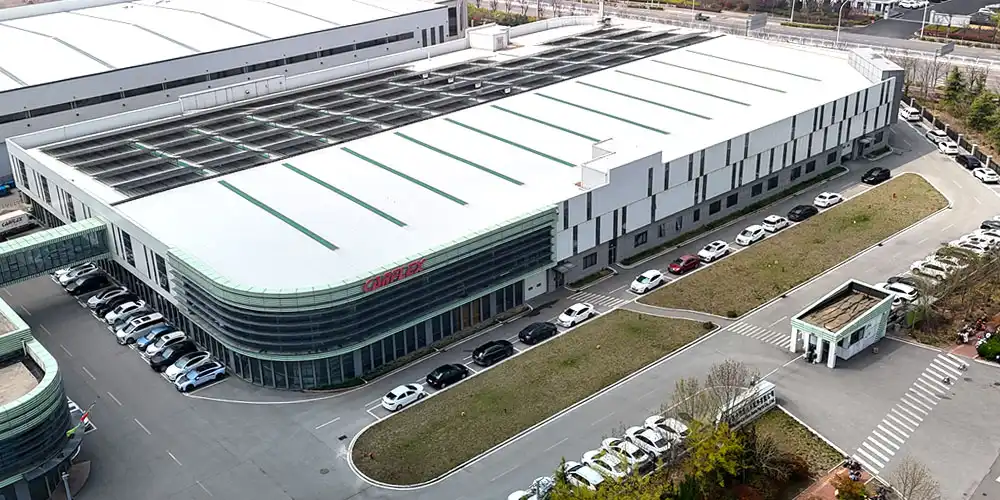
Understanding Steel Structure Gyms: Advantages and Design Principles
What Makes Steel Frame Gyms Different from Traditional Construction
To make a rigid frame, stadium-sized steel buildings need high-grade beams like ASTM A572 Grade 50. With this method, clear spans can be longer than 80 meters, which is important for venues where columns inside can't block the field of play. Since 2011, we've been making stadium parts at our 40,000-square-meter factory. We use modular plans that let us add more seats in the future without having to completely rebuild the building.
Core Advantages That Impact Your Bottom Line
Building a stadium with a Steel Structure Gym & Fitness layout offers measurable financial benefits through rapid assembly. Prefabricated components arrive at the site ready for installation, cutting construction schedules by nearly 50% compared to traditional concrete methods. This speed-to-market allows stadium operators to begin hosting events and generating revenue much sooner. Furthermore, the durability of the indoor sports hall of hot-dip galvanized steel ensures a service life of over 50 years with minimal upkeep.
Customization Options for Diverse Fitness Applications
Stadium builders can add special areas for different sports because the designs are flexible. Large arenas have wide layouts that can fit thousands of spectators, and the areas inside can be changed to fit functional training zones and heavy equipment rigs. Our architectural team makes sure that the structural steel fits exactly with the needs of the stadium, like having high ceilings for indoor tracks or strong roof beams for media screens that hang from the ceiling.
Steel Structure Gym Vs. Traditional Gyms: Making the Right Choice
Material Performance Comparison
Because it is stronger than it is heavy, structural steel works better in high-traffic stadiums than brick and wood. A Steel Structure Gym & Fitness building can handle the moving weight of a lot of people and the vibrations of heavy exercise equipment. On the other hand, concrete tends to crack over time, but precision-engineered steel stays strong and has a 15-20% lower lifetime cost over thirty years of use.
Environmental Resistance and Longevity
Because stadiums are often open to bad weather, corrosion protection is very important. To keep our steel frames from rusting in places with a lot of moisture or near the coast, they are shot-blasted and then treated with epoxy zinc-rich bases or hot-dip galvanisation. It is necessary for facilities with swimming pools or open-air viewing areas to have this amount of security. Because steel is flexible, it also performs better in earthquakes. This means that the stadium can bend without damaging itself.
Real Cost Analysis and Financing Considerations
Accurate budgeting for a stadium project must look at the total cost of ownership. Steel stadium buildings typically range from $50-$120 per square foot, providing a competitive alternative to expensive tilt-up concrete designs. Many developers utilize integrated financing packages that cover both the building structure and the internal sports equipment. Suppliers with ISO and CE certification often provide backed financing options to Indoor sports hall help manage the significant capital requirements of large-scale sports infrastructure.
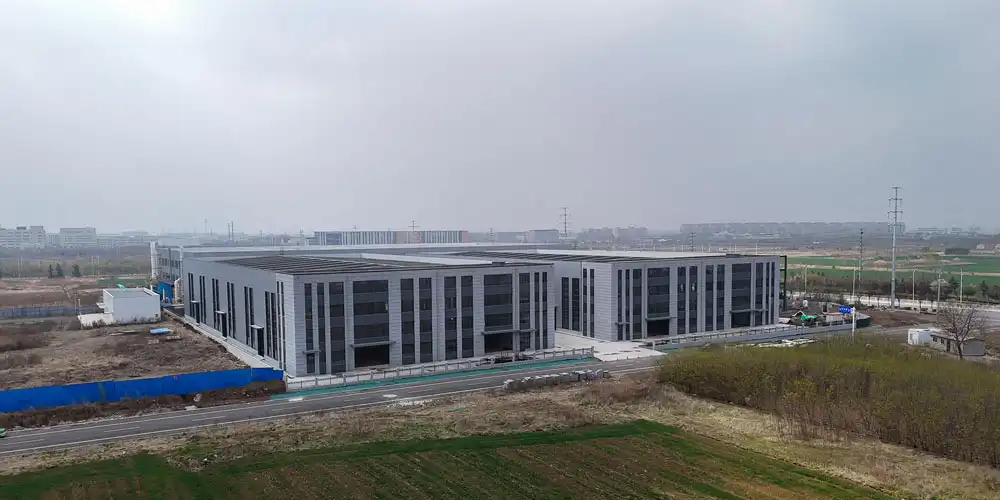
The Steel Structure Gym Construction Process: From Planning to Completion
Site Preparation and Foundation Work
Before building a stadium, a geotechnical study is done to make sure the ground is strong enough to hold the huge weight of the stands and roof. Because steel is so much lighter than concrete, a Steel Structure Gym & Fitness stadium needs less intense foundations. This saves time and money on materials and digging. During this step, the anchor bolt layouts that our engineering team gives us are carefully matched with the utility lines for lights, irrigation, and drainage.
Steel Frame Erection and Assembly
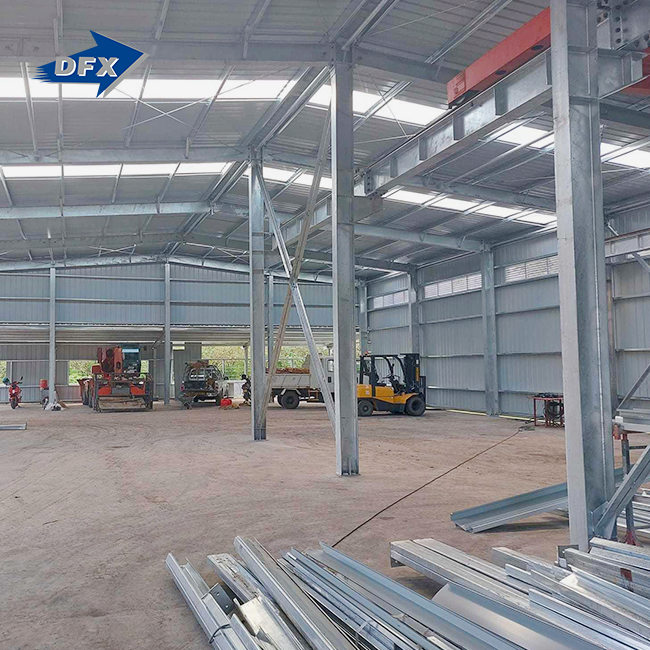
High-capacity cranes are used to move main H-beams and columns into place during the construction of a steel stadium. Our production lines make these members with millimeter-level accuracy to make sure they fit perfectly when they are put together on-site. Extra framing, like purlins and bracing, is added to make the places where the grandstands and enclosure panels will connect. This step works very well because the steel parts don't need to cure for as long as the concrete does.
Enclosure Systems and Interior Finishing
High-capacity cranes are used to move main H-beams and columns into place during the construction of a steel stadium. Our production lines make these members with millimeter-level accuracy to make sure they fit perfectly when they are put together on-site. Extra framing, like purlins and bracing, is added to make the places where the grandstands and enclosure panels will connect. This step works very well because the steel parts don't need to cure for as long as the concrete does.
Post-Construction Maintenance and Inspections
Maintaining a stadium involves annual inspections of the exterior panels and structural connections. Steel structures require much less intervention than masonry, but checking the condition of protective coatings at joint points is necessary to prevent long-term oxidation. We provide comprehensive maintenance manuals that detail the service intervals for the roof drainage and HVAC systems, ensuring the facility, Steel Stadium, remains in peak condition for athletes and fans alike.
Why Leading Fitness Centers Choose Steel Structure Gyms
Market Trends Driving Steel Adoption
More and more, modern sports organisations are building new stadiums out of steel. Over 60% of all new large-scale sports centers use Steel Structure Gym & Fitness engineering, according to data. This trend is caused by the need for fast building and materials that can be reused and recycled. Steel is the best material for sports facilities that need to be able to adapt to new technology and equipment because it can be used to make open interior plans.
Success Stories from Commercial Operators
A Texas stadium that can be used for many things recently saved 18% on building costs by moving from a concrete frame to a steel frame. The project was finished six weeks early, which meant that a major tournament could be held at the venue earlier than expected. In the same way, a network of specialised training facilities has agreed on using prefabricated steel structures to keep the brand's look consistent while lowering the cost of building in multiple sites through bulk purchases and modular design.
Evaluating Trusted Manufacturers and Suppliers
The most important part of a stadium project is picking a seller with a lot of technical know-how. The Director of Steel Structure in Qingdao has been building complicated sports facilities for more than 12 years. With the ability to make 20,000 tonnes of H-beams, we can make sure that big arena orders are met on time. To make sure that all structural parts meet international safety standards and local building rules, procurement teams should check that suppliers have CE and ISO certifications.
How to Procure and Finance Your Steel Structure Gym Project
Navigating Procurement Options
Developers of stadiums can pick from standard kit systems for smaller venues or solutions that are made just for the biggest stadiums. If you want to save up to 35% on the cost of making a big Steel Structure Gym & Fitness project, you can look for it overseas. To please local building inspectors and make sure long-term insurance coverage, it is important to make sure that all foreign steel comes with the right product certifications.
Cost Estimation and Budget Management
A comprehensive budget for a steel stadium must include Steel stadium site preparation, the primary steel structure, and specialized interior finishes. While base costs are predictable, site-specific factors like topography or local labor rates can influence the final square-foot price. Developers should also budget for mechanical, electrical, and plumbing systems, which typically account for 20% of the total project. Using a prefabricated system helps minimize hidden costs like change orders and weather delays.
Financing Solutions and Value-Added Services
Large sports projects can be financed with either standard construction loans or specialised equipment leasing plans. Some makers offer supplier-backed programs to help qualified buyers pay less for the initial cost of the goods. To protect your investment, we offer full guarantees on the strength of the structure and the durability of the coating. Local contractors can easily put together the Steel Structure Gym & Fitness stadium with the help of our team's on-site erection guidance and detailed manuals.
Conclusion
Steel stadiums are the future of sports design because they can be built quickly and have the best clear-span capabilities. When gym owners choose a Steel Structure Gym & Fitness plan, they get a building that will last, use little energy, and be easy to change to meet new needs. With more than ten years of experience making things, we help builders get through the complicated process of building stadiums so that they are built to last.
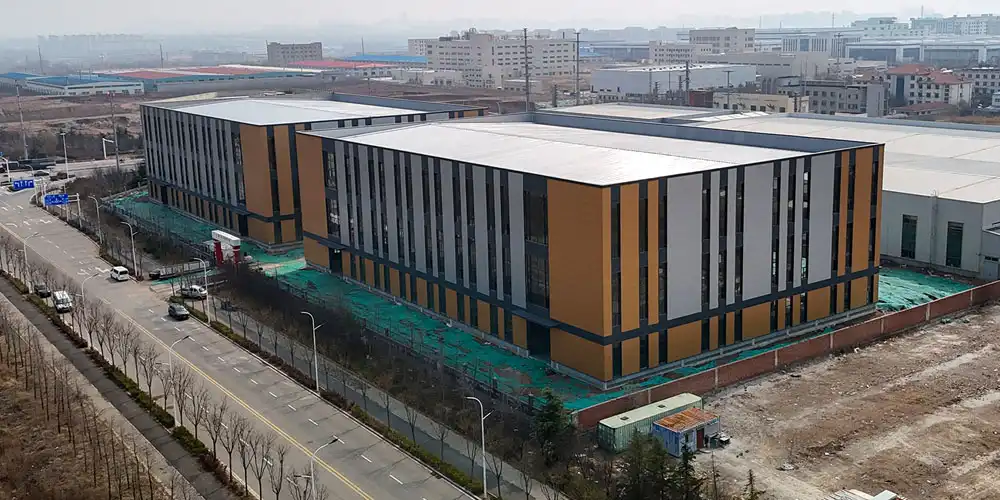
FAQ
1. How does steel gym construction cost compare to traditional building methods?
A Steel Structure Gym & Fitness stadium is generally more cost-effective than concrete or masonry, with base costs ranging from $50-$120 per square foot. When factoring in the reduced construction time and lower maintenance requirements over a 30-year period, steel offers a 15-20% lifecycle saving. The predictability of factory-made components also prevents the budget overruns commonly associated with traditional site-built projects.
2. What maintenance do steel gyms require compared to conventional facilities?
Unlike wood that rots or concrete that cracks, steel is resistant to pests and moisture when properly treated. Maintenance for a Steel Structure Gym & Fitness complex is minimal, primarily involving annual inspections of fasteners and the integrity of protective coatings. Because our steel is treated with advanced galvanization or epoxy primers, the facility remains structurally sound with much lower annual service costs than conventional buildings.
3. Can steel gym buildings be customized for specific fitness concepts and equipment needs?
Steel construction allows for complete customization of ceiling heights and floor layouts to suit any sport. Whether you need a stadium with massive roof spans or a Steel Structure Gym & Fitness center with reinforced beams for heavy rigs, the structure can be engineered to your exact specifications. Acoustic panels and specialized ventilation systems can also be integrated into the design to ensure an optimal environment for both athletes and spectators.
Partner with a Steel Structure Gym & Fitness Supplier You Can Trust
DFX, operating as Qingdao Director Steel Structure, has over 12 years of experience manufacturing steel stadium and fitness structures. Our 40,000-square-meter facility and skilled workforce are dedicated to producing high-quality steel that meets ISO and CE standards. We provide full technical support, from initial architectural concepts to on-site erection guidance, ensuring your stadium project is a success. Reach out to our team at jason@bigdirector.com to receive a quote for your Steel Structure Gym & Fitness stadium project and learn how our manufacturing expertise can accelerate your development.
References
1. American Institute of Steel Construction. (2022). Steel Design Guide Series 32: Design of Modular Steel-Framed Buildings. Chicago: AISC Publications.
2. Lawson, R. M., & Richards, J. (2021). Modular Steel Construction: Applications and Case Studies in Commercial Buildings. London: The Steel Construction Institute.
3. Chen, W. F., & Lui, E. M. (2019). Handbook of Structural Engineering: Steel and Composite Construction Principles. Boca Raton: CRC Press.
4. National Association of Sports Commissions. (2023). Facility Development Trends Report: Construction Materials and Methods in Athletic Buildings. Indianapolis: NASC Research Division.
5. Trahair, N. S., & Bradford, M. A. (2020). The Behaviour and Design of Steel Structures to AS 4100: Fourth Edition. Boca Raton: CRC Press.
6. International Council of Shopping Centers. (2021). Pre-Engineered Metal Buildings for Commercial Applications: Cost Analysis and Performance Data. New York: ICSC Publications.
Learn about our latest products and discounts through SMS or email