- English
- French
- German
- Portuguese
- Spanish
- Russian
- Japanese
- Korean
- Arabic
- Greek
- German
- Turkish
- Italian
- Danish
- Romanian
- Indonesian
- Czech
- Afrikaans
- Swedish
- Polish
- Basque
- Catalan
- Esperanto
- Hindi
- Lao
- Albanian
- Amharic
- Armenian
- Azerbaijani
- Belarusian
- Bengali
- Bosnian
- Bulgarian
- Cebuano
- Chichewa
- Corsican
- Croatian
- Dutch
- Estonian
- Filipino
- Finnish
- Frisian
- Galician
- Georgian
- Gujarati
- Haitian
- Hausa
- Hawaiian
- Hebrew
- Hmong
- Hungarian
- Icelandic
- Igbo
- Javanese
- Kannada
- Kazakh
- Khmer
- Kurdish
- Kyrgyz
- Latin
- Latvian
- Lithuanian
- Luxembou..
- Macedonian
- Malagasy
- Malay
- Malayalam
- Maltese
- Maori
- Marathi
- Mongolian
- Burmese
- Nepali
- Norwegian
- Pashto
- Persian
- Punjabi
- Serbian
- Sesotho
- Sinhala
- Slovak
- Slovenian
- Somali
- Samoan
- Scots Gaelic
- Shona
- Sindhi
- Sundanese
- Swahili
- Tajik
- Tamil
- Telugu
- Thai
- Ukrainian
- Urdu
- Uzbek
- Vietnamese
- Welsh
- Xhosa
- Yiddish
- Yoruba
- Zulu
How a Steel Building Can Benefit Your Retail Business
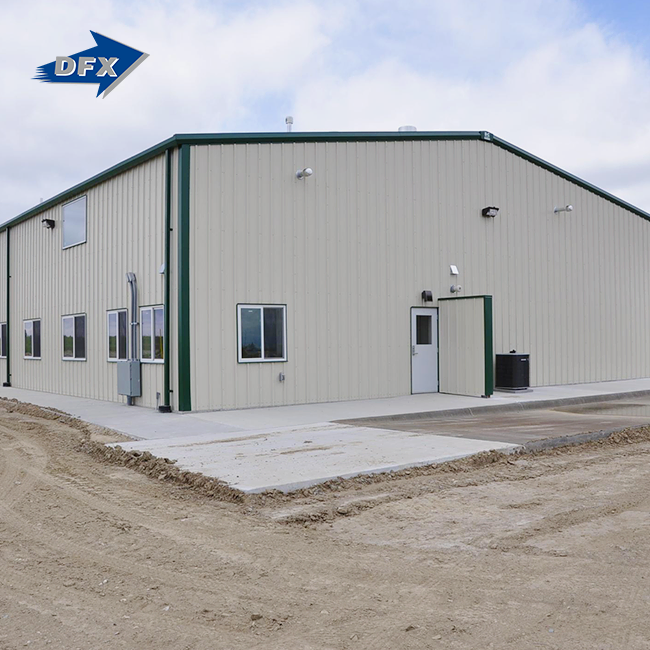
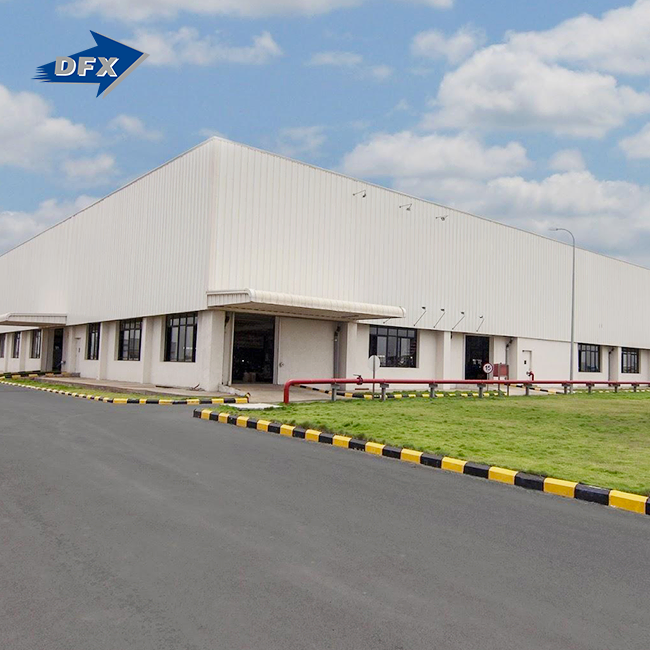
Choosing a Steel Structure Retail Shop can transform how retail businesses manage construction timelines, operational costs, and future adaptability. These modern commercial structures utilize pre-engineered building systems and high-strength steel framing to deliver open-space environments perfectly suited for product showrooms, exhibition halls, and sales centers. With construction timelines shortened by 30-50% compared to traditional methods, retailers gain faster time-to-market while preserving capital efficiency. The elimination of intrusive interior support columns maximizes usable floor area, directly enhancing customer flow and merchandise display potential—critical advantages for today's competitive retail landscape.
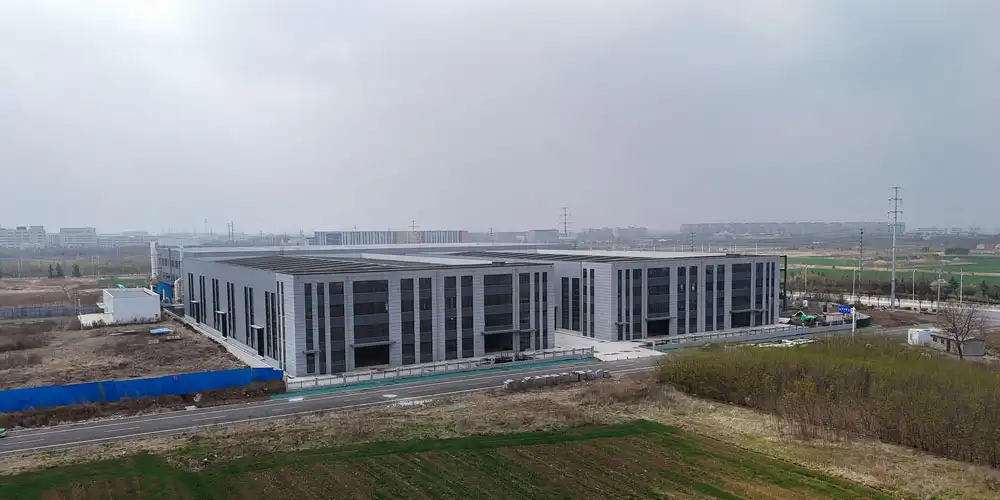
Understanding Steel Structure Retail Shops and Their Advantages
Steel-framed business buildings are a big change in the way that shop infrastructure is provided. H-section steel columns and beams are used in these buildings, along with C/Z purlins to make strong frames that can hold up big window openings and glass curtain walls. These buildings were mostly made in China and strictly followed the rules set by ISO9003, CE, COC, and PVOC. The material's yield strengths were higher than 345 MPa, and its tensile strengths were between 470 and 630 MPa.
Speed and Efficiency in Construction
Steel retail buildings are built using a prefabrication plan, which speeds up project delivery by a large amount. When parts arrive at the building site, they are already put together. This cuts down on weather delays and the need for on-site labor. This way of dry building works really well in urban retail spaces where noise, dust, and problems for nearby businesses need to be kept to a minimum. When compared to traditional brick-and-mortar buildings, project managers always say that finishing times are cut by several months.
Environmental Responsibility
Steel's ability to be recycled meets more and more sustainability requirements from government agencies and business duty standards. The material keeps its structural integrity after being recycled many times, and current manufacturing methods have greatly reduced their carbon footprints. Hot-dip galvanization treatments, which use zinc coating masses of 275g/m² or more, protect against rust without using volatile organic compound-based coatings. This helps keep the air quality inside stores better for customers and workers.
Comparing Steel Structures with Traditional Retail Shop Buildings
When using traditional building methods like brick or reinforced Metal storefront concrete, there are some problems that steel frames can solve. Comparing materials shows clear differences in how well they work in a number of operating areas.
Structural Performance and Longevity
When compared to concrete buildings, High-Strength Low-Alloy steel (Grade Q355B or ASTM A572 Gr. 50) has better strength-to-weight ratios. This feature lowers foundation loads by about 25%, which means less concrete is needed for site preparation and less money is spent on digging. Because steel is flexible, buildings can take seismic energy without falling down in a big way. This is an important thing to think about for retail purchases in areas that are prone to earthquakes. When steel frames with intumescent coats are kept in good shape, they can withstand fires for two to three hours and last for more than fifty years.
Cost and Timeline Advantages
Professionals in procurement know that the total cost of ownership includes more than just the original costs of building something. Because prepared parts are delivered to the job site, steel buildings cut on-site work hours and, on average, labor costs by 20 to 30 percent. Construction times are cut down a lot. For example, a 5,000-square-meter shop store might take 8–10 months to build the old-fashioned way, but only 5–6 months to build with steel. This sped-up plan lets businesses start making money and getting their money back faster, which is especially helpful for stores that are entering competitive markets or selling during busy times of the year. The accuracy of making in factory-controlled settings cuts down on waste and ensures that measurements are correct. When quality control measures are used during fabrication, they keep costly field changes from having to be made during site-built construction. These savings are very important to buying managers and project engineers who have to keep projects within their budgets.
Designing and Building Your Steel Structure Retail Shop
To build a Steel Structure Retail Shop that works well, you have to balance structural engineering with the needs of running a retail store. The process includes everything from basic planning to final support for construction. It requires architects, structural engineers, and skilled steel fabricators to work together.
Design Considerations for Retail Functionality
Open-space business steel buildings with big openings on the outside make welcome exits for customers and let a lot of natural light into the inside. During the design process, teams must meet a number of technical requirements. These include making sure that the roof system is strong enough to support the loads of HVAC equipment, choosing the right base designs that work with the dirt, and incorporating utility systems into the structure. Modern stores need strong electrical wiring for lights and point-of-sale systems, as well as enough air conditioning to keep customers comfortable during busy buying times. The way an architecture looks is also very important. Steel structures can be covered with a variety of materials, such as heated metal panels or glass curtain wall systems. This lets stores show off their brand through the way their buildings look. Because the structure is flexible, mezzanine office floors, raised watching areas for customers, Metal storefront or storage spaces on the second floor can be added without making the main shop floor less open.
Construction Process and Erection Support
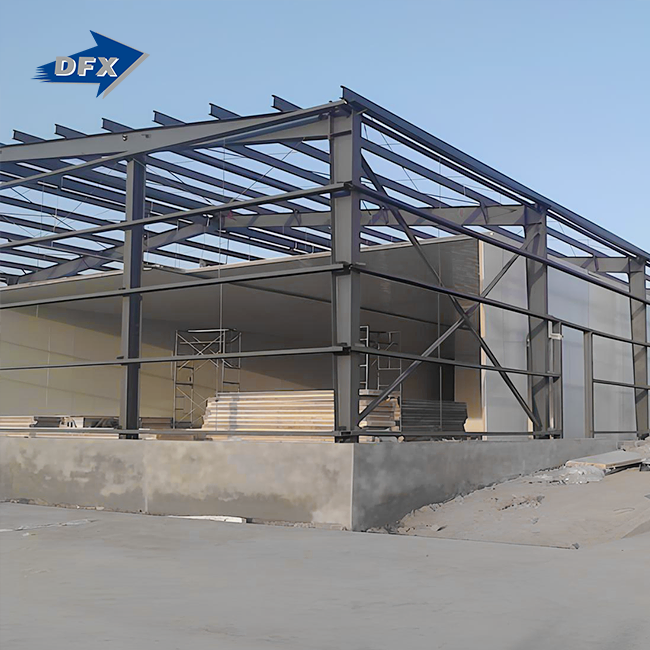
During the fabrication phase, automated welded H-beam production lines keep the quality constant in controlled industrial settings. Six automatic welding lines at Director Steel's 40,000-square-meter plant make about 20,000 tons of welded H beams and columns every year. The whole process follows strict ISO quality management rules. Surface treatment, like hot-dip galvanization or epoxy zinc-rich painting, is done before shipping, so it arrives ready to be put together right away. On-site production moves along in a planned way. The foundation is being prepared while steel parts are being made, which shortens the total project time. The sections are put together by erection teams using bolts and connections between columns and beams that are designed to move loads precisely. When you hire good builders, the structure is built in weeks instead of months, which lets you start finishing the inside of the building early.
Procurement and Cost Factors in Steel Structure Retail Shops
Understanding the different parts of a cost lets you make smart purchasing decisions that save money in the short and long run. When choosing steel building providers, business-to-business buyers need to think about a number of factors.
Material and Installation Cost Breakdown
The main things that affect the cost are the amount of structural steel (in tons), the envelope systems (sandwich panels or other covering), the base needs, and the work needed to put it together. For simple store uses, pre-engineered metal building systems are a good choice because they come in standard sizes and cost less. Customized solutions can be made to fit specific site conditions, stylistic needs, or business requirements. They usually come at a higher cost but offer more usefulness. Transparent suppliers who are open and honest give thorough quotes that list each of these parts separately. This split helps buying managers find ways to cut costs, like value-engineering envelope systems or changing the size of buildings to match the shapes of standard parts. Shipping arrangements for imported steel, local permit fees, utility connection costs, and backup plans for unplanned site conditions are all hidden costs that need to be looked into.
Evaluating Suppliers and Manufacturers
Doing your research before choosing a provider shields the quality of the procurement, the retail showroom, and the deadlines you set. Companies like Director Steel, which has been in business since 2011 and has more than 200 trained employees, show their production ability and technical know-how through collections of projects that can be checked. International certificates like ISO9003, CE, COC, and PVOC show that a product meets quality standards that are known and respected. This lowers the risk of noncompliance for buyers who do business in more than one country. The ability to manufacture things is very important. With automatic production lines for H-beams, C/Z sections, sandwich panels, and folded sheets, facilities offer a wide range of components from a single source. Having building design and detailing services in-house makes project planning easier because there are no communication gaps between the design and manufacturing teams. Suppliers who offer "turnkey" solutions, which include everything from idea design to help during installation, make buying easier and increase responsibility.
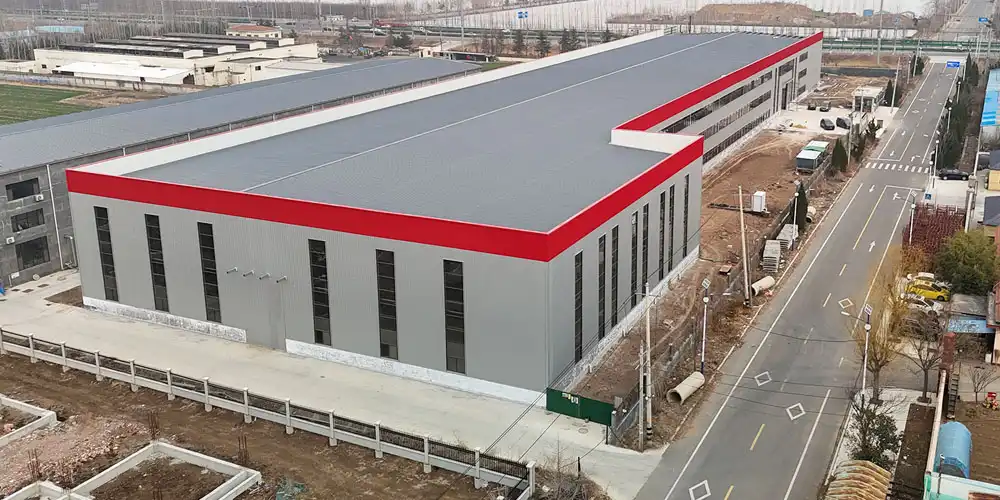
Future Trends and Strategic Value of Steel Retail Buildings
When retailers invest in infrastructure, they need to think about how the market and regulations will change over time. When it comes to new trends, steel buildings put businesses in a good situation.
Sustainability and Circular Economy Alignment
Advanced steel recycling methods allow almost all of the material to be recovered at the end of its useful life. This supports the circular economy concepts that are being required by environmental laws more and more. Using better energy-saving design elements, like thermally broken structure systems and high-performance envelope parts, lowers the carbon footprint of operations. Steel buildings help the environment and keep businesses going, which is good for retailers who have to report on their company's sustainability.
Adaptability to Changing Retail Formats
Changes in consumer behavior and the growth of e-commerce are always changing how real stores do business. Steel buildings can adapt to these changes because they are naturally flexible. Non-load-bearing walls are easy to move around to change how a room is used on the sales floor, in the delivery areas, and in the customer service areas. Bolting extra bays to existing beams lets structural frames grow, so there is no need for removal of waste or business interruption. This flexibility makes the building last longer and protects original capital investments from losing their value due to format obsolescence.
Technology Integration and Resilience
Integrated building systems, like automatic climate control, security tracking, and inventory management networks, are becoming more and more important to modern retail businesses. Steel buildings are easily able to fit infrastructure for managing cables, mounting points for equipment, and future technological advances. These technological investments are safe from bad weather thanks to the strength of properly designed steel frames, a retail showroom that can handle wind loads higher than 0.60 KN/m² and seismic resistance up to Grade 8 levels.
Conclusion
Steel Structure Retail Shop solutions offer real benefits in terms of speed of construction, operating versatility, and costs over the life of the building. Pre-engineered efficiency, structural flexibility, and environmental sustainability are all important factors for retail companies and the building professionals who work with them. If you choose the right provider and carefully carry out the plan, steel buildings can provide long-lasting infrastructure that helps stores succeed even when market conditions change. Steel buildings have a proven track record, as shown by the thousands of finished projects around the world. This gives buyers trust, backed by engineering performance data and long-term operational results.
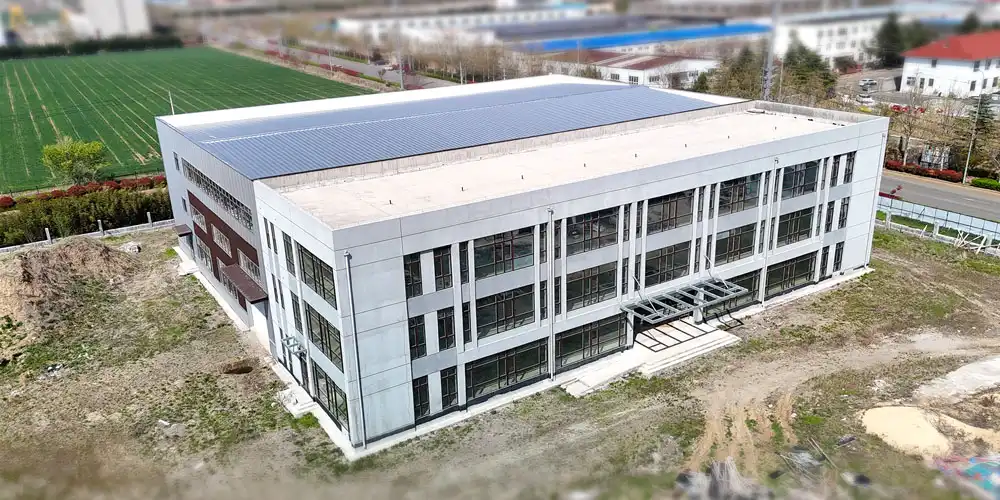
FAQ
1. How quickly can a steel retail building be constructed?
Steel buildings usually take 30 to 50 percent less time to build than standard structures. Depending on the size and level of customization, a normal retail store could have a weathertight enclosure 8–12 weeks after the base is finished. The whole project could be finished in 5–6 months. Prefabrication and site planning happen at the same time, which shortens total schedules by a lot.
2. Can steel buildings achieve desired aesthetic appearances?
Different cladding methods allow modern steel buildings to reflect different architectural styles. Modern, clear surfaces are made of glass curtain walls, and insulated metal panels add structure and color variety. The structure is hidden by the finishing materials, so store buildings can show off their brands without sacrificing their looks.
3. What maintenance does a steel retail shop require?
Routine upkeep is still pretty low-key: protective coats are checked every so often, gutters are cleaned, and paint is touched up every 15 to 20 years. Correctly galvanized steel successfully fights corrosion, so it doesn't need as much upkeep as wood or brick buildings. This shape requires little upkeep, which lowers long-term operating costs by a large amount.
Partner with DFX for Your Steel Retail Building Project
Director Steel has more than 12 years of experience building and putting up business steel structures for a wide range of uses, such as product stores, exhibition halls, and sales centers. Our Qingdao factory is spread out over 40,000 square meters and has six automatic welded H-beam lines, two sandwich panel lines, and a lot of different kinds of manufacturing equipment. Each year, it makes 20,000 tons of structural steel. Our ISO9003, CE, COC, and PVOC certifications help all of our relationships with Steel Structure Retail Shop suppliers. These certifications make sure that your project meets international quality standards at all times. Our full range of services, including idea design, fabrication, surface treatment, and erection support, means that we can make solutions that are custom-made to meet the needs of your shop infrastructure. Get in touch with jason@bigdirector.com right away to talk about how our turnkey steel building solutions can speed up the timing for your retail project while also lowering costs and improving business efficiency.
References
1. American Institute of Steel Construction. (2016). Specification for Structural Steel Buildings (ANSI/AISC 360-16). Chicago: AISC.
2. Lawson, R. M., & Ogden, R. G. (2008). Application of Modular Construction in High-Rise Buildings. Journal of Architectural Engineering, 14(2), 148-153.
3. Davies, J. M. (2001). Lightweight Sandwich Construction. Oxford: Blackwell Science Ltd.
4. Burgess, I. W., & Plank, R. J. (2007). The Thermal Behaviour of Steel Frames with Composite Floor Slabs Subject to Fire. Fire Safety Journal, 42(6-7), 459-475.
5. Tata Steel Construction. (2014). Retail Buildings: Design Guidance for Steel Structures. London: The Steel Construction Institute.
6. European Convention for Constructional Steelwork. (2010). Design of Steel Structures for Buildings in Seismic Zones (Eurocode 8). Brussels: ECCS Technical Committee.
Learn about our latest products and discounts through SMS or email