- English
- French
- German
- Portuguese
- Spanish
- Russian
- Japanese
- Korean
- Arabic
- Greek
- German
- Turkish
- Italian
- Danish
- Romanian
- Indonesian
- Czech
- Afrikaans
- Swedish
- Polish
- Basque
- Catalan
- Esperanto
- Hindi
- Lao
- Albanian
- Amharic
- Armenian
- Azerbaijani
- Belarusian
- Bengali
- Bosnian
- Bulgarian
- Cebuano
- Chichewa
- Corsican
- Croatian
- Dutch
- Estonian
- Filipino
- Finnish
- Frisian
- Galician
- Georgian
- Gujarati
- Haitian
- Hausa
- Hawaiian
- Hebrew
- Hmong
- Hungarian
- Icelandic
- Igbo
- Javanese
- Kannada
- Kazakh
- Khmer
- Kurdish
- Kyrgyz
- Latin
- Latvian
- Lithuanian
- Luxembou..
- Macedonian
- Malagasy
- Malay
- Malayalam
- Maltese
- Maori
- Marathi
- Mongolian
- Burmese
- Nepali
- Norwegian
- Pashto
- Persian
- Punjabi
- Serbian
- Sesotho
- Sinhala
- Slovak
- Slovenian
- Somali
- Samoan
- Scots Gaelic
- Shona
- Sindhi
- Sundanese
- Swahili
- Tajik
- Tamil
- Telugu
- Thai
- Ukrainian
- Urdu
- Uzbek
- Vietnamese
- Welsh
- Xhosa
- Yiddish
- Yoruba
- Zulu
Why Choose a Cold Storage Steel Warehouse for Food Storage?
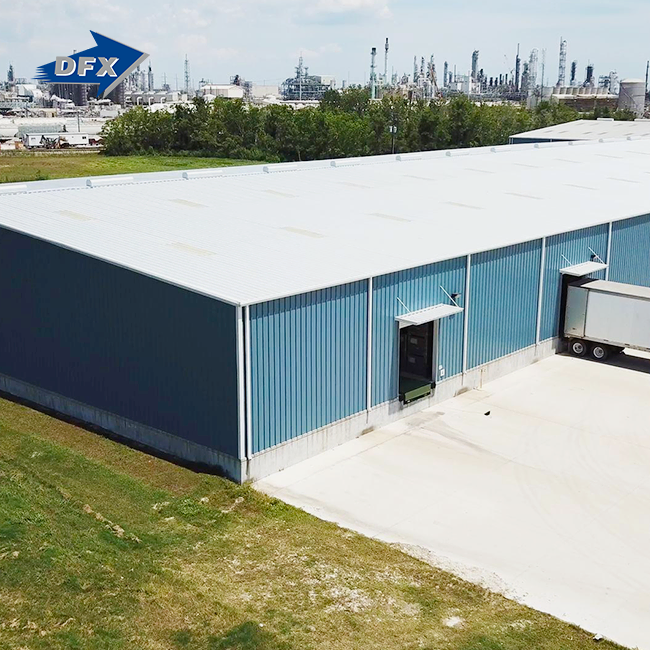
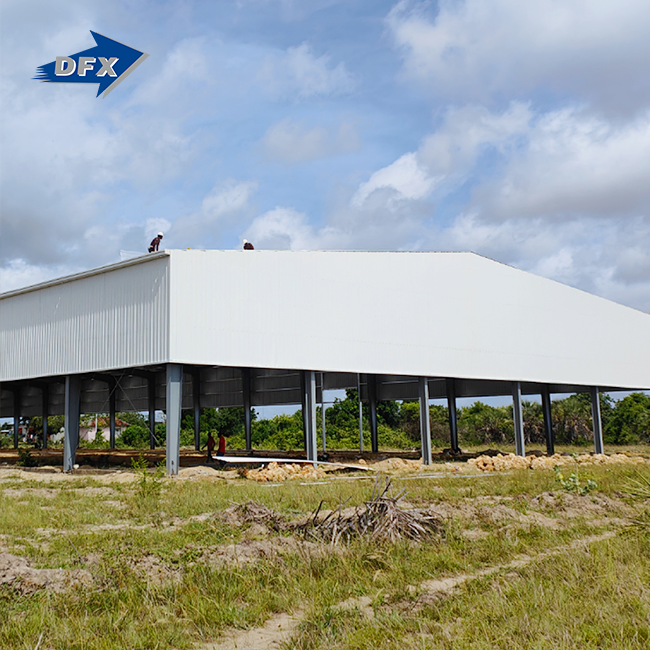
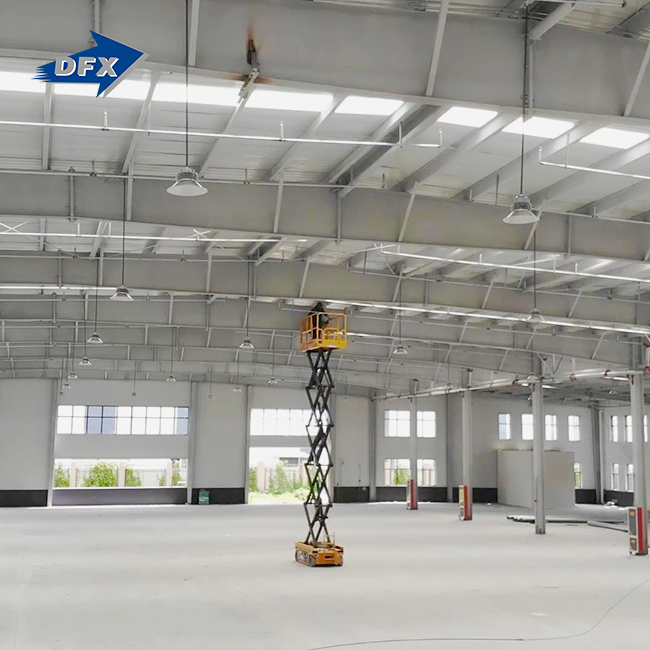
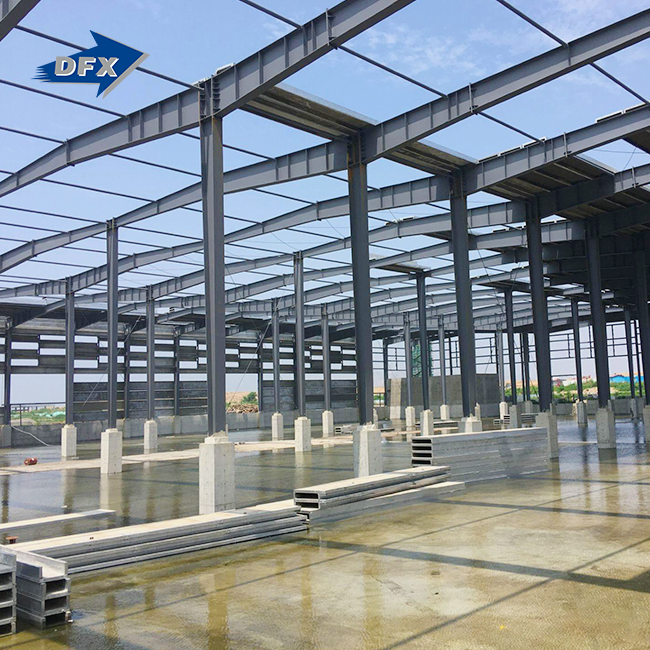
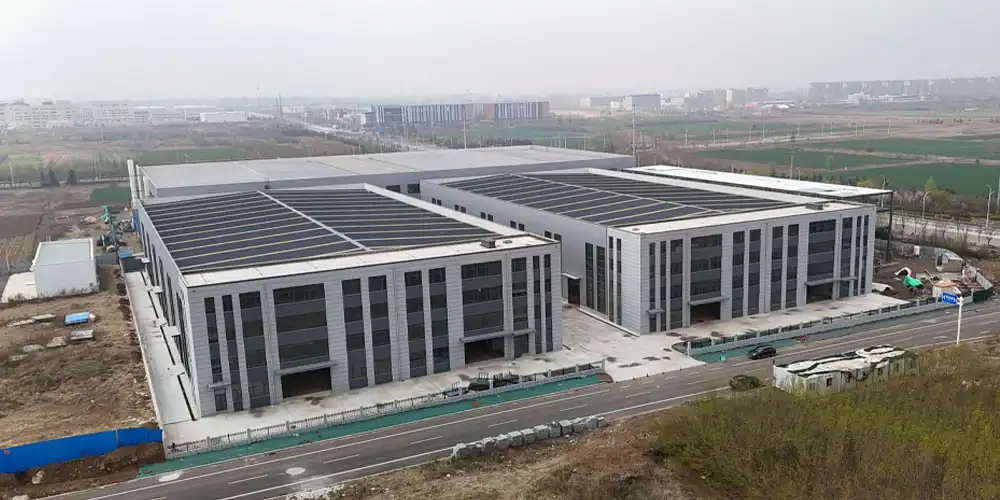
If you want to store food, a Cold Storage Steel Warehouse is the best choice because it keeps food cool, lasts longer, and can be set up quickly compared to regular concrete buildings. These pre-engineered buildings have H-beam steel frames that are connected to high-performance insulation panels, which are usually made of PIR or PUR materials. These panels keep specific temperature zones while using as little energy as possible. The flexible design cuts down on building times by 30–50%, which speeds up time to market and cuts down on project delays. Because these buildings are so airtight, they don't let expensive temperature changes that threaten food safety happen. This makes them the best choice for logistics companies, food makers, and cold chain workers who want reliable, scalable infrastructure.
Introduction
From the farm to the table, strict temperature control is an important part of the world food supply chain. Every year, about 1.3 billion tons of food go bad while being shipped and stored because there isn't enough cooling equipment. Cold storage buildings are very important for keeping perishable things safe and keeping people healthy. Recently, procurement managers and project engineers have been looking more at Cold Storage Steel Warehouse options. This change is happening because steel buildings are naturally better than standard concrete ones: they can be built faster, last longer, and use less energy. In today's competitive B2B food transport market, knowing these benefits helps people make decisions that combine cost, performance, and compliance needs. This guide tells procurement workers everything they need to know about cold storage steel buildings, including their technical specs, business benefits, and long-term worth. We want to help people make smart buying choices that meet the needs of the project right now and the goals for long-term survival.
Understanding Cold Storage Steel Warehouses
What Defines a Cold Storage Steel Warehouse
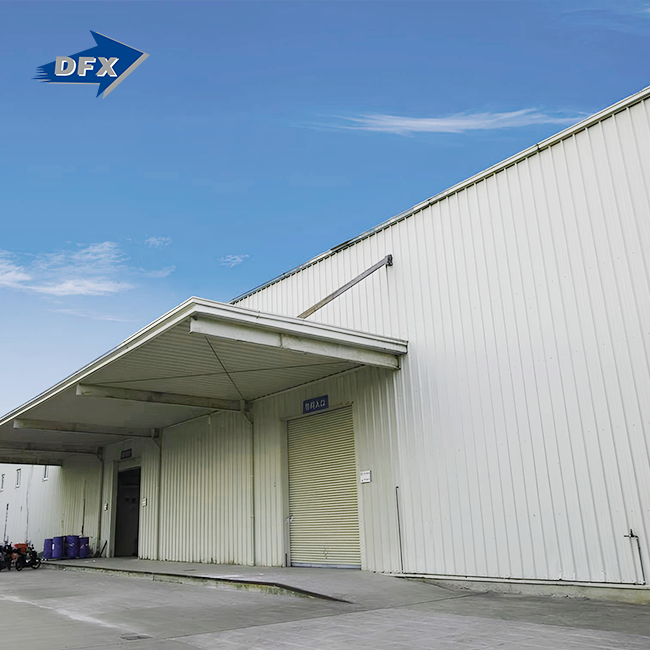
A Cold Storage Steel Warehouse is a high-tech, purpose-built building that uses solid steel frames and advanced heat insulation systems. In contrast to regular warehouses made of concrete or refrigerated containers, these buildings use portal rigid frames made of high-strength steel (usually ASTM A572 or Q355B grades) to make big areas without any internal poles. The core engineering solves important problems in the industry, mainly thermal bridging, which is when heat moves through structural parts and makes the temperature less stable. Modern designs use thermal break technology at the points where the steel frames and cladding panels are connected. This stops the building of dampness and frost in an insulated metal building, which weakens the structure.
Key Insulation Materials and Their Performance
Choosing the right insulation materials has a direct effect on how well a business runs and how much energy it uses. When it comes to fire protection, PIR panels are the best. They get B1/B2 class scores and work well in a wide range of temperatures. PUR panels offer about the same level of insulation, but they have a few different physical qualities that make them better for certain uses. The panels are easy to clean because their surfaces are smooth and don't have pores. They also meet HACCP and GMP standards. This clean design stops germs from growing and pollution, which is important for facilities that handle food.
Benefits of Choosing Cold Storage Steel Warehouses for Food Storage
Energy Efficiency and Operational Cost Reduction
One of the highest ongoing costs of running a Cold Storage Steel Warehouse facility is the energy used. When compared to older concrete buildings, steel sheds with high-performance insulation cut heat loss by up to 40%. This directly leads to lower carbon footprints and lower energy bills. The design keeps air from leaking in, so warm, wet air doesn't get into the controlled environment. Every cubic meter of warm air that comes into a cold storage facility takes a lot of energy to cool down. This is why airtightness is so important for running efficiently. During building, blower door tests make sure that the quality of the seal meets the design requirements. Modern tracking systems keep an eye on changes in temperature in real time, which lets workers spot inefficiencies before they become big, expensive problems. Automated temperature control systems change the amount of cooling based on how much is needed. This keeps energy from being wasted by cooling too much.
Enhanced Durability and Structural Integrity
Steel's natural strength-to-weight ratio makes it possible to build buildings that can stand up to harsh weather. Engineering estimates take into account things like earthquakes, strong winds, and a lot of snow, which makes sure that the building shell stays solid during bad weather. The structure holds up heavy loads of equipment on the roof, like evaporators, condensers, and the networks of pipes that are needed for cooling systems. Slotted connection plates and expansion joints allow for temperature contraction without causing stress cracks, which is very important in places where steel contracts a lot, like deep freezes.The building is meant to last for more than 50 years, but it only needs minor repairs every now and then. Concrete cracks over time and needs to be fixed, but properly coated steel stays structurally sound with regular checks and small touch-ups to the protective coats.
Cold Storage Steel Warehouse vs Other Storage Solutions: Making the Right Choice
Comparing Steel to Concrete Structures
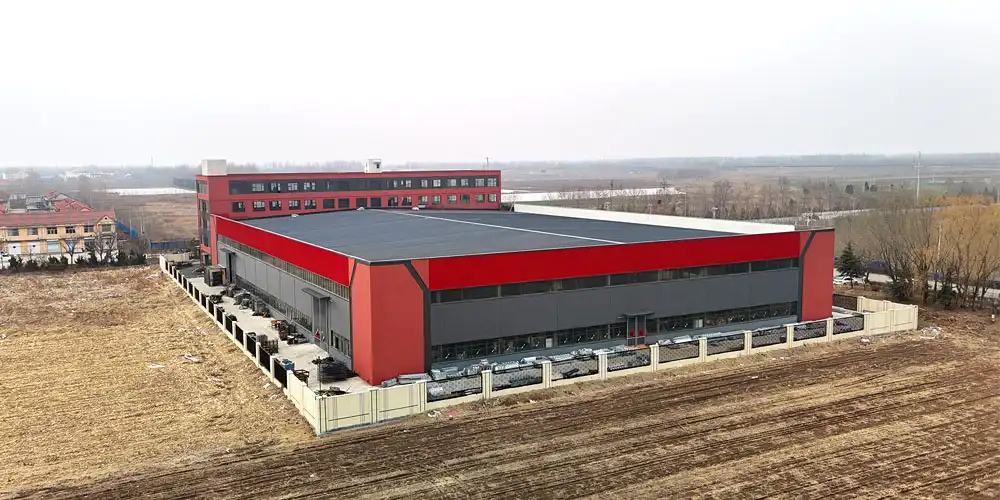
Traditionally, cold storage buildings have been made of concrete or insulated metal buildings, but steel has many appealing benefits. The biggest difference right away is the speed of construction. Cold Storage Steel Warehouse structures are ready to use in about half the time it takes for concrete ones. This shorter timeline means that the project will pay for itself faster and bring in more money sooner. Cost research shows more complex factors. Even though concrete may have lower beginning material costs, steel projects usually have similar or lower total costs because they require less work and are built faster. Steel has lower lifecycle costs because it doesn't need as much upkeep and can be easily expanded or changed in the future. Insulation quality has a bigger impact on thermal efficiency than building materials. When properly protected, both steel and concrete buildings do a great job of keeping the warmth inside. The benefit of steel is that continuous insulation can be added more easily without having to worry about thermal bridges. On the other hand, concrete buildings need careful attention to detail at the points where they link.
Modular vs Custom-Built Configurations
Costs are kept low through economies of scale because modular steel systems use standard parts that are made in large quantities. These methods work best for projects with clear needs and short planning windows. Standard dimensions—often 6 or 8 meters—are used for bay space, which makes designing and buying parts easier. Building facilities from scratch meets the specific wants of each business. For example, pharmaceutical cold storage needs a building that meets the standards of a clean room, along with special air handling systems and backup power infrastructure. Custom engineering can handle odd-shaped sites, integrating new and existing buildings, and creating unique loading dock layouts. When making a choice, the decision grid compares upfront costs to routine optimization. Modular systems can be delivered more quickly and cost less to build, but custom designs provide the best long-term operating efficiency through custom solutions. Hybrid methods, which combine standard structure systems with custom cladding and motor systems, are useful for many projects.
Procurement and Investment Considerations for Cold Storage Steel Warehouses
Understanding Cost Structures and Pricing
Cost details that go beyond simple price-per-square-meter numbers must be looked at by procurement managers. Prices for a Cold Storage Steel Warehouse made in China range from $150 to $400 per square meter, based on the size, thickness of the insulation, and systems that are included. This basic level includes the frame, roof, wall panels, and basic door systems. Installation costs vary a lot depending on where you live. China's domestic projects gain from having easy access to skilled workers and shorter travel distances. International projects, especially in the US, have higher logistics costs and may need to work with local workers who know the building rules in that area. When a project is due has a direct effect on its holding costs. Faster building cuts down on short-term financing costs and speeds up the production of income. A 4-month building time instead of an 8-month one saves a lot of money on interest on construction loans and lets the business start running sooner.
Ownership vs Leasing Models
Financial tactics have a big effect on how well a job can be done. Organizations with strong cash sheets, cold chain logistics, and long-term plans for operations do well with ownership models. Capitalized assets lose value over time, which is good for taxes and builds wealth at the same time. Leasing deals give companies that are short on cash or want to test new markets more freedom. Operational leases keep working cash for key business tasks by avoiding high upfront costs. This method works well for workers who need to manage storage needs for unique projects without committing to long-term infrastructure. Build-to-suit deals are a type of hybrid model in which developers build facilities based on what the renter wants while the tenant signs a long-term lease. This system shifts the risk of construction while making sure the building meets all working requirements. Terms usually last between 10 and 20 years, which is a good balance between protecting the landlord's property and making sure the renter can keep running their business.
Best Practices for Maintenance and Optimizing Warehouse Performance
Systematic Inspection and Preventive Care
Structured maintenance procedures are needed to keep efficiency at its best. Every three months, the joints between insulation panels should be checked for separation or damage that could weaken the thermal shields. Infrared thermography can find small thermal leaks that waste a lot of energy before they get too big. Protective coatings are the main focus of Cold Storage Steel Warehouse frame checks, especially in areas with a lot of moisture near cooling equipment. If you fix small coating damage right away, you can stop rust from getting worse, which would eventually need expensive structure repairs. Inspections by experienced engineers once a year make sure that safety standards are being followed and find any problems that might arise. Pay close attention to door systems. Seals and motor parts wear out over time on rapid-roll doors and insulated sectional doors that are cycled a lot. Regularly replacing seals and greasing hardware stops air from getting in, which raises energy costs and causes frost to build up on inside surfaces.
Implementing Advanced Monitoring Technologies
Real-time temperature tracking tools make sure that storage areas always stay within certain limits. Wireless sensor networks keep an eye on everything going on in the building and let workers know right away if temperatures get out of range. This early warning keeps food from going bad and makes sure that safety rules are followed. Automated temperature control systems make sure that refrigerator equipment works at its best based on what is actually needed. To use as little energy as possible while keeping the temperature stable, algorithms Cold chain logistics change the output of the compressor, the speed of the fans, and the number of cooling cycles. Integration with building management systems lets centralized control rooms keep an eye on the whole building. Software for managing energy looks at trends of use to find ways to make things more efficient. Comparing systems to industry standards shows which ones aren't working as well as they should, which justifies spending money to fix them. Full energy audits figure out how much money you could save by upgrading your tools or making changes to how you run your business.
Retrofit Strategies for Enhanced Performance
Strategic retrofits that make older buildings more efficient without having to be rebuilt from scratch can help them. By switching to high-efficiency refrigerator fans, you can cut your energy use by 20–30% while also getting better temperature control. Variable-speed drive systems change the output of the motor to meet the need for cooling. This stops the waste of energy that comes from running at a steady speed. Better insulation is another investment that will pay off big time. Adding extra layers of insulation to roofs and walls lowers heat loss, which lowers the need for cooling and makes equipment last longer. This method is especially cost-effective when used with regular roof repair or panel replacement. When LED lighting is added to an existing system, it uses less power and makes conditioned areas cooler. Every watt of lighting produces a heat load that cooling systems have to get rid of. This means that lighting that is energy-efficient is twice as useful because it saves money and lowers the need for cooling.
Conclusion
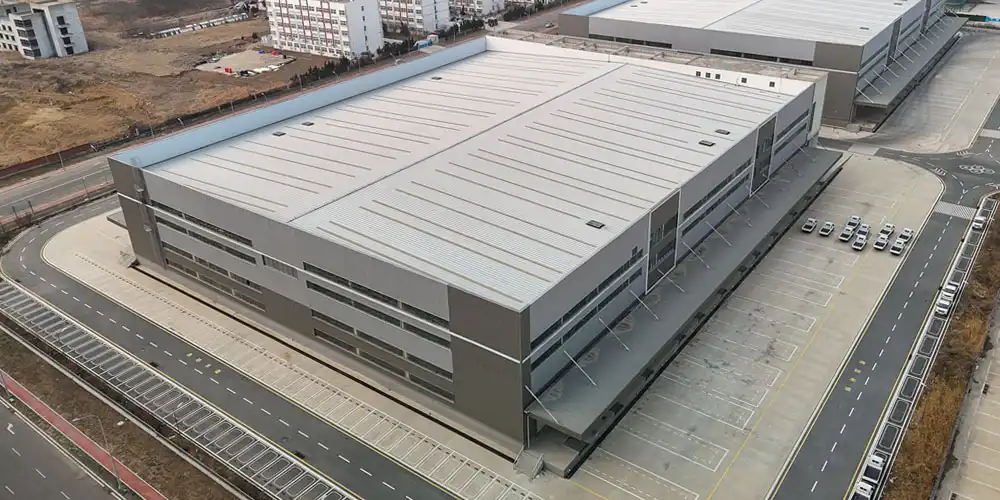
A Cold Storage Steel Warehouse represents the best way to move food today because they are easy to build, use very little energy, and last a very long time. When high-strength steel frames are combined with advanced insulation systems, buildings can keep temperatures precisely controlled while keeping costs low. Steel sheds are better than standard concrete buildings because they can be built faster, have more design options, and cost less to maintain over their lifetime. When procurement experts are looking at investments in cold storage, they should give more weight to suppliers with proven manufacturing skills, a wide range of services, and certifications that are known around the world. When you combine strategic facility design with regular upkeep, these important assets will keep working reliably for more than 50 years. This protects food safety and makes the supply chain more efficient.
FAQ
1. How long does it take to construct a steel cold storage warehouse?
How long it takes to build a Cold Storage Steel Warehouse depends on how big and complicated it is. It usually takes three to four months for a normal 5,000-square-meter building made of modular prefabricated parts to go from foundation to operating-ready. This includes putting up the structure, installing the panels, integrating the motor systems, and starting up the system. Facilities that are specially built and have unique features may last for 5 to 6 months. For projects that include automated storage systems, setting up the tools and checking the system takes more time.
2. What insulation materials perform best in cold storage applications?
Polyisocyanurate (PIR) and polyurethane (PUR) sheets are the most common types of cold storage insulation because they are very good at keeping heat out and are strong. With a rating of B1/B2, PIR panels are better at resisting fire, and they still let about 0.024 W/(m·k) of heat pass through them. The thickness of the panel depends on its use. For example, 100 mm is enough for cold storage, but 150 to 200 mm is needed for deep freeze zones. The closed-cell structure stops water from getting in, which over time hurts the insulation's performance.
3. Can steel warehouses be expanded or relocated?
Simple growth is made possible by a modular steel building. Taking down the end walls and stretching the steel frame can be used to add more bays to an existing building. Engineering estimates show that the pillars can hold the added weight. Moving offers more problems, but it is still possible. Bolted links make it possible to take apart, but the costs of shipping and putting it back together often go up to the cost of building something from scratch. Moving is usually a good idea for the budget when it comes to short-term projects or going to places with much lower costs.
Partner with DFX for Your Cold Storage Steel Warehouse Needs
Successful cold storage projects need a Cold Storage Steel Warehouse source with a lot of experience who knows both how to do great tech work and how to run a business. With the help of our production partner Qingdao Director Steel Structure Co., Ltd., DFX has more than 12 years of experience building steel structures. Our 40,000-square-meter factory has six automatic H-beam lines and more than 200 trained workers, so the quality of every part of the project is always the same. We offer full turnkey solutions, from the first technical estimates to fabrication, logistics planning, and help during on-site assembly. Our ISO9001 and CE certifications show that we follow international quality standards. Our H-beam main frames with galvanized C/Z purlins give your food storage operations the structural stability they need. We are a Cold Storage Steel Warehouse provider with a focus on logistics warehouses, delivery hubs, and storage centers, so we are aware of the particular needs of cold chain infrastructure. Email our engineering team at jason@bigdirector.com to talk about the details of your project. We'll give you a full breakdown of the costs, technical suggestions, and estimated delivery dates that are specific to your business needs. This will help you make informed purchasing choices that will last.
References
1. International Institute of Refrigeration. (2020). The Role of Refrigeration in Worldwide Nutrition, 6th Informatory Note on Refrigeration and Food.
2. American Society of Heating, Refrigerating, and Air-Conditioning Engineers. (2018). ASHRAE Handbook—Refrigeration: Cold Storage Design and Construction Practices.
3. Steel Construction Institute. (2019). Design of Steel-Framed Buildings for Thermal Efficiency in Cold Storage Applications.
4. Food and Agriculture Organization of the United Nations. (2021). Cold Chain Development for Perishable Food Products: Technical Guidelines and Best Practices.
5. Metal Building Manufacturers Association. (2022). Energy Performance Standards for Pre-Engineered Metal Buildings in Refrigerated Warehouse Applications.
6. National Institute of Standards and Technology. (2020). Thermal Performance Evaluation of Building Envelope Systems in Cold Storage Facilities, Special Publication 1234.
Learn about our latest products and discounts through SMS or email