- English
- French
- German
- Portuguese
- Spanish
- Russian
- Japanese
- Korean
- Arabic
- Greek
- German
- Turkish
- Italian
- Danish
- Romanian
- Indonesian
- Czech
- Afrikaans
- Swedish
- Polish
- Basque
- Catalan
- Esperanto
- Hindi
- Lao
- Albanian
- Amharic
- Armenian
- Azerbaijani
- Belarusian
- Bengali
- Bosnian
- Bulgarian
- Cebuano
- Chichewa
- Corsican
- Croatian
- Dutch
- Estonian
- Filipino
- Finnish
- Frisian
- Galician
- Georgian
- Gujarati
- Haitian
- Hausa
- Hawaiian
- Hebrew
- Hmong
- Hungarian
- Icelandic
- Igbo
- Javanese
- Kannada
- Kazakh
- Khmer
- Kurdish
- Kyrgyz
- Latin
- Latvian
- Lithuanian
- Luxembou..
- Macedonian
- Malagasy
- Malay
- Malayalam
- Maltese
- Maori
- Marathi
- Mongolian
- Burmese
- Nepali
- Norwegian
- Pashto
- Persian
- Punjabi
- Serbian
- Sesotho
- Sinhala
- Slovak
- Slovenian
- Somali
- Samoan
- Scots Gaelic
- Shona
- Sindhi
- Sundanese
- Swahili
- Tajik
- Tamil
- Telugu
- Thai
- Ukrainian
- Urdu
- Uzbek
- Vietnamese
- Welsh
- Xhosa
- Yiddish
- Yoruba
- Zulu
Steel Structure Convention Center: Efficient Landmark for Modern Cities
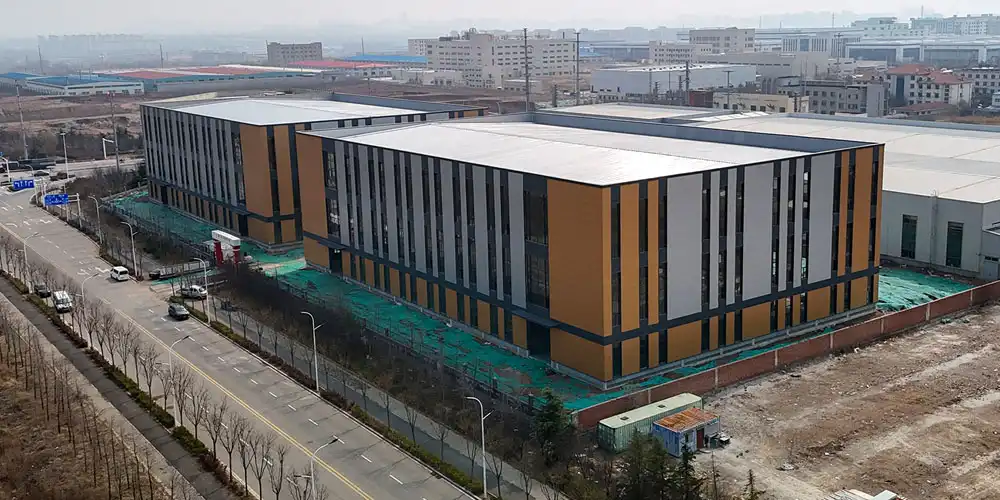
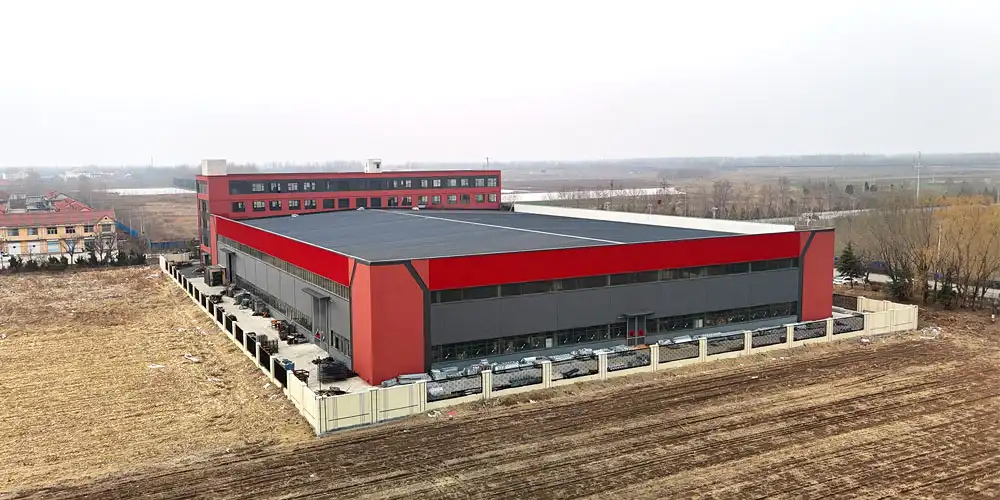
Contemporary towns need buildings that are both beautiful to look at Steel Structure Conference Center and very useful. A Steel Structure Conference Center is the best way to meet all of these needs because it has big, column-free rooms that are perfect for trade shows, company summits, and large gatherings. In contrast to regular concrete buildings, these ones use structural steel structures like H-beams, trusses, and space frames to make huge spans while cutting down on construction times by up to 50%. Steel-framed places are the best choice for procurement managers and project engineers who want long-lasting, low-cost ways to improve the look of cities because they are so efficient.
Introduction
Modern cities are built around conference centers, which help the economy by bringing in foreign business, tourism, and cultural exchange. A Steel Structure Conference Center is quickly becoming an important symbol in these areas because they combine efficiency, longevity, and sustainability in a way that other materials just can't match. Steel has better strength-to-weight ratios than concrete or wood. It also builds faster and is more environmentally friendly, which is in line with modern environmental standards. The building materials you choose have a direct effect on job schedules, budgets, and long-term costs. Steel's natural qualities, like being able to be recycled, precisely manufactured, and structurally adaptable, help building companies, EPC contractors, and infrastructure makers with some of their biggest problems. This piece talks about why steel structures are the best choice for modern conference center projects. It gives procurement workers the information they need to invest in new, low-cost infrastructure that will last for decades.
Understanding Steel Structure Convention Centers
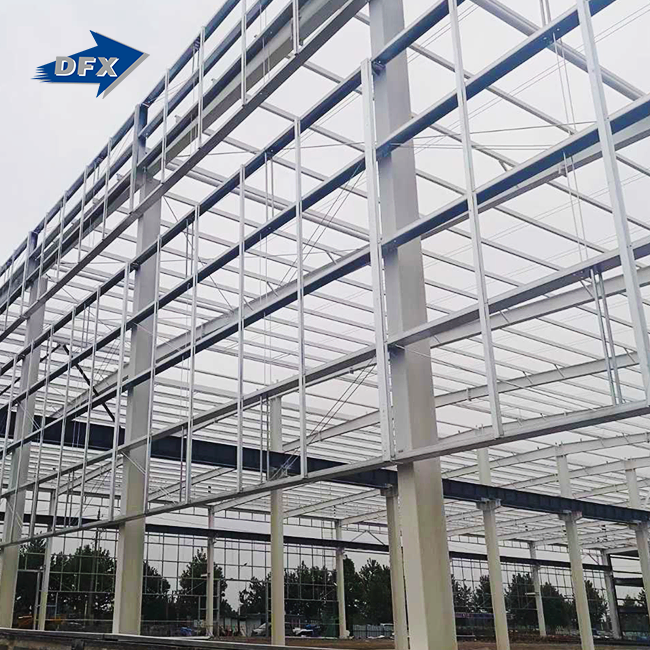
A Steel Structure Conference Center is a special building made with a steel frame that holds large, flexible internal areas that are great for conferences, exhibitions, and big events. These facilities aren't just buildings; they're carefully designed systems that match how they look with how they work. The main benefit is that there aren't as many internal columns, which makes it possible for huge, uninterrupted floor plans that run 30 meters to over 100 meters, which is important for flexible event setups and heavy equipment shows.
Engineering Advantages of Steel Frameworks
In a lot of ways, steel buildings are more durable than standard ones made of concrete or wood. Steel's high Steel venue strength-to-weight ratio makes base loads much lighter, which is especially helpful on sites with soft dirt like those near the coast or in urban areas that are being built up. Some types of high-strength low-alloy steel, like Q355B or ASTM A572 Gr50, have yield values higher than 355 MPa. This means they can hold a lot of weight while taking up little space. This economy directly saves money during both the building phase and the long-term upkeep phase.
Environmental and Safety Performance
One of the best things about steel in areas that are prone to earthquakes is that it makes buildings more resistant to shaking. Steel is naturally flexible, which means that buildings can bend and absorb energy during earthquakes without falling apart completely. This is an important safety trait for public places with a lot of people. Also, steel structures that are properly designed leave smaller environmental impacts over the course of their entire lives, and about 90% of the materials can be recycled individually when the structure is no longer needed. Fire resistance is achieved with intumescent coatings or cementitious sprays that spread when heated, giving fire ratings of two to four hours that closely follow IBC or local safety rules.
How to Build a Steel Structure Conference Center: Step-by-Step Guide
Building a Steel Structure Conference Center needs a lot of careful planning, starting with a full assessment of the spot and following all the rules for zoning. Architects, engineers, builders, and city officials are just some of the people who need to be coordinated by project managers to make sure that long-term business goals are met. The step-by-step plan described here keeps risks to a minimum and improves project efficiency for B2B partners.
Site Assessment and Regulatory Compliance
Geotechnical studies are used in the early stages to find out how much weight the dirt can hold, how much water is in the ground, and what the seismic risk factors are. These results directly affect the design of foundations, which can be anything from small spread footings in good soils to deep piling systems in tough circumstances. To follow the zoning rules, you have to know about the area's building codes, environmental rules, and mobility standards. Getting involved with city planning offices early on keeps costs down and makes sure the project meets all legal requirements before it starts.
Site Erection and Systems Integration
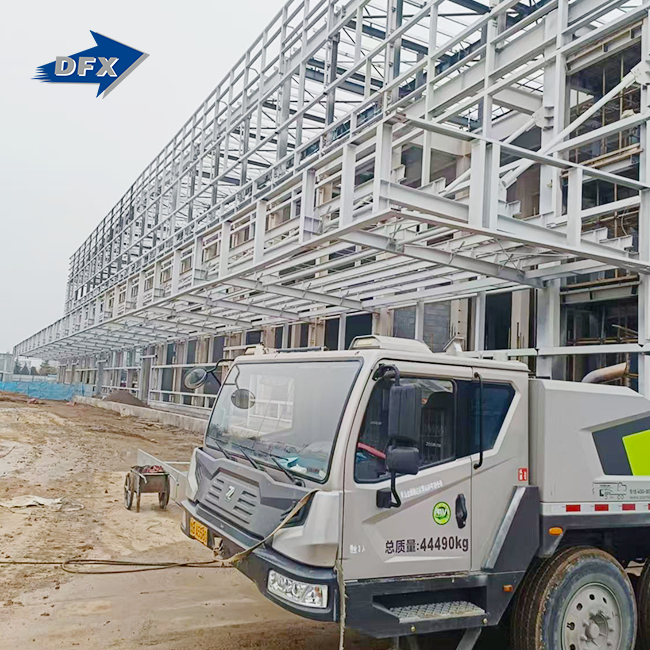
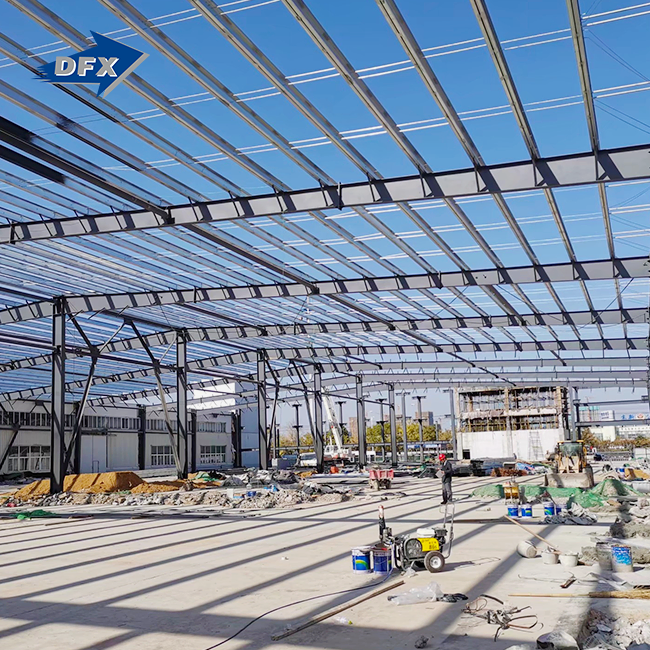
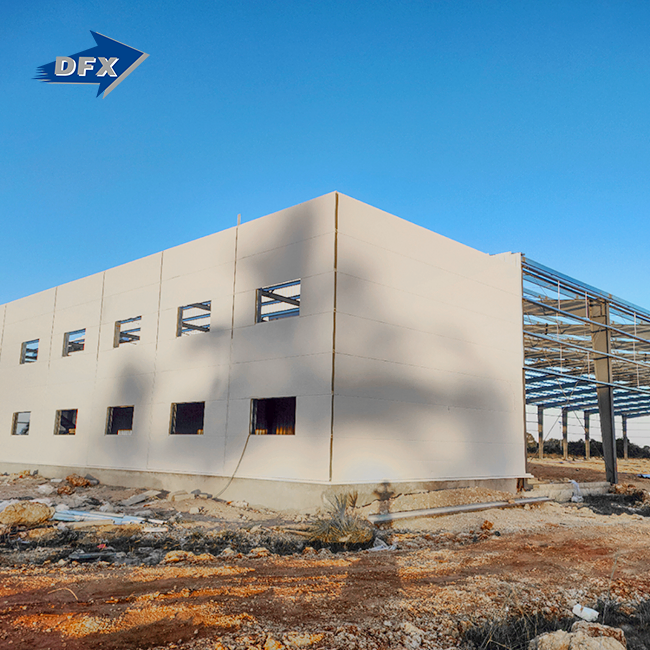
Site installation is coordinated by experienced workers who plan the details of cranes, bolted connections, steel venue, and temporary bracing systems that keep things stable while the building is going on. High-strength bolts with known torque values make friction-grip links that keep the joint rigid even when it's under pressure. As the building envelope closes, it's important for the MEP trades and the people installing the facade to work together. This means that the jobs must be carefully scheduled to avoid problems and keep the plan moving forward. Quality control continues with site visits that check for levelness, alignment, and the strength of connections. Fit-up problems are kept to a minimum when manufacturers and installation teams work together, and strict building codes are followed by experienced supervision. This organized method keeps project schedules and costs within their limits, resulting in buildings that work as expected or better.

Making the Right Procurement Decisions for Steel Structure Convention Centers
A key part of successful procurement is figuring out how reliable a seller is, how deep their portfolio is, and how well they can customize their products for business customers interested in a Steel Structure Conference Center. Cost, quality, scheduling, and risk are all things that procurement managers have to balance when making decisions that have a direct effect on the result of a project. Understanding these factors is what sets great projects apart from ones that run into problems.
Supplier Evaluation Criteria
When looking at possible steel frame makers, you need to look at their past work, their technical skills, and their ability to stay in business. Ask for samples that show similar types, sizes, and levels of difficulty of projects. You can see how things are made, how quality is controlled, and how advanced the equipment is by visiting factories. Check for international standard-meeting certifications like ISO9001, CE marks, and region-specific approvals like COC or PVOC. References from past clients are very helpful for finding out how well you communicate, stick to your plan, and solve problems during tough project stages.
Strategic Sourcing and Contract Management
When deciding between local and foreign providers, you have to look at more than just the price. Domestic suppliers may offer easier transportation, faster contact, and stable currencies. On the other hand, foreign makers often offer lower prices and specialized skills that aren't available locally. Fabricators in China, like Director Steel, offer reasonable prices, a lot of production capacity, state-of-the-art tools, and quality systems that are ISO-certified and meet the needs of foreign projects. When you negotiate a contract well, you make sure everyone knows what to expect in terms of scope, plan, payment terms, and who takes on the risk. Incoterms spell out who is responsible for what in logistics, and recall plans and performance bonds protect the client's interests. To meet project deadlines, managing shipping planning means coordinating things like packing containers, export paperwork, Event hall, and port handling. Building strong relationships with vendors through open conversation and fair treatment forms partnerships that go beyond single deals and have long-term rewards.
Comparing Steel Structure Conference Centers with Traditional Solutions
Traditional concrete facilities aren't as good as a Steel Structure Conference Center when it comes to fire and earthquake protection, environmental impact, and lifecycle costs. Knowing these differences helps people make smart choices about which building methods to use by letting them carefully consider efficiency, cost, and environment.
Structural Performance and Safety
Due to its flexibility, steel buildings are better at withstanding earthquakes than structures made of weak concrete. During earthquakes, steel frames bend in a controlled way, which releases energy while keeping the structure's stability. Steel is the best material for places like California, Japan, and Chile that are prone to earthquakes because this behavior has been proven over many years of study and real-world use. When people worry about steel's fire resistance, they can rest easy knowing that protective coats can get the job done with little extra weight or building trouble.
Environmental Considerations
Electric arc furnace mills make new steel from about 90% recovered materials, which is a big step forward for the environment when it comes to steel production. Compared to making new materials, this circular economy method cuts stored carbon by a huge amount. Steel frames naturally support green building strategies by maximizing daylighting, installing solar panels on the roof, and the ability to be reused in ways that extend the life of a building beyond the normal design limits. Due to the way cement is made, concrete production still uses a lot of carbon and is responsible for about 8% of the world's CO2 emissions. Steel is becoming better for the environment because it is made with renewable energy and has improved coatings that make it last longer. This makes it a good choice for projects that want to get LEED, BREEAM, or other similar sustainability standards.
Future Trends and Innovations in Steel Structure Convention Centers
Green building is at the heart of the Steel Structure Conference Center market, which changes quickly. New technologies use recycled materials, green energy systems, and smart building solutions to make things more energy efficient and less harmful to the environment. These new ideas are in line with global goals for urban growth. They also give makers, distributors, and engineering companies chances to make money by being ahead of the curve in technology.
Sustainable Materials and Construction Processes
Newer grades of steel have better levels of strength, Event hall which allows buildings to be lighter and use fewer raw materials while still performing well. Weathering steel formulas create protected oxide layers that get rid of the need to paint in the right settings, which lowers the amount of upkeep and chemicals needed over the lifetime of the steel. Hybrid systems that use steel frames and mass wood floors or bamboo ceiling panels create unique looks while storing carbon and helping the green forestry industries.
Digital Integration and Smart Building Systems
Building Information Modeling has changed how design planning is done, but it can also be used to automate fabrication and improve building management. Directly sending data from BIM models to CNC machines gets rid of typing mistakes and speeds up production. Augmented reality apps help field teams build things by superimposing digital models on real structures to make sure parts are placed correctly and find problems before they are permanently connected.Internet of Things sensors built into finished buildings keep an eye on their health, the surroundings, and how much energy they use. This real-time data allows for predictive repair, which fixes small problems before they get worse. Smart HVAC systems can tell when people are in the building and what the weather will be like ahead of time, so they use less energy without sacrificing comfort.
Market Growth and Strategic Opportunities
Large event sites are in higher demand around the world because cities are growing. As economies in Southeast Asia, Africa, and Latin America emerge, they become especially strong growth areas. This is because rising wealth encourages business travel, trade shows, and cultural events. Established markets keep updating old buildings and replacing old, inefficient ones with newer, more modern ones that better meet modern needs. By accepting these trends with strategic planning, B2B clients stay competitive and ready for the future. Partnering up across the supply chain speeds up the acceptance of new ideas by spreading costs and the risks that come with putting new technologies to use.
Conclusion
A Steel Structure Conference Center combines the efficiency, longevity, and architectural quality that modern towns need. The material is very strong, can be built quickly, and is environmentally friendly. These are all important factors for procurement workers who are in charge of large building projects. From the first design to manufacturing and installation, steel systems provide reliable results that keep projects on schedule and within budget while building amazing public landmarks. As technologies improve and concerns about the environment grow, steel's benefits become stronger. If decision-makers know a lot about these systems, buying strategies, and new trends, they can lead their companies to build great buildings that will serve communities for years to come.
FAQ
1. For how long does it take to build a steel frame event space?
Construction times depend on the size and complexity of the project, but steel structures are usually 30–50% faster to finish than concrete ones. From breaking ground to moving in, a medium-sized meeting center that's 50,000 square feet might take 8 to 12 months. Steel frame construction would only take 6 to 10 weeks of that time. Prefabrication lets base work and part production happen at the same time, which greatly shortens plans.
2. What affects project prices the most?
Total costs depend on the price of materials, the conditions of the spot, the complexity of the plan, and the finish requirements. The price of steel changes with the world market, but long-term trends stay pretty stable. Complex shapes that need special engineering raise the cost of production, but they may be necessary for the architectural concept. Access to the site affects the handling of the crane and the efficiency of the workers. Finish choices, ranging from basic industrial looks to high-end architectural cladding, have a big effect on the costs.
3. Can steel buildings fit the style of architecture that is popular in a certain area?
Steel frames can be made to look almost any way you want by choosing the right covering, roof configurations, and entry features. Steel's structural versatility allows for a wide range of building styles, from traditional regional styles to modern foreign styles. When structural engineers and builders work together, expressive design elements and efficient structural systems work together perfectly.
Partner with DFX for Your Steel Structure Conference Center Project
To make a great Steel Structure Conference Center, you need to work with a steel structure maker and seller that has the technical know-how, production capacity, and dedication to making your project a success. At DFX (Director Steel Structure Co., Ltd.), we've been making structural steel for big business buildings like convention centers, airport hangars, and shopping malls around the world for more than 12 years. Our production plant is 40,000 square meters and has a lot of high-tech tools, like six automatic welded H-beam lines and full quality systems that are approved to ISO9001 and CE standards.
We offer full turnkey solutions that include designing the structure, making it out of steel, coordinating it with the building's mechanical, electrical, and plumbing systems, and helping with the installation. Making things in China lets you get competitive prices without lowering the quality. Before they are shipped, every part goes through a strict checking process that includes ultrasonic weld testing and measurement verification. Our expert team works together closely throughout the whole project lifecycle, whether it needs standard premade solutions or fully custom engineering.
Get in touch with jason@bigdirector.com right away to talk about your needs. We'll give you thorough technical ideas, clear prices, and reasonable schedules that show how dedicated we are to building exceptional steel structure conference centers for sale that become useful landmarks in modern cities.
References
1. American Institute of Steel Construction. (2022). "Steel Design Guide 25: Frame Design Using Web-Tapered Members." AISC Publications, Chicago, Illinois.
2. Chen, W.F. & Lui, E.M. (2019). "Handbook of Structural Engineering, Second Edition." CRC Press, Boca Raton, Florida.
3. European Convention for Constructional Steelwork. (2021). "Design of Steel Structures for Buildings in Seismic Zones." ECCS Technical Committee 13, Brussels, Belgium.
4. International Code Council. (2021). "International Building Code 2021 Edition." ICC Publications, Washington, D.C.
5. World Steel Association. (2023). "Sustainability Report: Steel's Contribution to a Low Carbon Future." worldsteel.org, Brussels, Belgium.
6. Zhang, H. & Rasmussen, K.J.R. (2020). "Design of Cold-Formed Steel Structures: Recent Advances and Future Trends." Journal of Constructional Steel Research, Volume 167, Article 105943.
Learn about our latest products and discounts through SMS or email