- English
- French
- German
- Portuguese
- Spanish
- Russian
- Japanese
- Korean
- Arabic
- Greek
- German
- Turkish
- Italian
- Danish
- Romanian
- Indonesian
- Czech
- Afrikaans
- Swedish
- Polish
- Basque
- Catalan
- Esperanto
- Hindi
- Lao
- Albanian
- Amharic
- Armenian
- Azerbaijani
- Belarusian
- Bengali
- Bosnian
- Bulgarian
- Cebuano
- Chichewa
- Corsican
- Croatian
- Dutch
- Estonian
- Filipino
- Finnish
- Frisian
- Galician
- Georgian
- Gujarati
- Haitian
- Hausa
- Hawaiian
- Hebrew
- Hmong
- Hungarian
- Icelandic
- Igbo
- Javanese
- Kannada
- Kazakh
- Khmer
- Kurdish
- Kyrgyz
- Latin
- Latvian
- Lithuanian
- Luxembou..
- Macedonian
- Malagasy
- Malay
- Malayalam
- Maltese
- Maori
- Marathi
- Mongolian
- Burmese
- Nepali
- Norwegian
- Pashto
- Persian
- Punjabi
- Serbian
- Sesotho
- Sinhala
- Slovak
- Slovenian
- Somali
- Samoan
- Scots Gaelic
- Shona
- Sindhi
- Sundanese
- Swahili
- Tajik
- Tamil
- Telugu
- Thai
- Ukrainian
- Urdu
- Uzbek
- Vietnamese
- Welsh
- Xhosa
- Yiddish
- Yoruba
- Zulu
The importance of steel structures in logistic warehouse construction
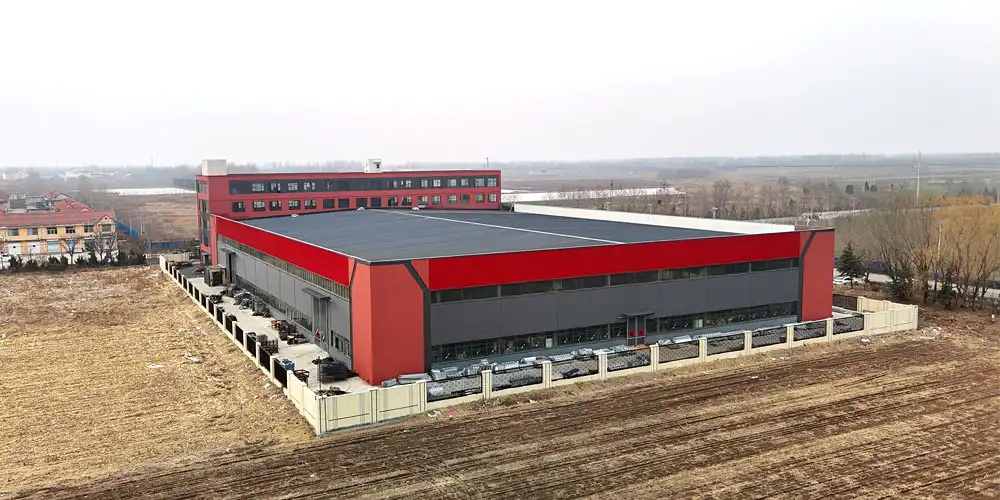
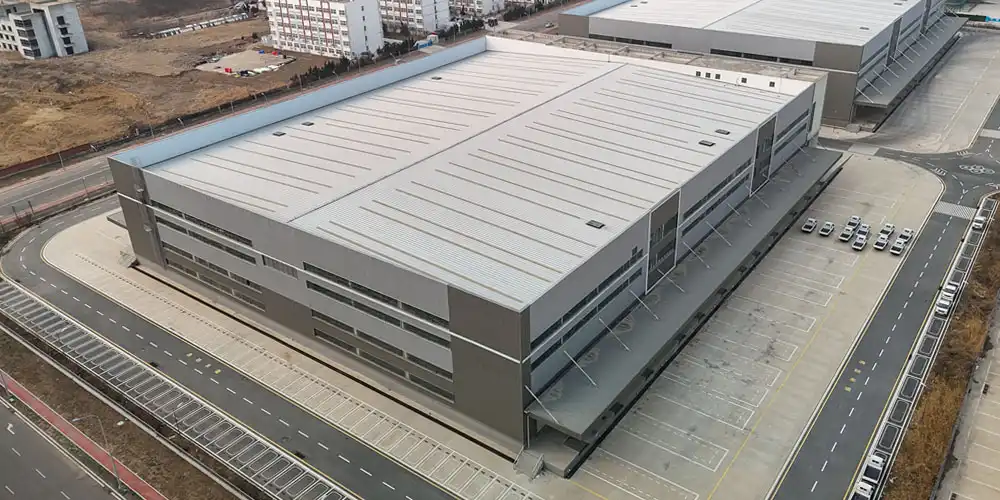
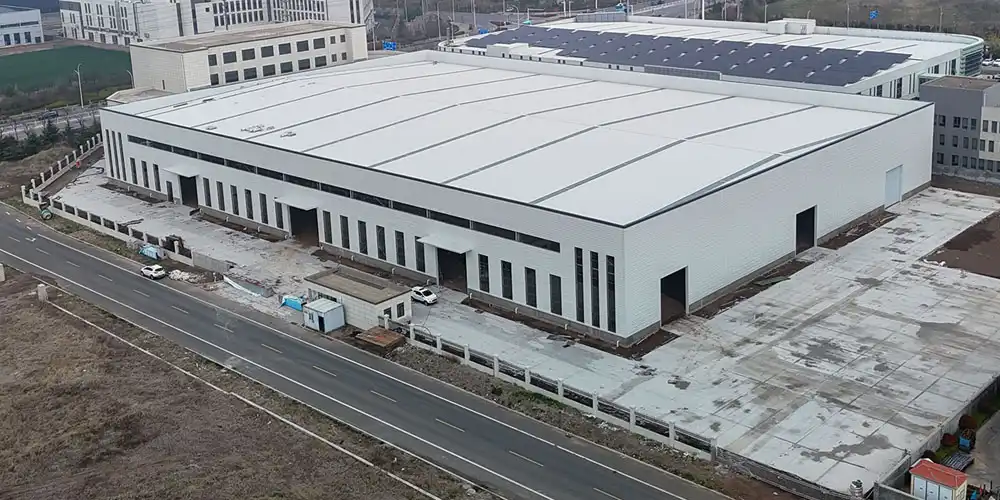
When we look at modern supply chain infrastructure, the building materials Logistics Park Steel Warehouse we use have a direct effect on how well it works, how much money we make, and how flexible it is in the long run. Modern warehouses, especially those that are part of integrated transportation networks, are mostly made of steel buildings. A Logistics Park Steel Warehouse is a special kind of storage building made with Pre-Engineered Steel Building systems. It's meant to be the center of distributing goods and providing extra services. Instead of using concrete like most buildings do, these ones use high-strength H-section steel columns and beams along with advanced envelope systems to make clear-span powers greater than 30 meters. This way of building structures increases store space, cuts down on construction times by 30–50%, and allows for future growth through modular design. It meets the important needs for adaptable, long-lasting, and cost-effective infrastructure in global trade.
Understanding Steel Structures in Logistic Warehouses
What Defines a Steel Structure Warehouse
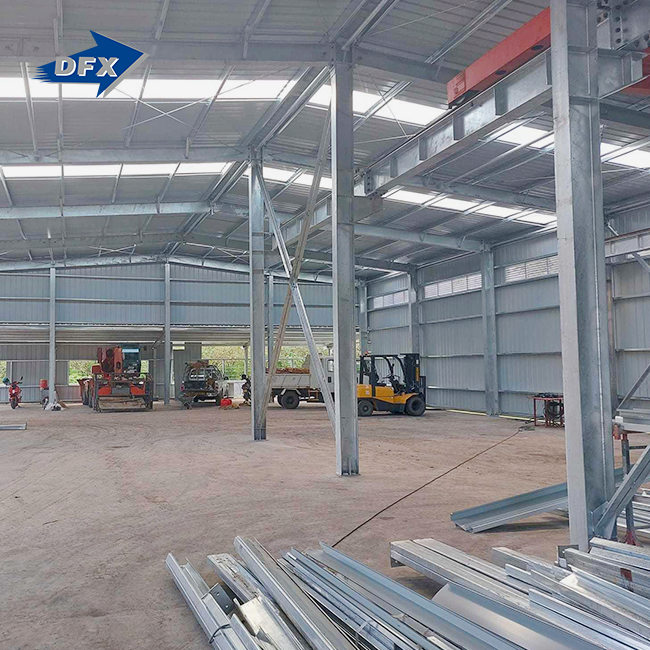
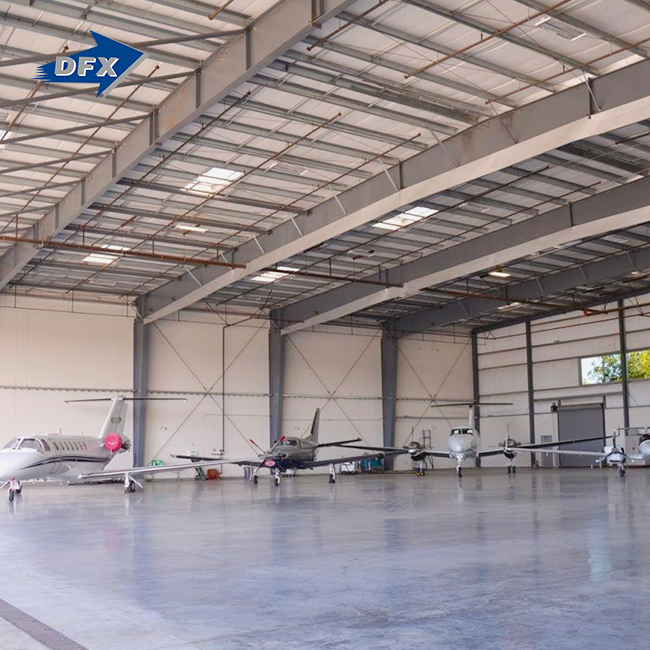
Modern distribution centers use advanced building methods that put speed, strength, and the ability to grow at the top of the list. Modular prefabricated steel storage buildings made to exact specs are what these sites are made of. The main structure is made up of H-beam steel frames that can hold a lot of weight. The secondary structure is made up of zinc C/Z purlins that hold up the roof and wall coverings. This way of engineering creates a better clear-span design by getting rid of internal obstacles that would normally make it hard to set up racks and move material handling equipment. High-tensile steel (Grade Q355B or ASTM A572 Gr. 50) with a stress strength of more than 345 MPa gives the structure its strength. Cold-formed galvanized steel with a zinc covering layer of 275g/m² or more is used for secondary components. This makes sure that they won't rust in industrial settings. The bracing system spreads out the side forces that come from wind and earthquakes, and the connection plates and bolted parts make it easy to put the structure together quickly on-site without having to do a lot of welding.
Structural Advantages Over Traditional Methods
The physical qualities of steel translate into real operational gains. The normal column spacing of 24 to 36 meters makes the floor space continuous, which increases storage efficiency by 15 to 20 percent compared to buildings with tighter column grids. This open plan makes it easier for forklifts to move around and lets racks be set up in different ways that can be changed as product needs change. Load-bearing ability goes beyond activities at the floor level. Roof structures designed to hold 0.3 to 0.5 kN/m² can support solar photovoltaic panels, HVAC equipment, and hanging conveyor systems on top of them without weakening the structure. Because steel frames are naturally strong, we've seen sites cut their high-bay warehouse's energy costs by 25% by installing solar panels that are built in.
How Steel Warehouses Improve Logistics Efficiency
Maximizing Space Utilization
How productive a warehouse is and how much stuff it can hold depend on how well it uses its cubic space. Clear-span building gets rid of beams from storage areas, which lets Very Narrow Aisle (VNA) forklift systems work at their best. When moving around structural poles, aisle widths need to be 2.4 to 3.0 meters, but they can be cut down to 1.6 to 1.8 meters. This directly increases the density of the racks. The ability to expand vertically is just as useful. Mezzanine systems for picking and packing are supported by steel frames. This makes the same amount of floor space twice as useful. We've helped e-commerce fulfillment companies add 8,000 square meters of mezzanine room to 15,000 square meter buildings that they already had. This way, they didn't have to pay for and deal with the disruption of building two different buildings.
Energy Efficiency and Sustainability
The costs of running a business are much higher than the budgets for building it. Polyurethane (PU) or polyisocyanurate (PIR) sandwich sheets with thicknesses ranging from 50 mm to 200 mm can be used to customize thermal insulation values. This allows for precise temperature control. Thermal break technology keeps cold chain facilities between -25°C and +5°C by preventing condensation and lowering refrigeration loads by 18–22% compared to a normal building. During business hours, natural daylighting lowers the amount of electricity used. Studies done in several distribution centers found that using translucent panels in the roof and wall systems cuts lighting costs by 30 to 40 percent while providing even lighting without glare. Because they use less energy and generate their own power through solar panels, steel buildings are environmentally friendly investments in infrastructure.
Comparative Analysis: Steel Structures vs. Traditional Warehouse Materials
Cost Dynamics and Investment Returns
Buying choices are based on budgets, so it's important to be clear about costs. Usually, building a steel warehouse needs less starting capital than building one out of concrete. With construction times of 4-6 months instead of 8–12 months, money can be made faster. The prices of materials stay stable because steel prices follow known commodity markets. This is not the case for concrete, where prices change based on the supply of aggregates in different areas. Lifecycle upkeep costs are much better for steel. If you check, clean the gutters, and touch up the coating on steel buildings once a year, they should last for 50 years or more. Cladding systems need to be replaced every 20 to 30 years, but this preventative High-bay warehousemaintenance is a lot cheaper than fixing problems like base settlement, concrete flaking, or rebar rust that happen in regular buildings.
Addressing Common Concerns
People who are skeptical about steel buildings usually have old information or are applying worries about residential construction in the wrong way. Corrosion protection, which can be achieved through hot-dip galvanization and protective coats, gets rid of rust problems even in coastal areas. Dry Film Thickness (DFT) testing makes sure that the paint is 80–120 microns thick and contains zinc and epoxy. Salt spray testing confirms performance before installation. When the right insulation standards are followed, worries about thermal efficiency go away. Even though it's 40°C outside, the distribution center we built in Texas keeps its interior at a constant temperature thanks to 150mm PIR sandwich panels that have a thermal efficiency of 0.022 W/mK, which is better than many concrete and wood options.
Procurement and Practical Considerations for Steel Warehouses in Logistics Parks
Evaluating Purchase versus Lease Options
When building a strategic facility, it's important to make sure that construction choices are in line with operating schedules and available funds. Companies that have a long-term commitment to a site and access to cash should buy steel warehouse buildings because they give owners control over the assets and allow for customization. Project-based manufacturing lets you make specs that are exactly what you need for operations, like column spacing, door locations, office integration, and room for future growth. Leasing works for businesses that want to try out new markets or manage how their capital is spent across multiple projects. Steel buildings can be built quickly, which supports build-to-suit lease agreements. In these agreements, owners build facilities to meet the specific needs of tenants in short amounts of time, which speeds up the time it takes to enter the market.
Selecting Reliable Manufacturing and Installation Partners
As much as structural construction, the skills of the suppliers decide the success of the project. Since 2011, we've been a skilled structural steel manufacturer, and our ISO9001 certification and CE compliance make sure that we meet all international standards. Our 40,000-square-meter factory has six automatic welded H-beam lines, two sandwich panel lines, and two C/Z section steel lines. Each year, they help us make 20,000 tons of structural steel. It doesn't matter what kind of service you get; technical calculations, fabrication, transportation planning, and erection help are all part of an integrated delivery method. When suppliers offer full solutions from the idea stage to the installation phase, planning problems and responsibility gaps are less likely to happen. Our in-house architectural design and detailing service helps customers throughout the whole project process, so they don't have to deal with the distribution center problems that come up when they work with more than one provider.
Maintenance, Safety, and Future-Proofing Your Steel Warehouse
Essential Maintenance Practices
Systematic care is needed to protect investments in infrastructure. Structure links should be checked once a year, including making sure bolts are tight and looking for any signs of weakening from vibrations or changes in temperature. Coating systems need to be looked at visually for chips, scratches, or signs of wear. Small damage can be fixed by painting over it before rust starts. Drainage systems need extra care because water that stays in one place speeds up rusting. Cleaning the gutters, checking the downspouts, and inspecting the roof membrane stop water from getting in and damaging the insulation and structural members. If these regular jobs are done on a regular basis, the building will last longer than 50 years and still work properly.
Emerging Trends and Technological Integration
The transport industry is changing quickly, which means that equipment needs to be able to keep up with new technologies. Traditional buildings are harder to automate, but steel structures are easier to automate. Robotic picking systems, self-driving mobile robots, and overhead conveyor networks are all in higher demand for facilities that can support them. These all need structure mounting points and load capacities that go beyond what is needed for normal storage. Phase-change materials that are built into wall systems help manage heat passively, which lowers HVAC loads by 12 to 15 percent. Improvements in the efficiency of solar panels make rooftop setups cost-effective even in places that only get some sun. Steel is strong enough to support these technologies without adding extra support to the structure. This makes buildings assets that can be used in the future.
Conclusion
Steel structures have completely changed the way storage warehouses are built by making better use of space, speeding up the building process, and lowering costs over the life of the building. The technical features of well-designed steel buildings, such as their clear-span construction that increases storage density and heat performance that supports cold chain operations, help procurement managers and project engineers solve their most important problems. Steel is better than other products in terms of both the original investment and the long-term costs of running a business. Projects will perform as planned if they are partnered with experienced manufacturers who offer a wide range of services, strict quality control, and proven installation support. As more technology and eco-friendly efforts are added to logistics operations, steel warehouse structures will be able to change and meet the needs of future operations.
FAQ
1. What lifespan can we expect from steel warehouse structures?
Steel frame buildings that are well taken care of can last more than 50 years. Regular maintenance includes yearly checks, cleaning of the gutters, and touch-ups to the protective paint. The siding systems usually need to be replaced every 20 to 30 years because the weather wears down the panels and seals, but this is just regular maintenance and doesn't mean the structure is failing. Our projects from 2011 are still working without any structural problems, showing that good materials and proper fitting can last for a long time.
2. How does steel construction handle extreme weather conditions?
The engineering design takes into account the local environment, such as wind speeds of up to 150 km/h and earthquake protection up to Grade 8+ standards. Extreme temperatures, snow loads, and rain all affect how structures are built and what materials are used. Coastal facilities get better rust protection from hot-dip galvanization and special coatings. Operations in very cold climates use thermal break technology to stop condensation and keep the structure's stability across a wide range of temperatures.
3. Can we expand our facility after initial construction?
One of the best things about steel structures is that they can be expanded. Expandable end frames in buildings allow straight adds to be made by removing cladding and linking new structural bays. In just 8 weeks, we've added 10,000 square meters. Vertical growth through the attic adds work just as well, since the main building usually has extra space for extra floors that don't need to be anchored to the ground.
Ready to Build Your Next Distribution Center? Partner with DFX
Choosing the right Logistics Park Steel Warehouse maker is important for making sure that your project is finished on time, on budget, and according to the requirements. DFX has more than 12 years of experience making things out of structural steel. They have production buildings that are 40,000 square meters and employ more than 200 trained workers. Our ISO9001 and CE certifications make sure that the quality meets international standards, and our full range of services, from engineering calculations to construction help, takes away the stress of coordinating. We've completed tens of thousands of projects in storage centers, distribution hubs, and manufacturing plants, helping clients all the way through the project process, from the initial idea to the final commissioning. Get in touch with jason@bigdirector.com right away to talk about your warehouse needs and get specific technical ideas backed by proven manufacturing skills.
References
1. Smith, J.R., & Thompson, M.K. (2021). Structural Steel in Modern Warehouse Design: Engineering Principles and Applications. Industrial Construction Press.
2. Chen, W.F., & Lui, E.M. (2019). Handbook of Structural Engineering: Pre-Engineered Building Systems. CRC Press.
3. National Steel Bridge Alliance. (2020). Steel Construction Manual: Industrial and Commercial Applications. American Institute of Steel Construction.
4. Martinez, L.D. (2022). "Comparative Life-Cycle Cost Analysis of Warehouse Construction Materials." Journal of Construction Engineering and Management, 148(3), 45-62.
5. International Code Council. (2021). International Building Code: Steel Structure Requirements for Storage Facilities. ICC Publications.
6. Green Building Council. (2023). Sustainable Design Practices in Steel-Frame Logistics Infrastructure. USGBC Research Publications.
Learn about our latest products and discounts through SMS or email