- English
- French
- German
- Portuguese
- Spanish
- Russian
- Japanese
- Korean
- Arabic
- Greek
- German
- Turkish
- Italian
- Danish
- Romanian
- Indonesian
- Czech
- Afrikaans
- Swedish
- Polish
- Basque
- Catalan
- Esperanto
- Hindi
- Lao
- Albanian
- Amharic
- Armenian
- Azerbaijani
- Belarusian
- Bengali
- Bosnian
- Bulgarian
- Cebuano
- Chichewa
- Corsican
- Croatian
- Dutch
- Estonian
- Filipino
- Finnish
- Frisian
- Galician
- Georgian
- Gujarati
- Haitian
- Hausa
- Hawaiian
- Hebrew
- Hmong
- Hungarian
- Icelandic
- Igbo
- Javanese
- Kannada
- Kazakh
- Khmer
- Kurdish
- Kyrgyz
- Latin
- Latvian
- Lithuanian
- Luxembou..
- Macedonian
- Malagasy
- Malay
- Malayalam
- Maltese
- Maori
- Marathi
- Mongolian
- Burmese
- Nepali
- Norwegian
- Pashto
- Persian
- Punjabi
- Serbian
- Sesotho
- Sinhala
- Slovak
- Slovenian
- Somali
- Samoan
- Scots Gaelic
- Shona
- Sindhi
- Sundanese
- Swahili
- Tajik
- Tamil
- Telugu
- Thai
- Ukrainian
- Urdu
- Uzbek
- Vietnamese
- Welsh
- Xhosa
- Yiddish
- Yoruba
- Zulu
Why Automotive Assembly Workshop Design Impacts Efficiency
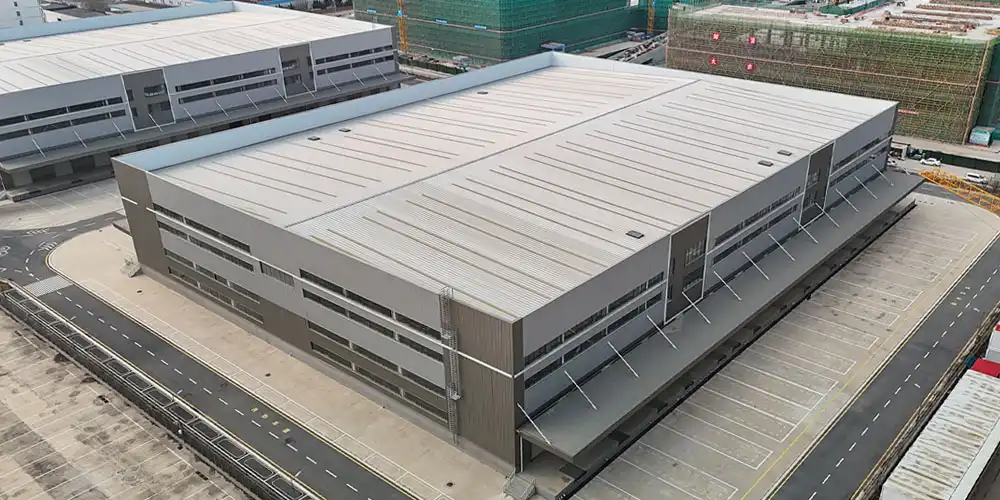
For making cars, the layout of an Automotive Assembly Workshop is more than just building walls and a roof. It affects how quickly production goes, how safely workers do their jobs, and how much money you keep in your budget. If you don't plan your facility well, it will have problems that make things move more slowly, cost more to run, and annoy everyone, from floor workers to project managers. A well-designed steel structure workshop, on the other hand, with an ideal plan and built-in material handling systems, can cut assembly time by as much as 40%, keep tools from breaking down as much as possible, and make the workplace safer. When procurement managers, operations leaders, and EPC workers understand this link, they can make better investment decisions that will pay off for decades.
Understanding the Core Challenges in Automotive Assembly Workshop Efficiency
Before we talk about answers, it's important to understand the problems that manufacturers and contractors have every day when they run Automotive Assembly Workshops.
Inefficient Layouts That Disrupt Workflow
Many current workshops are too small, causing forklifts to crash into people walking on the sidewalk, materials to arrive late at assembly stations, and techs to waste hours going from storing tools to their workstations. When column space is too narrow, or crane coverage isn't enough, it's hard for production teams to move big parts of vehicles quickly. This plan chaos means that hours are lost and goals are missed.
Limited Equipment Accessibility and Material Handling Gaps
For assembly work to go smoothly, high cranes, conveyor systems, and automatic guided vehicles must all work together. Modern robots can't be installed if there aren't enough escape heights or floor load capacities. Large stamping tools can't get into the building because the doors aren't big enough, which means expensive last-minute structure changes have to be made. A lot of the time, these mobility issues show up too late in the building process, which delays the schedule.
Safety and Regulatory Compliance Pressures
The United States has strict OSHA and EPA rules about welding smoke, paint vapors, Auto factory design, and heavy machines used in the automotive industry. Workshop plans need to include areas with enough air flow, fire-resistant walls, and escape paths in case of an emergency. If these safety features aren't built in during the initial planning phase, they may need to be added later at a cost that could be legal. When procurement managers put compliance first from the start, they protect both their employees and their investment.
Key Principles of Effective Automotive Assembly Workshop Layout Design
To make an Automotive Assembly Workshop that works well, you need to carefully plan the process, the design, and how the building can be changed in the future.
Logical Workflow Sequencing to Minimize Movement
The most efficient shops set up their desks in a straight line or a U shape that matches the order of production, from welding the chassis to checking the quality one last time. This layout gets rid of backtracking and material overlap that aren't needed. Forklifts and AGVs can bring parts just-in-time without stopping assembly work when wide aisles are put between production rooms. Clear views across the floor let managers keep an eye on things and act quickly when equipment breaks down.
Integration of Conveyor and Material Handling Systems
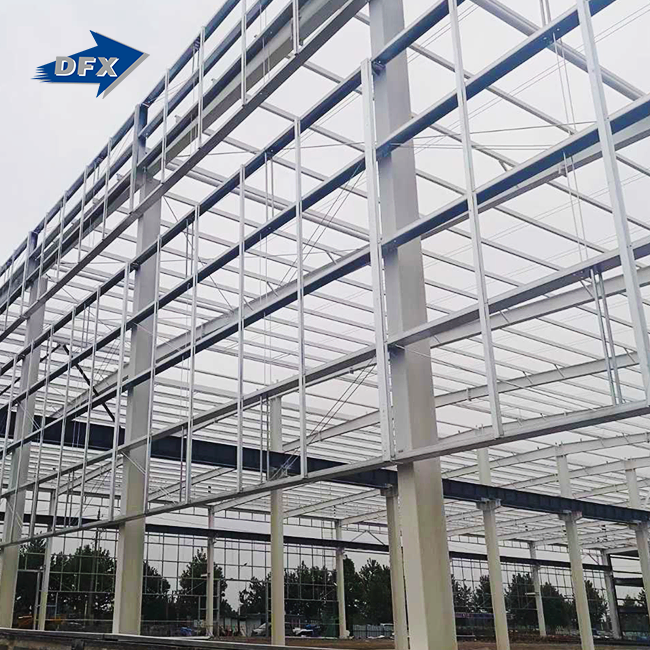
Modern car assembly relies on ceiling elevators to move body-in-white parts from one station to another while leaving room on the floor for tool carts and workers. These moving loads—often 5 to 15 tons hanging from steel trusses—must be supported by the roof structure without bending too much. If you ask for welded H-section steel main frames (Q355 grade), they will be strong enough to handle future equipment improvements. Bolted links make it easy to change the layout as production needs change.
Embedding Safety Zones and Sustainable Features
Separate paths with painted floor markings and physical barriers keep techs safe from machines that are moving. Adding skylights and clear roof panels cuts energy use by 30% during the day, which meets sustainability goals and lowers running costs. Adding rainwater collection systems to roof drains makes the environmental effect even smaller. These features not only meet legal requirements, but they also bring in clients who care about the environment and are looking for green-certified venues.
Technologies and Equipment Driving Efficiency Improvements
A normal Automotive Assembly Workshop can be turned into a high-performance industrial asset by an Auto factory design, buying the right tools and systems.
Automation and Robotics for Precision and Speed
Robotic welding cells make uniform bead quality at speeds that a human operator can't match. This cuts down on the need for repairs and speeds up cycle times. Automatic paint booths with electrostatic spray guns cut down on wasteful overspray and make sure that the finish is the same thickness all over. To keep the accuracy of the measurements, these systems need stable supports and floor slabs that don't vibrate. These technical needs must be taken into account in the structural engineering phase of workshop plans, not as afterthoughts.
Selecting Durable and Cost-Effective Equipment
It can be hard for procurement managers to find a good mix between short-term prices and long-term dependability. If you buy tools from a company with a history of good after-sales service, you won't have to wait as long for fixes. Cheaper options don't work as well in dusty car settings as conveyor systems made of steel that doesn't rust and sealed bearings. Spending an extra 15% on good tools can save you 40% on repairs over the course of ten years.
Leveraging Workshop Management Software
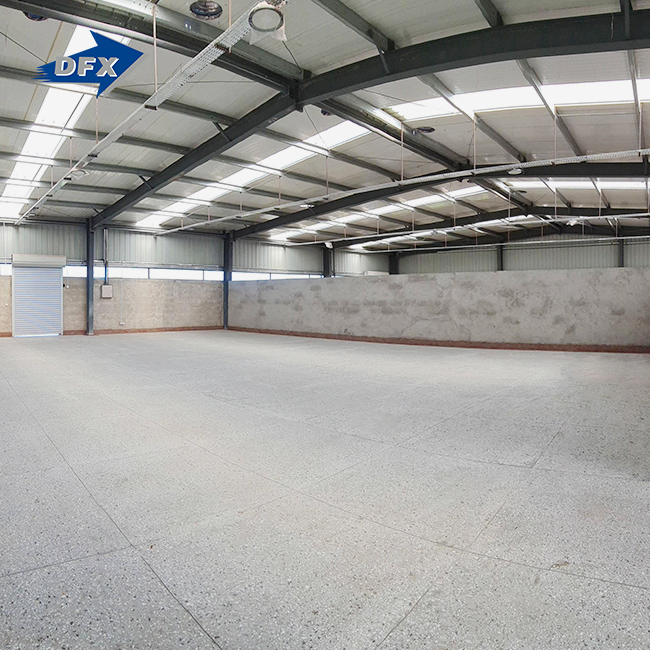
Operations teams can find bottlenecks before they cause big delays with the help of digital twins and real-time production screens. When inventory management tools are tied to supplier systems, parts can be delivered just in time. This cuts down on the need for on-site storage and frees up important floor space. When choices about what to buy take into account how software will work with the building's actual infrastructure, the whole facility runs more smoothly. These new technologies work best when they are backed up by strong structures. Large-span industrial steel buildings with clear heights of 12 meters or more can fit multi-level conveyor systems and robotic systems that work from above without limiting the freedom of the area. Because pre-engineered steel buildings have open interiors, they don't need internal columns. This means that the plan can be changed as product lines change.
Case Studies: How Design Innovations Have Enhanced Workshop Efficiency
There are real-life cases that show how thoughtful Automotive Assembly Workshop design can improve business success.
Optimized Layouts Improving Throughput
A medium-sized EPC company in Texas changed the layout of a 50,000-square-foot assembly Production line hall by moving the paint room closer to the body welding line. This cut the time it took to move each car by 12 minutes. This change saved eight hours of work, which is the same as hiring one full-time worker for a single shift that made 40 units. The plan change only needed to move four structural beams, which was easy to do because the original steel framework was made up of separate modules.
ROI from Robotics and Safety Upgrades
A Midwest company that makes farm machinery spent $1.2 million on automatic riveting robots and better fire suppression systems for its production workshop. In just 18 months, the number of defects dropped by 35%, insurance rates dropped by 20%, and production capacity rose by 25%. The fire-rated steel building met all NFPA rules without having to add expensive masonry. It was coated with intumescent paint that made it fire-resistant for two hours.
Best Practices for Facility Upgrades
Some things that all of these success stories have in common are that structure engineers and production planners worked together early on, the projects were carried out in stages so that current operations wouldn't have to stop, and flexible building systems were chosen to allow for future growth. When these practices are a top priority for procurement managers, they lower risk and speed up return on investment.
Strategic Considerations for Procurement and Long-Term Efficiency
Making smart choices about what to buy today sets the stage for business success tomorrow in the Automotive Assembly Workshop.
In-House Versus Outsourced Assembly Solutions
Some companies that make things like to keep all of the parts that go into making cars under one roof, so they build big workshops that can do planning, production, and installation all at the same time. Others work with specialized EPC companies that offer complete solutions, shifting the risk of building and the pressure to meet deadlines to suppliers with a lot of experience. Looking at your company's main skills and the number of projects it works on can help you figure out which method will make you more money.
Partnering with Reliable Steel Structure Suppliers
How long your workshop lasts and how much upkeep it needs will depend on the quality of its production line. Suppliers with ISO9001 and CE certifications show that they are committed to making sure that production standards are always met. People who provide thorough installation drawings and on-site erection advice cut down on mistakes in construction that cause costly delays. Made-to-order steel parts usually have lead times of 25 to 48 days, which means you need to plan ahead, but good makers always meet these deadlines. When purchasing from steel building makers in China, procurement teams can get the best prices without losing quality. Modern manufacturing shops with automatic H-beam production lines make sure that the dimensions are correct and the weld is strong. Surface treatments like shot blasting and adhesive zinc-rich bases keep metals from rusting for decades, even in humid places like coastal assembly plants.
Anticipating Future Workshop Design Trends
Artificial intelligence systems are keeping a closer eye on production flows and can tell when equipment needs to be serviced before it breaks. Mandates for sustainability push architects and builders toward building net-zero energy buildings with solar panels built into the roofs. Workflows after a pandemic focus on touchless entry controls and better air filtration, which means that more electricity and HVAC infrastructure are needed. Facilities will stay competitive as industry standards change if their procurement strategies can adapt to these new needs.
Conclusion
There is no doubt that the form of an Automotive Assembly Workshop affects how well it works. Facilities for putting together cars that are built with a sensible process, structural strength, and technology integration always do better than those that are built without strategic planning. When purchasing managers take the time to learn about plan optimization, equipment compatibility, and source trustworthiness, their companies will stay ahead of the competition. Case studies and best practices from the industry show that investing in design up front pays off in the form of faster production processes, lower upkeep costs, and safer workplaces.
FAQ
1. What structural features matter most in automotive assembly workshop design?
Column-free areas longer than 30 meters let you put equipment in different ways without any problems. Cranes with a weight capacity of 10 to 50 tons can be used at clear heights of 12 to 15 meters, which is necessary for moving car bodies and pressing dies. Dynamic loads from hanging conveyor systems must be supported by roof structures. This is usually done with welding H-section steel frames made of Q355 grade material, which has a yield strength of more than 345 MPa.
2. How does proper ventilation impact workshop efficiency?
Air exchange systems that work well get rid of fumes from welding and painting, keeping the air clean so that workers can stay alert and get work done. Facilities that don't have enough air have more absences and slower work speeds because workers get tired more quickly. Adding ridge vents and motorized air fans during the building process is cheaper than adding them after the building is finished.
3. Can existing workshops be upgraded without halting production?
Modular steel structures let buildings grow in stages, with new parts connecting to old ones using bolts that have already been made. With this method, makers can keep running their main assembly lines while adding more space next to their present facilities. Structure tie-ins should be carefully planned to happen during weekend shifts so that production stops as little as possible.
Partner with Director Steel for Your Automotive Assembly Workshop Needs
Building a high-performance Automotive Assembly Workshop takes more than just steel and concrete. You need to know a lot about structural building, how to make things more efficient, and how to plan for long-term operations. Director Steel has more than 12 years of experience building industrial steel structures for clients in the car industry, working on a wide range of project sizes. Our 40,000-square-meter factory has six automatic welded H-beam lines and more than 200 trained workers who know how precise large-span assembly buildings need to be.
We provide full turnkey solutions that include structural design, manufacturing, surface treatment, and on-site installation guidance. This makes sure that your project goes smoothly from the idea stage to the final approval. Our goods have been certified as meeting the strictest worldwide quality standards by ISO9001, CE, and ASTM. Whether you're an EPC contractor in charge of a complicated car plant project or a manufacturing business that wants to make more things, our team can help you with technical issues that are specific to your needs.
Get in touch with our project managers at jason@bigdirector.com to talk about how our steel frame options can help your Automotive Assembly Workshop. As a reliable seller to Automotive Assembly Workshops, we offer engineered structures with lead times that are usually between 25 and 48 days. This lets you meet tight project targets without sacrificing quality. Let's make every square meter of your building work better.
References
1. Smith, J. & Anderson, R. (2021). Industrial Facility Design for Automotive Manufacturing: Principles and Case Studies. Manufacturing Press.
2. National Institute of Building Sciences. (2020). Steel Structure Design Guidelines for Heavy Industrial Applications. NIBS Technical Report Series.
3. Johnson, M. (2022). "Impact of Workshop Layout on Assembly Line Productivity." Journal of Manufacturing Systems Engineering, 45(3), 112-128.
4. American Institute of Steel Construction. (2019). Pre-Engineered Building Design Manual. AISC Publication.
5. Chen, L. & Williams, T. (2023). "Automation Integration in Modern Automotive Assembly Facilities." International Journal of Production Research, 61(8), 2456-2473.
6. Occupational Safety and Health Administration. (2021). Safety Standards for Automotive Manufacturing Facilities. OSHA Guidelines Document 3820.
Learn about our latest products and discounts through SMS or email