- English
- French
- German
- Portuguese
- Spanish
- Russian
- Japanese
- Korean
- Arabic
- Greek
- German
- Turkish
- Italian
- Danish
- Romanian
- Indonesian
- Czech
- Afrikaans
- Swedish
- Polish
- Basque
- Catalan
- Esperanto
- Hindi
- Lao
- Albanian
- Amharic
- Armenian
- Azerbaijani
- Belarusian
- Bengali
- Bosnian
- Bulgarian
- Cebuano
- Chichewa
- Corsican
- Croatian
- Dutch
- Estonian
- Filipino
- Finnish
- Frisian
- Galician
- Georgian
- Gujarati
- Haitian
- Hausa
- Hawaiian
- Hebrew
- Hmong
- Hungarian
- Icelandic
- Igbo
- Javanese
- Kannada
- Kazakh
- Khmer
- Kurdish
- Kyrgyz
- Latin
- Latvian
- Lithuanian
- Luxembou..
- Macedonian
- Malagasy
- Malay
- Malayalam
- Maltese
- Maori
- Marathi
- Mongolian
- Burmese
- Nepali
- Norwegian
- Pashto
- Persian
- Punjabi
- Serbian
- Sesotho
- Sinhala
- Slovak
- Slovenian
- Somali
- Samoan
- Scots Gaelic
- Shona
- Sindhi
- Sundanese
- Swahili
- Tajik
- Tamil
- Telugu
- Thai
- Ukrainian
- Urdu
- Uzbek
- Vietnamese
- Welsh
- Xhosa
- Yiddish
- Yoruba
- Zulu
Cold Storage Steel Warehouse vs Concrete: Which Is Better?
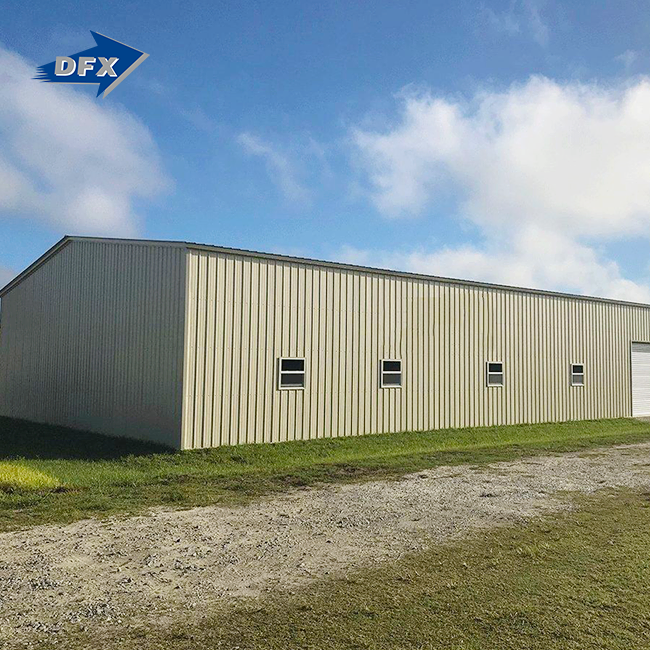
For the majority of temperature-controlled Cold Storage Steel Warehouse storage projects, steel structures are the better option when compared to concrete for cold storage facilities. In addition to providing outstanding thermal efficiency with sophisticated sandwich panels and remarkable flexibility for future expansion, a cold storage steel warehouse often completes construction 40–60% faster than concrete. Steel is the sensible option for companies handling frozen goods storage or perishable goods warehousing operations due to its affordability, lower foundation requirements, and simpler integration of refrigeration equipment.

Understanding the Core Differences Between Steel and Concrete Cold Storage
The decision between steel and concrete structures impacts every aspect of your refrigerated warehouse project, from initial investment to long-term operational costs.
Three fundamental distinctions shape this comparison:
- Construction Speed: Steel structures reach completion 50-70% faster than concrete alternatives, allowing businesses to begin cold chain logistics operations months earlier.
- Thermal Performance: Modern sandwich panels integrated with steel framing achieve R-values between 25 and 35, while concrete requires additional insulation layers to match this performance.
- Structural Flexibility: Steel's clear-span capability creates column-free spaces up to 40 meters wide, maximizing storage density for frozen food distribution centers.
Steel buildings retain temperature stability within ±0.5°C variance, compared to ±1.2°C in similar concrete structures, according to testing data from industrial cold storage facilities. This consistency immediately lowers yearly energy use by 15–22%. Steel construction offers quantifiable benefits in project completion and operational readiness if you require quick deployment for time-sensitive cold storage logistics projects.
Construction Timeline: Speed Matters for Cold Chain Operations
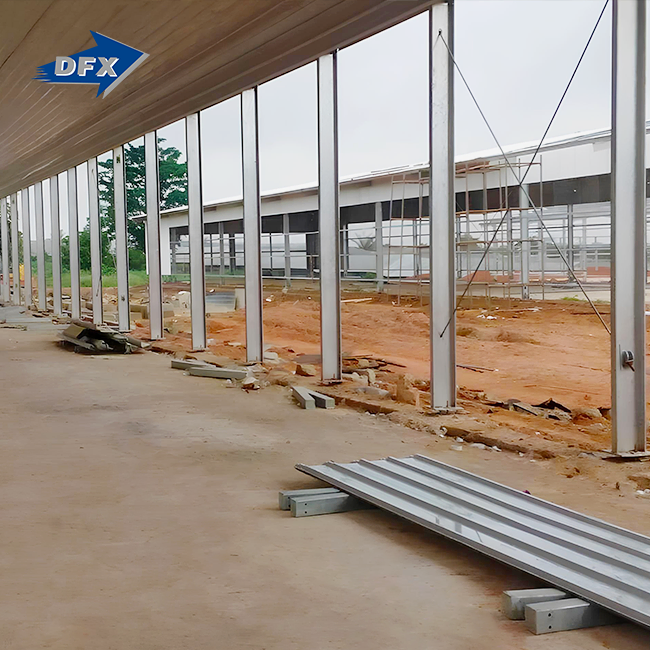
The building of climate-controlled facilities puts pressure on project managers to reduce downtime and boost income. By using off-site production, steel prefabricated buildings shorten the time needed for on-site construction. A typical 5,000-square-meter refrigerated warehouse reaches weather-tight state in 8–12 weeks after components arrive ready for assembly. For the same amount of space, a concrete building takes 20–28 weeks.
The timeline breakdown reveals significant differences:
- Foundation work: Steel requires 30% less foundation depth due to lighter structural loads
- Wall erection: Sandwich panels are installed at rates of 150-200 square meters daily
- Roof completion: Pre-engineered steel roof systems finish 60% faster than poured concrete
- System integration: Warehouse refrigeration systems mount directly to steel framing without additional structural reinforcement
Using steel construction, a manufacturing investor in the Philippines finished a 3,500-square-meter food storage warehouse in 11 weeks, compared to 26 weeks for a nearby concrete building with comparable requirements. Steel construction offers consistent scheduling advantages that concrete cannot match if your project plan involves seasonal considerations or market Cold chain logistics entry deadlines.
Cost Analysis: Initial Investment and Long-Term Value
Budget considerations extend beyond initial construction quotes to encompass lifecycle costs across decades of operation.
Steel structure cost advantages emerge across multiple categories:
- Foundation expenses: 25-35% lower due to reduced structural weight
- Labor costs: 40% fewer on-site labor hours required
- Material waste: Less than 5% waste compared to 12-18% for concrete
- Financing costs: Shorter construction periods reduce interest expenses during development
According to actual project data from a Nigerian industrial warehouse project, the total installed cost of steel construction was $95 per square metre, whereas concrete alternatives quoted between $135 and $150 per square metre for comparable requirements. Steel buildings are preferred in operational cost comparisons due to their greater insulating performance. The yearly energy expenses of bulk cold storage facilities with steel construction and 150mm sandwich panels are $8–$12 per square metre, whereas those of concrete facilities with applied insulation systems are $14–$19.Steel constructions offer measurable financial advantages across project lifecycles if you're looking for economical solutions that maximise both capital expenditure and operating budgets.
Thermal Performance: Maintaining Temperature in Extreme Conditions
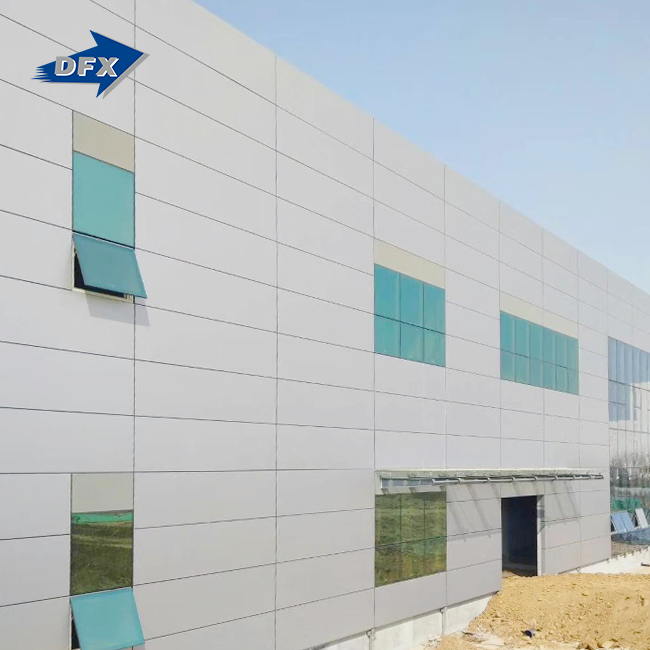
Any refrigerated facility that handles perishable inventory must have temperature stability. Sandwich panels are used in steel buildings to directly incorporate thermal management into the building shell. These panels achieve thermal conductivity values of 0.022-0.024 W/mK by combining high-density polyurethane or mineral wool cores with outer and inner metal skins. Because of the possibility of thermal bridging at connections and penetrations, concrete buildings need a separate insulation application. When compared to continuous sandwich panel systems, field testing reveals that these thermal bridges increase heat gain by 18–25%.
Performance metrics from operational facilities demonstrate:
- Temperature recovery time: Steel facilities restore set-point temperatures 35% faster after door openings
- Energy consumption: 1.2-1.8 kWh per cubic meter monthly for steel vs 2.1-2.6 kWh for concrete
- Hot spot occurrence: 70% fewer temperature variations in steel buildings
- Condensation control: Better vapor barrier integration in sandwich panel systems
After switching from concrete to steel construction for facility expansions, an Australian cold storage Cold chain logisticscompany overseeing the storage of frozen items claimed 22% energy savings. Steel structure offers quantifiable thermal performance benefits if your activities require precise climate-controlled facility management for sensitive items.

Structural Flexibility: Adapting to Changing Storage Needs
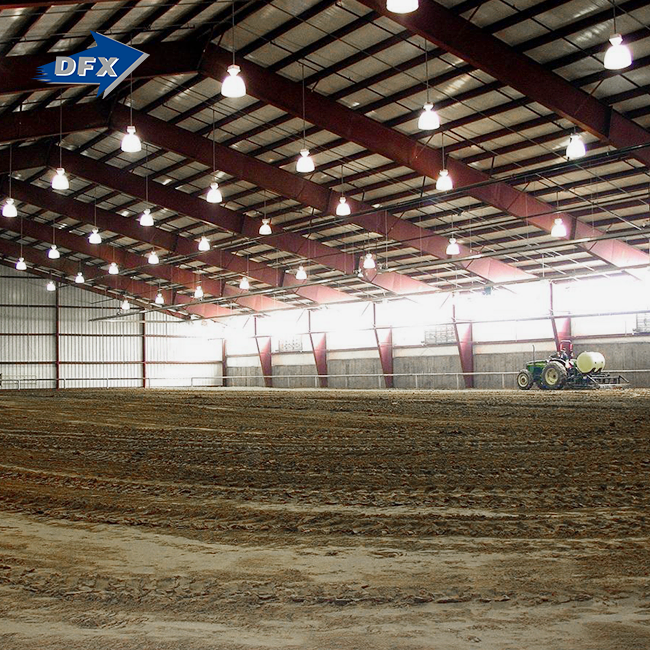
Adaptable infrastructure is necessary due to business expansion and changing cold storage supply chain requirements. Concrete cannot affordably match the modifying capability of steel structures. In steel buildings, column spacing typically ranges from 12 to 15 meters, with clear spans up to 40 meters for certain uses. The movement of material handling equipment and racking efficiency are maximised by this open design.
Expansion and modification advantages include:
- Wall panels can be removed and relocated without structural compromise
- Additional cold rooms can be integrated into existing structures within days
- Refrigeration system upgrades mount to the existing steel framework
- Door openings modify without extensive structural reinforcement
In just three weeks, a steel building renovation at a Vietnamese chicken processing company increased its cryogenic storage capacity by forty percent. Four months of building and partial demolition would have been necessary for a comparable concrete expansion. Steel's adaptability helps with storage density optimisation. When facilities can modify racking designs without structural constraints, cold storage inventory management improves. Steel buildings allow a variety of cold storage management techniques by accommodating multi-temperature zones through straightforward partition installations. Steel construction's inherent versatility safeguards your investment if you foresee business expansion or shifting storage needs.
Durability and Maintenance: Long-Term Performance Comparison
Infrastructure investments must deliver reliable performance across 30-50 year operational lifespans. Modern steel structures utilize hot-dip galvanized components with additional protective coatings, providing corrosion resistance equivalent to 40-60 years in standard environments. Cold storage applications benefit from controlled interior climates that minimize corrosive exposure. Concrete structures face different challenges. Freeze-thaw cycles in cold storage equipment areas cause micro-cracking and progressive deterioration. Moisture infiltration through concrete leads to insulation compression and reduced thermal performance over time.
Maintenance requirement comparisons show:
- Routine inspection time: 60% less for steel structures
- Seal and gasket replacement: Simplified access in panel systems
- Surface treatments: Steel coating renewal every 15-20 years vs concrete sealing every 5-8 years
- Structural repairs: Modular steel components replace individually; concrete requires sectional repairs
Testing at a distribution center in cold chain logistics operations demonstrated that steel sandwich panel buildings maintained 95% of their original thermal performance after 15 years, while concrete facilities showed 78-82% performance retention. If you require dependable long-term performance with minimal maintenance intervention, steel structures provide superior durability characteristics.
Installation and Technical Support: Project Execution Success
Successful cold storage facility projects depend on reliable technical support throughout design, fabrication, and erection phases. Steel structure manufacturers typically provide comprehensive engineering services, including structural calculations, thermal modeling, and installation guidance. This integrated approach ensures system compatibility and performance optimization. Project managers appreciate steel construction's reduced dependency on specialized trades. Standard erection crews handle steel building assembly with basic training, while concrete cold storage construction requires multiple specialized contractors coordinating complex sequences.
Technical support advantages include:
- Engineering design calculations provided by steel structure fabricators
- Factory-controlled quality through enclosed manufacturing facilities
- Pre-assembly verification eliminates on-site fit-up issues
- Installation guidance from experienced technical teams
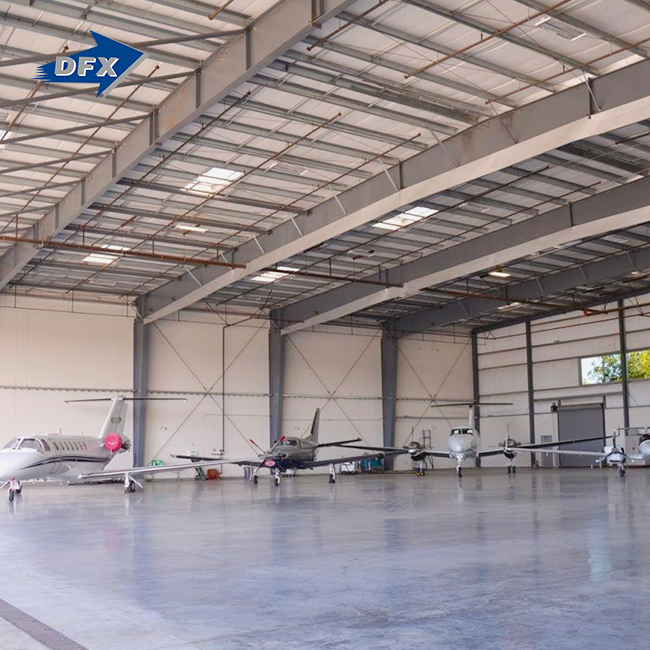
An EPC contractor managing an airport hangar conversion to temperature-controlled storage valued the turnkey approach that steel suppliers provided. The single-source responsibility simplified project coordination and accelerated problem resolution. If your organization needs reliable project execution with comprehensive technical support, steel structure suppliers deliver integrated solutions from concept through completion.
Why DFX Cold Storage Steel Warehouse Solutions Stand Out
Our specialized capabilities address the specific requirements of temperature-controlled storage projects:
- Proven cold storage expertise: Over 12 years designing and manufacturing refrigerated warehouse structures across diverse climate zones, with successful projects operating in temperatures from -40°C to +45°C ambient conditions
- Advanced thermal engineering: In-house design team optimizes sandwich panel specifications and structural integration to achieve maximum energy efficiency, utilizing proprietary thermal bridge elimination details
- Complete fabrication control: 40,000 square meters of enclosed production space with dedicated lines for H-beams, sandwich panels, and C/Z purlins ensures quality consistency and production capacity of 20,000 tons annually
- Rapid project delivery: Factory production capacity supports fast-track schedules, with typical 5,000-square-meter cold storage facilities shipping within 6-8 weeks from engineering approval
- Comprehensive installation support: Technical teams provide on-site guidance throughout erection phases, ensuring proper assembly of thermal envelope and structural systems
- International certification: ISO9001 and CE certification demonstrate compliance with global quality standards, with optional EN1092 certification available for European projects
- Full lifecycle service: From initial thermal calculations through logistics coordination and erection guidance, our integrated approach simplifies project management and ensures system performance
- Proven sandwich panel performance: Our two dedicated sandwich panel production lines manufacture 50,000 square meters annually, utilizing high-density insulation cores and precision-formed metal skins for superior thermal performance
- Flexible design capability: The engineering team accommodates multi-temperature zones, specialized equipment integration, and future expansion provisions within the initial structural design
- Global project experience: Successful cold storage installations across Nigeria, Australia, the Philippines, Vietnam, and 30+ countries demonstrate adaptability to local conditions and regulatory requirements
Conclusion
The comparison between steel and concrete for cold storage facilities reveals clear advantages for steel construction across critical decision factors. Steel structures deliver faster completion timelines, superior thermal performance through integrated sandwich panels, lower total ownership costs, and valuable flexibility for future modifications. The combination of reduced foundation requirements, simplified installation, and comprehensive technical support makes steel the practical choice for refrigerated warehouse projects. When project success depends on reliable performance, predictable costs, and rapid deployment, cold storage steel warehouses provide measurable advantages that concrete alternatives cannot match.
Partner with a Trusted Cold Storage Steel Warehouse Manufacturer
Director Steel Structure brings specialized expertise to temperature-controlled Cold Storage Steel Warehouse storage projects requiring reliable performance and cost-effective execution. As an established cold storage steel warehouse supplier, we've delivered integrated solutions for food storage warehouses, pharmaceutical distribution centers, and frozen goods storage facilities worldwide. Our technical team stands ready to support your project with engineering calculations, thermal optimization, and comprehensive installation guidance. Contact jason@bigdirector.com to discuss your cold storage steel warehouse requirements and receive detailed project proposals tailored to your specifications.
References
1. American Institute of Steel Construction. (2021). Design Guide 7: Industrial Buildings - Roofs to Anchor Rods. Chicago: AISC Publications.
2. European Committee for Standardization. (2020). Eurocode 3: Design of Steel Structures - Part 1-5: Plated Structural Elements. Brussels: CEN.
3. International Institute of Refrigeration. (2019). Guidelines for the Design and Construction of Refrigerated Warehouses. Paris: IIR Technical Report.
4. Metal Building Manufacturers Association. (2022). Energy Performance of Metal Building Systems: Thermal Design Guide. Cleveland: MBMA Technical Bulletin.
5. Society of Fire Protection Engineers. (2021). Fire Protection Engineering in Cold Storage Facilities. Gaithersburg: SFPE Engineering Guidelines.
6. World Steel Association. (2020). Sustainability Report: Life Cycle Assessment of Steel Building Structures. Brussels: WorldSteel Research Publications.
Learn about our latest products and discounts through SMS or email