- English
- French
- German
- Portuguese
- Spanish
- Russian
- Japanese
- Korean
- Arabic
- Greek
- German
- Turkish
- Italian
- Danish
- Romanian
- Indonesian
- Czech
- Afrikaans
- Swedish
- Polish
- Basque
- Catalan
- Esperanto
- Hindi
- Lao
- Albanian
- Amharic
- Armenian
- Azerbaijani
- Belarusian
- Bengali
- Bosnian
- Bulgarian
- Cebuano
- Chichewa
- Corsican
- Croatian
- Dutch
- Estonian
- Filipino
- Finnish
- Frisian
- Galician
- Georgian
- Gujarati
- Haitian
- Hausa
- Hawaiian
- Hebrew
- Hmong
- Hungarian
- Icelandic
- Igbo
- Javanese
- Kannada
- Kazakh
- Khmer
- Kurdish
- Kyrgyz
- Latin
- Latvian
- Lithuanian
- Luxembou..
- Macedonian
- Malagasy
- Malay
- Malayalam
- Maltese
- Maori
- Marathi
- Mongolian
- Burmese
- Nepali
- Norwegian
- Pashto
- Persian
- Punjabi
- Serbian
- Sesotho
- Sinhala
- Slovak
- Slovenian
- Somali
- Samoan
- Scots Gaelic
- Shona
- Sindhi
- Sundanese
- Swahili
- Tajik
- Tamil
- Telugu
- Thai
- Ukrainian
- Urdu
- Uzbek
- Vietnamese
- Welsh
- Xhosa
- Yiddish
- Yoruba
- Zulu
2026 Best Steel Structure School Designs and Benefits
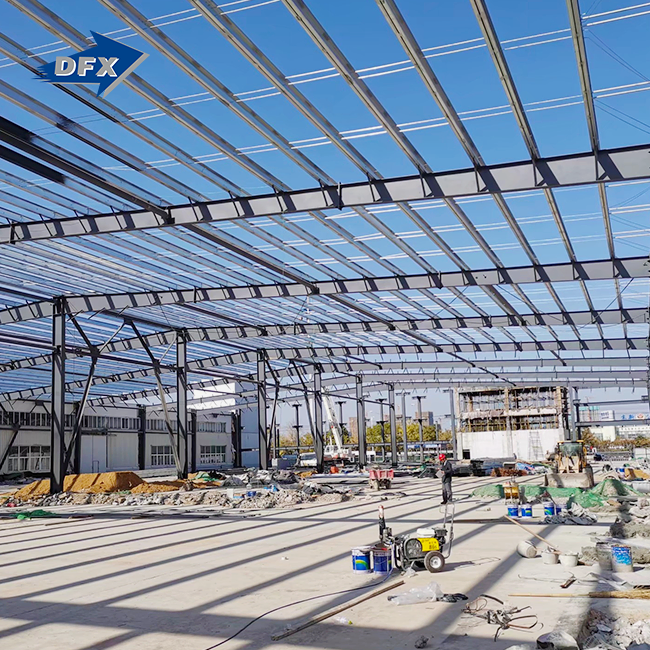
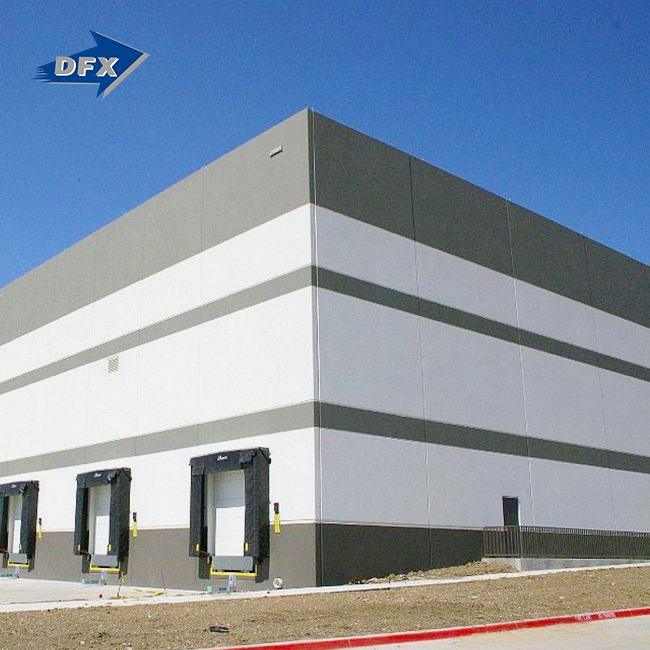
Steel school buildings are the best combination of speed, safety, Steel Structure School Building and flexibility when it comes to modern educational facility development. The three main concerns of project managers in charge of school infrastructure construction are addressed by these pre-engineered solutions, which cut project schedules by 40%, withstand seismic activity due to their inherent ductility, and handle changing pedagogical needs through reconfigurable interior spaces.

Understanding the Modern Educational Facility Revolution
Over the past decade, I've witnessed a profound shift in how educational institutions approach construction. Traditional concrete methods once dominated, but mounting pressures—tight budgets, urgent enrollment increases, and climate resilience demands—have driven procurement officers toward structural steel solutions. The steel structure school building methodology emerged as the practical answer.
What makes this approach compelling? Speed matters when communities face classroom shortages. Manufacturers prefabricate 70-80% of components off-site while foundation work progresses simultaneously. This parallel workflow cuts construction duration significantly. A mid-sized secondary school that would require 18 months using conventional methods can achieve occupancy readiness in 10-12 months with structural steel frameworks.
Safety considerations weigh heavily on decision-makers. In regions like Southeast Asia and South America, where seismic activity poses constant threats, steel's high strength-to-weight ratio becomes critical. The material deforms predictably under stress rather than failing catastrophically—a property engineers call ductility. This characteristic has made steel framing the preferred choice for educational facilities in earthquake-prone zones from the Philippines to Chile.
Cost control remains paramount. While initial material expenses may appear higher than concrete, the total ownership equation favors steel. Reduced labor hours, minimal weather delays, and lower foundation requirements offset upfront costs. Agricultural project managers building vocational training centers particularly appreciate this economic profile when operating within constrained budgets.
Selection Criteria: How We Evaluated Steel Structure School Designs
Our evaluation framework reflects real-world procurement priorities. After consulting with construction contractors across Nigeria, Australia, and the Caribbean, five criteria emerged as non-negotiable:
- Structural integrity standards: Compliance with international codes, including AISC 360, Eurocode 3, and local building regulations. We prioritized designs using Q355B or ASTM A572 Grade 50 steel with verified yield strength exceeding 345 MPa.
- Fabrication quality assurance: Manufacturers demonstrating ISO 9001 certification and employing Non-Destructive Testing protocols. Ultrasonic Testing on primary welds and dimensional pre-assembly trials indicate professional rigor.
- Climate adaptability: Performance across temperature extremes (-30°C to +50°C) and corrosion resistance mechanisms suitable for coastal or humid tropical environments. Hot-dip galvanization with zinc coating weights above 600g/m² proved essential.
- Design flexibility: Capability for large clear spans (25-40 meters) enabling multipurpose halls, Educational facility, and modular construction allowing phased expansion without disrupting active classrooms.
- Turnkey service scope: Providers offering integrated solutions—architectural layout design, structural calculations, fabrication, logistics, and installation guidance—reduce coordination burden for busy project managers.
These benchmarks helped us identify standout configurations meeting the diverse needs of construction companies, manufacturing investors, and agricultural business owners commissioning training facilities.
Top Steel Structure School Building Designs for 2026
Heavy-Frame Multi-Story Urban Campus
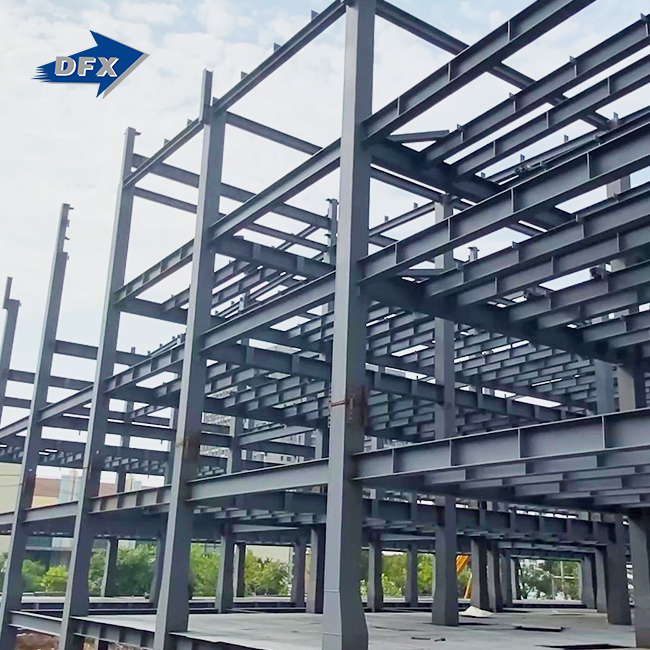
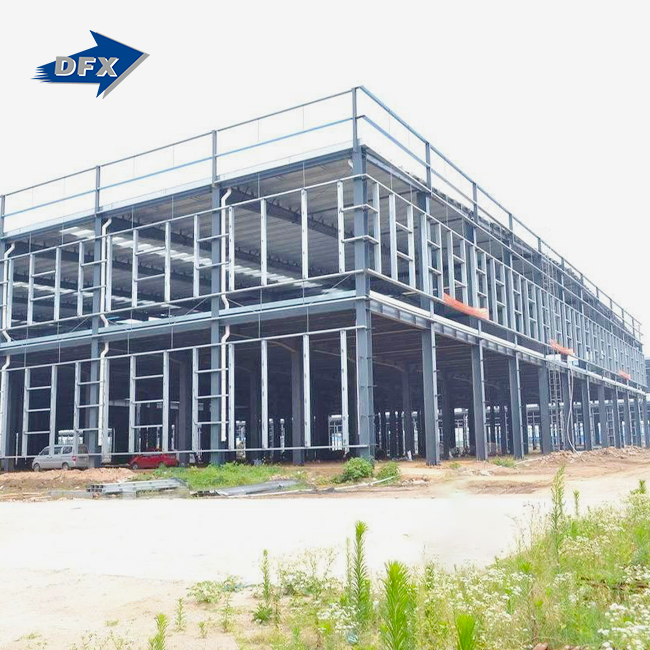
This design addresses land scarcity in metropolitan areas across Africa and Southeast Asia, where horizontal expansion proves impossible. The solution employs box columns and welded H-beams (typically 400x400mm columns with 600x300mm beams), creating a robust skeletal frame supporting 4-6 stories.
Key advantages include:
- Load capacity accommodating heavy equipment in science laboratories and extensive book collections in libraries
- Reduced foundation footprint despite vertical height, lowering excavation costs in congested urban sites
- Integration with modern curtain wall systems provides natural daylight while maintaining thermal comfort
- Bolted connection points facilitate future vertical expansion as enrollment grows
By applying cementitious spray, structural engineers use composite floor systems—steel decking with concrete topping—to achieve fire resistance ratings of up to three hours. This arrangement is ideal for EPC contractors overseeing extensive urban infrastructure projects that call for tight site access and utility coordination. This design optimises the usable floor area ratio for procurement managers in Lagos or Manila who deal with premium land pricing. Because of the accuracy of the steel frame, architects can add intricate geometries that are not achievable with traditional methods, such as cantilevered portions, atriums, or irregular floor plates. Using mobile cranes, installation is carried out floor by floor, with interior fit-out and cladding coming right behind the advancing structural work. When schools must continue to operate close to expansion regions, this sequencing ensures that the construction footprint is kept to a minimum.
Prefabricated Modular Classroom System
Agricultural businesses and remote area developers favor this approach when establishing vocational training centers or rural schools. The system comprises factory-assembled modules (typically 3m x 9m units) transported flat-pack or as volumetric containers, depending on logistics infrastructure.
Distinctive features:
- Complete offsite fabrication, including electrical conduits, HVAC provisions, and interior finishes
- Rapid onsite assembly requiring only foundation preparation and module placement—a 12-classroom block can be erected in three weeks
- Dry construction methodology, eliminating water curing needs, is viable in arid regions or during dry seasons
- Inherent flexibility allows modules to be relocated or repurposed as educational needs evolve
Sandwich panel envelopes provide thermal insulation, and the structural system is framed with lighter C and Z-section steel (150-250mm depth). In order to achieve thermal transmittance values below 0.5 W/m²K, which are crucial for temperature regulation in tropical or desert regions, manufacturers usually use polyurethane or mineral wool cores (50–100 mm thick). Establishing agricultural training academies is especially advantageous for livestock operators in South America or poultry farm owners in Australia. When scheduling work around seasonal weather windows, speed is crucial. Wall panel systems from reputable manufacturers come with factory-applied finishes; on-site painting is not necessary. This ensures a constant appearance while speeding up occupancy preparedness. Pre-hung window and door systems further minimise the need for field labour. Even in areas with inadequate infrastructure, transportation logistics become feasible. Components for about 100 square meters of building space can fit within a typical 40-foot shipping Educational facilitycontainer. When handling the logistics of inter-island projects, construction firms that work with Caribbean or Pacific island governments appreciate this portability.
Large-Span Space Frame Auditorium
Educational facilities require multipurpose spaces—assembly halls, indoor sports complexes, and examination centers. Traditional column grids obstruct sightlines and limit activity flexibility. The space frame solution eliminates these constraints through three-dimensional truss systems spanning 30-50 meters without interior supports.
Performance characteristics:
- Triangulated steel tube networks (typically 60-100mm diameter) distributing loads uniformly across perimeter supports
- Geometric efficiency reduces steel consumption by 20-30% compared to equivalent portal frames
- Modular node connections enabling complex roof geometries—barrel vaults, domes, or hyperbolic paraboloids
- Integrated attachment points for HVAC systems, theatrical lighting, and acoustic treatments
Manufacturing includes automated welding of standardised parts and precise CNC cutting. In addition to facilitating quick construction with scaffolding towers and temporary bracing, the repeated node patterns facilitate quality monitoring. Project managers in charge of infrastructure improvements value the architectural statement these buildings produce. Visible from internal spaces, the exposed structural logic conveys modernism and technical skill, boosting the status of the institution. In auditorium applications, acoustic performance requires consideration. In order to achieve reverberation periods suitable for speech intelligibility (1.0-1.5 seconds at mid-frequencies), we suggest envelope systems with perforated metal panels supported by acoustic insulation. When EPC contractors are working on large-scale campus projects where the auditorium is an architectural focus point, the space frame method works well. Despite the great spans, the foundation requirements are still low—usually isolated pad footings at the positions of perimeter columns rather than continuous strip foundations. The three-dimensional link offers remarkable lateral stability for seismic zones. Instead of using separate frames, the construction functions as a cohesive whole, dispersing seismic stresses throughout the whole assembly.

Regional Market Insights: Africa, South America, Caribbean, Oceania, Southeast Asia
Understanding local contexts shapes successful project delivery. Each target region presents distinct opportunities and considerations that influence design selection and procurement strategies.
Africa: Rapid urbanization drives demand for educational infrastructure. Countries like Nigeria, Kenya, and Ghana prioritize cost-effectiveness and speed. Modular classroom systems resonate with agricultural training institutes, while urban centers require multi-story solutions. Corrosion protection demands attention in coastal cities—hot-dip galvanization proves essential. Local building codes increasingly reference international standards, simplifying certification processes for foreign manufacturers. Logistics infrastructure varies significantly; suppliers must accommodate both containerized shipping to major ports and overland transport to interior regions.
Southeast Asia: High seismic activity and tropical humidity define specification requirements. The Philippines, Indonesia, and Vietnam mandate stringent earthquake-resistant design. Steel's ductility advantage becomes a primary selling point. Typhoon wind loads require robust connection detailing. Corrosion resistance through marine-grade coatings protects investments in this humid environment. The region's growing manufacturing sector creates demand for technical training facilities, while government infrastructure programs fund rural school development. Cultural preferences favor light-filled spaces; curtain wall integration meets this expectation.
South America: Countries like Colombia, Peru, and Brazil balance earthquake considerations with economic constraints. Procurement officers appreciate lifecycle cost analyses demonstrating steel's durability advantages. Remote Amazon or Andean regions benefit from prefabricated systems, minimizing skilled labor requirements. Sustainability certifications increasingly influence public sector procurement—steel's recyclability supports green building objectives. Portuguese and Spanish language support during technical negotiations builds trust. Modular classroom with local contractors.
Caribbean: Hurricane resistance dominates structural requirements. Wind speeds exceeding 250 km/h necessitate robust anchoring systems and aerodynamic roof profiles. Island logistics favor modular systems shipped in standard containers. Small island nations often lack heavy construction equipment; designs must accommodate manual or light machinery erection methods. Tourism-driven economies create opportunities for vocational training centers teaching hospitality skills—flexible space configurations suit diverse program needs.
Oceania: Australia and New Zealand maintain rigorous building standards; compliance documentation proves critical. Remote mining regions require rapid-deployment educational facilities for worker communities—modular systems excel here. Pacific island nations face similar logistical constraints as the Caribbean, plus cyclone exposure. Corrosion resistance becomes paramount in salt-spray environments. Indigenous community consultation often forms part of public project approval processes; culturally sensitive engagement matters.
Procurement Recommendations for Construction Contractors and Project Managers
Navigating the acquisition of a steel structure school building requires attention to several key factors. My experience supporting construction companies through this process has revealed consistent success patterns.
Begin specification development with clear performance requirements rather than prescriptive details. Define load capacities, span requirements, fire ratings, and environmental conditions. This approach invites innovative solutions from suppliers while maintaining control over critical outcomes.
Request Mill Test Certificates verifying steel chemical composition and mechanical properties. Reputable manufacturers provide these documents without hesitation. Look for carbon equivalent values below 0.45%, ensuring good weldability—a technical detail indicating fabrication expertise.
Insist on factory inspection rights before shipment. Virtual factory tours via video call provide reasonable verification when international travel proves impractical. Observe welding procedures, dimensional checking processes, and paint application methods. This transparency indicates professional operations.
Clarify logistics responsibilities early in negotiations. Understand whether pricing includes port delivery, inland transport, or job site delivery. Container optimization affects total costs—efficient suppliers maximize payload within weight limits, reducing freight expenses.
Installation support varies among suppliers. Some provide only fabrication drawings; others offer experienced erection supervisors. For contractors without specialized steel construction experience, paying for installation guidance prevents costly field mistakes. A knowledgeable supervisor can reduce erection duration by 30-40% while ensuring quality outcomes.
Payment terms should align with project milestones: deposit upon order confirmation, progress payments against fabrication completion (verified by photos), and balance upon delivery or after installation completion. Avoid full prepayment unless the supplier demonstrates substantial completed projects and verifiable references.
Warranty coverage deserves careful attention. The structural framework should carry 10-year warranties against material defects and fabrication errors. Protective coatings warrant separate coverage—typically 5-7 years, depending on environmental exposure. Clarify what constitutes a warranty claim and the remediation process.
Request project references matching your application and regional context. Contact previous customers directly; ask about communication responsiveness, problem-solving approach, and post-installation support. References from your target region provide the most relevant insights.
Why Educational Facilities Choose Steel Framework Construction
The fundamental question remains: why has structural steel become the dominant choice for modern school construction? The answer lies in converging advantages that address multiple stakeholder priorities simultaneously.
Speed benefits extend beyond construction duration. Predictable timelines enable better coordination with academic calendars—minimizing disruption to educational programs. Manufacturing lead times (typically 4-8 weeks) overlap with site preparation, compressing the critical path. Weather delays have decreased dramatically since most assembly occurs via bolted connections requiring no curing periods.
Safety performance reassures parents and administrators. Properly designed steel frameworks meet or exceed concrete's structural capacity while weighing significantly less. This reduced mass translates directly to lower seismic forces during earthquakes—the building literally shakes less violently. Fire protection systems (intumescent coatings or cementitious sprays) maintain structural integrity for 2-3 hours, exceeding evacuation requirements.
Acoustic and thermal comfort once presented challenges for steel buildings, but modern envelope systems resolve these concerns. Multi-layer wall assemblies incorporating mineral wool insulation achieve Sound Transmission Class ratings above 50—quieter than typical concrete block construction. Thermal breaks in cladding attachment systems prevent condensation and energy loss.
Sustainability credentials matter increasingly to government Modular classroom procurement committees. Steel's 100% recyclability without quality degradation supports circular economy principles. End-of-life structures yield valuable scrap rather than landfill waste. Many suppliers now offer recycled content steel (30-50% post-consumer material), further reducing environmental impact.
Adaptability future-proofs educational investments. Changing pedagogical approaches demand spatial flexibility—movable walls, varied ceiling heights, and integrated technology infrastructure. Steel's column-free spans accommodate evolving layouts without structural modification. Adding floors or wings becomes straightforward through bolted connections to existing frames.
Industry Trends and Summary
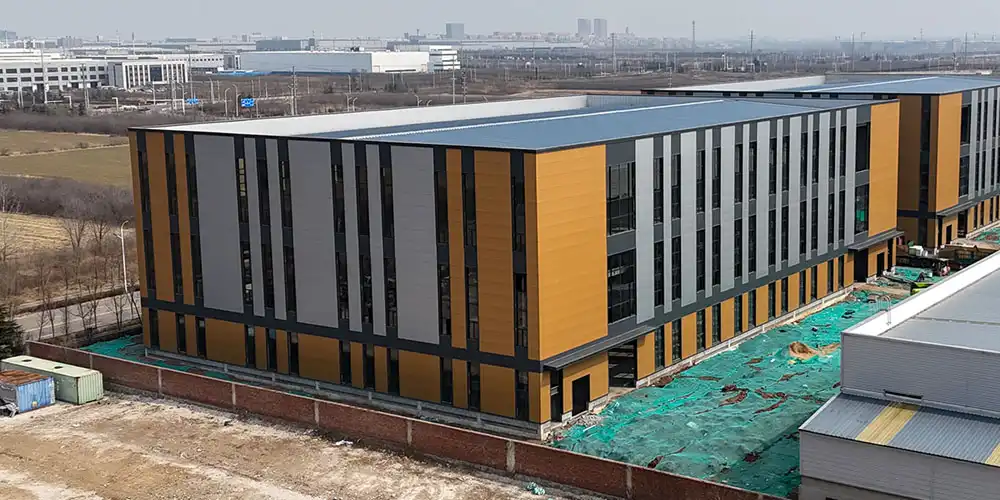
Steel framing is gaining market share in developing nations as the global educational infrastructure sector continues to move toward industrialised construction techniques. Growing young populations in Southeast Asia and Africa are causing demographic pressures that make it impossible for traditional buildings to meet the urgent demand in the allotted period. The earthquake performance and storm resistance of steel are also favoured by climate resilience regulations. In the future, we see more integration of digital fabrication technologies (AI-driven quality inspection, robotic welding) that will lower prices and increase precision. The use of modular construction techniques will increase as frontier markets' logistics infrastructure advances. Steel structure school construction systems, which balance speed, safety, cost management, and environmental responsibility in ways that benefit communities for generations, are the practical way ahead for procurement officers assessing long-term objectives.
FAQ
1. How does steel framing perform in extremely hot climates common across Africa and Southeast Asia?
Steel itself conducts heat, but modern building envelope strategies break thermal pathways between exterior and interior. Cladding systems attach via thermal break clips—low-conductivity plastic or fiberglass spacers preventing direct metal-to-metal contact. Roof assemblies incorporate ventilated air gaps between metal decking and waterproof membranes, exhausting accumulated heat. Interior insulation layers (typically 75-150mm mineral wool) maintain comfortable classroom temperatures. Properly designed systems achieve thermal resistance values comparable to thick masonry walls while weighing far less. Reflective roof coatings further reduce heat gain. Schools in tropical Nigeria and Indonesia successfully maintain comfortable interior conditions using these integrated approaches.
2. What maintenance requirements should agricultural business owners expect for training center buildings?
Steel structures demand minimal upkeep compared to traditional construction. The primary maintenance focus involves protective coating systems. Annual visual inspections identify any coating damage—scratches, chips, or wear areas. These localized spots receive touch-up paint, preventing corrosion initiation. Major repainting typically occurs every 10-15 years, depending on environmental exposure and initial coating quality. Bolted connections require periodic inspection (every 2-3 years) to verify tightness, particularly in the first year as the structure settles. Roof and wall panel fasteners occasionally need replacement due to UV degradation of rubber washers—a straightforward task. Compared to concrete structures requiring crack repair, spalling remediation, and water infiltration management, steel frameworks prove significantly less demanding. Total lifecycle maintenance costs run 40-60% lower than equivalent masonry construction.
3. Can existing structures be expanded using steel framing techniques?
Absolutely—this represents one of steel construction's significant advantages. Engineers assess existing foundation capacity and structural loads, then design additions that interface with original buildings. Connection methods vary based on the original construction type. When expanding concrete structures, steel columns attach via base plates anchored with expansion bolts or epoxy-set anchors. When adding to existing steel buildings, new components bolt directly to the original framing through standardized connection plates. The modular nature of steel systems allows phased expansion—adding classroom wings, additional floors, or separate buildings—without disrupting active school operations. Manufacturing companies expanding training facilities particularly value this capability. The construction process generates minimal dust and noise compared to concrete work, allowing continued facility operation during expansion. This operational continuity proves critical for agricultural training centers with continuous enrollment cycles.
4. What fire protection strategies ensure student safety in steel structure school buildings?
Multiple complementary approaches achieve the required fire resistance ratings. Intumescent coatings—applied like paint—expand when heated, forming an insulating char layer that protects the steel beneath. These coatings can provide 1-3 hours of fire resistance depending on thickness and steel section size. Cementitious spray fireproofing offers an alternative, particularly for concealed structural elements. This cement-based material bonds to steel surfaces, insulating against heat transfer. Hybrid approaches encase critical load-bearing columns in lightweight concrete while treating beams with intumescent coatings. Compartmentalization strategies divide buildings into fire zones using rated wall assemblies, limiting fire spread. Early detection systems and sprinkler installations provide active protection. The comprehensive strategy meets stringent educational facility codes across all target regions. Testing by independent laboratories (Underwriters Laboratories, Warrington Fire) verifies performance, providing documentation for building permit approval.
Transform Your Educational Infrastructure with DFX Steel Structure School Building Solutions
Qingdao Director Steel Structure Co., Ltd. brings over 12 years of specialized experience to educational facility projects across emerging markets. Our 40,000-square-meter manufacturing facility produces structural components meeting ISO 9001 quality standards and CE certification requirements—credentials that matter when procurement managers evaluate steel structure school building suppliers. What distinguishes our approach? We function as true project partners rather than mere fabricators. Our in-house architectural design team collaborates with your engineers from initial concept through final erection, resolving technical challenges before they impact schedules. Six automatic H-beam production lines ensure consistent weld quality, Steel Structure School Building, and dimensional accuracy—critical factors preventing costly field adjustments. Whether you're a construction contractor delivering a government school project in Nigeria, a manufacturing company establishing a training center in the Philippines, or an agricultural business owner building a vocational academy in rural Australia, we tailor solutions to your specific requirements. Our experience spans single-story modular classrooms for remote areas and multi-story urban campuses requiring sophisticated structural engineering. Ready to explore how modern steel framing can accelerate your next educational facility project while reducing total costs? Contact our technical team at jason@bigdirector.com. We'll review your project parameters, discuss regional code requirements, and develop preliminary designs demonstrating feasibility. Our transparent communication and detailed documentation have earned trust from construction companies and EPC contractors worldwide.
References
1. American Institute of Steel Construction. Seismic Design Manual: Third Edition. AISC, 2018.
2. Lawson, R.M., and Ogden, R.G. Sustainable Steel Construction: Design and Practice. The Steel Construction Institute, 2020.
3. Chen, Wai-Fah, and Lui, E.M. Handbook of Structural Engineering: Second Edition. CRC Press, 2019.
4. Vassart, Olivier, et al. Fire Safety of Steel Structures in Buildings. European Commission Research Programme, 2017.
5. Hancock, Gregory J., and Pham, Charles H. Cold-Formed Steel Structures to the AISI Specification. Marcel Dekker, 2021.
6. Basbagill, John P., et al. "Comparative Life Cycle Assessment of Educational Buildings: Concrete vs. Steel Structures." Journal of Construction Engineering and Management, vol. 145, no. 8, 2019.
Learn about our latest products and discounts through SMS or email