- English
- French
- German
- Portuguese
- Spanish
- Russian
- Japanese
- Korean
- Arabic
- Greek
- German
- Turkish
- Italian
- Danish
- Romanian
- Indonesian
- Czech
- Afrikaans
- Swedish
- Polish
- Basque
- Catalan
- Esperanto
- Hindi
- Lao
- Albanian
- Amharic
- Armenian
- Azerbaijani
- Belarusian
- Bengali
- Bosnian
- Bulgarian
- Cebuano
- Chichewa
- Corsican
- Croatian
- Dutch
- Estonian
- Filipino
- Finnish
- Frisian
- Galician
- Georgian
- Gujarati
- Haitian
- Hausa
- Hawaiian
- Hebrew
- Hmong
- Hungarian
- Icelandic
- Igbo
- Javanese
- Kannada
- Kazakh
- Khmer
- Kurdish
- Kyrgyz
- Latin
- Latvian
- Lithuanian
- Luxembou..
- Macedonian
- Malagasy
- Malay
- Malayalam
- Maltese
- Maori
- Marathi
- Mongolian
- Burmese
- Nepali
- Norwegian
- Pashto
- Persian
- Punjabi
- Serbian
- Sesotho
- Sinhala
- Slovak
- Slovenian
- Somali
- Samoan
- Scots Gaelic
- Shona
- Sindhi
- Sundanese
- Swahili
- Tajik
- Tamil
- Telugu
- Thai
- Ukrainian
- Urdu
- Uzbek
- Vietnamese
- Welsh
- Xhosa
- Yiddish
- Yoruba
- Zulu
Pre-engineered steel buildings: Clear vs Multi Span Guide
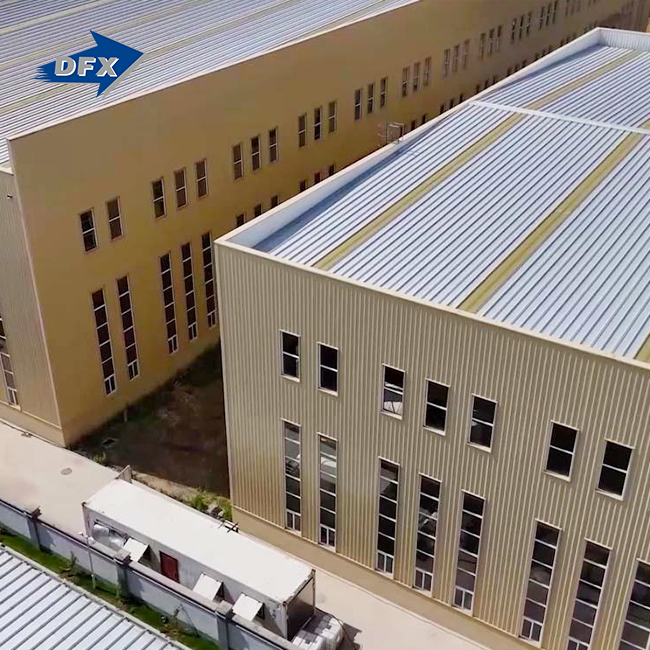
When planning an industrial building, knowing the different Multi-span Steel Workshop types of structures you can use can save you a lot of money and trouble in the long run. Pre-engineered steel buildings are one of the most adaptable ways to build industrial buildings today. They can be put up quickly, are structurally reliable, and are cost-effective in ways that traditional building methods struggle to match. The choice between clear span and multi-span designs has a big impact on how your building works, how much it costs, and how long it can be used. A Multi-span Steel Workshop uses middle columns to split the building into several bays. This cuts down on the need for steel beams while still allowing for almost endless width growth. Cost efficiency and scalability are two very important issues that this setup addresses. This makes it the best choice for big manufacturing plants, logistics hubs, and farming operations where different operating zones share a single structure.
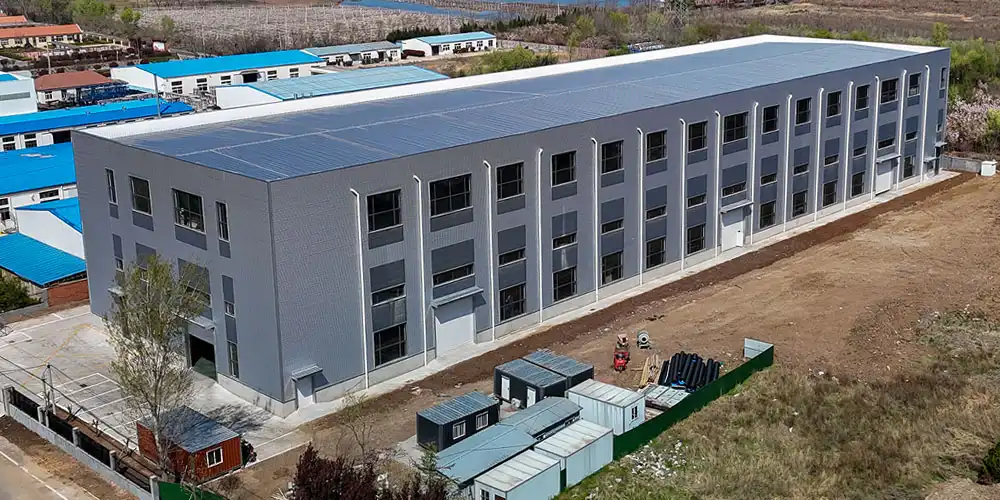
Understanding Clear Span and Multi-Span Steel Workshops
To match operational needs with construction funds, industrial buildings need careful structural planning. In the world of pre-engineered buildings, both clear span and multi-span designs have their own uses. Knowing the main differences between them helps buying teams make smart choices.
Clear Span Workshop Characteristics
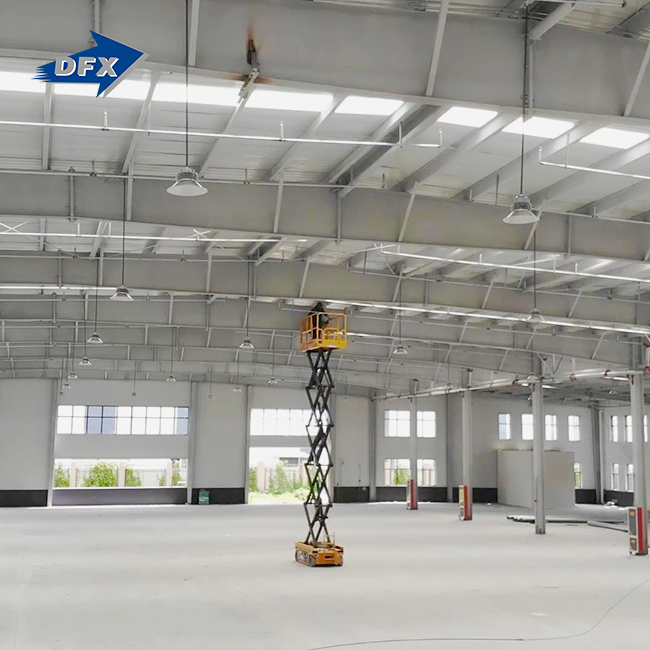
Clear span buildings don't have any internal columns, so the floor space from wall to wall is completely clear. This design is very useful for tasks that need to be able to change how materials move through them, like in aerospace assembly plants where big airplane parts move around the area or in auto factories with complicated assembly line layouts. The lack of columns makes it possible for high cranes to reach everywhere and makes it easier to change the plan in the future. But to get these column-free lengths over 40 meters, the steel pieces have to be much heavier, which raises the cost of materials and makes building more difficult.
Structural Load Distribution Principles
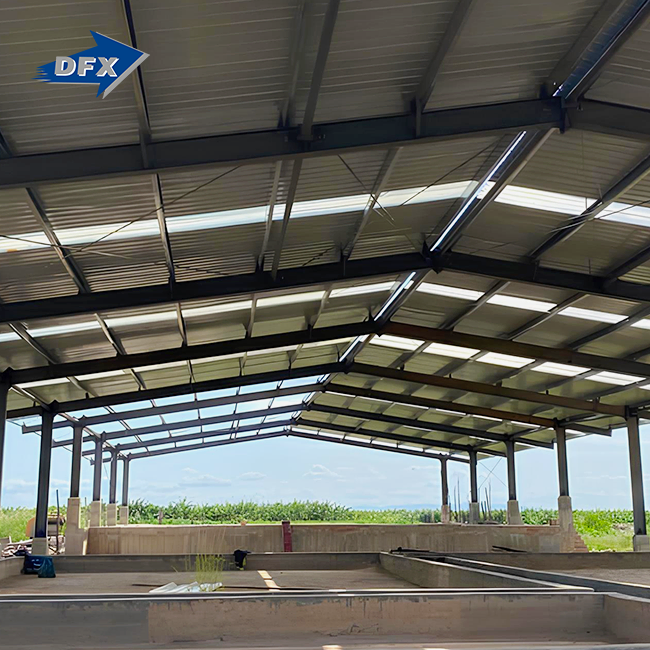
When it comes to building, the main benefit of a Multi-span Steel Workshop is how they distribute loads. By adding large-scale factory support points in the middle, the construction lowers the bending moment on the roof beams, which lets lighter steel parts carry the same amount of weight. When compared to clear span options at the same widths, this improvement directly leads to lower steel tonnage per square meter, saving 15–30% of the material. The modular bay layout also makes it easier to add on in the future—additional spans can be added lengthwise without stopping current activities or needing complicated structural strengthening.
Design Guidelines and Technical Considerations for Multi-Span Steel Workshops
The right engineering will make sure that your steel workplace meets all legal and operating needs and provides years of reliable service. Our planning process includes a thorough study of the structure, exact specifications for the materials used, and environmental factors that are relevant to the real world.
Frame Engineering and Steel Specifications
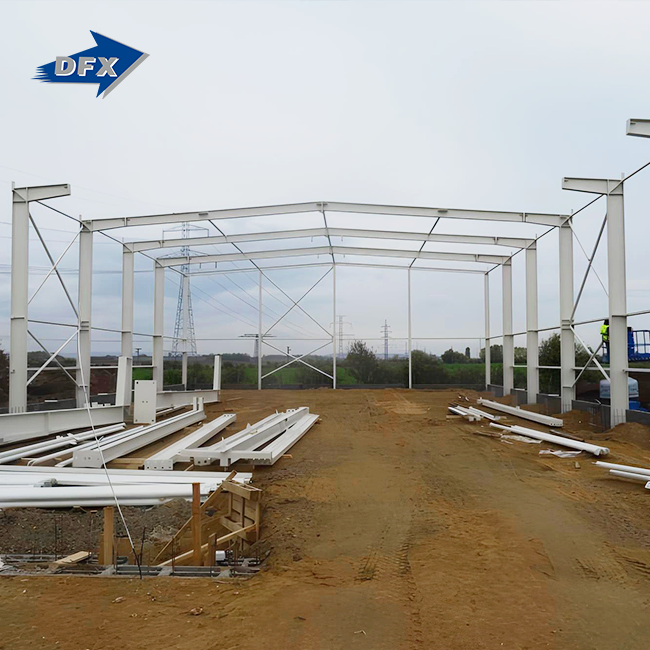
We use high-strength structural steel types like ASTM A572 Gr50 and Q355B, which have yield strengths of more than 345 MPa. The main frame is made up of rafters and welded H-section poles. The bolted joints make it easy to put together quickly on-site. Variable cross-section beams make the best use of the material by focusing steel where it is needed most and lowering its weight where it is not needed as much. Roofing panels are held up by C and Z purlins that run between the main frames. The section depths are determined based on the snow and wind loads in the area. Our manufacturing method includes exact CNC cutting and automated welding along H-beam production lines. This makes sure that the dimensions are accurate to within ±1mm, which is important for aligning the bolt holes when the structure is put together in the field.
Insulation and Ventilation Strategies
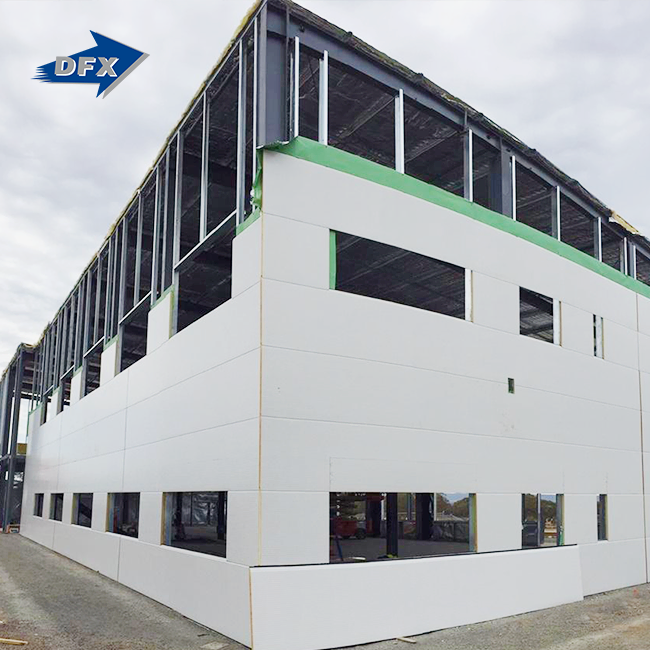
In climate-controlled buildings, thermal performance has a direct effect on both running costs and product quality. We suggest composite sandwich panels with mineral wool or polyurethane cores that have R-values between 16 and 30, depending on the temperature. When vapor barriers are placed correctly, they stop condensation from forming inside wall and roof sections. This keeps steel parts from rusting due to moisture. For rooms that don't need to be cooled or heated, natural airflow through roof vents and sidewall louvers is a cost-effective way to move air. For rooms that do need to be cooled or heated precisely, mechanical HVAC systems are used. Galvanized frame that doesn't rust and industrial air systems that handle humidity and corrosive waste. Large-scale factories are good for chemical processing plants.
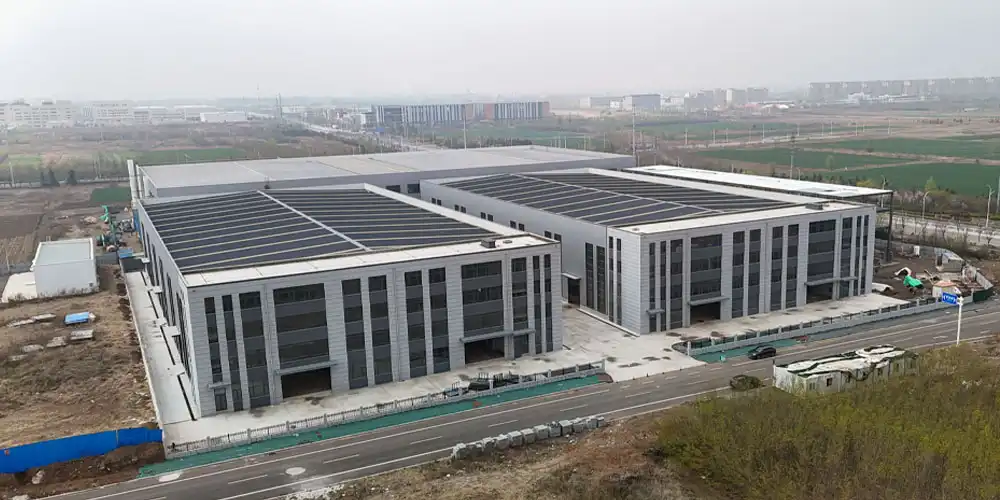
Clear Span vs Multi-Span Steel Workshops: A Comprehensive Comparison
To choose the right structural design, you need to look at more than just the original cost of building. The research below helps procurement teams figure out how well each design works in key choice areas that are important for industrial processes.
Structural Efficiency and Cost Analysis
Clear span workshops are great for giving you the most space freedom, but this benefit costs a lot. For buildings wider than 35 meters, the beam parts need to get heavier over time, since the weight of steel goes up exponentially as span lengths go up. Depending on the price of steel in your area, the materials for a 60-meter clear span building usually cost 20–35% more than similar multi-span options. By strategically distributing loads, multi-span designs get better material economy. For example, internal columns cut down on beam depths and make it possible to use the same member sizes across multiple projects. Standardization speeds up production, cuts down on wait times, and makes it easier for makers to keep track of their inventory when they are working on multiple projects at the same time.
Maintenance and Lifecycle Value
Long-term ownership costs go beyond the budgets for the original building. When compared to heavily loaded clear span beams working close to their design limits, Multi-span Steel Workshop spreads structural loads across more support points. This lowers stress densities and could increase service life. Hot-dip galvanization protects against corrosion and gives 30 to 50 years of trouble-free service in normal industrial settings, with coating thicknesses greater than 600g/m² on key structure parts. During regular inspections, the focus is on making sure that connections are solid, coatings are in good shape, and the roof system is waterproof. The modular structure of multi-span construction makes it easier to make changes in the future. For example, when operational needs change, it is possible to move or remove internal columns, but this requires a professional structural assessment and temporary support during the building.
Procurement Guidance and Supplier Selection for Multi-Span Steel Workshops
Finding a trusted manufacturing partner is just as important to Multiple Ridge as building the success of a project as making sure the plan is perfect. After working with Qingdao Director Steel Structure Co., Ltd. for 12 years, we know that quality, honesty, and expert help are what set great suppliers apart from just okay ones.
Certification and Quality Standards
Authentic makers keep their ISO 9001 quality management certification, which shows that they have structured process controls in place throughout the whole manufacturing process. The CE mark shows that a building meets European building standards, which is important for projects that will be sold in other countries. Material tracking through Mill Test Certificates checks the chemical and mechanical qualities of steel, making sure it meets the grades that were set. Our welding methods are in line with AWS D1.1 standards, and we test important links with ultrasound or X-rays to find problems inside. Before protective coatings are put on, the surface must be prepared to Sa2.5 blast cleaning standards. Measurements of the dry film thickness show that there is enough covering.
Technical Support and Service Scope
Full-service providers are different from component vendors because they offer full project help. We offer full structural engineering services, such as base design estimates, main frame analysis, and connection details. The fabrication plans show the exact sizes of all the parts, how they are connected, and what kind of bolts are needed for assembly in the field. Installation instructions include steps for putting things together, needs for temporary bracing, and quality checks to make sure everything is lined up correctly. On-site expert supervision helps building teams figure out how to put together complicated parts, like installing crane runways and expanding joints. This unified method from idea to finish cuts down on the coordination problems that happen when projects get parts from more than one source.
Operational Best Practices and Maintenance Tips for Longevity
To get the most out of your purchase, you need to be proactive about upkeep and operational knowledge. Well-kept steel workplaces usually last 50 years or more, which is a lot longer than structures that aren't taken care of and start to fall apart early.
Routine Inspection Protocols
Set up full checks every three months that focus on what can be seen. Check the base plates and pin bolts for rust or loosening, especially in places that get a lot of moisture or chemical waste. Check the roof panels for holes, worn-out sealants, or fasteners that have come loose, which could make them less weathertight. Check the internal gutters and draining systems for blockages, which cause water to pool and speed up rusting, and make sure they can handle the design load. Professional checks by structural engineers once a year record the general state of the building and find problems like fatigue cracks near welded connections or damage from material handling equipment. Documentation makes basic records that can be used to look at Multiple ridge building trends and plan upkeep.
Corrosion Prevention and Coating Maintenance
The best way to protect against rust is with protective coats. Keep an eye on high-risk areas like base plates, bolted connections where water can get between faying surfaces, and any field-cut edges that weren't coated by the factory. Fix damaged paint right away using coating systems that are compatible; using goods that are not compatible may speed up rust through galvanic reactions. Cleaning structural steel on a regular basis is good for places that work with corrosive materials because it gets rid of buildups of deposits before they damage surfaces. Galvanized parts naturally get a protective layer, but the white rust that forms during the first contact is only there to look nice and isn't necessary for the structure.
Energy Efficiency Upgrades
As energy costs rise, older buildings often need better protection. Adding internal insulation layer panels to metal-clad buildings that are already there lowers thermal bridges and makes it easier to keep condensation under control. Upgrading to high-efficiency transparent screens keeps the natural light coming in while cutting down on heat gain from the sun. When compared to metal halide lamps, LED high-bay lighting retrofits use 60–75% less electricity. The better light quality makes the workplace safer. Using variable-frequency drives and economizer cycles to improve HVAC cuts down on cooling costs, especially in places that don't need precise temperature control but instead need to keep temperatures in a reasonable range.
Conclusion
For decades, the choice between clear span and Multi-span Steel Workshop designs will affect how your building works, how much it costs, and how flexible it is for operations. It is very valuable to use multi-span designs for big buildings where internal columns don't get in the way of operational processes. These designs save a lot of material and allow for almost infinite growth. When a fully open room is necessary, clear span buildings are still necessary, but the costs go up a lot beyond 40-meter widths. Working with experienced makers who offer help for design, fabrication, and installation all in one step simplifies the buying process and ensures quality throughout the entire project lifecycle.
FAQ
1. What factors should determine whether I choose a clear span or multi-span workshop design?
Your choice will depend on practical needs and cash limits. Clear span designs are good for businesses that need fully open floor space and an overhead crane that can reach across the whole width of the building, like those that build big equipment or put together spacecraft. Multi-span Steel Workshop designs are more cost-effective for buildings wider than 40 meters, as long as the internal columns don't get in the way of moving materials or placing equipment. Talk to your structural engineer about your process workflow, plans for future growth, and the size of the crane you will need to find the best mix between cost-effectiveness and space freedom.
2. How long does construction typically take for a multi-span steel workshop?
How long a project takes depends on how big the building is and how the place is. For a normal 5,000-square-meter workshop, it takes 25 to 47 days to make something from the time engineers approve it to the time it ships. Building the foundation happens at the same time as making the steel, which usually takes two to three weeks, based on the conditions of the dirt. For medium-sized buildings, the structural frame can be finished in three to five weeks by skilled teams putting up steel. Putting up the envelope, which includes the wall and roof panels, takes an extra two to four weeks. The whole process usually takes between 4 and 6 months, from breaking ground to moving in. This is about half the time it takes for traditional building ways.
3. Can multi-span workshops be customized for specialized industrial applications?
Of course. Standardized manufacturing methods allow for a lot of flexibility in pre-engineered buildings. We often change the distance between bays to fit different equipment plans. We also add crane runway systems that can hold up to 100 tons and specialized air or dust collection systems. Galvanized frames and coats that don't rust are used in chemical processing plants. Warehouses for cold storage have vapor walls and better insulator kits. Communicating your practical needs early on in the planning process is key. This lets engineers add the features that are needed while keeping manufacturing costs low.
Partner with DFX for Your Multi-Span Steel Workshop Solution
Director Steel Structure has been a trusted Multi-span Steel Workshop maker for over 12 years, helping building companies, industrial companies, and agricultural businesses around the world. Our 40,000-square-meter production plant has 200 skilled workers who use high-tech automatic equipment to make about 20,000 tons of fabricated structural steel every year. Our ISO 9001 and CE certifications guarantee that our products meet international quality standards. We offer full turnkey solutions that include structural design, manufacturing using Q235/Q355 welded H-sections, surface treatment, and full fitting instructions. Usually, shipping takes 25 to 47 days from the time the order is confirmed. Get in touch with our engineering team at jason@bigdirector.com to get quotes, technical advice, and project support that are specifically made for your industrial building needs.
References
1. American Institute of Steel Construction. (2022). Steel Construction Manual, 15th Edition. Chicago: AISC.
2. Newman, Alexander. (2021). Pre-Engineered Metal Buildings: Design and Construction Guidelines. New York: Industrial Press.
3. Structural Stability Research Council. (2020). Guide to Stability Design Criteria for Metal Structures, 7th Edition. Hoboken: John Wiley & Sons.
4. Metal Building Manufacturers Association. (2021). Common Industry Practices for Metal Building Systems. Cleveland: MBMA.
5. Mehta, Madan. (2020). Building Construction: Principles, Materials, and Systems, 3rd Edition.
6. London: Pearson Education.Davies, J. Michael. (2019). Design of Steel Structures for Buildings in Seismic Areas. Brussels: European Convention for Constructional Steelwork.
Learn about our latest products and discounts through SMS or email