- English
- French
- German
- Portuguese
- Spanish
- Russian
- Japanese
- Korean
- Arabic
- Greek
- German
- Turkish
- Italian
- Danish
- Romanian
- Indonesian
- Czech
- Afrikaans
- Swedish
- Polish
- Basque
- Catalan
- Esperanto
- Hindi
- Lao
- Albanian
- Amharic
- Armenian
- Azerbaijani
- Belarusian
- Bengali
- Bosnian
- Bulgarian
- Cebuano
- Chichewa
- Corsican
- Croatian
- Dutch
- Estonian
- Filipino
- Finnish
- Frisian
- Galician
- Georgian
- Gujarati
- Haitian
- Hausa
- Hawaiian
- Hebrew
- Hmong
- Hungarian
- Icelandic
- Igbo
- Javanese
- Kannada
- Kazakh
- Khmer
- Kurdish
- Kyrgyz
- Latin
- Latvian
- Lithuanian
- Luxembou..
- Macedonian
- Malagasy
- Malay
- Malayalam
- Maltese
- Maori
- Marathi
- Mongolian
- Burmese
- Nepali
- Norwegian
- Pashto
- Persian
- Punjabi
- Serbian
- Sesotho
- Sinhala
- Slovak
- Slovenian
- Somali
- Samoan
- Scots Gaelic
- Shona
- Sindhi
- Sundanese
- Swahili
- Tajik
- Tamil
- Telugu
- Thai
- Ukrainian
- Urdu
- Uzbek
- Vietnamese
- Welsh
- Xhosa
- Yiddish
- Yoruba
- Zulu
Benefits of Investing in an Agricultural Machinery Shed
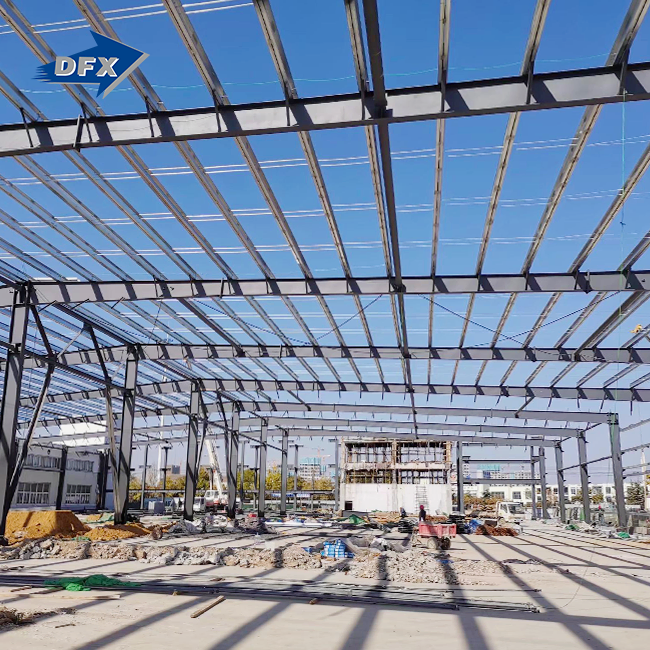
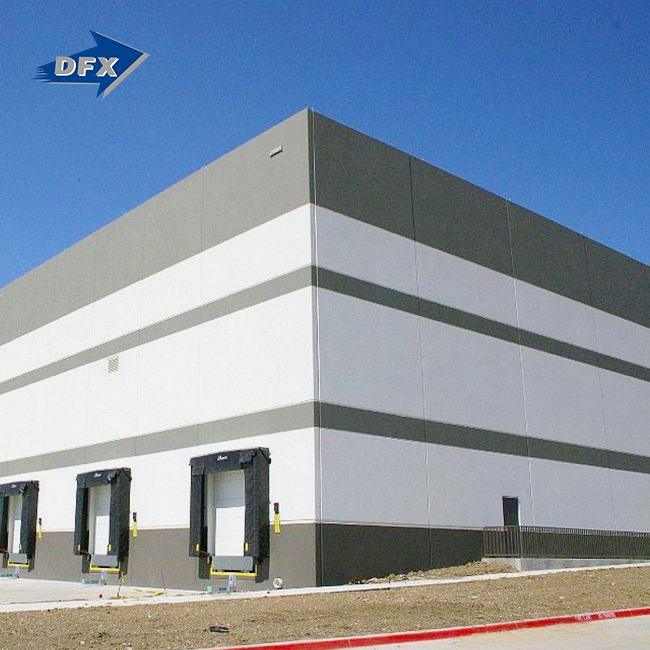
It is not only a good idea, but also necessary, an Agricultural Machinery Shed for your bottom line as a farmer to keep your expensive tools safe. An Agricultural Machinery Shed is a smart, long-term way to protect tractors, combine harvesters, seeders, and ploughing tools from theft, damage, and extra wear and tear. These special steel buildings have wide clear-span designs that make it easy to move big machines while also protecting them from UV rays, water, and pests that can cause expensive damage. Not only do these sheds provide shelter, but they also cut down on repair downtime and greatly increase the lifespan of equipment, which makes them an important investment for any serious farming company.
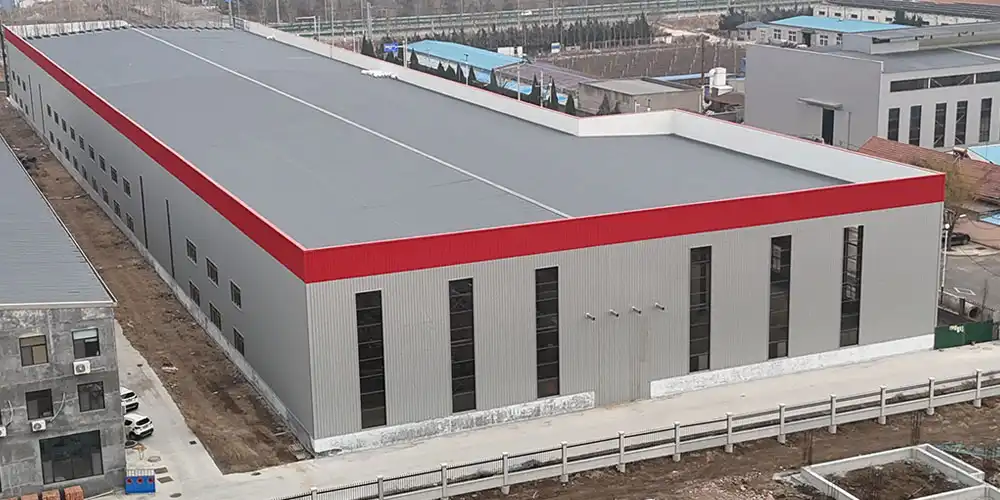
Why Modern Farms Can't Afford to Skip Proper Equipment Storage
Too many farms have lost tens of thousands of dollars because they left their equipment outside all year. For the truth, buying current farming tools is a huge financial commitment. One combine harvester can cost more than $500,000. Letting it sit out in the weather makes it lose value at an alarmingly fast rate.
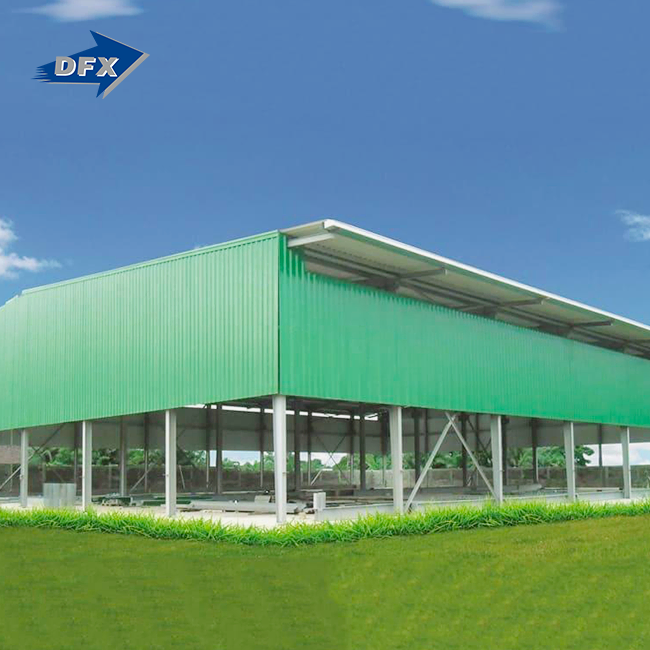
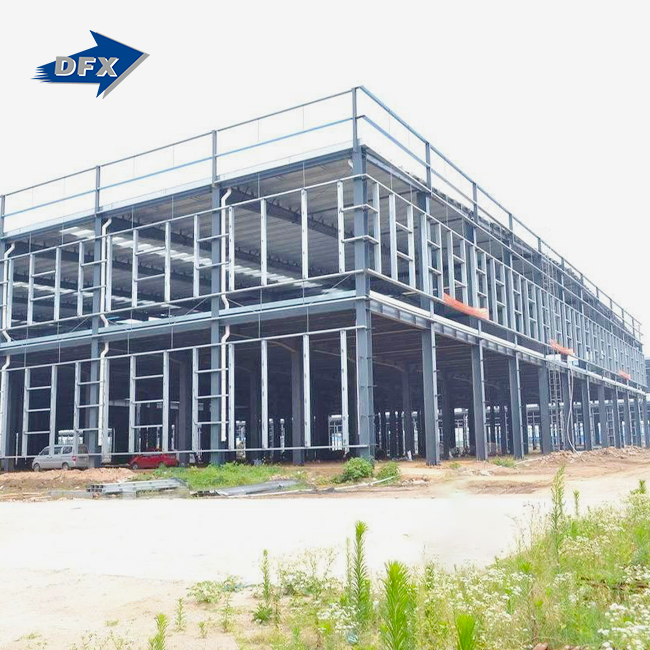
Solutions for sheds that can stand up to the weather take this problem head-on. Hydraulic lines break down, and metal parts rust in the rain and snow. Paint fades, and rubber lips crack in direct sunlight. Changes in temperature cause condensation, which hurts gadgets that are easily damaged. These issues can be avoided by building a steel shed with open sides or a structure with all four walls covered.
Besides keeping farm equipment safe from the weather, storage also keeps it safe from theft and damage. Properties in rural areas are often far from major roads, which makes them easy targets for thieves. A well-designed machinery security building with locked entry points gives you peace of mind, especially when the equipment isn't being used during the off-season.
Key Performance Indicators That Define Quality Steel Structures
Not all farm vehicle parking structures are created equal. When evaluating options, you need to understand the technical specifications that separate professional-grade buildings from flimsy alternatives.
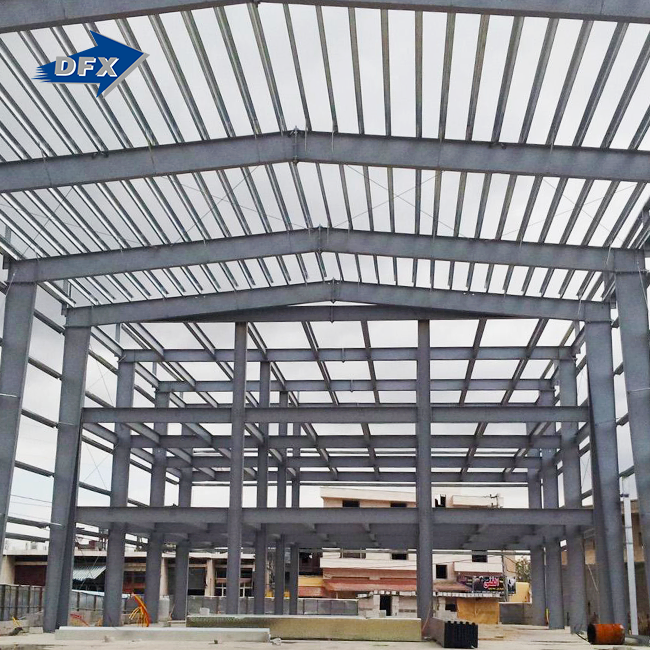
The main frame material is very important. Structures of high quality are made of carbon steel that meets the standards of Q345B or ASTM A572 Grade 50 and has a bending strength of at least 345 MPa. This makes sure that the frame of the open-sided steel shed won't bend or buckle under the weight of snow or strong winds over time.
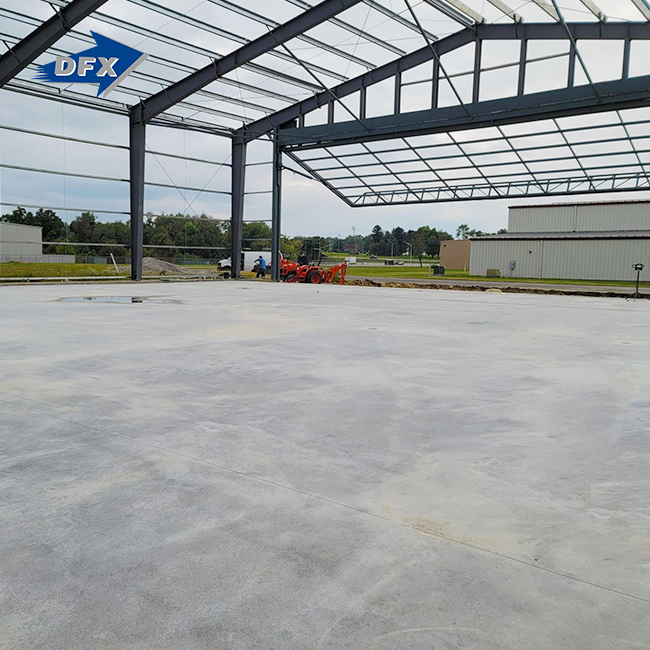
Clear span capability is another critical factor. Modern farm machinery repair space designs offer spans ranging from 40 feet to over 100 feet without internal support columns. This open layout lets you drive large equipment in and out without worrying about collision damage.
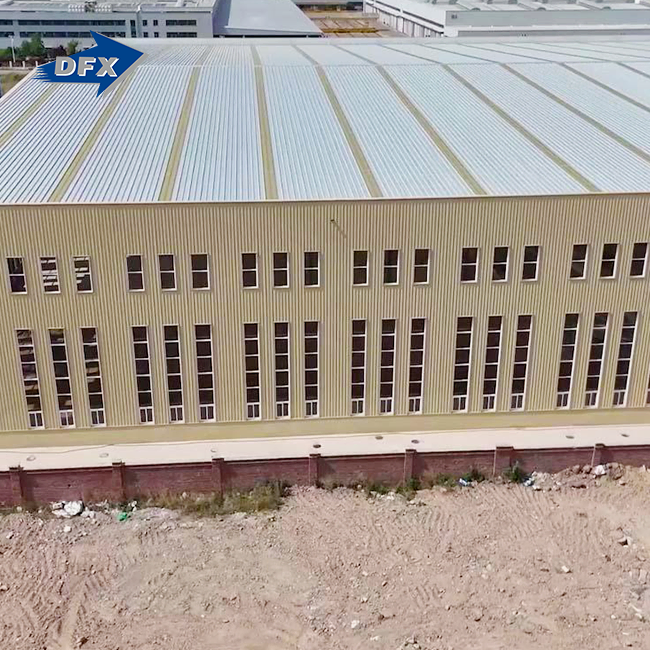
Cladding thickness affects both durability and thermal performance. Professional agricultural workshop buildings typically use 24-gauge or 26-gauge corrugated steel panels rather than the thinner 29-gauge material found in residential products. Thicker panels resist denting and provide better insulation when needed.
Core Advantages That Deliver Measurable Returns
Investing in a proper tractor shelter brings multiple financial benefits that extend far beyond simple weather protection.
Equipment lifespan extension stands out as the most significant advantage. Studies show that machinery stored indoors lasts 40-60% longer than equipment left outside. Hydraulic systems stay cleaner, paint finishes remain intact, and electrical components avoid moisture damage. This translates directly to higher resale values and delayed replacement costs.
Maintenance efficiency improves dramatically when you have a dedicated equipment maintenance area. Performing routine service in a dry, well-lit space takes less time and produces better results. Mechanics work faster when they're not fighting mud, wind, or temperature extremes. You can also stock parts and tools in the same location, reducing time wasted searching for supplies.
Insurance premiums often decrease when you demonstrate proper equipment housing. Many carriers offer discounts for farm operations that store high-value assets in secure, weather-resistant structures. The annual savings can offset a significant portion of your building investment over time.
Tax benefits may apply depending on your location. Many jurisdictions classify agricultural storage buildings as depreciable assets, allowing you to deduct a portion of the cost each year. Consult with your accountant about Section 179 deductions or similar programs that can reduce your tax burden.
How Director Steel's Approach Stands Apart
At Qingdao Director Steel Structure Co., Ltd., we've spent over twelve years perfecting our heavy-duty shed Open-sided steel shed manufacturing process. Our approach differs from typical suppliers in several meaningful ways.
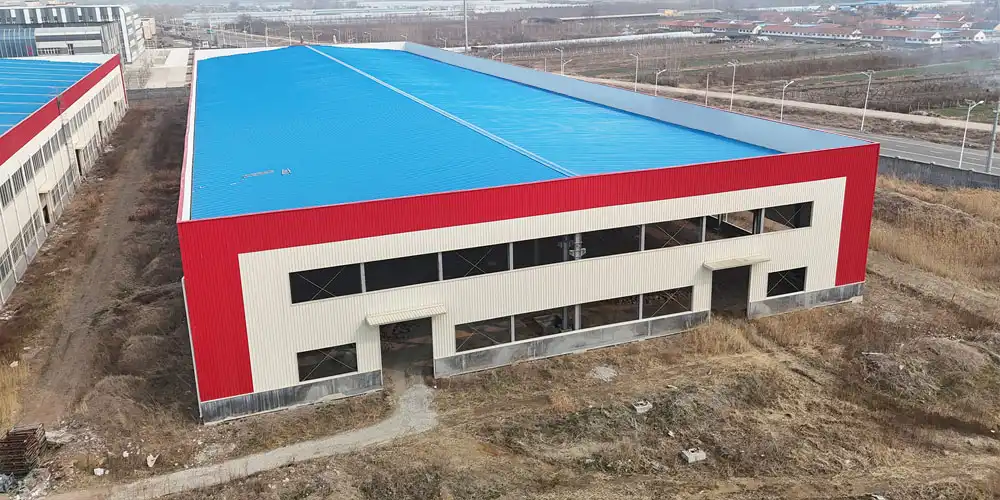
We engineer structures specifically for agricultural environments rather than adapting generic industrial buildings. Our designs account for the unique stresses that farming equipment places on structures—wider door openings, reinforced flooring areas for point loads, and ventilation systems that prevent condensation without compromising security.
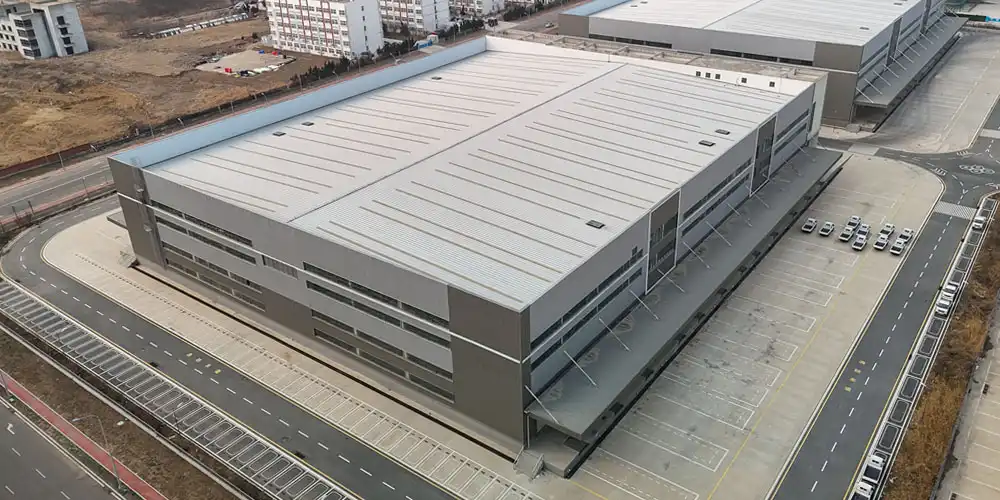
Our manufacturing capacity ensures consistent quality at scale. Operating 40,000 square meters of production space with six automatic welded H-beam lines, we produce approximately 20,000 tons of structural steel annually. This volume lets us maintain tight tolerances while keeping costs competitive for our customers.
Customisation capability addresses your specific needs. Whether you need an open-sided design for easy access or a fully enclosed building with workshop areas, we adapt our core engineering to match your operation. Door placement, eave heights, and bay widths all adjust to accommodate your equipment fleet.
Strategic Selection and Implementation Guidelines
Choosing the right large-scale equipment storage solution requires careful planning. Here's how to maximise your investment returns.
Start by inventorying your current and future equipment. Measure your largest machines—height, width, and length—then add clearance space. Combines with headers attached need significantly more room than they appear to require. Planning for growth now costs less than expanding later.
Site selection impacts both construction costs and daily usability. Choose level ground with good drainage to minimise foundation work. Position the building to allow efficient traffic flow from fields to storage and back. Consider prevailing wind direction when deciding between open-sided or enclosed designs.
Ventilation prevents condensation damage even in enclosed rural storage building designs. Ridge vents combined with soffit vents create natural air circulation. This passive system costs nothing to operate and effectively manages humidity without creating drafts that blow dust onto equipment.
Lighting extends your usable hours. Installing LED fixtures during initial construction costs less than retrofitting later. Motion-activated lights near doorways improve safety while minimising energy waste.
Critical Considerations That Prevent Costly Mistakes
Several common oversights can compromise your crop harvesting machinery and farm equipment storage protection system. Avoiding these pitfalls saves money and frustration.
Don't build a smaller building to save money at first. When you store things too close together, they can get damaged in accidents, and you can't add more tools as your business grows. The extra cost of extra width or length is very small compared to the cost of growing later.
Where you live affects what permits you need. Some places don't have rules about certain types of buildings that are used for farming, while others have full business rules. Check the rules in your area before you buy materials. These rules are easier to understand when you work with experienced farm tool shed suppliers like Director Steel.
The snow load and wind rate requirements must be right for your area. When bad weather hits, buildings that weren't designed well fail in terrible ways. Based on your GPS coordinates and area weather data, our engineering team figures out the right ratings for you.
Planning for electricity should happen during design, not after the building is done. When running power for lights, outlets, and possible workplace equipment is planned from the start, it costs less. Think about both what you need now and what you could do in the future.
Access for maintenance is often forgotten. Leave room around the outside of the building in case fixes or changes need to be made in the future. You'll have to change roofing panels or fix cladding at some point, and having good access makes these jobs a lot easier.
Conclusion
Putting money into an Agricultural Machinery Shed is a smart move that will pay off for many years. These structures are necessary for serious farming operations because they protect tools, make operations more efficient, and last a long time. Whether you need an open-sided steel shed to get to your tools quickly or a fully covered building that can be used as a workshop, your success depends on which partner you choose. Director Steel has been making things for twelve years and has ISO-certified production processes and a wide range of support services to make sure your project gets exactly what your business needs. It's not a question of whether or not to buy proper equipment storage; the question is when you can start protecting your valuable assets and making your business run more smoothly.
FAQ
Q1: How long does an Agricultural Machinery Shed typically last?
A: When properly engineered and maintained, a quality steel agricultural machinery shed easily lasts 30-50 years. The galvanised steel framing resists corrosion even in harsh farm environments. Regular inspections and minor maintenance—like tightening bolts and replacing worn fasteners—extend lifespan even further. The longevity far exceeds wood structures, which often require major repairs within 15-20 years.
Q2: Can I expand my machinery shed later if my equipment fleet grows?
A: Absolutely. One major advantage of steel construction is modular expandability. Director Steel designs buildings with future additions in mind. You can add extra bays lengthwise by removing one end wall and extending the frame. This flexibility makes steel structures ideal for growing operations that need to phase investments over several years.
Q3: What's the typical construction timeline from order to completion?
A: Production time for a standard agricultural machinery shed runs 4-6 weeks, depending on size and complexity. Shipping adds 3-5 weeks for international delivery. On-site assembly typically takes 1-3 weeks with an experienced crew. Total timeline from order placement to finished building usually falls in the 10-14 week range, significantly faster than conventional construction methods.
Q4: Do these structures require concrete foundations?
A: Most installations use reinforced concrete slab foundations for the best results. The slab provides a clean, level surface that supports heavy equipment and anchors the steel frame securely. In some situations, pier foundations with gravel or compacted earth floors work for open-sided designs. Your soil conditions and intended use determine the optimal foundation approach.
Partner With a Proven Agricultural Machinery Shed Manufacturer
Ready to protect your equipment investment with a professional-grade steel structure? Director Steel delivers turnkey Agricultural Machinery Shedsolutions tailored to your specific farming operation. Our experienced team handles everything from structural design through fabrication and installation support, ensuring your project succeeds from start to finish. With CE certification, ISO 9002 quality systems, and over 200 skilled workers producing your components, you receive proven reliability backed by twelve years of industry expertise. Contact our team at jason@bigdirector.com to discuss your mechanical equipment housing requirements and receive a detailed proposal that addresses your unique needs.
References
1. American Society of Agricultural and Biological Engineers. (2019). Agricultural Machinery Management Standards. ASABE Engineering Practice EP496.4.
2. Jensen, K. L., & Clark, C. D. (2018). Cost-Benefit Analysis of Farm Machinery Storage Facilities. Journal of Agricultural Economics, 69(2), 412-428.
3. Midwest Plan Service. (2020). Agricultural Machinery Storage Design and Management. MWPS-2 Publication Series.
4. National Farm Building Code Council. (2021). Steel Structures for Agricultural Applications: Design and Construction Guidelines. NFBCC Technical Bulletin 18.
5. Smith, R. J., & Thompson, M. A. (2017). Extending Agricultural Equipment Lifespan Through Environmental Control. Agricultural Engineering International, 19(3), 88-102.
6. United States Department of Agriculture. (2022). Farm Equipment Depreciation Rates and Storage Impact Analysis. USDA Economic Research Service Report No. 284.
Learn about our latest products and discounts through SMS or email