- English
- French
- German
- Portuguese
- Spanish
- Russian
- Japanese
- Korean
- Arabic
- Greek
- German
- Turkish
- Italian
- Danish
- Romanian
- Indonesian
- Czech
- Afrikaans
- Swedish
- Polish
- Basque
- Catalan
- Esperanto
- Hindi
- Lao
- Albanian
- Amharic
- Armenian
- Azerbaijani
- Belarusian
- Bengali
- Bosnian
- Bulgarian
- Cebuano
- Chichewa
- Corsican
- Croatian
- Dutch
- Estonian
- Filipino
- Finnish
- Frisian
- Galician
- Georgian
- Gujarati
- Haitian
- Hausa
- Hawaiian
- Hebrew
- Hmong
- Hungarian
- Icelandic
- Igbo
- Javanese
- Kannada
- Kazakh
- Khmer
- Kurdish
- Kyrgyz
- Latin
- Latvian
- Lithuanian
- Luxembou..
- Macedonian
- Malagasy
- Malay
- Malayalam
- Maltese
- Maori
- Marathi
- Mongolian
- Burmese
- Nepali
- Norwegian
- Pashto
- Persian
- Punjabi
- Serbian
- Sesotho
- Sinhala
- Slovak
- Slovenian
- Somali
- Samoan
- Scots Gaelic
- Shona
- Sindhi
- Sundanese
- Swahili
- Tajik
- Tamil
- Telugu
- Thai
- Ukrainian
- Urdu
- Uzbek
- Vietnamese
- Welsh
- Xhosa
- Yiddish
- Yoruba
- Zulu
Cold Storage Steel Warehouse Supplier with OEM Service
Picking the right Cold Storage Steel Warehouse provider is very important when your supply chain counts on keeping temperature-sensitive goods like medicines and food that goes bad quickly. A Cold Storage Steel Warehouse is a pre-engineered, modular steel building system that is intended to keep temperatures under control. These temperatures can be anywhere from 0°C to 10°C for cold storage to -25°C to -40°C for deep freeze conditions. In contrast to regular buildings, these stores have heavy-duty H-beam steel frames and high-performance insulation systems. This solves problems with thermal bridging and energy economy while allowing for quick deployment. OEM (Original Equipment Manufacturer) services let suppliers change everything, from the structure span to the panel specs, so your building fits your needs and your budget perfectly.
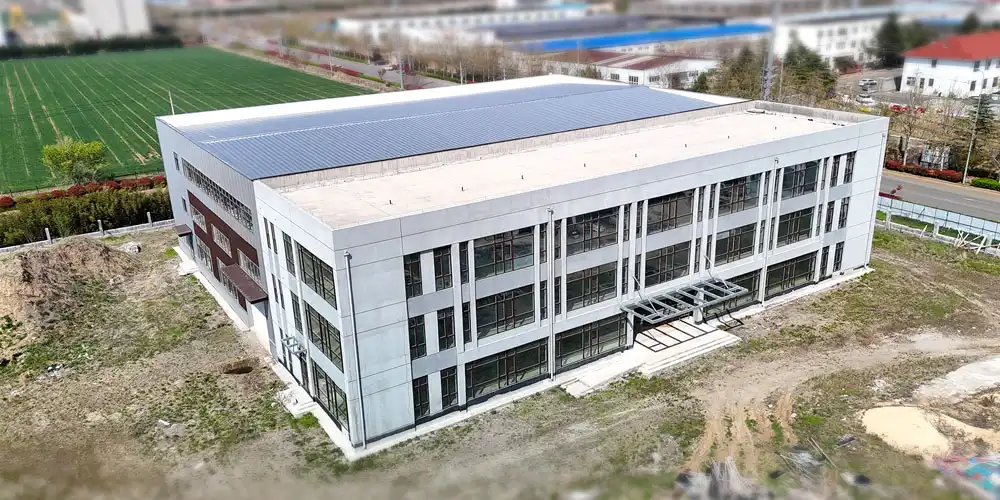
Understanding Cold Storage Steel Warehouses: Design, Features & Benefits
Cold Storage Steel Warehouse facilities need more than just room; they also need exact engineering to keep the value of their goods safe and meet strict government rules. Our buildings are reliable both structurally and thermally, so they create places where temperature control is stable and doesn't cost a lot of money.
Core Structural Design Elements
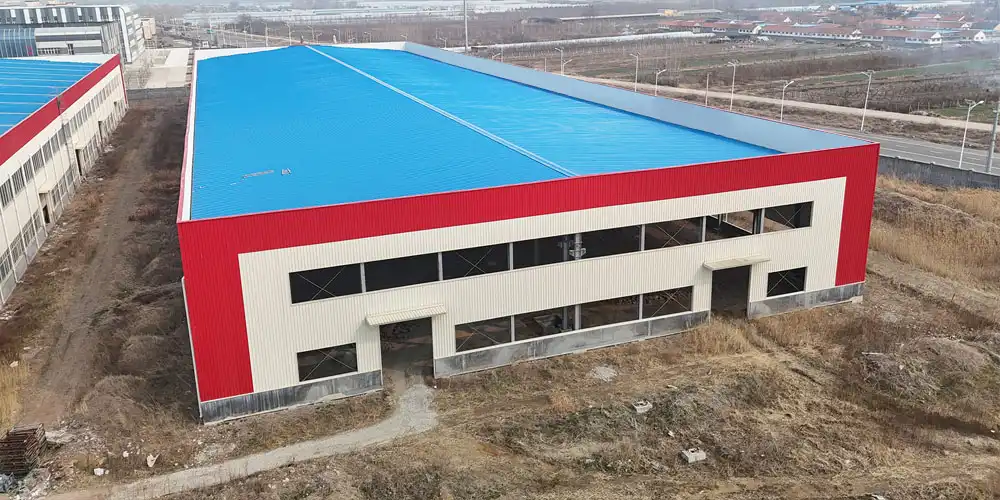
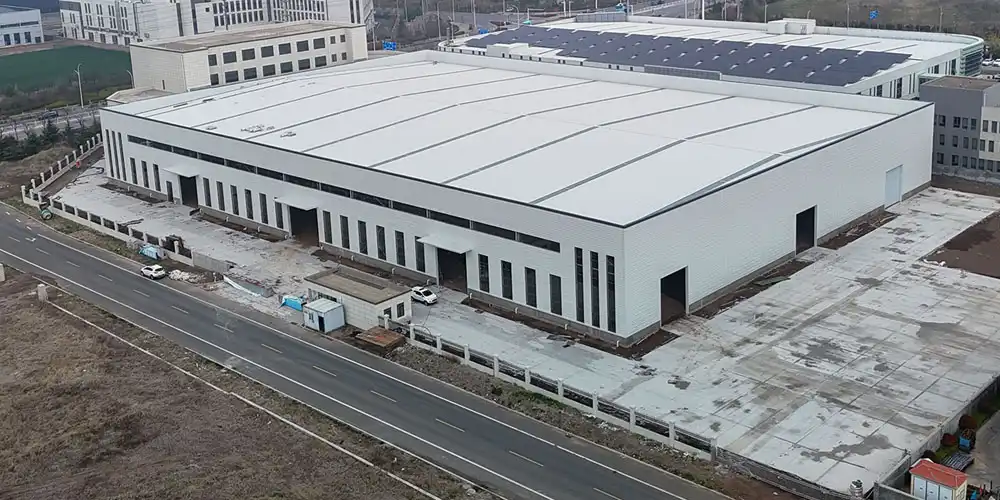
Modern Cold Storage Steel Warehouse facilities use modular-built steel building systems that are strong and good at keeping heat in. The main structure is made up of H-beam steel frames that are made from high-quality steels like ASTM A572 or Q355B and are hot-dip galvanized with a minimum covering of 275g/m² to protect them from rust caused by condensation. These frames are paired with galvanized C/Z purlins and full bracing systems that make them very stable, even when snow is falling or when they are holding cooling equipment on the roof. The clear-span form, which can be up to 30 meters long without any internal columns, makes the most of the floor space for shelving systems and automatic retrieval equipment. This open plan makes the warehouse more efficient by letting trucks and conveyors work without any problems. It directly meets the needs of logistics warehouses and distribution hubs.
Key Benefits for B2B Procurement
When project managers and engineering heads look at different building choices, Cold Storage Steel Warehouse structures stand out because they have clear benefits. Compared to concrete options, construction times are cut by 30 to 50 percent because parts are delivered pre-fabricated and ready to be put together, which cuts down on the need for on-site workers and delays caused by bad weather. Because it is modular, it can be expanded in the future; more bays can be added without stopping current activities. This lets the business grow without having to rebuild the whole building. Due to the fact that galvanized steel doesn't rust and well-insulated walls last for 25 to 30 years, installation and Cold chain logistics maintenance costs stay low. These buildings also meet foreign compliance standards, such as ISO9001, CE approval, and the optional EN1092 standard. This makes sure that they meet the rules for a variety of markets and uses.
Comparing Cold Storage Steel Warehouses with Other Storage Options
Before committing to a project, procurement workers often look at more than one way to build it. Finding out how Cold Storage Steel Warehouse buildings stack up against other options can help you decide which one fits your needs and budget the best.
Steel vs. Concrete Construction
In the past, concrete structures were the most common type of industrial building. However, Cold Storage Steel Warehouse structures work much better in cold storage applications. Steel frames have better tensile strength and are much lighter, so they don't need as much of a base and the costs that come with it. Another important difference is that steel buildings can be put up in weeks instead of months, whereas concrete buildings need to cure and be built. Steel is also better at managing heat than concrete, which conducts heat and needs a lot of insulation work after the fact. Cold Storage Steel Warehouse buildings, on the other hand, are built with insulation systems already installed, making smooth thermal envelopes. Thermal bridging at structural links is a problem that concrete plants often have. This leads to cold spots and condensation problems that hurt both energy economy and the quality of the product. Steel is also more flexible, which makes changes easier. For example, to add more bays to a concrete warehouse, a lot of work has to be done to tear it down and rebuild it, but steel buildings can do it with little trouble.
Prefabricated vs. Custom-Built Solutions
Whether you choose prefabricated or custom-built facilities depends on how complicated the job is and how much time you have. When buying, teams need to quickly set up systems and know how much they will cost. Prefabricated modular Cold Storage Steel Warehouse systems are the best choice. Components made in controlled factories guarantee uniform quality, and production can happen at the same time as site preparation, which greatly shortens the overall project timeline. These systems work well in standard settings, like distribution centers and farm stores, where the needs are similar to standard designs. When projects have special needs, like dealing with odd site conditions, integrating cooling in a certain way, or following certain industry rules, they need custom-built solutions. OEM services fill this gap well by letting you customize a base that has already been made. We come up with solutions that meet the unique needs of each client while still having the benefits of factory output in terms of speed and quality control. This mixed method works well for EPC companies in charge of complicated building projects that need both flexibility and dependability.
How to Choose the Right Cold Storage Steel Warehouse Supplier with OEM Service
When choosing a seller, you need to look at their technical skills, the range of services they offer, and the possibility of a long-term relationship. Making the right choice can avoid delays that cost a lot of money, problems with quality, Cold chain logistics, and operating limits for your Cold Storage Steel Warehouse project.
Evaluating Technical Skills and Experience
How well a project goes depends on how much experience the suppliers have with cold chain shipping. Look for makers who have a history of doing good work in temperature-controlled Cold Storage Steel Warehouse buildings. This can be shown by case studies and client examples from industries like food processing, pharmaceuticals, or agricultural storage. In addition to basic manufacturing, technical skills should include full engineering services like structure estimates that take into account thermal contraction in sub-zero temperatures, load analysis for heavy refrigeration equipment, and wind and seismic engineering that is specific to the site. We keep an enclosed production room of 40,000 square meters with six automatic welded H-beam lines and high-tech manufacturing tools. Each year, these tools help us make about 20,000 tons of welded beams. This ability makes sure that projects from 5,000 to 50,000 square meters always have what they need, including both single-building projects and multi-phase developments.
Service and support network after the sale
When a Cold Storage Steel Warehouse project is finished, it moves on to the operational part, where ongoing help is very important. Look at a supplier's guarantee coverage, expert support, and repair service options when deciding which one to work with. Full guarantees should cover both structural parts (15 to 25 years on average) and insulation systems (20 to 30 years, based on the quality of the panels). When local contractors don't have experience with certain cold storage building methods, technical help for installation guidance is very important. We give detailed instructions on how to build things and can send technical advisors to project sites when complicated installs need help from people who know what they're doing. Long-term relationships also make it possible to add on to or change things in the future. Working with the original source makes sure that new buildings fit in perfectly with the old ones, so the quality and heat performance of the whole building stay the same.
Procuring Your Cold Storage Steel Warehouse: Process, Services & Support
Knowing how the buying process works helps project managers keep track of activities, resources, and plans during the Cold Storage Steel Warehouse building process.
Initial Consultation and Site Assessment
A full needs survey and site evaluation Sandwich panelsare the first steps to any successful Cold Storage Steel Warehouse project. We work with our clients to learn about their storage needs, such as the ideal temperature ranges, types of goods, throughput rates, and plans for integrating automation. Conditions on the site affect both base design and structural engineering. For example, the soil's ability to support weight, its location in a seismic zone, its exposure to wind, and weather data are all used in structural estimates. Before detailed engineering starts, this step makes rough layouts and price figures that help people make decisions. Procurement managers gain clarity on project feasibility, timeline expectations, and capital requirements, enabling informed discussions with stakeholders and financial teams.
Commissioning and getting ready to go
Thorough testing makes sure that Cold Storage Steel Warehouse's performance meets plan requirements before the project is considered finished. Structural checks make sure the frame is put together correctly and that all the connections are solid. Thermal envelope testing makes sure that the insulation is continuous and that the building is airtight. Then, refrigeration workers set up cooling systems and climate control systems to make sure that the right temperatures are reached. We offer documentation packages that include structural certifications, material test results, and upkeep guides that help the facility run smoothly and meet government standards. Operations managers should know about upkeep procedures. For example, checking insulation joints on a regular basis, cleaning gutters to keep ice from building up, and touching up coatings in high-wear areas can help the building last longer and use less energy.
OEM Service and Customization: The Competitive Edge in Cold Storage Solutions
OEM relationships unlock value beyond standard Cold Storage Steel Warehouse product offers, giving businesses a competitive edge by providing custom solutions that perfectly meet their needs.
Bespoke Design for Unique Applications
Standard Cold Storage Steel Warehouse patterns work well for many uses, but some projects need to be customized. For pharmaceutical storage, different temperature zones inside the same building may be needed to keep vaccines, biologics, and chemical compounds at different temperatures. Agricultural businesses may need special air systems that can control both temperature and humidity while storing food. These needs can be met by OEM services using flexible design methods. We change the structure lengths to get rid of beams in some places, change the thickness of the insulation from room to room based on temperature differences, and add special mounting holes for equipment. This customization includes how the buildings look, like when they need certain exterior finishes or architectural features that match the company's name or the general plan for the site.
Speeded up project delivery and quality assurance
Pressures to get a Cold Storage Steel Warehouse product to market quickly, sandwich panels make project speed a competitive must. OEM relationships make it easier to do things that usually involve more than one provider, like structural engineering, panel manufacturing, getting accessories, and coordinating logistics. Consolidating these functions under a single supplier eliminates inter-vendor communication delays and reduces coordination overhead for project managers. Vertical integration makes quality control better because we oversee the whole production process, from inspecting the raw materials to putting them together at the end, making sure that all of the parts meet the same standards. Different sources working to different tolerances or material specs can lead to quality problems, but this combination stops those problems before they happen. When projects are finished 20–30% faster than with multi-vendor methods, facilities can be used sooner, and the money invested returns faster.
Real-World Applications and Success Stories
Think about a food delivery company that is adding more Cold Storage Steel Warehouse space to help the area grow. For their project, they needed a 12,000-square-meter building with different temperature zones, including a room for getting things at room temperature, a space for preparing food at +4°C, and a place to store frozen food at -22°C. The temperature transition zones between these places couldn't be fit into standard designs without losing too much energy. Our OEM engineering team created a custom panel system with different levels of insulation at transition points, built-in thermal curtains at high-traffic doorways, and special door systems that keep air flow to a minimum while the doors are being loaded. The building used 25% less energy than the industry standard, and it gave the client the operating freedom they needed. Another client, an agricultural processor, needed their initial 8,000-square-meter chicken storage building to be able to grow. We built the frame of the structure with connections for future growth bays in mind, so they can double the capacity in three years without stopping operations. These cases show how OEM customization can help with real business problems that standard goods can't.
Conclusion
Choosing the right Cold Storage Steel Warehouse provider with OEM capabilities is a big choice that will affect how well the facility runs, how much it costs to run, and how much it is worth in the long run. Cold Storage Steel Warehouse buildings have many great benefits, including being easy to build, insulating well, and being able to be used in a variety of ways. These benefits are important to procurement managers, project engineers, and facility workers. These benefits are increased by OEM services that are tailored to your exact needs, whether you're an EPC contractor handling large-scale building projects, a manufacturing company increasing production, or an agricultural operation preserving products in the best way possible. Quality providers offer full support, from the initial planning to installation advice and ongoing upkeep. This makes sure that projects are completed successfully and have long-term value.
FAQ
1. What insulation types work best for deep freeze applications?
Deep freeze conditions (-25°C to -40°C) need insulation that is very resistant to heat loss and stable in the Cold Storage Steel Warehouse structure. Polyisocyanurate (PIR) sandwich panels with densities of 40–42 kg/m³ work best, letting heat pass through at a rate of λ = 0.022–0.024 W/(m·k). The thickness of a panel is usually between 150 mm and 200 mm, but this depends on the temperature inside the panel and the weather outside. When a vapor barrier is installed correctly, it stops moisture from getting in, which can weaken insulation over time.
2. Can steel warehouse structures be relocated or expanded?
Yes, a flexible Cold Storage Steel Warehouse building can be used for both moving and growing. The bolted connection methods make it possible to take parts apart and put them back together in different places, but foundation work needs engineering that is specific to that spot. It's becoming more common and cheaper to expand. Buildings that are made with future growth in mind have link features that let you add rooms without stopping current operations. This freedom is especially helpful for businesses that are growing and need to add more space without having to completely rebuild their facilities.
3. How do you prevent foundation frost heave in freezing climates?
When placed under insulated floor slabs, under-floor heating systems in a Cold Storage Steel Warehouse keep the dirt from freezing, which stops frost heave. To keep the soil above freezing, these devices use electric heating wires or the flow of glycol fluid. A good foundation plan also includes enough drains to keep water from building up around the footings. These steps keep the building's structure and stop the floor slab from breaking, which can hurt the performance of the thermal envelope.
Partner with DFX for Your Next Cold Storage Project
As a Cold Storage Steel Warehouse maker, DFX (Qingdao Director Steel Structure Co., Ltd.) has more than 12 years of experience. We provide complete solutions that turn problems with cold chain logistics into competitive benefits. Our 40,000-square-meter production plant and team of more than 200 skilled workers make sure that we can reliably serve projects ranging from regional distribution centers to specialized pharmaceutical storage. We offer full turnkey services, which means we do everything, from engineering calculations and structural design to manufacturing, shipping planning, and erection guidance. This means you don't have to worry about handling a bunch of different subcontractors. Our production methods are ISO9001 and CE-certified to ensure quality, and our OEM customization makes it easy to change standard designs to fit your specific needs. We offer steel structure solutions that improve efficiency, lower running costs, and support long-term business growth. This is true whether you need quick deployment for a project that needs to be done quickly or specialized planning for a project that needs to be done in a complicated way. Get in touch with Jason at jason@bigdirector.com to talk about your cold storage warehouse needs and find out how our modular prefabricated steel buildings can help your supply chain infrastructure work better.
References
1. International Institute of Refrigeration. Guidelines for Cold Storage Warehouse Design and Construction Standards. Paris: IIR Publishing, 2021.
2. American Iron and Steel Institute. Steel Building Design: Cold Storage Applications and Thermal Performance. Washington, D.C.: AISI Technical Publications, 2020.
3. Chen, Wei and Liu, Hongwei. "Structural Performance of Pre-Engineered Steel Buildings in Low-Temperature Environments." Journal of Constructional Steel Research, vol. 178, 2022, pp. 106-118.
4. Global Cold Chain Alliance. Best Practices for Temperature-Controlled Warehouse Construction. Alexandria, VA: GCCA Industry Reports, 2021.
5. European Committee for Standardization. Thermal Insulation for Cold Storage Facilities: Material Selection and Installation Methods. Brussels: CEN Technical Standards, 2019.
6. Zhang, Yongming et al. "Energy Efficiency Analysis of Prefabricated Steel Cold Storage Buildings." Energy and Buildings, vol. 245, 2022, pp. 89-102.
Learn about our latest products and discounts through SMS or email