- English
- French
- German
- Portuguese
- Spanish
- Russian
- Japanese
- Korean
- Arabic
- Greek
- German
- Turkish
- Italian
- Danish
- Romanian
- Indonesian
- Czech
- Afrikaans
- Swedish
- Polish
- Basque
- Catalan
- Esperanto
- Hindi
- Lao
- Albanian
- Amharic
- Armenian
- Azerbaijani
- Belarusian
- Bengali
- Bosnian
- Bulgarian
- Cebuano
- Chichewa
- Corsican
- Croatian
- Dutch
- Estonian
- Filipino
- Finnish
- Frisian
- Galician
- Georgian
- Gujarati
- Haitian
- Hausa
- Hawaiian
- Hebrew
- Hmong
- Hungarian
- Icelandic
- Igbo
- Javanese
- Kannada
- Kazakh
- Khmer
- Kurdish
- Kyrgyz
- Latin
- Latvian
- Lithuanian
- Luxembou..
- Macedonian
- Malagasy
- Malay
- Malayalam
- Maltese
- Maori
- Marathi
- Mongolian
- Burmese
- Nepali
- Norwegian
- Pashto
- Persian
- Punjabi
- Serbian
- Sesotho
- Sinhala
- Slovak
- Slovenian
- Somali
- Samoan
- Scots Gaelic
- Shona
- Sindhi
- Sundanese
- Swahili
- Tajik
- Tamil
- Telugu
- Thai
- Ukrainian
- Urdu
- Uzbek
- Vietnamese
- Welsh
- Xhosa
- Yiddish
- Yoruba
- Zulu
How to Customize Industrial Sheds for Your Business Needs
Customizing industrial buildings means making structures that Custom Industrial Steel Warehouse are exactly what you need for your business, whether it's for farming, manufacturing, or transportation. With its flexible prefabricated parts, optimum structure plans, and fully integrated systems, a Custom Industrial Steel Warehouse can provide custom solutions. This method solves certain problems, like making the most of storage space, keeping heavy equipment running smoothly, and making sure that release times are short while keeping costs low throughout the project's lifespan.

Introduction
Infrastructure that directly supports efficiency goals is needed in industrial sites. In contrast to home or light business construction, these buildings need to be able to handle specific workflows, heavy machinery, environmental controls, and scalability needs that are very different between sectors. Within the last ten years, procurement managers and project engineers have become more interested in building industrial sheds out of steel. The change is due to measurable benefits in building speed, structural stability, and worth over time. Companies that deal with logistics, industrial growth, or farming production now put more emphasis on customization features that meet the needs of their operations than on using standard building templates. This guide goes over the most important things to think about when choosing and buying industrial steel buildings. We look at the design factors, building methods, and quality standards that procurement professionals use to choose structural steel fabricators. Understanding the basics of customization can help you get the most out of your investments and operations, whether you're in charge of an EPC contract, growing your manufacturing capacity, or building up infrastructure for agriculture.
Understanding Custom Industrial Steel Warehouses: What They Are and Why They Matter
Core Components and Structural Architecture
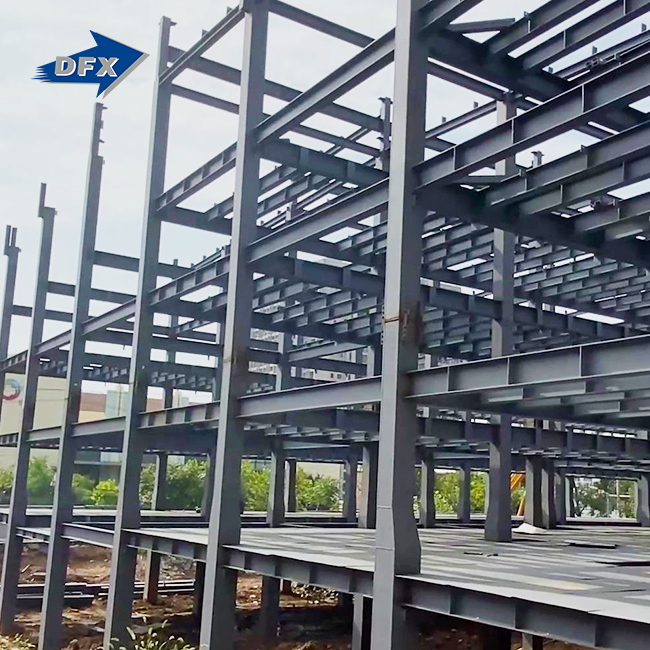
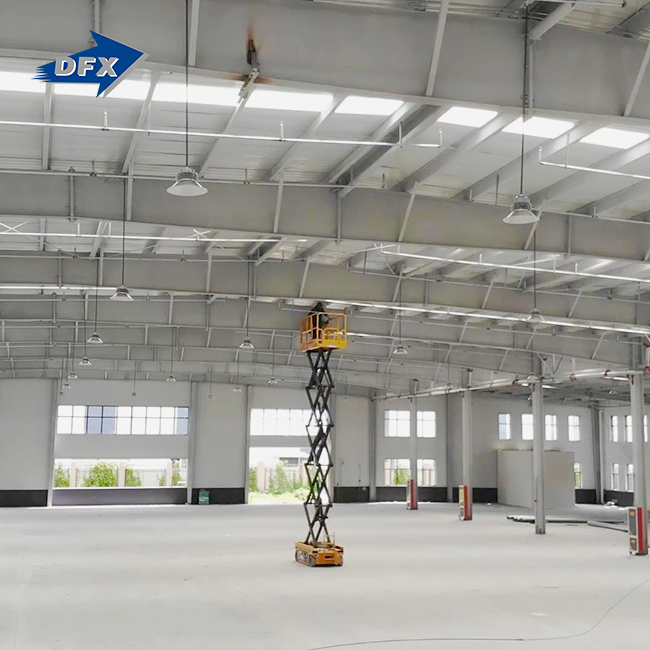
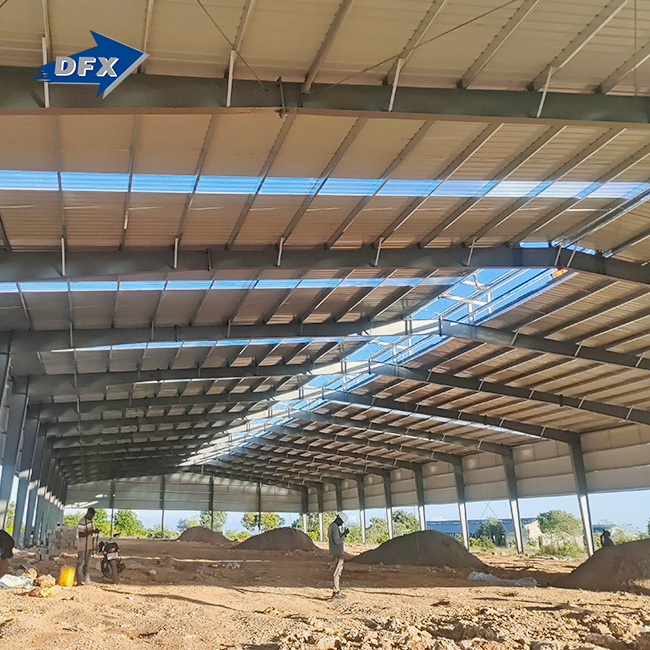
H-beam main frames are used as the load-bearing skeleton in industrial steel buildings. Engineered links spread out vertical and lateral forces. The secondary structure is made up of galvanized C/Z purlins that hold up the roof and wall panels and make sure the space is just right for attaching the cladding. The bracing system, which is made up of horizontal, vertical, and cross-bracing parts, keeps the building stable on the sides against wind loads and earthquakes. With this modular prefabricated method, makers can make parts in a controlled workplace setting and then bring them to the job site and put them together. Compared to a field-welded building, this method cuts down on delays caused by bad weather and improves the accuracy of measurements. Most steel types meet the requirements of Q355B or ASTM A572, which means they have yield strengths above 345 MPa, and a tailored metal building can reliably handle design loads.
Sustainability and Regulatory Compliance
Steel is very easy to recycle, and most structural parts are made with a lot of recycled material. At the end of their useful life, building frames can be taken apart and reused without losing any of their quality. This supports the cycle economy ideas that are becoming more important in purchasing decisions. Meeting the requirements for ISO 9001 quality management and CE approval shows that the company follows the rules for making things in other countries. These certifications give purchasing managers written proof of quality control methods, how materials can be tracked, and testing techniques. This proof is needed for project audits and governmental approvals in many places.
Key Steps to Designing an Industrial Steel Warehouse Tailored to Your Needs
Operational Assessment and Site Analysis
For customization to work, it starts with a specific operating plan. Record the flow of materials, the amount of space needed, the specs of the tools (including the maximum weight of an overhead crane), and the amount of work that you expect to be done. This knowledge sets the basic design factors that structural engineers use to find the best sizes and strengths for buildings. Site-specific factors have a direct effect on design choices. Categories of wind exposure, snow load zones, earthquake activity rates, and the weight that the ground can hold all need to be evaluated by engineers. Building height, setback distances, or the way the outside looks may be limited by zoning laws. This means that you need to work with local officials early on to avoid having to make expensive changes during the approval process.
Integrated Systems and Technology
More and more, modern factories have systems for managing energy, moving materials automatically, and keeping an eye on the environment. The structural design has to take into account the paths for electricity distribution, the mounting points for HVAC equipment, and the network infrastructure routing that was set up during the initial building. Adding these systems to buildings that are already built raises costs a lot and may lower the performance of the building. For loading dock layouts, car flow patterns, and truck court sizes to work, civil engineering and building design need to work together. Enough room for maneuvering, the right placement of doors, and the specifications for levelers all have a direct effect on how efficiently operations run. These issues should be addressed during the planning process rather than being fixed in the field.
The Industrial Steel Warehouse Construction Process Explained
Contractor Selection and Project Planning
When judging structural steel manufacturers, you need to look at their production skills, quality control methods, Tailored metal building, and experience delivering projects. Facilities with automated welding tools and specialized production lines show that they can keep up with plans and produce quality goods every time. Assessments done during site visits show how the production is organized, how materials are handled, and the skill levels of the workers, all of which affect the accuracy of the manufacturing. Competent makers can tell the difference between component sellers and those who do engineering calculations. Companies that offer in-house design services can improve the efficiency of structures, suggest value engineering options, and work together with people from the mechanical, electrical, and building fields. This merging cuts down on communication problems and speeds up the approval process. When buying things from other countries, logistics planning is very important. Planning ahead is needed for optimizing containers, making plans for port handling, getting customs paperwork ready, and moving goods within a country. Experienced providers give shipping advice and work with freight forwarders to speed up delivery and avoid demurrage fees and problems getting to the site.
Installation Support and Commissioning
The fabricator's erection instructions make sure that the right steps are taken for assembly, that the bolts are tightened properly, and that temporary support is used as needed. Technical reps can fix problems in the field, give their approval to small changes, and write down the "as-built" conditions for the owner's records. This helps cut down on building delays and makes sure that the warranty is followed. Before the owner accepts the work, it is inspected one last time to make sure that the measurements are correct and that the connections are solid. Fixing small problems on a punch list is a methodical process that sets clear goals for success and assigns responsibility. Having the right paperwork for approval helps with planning future maintenance and gives you a starting point for tracking performance.
Comparing Custom Steel Warehouses with Traditional and Alternative Solutions
Cost and Timeline Analysis
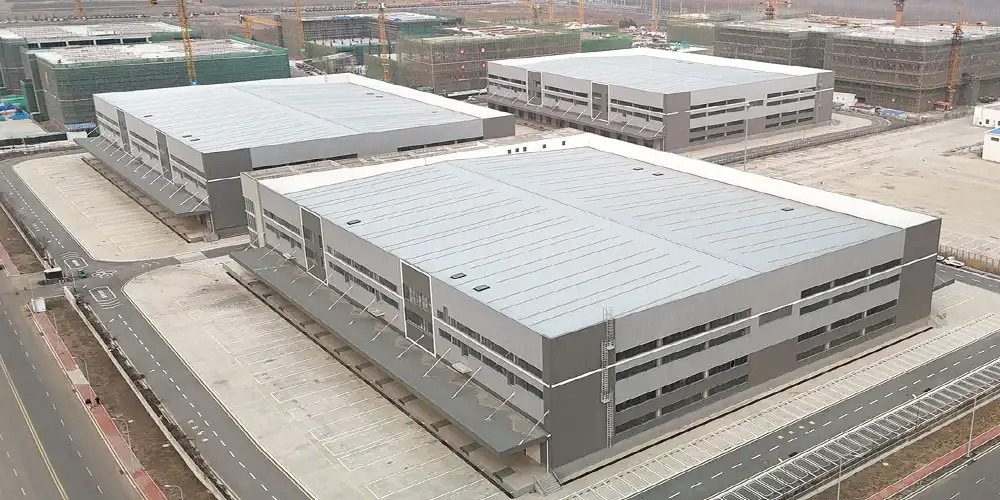
When it comes to smaller buildings under 5,000 square meters, steel structures often have higher upfront material costs than wood frame options. But when you look at the whole project costs—including base work, construction time, and upkeep over the course of the building's life—steel often comes out on top. Shorter building timelines mean lower financing costs and earlier facility operation, which makes estimates of return on investment much more accurate. Pre-engineered building systems are cheaper for normal rectangular shapes that don't need to be loaded in complicated ways. Customized designs cost more to create and may take longer to make. However, they are necessary when operating needs call for non-standard spans, crane support systems, or building shapes. To find the net value, you have to weigh the practical benefits against the extra planning costs.
Flexibility and Future Expansion
Expanding a steel building is easy because you can add more bay extensions that match the current column spacing and roof slopes. Connection details can be planned ahead of time to allow for future adds, so when the building grows, structure changes are kept to a minimum. This flexibility supports phased development plans that make sure that the use of capital is in line with the growth of the business. Because steel frames can be clear-span and have movable wall systems, it is still easier to change the layout of the inside. As a manufacturing operation changes its product line or makes process improvements, it can change the plan of its buildings without any structural problems. This keeps the buildings useful for longer, heavy industry, and keeps them from becoming outdated too soon.
Optimizing Long-Term Value: Maintenance, Lifespan, and Best Practices
Preventive Maintenance Protocols
Regular inspection programs find new problems before they damage the structure or make the cost of repairs go up. The coating's state, the stability of the connections, the status of the roof membrane, and the drainage system's function should all be recorded on an annual basis. Detailed inspection records keep track of past repairs, which is helpful for planning and insurance. Corrosion tracking focuses on places where water builds up, like where the roof meets the base and where ventilation equipment is mounted. Early discovery lets you fix small problems instead of fixing big problems all at once. Facilities that are in corrosive settings should have more regular checks, maybe every six months or three months, based on how bad the exposure is.
Lifecycle Extension Strategies
Protective layer replacement greatly increases the life of structures. Most industrial finishes last between 15 and 25 years before they need to be fixed up. It's much cheaper to plan coating renewals ahead of time, during planned maintenance times, than to fix corrosion damage on the spot. Preparing and re-coating the surface can often be done in parts, so the building can keep running while the work is being done. Retrofits that make buildings more energy efficient save money over time and make working conditions better. Adding insulation, changing to transparent daylighting panels, or putting in high-efficiency HVAC equipment can all help lower energy costs that add up over the years that a building is used. Because they use less energy, these changes usually pay for themselves in three to seven years. Changes to structures are made to meet changing working needs. Adding crane systems, making floor slabs stronger to hold bigger equipment, or adding upper levels can make a building last longer without having to be completely replaced. Getting the original maker or experienced structural engineers to help with changes makes sure that the structure stays strong and meets all building codes.
Performance Monitoring and Documentation
Keeping detailed records on a building helps with planning upkeep tasks and makes it easier to make changes in the future. Original design formulas, material certificates, manufacturing plans, erection processes, and all inspection records should all be kept as proof. Digital record systems make records easier to find and keep them from getting lost. Performance testing keeps track of the data over time, energy use, and repair costs. Trend analysis shows trends of wear and tear, confirms that maintenance is working, and helps with capital planning choices. Companies that run more than one building, such as heavy industry, can compare how well each one is doing to find best practices and ways to make things better.
Conclusion
When customizing industrial sheds, you have to think about both the short-term needs of the job and the long-term needs of the business. When properly planned and carried out, a steel building offers real benefits in terms of speed of construction, structural flexibility, and long-term value. A detailed operational review is the first step in a successful project. Next comes disciplined contractor selection and quality control, and finally, proactive upkeep strategies keep the value of the project high. Getting skilled structural steel fabricators involved early in the project development process is good for procurement pros. Their technical skills, manufacturing knowledge, and installation help have a direct effect on the results of a project and the total cost of ownership. Putting money into proper customization pays off by making operations more efficient, lowering the cost of upkeep, and increasing the useful life of the building.
FAQ
1. What timeline should we expect for a customized industrial steel warehouse project?
On average, it takes 12 to 18 weeks for a job to go from technical approval to final assembly. It takes between 4 and 6 weeks for thorough engineering and manufacturing drawings, between 6 and 10 weeks for steel construction and coating, and between 2 and 4 weeks for shipping and setting up on-site. Timelines may be pushed back by 4 to 8 weeks for designs that are too complicated or need specialized weather controls or big crane systems. Foundation work can be done at the same time as fabrication, which shortens the total plan.
2. What factors most significantly impact project costs?
Grades and amounts of steel materials make up 35–45% of the total cost of the job. Twenty to thirty percent of the cost is made up of site preparation and base work. The rest is made up of building labor, freight, and project management. Where something is located has a big effect on work costs and shipping routes. Engineering and manufacturing costs are affected by how complicated the design is, especially when it comes to crane support systems, seismic standards, and specialty coatings. Materials can cost 10-15% more or less, depending on when they are bought in relation to the steel market's cycles.
3. Can we expand the building later if our operations grow?
When built with future additions in mind, steel buildings can easily grow as needed. During the initial building, connection details, base plans, and structural reinforcement can be included that make it easier to add on to bays later on. The space between bays and the shape of the roof are usually kept the same during expansion to keep the architecture consistent. Planning for possible growth during the initial planning phase doesn't cost much but saves a lot of money in repairs later on. Most buildings can grow along their length without stopping activities. This is especially helpful in production and logistics settings.
Partner with DFX for Your Custom Industrial Steel Warehouse
Qingdao Director Steel Structure Co., Ltd. has been making Custom Industrial Steel Warehouses for more than 12 years and offers full solutions from the initial planning to the final assembly. Our 40,000-square-meter factory has six automatic H-beam welding lines and more than 200 trained workers. This makes sure that quality is maintained at all stages of the project. We offer full design, manufacturing, transportation management, and installation guidance services that are customized to meet your exact operating needs. Our methods are ISO 9001 certified and CE compliant, which shows that we are committed to meeting the world quality standards that purchasing managers need. We offer modular prefabricated steel options that are the best in terms of performance and value, whether you're building logistics stores, storage centers, or delivery hubs. Email our team at jason@bigdirector.com to talk about the details of your project and get a thorough quote that takes into account your particular facility needs. Thank you for giving us the chance to show how our engineering skills and factory know-how help projects succeed.
References
1. American Institute of Steel Construction. (2016). Specification for Structural Steel Buildings (AISC 360-16). Chicago: AISC.
2. Newman, Alexander. (2019). Steel Construction: Design and Practice for Architects and Structural Engineers. Oxford: Architectural Press.
3. Trahair, N.S., Bradford, M.A., Nethercot, D.A., & Gardner, L. (2017). The Behaviour and Design of Steel Structures to EC3 (Fifth Edition). Boca Raton: CRC Press.
4. Baddoo, N.R. (2008). "Stainless steel in construction: A review of research, applications, challenges and opportunities." Journal of Constructional Steel Research, 64(11), 1199-1206.
5. Lawson, R.M. & Ogden, R.G. (2014). Design of Modern Steel Warehouse Structures. Berkshire: Steel Construction Institute.
6. Galambos, T.V., Lin, F.J., & Johnston, B.G. (2016). Basic Steel Design with LRFD. Upper Saddle River: Pearson Education.
Learn about our latest products and discounts through SMS or email