- English
- French
- German
- Portuguese
- Spanish
- Russian
- Japanese
- Korean
- Arabic
- Greek
- German
- Turkish
- Italian
- Danish
- Romanian
- Indonesian
- Czech
- Afrikaans
- Swedish
- Polish
- Basque
- Catalan
- Esperanto
- Hindi
- Lao
- Albanian
- Amharic
- Armenian
- Azerbaijani
- Belarusian
- Bengali
- Bosnian
- Bulgarian
- Cebuano
- Chichewa
- Corsican
- Croatian
- Dutch
- Estonian
- Filipino
- Finnish
- Frisian
- Galician
- Georgian
- Gujarati
- Haitian
- Hausa
- Hawaiian
- Hebrew
- Hmong
- Hungarian
- Icelandic
- Igbo
- Javanese
- Kannada
- Kazakh
- Khmer
- Kurdish
- Kyrgyz
- Latin
- Latvian
- Lithuanian
- Luxembou..
- Macedonian
- Malagasy
- Malay
- Malayalam
- Maltese
- Maori
- Marathi
- Mongolian
- Burmese
- Nepali
- Norwegian
- Pashto
- Persian
- Punjabi
- Serbian
- Sesotho
- Sinhala
- Slovak
- Slovenian
- Somali
- Samoan
- Scots Gaelic
- Shona
- Sindhi
- Sundanese
- Swahili
- Tajik
- Tamil
- Telugu
- Thai
- Ukrainian
- Urdu
- Uzbek
- Vietnamese
- Welsh
- Xhosa
- Yiddish
- Yoruba
- Zulu
Tips on Designing a Steel Structure Residential Garage
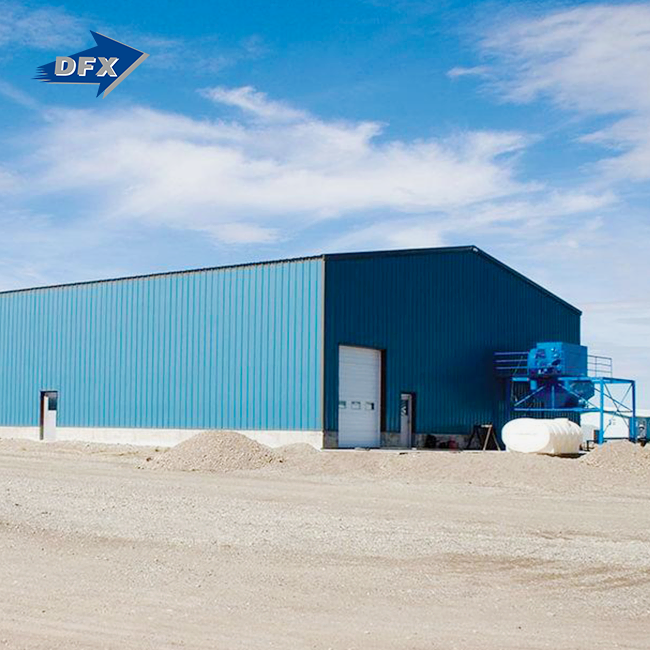
Familiarizing yourself with Steel Structure Residential Garage the basics of a Steel Structure Residential Garage is very helpful when building a modern car shelter. High-strength steel frames, like H-beams, square tubes, and galvanized purlins, are used in this engineered solution to make strong, clear-span buildings that last longer and work better than standard wood or brick garages. Whether you're an engineering director looking at options for client projects or a procurement manager looking for structures for multi-unit residential developments, these design tips will help you find reliable, cost-effective solutions that meet the needs of a wide range of climates and regulations in the United States market.

Understanding Steel Structure Residential Garages
Steel-framed home garages are very different from the way most buildings are made. Unlike wooden structures that can be damaged by water or concrete options that need long curing times, steel systems offer predictable performance through precision-engineered parts made in controlled conditions.
What Makes Steel Garages Different
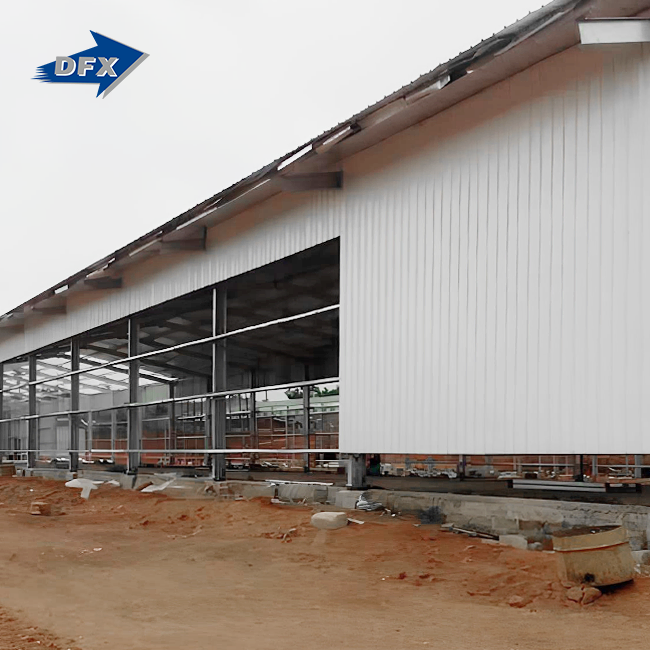
The systemic method is what makes the difference. Cold-formed or hot-rolled steel members, usually in the Q355B or ASTM A572 grades, are used in these buildings. They are set up in portal frames or truss shapes. This engineering gets rid of load-bearing walls, making the inside area clear and perfect for moving cars or setting up equipment lifts. Because the parts are prefabricated, they come already cut, drilled, and ready to put together. This cuts down on-site building time by 40–60% compared to traditional ways.
Addressing Common Design Challenges
Getting permits and making changes to fit the temperature are common problems that procurement workers have to deal with. When properly designed, steel structures meet strict building codes. Designs usually follow AISC 360 guidelines or Eurocode 3 standards. Metal buildings used to have problems with thermal performance, but now they meet household standards thanks to good insulation methods that use polyurethane or rockwool sandwich panels to get R-values that are the same as regular wall sections and get rid of condensation DIY steel garage kit problems.
Essential Design Tips for Your Steel Structure Residential Garage
Garage projects that go well are built on strategic planning. Before you choose materials or finalize measurements, you should be clear on what the space is mostly used for—whether it's just for storing cars, also functions as a workplace, or needs to be able to fit big things like RVs or boat trailers. Clear-span features allow a Steel Structure Residential Garage to have interior plans that can be changed easily, and columns don't get in the way of the floor plan.
Determining Optimal Dimensions and Layout
With clear-span features, interior plans can be changed easily, and columns don't get in the way of the floor plan. A normal two-car layout is 20 feet by 20 feet, but many clients prefer 24 feet by 24 feet or 24 feet by 30 feet, which have more room for workbenches, storage cabinets, and moving around cars. You should give careful thought to the eave height. Walls that are 10 feet high are fine for regular cars, but walls that are 12 or 14 feet high can fit lifted trucks or storage systems that hang from the ceiling. These specs directly affect how much material is needed and how strong the base needs to be, which has an effect on both the original cost and the building's long-term usefulness.
Enhancing Natural Light and Aesthetics
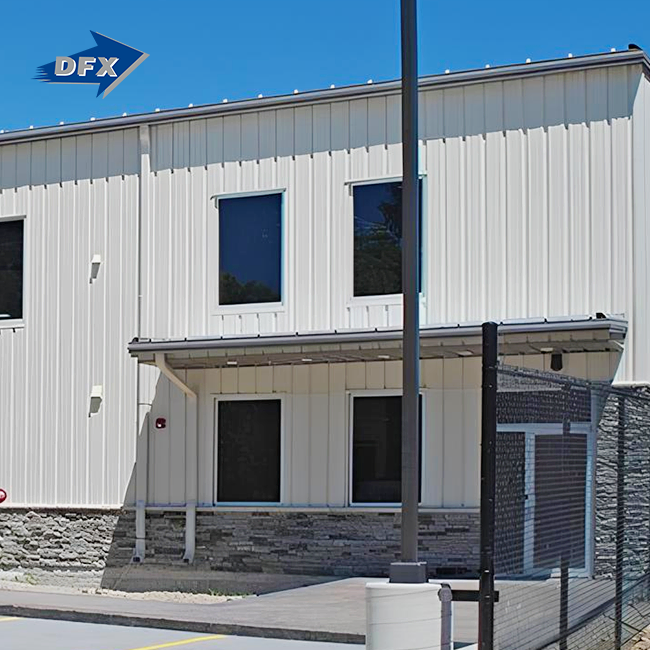
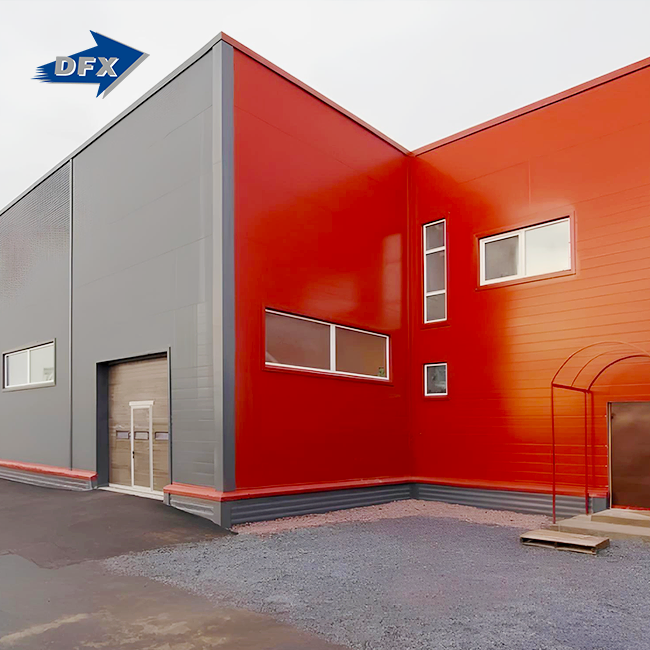
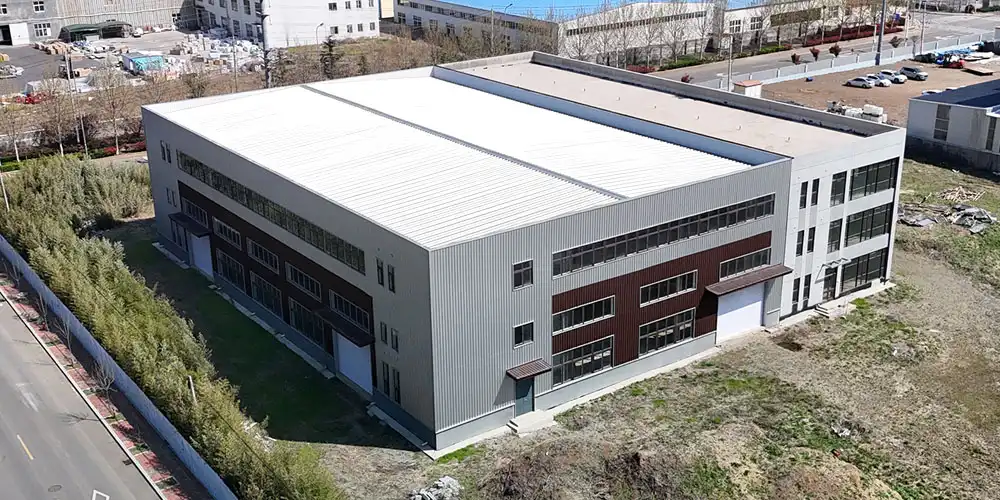
Steel sheds today don't have to look like industrial buildings. Adding windows to the sides lets in natural light, which lowers the need for electricity during the day and makes the workplace more comfortable. Translucent plastic screens built into the roof parts spread out the light from above without weakening the structure. Choosing the right doors has a big effect on how attractive a house looks from the street. Residential-style sectional overhead doors with decorative hardware look great with traditional home design while still having the sturdiness benefits of steel framing behind the face. Exterior cladding options extend beyond corrugated metal pieces. Vertical or horizontal panel shapes can be used to match existing buildings, and brick veneer or fiber cement siding can be put on top of steel frames in places where homeowner associations have strict rules about how things should look. Because of this, steel buildings can be used in a wide range of design settings while still providing the same high levels of performance.
Comparing Steel Structure Garages to Alternative Materials
The choice of materials is one of the most important DIY steel garage kit decisions in building a garage because it affects everything from the original cost to the costs of ownership over many years. Knowing how a Steel Structure Residential Garage compares to other options helps buying pros make suggestions that are in line with the project's goals.
Steel Versus Wood Frame Construction
Timber garages are still popular because contractors are familiar with them, and they are thought to be cheaper to build. Wood is naturally good at insulating, and it's easy to change on-site with simple tools. But being vulnerable to pests, rot, and changes in size as the moisture content changes means that it needs to be maintained on a regular basis. In places where wildfires are common, fire risk adds to the problems. These biological and environmental risks are completely eliminated by a steel building, which is non-flammable and keeps its structure strong during fires for a much longer time than wood framing. The speed advantage becomes clear when working on multiple units, as putting together similar premade steel parts over and over again goes faster than cutting lumber to order on-site.
Steel Against Pole Barn Alternatives
Agricultural-style pole barns are a cheap way to cover a room because they are easy to build, and the treated posts are buried directly in the ground. This method cuts down on base costs, but it comes at the cost of durability and scientific accuracy. No matter what you do, embedded wood breaks down over time, and the way it's built limits the design options for how it can look with domestic building. When built on the right foundations, steel buildings can last for more than 50 years with little upkeep. This makes the higher original cost worth it because of the higher lifecycle value, which is especially important for business companies and institutional clients.
From Procurement to Installation: Steps for a Successful Project
To complete Steel Structure Residential Garage jobs smoothly, you need to choose suppliers, keep track of costs, and keep an eye on the installation. Structured methods that minimize risks and maximize results are good for procurement managers.
Identifying Reputable Manufacturers and Suppliers
The success of a project depends on 2-car steel garage how trustworthy the supplier is. CE marking shows that the product meets international safety and performance standards, and ISO approval shows that the quality management system is well-established. Check the manufacturing capacity. Larger orders are more effectively handled by facilities with more than one automatic production line, compared to smaller operations. Companies that offer combined services from planning to installation make it easier to coordinate projects and reduce problems that come up when different workers talk to each other. Request mill papers that list the chemical makeup and mechanical qualities of the steel to make sure the materials meet the required grades. Welding uniformity and surface preparation standards show how well a product was made. Reliable suppliers test important welds with ultrasonic waves and use electronic gauges to measure the thickness of coatings. They then provide paperwork that meets the quality assurance needs of business projects.
Installation Best Practices and Long-Term Maintenance
Whether designed designs work as planned depends on how well they are installed. Foundation accuracy is very important—the places of the anchor bolts must match the holes in the base plate within a 2 mm range so that there is no need for field drilling, which weakens the link. Instead of general contractors who don't have specialized experience, hire skilled erection teams that know how to put together steel buildings. Connection stability is important throughout the system. When installing high-strength nuts, the right torque steps must be written down. Attaching cladding requires cyclone-rated screws with EPDM washers that keep the panel from coming off in high winds. Details that don't seem important at first can add up to either effective long-term performance or early fails that need expensive repairs. Maintenance needs are still low compared to other types of buildings. Once a year, the gutters should be checked to make sure they work, coating damage should be looked for at weak spots like base plates, and the door opener should be adjusted correctly. Cleaning cladding on a regular basis keeps dirt and salt from building up and wearing away protective coats. These simple jobs protect the big original investment by keeping the structure's strength and good looks for decades.
Customization and Future Trends in Steel Structure Residential Garages
More and more, modern projects need specific features that go beyond basic protection. Knowing about new features and changes in the industry helps procurement workers choose options that give their companies a competitive edge in the Steel Structure Residential Garage market.
Popular Enhancement Options
Automated door openers change how things work, which is especially helpful in multi-bay setups or when they are connected to home control systems. Smart storage solutions, like track systems that mount on the wall and platforms that hang from the ceiling, make the best use of space while taking up little room. Planning an electrical system should take into account what will be needed in the future. For example, adding conduit for charging electric vehicles during building is much cheaper than doing so later on as the use of EVs grows. Solar panel readiness presents another forward-looking specification, reinforcing roof framing to support photovoltaic arrays, which adds marginal cost during initial construction.
Industry Innovation and Sustainability Trends
Prefabrication technology keeps getting better; 2-car steel garages and computer-controlled fabrication equipment are making parts that are more complicated and fit together more tightly. Integrating Building Information Modeling lets you find problems between structural, electrical, and mechanical systems before they are built, which saves you a lot of money on expensive fixes made in the field. Modular methods allow work to be done in stages that fit the project's schedule or budget. Sustainability concerns go beyond how energy-efficient a business is. Because steel can be recycled, old buildings are used to make new things instead of ending up in a dump. More and more, companies are making goods with recycled materials that meet the standards for green building approval. When compared to traditional liquid paint systems, powder coating technology gets rid of toxic organic chemicals.
Selecting the Right Manufacturing Partner
Partnering with sellers who have the right skills and a dedication to customer success is key to getting good results. Check out the quality of the technical support—can the maker provide engineered drawings that have been signed off by qualified professionals? Does their team help people apply for permits and answer questions from the building department? Companies that can create their own goods can speed up the development of projects more than sellers that only sell catalog items and need separate engineering services. Lead times and production ability have a huge effect on project plans. Facilities that work multiple shifts and have backup equipment can handle rush orders and keep their shipping promises even when demand is high. Process audits and third-party certifications that record quality control methods give customers faith that the same high standards of quality will be met for all orders.

Conclusion
During project planning, strategic design decisions set the stage for how well the Steel Structure Residential Garage will work for decades to come. Procurement experts can choose solutions that provide great value by knowing the details of the materials used, the best insulation strategies for the temperature, and the customization options that are available. When properly designed and fitted, a steel building has clear benefits over traditional options when it comes to longevity, speed of construction, and lifecycle costs. The key is to work with experienced makers who can help with everything from the first idea to the final installation. As long as prefabrication is used efficiently and environmentally friendly building methods are promoted, steel-framed domestic garages will continue to be a popular choice for a wide range of project needs in the United States.
FAQ
1. What permits are required for steel residential garages?
The rules for getting a building permit depend on where you live, but they're usually the same for building a normal garage. Most cities and towns need structural plans signed off on by qualified engineers, plot plans that show the property's setback requirements, and electrical permits for wiring installs. Zoning laws may limit the size of the garage compared to the main house's square footage or set height limits. Homeowners' groups often have extra steps for approval of how the outside looks. Talk to your local building offices early on in the planning process to find out what they need and to avoid delays in the project caused by problems with permits.
2. How does the steel garage's lifespan compare to traditional materials?
Steel garages that are built correctly and have enough rust protection usually last 50 years or more, which is a lot longer than wood frame structures, which only last 20 to 30 years before they need major repairs or replacement. Buildings made of concrete or stone last about as long as steel ones, but they need deeper supports and take longer to build. The key to making steel last a long time is to properly galvanize and maintain the covering. Fixing small paint problems right away stops rust that weakens the structure over time.
3. What insulation methods work best in cold climates?
For uses in cold climates, full thermal strategies are needed that take into account both the R-value of the insulation and the thermal bridges created by steel frame members. Sandwich panels with mineral wool or polyurethane bases work well and require little work. Instead, spray foam applied to the inside of single-skin panels gets high R-values while blocking air entry points. Putting thermal break tape on the purlins before attaching the covering stops heat from escaping through the frame. When steel garages are properly insulated, the temperatures inside stay warm, and condensation doesn't form, which would damage stored items and rust steel surfaces.
Partner with DFX for Your Steel Structure Residential Garage Needs
Director Steel Structure Co., Ltd., doing business as DFX, has been making precision-engineered steel buildings for a wide range of uses around the world for more than twelve years. Our 40,000-square-meter production plant in Qingdao has more than 200 trained workers and specializes in every Steel Structure Residential Garage we manufacture. It has six automated H-beam welding lines, several C/Z purlin roll-formers, and full quality control systems that keep our ISO and CE certifications. We know what procurement managers and project engineers need when they're looking for trusted partners for residential development projects.
Our integrated skills cover everything from the initial design advice to the final installation support. This gets rid of the coordination problems that come with using more than one provider. Our technical team offers engineered drawings, material optimization, and fast contact throughout the entire project lifecycle, whether we're building a single unique garage or a community of multiple units. Our small steel-framed buildings have light H-section or square tube frames and galvanized purlins. They can be used for upkeep, parking cars, and storing tools in a variety of climates.
Email our team at jason@bigdirector.com to talk about the specifics of your project. We give you thorough quotes that take into account your customization needs, expected schedule, and the conditions of the site. Find out how our manufacturing knowledge and short production cycles can help you meet your buying goals while still providing designs that meet international quality standards.
References
1. American Institute of Steel Construction. (2016). Specification for Structural Steel Buildings (ANSI/AISC 360-16). Chicago: AISC.
2. Metal Building Manufacturers Association. (2020). Common Industry Practices for Metal Building Systems. Cleveland: MBMA.
3. Newman, Alexander. (2018). Steel Structures: Design and Behavior (5th Edition). Upper Saddle River: Pearson Education.
4. Porter, Martin L., & Ekberg, Carl E. (2019). Design of Cold-Formed Steel Structures: To Eurocode 3. Hoboken: Wiley-Blackwell.
5. Ruddy, John L. (2017). Residential Steel Framing Handbook. Washington: U.S. Department of Housing and Urban Development.
6. Zahner, L. William. (2021). Architectural Metals: A Guide to Selection, Specification, and Performance. Hoboken: John Wiley & Sons.
Learn about our latest products and discounts through SMS or email