- English
- French
- German
- Portuguese
- Spanish
- Russian
- Japanese
- Korean
- Arabic
- Greek
- German
- Turkish
- Italian
- Danish
- Romanian
- Indonesian
- Czech
- Afrikaans
- Swedish
- Polish
- Basque
- Catalan
- Esperanto
- Hindi
- Lao
- Albanian
- Amharic
- Armenian
- Azerbaijani
- Belarusian
- Bengali
- Bosnian
- Bulgarian
- Cebuano
- Chichewa
- Corsican
- Croatian
- Dutch
- Estonian
- Filipino
- Finnish
- Frisian
- Galician
- Georgian
- Gujarati
- Haitian
- Hausa
- Hawaiian
- Hebrew
- Hmong
- Hungarian
- Icelandic
- Igbo
- Javanese
- Kannada
- Kazakh
- Khmer
- Kurdish
- Kyrgyz
- Latin
- Latvian
- Lithuanian
- Luxembou..
- Macedonian
- Malagasy
- Malay
- Malayalam
- Maltese
- Maori
- Marathi
- Mongolian
- Burmese
- Nepali
- Norwegian
- Pashto
- Persian
- Punjabi
- Serbian
- Sesotho
- Sinhala
- Slovak
- Slovenian
- Somali
- Samoan
- Scots Gaelic
- Shona
- Sindhi
- Sundanese
- Swahili
- Tajik
- Tamil
- Telugu
- Thai
- Ukrainian
- Urdu
- Uzbek
- Vietnamese
- Welsh
- Xhosa
- Yiddish
- Yoruba
- Zulu
Steel Warehouses: Trends and Innovations, and a look at the future
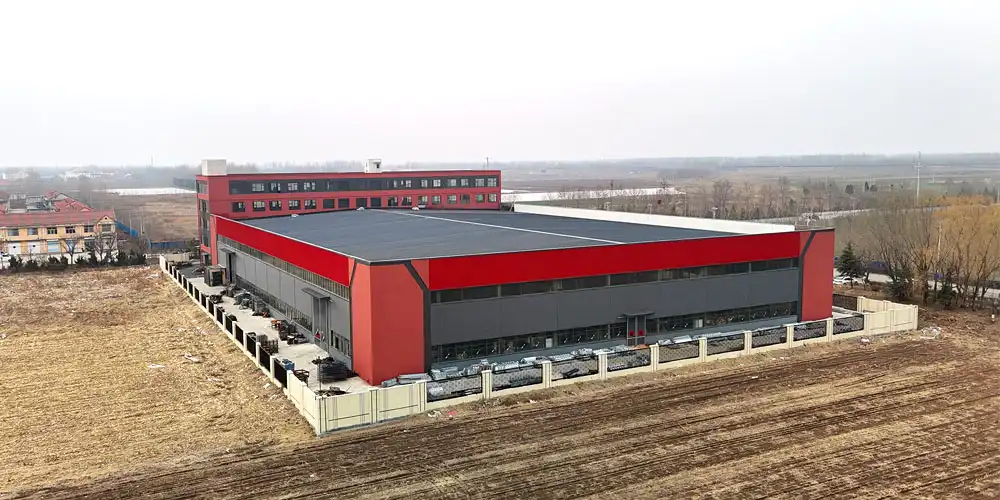
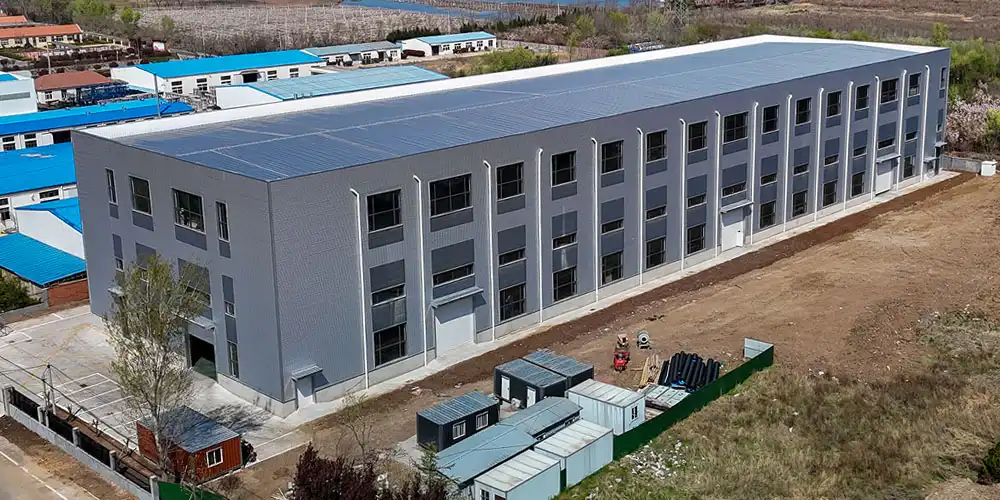
Changes in global trade can be seen in how industrial storage, logistics parks, and steel warehouse infrastructure have changed over time. Steel buildings have become the most important part of modern supply chain operations. The Logistics Park Steel Warehouse is a unique structure solution designed to be as efficient as possible. It uses modern materials and pre-engineered building methods to meet the needs of distribution centers, e-commerce hubs, and cross-docking facilities. These buildings use precision-made modular prefabricated parts that can be put together quickly while still keeping high levels of structural stability. Logistics networks are growing across the United States and beyond. For project managers, procurement pros, and operations leaders looking for long-lasting, cost-effective solutions, it's important to understand the innovations that make these facilities work.

Understanding Steel Warehouses in Logistics Parks: Design and Benefits
The Structural Foundation of Modern Logistics Infrastructure
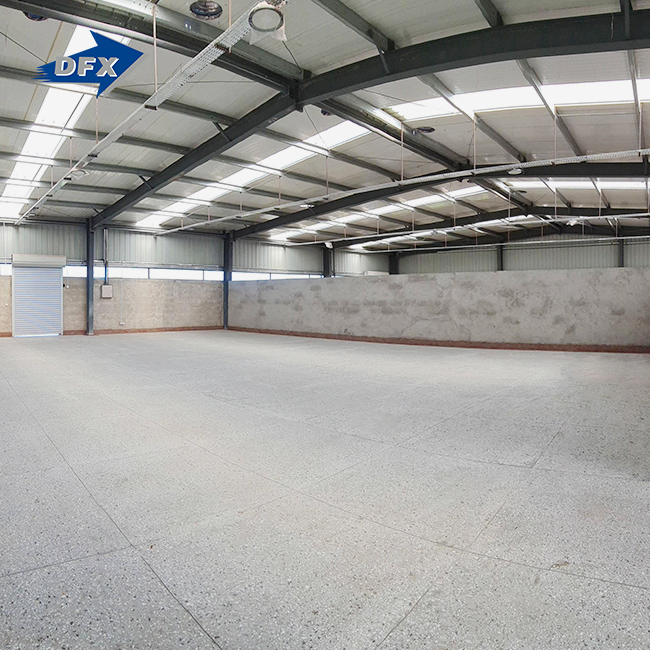
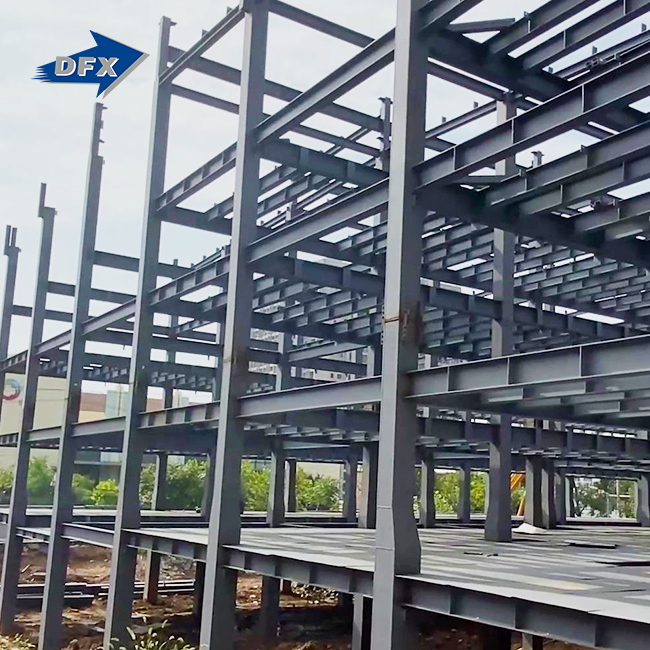
The use of steel in building has completely changed how we think about big storage sites. There is an H-beam main steel frame system, galvanized C/Z purlins, and a full bracing system at the heart of every advanced Logistics Park Steel Warehouse. This engineering method gets rid of the need for internal load-bearing columns over lengths that are often longer than 30 meters. This leaves the interior areas clear, which increases storage density and operating freedom. Because these buildings are flexible and prefabricated, they solve a problem that construction companies and EPC project teams have had for a long time: the time it takes to finish a project. Usually, building with traditional concrete structures takes a long time to cure and is built in stages. Prefabricated steel parts, on the other hand, come to the job site ready to be put together, which cuts down on building times by 30 to 50 percent. Because this speeding up has a direct effect on return on investment, industry and farming businesses can start up months earlier than they could with traditional building methods.
Flexibility That Adapts to Changing Business Requirements
Logistics processes don't stay the same for long. Seasonal changes affect e-commerce delivery needs, production capacity grows as markets grow, and farming businesses get bigger as harvest times come around. Steel building systems can handle these changes because they are designed to be flexible. By thinking of end-wall frames as modular link points instead of set borders, the pre-engineered building method allows for linear growth. This adaptability includes how the inside is set up. Clear-span design lets you put high-bay shelving systems, automatic storage and retrieval equipment, and aisle sizes that are just right for different types of forklifts wherever you want. Project engineers can change the plan of warehouses without affecting the structure, a distribution center that lets operations change without having to build new facilities.
Trends and Innovations Shaping Steel Warehouses for Logistics Parks
The Shift Toward Prefabrication and Modular Construction
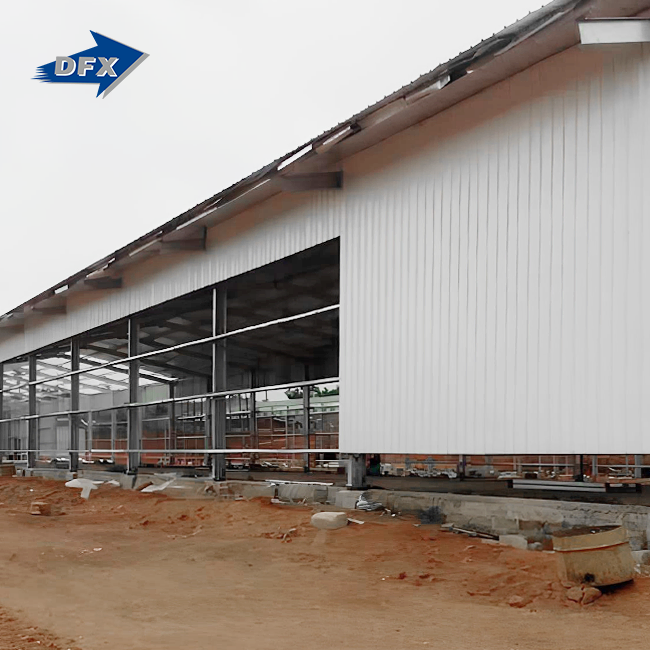
There is a clear shift happening in the construction business away from building methods that require a lot of work on-site. Prefabricated steel parts made in controlled factory settings provide uniform quality while lowering delays caused by bad weather. In China, Director Steel has a 40,000-square-meter factory with six automatic welded H-beam production lines that make about 20,000 tons of steel each year. The factory keeps the dimensions within ±2mm standards, which is important for quick field assembly.This level of accuracy in processing leads to speed on-site. Installing teams can put up the main frame in weeks instead of months, and soon after, the whole building will be weathertight. Before shipping, the controlled production setting lets a lot of quality checks happen, such as ultrasonic testing of welds and measuring the thickness of protective coatings on a dry film. This makes sure that structural parts meet ISO9001 and CE certification standards when they get there.
Sustainability Through Material Innovation and Circular Economy Principles
Environmental duty is becoming more and more important in all types of businesses when it comes to buying things. There are several ways that steel buildings can help with environmental goals. The material can be recycled without losing any of its quality, and solid steel parts keep their full material value when they reach the end of their useful life. This trait helps circular economy ideas in which buildings are used as material banks instead of throwaway assets. The way things are made has changed over time to have less of an effect on the world. When you combine low-impact manufacturing methods with better shipping processes for flat-packed parts, you can lower your carbon footprint compared to traditional building methods that need a lot of mixing and curing of concrete on-site. When agricultural companies look at building systems, they often put these environmental credentials at the top of their list. They know that choosing sustainable infrastructure options will help them stay in business in the long run.
Comparing Steel Warehouses with Traditional Warehousing Solutions
Lifecycle Cost Analysis and Maintenance Efficiency
When financial leaders look at warehouse infrastructure, they need to think about the total costs of ownership that will last for decades after the building is finished. This study shows that steel buildings have strong benefits. The material doesn't break down easily, and when it's properly covered against corrosion, it doesn't need as much upkeep. Annual checks, touch-ups to the paint, and cleaning of the gutters are the main ongoing maintenance tasks. This is very different from concrete buildings, which need crack repair, spalling removal, and structural strengthening as they break down. Energy-efficiency studies show that a steel structure is even better. When compared to brickwork or tilt-up concrete panels, the lightweight envelope systems have better heat performance and thinner wall profiles. This trait lowers the need for heating and cooling, which is especially important for businesses that need to control the temperature in the distribution center. Managers of manufacturing plants that are increasing output know that these operational savings add up every year, which means that the building will be more profitable over its entire life.
Speed of Deployment and Business Continuity
How quickly a business is to the market often sets its competitive edge. When an e-commerce business needs more storage space to meet seasonal demand or when a manufacturing company gets a big deal that requires them to start making more right away, building timelines have a direct effect on how much money they make. Traditional building methods take longer than steel warehouse systems to finish and make ready for use. The prefabricated method reduces the impact of weather and site disturbance. According to the erection plans, parts arrive one after the other, which cuts down on the need for on-site storage and the complexity of construction stages. This efficiency is especially helpful for projects that need to happen in places where business is already running and building work needs to be done with as little disruption as possible. This happens a lot for logistics companies that are in charge of handling phased growth.
Procurement Considerations for Steel Warehouses in Logistics Parks
Supplier Selection and Quality Assurance Protocols
When it comes to the skills and dependability of suppliers, procurement managers in charge of steel building projects have to make important choices. Quality starts with checking the materials, which can include getting mill test papers that prove the chemical makeup and output strength requirements. Visual inspection and non-destructive testing methods like ultrasonic or magnetic particle testing should be part of welding inspection routines for important links to make sure the structure's integrity meets or exceeds design requirements. Credentials for certification are concrete ways to measure quality. The ISO9001 certification shows that the quality management system is organized, and the CE label shows that the product meets European safety and performance standards. Certifications like EN1091 are optional, but they add extra credibility to foreign projects. Director Steel keeps these certifications and also follows strict in-house testing procedures. This shows a dedication to quality assurance that purchasing professionals can see through facility checks and reviews by outside parties.
Cost Variables and Budget Management Strategies
For accurate cost projections, you need to know what factors affect the prices of steel warehouse goods. The prices of raw materials change with the global steel market, so time is important for big purchases. Transportation costs depend on where the job is located, with seaside areas usually being easier to get to than rural areas. The cost of labor for installation depends on the local job market and the availability E-commerce hub of crews, which are things that need to be thought about when planning the project. There are several ways for procurement workers to deal with unknown costs. Material price deals with set expiration dates to help keep budgets on track. Change orders and "scope creep" are less likely to happen during building when the scope is clearly defined. Warranty clauses that cover flaws in the manufacturing process properly distribute risk between parties. Aligning payment schedules with project goals in financing structures protects working capital and keeps suppliers motivated to stick to schedules.
Future Outlook: How Steel Warehouses Will Transform Logistics Parks
Automation-Ready Infrastructure and Adaptive Reuse Potential
The warehouse facilities we build today have to be able to handle new technologies that are still being developed in labs. Intelligent computer systems will dynamically place inventory where it's needed most, robotic material handling will work nonstop across three shifts, and smart tracking networks will know when repair is needed before they happen. Because they are naturally flexible, steel structure systems can adapt to new situations. The clear-span design gets rid of anything that could get in the way of robotic systems and automated guided vehicles. Structures with reinforced roofs can hold hanging automation equipment without having to be structurally changed. When practical technologies change, modular building systems can be rearranged to keep infrastructure investments from becoming useless. Modern buying plans see these features that allow for change as important for lowering risks and making sure that buildings can still be used for many years to come.
Regulatory Evolution and Environmental Compliance
Environmental laws are getting stricter around the world, and building rules are putting more emphasis on saving energy and lowering carbon emissions. These trends are well-suited to steel construction methods because the materials can be recycled, and the buildings work well when they're put into use. Buildings that are planned and built today to meet current standards already have features that make them easy to adapt to new requirements. On the other hand, buildings that were built using traditional methods may need expensive changes as laws change. The environmental friendliness of steel buildings goes beyond the materials themselves and includes thinking about how they might affect the place. Less time spent on building means less damage to the site and less trouble for the neighbors. With prefabrication, production zones are where most of the work gets done instead of building sites where it's spread out. These traits are appealing to government project managers in charge of building infrastructure, where community E-commerce hub impact studies play a big role in approving projects and shaping how people feel about them.
Conclusion
The way steel warehouses are growing points to infrastructure options that are smarter, more flexible, and last longer. The speed of building, operating freedom, and long-term worth of modular prefabricated systems that are made to precise standards are unmatched. As practical technologies improve and transportation networks get more complicated, the structures that support these activities must be able to support new ideas all the time. When looking at warehouse infrastructure, project managers, procurement professionals, and operations directors will find that steel building methods meet their main concerns about quality assurance, cost predictability, and long-term performance. Installing properly designed steel warehouse systems is an investment that pays off over many years by helping businesses grow and reducing the need for repairs and downtime.
FAQ
1. What makes steel warehouses suitable for rapid business expansion?
Modular design concepts in steel warehouses make it possible for them to grow without any problems. End-wall frames act as connection points instead of set borders. This lets facilities grow by adding bays in a straight line without stopping operations that are already going on. This feature is very helpful when e-commerce businesses need to add more capacity during busy times or when factories get new orders that require them to start making more right away. The pre-engineered parts come already put together, which cuts down on the time needed for building and the income delays that come with capacity issues.
2. How do steel warehouses perform in regions with extreme weather conditions?
Engineered steel buildings can handle a wide range of environmental problems by being designed to specific needs. In seaside areas with a lot of wind, buildings have better bracing systems and roof shapes that move air more efficiently. In areas prone to earthquakes, buildings use ductile links and base isolation concepts. Installations in cold climates use thermal break technologies to stop dampness and keep the inside of the building at a comfortable temperature. In harsh weather, the structural steel frame can handle natural stresses that other materials can't. It provides stable shelter for valuable goods and equipment in a wide range of climates.
3. What certifications should procurement professionals require from steel warehouse suppliers?
Quality control starts with ISO9001 approval, which shows that the manufacturing process is controlled in a planned way. When something has the CE stamp, it means that it meets European safety standards, which is important for foreign projects. Material certifications, such as mill test certificates, show that certain types of steel meet certain yield values. Welding process standards and welder skills make sure that the link is solid. Certifications for paints and coatings show that corrosion protection meets standards for longevity. Suppliers with a good reputation, like Director Steel, keep these qualifications up to date and provide paperwork throughout the procurement process. This makes it easier to check that the work meets project requirements.
Partner With a Trusted Steel Warehouse Manufacturer
Director Steel has been providing pre-engineered steel structures for logistics, industrial, Logistics Park Steel Warehouse and farming uses around the world for more than 12 years. Our Qingdao factory covers 40,000 square meters and has high-tech automatic manufacturing lines that make 20,000 tons of welded H-beams every year. The factory also makes a wide range of secondary parts, such as C/Z purlins and insulated panels. Every Logistics Park Steel Warehouse we make goes through strict quality checks, such as ultrasonic weld testing and measurement checking, to make sure it fits together quickly in the field within ±2mm of its original size. Our ISO9001 and CE certifications give buyers peace of mind that the quality will stay high, and our combined engineering support helps with projects from the first estimates to the final installation on-site. Get in touch with jason@bigdirector.com to talk about your needs with skilled steel structure experts who know how to handle complicated foreign logistics warehouse projects and provide dependable, low-cost options.
References
1. Chen, Y., & Wang, L. (2021). "Prefabricated Steel Structures in Modern Logistics Infrastructure: Performance Analysis and Design Optimization." Journal of Constructional Steel Research, 178, 106-118.
2. Martinez, R., & Thompson, K. (2022). "Lifecycle Cost Comparison of Steel Versus Concrete Warehouse Facilities in Supply Chain Operations." International Journal of Industrial Engineering, 29(3), 245-261.
3. Anderson, M., Brown, J., & Davis, S. (2020). "Sustainability Assessment of Pre-Engineered Metal Buildings in Commercial Applications." Building and Environment, 167, 112-127.
4. Zhang, H., & Liu, Q. (2023). "Structural Performance of Long-Span Steel Warehouses Under Combined Loading Conditions." Engineering Structures, 195, 334-349.
5. Williams, P., & Kumar, A. (2021). "Automation-Ready Infrastructure Design for Smart Warehousing Systems." Automation in Construction, 125, 103-119.
6. Roberts, T., & Garcia, F. (2022). "Modular Construction Methodologies: Time and Cost Benefits in Industrial Building Projects." Construction Management and Economics, 40(4), 289-305.
Learn about our latest products and discounts through SMS or email