- English
- French
- German
- Portuguese
- Spanish
- Russian
- Japanese
- Korean
- Arabic
- Greek
- German
- Turkish
- Italian
- Danish
- Romanian
- Indonesian
- Czech
- Afrikaans
- Swedish
- Polish
- Basque
- Catalan
- Esperanto
- Hindi
- Lao
- Albanian
- Amharic
- Armenian
- Azerbaijani
- Belarusian
- Bengali
- Bosnian
- Bulgarian
- Cebuano
- Chichewa
- Corsican
- Croatian
- Dutch
- Estonian
- Filipino
- Finnish
- Frisian
- Galician
- Georgian
- Gujarati
- Haitian
- Hausa
- Hawaiian
- Hebrew
- Hmong
- Hungarian
- Icelandic
- Igbo
- Javanese
- Kannada
- Kazakh
- Khmer
- Kurdish
- Kyrgyz
- Latin
- Latvian
- Lithuanian
- Luxembou..
- Macedonian
- Malagasy
- Malay
- Malayalam
- Maltese
- Maori
- Marathi
- Mongolian
- Burmese
- Nepali
- Norwegian
- Pashto
- Persian
- Punjabi
- Serbian
- Sesotho
- Sinhala
- Slovak
- Slovenian
- Somali
- Samoan
- Scots Gaelic
- Shona
- Sindhi
- Sundanese
- Swahili
- Tajik
- Tamil
- Telugu
- Thai
- Ukrainian
- Urdu
- Uzbek
- Vietnamese
- Welsh
- Xhosa
- Yiddish
- Yoruba
- Zulu
Choose Metal Garages To Be Your CrossFit Gym and Fitness Center
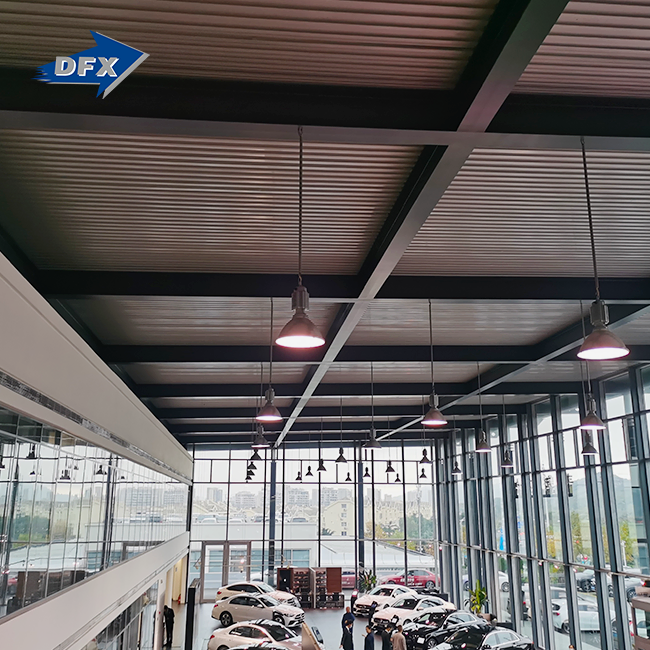
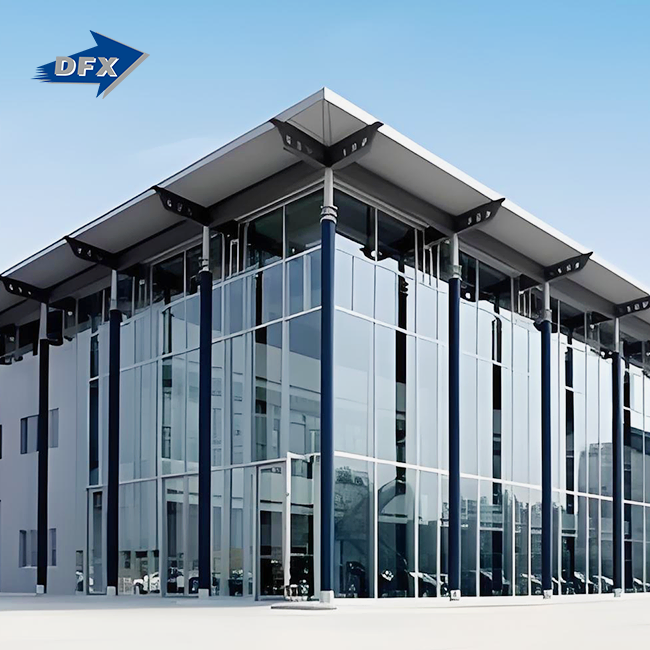
For modern fitness entrepreneurs and commercial developers, Steel Structure Gym & Fitness centers made from metal garages offer a game-changing answer. Compared to traditional building ways, these pre-engineered steel buildings are much more flexible, last longer, and cost less. Metal garages have clear-span interiors that don't have any columns that get in the way of workouts. This makes them great for CrossFit, useful fitness zones, and sports areas that can be used for more than one thing. The quick construction time and flexible design let business owners start running their businesses more quickly while still keeping the building's structural stability for high-impact activities and heavy machine loads.

Why Choose Metal Garages for Your Cross Fit Gym?
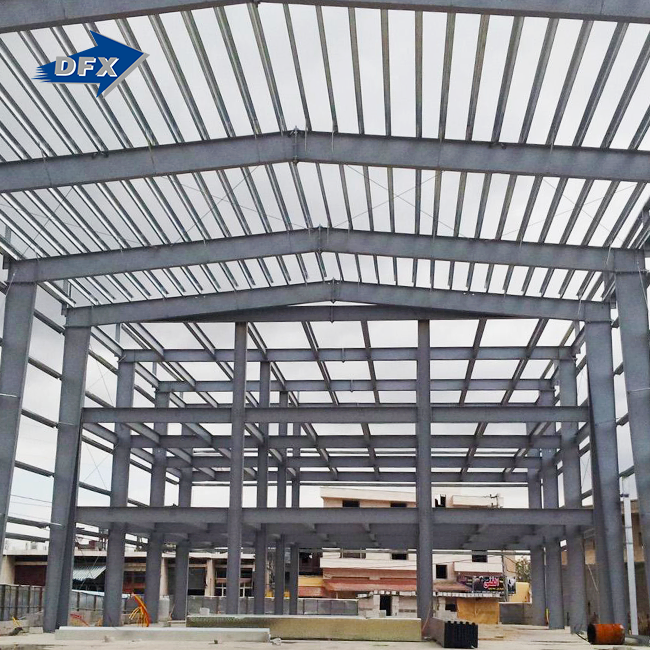
Metal garages with steel portal frames are a great option to traditional buildings made of concrete or wood. In the twelve years that Director Steel has been making steel buildings, we've seen a rise in demand from fitness centers that know how useful these structures are for creating intense training areas.
Superior Durability and Structural Performance
CrossFit training puts a lot of stress on building infrastructure. Pull-up bars mounted on walls, gymnastic rings hanging from the ceiling, and repeated barbell drops all cause static and dynamic loads that are hard for many traditional buildings to safely handle. With a value of elasticity of about 200 GPa, structural steel grade Q345B or Q355B used in steel frame construction gives buildings great strength-to-weight ratios. This technical requirement means that your building can handle a lot of training without losing its structural stability over many years of use. We install a reinforced roof system that can hold HVAC ducts, industrial lighting grids, and sound-absorbing treatments without the need for support beams inside the building. This engineering method solves a major problem that fitness center designers have to deal with: making workout areas that are uninterrupted and free of obstacles so that athletes can move around easily.
Cost Efficiency Through Smart Material Selection
Every choice about a business building is based on the budget. Procurement managers like steel structure options, such as the Steel Stadium, because they offer clear and reliable cost structures. The cost of materials stays the same because the price of steel follows known commodity markets. This is different from the price of lumber, which changes all the time. The total cost of the project goes down even more because less work is needed during assembly. Lifecycle cost study shows that there are even bigger financial benefits. Steel buildings don't get damaged by pests, fire, or water damage, which can happen to wood buildings. Our hot-dip galvanization process, which applies a zinc layer of at least 275 grams per square meter, keeps metals from oxidizing in humid gyms where sweating and changes in temperature speed up rust in metals that haven't been treated. This surface treatment meets the corrosivity standards set by ISO 12944 C3 and C4. This means that your building will keep working properly for more than 50 years with little to no upkeep.
Steel Structure Gym Design Ideas for Metal Garages
Space design that balances athletic needs with operating efficiency is key to making workout spaces that are both useful and exciting. Metal car structures are more flexible in their design than regular buildings, so architects can use every square meter to its fullest potential.
Open-Span Layouts Maximize Training Zones
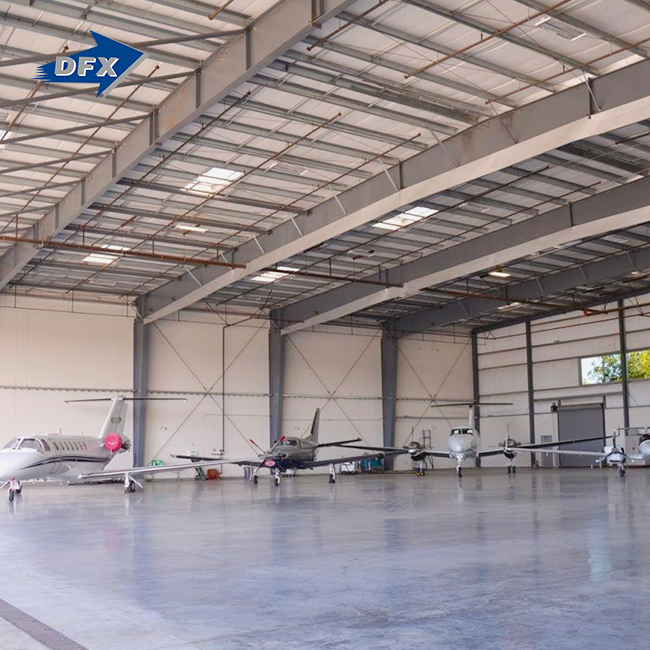
Steel portal frame engineering creates internal areas without columns, which changes the way gyms can be laid out. Clear gaps that are 20 to 80 meters wide can fit a variety of training areas without any problems with space. CrossFit workouts have different areas, like Olympic lifting platforms, rowing ergometer banks, metabolic training areas, and skill development areas. All of these areas need clear sight lines so that coaches can keep an eye on everyone and keep the community vibe going.All of the load-bearing parts of our beam-column structural systems are placed along the exterior walls. This frees up room inside for equipment arrangements that can change based on the needs of the program. This modularity lets gym owners change the layout of training areas based on the seasons or add more specialized areas as the types of members change, all without having to make expensive structural changes.
Acoustic Design for Noise Management
Heavy things like barbell drops, battle ropes hitting rubber floors, and motivational speaking all make a lot of noise that needs to be taken into account by audio engineers. Many builders don't think about soundproofing during the early stages of planning, which can lead to complaints from neighbors and limited business hours that hurt the company's ability to stay in business. We deal with acoustic music in a number of different ways. Metal cladding systems insulated with mineral wool get Sound transfer Class scores above 50, which means they block outside noise transfer by a large amount. Interior acoustic ceiling baffles and wall-mounted absorption panels control reverberant sound in training rooms. This makes it easier to talk to coaches during Steel Stadium-coached lessons without taking away from the high-energy environment that athletes expect.
How Metal Garages Outperform Traditional Gym Buildings
When you directly compare steel structures to traditional building methods, you can see clear benefits in a number of performance areas that fitness center owners and business developers will be interested in.
Maintenance Requirements and Lifecycle Costs
Continuous upkeep tasks are needed for both concrete and wood buildings, which add up to high costs over their useful lives. Termite treatments, checks of moisture barriers, and repair of structural members are all needed for wood framing because rot grows in damp places. Spalling fixes, expansion joint maintenance, and waterproofing updates are all things that concrete facilities have to deal with. These tasks slow down operations and drain maintenance funds. Because steel is a natural material, it doesn't have these ongoing costs. Our epoxy zinc-rich painting systems or galvanization processes stop rust in tough places where cleaning chemicals, sweat, and changes in temperature speed up the breakdown of materials. The care plan we suggest is based on regular checks and small fixes instead of big structural changes. This way, facility managers can focus their resources on member services instead of building repairs.
Design Flexibility and Future Expansion
As a business grows, it needs buildings that can change to meet its changing needs. Using traditional building methods results in set layouts that are hard to change. Steel frame structures are naturally adaptable, which means they can be expanded in stages without affecting the stability of the original building. In our metal garage plans, the end wall systems have removable pieces that make it easy to add on to the length. When the number of members grows, and more training rooms are needed, we just add portal frame bays to existing buildings to keep the architecture the same while doubling or tripling the original floor space. This ability to grow saves the value of the initial investment and gets rid of the problems that come with moving to bigger buildings.

Procuring Your Steel Structure Metal Garage Gym: What You Need to Know
A project's success depends on procurement choices that are well-informed and match technical standards with practical needs and the project's budget. We help our clients find the best answers for their unique situations by guiding them through review frameworks.
Material Quality and Supplier Credentials
The standard of steel structures made by different companies has changed a lot in recreational buildings. Managers of procurement should make sure that the steel grades used by sellers are certified and meet ASTM A572 Grade 50 or a similar GB standard. Director Steel has ISO 9004 approval for quality management and CE, COC, and PVOC certifications for products that show they meet foreign standards. These certificates give you peace of mind that the materials and methods used to make the product meet strict quality standards. Manufacturing capacity shows how reliable a provider is and how well they can complete a job. Our 40,000-square-meter factory has six automatic welded H-beam lines, two sandwich panel lines, and two C/Z section steel lines. Each year, these lines can make 20,000 tons of welded structural members. This production scale makes sure that deliveries happen on time, even for big projects with tight deadlines.
Transparent Budgeting and Financing Considerations
Costs for materials, fabrication, surface treatment, shipping, handling, and erection support services are all included in detailed project budgets. We give detailed price quotes that break down each cost factor. This lets you plan your budget correctly and avoid surprises during the building process. The choice of materials has a big effect on the total cost of the job. Standard Q235B structural steel works well for moderate-span uses and is cost-effective. On the other hand, Q355B grade steel is stronger and better for wide-span designs or heavy roof loads. Surface treatment options, such as basic paint systems and hot-dip galvanization, come with costs and benefits. The original cost and the need for long-term upkeep are two examples. Our engineering team helps clients compare these choices based on expected performance and lifetime costs.
Construction Process and Maintenance of Steel Structure Gym Buildings
Facility managers can make more accurate project timelines and operational budgets when they know how building works and what upkeep needs to be done after the job is done.
Site Preparation and Foundation Installation
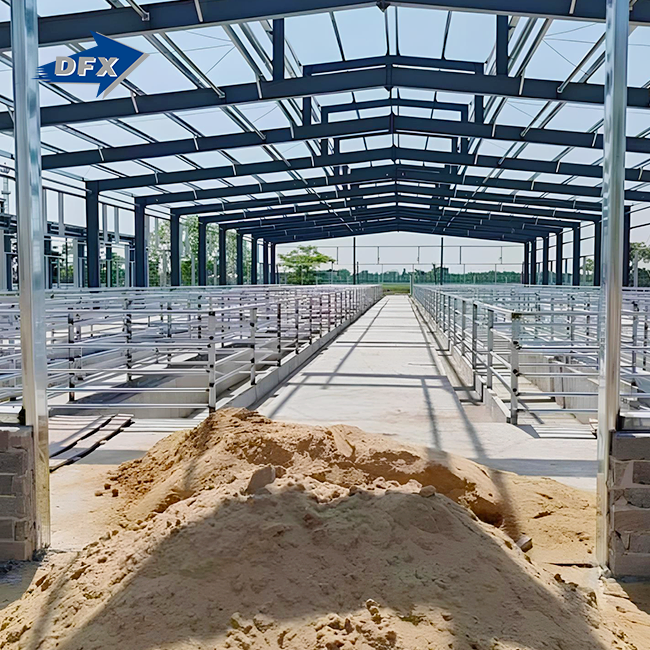
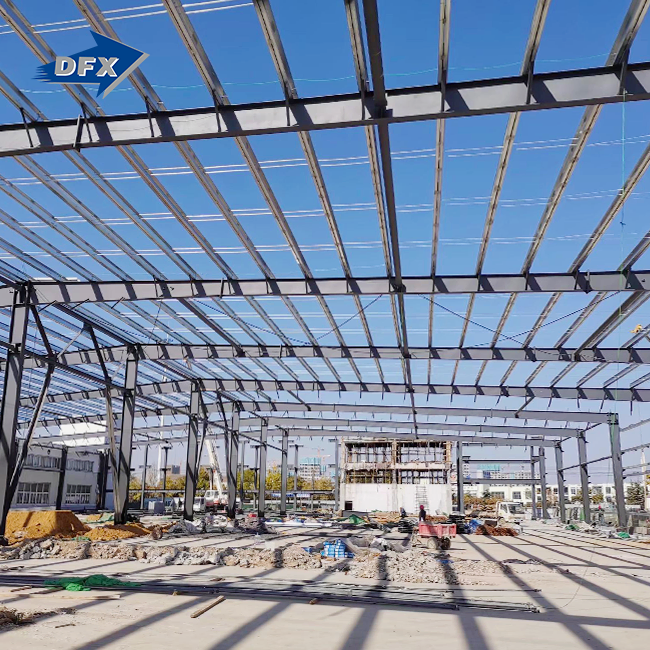
Foundation planning and a careful look at the site are the first steps in any steel building job that goes well. Geotechnical analysis figures out how much weight the dirt can hold and finds any problems that might be below the ground that could affect the design of the base. When it comes to foundation systems, our structural experts make sure that the right ones are used for each site. These could be concrete pier footings, grade beams, or slab-on-grade configurations. Installing the foundation happens at the same time as making steel parts at our production plant, which makes the project program work as efficiently as possible. By carefully placing anchor bolts during the concrete work, the steel columns will be in the right place when they come to be put up. This avoids having to make expensive changes in the field and delays in the building process.
Cladding Installation and Interior Finishing
Metal covering sheets and wall plates keep out the weather and keep heat in. Insulated core sandwich panel. Recreational buildingsystems are installed directly to secondary frames, making building envelopes that are continuous and reduce thermal bridging. The R-values of these composite walls are very high, and they are also very light, which means that they don't need as much structural support. How an interior is finished depends on what the owner wants and how much money they have. Exposed structure systems have an industrial look that is popular in the CrossFit community. On the other hand, painted gypsum board and suspended ceilings give fitness centers a more polished look that fits their style. As the building enclosure is finished, the installation of rubber flooring, electrical rough-in, HVAC equipment placement, and water hookups is done in a planned way.
Routine Maintenance and Performance Optimization
Maintenance after building is mostly about keeping surface treatments in good shape and keeping an eye on mechanical systems. Inspections once a year find small problems with the paint or finish before they turn into rust. Touch-up painting fixes scratches or abrasions caused by equipment contact, keeping safe shields in place that make structures last longer. Maintenance on HVAC systems is done at the times suggested by the manufacturer. This makes sure that temperature control and air quality management work well. By changing filters, checking the refrigerant, and cleaning the ducts, you can keep your equipment from breaking down, which would lower member comfort and raise energy costs. Upgrades like installing smart thermostats and LED lighting retrofits make buildings more energy efficient, which cuts costs and helps companies meet their sustainability goals.
Conclusion
Metal garages that are designed to be Steel Structure Gym & Fitness facilities offer CrossFit operators, business developers, and institutional exercise programs unbeatable value. Steel buildings are the best choice for modern training settings because they can be built quickly, last a long time, and can be designed in a variety of ways. Our experience making and placing thousands of structural steel projects shows that making smart buying decisions and focusing on quality during the building process creates buildings that will serve communities consistently for generations. As steel building technology and environmentally friendly ways of making them continue to improve, these structures will continue to be the first choice for building infrastructure in the exercise business.

FAQ
1. Can steel frame structures support heavy hanging equipment like climbing rigs and suspended training systems?
Of course. During the construction part, proper engineering calculations take into account point loads that are more than 5 kilonewtons in weight. We strengthen certain structural parts, like flange sections and truss chord links, where equipment is attached to keep them from bowing out and keep athletes safe. By giving thorough information about the tools needed during the planning phase of the project, our structural engineers can add the needed support without having to make costly changes in the field.
2. How do steel buildings manage moisture and corrosion in humid gym environments?
Controlling humidity is an important planning factor. We protect steel surfaces from rust in several steps. First, we shot-blast them to Sa2.5 cleanliness standards. Next, we apply a high-build epoxy coat or hot-dip galvanization. These processes on the surface make walls that can't be broken down by chemicals or water. By designing the ventilation system correctly, you can keep the relative humidity below levels that encourage rust. Regular inspections and small amounts of touch-up paint can also fix any damage to the coating before it turns black.
3. What expansion options exist if membership growth requires additional training space?
Phased growth plans work really well with modular steel buildings. Buildings with a portal frame can be made longer by adding extra bays and moveable end wall systems. This way of building keeps the design consistent while doubling or tripling the original floor space without stopping business as usual. Planning for future growth during the early stages of design—by increasing the size of the base and the capacity of the utility infrastructure—lowers the costs and difficulties of making changes later on.
Partner with DFX for Your Steel Structure Gym & Fitness Project
Director Steel has been skilled at making steel buildings for tough industrial uses for more than twelve years. Our full range of services includes idea design, precise manufacturing, advanced surface treatment, and erection support. We offer turnkey solutions that make your fitness vision a reality. Our manufacturing methods are backed by CE, ISO 9004, COC, and PVOC certifications, which means you get high standards that are known all over the world throughout the lifecycle of your project.
Over 200 skilled workers using high-tech production tools make sure that your custom Steel Structure Gym & Fitness facility fits your exact needs at a price that is fair. Our engineering team makes sure that the structural performance, acoustic qualities, and environmental systems are all optimized for your needs, whether you're building a single CrossFit box or a multi-sport leisure center. Get in touch with our team right away at jason@bigdirector.com to talk about your project needs and get full technical offers that cover every part of building your facility.
References
1. American Institute of Steel Construction. (2022). Design Guide 25: Frame Design Using Web-Tapered Members. Chicago: AISC Publications.
2. Chen, W.F., & Lui, E.M. (2019). Handbook of Structural Engineering (2nd ed.). Boca Raton: CRC Press.
3. International Code Council. (2021). International Building Code Chapter 22: Steel Construction. Washington, D.C.: ICC Publications.
4. Metal Building Manufacturers Association. (2020). Common Industry Practices for Metal Building Systems. Cleveland: MBMA Technical Publications.
5. Newman, Alexander. (2018). The CrossFit Games: Designing Athletic Facilities for Functional Fitness. Journal of Sports Facility Design, 14(3), 87-104.
6. Steel Construction Institute. (2021). Design of Portal Frame Buildings (4th ed.). Berkshire: SCI Publication P399.
Learn about our latest products and discounts through SMS or email