- English
- French
- German
- Portuguese
- Spanish
- Russian
- Japanese
- Korean
- Arabic
- Greek
- German
- Turkish
- Italian
- Danish
- Romanian
- Indonesian
- Czech
- Afrikaans
- Swedish
- Polish
- Basque
- Catalan
- Esperanto
- Hindi
- Lao
- Albanian
- Amharic
- Armenian
- Azerbaijani
- Belarusian
- Bengali
- Bosnian
- Bulgarian
- Cebuano
- Chichewa
- Corsican
- Croatian
- Dutch
- Estonian
- Filipino
- Finnish
- Frisian
- Galician
- Georgian
- Gujarati
- Haitian
- Hausa
- Hawaiian
- Hebrew
- Hmong
- Hungarian
- Icelandic
- Igbo
- Javanese
- Kannada
- Kazakh
- Khmer
- Kurdish
- Kyrgyz
- Latin
- Latvian
- Lithuanian
- Luxembou..
- Macedonian
- Malagasy
- Malay
- Malayalam
- Maltese
- Maori
- Marathi
- Mongolian
- Burmese
- Nepali
- Norwegian
- Pashto
- Persian
- Punjabi
- Serbian
- Sesotho
- Sinhala
- Slovak
- Slovenian
- Somali
- Samoan
- Scots Gaelic
- Shona
- Sindhi
- Sundanese
- Swahili
- Tajik
- Tamil
- Telugu
- Thai
- Ukrainian
- Urdu
- Uzbek
- Vietnamese
- Welsh
- Xhosa
- Yiddish
- Yoruba
- Zulu
How Steel Buildings Are Shaping the Future of Retail Spaces
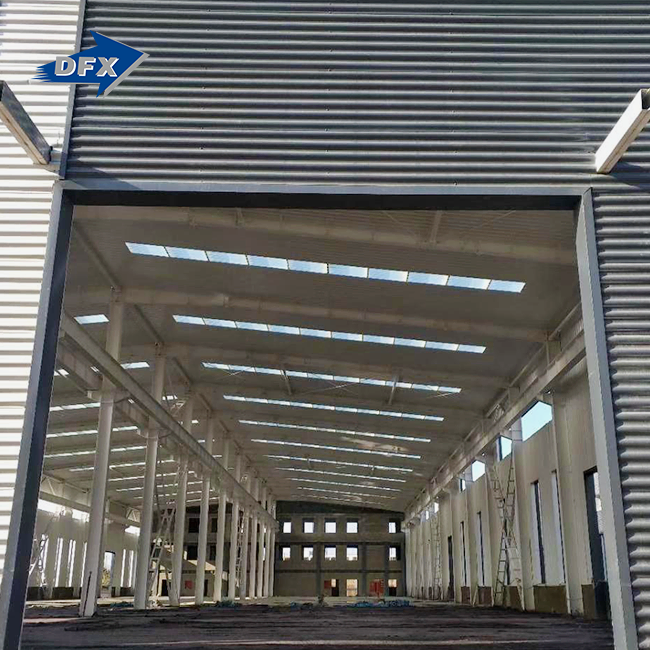
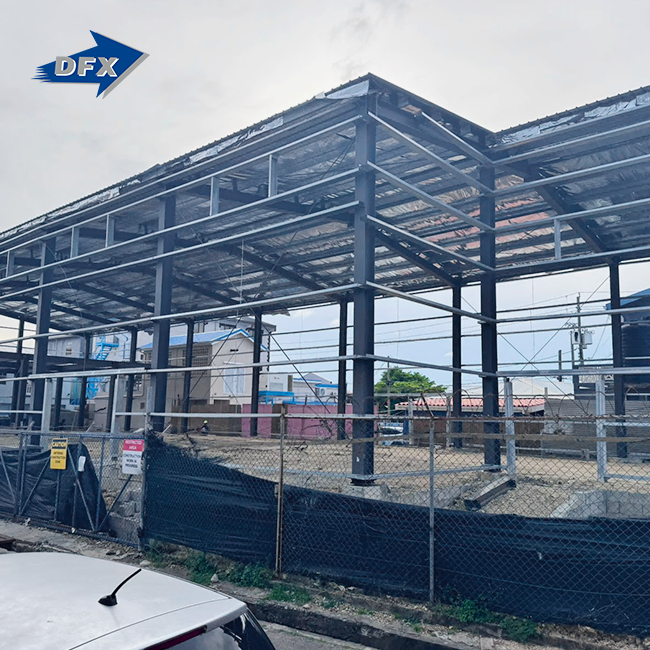
There is a big change happening in the retail business in how Steel Structure Retail Shop commercial areas are planned and built. Steel Structure Retail Shops are becoming the most important part of this change because they give developers and sellers more freedom, speed, and cost savings than ever before. Traditional building methods like brick and mortar are being replaced by pre-engineered steel buildings that can be planned, made, and put up in a lot less time than traditional methods. When the market changes quickly, retailers need frameworks that can change quickly to keep up with changing customer habits, seasonal needs, and brand repositioning. These needs are met by a steel frame building, which also provides better structural stability, environmental sustainability, and long-term value retention that has a direct effect on project ROI.

The Growing Demand for Steel-Structure Retail Shops in Modern Retail
These days, flexibility is just as important as sturdiness when it comes to retail buildings. More and more project managers and procurement professionals are realizing that speed-to-market can give them a competitive edge. This is shown by the rise of Steel Structure Retail Shops. We've seen construction times cut by 30–50% compared to standard concrete buildings. This lets retail brands take advantage of market possibilities before their rivals do.
Why Retailers Are Choosing Steel Over Traditional Materials
Commercial Steel Structure Retail Shops have clear benefits that construction workers and EPC professionals in charge of retail projects can see. The high strength-to-weight ratio of the material means that foundations don't have to be as strong. This cuts down on civil engineering costs by about 25% in most cases. This cost-effectiveness lasts the whole lifetime of the project, from the initial planning to the final occupancy. Steel portal frame and beam-column structures allow internal rooms with spans of more than 30 meters to be column-free. This makes the most of the floor space for displaying goods and moving customers around. In contrast to concrete buildings, which need long curing times and plans that rely on the weather, steel production takes place in controlled factory settings. When parts come to the job site, they are already put together, which causes less trouble for nearby businesses and speeds up the production of money.
Meeting Modern Operational and Environmental Standards
Sustainability is no longer a marketing tool; it's now a business necessity. Recyclability—with recovery rates exceeding 90% at the end of life—aligns with companies' environmental commitments and legal compliance requirements that are becoming more popular in local governments. Another important thing to think about is energy performance. Modern sandwich panel systems, metal storefronts with polyurethane or rockwool insulation, have high thermal resistance values that cut HVAC operating costs by a large amount. This is a big cost line for retail businesses.
Design and Construction: How to Build a Steel Structure Retail Shop
To use steel to build a good retail showroom or business storefront, you need to know both structural engineering principles and brand-name standards. Our work with construction companies and industrial project teams has shown us that Steel Structure Retail Shops that look good and work well should have a mix of the two.
Core Design Principles for Retail Steel Structures
Any Steel Structure Retail Shop must have a strong structure that is designed to meet the load standards of the area. Typical requirements include resistance to wind loads greater than 0.60 KN/m² and snow load limits that are based on the area. When buildings are designed, earthquake safety is very important, and they are usually built to meet Grade 8 strength guidelines. These technical standards make sure that people inside are safe and that goods and tools used for operations are safe. When it comes to design, modularity is a strategic advantage. Steel frame systems can be used for future additions without changing the structure of the current parts. New building parts can be bolted directly to the original poles, which allows for phased development that fits the growth of the business. Aesthetic flexibility lets architecture show different business identities. Large gaps in the facade are covered with large glass curtain walls that let in the most natural light and make the building visible from the street, both of which have been shown to attract customers and increase conversion rates. Surface treatments like powder painting and architectural covering systems give you almost infinite choices for how the outside of your building looks.
Understanding Cost Components and Budget Planning
Procurement managers benefit from transparent cost structures inherent in Steel Structure Retail Shop projects. The biggest part is the cost of materials, which is affected by the price of steel on the market, the structure's needs, and the finish's requirements. The cost of fabrication depends on how complicated the design is and how much customization is needed. Transportation costs depend on where the job is located and how big the parts are. It depends on how easy it is to get to the spot, how much work costs in the area, and how complicated the installation is. Made-to-order production models make sure that manufacturing exactly matches project requirements. This cuts down on waste and makes sure that all parts meet the exact needs. In speculative building, on the other hand, uniformity may make it harder to meet functional requirements or require expensive changes.
Comparing Steel Structure Retail Shops with Traditional Building Methods
The way a store project is built has a big effect on both the original investment and how well it runs in the long run. Our work with EPC companies on business-building projects has given us a lot of information about how Steel Structure Retail Shops compare to Metal storefrontand other types of structures.

Durability and Maintenance Advantages
When it comes to natural forces that break down other building materials, steel framing is much more resistant. If you treat steel the right way, it won't let water in or let termites or biological rot destroy wooden buildings. In contrast to concrete, which develops tiny cracks and flaking over time, Steel Structure Retail Shops stay together with little work. Steel Structure Retail Shops need to have their protective coatings inspected and cleaned every so often as part of their maintenance. Gutter systems need to be cleared out regularly to keep water from building up. Touch-ups with paint every 15 to 20 years keep the look nice and protect against rust. These simple upkeep steps are very different from concrete buildings, which need to have cracks fixed, the surface sealed, and the structure strengthened as they age.
Sustainability and Environmental Performance
A steel structure retail shop building is good for the environment throughout the whole lifetime of a project, not just when it is recycled. There have been big changes in how efficiently steel is made, and many makers now use a lot of recycled material in their new building parts. When compared to making new materials, this circular economy method uses fewer raw resources and less energy. Comparing carbon footprints shows important differences. While making concrete releases a lot of CO2 into the air when the cement is heated, the environmental effect of making steel can be lessened by using green energy in factories. Transportation economy also affects environmental performance. Because Steel Structure Retail Shops are stronger than concrete, it takes fewer truckloads to build structures with the same amount of strength. Using less energy when a building is in use may be the most important environmental benefit. Advanced envelope systems with thermal breaks and high-performance insulation stop heat from moving around, which cuts HVAC energy use by numbers that can be measured. Some Steel Structure Retail Shops have energy performance that is 30% or more better than the minimum code standards. This saves money on operating costs every year for the life of the building.
Procurement Strategies and Working with Steel Structure Retail Shop Suppliers
When choosing industrial partners for Steel Structure Retail Shop projects, you need to look at their results across a number of different areas. The success of a project depends on more than just having low prices. It also depends on having full planning, fabrication, quality testing, and project support skills.
Evaluating Supplier Capabilities and Certifications
Quality control starts with certificates that can be checked to show that foreign standards are being met. The ISO 9003 certification proves that quality management is used consistently throughout the whole production process. The CE mark shows that a product meets European standards for health, safety, and the environment. Documents like Certificate of Conformity (COC) and Pre-Verification of Conformity (PVOC) make it easier to clear borders and follow rules in target markets. Another important factor in judging something is its production and retail showroom ability. Because they have larger factory areas and more automatic production lines, larger suppliers can meet project deadlines and volume needs that smaller fabricators can't. With six automatic H-beam lines and 40,000 square meters of protected production space, Qingdao Director Steel Structure Co., Ltd. is a great example of the production scale needed for large-scale commercial Steel Structure Retail Shop projects that need a lot of structural tonnage. Suppliers who can help with complicated projects are different from basic makers because they have technical knowledge. Having building design and finishing services in-house lets you be responsible for everything from the idea to the installation. This unified method gets rid of the planning problems that come with using more than one source, where differences in who is responsible for what can cause delays and extra costs.
Pricing Structures and Delivery Considerations
Steel Structure Retail Shop prices depend on many things, such as the type of material used, the complexity of the structure, the finish that is needed, and how the building will be delivered. Suppliers who are open and honest break down their prices in a way that makes it easy to see how much the materials, assembly, finishing, and shipping cost. With this level of insight, procurement workers can find ways to cut costs without affecting performance standards. Made-to-order Steel Structure Retail Shops usually take between 30 and 60 days to deliver, but this depends on the size of the job and how long it takes to make the building. Planning ahead and involving suppliers early on ensures that production capacity matches up with project goals. Experienced providers plan the arrival of parts to fit in with installation schedules. This cuts down on the amount of storage space and weather exposure needed on-site before the building is sealed.
Future Trends and Innovations in Steel Structure Retail Spaces
As customer habits change and technology gets better, the retail building industry keeps changing too. Steel Structure Retail Shop systems are perfectly suited to adapt to new trends that are changing the way business areas are designed.
Modular Construction and Rapid Deployment
The next step in the evolution of prefabrication concepts is a modular Steel Structure Retail Shop building. Fully assembled room modules made in controlled settings are brought to the job site and only need to be connected to nearby units and utility systems. This method shortens building schedules to levels that have never been seen before. This lets stores react to pop-up chances or changes in the seasonal market. Flexibility goes beyond the original building and includes changes that will be made in the future. Non-load-bearing inner walls can be moved around without affecting the structure, which lets stores change the layout of areas as product lines or operational needs change. This flexibility protects capital investment while allowing business model pivots, Retail showroom, which are becoming more common in retail markets that are always changing.
Omnichannel Retail and Flexible Spaces
As more brands use digital tactics, the line between online and offline shopping gets thinner. These days, Steel Structure Retail Shops aren't just places to buy things; they're also places to see products, pick them up, and have experiences. Steel Structure Retail Shop building allows for these changing roles by using open-plan designs that are simple to change to meet new operational needs. Flexible Steel Structure Retail Shop shells can accommodate a loading dock, back-of-house processing areas, and showrooms that face customers. As business models change, internal configurations can be changed without having to change the structure. This protects capital investments and allows for strategic pivots.
Conclusion
Steel Structure Retail Shop construction has completely changed the costs and uses of store buildings. Faster building times, structural flexibility, and long-term longevity all meet the main concerns of procurement managers and project leaders in charge of business retail projects. When it comes to meeting the needs for sustainability and being able to adapt to changes in the market, Steel Structure Retail Shops offer options that standard building methods can't match. The proven success of Steel Structure Retail Shops in a wide range of retail settings, from car showrooms to supermarkets, shows that they are flexible enough to meet the needs of any size project or design style. Companies that build store areas out of Steel Structure Retail Shops are better able to adapt to changing market needs while also getting the most out of their capital.

FAQ
1. How does fire safety work in steel retail buildings?
At high temperatures, steel that isn't covered loses its ability to hold weight. We take care of fire safety with intumescent coats that grow when heated, making insulating layers that keep the structure strong for two to three hours, as required by building codes. Critical structure parts could also be encased in concrete or gypsum, which are other options. These tried-and-true fire safety methods make sure that Steel Structure Retail Shop buildings meet or go beyond the safety standards for business buildings.
2. Can steel retail buildings achieve energy efficiency targets?
High-performance ventilation systems that use a lot less energy can be installed in Steel Structure Retail Shops. Sandwich plates with polyurethane or rockwool insulation have high thermal resistance ratings that keep heat from moving. Thermal breaks built into the walls and roofs get rid of the conductor paths that hurt the insulation's performance. Many Steel Structure Retail Shops have energy performance that is 30% or more better than what the basic code requires. This saves money on operating costs over the life of the building and supports companies' sustainability goals.
3. What flexibility do steel buildings offer for future modifications?
Building with Steel Structure Retail Shops is much more flexible than building with other materials. Moving non-structural inner walls won't hurt the building's stability, so stores can change the layout of rooms as product lines or business needs change. Bolted connections allow building additions to connect directly to existing structure frames, so there is no need to tear down the building, and there is little impact on business. This built-in adaptability safeguards capital investments and allows for changing growth paths and business model change.
Partner with DFX for Your Next Steel Structure Retail Shop Project
DFX has been a known Steel Structure Retail Shop maker for over 12 years, working with Steel Structure Retail Shopbuilding companies, EPC firms, and business developers all over the world. Our 40,000-square-meter production plant has six automatic H-beam lines and high-tech fabrication tools that allow us to make 20,000 tons of structural parts every year. We offer full turnkey solutions that include idea design, manufacturing, surface treatment, and help with installation. Our services are certified by ISO 9003, CE, COC, and PVOC. Our in-house design team works with your project requirements to create industrial Steel Structure Retail Shops that are perfect for retail uses like sales centers, product showrooms, and exhibition halls. Get in touch with jason@bigdirector.com to talk about how our bundled skills can speed up your retail building project while still giving you the best quality and value.
References
1. American Institute of Steel Construction. (2022). "Specification for Structural Steel Buildings." AISC 360-22, Chicago, Illinois.
2. Chen, W.F., & Lui, E.M. (2019). "Handbook of Structural Engineering: Steel Construction in Commercial Applications." CRC Press, Second Edition.
3. Davies, J.M. (2021). "Modern Steel Construction for Retail and Commercial Buildings: Design and Performance Analysis." Journal of Constructional Steel Research, Vol. 178, pp. 106-124.
4. Lawson, R.M., & Ogden, R.G. (2020). "Sustainable Steel Building Design: Applications in Commercial and Retail Sectors." The Steel Construction Institute, Berkshire, United Kingdom.
5. National Association of Steel Fabricators. (2023). "Pre-Engineered Steel Buildings: Performance Standards and Best Practices for Retail Construction." Technical Report Series, Washington, D.C.
6. Zhang, H., & Liu, Y. (2021). "Comparative Life Cycle Assessment of Steel versus Concrete Commercial Buildings: Environmental and Economic Considerations." Building and Environment Journal, Vol. 195, Article 107745.
Learn about our latest products and discounts through SMS or email