- English
- French
- German
- Portuguese
- Spanish
- Russian
- Japanese
- Korean
- Arabic
- Greek
- German
- Turkish
- Italian
- Danish
- Romanian
- Indonesian
- Czech
- Afrikaans
- Swedish
- Polish
- Basque
- Catalan
- Esperanto
- Hindi
- Lao
- Albanian
- Amharic
- Armenian
- Azerbaijani
- Belarusian
- Bengali
- Bosnian
- Bulgarian
- Cebuano
- Chichewa
- Corsican
- Croatian
- Dutch
- Estonian
- Filipino
- Finnish
- Frisian
- Galician
- Georgian
- Gujarati
- Haitian
- Hausa
- Hawaiian
- Hebrew
- Hmong
- Hungarian
- Icelandic
- Igbo
- Javanese
- Kannada
- Kazakh
- Khmer
- Kurdish
- Kyrgyz
- Latin
- Latvian
- Lithuanian
- Luxembou..
- Macedonian
- Malagasy
- Malay
- Malayalam
- Maltese
- Maori
- Marathi
- Mongolian
- Burmese
- Nepali
- Norwegian
- Pashto
- Persian
- Punjabi
- Serbian
- Sesotho
- Sinhala
- Slovak
- Slovenian
- Somali
- Samoan
- Scots Gaelic
- Shona
- Sindhi
- Sundanese
- Swahili
- Tajik
- Tamil
- Telugu
- Thai
- Ukrainian
- Urdu
- Uzbek
- Vietnamese
- Welsh
- Xhosa
- Yiddish
- Yoruba
- Zulu
What Is the Best Steel Rabbit Hutch House for Commercial Farming?
When managing a commercial rabbit farming operation, the infrastructure you choose determines your long-term profitability and animal welfare standards. The best Steel Rabbit Hutch House for commercial farming is a hot-dip galvanized modular enclosure system that combines durability, biosecurity, and scalability—engineered with non-porous surfaces to resist ammonia corrosion while allowing efficient waste management and disease prevention. Unlike traditional wooden structures that deteriorate within two to three years, industrial-grade steel rabbit housing delivers fifteen-plus years of service life, making it the preferred choice for serious rabbit breeders, agricultural project managers, and livestock facility operators across the United States.

Understanding Steel Rabbit Hutch Houses in Modern Agriculture
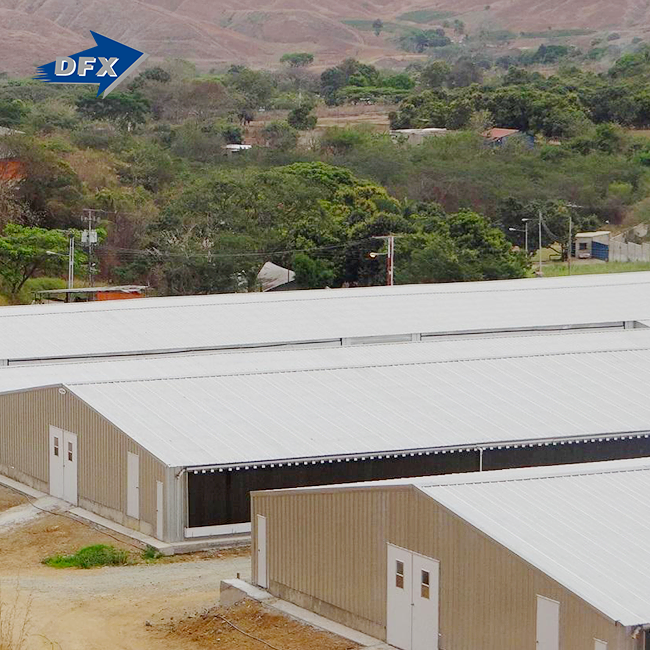
In a big way, a steel rabbit hutch house is different from traditional wooden rabbit homes. We're talking about animal buildings made for industrial use from galvanised steel pipe, heavy-duty wire mesh, and sheet metal parts that won't rust. The basic design solves three major problems that plague regular rabbit housing: predators getting in, pathogens building up, and structural damage.
In the twelve years I've worked at Director Steel with rural steel buildings, I've seen rabbit farms become more productive by moving to steel housing systems. The choice of material is very important. For enough load-bearing capacity, most industrial units use square tubing made of Q235 carbon steel or 304 stainless steel that starts at 20 mm x 20 mm. The wire mesh parts have to meet strict standards. They are usually 12 to 14 gauge, and the grid spacing is about 1" x 0.5" for flooring to keep your hocks from getting sore while still letting waste move through easily.
How long these buildings last depends on how they are treated on the outside. Hot-dip galvanisation with a zinc covering of more than 275g/m² makes something very resistant to rabbit pee, which is very acidic. Electrostatic powder coating is another choice for a finish. It comes in more colours and protects against UV light. This isn't just for looks; properly treated steel is chemically neutral, so workers can use industrial-strength disinfectants like Virkon S or diluted bleach without affecting the structure.
Commercial rabbit farms benefit from flexible designs that stack vertically, making the best use of space in buildings that are closed off. Automated waste removal systems, nipple watering lines, and proper air pathways are all built into these multi-tier designs. The stiff steel framework stays in place even when it snows or is washed repeatedly with high-pressure water, which is what needs to be done regularly to stop Coccidiosis and RHDV2 virus breakouts.
Core Problems Solved by Steel Construction in Rabbit Farming
Traditional rabbit hutches made of wood cause ongoing operating problems that have a direct effect on your bottom line. Wood absorbs urine and faeces, which makes it permanently saturated with ammonia, which speeds up rot and keeps germs inside. I've been to a lot of farms where wooden buildings had to be replaced after only eighteen months of use. It's amazing how much money is wasted.
One of the best reasons to choose steel is that it is resistant to being eaten by animals. Wolf dogs, foxes, and even minks can chew through chicken wire fences and walls made of wood. A steel rabbit hutch house with a strong frame and welding mesh makes a wall that can't be broken through. This gives farm managers peace of mind, so they can focus on breeding programs instead of fixing damage or finding new stock all the time.
In business settings, biosecurity rules say that surfaces can't hold bacteria, fungus, or bugs in a steel rabbit hutch house. Because steel isn't weak, it can be cleaned thoroughly. You can use disinfectants and high-pressure water to clean the whole building and get rid of all pathogens between batches. Animal shelters that hold animals for quarantine choose steel housing because it is much less likely to spread germs than weak wood options.
Weather resistance makes operations last a lot longer. When steel buildings are coated properly, they don't bend or crack when exposed to UV light, high or low temperatures, or humidity. Coastal activities gain the most because salt air, which would kill wood in months, doesn't hurt galvanised steel at all. Whether you're working in the heat of Arizona or the cold of Minnesota, the structure will always be strong.
Key Advantages That Drive Commercial Adoption
Durability translates directly to reduced replacement costs. A properly maintained steel rabbit hutch delivers ten to fifteen years of reliable service, compared to the two to three-year lifespan of wooden alternatives. When you calculate the total cost of ownership rather than just the initial purchase price, steel becomes the economically rational choice.
Scalability matters tremendously for growing operations. Modular steel systems allow you to start with a manageable number of units and expand systematically as your breeding program develops. The standardized dimensions ensure consistent animal housing conditions across your entire facility, which simplifies feeding protocols and health monitoring.
Maintenance requirements drop substantially. You're not constantly replacing rotted boards, re-treating wood preservatives, or repairing chew damage. Routine cleaning becomes the primary task—straightforward pressure washing followed by disinfectant application. Labor hours shift from repair work to productive animal husbandry activities.
Hygiene standards improve measurably with steel construction. The ability to fully sanitize between breeding cycles reduces disease pressure across your operation. Lower veterinary costs and reduced mortality rates more than justify the initial infrastructure investment. Commercial operations report mortality reductions of fifteen to twenty-five percent after converting from wood to steel housing systems.
Regulatory compliance becomes easier to achieve and document. Many agricultural certification programs now require demonstrable biosecurity measures. Steel housing with documented cleaning protocols helps satisfy inspector requirements for organic certification, humane housing standards, and food safety regulations.
Technical Specifications That Matter for Commercial Operations
Wire mesh specifications deserve careful attention. Floor mesh must balance waste passage with foot health—professional designs use 14-gauge or thicker wire with half-inch spacing. Side and top panels can use slightly lighter gauge (12-gauge) with one-inch spacing to reduce material costs while maintaining security. All mesh should be welded rather than woven to prevent gradual loosening.
Frame construction varies by intended use. Single-tier outdoor units might use lighter 25mm square tubing, while stacked commercial batteries require 40mm or larger dimensions to safely support multiple levels. Load calculations should account for filled water systems, accumulated manure (if collection isn't daily), and occasional snow or debris accumulation on outdoor units.
Door mechanisms seem minor but matter enormously in daily operations in Steel Rabbit Hutch House. Commercial units benefit from spring-loaded latches that operators can manage while carrying animals or equipment. Security features should prevent accidental opening while allowing quick access during emergencies. I recommend thumb-latch designs over sliding bolts for high-frequency access situations.
Ventilation integration separates amateur designs from professional systems. Steel framing should incorporate ventilation channels or allow airflow beneath stacked units. Rabbit metabolisms generate significant heat and moisture—inadequate ventilation causes respiratory issues regardless of how clean the housing structure itself might be.
Flooring options include full wire mesh, slat combinations, or solid trays, depending on your management philosophy. Pure wire mesh maximizes waste clearance but requires proper gauge selection to prevent foot injuries. Some operators prefer partial solid flooring with rest mats, accepting slightly higher cleaning demands in exchange for improved animal comfort.
Potential Limitations and Honest Considerations
Thermal conductivity represents steel's primary physical limitation. Metal conducts heat rapidly, meaning steel hutch houses can become uncomfortably warm in direct summer sun or cold during winter nights. Mitigation strategies include shade cloth installation, insulated composite roofing panels, or placement within temperature-controlled buildings. Commercial operations in extreme climates typically house steel hutches inside larger agricultural structures rather than exposing them to full weather.
Initial cost exceeds wooden alternatives. A quality steel rabbit hutch house runs two to three times the purchase price of a wooden unit with similar dimensions. This creates a barrier for startup operations with limited capital. However, financing the infrastructure over its actual useful life changes the economic picture dramatically—steel's fifteen-year lifespan versus wood's three-year replacement cycle makes steel substantially cheaper long-term.
Weight considerations affect portability. Small backyard operations sometimes appreciate moving housing seasonally to fresh pasture areas. Steel construction creates heavier units that resist casual repositioning. Commercial operations typically view this permanence as advantageous—stable, fixed housing locations allow integration with automated systems and permanent utility connections.
Assembly requirements vary by manufacturer. Some steel systems arrive fully welded and ready for immediate use. Others ship as flat-pack components requiring on-site assembly with basic tools. Commercial buyers should clarify assembly expectations during procurement—labor costs for complex assembly can offset apparent purchase price savings.
Comparing Steel Against Alternative Housing Systems
Wooden hutches remain popular in hobbyist markets due to lower initial costs and easier DIY construction. Wood offers superior insulation properties and creates a more traditional aesthetic. The fatal flaws emerge during actual use—rot, pest damage, and pathogen retention make wood unsuitable for serious commercial operations where biosecurity and longevity matter.
Plastic rabbit housing has gained market share recently, particularly for small-scale operations. Modern high-density polyethylene units resist corrosion and clean easily. Limitations include lower structural strength (preventing stacking), UV degradation over time, and higher per-unit costs than steel when purchasing commercial quantities. Plastic works acceptably for backyard enthusiasts but lacks the scalability commercial farms require.
Hybrid systems combining steel frames with wooden nesting boxes attempt to balance durability with insulation. These compromises introduce maintenance complexity—you're still replacing wooden components periodically while maintaining steel elements. Commercial operations generally find that fully committing to Steel Rabbit Hutch House simplification, rather than maintaining two different material types.
Ideal Users and Application Scenarios
Commercial rabbit breeding operations represent the primary market for steel hutch houses. Facilities producing breeding stock or meat rabbits benefit most from the biosecurity, durability, and scalability advantages. Operations housing fifty or more breeding does find that infrastructure costs become manageable when amortized across large animal populations.
Agricultural contractors managing livestock facilities increasingly specify steel rabbit housing when designing new projects. The long service life aligns with building depreciation schedules, and the low maintenance requirements reduce ongoing facility management costs. Turnkey agricultural projects benefit from steel's compatibility with automated feeding and waste management systems.
Educational and research institutions choose steel housing for consistency and hygiene. University agricultural programs and veterinary teaching facilities need housing that maintains sanitary conditions across multiple student cohorts using the facilities. Steel's durability withstands heavy use while allowing thorough decontamination between experiments or teaching cycles.
High-end hobby breeders in predator-heavy regions invest in steel housing despite higher costs. Owners of valuable show rabbits or rare heritage breeds view steel as insurance against losses that would be financially and emotionally devastating. The premium pricing becomes acceptable when protecting irreplaceable breeding animals.
Long-Term Value and Future Outlook
Steel rabbit hutch houses represent infrastructure investment rather than disposable equipment. The shift toward durable commercial housing reflects broader agricultural trends prioritizing biosecurity, animal welfare, and operational efficiency. Regulatory environments increasingly demand demonstrable sanitation protocols and humane housing standards—requirements that steel housing satisfies naturally through inherent material properties.
Technological integration continues advancing within steel housing platforms. Automated feeding systems, environmental monitoring, and data collection increasingly interface with housing infrastructure. Steel's structural stability and longevity make it the logical foundation for these technological enhancements. Operations investing in steel housing today position themselves to adopt future innovations without replacing entire housing systems.
The economic calculus favoring steel over disposable alternatives becomes more compelling as labor costs rise. Time spent repairing or replacing wooden structures represents lost productivity that commercial operations can't afford. Steel housing shifts labor from maintenance to value-generating activities like genetic improvement, marketing, and operational expansion.
FAQ
1. Does a steel rabbit hutch housing overheat during the summer months compared to wooden structures?
Steel conducts heat rapidly, which can create temperature challenges in direct sunlight. Professional installations address this through several strategies. Insulated composite roofing panels reflect solar radiation while providing thermal barriers. Placement within larger agricultural buildings eliminates direct sun exposure entirely. Outdoor installations benefit from shade cloth or strategic positioning under tree canopies. Evaporative cooling systems or misting lines maintain comfortable temperatures during extreme heat. The thermal conductivity that concerns some buyers actually provides advantages during cleaning—steel dries quickly after washing, reducing humidity-related problems that plague wooden structures.
2. Will rabbit urine corrode the steel flooring over time?
Untreated steel absolutely corrodes when exposed to ammonia-rich rabbit urine. Quality commercial units prevent this through proper surface treatments. Hot-dip galvanization creates a sacrificial zinc layer that protects underlying steel for years. Heavy-duty powder coating provides chemical resistance when properly applied and maintained. Stainless steel components offer ultimate corrosion resistance in critical areas like flooring. The key lies in regular cleaning—allowing urine to accumulate defeats even the best coatings. Commercial operations incorporating daily waste removal and weekly pressure washing find that properly treated steel maintains integrity throughout its entire service life.
3. How does wire mesh flooring affect rabbit foot health?
Poorly designed wire flooring absolutely causes pododermatitis (sore hocks) in rabbits. Professional steel hutch houses mitigate this through careful specifications. Wire gauge matters tremendously—14-gauge or thicker wire distributes weight adequately, while thinner 16-gauge wire creates pressure points. Mesh spacing affects comfort significantly; half-inch by one-inch rectangles provide better support than larger openings. Many commercial designs incorporate removable rest boards or textured mats that give rabbits solid surfaces for periodic relief. Breeding does particularly benefit from partial solid flooring in nesting areas. When properly specified, wire mesh flooring actually promotes better foot health than solid surfaces by preventing urine contact—the primary cause of foot problems in commercial settings.
4. Can predators compromise steel rabbit hutch house security?
Steel construction creates virtually impenetrable barriers when properly designed. Foxes, raccoons, and domestic dogs cannot gnaw through welded steel mesh or bend heavy-gauge wire. The vulnerability points to examine include door latches, floor seams, and ventilation openings. Quality commercial units use overlapping construction techniques that eliminate gaps where predators might gain purchase. Latches should resist manipulation by clever raccoons—spring-loaded thumb latches work better than simple hook-and-eye closures. Ground-level units benefit from buried skirts or concrete perimeter foundations, preventing predators from digging underneath. Elevated units on steel legs eliminate ground-access concerns entirely. Commercial operations report zero predator losses after converting to properly designed steel housing systems.
Partner with DFX for Your Commercial Steel Rabbit Hutch House Needs
Director Steel brings over twelve years of agricultural steel structure expertise to your rabbit housing project. As an established Steel Rabbit Hutch House manufacturer with ISO9003 and CE certification, we understand the specific requirements of commercial livestock facilities. Our 40,000 square meter production facility and 200-person skilled workforce can deliver customized solutions, whether you need fifty units or five hundred. Reach out to our team at jason@bigdirector.com to discuss your commercial rabbit farming infrastructure. We provide complete support from structural design through fabrication, delivery, and installation guidance—ensuring your operation gets housing that maximizes both animal welfare and long-term profitability.
References
1. American Rabbit Breeders Association (2021). Commercial Rabbitry Infrastructure: Housing Systems for Modern Production. Bloomington: ARBA Press.
2. Henderson, J.M. (2019). Livestock Housing Materials: Comparative Analysis of Durability and Biosecurity. Journal of Agricultural Engineering, 54(3), 127-145.
3. Mitchell, R.D. & Thompson, K.L. (2020). Steel Structures in Animal Agriculture: Design Principles and Performance Standards. Ames: Iowa State University Extension.
4. National Agricultural Statistics Service (2022). Rabbit Production and Infrastructure Survey: United States Summary. Washington: United States Department of Agriculture.
5. Peterson, C.A. (2018). Disease Prevention Through Housing Design in Commercial Rabbit Operations. Veterinary Clinics of North America: Food Animal Practice, 34(2), 289-307.
6. Williams, S.R. (2023). Economic Analysis of Housing Systems for Commercial Rabbit Production. Agricultural Economics Review, 48(1), 76-92.
Learn about our latest products and discounts through SMS or email