- English
- French
- German
- Portuguese
- Spanish
- Russian
- Japanese
- Korean
- Arabic
- Greek
- German
- Turkish
- Italian
- Danish
- Romanian
- Indonesian
- Czech
- Afrikaans
- Swedish
- Polish
- Basque
- Catalan
- Esperanto
- Hindi
- Lao
- Albanian
- Amharic
- Armenian
- Azerbaijani
- Belarusian
- Bengali
- Bosnian
- Bulgarian
- Cebuano
- Chichewa
- Corsican
- Croatian
- Dutch
- Estonian
- Filipino
- Finnish
- Frisian
- Galician
- Georgian
- Gujarati
- Haitian
- Hausa
- Hawaiian
- Hebrew
- Hmong
- Hungarian
- Icelandic
- Igbo
- Javanese
- Kannada
- Kazakh
- Khmer
- Kurdish
- Kyrgyz
- Latin
- Latvian
- Lithuanian
- Luxembou..
- Macedonian
- Malagasy
- Malay
- Malayalam
- Maltese
- Maori
- Marathi
- Mongolian
- Burmese
- Nepali
- Norwegian
- Pashto
- Persian
- Punjabi
- Serbian
- Sesotho
- Sinhala
- Slovak
- Slovenian
- Somali
- Samoan
- Scots Gaelic
- Shona
- Sindhi
- Sundanese
- Swahili
- Tajik
- Tamil
- Telugu
- Thai
- Ukrainian
- Urdu
- Uzbek
- Vietnamese
- Welsh
- Xhosa
- Yiddish
- Yoruba
- Zulu
Private Jet Steel Hangar: A Complete Guide
When it comes to protecting multi-million-dollar aviation assets, nothing compares to a purpose-built Private Jet Steel Hangar. This specialized shelter combines advanced structural engineering with practical functionality, offering aircraft owners and operators a secure, climate-controlled environment for their jets. Whether you're managing a Fixed Base Operator terminal, planning an MRO facility, or establishing a private airstrip, understanding the design, construction, and operational benefits of a certified large-span steel structure hangar transforms how you approach aviation infrastructure investment.

What Makes a Private Jet Steel Hangar Different from Standard Buildings?
In almost every way that can be measured, aviation storage needs are higher than normal building storage needs. A Private Jet Steel Hangar isn't just a big shed; it's a carefully planned system that's made to fit the specific needs and weaknesses of business aircraft.
The structure method is based on rigid frame doorway systems that don't need any internal beams. This clear-span design lets planes fly freely, and it can handle wingspans of 95 feet or more on bigger business jets like the Gulfstream G650. A post-and-beam building can't give you this much freedom with space without putting the structure at risk.
Height issues are just as important. Modern jets have vertical stabilisers that go well above normal building clearances, so eaves must be 25 to 35 feet high. Custom engineering makes sure that there is enough vertical room and that the snow load capacity and wind resistance grades are right for the installation spot.
Another important difference is door integration. Whether they are hydraulic bi-fold, single-swing, or sliding, hangar door systems weigh a lot and put a lot of stress on the structure. The front portal frame has to support the weight of doors that are closed and the force of wind when doors are open while the plane is moving.
The requirements for the materials represent these tough conditions. Most of the time, Q345B or ASTM A572 Grade 50 high-tensile steel is used for the primary frame because it has better yield strength and weldability. This grade can handle the heavy loads that would put too much stress on lighter structural steel at the bases of columns and the links between beams.
Essential Design Parameters for Aviation Storage Buildings
Proper hangar design for a Private Jet Steel Hangar begins with understanding the specific aircraft it will shelter. Wingspan, tail height, and fuselage length establish minimum clear dimensions, but experienced designers add operational buffers for towing equipment, maintenance platforms, and safe clearances.
When figuring out wind load, tighter rules are used than for normal buildings. Many hangars have to stand up to winds that last for more than two hours and reach 140 mph, with gusts that push the roofs up. Coastal areas are more complicated because the salty air speeds up rusting if the right protective coatings are not used.
Different areas have very different snow loads, but because aeroplane roofs are low to the ground, they can often handle bigger accumulations than other buildings nearby. When figuring out the structure, you have to take into account the uneven snow drift patterns around doorways and roof penetrations.
It is important to follow fire safety rules. Standards set by NFPA 409 guide fire safety in aeroplane hangars. In many places, these standards require foam flooding systems or high-expansion foam producers. The building system needs to be able to support networks of pipes, tanks for foam concentrate, and sensing gear without obstructing clear spans or ceilings.
Foundation engineering has its own set of problems to solve. Hangar beams are subject to much higher moment forces and lifting pressures than evenly loaded building floors. Usually, reinforced concrete pier foundations with grade beam links are enough to provide the necessary strength. However, in areas with softer soil, caisson piles may be needed.
Climate control methods also have an effect on the planning of buildings. Keeping the temperature and humidity fixed keeps sensitive electronics and composite airframes from getting damaged by fog. Insulated wall and roof panels with thermal breaks keep energy costs low and keep steel frame members from getting wet inside.
Steel Structure Advantages in Aviation Facilities
Steel framing delivers measurable benefits throughout the hangar lifecycle, starting with construction speed. Prefabricated components arrive ready for assembly, reducing on-site labor requirements and weather delays. A typical steel aviation shelter reaches a weather-tight enclosure in weeks rather than months.
Design flexibility accommodates future modifications more easily than concrete or masonry alternatives. Adding overhead crane systems, upgrading door hardware, or extending building length becomes feasible without wholesale structural redesign. This adaptability protects your infrastructure investment as operational needs evolve.
Durability extends project value over decades for a Private Jet Steel Hangar. Properly treated steel resists rot, pest damage, and structural degradation that plague wood framing. Hot-dip galvanizing or multi-layer epoxy coatings create barriers against moisture and chemical exposure, ensuring structural integrity throughout a 50-year design life.
Cost efficiency emerges from reduced material waste and faster construction schedules. Steel's high strength-to-weight ratio means less material delivers equivalent performance compared to heavier structural systems. Lower foundation loads reduce excavation and concrete costs, particularly in challenging soil conditions.
Environmental sustainability aligns with modern construction priorities. Steel ranks among the most recycled building materials globally, with structural members retaining full performance characteristics through multiple lifecycle uses. Energy-efficient insulation systems reduce operational carbon footprints over the facility's service life.
Critical Components of Quality Hangar Construction
Long-term success is based on the stability of the foundation. Differential settlement happens when the footings are too small, or the dirt isn't packed down enough. This can push door frames out of line and put stress on structural connections. Before designing the base, a geotechnical study should be done to find load-bearing layers and underground issues.
Poor welding has a direct effect on the safety of the structure. Ultrasound or x-rays are used to check the internal integrity of primary frame links without damaging them. Visual inspection can find flaws on the surface, but in high-stress joints, flaws that are hidden could cause the joint to fail catastrophically if NDT procedures are not followed.
Aligning bolt holes doesn't seem important until 35-foot-above construction workers have to deal with connections that aren't lined up right. With precision manufacturing using CNC cutting equipment, holes are guaranteed to line up within a certain range. This eliminates the need for changes in the field, which can cause delays and weaken the link.
Before applying a coating, the surface must be carefully prepared. Before painting, shot blasting gets rid of mill scale and other contaminants, making the surface needed for the paint to stick. Measurements of the thickness of the dry film show that there is enough coverage, which keeps the coating from failing too soon in work settings.
Integrating a door system requires the building and mechanical trades to work together carefully. The door's weight and how it moves must match the header support. For electrical rough-in, hydraulic lines, and installing control panels, you need to plan ahead to make sure they don't interfere with structural parts.
Real-World Applications Across Aviation Sectors
Fixed Base Operators serving business aviation clientele require hangars that balance functionality with visual appeal. Architectural metal panels in corporate color schemes create professional aesthetics while delivering weather protection. Climate-controlled interiors preserve aircraft finish and protect upholstery from temperature extremes.
Maintenance facilities need more than storage space. Overhead bridge cranes—often rated for 5 to 10-ton capacities—facilitate engine removal and heavy component handling. Reinforced roof framing supports these suspended loads without deflection that would interfere with precision alignment work.
Corporate flight departments managing private fleets value efficiency. Multi-bay configurations with shared common walls reduce construction costs while segregating aircraft for security or operational purposes. Drive-through layouts expedite aircraft movement, eliminating time-consuming pushback procedures.
Remote airstrip installations face logistical constraints that favor steel construction. Component shipping in standard containers simplifies transportation to locations lacking heavy crane access. Bolt-together assembly reduces skilled labor requirements, critical where qualified tradespeople are scarce.
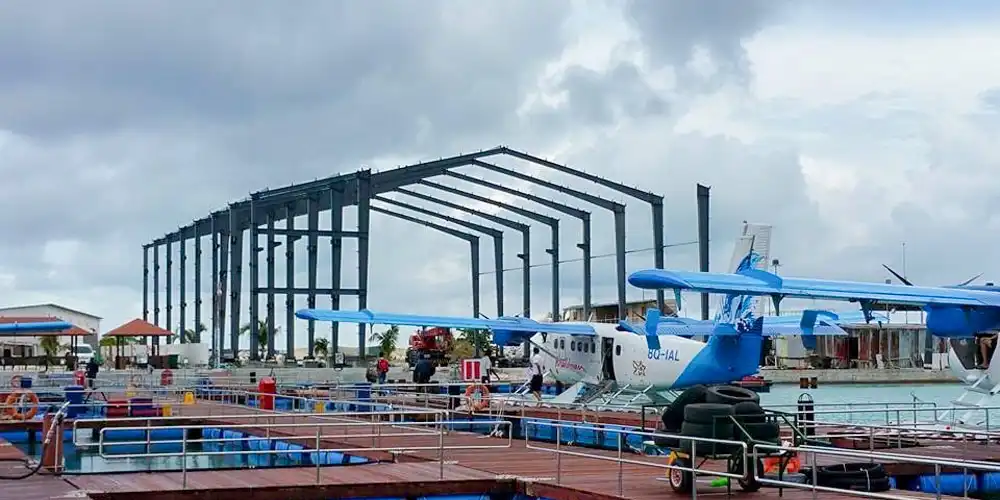
Coastal environments demand enhanced corrosion protection in the Private Jet Steel Hangar. PVDF-coated steel panels withstand salt spray that rapidly degrades standard paint systems. Galvanized structural members resist oxidation in humid marine atmospheres where conventional steel would rust within years.
How Manufacturing Excellence Ensures Project Success
Material approval is the first step in quality control. Mill test reports make sure that the chemical make-up and mechanical qualities of steel are correct, and that the standards meet engineering needs. Using substitute materials or steel that isn't up to code can mess up structural estimates and create safety risks that might not be noticed until a major failure happens.
Accurate measurements during production keep pricey mistakes from happening in the field. Cutting and drilling tools that are controlled by computers make parts that are accurate to within millimetres. This makes sure that bolt patterns line up and members fit together as planned. When things are made by hand, mistakes are made by people that add up over time.
Fit-up problems are found during trial assembly at the factory before the goods are shipped. Big pieces of the frame are briefly put together in the shop to make sure that the links work well and that the shape fits what was planned. Finding problems on-site, where workers are stuck, and flights are delayed, makes the job much more expensive.
Protective packaging keeps parts safe while they are being shipped and stored. Marine-grade wrapping keeps polished areas and connection gear from rusting on the outside. Damage during shipping can slow down the building process and may require new parts to be made and sent separately.
The thoroughness of the documentation helps the process go smoothly. Field workers are led through complicated setups by erection plans, connection details, and assembly processes. Mistakes that need to be taken apart and fixed are caused by paperwork that is missing or incorrect information.
Conclusion
Investing in a properly engineered Private Jet Steel Hangar protects valuable aviation assets while supporting efficient operations for decades. From initial design through final erection, attention to structural integrity, environmental protection, and operational functionality separates adequate shelters from exceptional facilities. Whether you're planning a corporate aviation center, expanding maintenance capabilities, or developing remote airfield infrastructure, steel construction delivers the strength, adaptability, and value that aviation applications demand. Thoughtful planning and experienced manufacturing partners transform complex requirements into reliable, long-lasting structures that safeguard your aircraft investment.
FAQ
1. What factors influence the total cost of hangar construction?
Steel weight requirements dominate material costs, driven by local wind and snow load regulations. Wider clear spans demand heavier columns and rafters. Door system complexity—hydraulic mechanisms cost substantially more than manual sliding doors—affects budgets significantly. Site preparation expenses vary with soil conditions and accessibility.
2. Can hangars accommodate future crane installations?
Overhead lifting systems can be integrated if specified during initial design. Structural engineers strengthen roof beams and add support brackets rated for crane rail loads and hoist capacities. Retrofitting cranes into existing buildings costs more due to reinforcement complexity and operational disruptions.
3. How long does typical hangar construction take?
Timeline depends on project size and complexity. A standard single-bay unit progresses from foundation to operational readiness in 12 to 16 weeks under favorable conditions. Custom multi-bay facilities with specialized systems may require 6 to 9 months. Weather, permitting delays, and site access affect schedules unpredictably.
4. What maintenance does steel framing require?
Annual inspections identify coating damage or connection loosening requiring attention. Repainting exposed areas prevents corrosion progression. Door mechanisms need periodic lubrication and adjustment to maintain smooth operation. Well-maintained steel structures serve reliably for decades with minimal intervention.
Partner with DFX for Your Steel Hangar Project
Director Steel Structure stands ready to deliver custom Private Jet Steel Hangar solutions tailored to your operational requirements and site conditions. Since 2011, our team has engineered and fabricated certified large-span steel structure hangars serving aviation clients worldwide. With ISO9002 quality systems and CE certification, we combine 12 years of specialized experience with 20,000-ton annual production capacity across our 40,000-square-meter facility. Contact jason@bigdirector.com today to discuss your aviation infrastructure project with our engineering team.
References
1. American Institute of Steel Construction. (2020). Steel Construction Manual, 15th Edition. Chicago: AISC Press.
2. National Fire Protection Association. (2019). NFPA 409: Standard on Aircraft Hangars. Quincy: NFPA Publications.
3. Metal Building Manufacturers Association. (2018). Common Industry Practices for Metal Building Systems. Cleveland: MBMA Technical Publications.
4. Federal Aviation Administration. (2021). Advisory Circular 150/5300-13B: Airport Design Standards. Washington: U.S. Department of Transportation.
5. American Welding Society. (2020). AWS D1.1/D1.1M: Structural Welding Code—Steel. Miami: AWS Technical Publications.
6. Parker, J.D., & Mitchell, R.K. (2017). Design and Construction of Modern Steel Aircraft Hangars. Oxford: Aerospace Engineering Press.
Learn about our latest products and discounts through SMS or email