- English
- French
- German
- Portuguese
- Spanish
- Russian
- Japanese
- Korean
- Arabic
- Greek
- German
- Turkish
- Italian
- Danish
- Romanian
- Indonesian
- Czech
- Afrikaans
- Swedish
- Polish
- Basque
- Catalan
- Esperanto
- Hindi
- Lao
- Albanian
- Amharic
- Armenian
- Azerbaijani
- Belarusian
- Bengali
- Bosnian
- Bulgarian
- Cebuano
- Chichewa
- Corsican
- Croatian
- Dutch
- Estonian
- Filipino
- Finnish
- Frisian
- Galician
- Georgian
- Gujarati
- Haitian
- Hausa
- Hawaiian
- Hebrew
- Hmong
- Hungarian
- Icelandic
- Igbo
- Javanese
- Kannada
- Kazakh
- Khmer
- Kurdish
- Kyrgyz
- Latin
- Latvian
- Lithuanian
- Luxembou..
- Macedonian
- Malagasy
- Malay
- Malayalam
- Maltese
- Maori
- Marathi
- Mongolian
- Burmese
- Nepali
- Norwegian
- Pashto
- Persian
- Punjabi
- Serbian
- Sesotho
- Sinhala
- Slovak
- Slovenian
- Somali
- Samoan
- Scots Gaelic
- Shona
- Sindhi
- Sundanese
- Swahili
- Tajik
- Tamil
- Telugu
- Thai
- Ukrainian
- Urdu
- Uzbek
- Vietnamese
- Welsh
- Xhosa
- Yiddish
- Yoruba
- Zulu
Agriculture steel building: an economic choice for farms & ranches
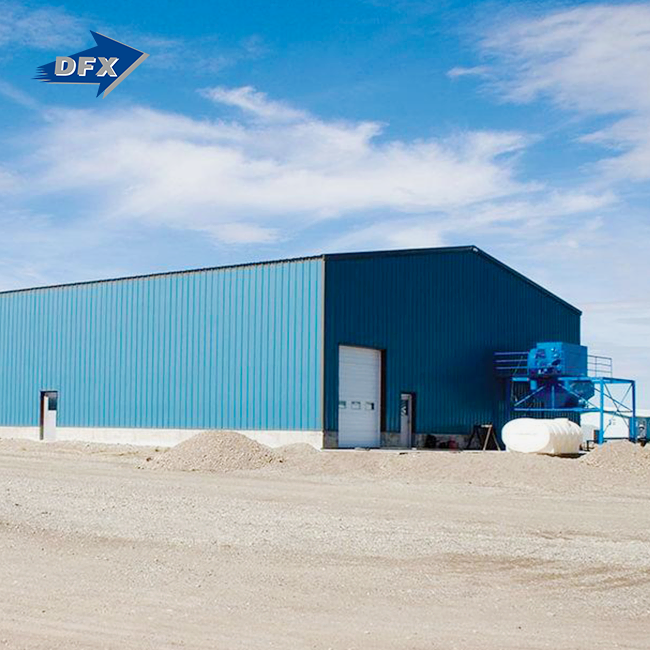
An important change that stands out to me when I look at modern American agriculture is the move toward steel structures. An agricultural steel building gives farms and ranchers what they really need: a solution that is durable, affordable, and adaptable. These buildings are a smart economic choice that fits the needs of real-world farmers, whether you run a dairy farm in Wisconsin or a cow ranch in Texas. Steel buildings are no longer just simple sheds; they are now complete solutions for living animals, storing tools, and running a business more efficiently.

Understanding Agricultural Steel Buildings
What Defines Modern Farm Steel Structures?
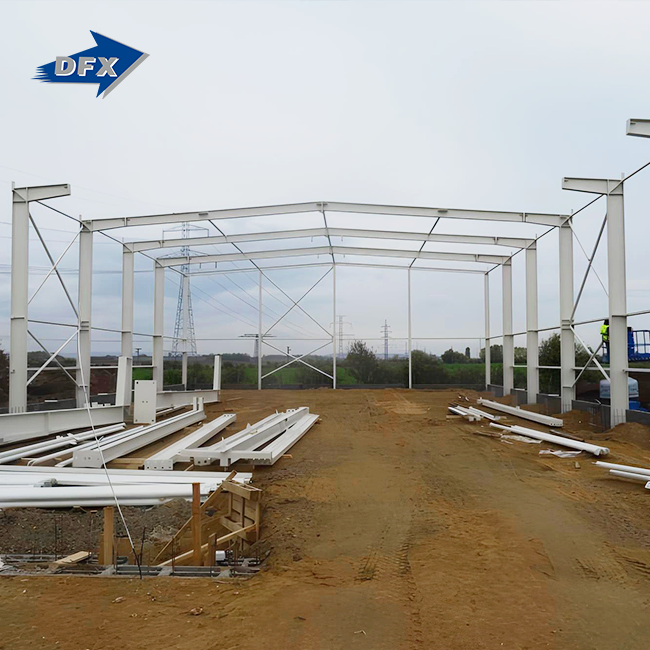
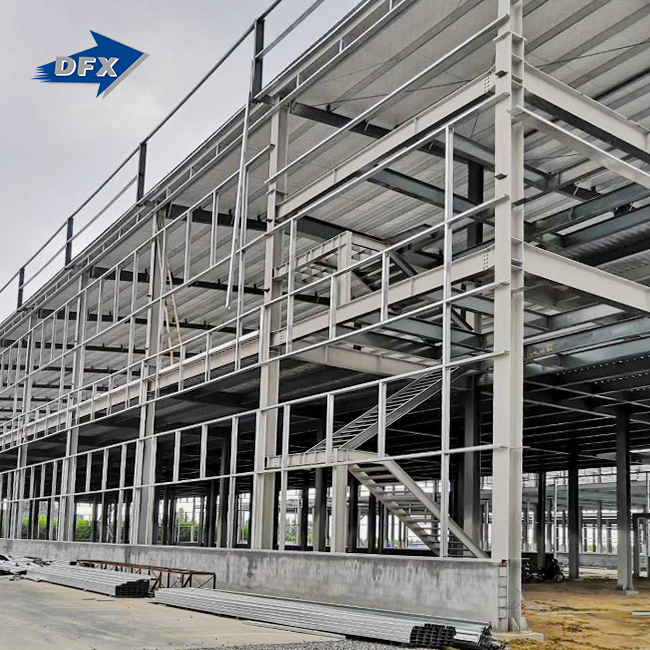
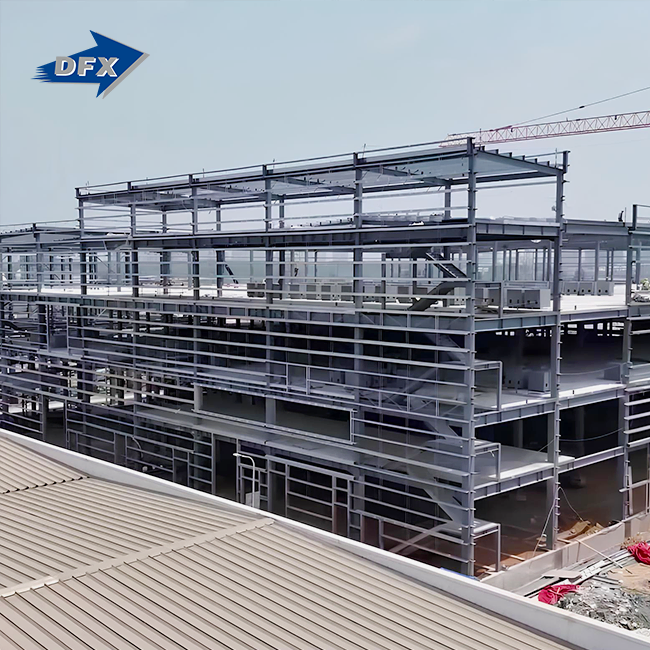
Steel farm buildings are made up of engineered frames made of heavy-duty steel columns and beams that are often built to exact specs. Traditional wooden buildings need to be maintained all the time, but these structures come in modules that are already put together. The corrosion-resistant covering that is put on the parts makes them last even in tough conditions. From working with farm owners, I know that they like how these buildings can be changed to fit different needs, from open shelters for animals to fully covered workshops.
Steel Versus Traditional Construction Materials
For many generations, wooden pole houses worked well for farming, but the comparison shows big differences. Wood breaks down when it gets wet, attracts bugs, and needs to be painted or sealed regularly. Steel frames don't rot, attract bugs, or catch fire, and they stay strong for decades. A well-kept wooden barn might last twenty years, but a steel building that was put together correctly can last forty years or more with little upkeep. When you figure out the lifetime costs, the difference in the starting costs gets a lot smaller.
Design Flexibility for Agricultural Applications
Modern steel buildings can have roofs with different shapes and styles, like gable, single-slope, or monitor styles, which are all suitable for different drainage and air needs. Sandwich panels with polyurethane or rockwool cores can be used as insulation. They create thermal walls that keep the inside of a building at a steady temperature. This is critical for places like chicken coops and dairy farms where controlling the temperature has an effect on the health of the birds or the quality of the milk. Customisation includes where doors go, how big windows are, and how the inside is laid out so farmers can make buildings that work perfectly with their operations.
The Economic Advantages of Steel Buildings for Agriculture
Initial Investment and Long-Term Savings
Cost research shows numbers that are hard to ignore. Steel buildings usually cost between $15 and $30 per square foot, which is about the same as high-quality wooden buildings. Over time, the real saves come from lower upkeep costs. Our factory in China makes agricultural steel buildings that are certified by ISO9003, CE, COC, and PVOC. This makes sure that the quality meets high standards so that repairs aren't needed as often. Delivery usually happens within 25 to 35 days, which is a fair amount of time that fits with how projects are planned.
Termite treatments, wood repair, and painting are not needed, which saves thousands of dollars a year. A 5,000-square-foot steel shelter for animals might cost $100,000 to build, but it could save you more than $50,000 in upkeep costs over 30 years compared to a wooden shelter of the same size. These figures are very important to farm owners who are trying to make ends meet.
Energy Efficiency That Reduces Operating Costs
With the right shielding, steel buildings can be turned into energy-efficient places. Sandwich panel systems make constant thermal barriers that lower the cost of heating in the winter and cooling in the summer. When anti-condensation felt is put on the inside of a roof, it stops water from dripping in wet places, which protects kept goods and animals' health. Based on my figures, well-insulated steel buildings can cut the cost of temperature control by 30–40% compared to structures that aren't insulated. This directly increases the farm's profits.
Procurement Strategies for Maximum Value
Clear specification creation is the first step in smart buying. Before getting prices, be clear about what you need, such as the exact dimensions, door sizes, and amount of insulation you need. When you compare suppliers, don't just look at price; also look at tech support, help with installation, and guarantee coverage. We help our customers find additional farming tools at reasonable prices, which speeds up the whole process of building infrastructure. Knowing the types of materials gives you more negotiating power. Set minimum steel thickness and finishing standards to avoid getting low-quality materials. Before shipping, make sure the quality by asking for mill test records and finishing thickness reports.
Building and Maintaining Agricultural Steel Buildings
Site Preparation and Foundation Requirements
A successful installation begins below ground. Soil testing finds out how much weight the soil can hold and how well it drains, which helps with designing the base. For protected buildings with smooth floors, concrete slab supports work well. For open shelters where drainage through the floor area is good for animal comfort, pier or footing systems work well. The base has to be able to withstand wind rise, which is especially important in places where bad weather is common. When you grade a spot correctly, water doesn't build up and threaten the security of your building.
Installation Considerations and Timeline
The modular portal frame form of steel buildings makes them easier to put together than standard buildings. Usually, special tools are needed to build farming facilities. We provide thorough plans that make installation quick and easy, just the way you want it. Most farming projects are finished by professional installation teams in two to four weeks, based on how big and complicated they are. For smaller structures, you can still put them together yourself, but having a professional do it lowers the chance of making mistakes that could weaken the structure. The relatively simple layout of cattle housing makes it very easy for experienced teams to put together.
Maintenance Best Practices for Longevity
Steel buildings need little upkeep, but it's important to do it. Fastener tightness, coating state, and seal integrity around holes should all be checked once a year. Our normal galvanization does a great job of protecting things, but sites that store chemicals or fertilizers would benefit from an extra epoxy zinc-rich primer that doesn't rust. Fix any damage to the cover right away to stop rust from spreading. Cleaning garbage out of roof valleys and making sure drainage systems work right stop water from pooling, which speeds up the damage. These easy steps, which only take a few hours a year, will protect your investment for decades.
Comparing Agricultural Steel Building Solutions
Leading Industry Providers and Their Offerings
When big American brands worked with farmers for many years, they built good names. Most of the time, these businesses have strong guarantees, large networks of dealers, and a history of success. Their prices represent their high-end positioning; they are usually 20–30% more expensive than foreign alternatives. Value proposals from international makers like Qingdao Director Steel Structure Co., Ltd. are very strong. We've been in business since 2011 and have over 200 trained employees who work in 40,000 square meters of room. Our six automatic riveted H-beam lines make about 20,000 tons of steel each year, and our sandwich panel and corrugated sheet lines make whole building shell systems.
Prefabricated Versus Custom-Engineered Models
When it comes to standard uses, prefabricated solutions save time and money. The sizes and shapes of these buildings are already set, which cuts down on planning time and makes buying them easier. When practical needs call for specific spans, door configurations, or interaction with existing buildings, custom engineering is needed. We have an in-house building design and detailing service that lets us come up with unique answers to problems like odd site conditions, room for growth, or special equipment needs. The choice relies on how well standard offers meet your needs. Custom work usually adds 15–25% to base costs but gives you exactly what you need.
Client Feedback and Reliability Indicators
B2B customers always put provider dependability ahead of small cost savings. Professional providers are different from problematic ones because they stick to delivery dates, offer quick expert help, and keep quality high. Our steadily growing customer base shows that they are happy with the quality and dependability of our services. References from similar projects can be very helpful; ask customers who built similar buildings for their contact information. Check the financial security and production capabilities of your suppliers to make sure they can keep their promises. Companies with long histories, large production centers, and quality certifications are less risky to buy from than younger companies that haven't been around for long.
How to Choose the Right Agricultural Steel Building for Your Farm or Ranch?
Matching Buildings to Specific Agricultural Applications
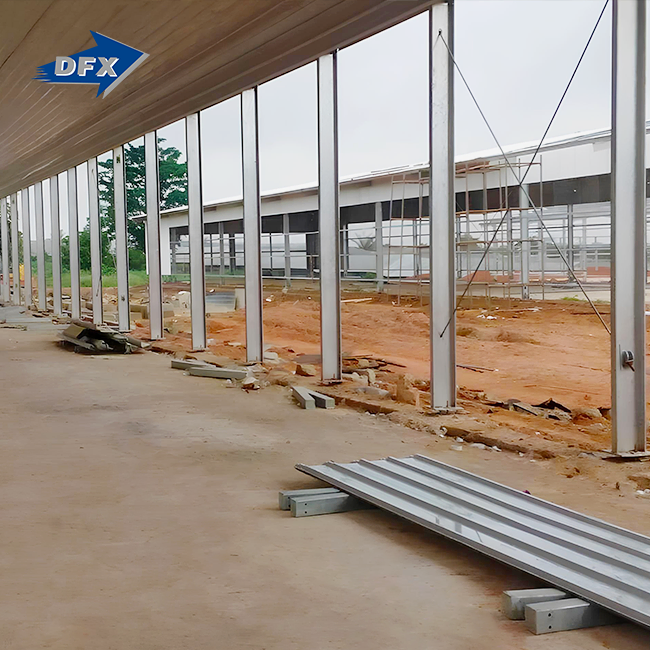
Different types of farming require different building features. Cattle and dairy farms need open or partially covered plans that let in as much natural air as possible while still protecting them from the weather. Our animal shelters are made with heavy-duty steel poles and beams that have been coated to prevent corrosion. This makes them perfect for harsh settings. For poultry businesses to work, buildings must be completely covered, insulated, and able to keep the temperature exactly right. With the right changes for each species, this agricultural steel building can be used to raise chickens, pigs, horses, and other animals. Clear span room and big door openings that can fit modern machinery are important in equipment storage buildings. Make sure you clearly define your main use, as this will affect every other design choice you make.
Budget Alignment and Return on Investment
To make a realistic budget, you need to know how much the whole project will cost, including the base, building materials, installation, electricity, and permits. A common way to save money on steel buildings is to build them in stages. First, the basic frame is put up, and then covering or finishing the inside as money allows. Find the return on investment by putting a number on the benefits, such as fewer animals dying because of better housing, fewer repairs on equipment because of safe storage, or higher productivity from a better-organized workplace. On a 500-acre farm, a $75,000 house that protects machines from the weather and extends its life by five years is a clear investment.
Supplier Evaluation and Partnership Criteria
Check sellers out as possible long-term partners as well as the quality of their products. We offer combined engineering design, fabrication, and erection guidance services that make project planning easier. This "turnkey" method makes things easier for farm owners who have a lot of duties to do. Check how quick the seller is by asking questions at the beginning. If communication is slow during sales, it's likely that help will be poor after the purchase. Our team at DFX knows that customers in the farming sector need clear answers about what structures can do, how they can be customized, and when they can expect to receive them. Companies that show they know a lot about agriculture through specific case studies and technical know-how are more valuable than general building suppliers.
Scalability and Future Expansion
The flexible portal frame design lets you take down end walls and add new bays along the length of the building. This makes steel buildings investments that can be used as businesses grow. When planning the initial design, think about what you might need in the future. Adding 20% more space during construction is much cheaper than adding on later. Clear span designs that don't have internal posts give you the most freedom to change tools or ways of doing things. If farmers change how they farm, like by using new technology or growing different kinds of crops, they won't have to spend a lot of money fixing everything. This option to expand is a strategic benefit because it lets your buildings grow with your business.
Conclusion
Agricultural steel buildings have been shown to be more cost-effective than wooden buildings because they last longer, are more durable, and can be used in a variety of ways. Steel solutions give modern farms the dependability they need for everything from living animals to storing tools. When you consider how little these buildings cost to build, how long they last, and how little upkeep they need, they make perfect choices for agricultural infrastructure. We can help farms and ranchers build infrastructure that makes them more productive and profitable because we have a lot of experience making steel buildings for farming uses, are certified internationally, and offer full support services. Choosing to put money into high-quality steel building shows a dedication to long-term business success over short-term cost savings.
FAQ
1. What Should I Expect to Pay for an Agricultural Steel Building?
Prices change based on features, customization, and size. Simple open houses for animals cost $15 to $20 per square foot, while fully insulated, covered buildings cost $25 to $35 per square foot, which includes the cost of installation. A 3,000-square-foot chicken coop usually costs between $75,000 and $90,000. Depending on the dirt, foundation prices can add $5 to $8 per square foot. Ask for thorough quotes that list all the parts so that you can make accurate comparisons for your agricultural steel building.
2. How Do Steel Buildings Handle Condensation Problems?
To stop condensation, you need to make sure there is enough shielding and air flow. On the inside of the roof, we suggest using anti-condensation felt or sandwich panels with polyurethane or rockwool cores for insulation. These make thermal breaks that stop water from dripping and damaging stored equipment or animal health. Ventilation through roof vents and sidewall holes lets wetness escape, which is especially important in humid places.
3. Can Steel Buildings Expand as My Operation Grows?
The flexible structure makes it easy to add on. To make the building longer, take down the end walls and add new structure bays. Because they can be expanded, steel buildings are great long-term investments that can be changed to meet new needs without having to be rebuilt from scratch. Plan for growth during the initial planning phase by making sure there is enough room on the site and support for the foundation for future additions.
Partner with DFX for Your Agricultural Steel Building Needs
Decisions about agricultural infrastructure can have long-lasting effects on your business, so you need sellers who know what it's like to be a farmer and can provide solid solutions. DFX makes agricultural steel buildings that are made to handle the problems that farms and fields face every day. Our ISO9003, CE, COC, and PVOC certifications prove that we meet quality standards. Our 40,000-square-meter production building and 12 years of experience also show that we can keep our promises. Our engineering team creates solutions that meet all of your needs, whether you need a place to house animals, a place to store tools, or a unique building for farming. We help with everything, from planning to installation, which makes it easier to coordinate your project. Get in touch with jason@bigdirector.com right away to talk about your requirements with sellers who have experience and understand your industry. You can learn more about what we can do at dafanggangjiegou.aixdb.cn and see why more and more farming customers are choosing DFX to make their steel buildings.
References
1. Midwest Plan Service. "Structures and Environment Handbook: Agricultural Engineering." MWPS-1, 15th Edition, Iowa State University.
2. American Institute of Steel Construction. "Steel Building Design: Design Data and Considerations for Agricultural Structures. " AISC Design Guide Series, Chicago, Illinois.
3. National Agricultural Statistics Service. "Farm and Ranch Irrigation Survey: Infrastructure Investment Patterns." United States Department of Agriculture, Census of Agriculture Special Studies.
4. Brock, J.L. "Economic Analysis of Building Materials for Agricultural Structures: Life Cycle Cost Comparison." Journal of Agricultural Engineering Research, Vol. 78, Issue 3.
5. Steel Construction Institute. "Design of Portal Frame Buildings: Technical Standards for Agricultural Applications. " SCI Publication P399, Fourth Edition, Ascot, United Kingdom.
6. Extension: Agricultural Engineering Department. "Planning Animal Housing Facilities: Design and Material Selection Guidelines." Cooperative Extension Service, Land-Grant University System Agricultural Publications.
Learn about our latest products and discounts through SMS or email