- English
- French
- German
- Portuguese
- Spanish
- Russian
- Japanese
- Korean
- Arabic
- Greek
- German
- Turkish
- Italian
- Danish
- Romanian
- Indonesian
- Czech
- Afrikaans
- Swedish
- Polish
- Basque
- Catalan
- Esperanto
- Hindi
- Lao
- Albanian
- Amharic
- Armenian
- Azerbaijani
- Belarusian
- Bengali
- Bosnian
- Bulgarian
- Cebuano
- Chichewa
- Corsican
- Croatian
- Dutch
- Estonian
- Filipino
- Finnish
- Frisian
- Galician
- Georgian
- Gujarati
- Haitian
- Hausa
- Hawaiian
- Hebrew
- Hmong
- Hungarian
- Icelandic
- Igbo
- Javanese
- Kannada
- Kazakh
- Khmer
- Kurdish
- Kyrgyz
- Latin
- Latvian
- Lithuanian
- Luxembou..
- Macedonian
- Malagasy
- Malay
- Malayalam
- Maltese
- Maori
- Marathi
- Mongolian
- Burmese
- Nepali
- Norwegian
- Pashto
- Persian
- Punjabi
- Serbian
- Sesotho
- Sinhala
- Slovak
- Slovenian
- Somali
- Samoan
- Scots Gaelic
- Shona
- Sindhi
- Sundanese
- Swahili
- Tajik
- Tamil
- Telugu
- Thai
- Ukrainian
- Urdu
- Uzbek
- Vietnamese
- Welsh
- Xhosa
- Yiddish
- Yoruba
- Zulu
Steel Structure Garage vs. Wood: Which Lasts Longer?
A steel structure garage usually lasts 40 to 50 years, while a wooden garage only lasts 15 to 25 years. Steel's natural resistance to rot, bugs, fire, and weather damage is the main reason. Modern steel structure garages made with hot-dip galvanization and advanced protection coatings can survive harsh weather that would destroy wooden structures in just a few seasons. When procurement managers look at long-term infrastructure investments, this advantage in durability directly turns into lower lifetime costs and fewer business disruptions.

Understanding the Durability Challenge: Steel Structure Garage vs. Wood
To pick the right material for your garage, you need to know how the structure affects how well it works over time. Project managers and procurement workers are under more and more pressure to keep commercial and industrial sites running smoothly while also cutting down on maintenance costs.
Core Material Properties Affecting Garage Longevity
There are biological weaknesses in wooden sheds that steel buildings don't have. Moisture getting into wood makes it swell, warp, and finally rot, especially in places that are wet or that get a lot of rain. Termites and other insects that eat wood are also dangers that can weaken a building in just a few years. Even treated wood needs to be chemically applied on a regular basis to keep it safe.
These biological issues are not a problem at all with steel-frame methods. Prefabricated steel structure garages usually have zinc purlins that don't rust and main frames made of Q355B grade steel, which has a peak strength of more than 355 MPa. The small steel-framed building design with light H-section or square tube construction can hold a lot of weight without the problems that come with using natural materials.
Weather Resistance and Environmental Performance
Steel is very good at withstanding harsh weather, which is especially helpful for coastal sites and activities that are in areas with extreme temperatures. Hot-dip galvanisation adds a protective zinc layer (at least 85 μm thick) that stops rust from forming, even when exposed to salt air or industrial pollutants for long periods. This resistance to corrosion directly extends service life and gets rid of the need for expensive protection treatments on wooden buildings.
Safety from fire is another important difference. Class A fire resistance scores are achieved by steel structures with rockwool insulation. This is important for buildings that store valuable equipment or materials that can catch fire. Because wood can catch fire, it raises insurance rates and causes worries about liability. This is a hidden cost that buying teams must take into account when figuring out total ownership costs.
Comparative Analysis: Lifespan and Maintenance Requirements
Industry data regularly shows that steel lasts longer in a wide range of settings, from commercial car repair shops to farm storage facilities. Lifecycle cost estimates are more accurate when you know about these changes in performance.
Expected Service Life Comparison
Steel structure garages usually last 40 to 50 years or more if they are built to the right standards and kept in line with basic rules. Director Steel Structure Co., Ltd. has been a leader in structural steel manufacturing for over 12 years, and we can promise that properly galvanised frames will never rust as long as they are inspected regularly.
In ideal conditions, a wooden shed should last between 15 and 25 years. Bad weather makes things get worse much faster. Operations in places with a lot of snow, hurricane-force winds, or high humidity for a long time often see structure damage within the first ten years. This shorter life span leads to replacement cycles that mess up operations and use up capital budgets in unpredictable ways.
Maintenance Demands and Associated Costs
The difference in maintenance costs between steel and wood buildings has a big effect on the total cost of ownership estimates. Wooden sheds need to be fixed up on a regular basis to keep their basic structure sound. Painting or coloring the outside of the wood every year or every other year is one way to keep wetness out. Other ways are to seal gaps and cracks that form when wood expands and contracts, use pesticides to keep termites away, and replace boards that have been damaged by rot or insects.
In contrast, steel buildings don't need much upkeep over time. Every two to three years, protective coatings should be looked at visually. High-strength bolts should be checked and tightened at connection points. Roof drainage systems should be cleared of waste, and any damage to the coating should be treated on the spot. These simpler upkeep plans cut down on the amount of work that needs to be done and get rid of the ongoing material costs that come with preserving wood.
A factory in the Philippines that we provided said that their upkeep costs were 60% lower over five years than they were with their old wooden warehouses. This drop in costs directly made business budgets better and freed up resources that could be used to increase production capability.
Structural and Design Flexibility: How Material Choice Impacts Garage Lifespan
Choosing the right materials has a big effect on both the original design options and the long-term performance of a structure. Steel's engineering benefits make it possible to build in ways that wood building just can't safely do.
Clear Span Capabilities and Space Optimization
Industrial operations consistently say that internal columns that get in the way are the biggest problem with typical garage building. To keep their load-bearing ability, wooden buildings need support columns every so often. This makes it hard for vehicles and equipment to move around and set up.
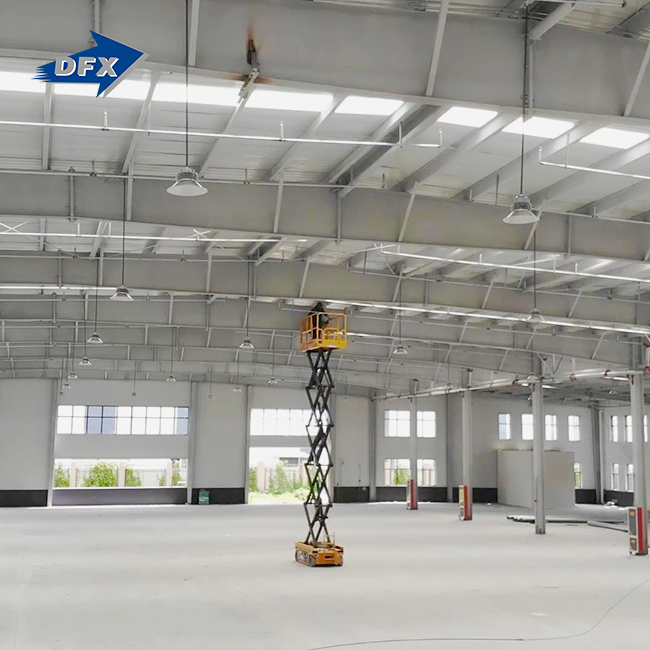
Steel frame systems can have clear spans of more than 60 meters without the need for intermediate columns. This feature is a huge advantage for factories, industrial steel buildings, and airplane hangars. This clear interior area maximizes useful square footage and makes it easier to organize workflow. Flexible plans that can adapt to changing inventory setups without structural changes are especially helpful for equipment storage facilities.
Modular Design and Expansion Potential
Prefabricated steel building systems can be expanded in a way that wooden structures can't, which saves money. At Director Steel, we use PKPM and Tekla Structures tools for computer-aided design services that help us make things. This lets us do accurate engineering estimates for future growth stages during the initial project design.
This ability to plan ahead is very helpful for manufacturing businesses that are growing. Steel structure garages can add more production lines by adding simple frame additions that don't change the structure of the buildings that are already there. The 100% bolted connection method means that there is no need for on-site welding, so increases can happen without stopping work in areas next to them.
Load Calculation Precision for Extreme Conditions
Precision in engineering has a direct effect on how long a structure lasts when it has to deal with tough weather loads. Because steel's mechanical features are predictable, it is possible to make correct estimates for wind speeds over 120 km/h, snow loads greater than 0.5 kN/m², and seismic action up to Grade 8 resistance. These engineered standards make sure that buildings work safely for their whole useful lives without breaking down in strange ways.
Wooden car frames aren't as good at this kind of math. Wood has different dynamic properties because its density, moisture content, and grain patterns are all different. This makes it harder to do accurate engineering research. Because of this, people often have to overbuild to be safe, which raises the cost of materials without ensuring long-term performance.
Environmental and Cost Considerations for Procurement Decisions
A thorough procurement analysis weighs the original investment against the value over the project's lifetime, taking into account the need for sustainability that is becoming more and more important in building projects.
Total Cost of Ownership Analysis
When compared to basic wooden buildings, China steel structure garages usually have higher upfront material costs, which can make people hesitant to buy them at first. When upkeep costs, replacement cycles, and costs for business interruption are taken into account, however, total cost of ownership estimates always favour steel.
A poultry farm in Australia that we gave information to said that their steel-structured poultry houses saved them money over the course of their lifetime, even though they cost 25% more to build at first than similar wooden buildings. This was because they didn't need as much maintenance and were better at controlling the temperature. The better insulation of the buildings, made possible by polyurethane or rockwool sandwich panels, cut heating and cooling costs by about 30% a year.
Recyclability and Environmental Impact
As more companies accept green building standards and pledge to cut carbon emissions, sustainability factors are becoming more important in their purchasing decisions. Through material lifetime management, steel buildings have big environmental benefits.
Steel is still one of the most recycled materials in the world. Old structure parts still have a lot of worth as scrap and don't need much work to be used in new products. This ability to be recycled fits with the ideas of the circular economy and has less of an effect on the environment than wooden buildings, which usually end up in dumps or are burnt.
Responsible sourcing practices combined with steel's longevity create favorable lifecycle carbon footprints. The longer service life spreads out the pollution from manufacturing over many years of useful use, and the lack of upkeep treatments means that wood preservatives and protective coatings don't have to be used, which is better for the environment.
Insurance and Risk Management Factors
Costs linked to risk have a big effect on overall ownership costs, but they aren't always given enough attention during the initial evaluation of a procurement. Steel buildings usually have lower insurance rates than wooden ones because they are less likely to catch fire, last longer, and be damaged by pests. This is especially true for buildings that store important tools or inventory.
Our ISO9001, CE, COC, and PVOC certifications give buying teams written proof that we follow the rules, which makes the insurance underwriting and governmental approval processes easier. These widely known standards lower risk premiums and speed up the approval process for projects in a wide range of countries.
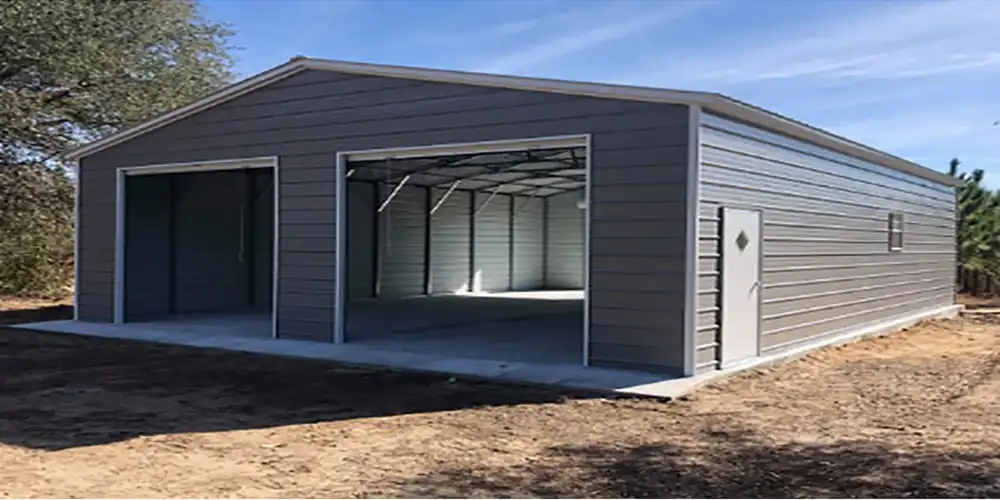
Choosing the Right Garage Structure for Your Business: Practical Decision Support
To choose the right materials, you need to make sure that the structural strengths match the specific practical needs, all while keeping price and time constraints in mind.
Assessment Criteria for Procurement Teams
There are a few important things that should lead your review. Conditions in the operational area, such as extreme weather, corrosive conditions, and the chance of earthquakes, have a big impact on the choice of materials that should be used. Steel's designed resilience is especially useful for buildings in hurricane-prone areas, places with a lot of snow, or along the coast.
The choice of structure system should be based on functional needs, such as the need for clear spans, specific ceiling heights, and the likelihood of future growth. Steel buildings can do things that wooden alternatives can't safely do, like allow for unobstructed inner rooms or heavy overhead crane systems.
Instead of just looking at the original building costs, budget parameters need to include all costs over the project's life. When maintenance, replacement cycles, and business disruption costs are properly measured, procurement managers are becoming more aware that the lowest first cost rarely offers the best value for a steel-structure garage.
Application-Specific Recommendations
Steel is good for commercial car repair and service shops because it can handle hydraulic lifts, overhead cranes, and high eave heights without weakening the structure. The wide clear spans make it easy for cars and equipment to move around without any problems. This increases working efficiency and worker safety.
Heavy-duty industrial fleet storage needs structure systems that are designed to handle certain weather conditions. Steel building meets the exact technical requirements for places like chemical processing plants, mining sites, and coastal logistics hubs that need special anti-corrosion treatments and calculations for stronger structures.
Agricultural activities, such as chicken coops, barns for animals, and places to store farm tools, get the most out of steel structures that don't break down biologically and can support advanced temperature control systems. Our farming clients always say that steel buildings are better for animal health and have lower death rates than standard wooden barns.
Conclusion
Steel structure garages clearly last longer than wooden ones in almost all performance measures that are important for business and industry settings. The expected service life of 40 to 50 years, low upkeep needs, better resistance to weather factors, and design flexibility make the lifetime value propositions strong enough to support higher initial investment costs. When purchasing garage infrastructure for factories, farms, business service centers, or industrial storage, procurement professionals find that steel buildings offer real benefits in terms of durability, working efficiency, and total cost of ownership. Prefabricated steel building systems meet the main needs that affect choices about buying modern infrastructure because they are precisely engineered, can be put together quickly, and can be customized.
FAQ
1. What is the expected service life difference between steel and wood garages?
Steel structure garages can last more than 40 to 50 years if they are properly galvanized and inspected regularly. On the other hand, wooden garages will only last 15 to 25 years, based on the weather and how much care they get. This difference in life comes from the fact that steel is more resistant to rot, pest damage, and fire, all of which weaken wooden buildings over time, no matter what treatments are used.
2. How do maintenance costs compare over the garage lifespan?
Wooden sheds need to be treated every year or every other year with things like painting, sealing, bug control, and replacing parts as they break. These regular costs add up to a lot over many years. Steel garages don't need much maintenance—just checking the coating and bolts every two to three years—so their lifetime maintenance costs are usually 50 to 70 percent less than those of similar wooden buildings.
3. Can steel garages be customized for specific industrial applications?
Modern steel frame systems can be changed in many ways thanks to flexible design. During the early stages of planning, clear span configurations of up to 60 meters, variable eave heights, combined crane systems, specialized insulation packages, and plans for future growth can all be planned for. This adaptability meets a wide range of needs, from buildings for maintaining vehicles to warehouses for farming equipment.
Partner with DFX for Durable Steel Structure Garage Solutions
Director Steel Structure Co., Ltd. (DFX) has been providing reliable steel structure garage solutions to business, industry, and farming clients around the world since 2011. Our factory in Qingdao is ISO9001-certified and has 40,000 square meters of production space. It has advanced automatic welding lines and tech teams that work only on their projects. From designing the structure to making it and helping with the placement, we offer a full range of services to make sure your garage project meets all of your needs for durability and performance. As a steel structure garage maker with a lot of experience, CE approval, and full quality assurance, we know how hard it is for project managers and operations directors to find the right materials. Get in touch with jason@bigdirector.com right away for a personalized review and specific quotes that are made to fit the needs of your business.
References
1. American Institute of Steel Construction (AISC), "Design Guide for Steel Frame Construction in Industrial Buildings," 2021.
2. National Association of Home Builders Research Center, "Comparative Durability Study: Steel vs Wood Frame Structures", 2019.
3. International Building Code (IBC), "Structural Load Requirements and Material Performance Standards", 2021 Edition.
4. Journal of Construction Engineering and Management, "Lifecycle Cost Analysis of Commercial Garage Structures: Material Comparison Study," Vol. 148, 2022.
5. Metal Building Manufacturers Association (MBMA), "Low-Rise Building Systems Performance Guidelines," 2020.
6. Building Research Establishment (BRE), "Long-term Performance of Steel and Timber Building Frames in Variable Climate Conditions", 2020.
Learn about our latest products and discounts through SMS or email