- English
- French
- German
- Portuguese
- Spanish
- Russian
- Japanese
- Korean
- Arabic
- Greek
- German
- Turkish
- Italian
- Danish
- Romanian
- Indonesian
- Czech
- Afrikaans
- Swedish
- Polish
- Basque
- Catalan
- Esperanto
- Hindi
- Lao
- Albanian
- Amharic
- Armenian
- Azerbaijani
- Belarusian
- Bengali
- Bosnian
- Bulgarian
- Cebuano
- Chichewa
- Corsican
- Croatian
- Dutch
- Estonian
- Filipino
- Finnish
- Frisian
- Galician
- Georgian
- Gujarati
- Haitian
- Hausa
- Hawaiian
- Hebrew
- Hmong
- Hungarian
- Icelandic
- Igbo
- Javanese
- Kannada
- Kazakh
- Khmer
- Kurdish
- Kyrgyz
- Latin
- Latvian
- Lithuanian
- Luxembou..
- Macedonian
- Malagasy
- Malay
- Malayalam
- Maltese
- Maori
- Marathi
- Mongolian
- Burmese
- Nepali
- Norwegian
- Pashto
- Persian
- Punjabi
- Serbian
- Sesotho
- Sinhala
- Slovak
- Slovenian
- Somali
- Samoan
- Scots Gaelic
- Shona
- Sindhi
- Sundanese
- Swahili
- Tajik
- Tamil
- Telugu
- Thai
- Ukrainian
- Urdu
- Uzbek
- Vietnamese
- Welsh
- Xhosa
- Yiddish
- Yoruba
- Zulu
Prefabricated Steel Workshop Building: Sizes & Span Options
If you want to make an industrial building, a prefabricated steel workshop building is already a step ahead of the rest. These buildings provide modern businesses with the freedom and cost-effectiveness they need, as long as they are the right size. Getting the span and measurements right has a direct effect on how much floor room you use, how much weight the crane can lift, and your long-term operating expenses. If you're a project manager in charge of an EPC contract or a factory operations head planning a new production line, you need to know about the different sizes and spans that are available. We've worked with contractors in industry, agriculture, and building, and we've seen how the right setup can change budgets and timelines. This guide explains everything, from technical details to choosing a seller. It gives you the information you need to ensure your purchasing decisions align with your project goals and practical needs.

Understanding Prefabricated Steel Workshop Buildings
What Makes Prefabricated Steel Workshops Different?
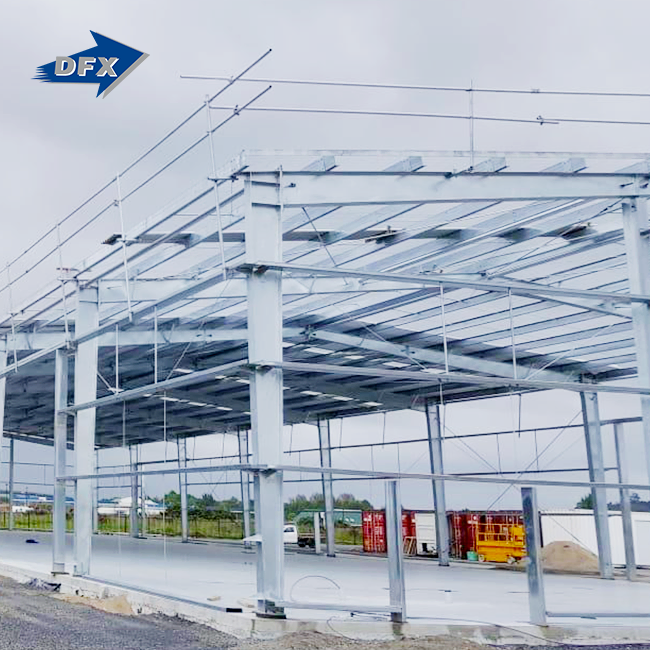
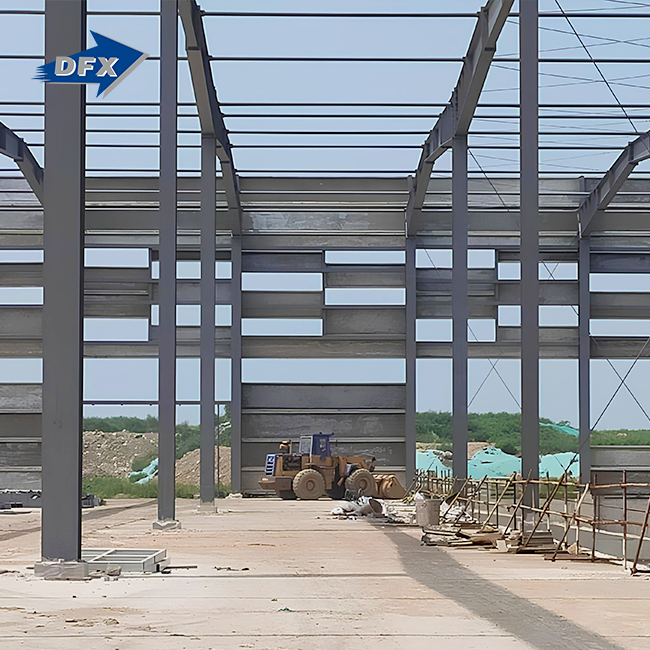
A prefabricated steel workshop building is a pre-designed structure whose main parts—high-quality Q235 or Q355 steel H-section columns and beams that are welded—are made, cut, drilled, and welded in a controlled factory setting before being sent to your construction site. This method resolves long-lasting problems in the business that standard building methods have trouble with. Foundation work and steel manufacturing happen at the same time, which cuts project timelines by 30 to 50 percent and gets rid of unpredictable plans. Factory-controlled Submerged Arc Welding gets rid of flaws caused by weather or mistakes made by hand on-site, so there are no more quality problems. Computer-aided design optimization cuts down on material waste, which means that cost overruns are much less likely to happen. This gives you a fixed-cost answer for your large-scale commercial needs.
Core Components and System Advantages
The system is based on a pre-engineered building framework that combines main structural pieces with minor parts such as C/Z purlins and bracing systems. Automatic welded H-beam production lines are used in factories to make sure that the products are always precise and consistent. Some types of steel, like Q355B or ASTM A572 Gr50, have a yield strength of 345 MPa or more, which means they can hold a lot of weight. Galvanized steel with zinc covering weights ranging from 120 g/m² to 275 g/m² is used for secondary parts to keep them from rusting. Shot blasting to the Sa 2.5 standard, followed by epoxy zinc-rich primers and polyurethane topcoats, is one way to treat the surface. For tough settings, hot-dip galvanizing is another option. Because it's strong for its weight, it can span more than 60 meters without any internal beams, which makes the most of your useful floor space. You can recycle all of the material, and the plans are in line with international standards like AISC, Eurocode 3, and GB 50017. This gives you peace of mind about the safety of the structure and following the rules.
Sizes and Span Options: Key Dimensions Explained
Standard Width and Length Configurations
For single-span designs, workshop widths are usually between 12 and 36 meters. For multi-span designs, however, they can go much wider to handle large activities. With modular bay extensions, you can add almost any length you need. Usually, you can choose between 6-meter and 9-meter steps to fit your production plan. A normal factory might use a 24-meter width that goes for 60 meters, while logistics centers usually like 30-meter widths that go for 100 meters or more. Usually, eave heights range from 4 meters to 12 meters, but the exact height depends on the size of your equipment, how much space you need for the crane, and how much airflow you need. Overhead bridge cranes with capacities ranging from 5 tons to 100 tons are supported by taller structures. These cranes are necessary for making big tools or processing steel.
Understanding Single-Span vs. Multi-Span Layouts
Single-span buildings have one continuous roof and no center beams. They are useful for clearing space for large equipment or arranging your workstation. Buildings with many spans use internal beams to create parallel bays. This is cheaper for larger buildings and keeps open spaces within each span. Your operational goals will determine your option. A single span allows the maximum freedom but requires stronger (and possibly more expensive) primary framing. Multi-span reduces steel mass and cost but adds column rows that make equipment placement and material movement tougher.
Customization Based on Application Requirements
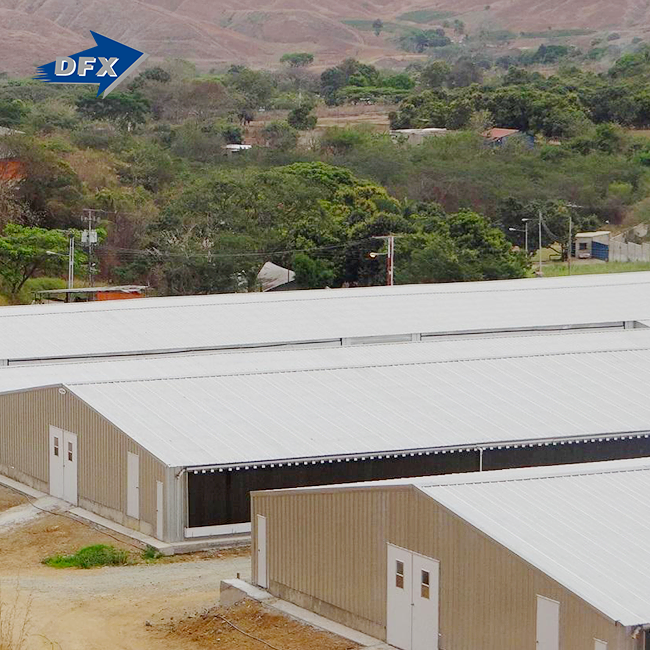
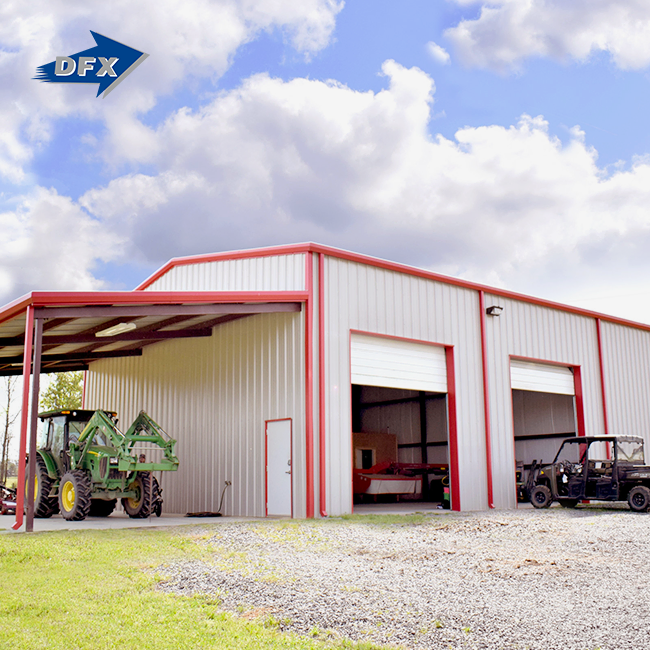
To handle the shaking and fatigue loads that come from high cranes, heavy machinery plants need runway beams and bracket systems that are stronger. Chemical processing plants need special chlorinated rubber or fluorocarbon coats that don't rust. They also need walls inside to separate dangerous areas from assembly areas. Agricultural buildings put ventilation and insulation at the top of their list of priorities for controlling the temperature in homes for chickens or animals. Remote mining camps can be set up quickly and easily in deserts, high-altitude areas, or offshore sites thanks to flexible bolt-together assembly that doesn't require water or a lot of welding on-site.
Comparing Prefabricated Steel Workshops with Traditional Workshop Structures
Speed and Efficiency Advantages
Buildings with prefabricated steel construction are finished in a fraction of the time that traditional methods take. For medium-sized facilities, traditional concrete workshops need long drying times and building stages that happen one after the other. This can take anywhere from 12 to 18 months. Because fabrication in the plant and site preparation happen at the same time, steel workshops cut this time down to 4 to 6 months from design to finish. Wooden buildings are faster, but they don't last long or fight fire, so they can't be used in industrial settings where heat, sparks, or chemicals are present. The bolt-together assembly of steel parts means that weather delays are kept to a minimum, plans are kept to, and you get your money back faster.
Cost-Efficiency and Lifecycle Value
At first glance, steel may seem like a more expensive material than wood, but a lifetime study shows that it is actually a better investment. Steel doesn't need much care other than regular checks and touch-ups to its finish. Wood, on the other hand, needs treatments to keep it from rotting, pests, and warping. Due to heavy dead loads, foundation costs are higher for concrete buildings. On the other hand, steel's lighter weight lowers the need for foundations and the costs that come with them. Insurance rates are usually lower for steel buildings because they don't catch fire and are strong. Integration of efficient insulation, such as sandwich panels with polyurethane, rockwool, or glass wool bases and thermal break tapes that stop heat loss and dampness, lowers energy costs.
Durability and Environmental Performance
Workshop auto costs are better able to handle earthquakes than brick or concrete ones because they are more flexible, which lets the energy escape during an earthquake. They are resistant to pest damage that weakens wooden buildings and don't crack or flake like concrete does when it freezes and thaws. Environmental qualities include being fully recyclable at the end of its life, having little building waste, and having a smaller carbon footprint when buying from companies that use electric arc furnaces to make their products. Steel structures with good finishes can last 50 years or more if they are well taken care of. They last longer than wooden structures and as long as or longer than concrete structures at a lower total cost of ownership.
Procurement Insights: Cost, Lead Time, and Supplier Selection
Cost Factors and Budget Planning
Total spending depends on more than steel purchases. Longer clear spans require larger primary members, which raises material and labor costs. Building height affects wind and snow loads, which may require greater protection. Choosing fiberglass batts or high-end sandwich panels for insulation affects your daily energy bills. Crane systems have unique runway beams and supports, and their price depends on their capacity and length. Cladding like curved steel sheets or hot metal panels affects a building's initial cost and maintenance. Customization for poisonous circumstances, blast-resistant design, or specialized loading increases engineering and material costs but ensures safety and longevity.
Depending on complexity and plant volume, made-to-order buildings require 25–45 days. Shipping within the U.S. may take an extra one to two weeks, but internationally it may take four to six weeks. Site preparation must coincide with steel delivery to avoid costly delays. Misalignment requires expensive chemical bolting; therefore, anchor bolt placement is crucial. We provide exact templates to solve this common issue. During peak building seasons, contractors may be scarce or more expensive. Buy off-peak to save money and finish faster.
Evaluating Suppliers and Manufacturing Capabilities
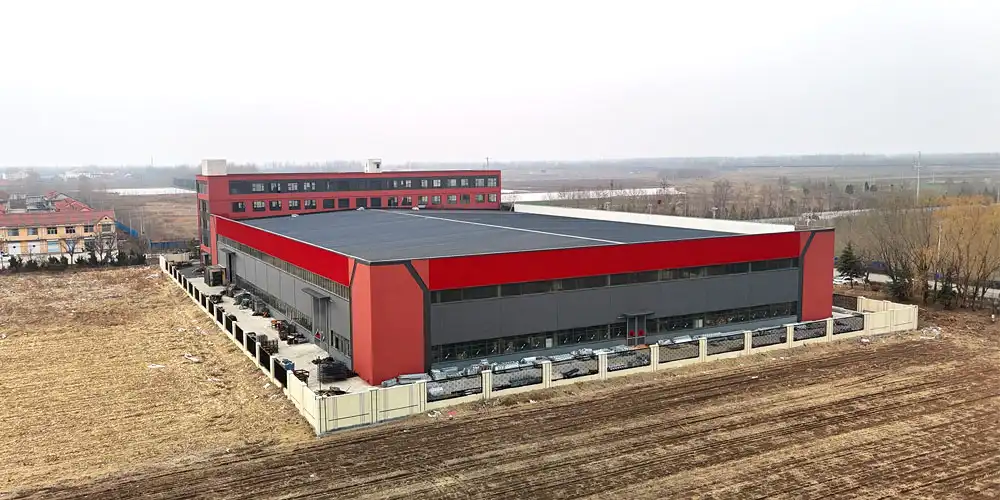
More than any other choice, picking the right factory partner is what makes or breaks a project. Check the factory's production capacity by looking at its size and equipment. Facilities with automatic H-beam welding lines and specialized sandwich panel production will guarantee quality and meet deadlines. Ask for mill test papers that match the heat numbers on the steel plates and show that the chemical makeup is correct. Check for quality management standards like ISO9001, CE marking for exports to Europe, and ASTM material approval for projects in the United States. Check out the design skills because having architectural and detailed services in-house makes it easier to work together and cuts down on mistakes between the design and production stages. Ask building workers, factory owners, or farming operations for references on past projects that were similar to yours in size and purpose. Make sure that the after-sales support includes installation drawings, on-site advice, and quick expert help for questions that come up during installation.
Design Considerations and Future-Proofing Your Steel Workshop
Energy Efficiency and Sustainability Features
The design of modern steel workshops includes features that lower operating costs and meet environmental standards. Putting thermal break tapes between the purlins and roof sheets and sandwich panels or fiberglass batts for insulation stops heat loss in the winter and lowers cooling loads in the summer. Artificial lighting isn't needed as much when transparent roof panels or carefully placed windows let in natural light. Using ridge vents, louvers, or powered exhaust fans in ventilation design keeps the air quality in industrial settings high while keeping HVAC costs low. In warm places, reflective roof coats keep the sun from heating up the building. Integrated rainwater collection systems with drains and downspouts help the site run in a way that is good for the environment. Including fixing holes for solar panels in the design of your roof will allow you to use green energy sources in the future without having to make any structural changes.
Longevity and Maintenance Planning
When properly kept, steel buildings can last for 50 years or more, which is a great long-term value. Checking the function of the gutters, the torque of the bolted connections, the state of the paint to see if there are any rust spots that need to be fixed, and the operation of the doors and windows should all be done once a year. Check the state of the roof covering or panels for leaks, especially where they go through or connect to other materials. The structure stays stable with little work, unlike wood that needs to be treated for termites or concrete that needs to have cracks fixed. Keeping records of maintenance tasks and coating applications saves your guarantee and helps you spot problems early on, before they get worse and need expensive fixes.
Modular Expansion and Layout Flexibility
If you plan your steel workshop well, it can grow with you without having to do a lot of work. Adding length to a modular bay extension is as easy as attaching extra frames to the end walls that are already there. To increase the width by adding more spans, you need to plan for suitable connection details when you first build the structure. Non-structural divider walls make it easy to change the plan of an interior as production needs change. If the original plans of the columns and runway beams for overhead cranes include the right load factors, the systems can be made to carry more weight. Mezzanine additions let tall buildings have extra office or storage room without changing how the ground floor works. It's much cheaper to plan for these options during the initial buying process, even if they aren't used right away. This is because it's much easier to fix problems after the fact.
Conclusion
When choosing the right prefabricated steel workshop building, you have to think about the span needs, the size requirements, your budget, and the specific operating needs of your business. Because steel construction is so adaptable, it can be used to build anything from 12-meter farm buildings to 60-meter clear-span manufacturing plants. This means that you can perfectly match your facility to your process instead of having to change how you do things to fit the structure. When lifetime costs, building times, and upkeep needs are compared to standard options, steel clearly stands out as the best material for most industrial uses. To do a good job of procurement, you need to know the technical details, evaluate the skills of the suppliers, and plan for how they can change in the future. These things to think about will help you understand the requirements, ask smart questions, and make choices that will help the project succeed right away and run smoothly in the long run.
FAQ
1. What span width works best for different industrial operations?
Assembly lines in factories usually work best with 18–24 meter widths, which allow for crane coverage and creative placement of equipment. Logistics stores often use 24-36-meter spans to get the most out of their storage space and make it easier for forklifts to move around. Heavy machinery companies may need clear spans of 30 meters or more so that big pieces of equipment can move around without hitting any columns. 12–18-meter lengths work well for agricultural uses like homes for chickens because they balance cost and environmental control. Your exact needs depend on the size of the equipment, how it is moved, and how work is organized. Talking to experienced suppliers about your practical needs will ensure the best sizing.
2. Can steel workshops support crane systems added after initial construction?
It's hard and expensive to retrofit cranes because the columns, foundations, and runway beams need to have specific load rates that were planned during the initial planning. Adding more crane capacity after the building is built usually means strengthening the structure or even replacing columns. During the design phase, stating the crane's needs (span distance, lifting weight, and wheel pressure) guarantees the right size from the start, stopping structural failure and avoiding costly changes later on.
3. How do extreme weather conditions affect design specifications?
Engineers use information about the local environment, like wind speeds, snow loads, earthquakes, and high temperatures, to figure out how to build structures. Places with a lot of wind need more bracing devices and better ways to connect things. Places that get a lot of snow need roof pitches that are steeper and rafter sizes that are bigger. In seismic places, the design of base plates and ductile joints must be done in a certain way. Extreme temperatures can change where expansion joints are placed and how thick the padding is. Buildings made by reputable companies follow international standards, which makes sure they can withstand the elements for the whole time they're in use.
Partner with DFX for Your Prefabricated Steel Workshop Building
Qingdao Director Steel Structure Co., Ltd. (DFX) has been a major maker of prefabricated steel workshop buildings for over 12 years, working with construction companies, manufacturing companies, and farming businesses all over the world. Our 40,000-square-meter factory has six automatic welded H-beam lines, two sandwich panel lines, and high-tech manufacturing tools that can make 20,000 tons of steel a year. We keep our ISO9001 certification and CE compliance up to date, which makes sure that our structural steel goods meet all foreign standards. Our all-inclusive method includes structural design, precise fabrication with Q235/Q355 grade steel, full surface treatment, thorough installation drawings, and on-site coaching. We offer complete solutions from the initial idea to the finished product. Made-to-order production usually takes 25 to 45 days, so we can work with your project plans and still give you the quality and dependability that our 200+ skilled workers and cutting-edge engineering guarantee. Get in touch with jason@bigdirector.com right away to get a price that fits your exact span needs, operational requirements, and budget. Find out why builders and facility owners choose DFX as their top prefabricated steel workshop building provider.
References
1. American Institute of Steel Construction (AISC). (2022). Steel Construction Manual, 15th Edition. Chicago: AISC.
2. Eurocode 3: Design of Steel Structures. (2005). EN 1993-1-1: General Rules and Rules for Buildings. Brussels: European Committee for Standardisation.
3. Newman, Alexander. (2021). Pre-Engineered Metal Buildings: Design and Construction Practices. New York: McGraw-Hill Professional.
4. Trahair, N.S., Bradford, M.A., Nethercot, D.A., & Gardner, L. (2017). The Behaviour and Design of Steel Structures to EC3, 4th Edition. London: Taylor & Francis.
5. Trebilcock, Peter & Lawson, R. Mark. (2020). Structural Uses of Steelwork in Building: Modern Design Methods and Construction Techniques. Oxford: Blackwell Science.
6. Zhao, Xiao-Ling & Mahendran, Mahen. (2019). Advanced Analysis and Design of Steel Frames for Industrial Buildings. Singapore: Wiley-Blackwell.
Learn about our latest products and discounts through SMS or email