- English
- French
- German
- Portuguese
- Spanish
- Russian
- Japanese
- Korean
- Arabic
- Greek
- German
- Turkish
- Italian
- Danish
- Romanian
- Indonesian
- Czech
- Afrikaans
- Swedish
- Polish
- Basque
- Catalan
- Esperanto
- Hindi
- Lao
- Albanian
- Amharic
- Armenian
- Azerbaijani
- Belarusian
- Bengali
- Bosnian
- Bulgarian
- Cebuano
- Chichewa
- Corsican
- Croatian
- Dutch
- Estonian
- Filipino
- Finnish
- Frisian
- Galician
- Georgian
- Gujarati
- Haitian
- Hausa
- Hawaiian
- Hebrew
- Hmong
- Hungarian
- Icelandic
- Igbo
- Javanese
- Kannada
- Kazakh
- Khmer
- Kurdish
- Kyrgyz
- Latin
- Latvian
- Lithuanian
- Luxembou..
- Macedonian
- Malagasy
- Malay
- Malayalam
- Maltese
- Maori
- Marathi
- Mongolian
- Burmese
- Nepali
- Norwegian
- Pashto
- Persian
- Punjabi
- Serbian
- Sesotho
- Sinhala
- Slovak
- Slovenian
- Somali
- Samoan
- Scots Gaelic
- Shona
- Sindhi
- Sundanese
- Swahili
- Tajik
- Tamil
- Telugu
- Thai
- Ukrainian
- Urdu
- Uzbek
- Vietnamese
- Welsh
- Xhosa
- Yiddish
- Yoruba
- Zulu
Category Archives: prefabricated steel workshop building
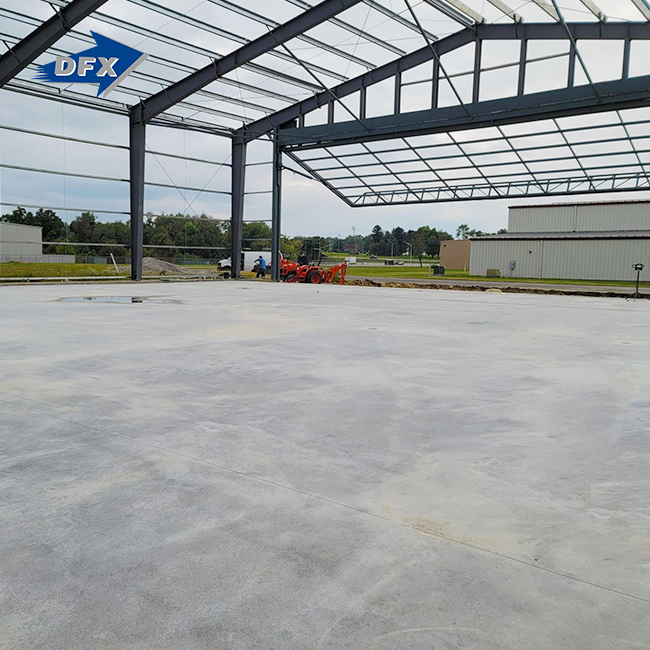
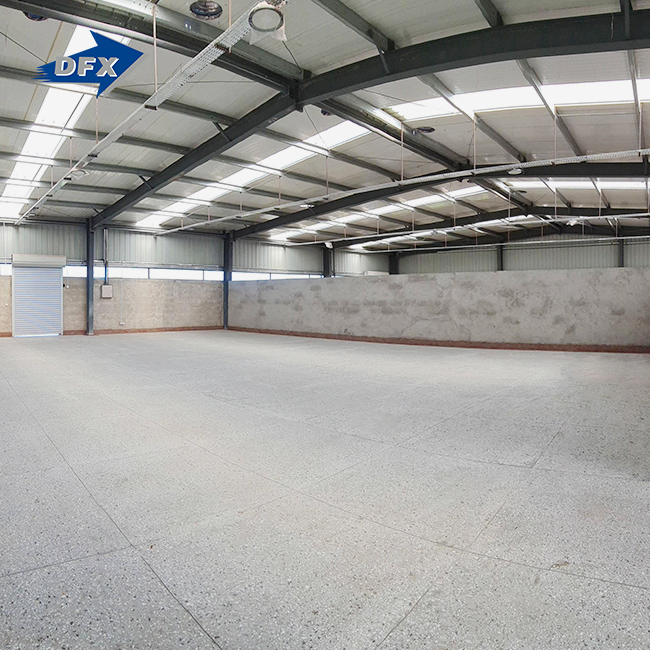
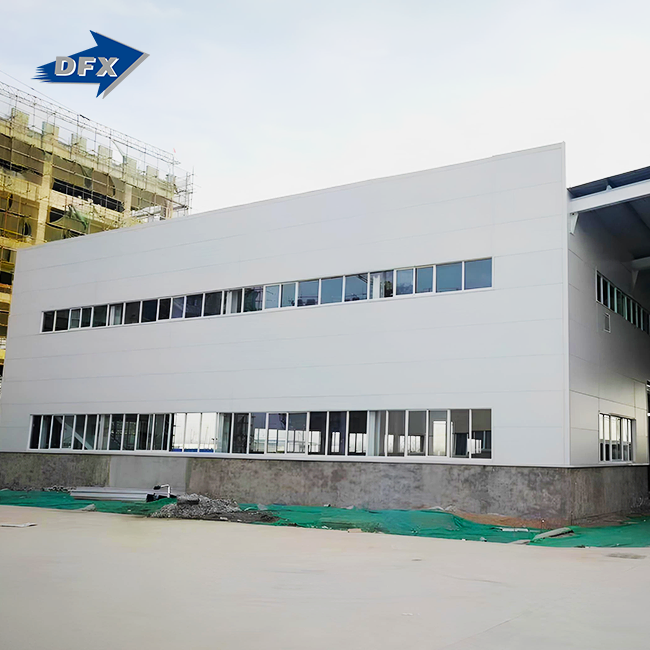
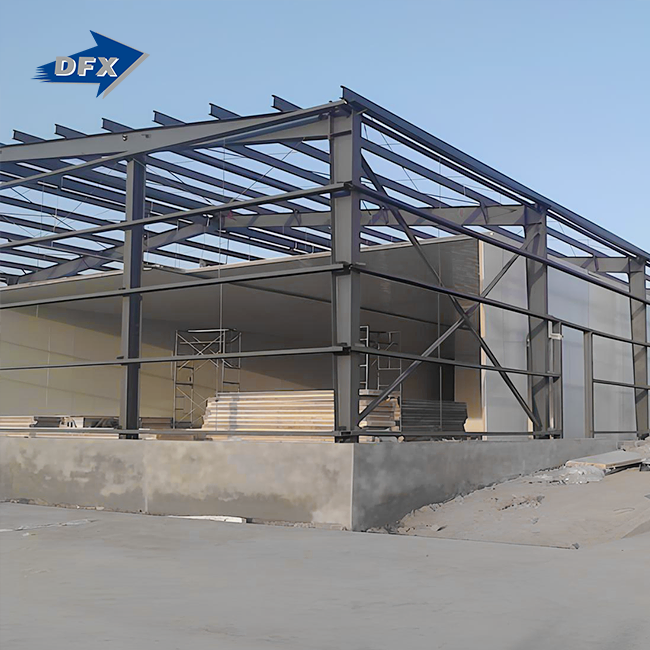
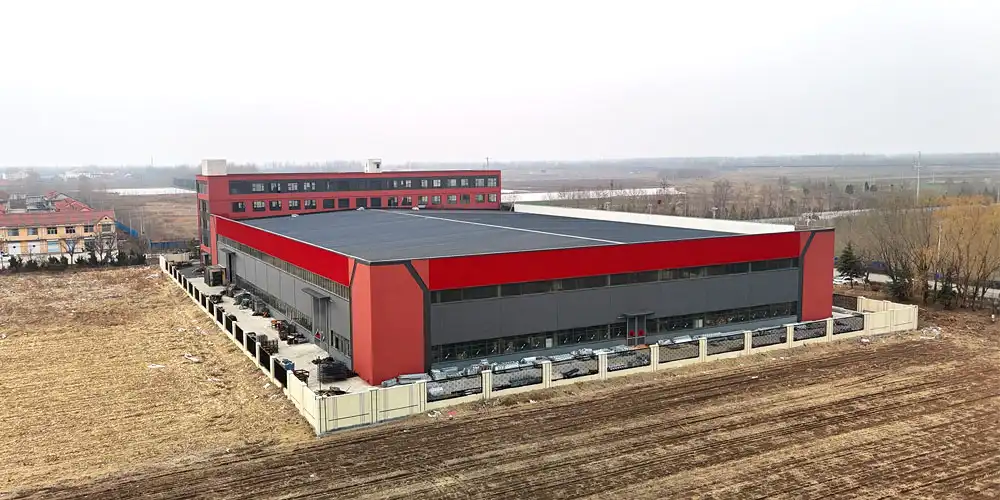
Prefabricated steel workshop buildings are a great option for procurement managers and project engineers who are looking for industrial construction solutions that can be scaled up. High-performance materials and advanced production techniques are used together in these buildings to build open-span facilities faster and cheaper than with standard methods. This type of building solves important problems that construction companies, industry growth, and infrastructure development across the United States face. It is made off-site under controlled conditions and then carefully put together on-site. This huge library looks at everything you need to know to make smart decisions about buying.

Understanding Prefabricated Steel Workshop Buildings
What Makes These Structures Different?
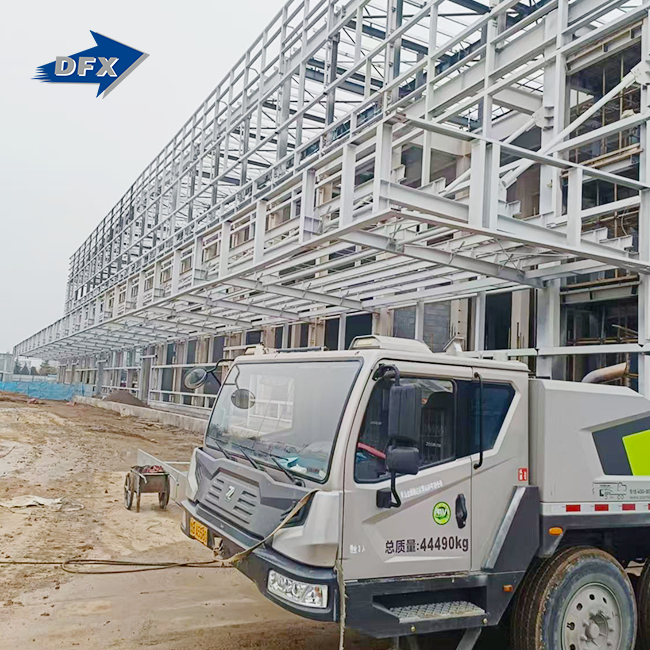
Prefabricated steel workshop buildings are very different from the way buildings are usually built. Primary structural components, such as welded H-section columns and beams made from Q235 or Q355 steel grades, are designed, cut, drilled, and welded in factory-controlled settings instead of depending on the weather for on-site assembly. Secondary parts like C/Z steel purlins and bracing systems come ready to be put together. This gets rid of the risk of delays caused by bad weather or inconsistent quality hand welding.
This Pre-Engineered Building (PEB) method fixes three problems that have been bothering the business for a long time. Because base work and steel manufacturing happen at the same time, construction schedules are cut by 30 to 50 percent. Using TEKLA or AutoCAD software for computer-aided design optimization makes quality constant, cuts down on material waste, and gives you a set cost. The end result is a big industrial building with an open interior that makes the most of the floor space that can be used without any columns getting in the way.
Core Technical Specifications
High-grade structural steel is what makes things last and work well. High-strength low-alloy steel like Q355B or ASTM A572 Gr. 50 is used for the main frame. It has a bending strength of at least 345 MPa. Galvanized steel (Q235B/Grade 36) with zinc covering weights ranging from 120g/m² to 275g/m² is used in the secondary sections to successfully protect them from rust in the surroundings.
Surface products protect for a long time. Surfaces can be ready for epoxy zinc-rich bases and polyurethane topcoats after being shot-blasted to the Sa 2.5 standard. Hot-dip galvanizing makes a metallic bond that lasts longer than 50 years with proper upkeep in tough industrial or coastal settings. These buildings are built to strict foreign standards, such as AISC (American Institute of Steel Construction), Eurocode 3, and GB 50017. This makes sure that they meet the rules that are needed for the project to be approved.
Making things in China in ISO9001-certified factories makes sure that strict quality control systems are followed. CE marks and ASTM material compliance certificates give buying teams that follow strict seller approval processes even more peace of mind.
Manufacturing Excellence at Director Steel
Manufacturing Excellence at Director Steel Qingdao: Director Steel Structure Co., Ltd. has 40,000 square meters of protected workroom that show how advanced their manufacturing skills are. About 20,000 tons of columns and beams are made every year on six automatic welded H-beam production lines. Two C/Z section steel lines make 8,000 tons of secondary frame components. Two lines of sandwich panels and twenty lines of corrugated steel sheets make integrated outer systems. Every year, they make 50,000 square meters of insulated panels and 8,000 tons of roofing materials.
Because Director Steel is vertically integrated, it can offer a full range of services, including designing structures, fabricating them, treating the surfaces, packing them, making installation plans, and helping with their assembly on-site. Over 200 trained workers follow strict quality standards while producing, making sure that the dimensions are accurate within ±2mm limits, which is important for smooth bolt-up assembly. Made-to-order production usually has wait times between 25 and 45 days, which is a good balance between customization and regular delivery times.
Comparing Prefabricated Steel Workshop Buildings with Traditional Alternatives
Cost and Timeline Advantages
Traditional industrial buildings (prefabricated steel workshop buildings) made of concrete or wood frames need a lot of work to be done on-site, with different stages of construction happening at different times depending on the weather. Long drying times are needed for concrete buildings before they can support weight, which delays the placement of production equipment. Clear-span lengths are limited by wood framing's structural limitations, which means that interior beams are needed to break up practical processes.
Putting together a steel workshop cuts project plans by a lot. While the foundation workers install exactly templated anchor bolts, the welder finishes making the steel members at the same time. Transport to the site doesn't happen until both the base and steel packages are finished, which lets the building go up quickly in weeks instead of months. This shortened schedule cuts down on funding costs and lets operating sites start making money sooner.
When lifetime issues are taken into account, material costs favor steel. At first, steel may seem more expensive per square foot, but it has a better total cost of ownership because it doesn't need as much upkeep, doesn't need as much of a base because it's lighter, and can be recycled when it's time to go. Steel can be recycled over and over again, which is in line with business green goals that are becoming more and more important to American producers.
Performance Characteristics
The structural strength of steel is very different from other materials. Clear spans of 60 meters or more without any middle columns make it easier to arrange equipment in ways that work for factories and assembly halls. High strength-to-weight ratios make it possible for foundations to be lighter, which saves money on drilling and concrete. This is especially helpful in areas with difficult soil conditions.
Another important benefit is that it is resistant to earthquakes. Steel's flexibility lets energy escape during earthquakes through controlled plastic bending, which keeps the building and its goods safe. This quality is very important for buildings in earthquake-prone parts of the western United States that store expensive production equipment or stock.
The outer design, not just the structure material, determines how energy efficient a building is. When sandwich panels with polyurethane, rockwool, or glass wool insulation are added to steel buildings, they get thermal performance that is the same as or better than standard construction. Putting thermal break tapes between the roof sheets and purlins stops thermal bridging, which gets rid of the condensation problems that happen in metal buildings that aren't well-built.
Procurement Insights: How to Buy Prefabricated Steel Workshop Buildings?
Understanding Pricing Structure
Pricing for industrial steel workshops reflects multiple variables beyond base material costs. Steel grade selection impacts pricing—Q355 high-strength steel commands premiums over Q235 but enables lighter structural sections for equivalent load capacity. Span dimensions, crane provisions, and local snow or wind loads drive engineering complexity and material quantities directly affecting quotations.
Procurement managers should request itemized proposals separating steel structure, roof and wall cladding systems, accessories (doors, windows, and ventilation), and optional items such as insulation upgrades or specialized coatings. Logistics costs from Chinese manufacturing to U.S. ports, customs clearance, and inland freight to project sites represent substantial line items requiring transparent disclosure.
Installation costs vary based on site accessibility, local labor rates, and whether the buyer's construction team performs erection or engages the supplier's technical guidance services. Director Steel provides detailed installation drawings and on-site supervision when requested, reducing risks associated with improper assembly that could compromise structural integrity.
Selecting Reliable Suppliers
Identifying reputable manufacturers requires verification beyond marketing claims. ISO9001 certification demonstrates commitment to quality management systems with documented procedures for raw material inspection, welding process controls, final product verification, and workshop auto costs. CE marking indicates conformity with European health, safety, and environmental standards recognized globally as rigorous third-party validation.
Mill Test Certificates (MTC) should accompany all primary steel members, matching heat numbers stamped on plates to verify chemical composition compliance. Welding quality deserves special scrutiny—critical full-penetration welds require Non-Destructive Testing (NDT), including Ultrasonic Testing (UT) or Radiographic Testing (RT) per AWS D1.1 standards, to detect internal flaws invisible to visual inspection.
Dimensional accuracy verification through trial assembly in the fabricator's yard provides confidence in field fit-up. Hole coordinate misalignment creates expensive delays and field modifications, making pre-assembly quality checks valuable despite adding modest lead time. Dry Film Thickness (DFT) measurements confirm paint or galvanization meets specified micron thicknesses (typically 80-120 for paint systems), protecting the substantial investment over decades of service.
Lead Times and Logistics
Standard production cycles span 25-45 days from approved shop drawings to container loading. Complex projects incorporating heavy crane systems, specialized ventilation requirements for agricultural applications, or architectural features extending beyond basic industrial aesthetics may extend timelines to 60 days. Procurement planning should account for shop drawing approval cycles, manufacturing duration, ocean transit (typically 20-30 days to U.S. West Coast ports), customs clearance, and inland transportation.
Container optimization affects shipping economics significantly. Efficient nesting of structural members, bundling of purlins, and panel packaging maximizes payload per container, reducing per-ton freight costs. Experienced suppliers provide containerization plans as part of quotation packages, enabling accurate total landed cost calculations essential for budgeting and project financing approvals.
Design and Maintenance Best Practices for Optimal Performance
Optimizing Operational Efficiency
Workflow optimization begins with clear-span design, eliminating internal columns that obstruct material flow and equipment placement. Manufacturing facilities benefit from column spacing aligned with production line dimensions, minimizing structural interference with process equipment. Adequate door widths and heights accommodate material handling equipment, preventing bottlenecks at loading docks.
Overhead crane provisions require specification during initial design phases. Retrofitting crane systems into existing structures creates expensive strengthening requirements or reduced lifting capacities. Procurement specifications must detail crane span, lifting weight, and wheel pressure so columns, runway beams, and bracket systems receive proper sizing from the project outset.
Natural lighting through translucent roof panels or wall-mounted skylights reduces electrical consumption while improving working conditions. Strategic placement balances illumination benefits against solar heat gain in southern U.S. climates where cooling loads dominate energy costs. Mechanical ventilation systems tailored to process heat loads, humidity control, or dust extraction integrate cleanly into pre-engineered structures through coordination between steel fabricators and HVAC contractors.
Corrosion Prevention and Maintenance
Long-term durability depends heavily on corrosion protection appropriate to operating environments. Standard industrial settings tolerate conventional paint systems comprising zinc-rich primers and acrylic or polyurethane topcoats. Chemical processing facilities handling acidic materials or coastal locations with salt spray exposure demand specialized coatings such as chlorinated rubber or fluorocarbon paints providing enhanced chemical resistance.
Annual inspection protocols protect investments and extend service life. Gutter systems require debris clearing to prevent water pooling that accelerates localized corrosion. Fastener integrity checks using torque wrenches identify loosened bolts before structural movement creates slotted holes requiring expensive repairs. Surface coating condition assessments identify incipient rust formation when touch-up applications remain economically feasible.
Anchor bolt embedment represents the single largest source of construction delays and workshop auto costs. Misalignment between embedded bolts and base plate hole patterns necessitates costly chemical bolt retrofits and project schedule disruptions. Fabricators providing precise templates and inspection protocols during foundation construction eliminate this preventable issue.
Conclusion
Prefabricated steel workshop buildings deliver compelling value propositions for procurement professionals managing industrial construction projects. Factory-controlled manufacturing ensures consistent quality while compressing timelines critical to competitive operational launches. Material performance characteristics, including superior strength-to-weight ratios, clear-span capabilities, and seismic resilience, address demanding applications from heavy manufacturing to agricultural operations. Lifecycle economics favor steel through reduced maintenance requirements, energy efficiency potential, and complete recyclability aligning with corporate sustainability objectives. Successful procurement depends on selecting certified manufacturers, verifying quality through documented testing protocols, and planning logistics carefully to meet project schedules reliably.
FAQ
1. What timeline should procurement teams expect from order to completion?
Typical production cycles require 25-45 days for standard industrial workshops after shop drawing approval. Ocean freight to U.S. ports adds 20-30 days depending on the destination coast. On-site erection duration varies with building size and crew experience, ranging from two weeks for simple 10,000-square-foot structures to eight weeks for complex facilities with crane systems. Total project duration from purchase order to operational handover typically spans four to six months, including foundation work.
2. Can existing facilities accommodate crane systems added later?
Retrofitting crane provisions into completed structures creates significant expense and often reduces lifting capacity below desired specifications. Structural columns require reinforcement to handle concentrated wheel loads and horizontal thrust forces. Runway beams must integrate with existing framing designed without consideration for these loads. Procurement specifications should include crane requirements during initial design phases even if installation occurs in future construction phases.
3. How do maintenance requirements compare with traditional buildings?
Steel structures demand less maintenance than wood framing, which is susceptible to rot, insect damage, and dimensional instability. Concrete buildings require minimal structural maintenance but lack the adaptability for future modifications or expansions. Annual steel building maintenance involves gutter cleaning, fastener torque verification, and coating condition assessment. Properly applied corrosion protection systems provide a 50+ year service life with these routine protocols, making lifecycle maintenance costs substantially lower than alternatives.
Partner with DFX for Your Next Steel Workshop Project
Director Steel brings over 12 years of specialized experience manufacturing industrial steel structures for discerning procurement managers across North America. Our ISO9001-certified production facility and CE-compliant products deliver the quality assurance your project demands. As a trusted prefabricated steel workshop building manufacturer, we provide comprehensive support from initial design consultation through on-site erection guidance, ensuring seamless project execution aligned with your timeline and budget objectives.
Contact our engineering team at jason@bigdirector.com to discuss your specific application requirements. Whether you're planning manufacturing expansions, agricultural facilities, or logistics operations, we'll develop customized solutions maximizing operational efficiency while controlling costs.
References
1. American Institute of Steel Construction. (2022). Steel Construction Manual, 15th Edition. AISC Publications, Chicago.
2. Freeman, S. A. (2020). Pre-Engineered Metal Buildings: Design and Construction Practices. McGraw-Hill Professional, New York.
3. Cheng, J. J. R., & Kulak, G. L. (2019). Steel Structures: Design and Behavior, 6th Edition. Pearson Education, Upper Saddle River.
4. Mehta, P. K., & Monteiro, P. J. M. (2021). Concrete versus Steel: Comparative Analysis in Industrial Construction. Construction Industry Press, Boston.
5. Newman, A. (2021). Sustainable Steel: Environmental Impacts and Lifecycle Assessment in Building Construction. Environmental Building News, Volume 28, Issue 4.
6. Galambos, T. V., & Surovek, A. E. (2018). Structural Stability of Steel: Concepts and Applications for Structural Engineers. John Wiley & Sons, Hoboken.
Learn about our latest products and discounts through SMS or email