- English
- French
- German
- Portuguese
- Spanish
- Russian
- Japanese
- Korean
- Arabic
- Greek
- German
- Turkish
- Italian
- Danish
- Romanian
- Indonesian
- Czech
- Afrikaans
- Swedish
- Polish
- Basque
- Catalan
- Esperanto
- Hindi
- Lao
- Albanian
- Amharic
- Armenian
- Azerbaijani
- Belarusian
- Bengali
- Bosnian
- Bulgarian
- Cebuano
- Chichewa
- Corsican
- Croatian
- Dutch
- Estonian
- Filipino
- Finnish
- Frisian
- Galician
- Georgian
- Gujarati
- Haitian
- Hausa
- Hawaiian
- Hebrew
- Hmong
- Hungarian
- Icelandic
- Igbo
- Javanese
- Kannada
- Kazakh
- Khmer
- Kurdish
- Kyrgyz
- Latin
- Latvian
- Lithuanian
- Luxembou..
- Macedonian
- Malagasy
- Malay
- Malayalam
- Maltese
- Maori
- Marathi
- Mongolian
- Burmese
- Nepali
- Norwegian
- Pashto
- Persian
- Punjabi
- Serbian
- Sesotho
- Sinhala
- Slovak
- Slovenian
- Somali
- Samoan
- Scots Gaelic
- Shona
- Sindhi
- Sundanese
- Swahili
- Tajik
- Tamil
- Telugu
- Thai
- Ukrainian
- Urdu
- Uzbek
- Vietnamese
- Welsh
- Xhosa
- Yiddish
- Yoruba
- Zulu
Steel Farm Structures: A Practical Guide to Agricultural Steel Buildings
When planning a farm building, choosing the right structure answers how profitable it will be in the long run and how well it will work. An agricultural steel building is the best choice for modern farms because it is long-lasting, cheap, and easy to create. The tough conditions in the environment don't bother these buildings, which are used to house animals, store tools, and make things. Unlike traditional wooden barns, steel farm buildings don't need much upkeep and can stand up to common problems in farming, like water, pests, and fire. Why have steel buildings become the best choice for farms across the United States? That's what this book is all about.

Understanding Agricultural Steel Buildings
What Are Steel Farm Structures?
Engineered buildings made mostly of heavy-duty steel frames and beams that are made to be used in agriculture are called steel farm structures. The zinc or corrosion-resistant coats on these buildings make them last a lot longer than wood-based options. These buildings are used by modern farms as chicken coops, cow barns, dairy barns, places to store tools, and areas to handle feed. Strict quality standards are used in the production process, and reliable sources hold certificates such as ISO9003, CE, COC, and PVOC to make sure of the safety and stability of the structure.
Types and Design Options
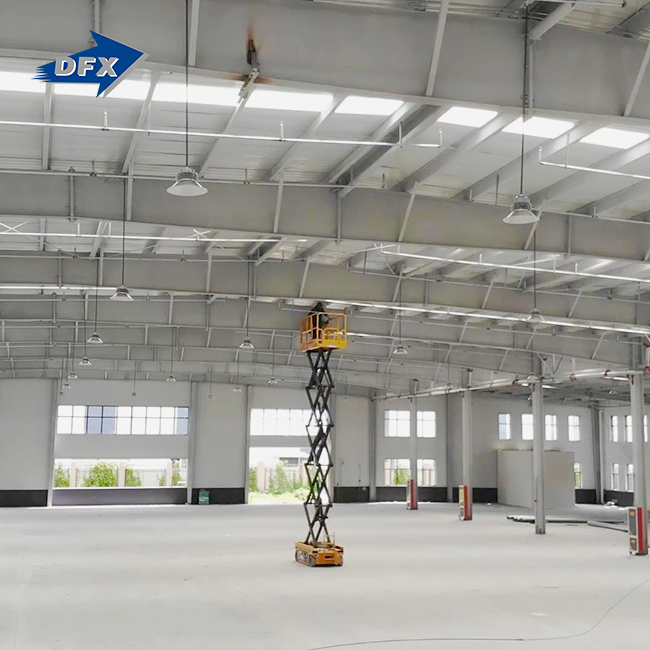
There are two main types of structural setups that are used in agriculture: clear span and multi-span designs. Interior support beams are not used in clear-span buildings. This leaves open floor room that is great for moving equipment and making different layouts. Multi-span buildings use middle beams to support bigger areas more cheaply while still being able to hold a lot of weight. Pre-engineered metal buildings offer standard options that can be put up quickly. They are usually supplied 25 to 35 days after the order is confirmed. Custom-designed buildings are made to fit specific operating needs, site limitations, or farming methods. Both methods work well for many years, and steel buildings that are properly kept usually last longer than 40 years.
Sustainability and Environmental Benefits
Steel is one of the most recovered products in the world, which fits right in with efforts to make farms more environmentally friendly. When compared to concrete or wood buildings, structural steel has a much smaller effect on the environment because it can be recycled. Precision computer-aided design and automatic cutting technologies in modern manufacturing methods cut down on waste. Putting energy-efficient insulation systems inside steel frames lowers the cost of heating and cooling, which also lowers the carbon footprint of the business. Businesses in agriculture that want to get green licenses and practice responsible farming really like these environmental benefits.
Key Benefits of Agricultural Steel Buildings
Unmatched Durability and Weather Resistance
Farmhouses made of steel (agricultural steel buildings) can't be damaged by weather that is too rough for wood. If you build your steel frames right, heavy snow, hurricane-force winds, and heavy rain don't bother them much. Parts of structures are protected from the chemicals and water that are common in farming areas by a layer that doesn't rust. Wooden buildings fall apart because of rot, bug damage, and the growth of fungus, but steel buildings don't need much; they last for decades. It takes less work to keep them in good shape and costs less to fix ones that break. These tips are very useful for businesses that work with animals or have to meet tight deadlines.
Cost Efficiency Over Building Lifecycle
A steel frame may cost more up front than a simple wood frame, but it will save you a lot of money in the long run. Monthly checks and touch-up painting are still the main upkeep tasks that need to be done. Because steel buildings are more stable and less likely to catch fire, their insurance rates tend to be lower. This gives a much better return on investment since the starting cost is spread out over many years of use. Costs can be kept low if you buy in bulk and make things the same way every time. When the job is bigger than 400 square meters, economies of scale really start to show their worth.
Energy Performance and Operational Savings
Metal buildings keep heat in much better when they use current insulation systems made just for them. Steel houses don't lose heat or cold because they are well sealed. This keeps you warm in the winter and cool in the summer, saving you money. When fields raise animals, it's important that the weather stays stable because it affects how well the animals do and how much food they make. Insulation materials that meet or go beyond local building codes, shiny roof coats, and smart air systems are all design features that help save energy. These parts make it easy for farmers to do their work and also help them use less energy every month.
Construction Process and Best Practices
Site Preparation and Foundation Requirements
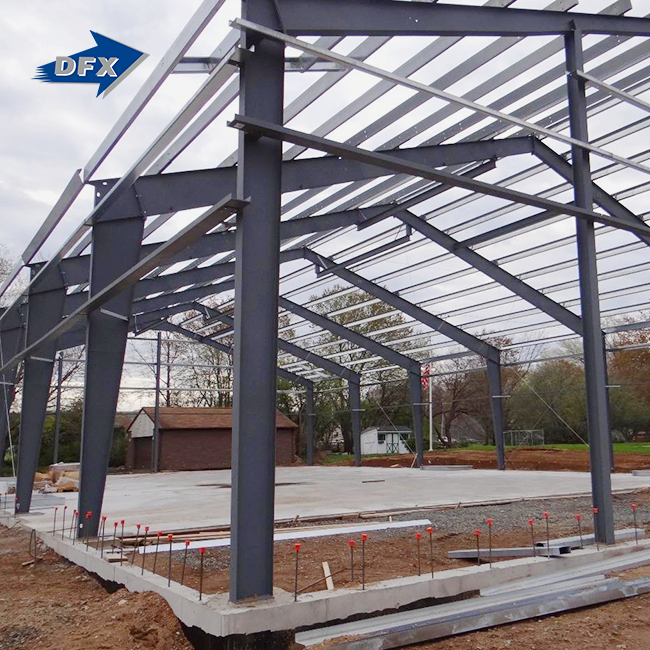
For steel building projects to go well, the place must first be carefully inspected and prepared. The right foundation design is based on checking the soil. This can be a concrete block, a pier and beam, or a system designed specifically for difficult soil conditions. With good drainage planning, water doesn't build up and affect how well a building works or cause problems with operations. During foundation work, frost depths, earthquake needs, and expected structure loads must all be taken into account. Working with experienced engineering teams makes sure that building rules are followed and that the base plan is best for the site conditions.
Framework Assembly and Roofing Installation
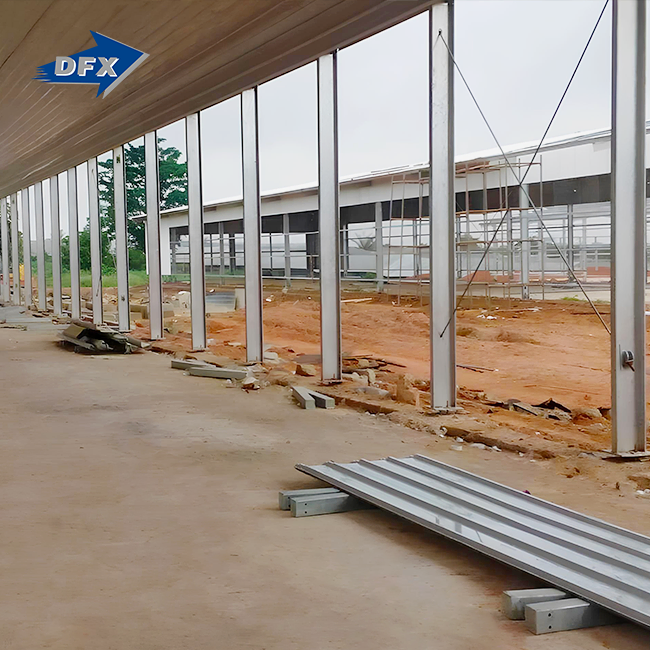
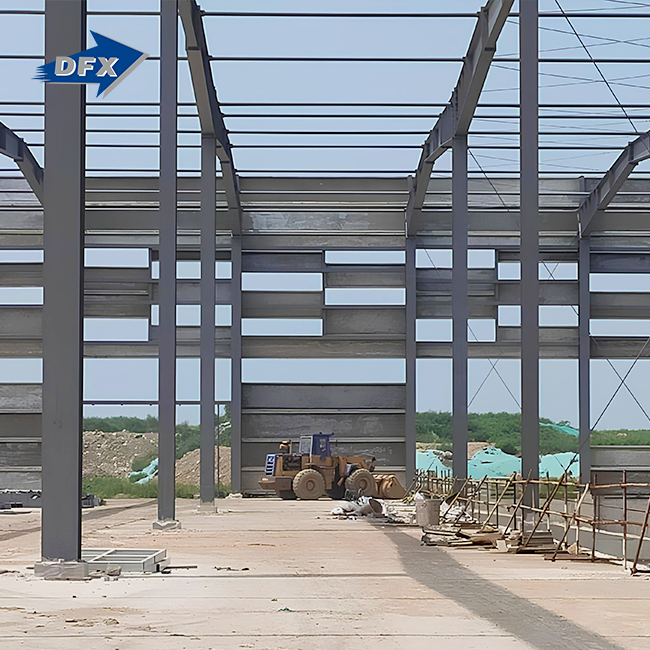
When putting together a steel framework, exact engineering plans are used to show how each link and part should be used. Engineered base plates and support bolts hold heavy-duty beams to the foundations, making up the structure's frame. Beams and purlins connect to columns to make a hard frame that holds up the roof and walls. Choosing the right roofing material has an effect on how well it works in the long run. For example, standing seam metal roofing is better at protecting against weather and lasts longer, while insulated sandwich panels are better at keeping heat in. Agricultural buildings have fairly simple structure layouts that make them easy to put according to the plans. This cuts down on construction time and labor costs.
Managing Logistics and Compliance
When you use project-based manufacturing for agricultural steel buildings, shipping dates are aligned with building dates. It usually takes 25 to 35 days from the time you confirm your order until it ships. Coordinating activities in manufacturing, shipping, and on-site cuts down on delays and extra costs. As part of full service packages, reputable providers offer engineering design, manufacturing, and installation advice. To get a building permit, you have to show that you follow the rules by giving the local officials designed drawings. Working with providers who have done foreign jobs before makes this process go more quickly because they know what paperwork is needed and how the rules vary from one country to the next.
Making the Right Procurement Decisions
Comparing Structural Options
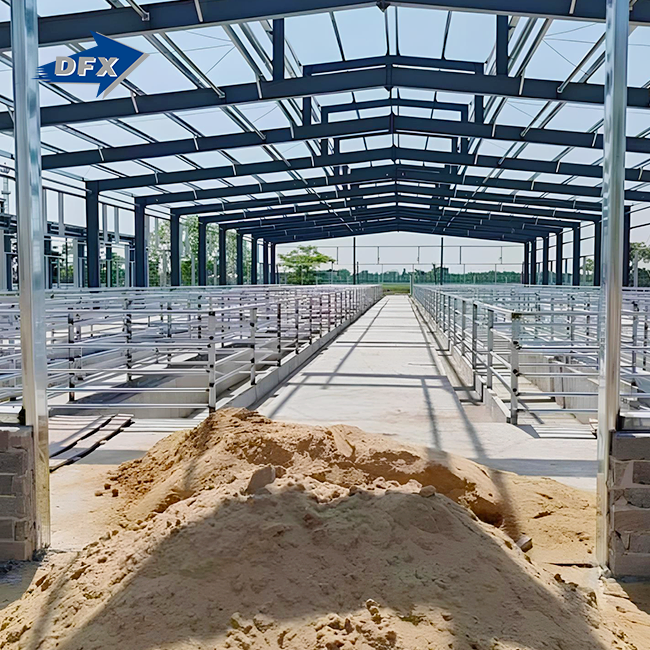
Decision-makers must evaluate several factors when selecting between insulated and non-insulated buildings. Insulated structures cost more initially but deliver substantial energy savings in climate-controlled environments like poultry houses or dairy facilities. Open or semi-enclosed livestock shelters suit operations where natural ventilation suffices and temperature control proves less critical. The application determines appropriate design—cattle farms often utilize open-sided structures that promote airflow, while poultry operations require fully enclosed, climate-controlled environments.
Selecting a Reliable Supplier
Supplier selection dramatically impacts project success. Procurement managers should verify certifications demonstrating quality management systems and product standards compliance. ISO9003 certification indicates established quality control processes, while CE marking confirms European safety standard conformity. Established manufacturers with decade-plus operational histories, like those founded in 2011, bring valuable experience managing international projects. Production capacity matters—facilities operating 40,000 square meters of manufacturing space with 200-plus trained workers demonstrate capability to handle substantial orders reliably. Integrated services covering engineering design through erection guidance provide single-source accountability that simplifies project management.
Pricing Strategies and Budget Planning
Steel building costs typically calculate on a per-square-meter basis, with pricing influenced by design complexity, insulation requirements, and included accessories. Minimum order quantities, commonly around 400 square meters, reflect economical production runs and transportation logistics. Bulk procurement opportunities emerge for agricultural enterprises developing multiple facilities or construction contractors managing portfolio projects. Beyond structural components, consider that farming facilities require specialized equipment—progressive suppliers offer equipment procurement assistance, leveraging industry relationships to secure competitive pricing while saving clients considerable time and coordination effort.
Maintaining and Optimizing Agricultural Steel Buildings
Routine Inspection and Preventive Care
Regular inspection programs for agricultural steel buildings identify minor issues before they escalate into costly repairs. Annual inspections should examine structural connections, roofing systems, door and window seals, and coating integrity. Addressing minor rust spots promptly prevents corrosion progression, while maintaining proper drainage prevents water-related damage. The inherently low maintenance requirements of steel structures make preventive care programs economically attractive compared to wood buildings demanding frequent repairs.
Performance Optimization Strategies
Upgrading insulation systems or enhancing ventilation configurations can significantly improve building performance without requiring major reconstruction. Adding insulated panels to existing structures reduces energy consumption in climate-controlled facilities. Strategic ventilation improvements enhance air quality in livestock buildings, directly benefiting animal health and productivity. These optimization investments typically show rapid payback through reduced operational costs and improved production outcomes. Energy-efficient upgrades also align with sustainability initiatives increasingly important to agricultural markets and financing institutions.
Conclusion
Steel farm structures represent the intelligent choice for modern agricultural operations seeking durability, cost-effectiveness, and operational flexibility. The combination of advanced engineering, quality materials, and comprehensive supplier support creates solutions that serve farming operations reliably for decades. Whether planning poultry houses, cattle barns, or equipment storage facilities, agricultural steel buildings deliver performance advantages that traditional construction methods cannot match. Careful supplier selection, thoughtful design decisions, and proper maintenance ensure these structures provide exceptional return on investment throughout their extended service lives.
FAQ
1. How long does construction typically take?
Steel agricultural building projects generally complete within 60 to 90 days from order placement to operational readiness. The delivery timeline for fabricated components usually spans 25 to 35 days, followed by foundation work and structural assembly. Simple livestock shelters may install faster, while complex climate-controlled facilities require additional time for mechanical systems integration. Working with suppliers offering erection guidance helps maintain schedule efficiency and ensures proper installation.
2. What distinguishes steel buildings from traditional wooden barns?
Steel structures provide superior durability against weather, pests, and fire compared to wooden alternatives. Maintenance requirements remain minimal throughout decades of service, whereas wood buildings demand regular treatment, repair, and eventual replacement of deteriorated components. Steel buildings also offer larger clear spans without interior support columns, creating flexible interior layouts impossible with conventional framing. While initial costs may exceed basic wood construction, lifecycle economics strongly favor steel through reduced maintenance and extended service life.
3. Can agricultural steel buildings accommodate specialized equipment needs?
Comprehensive suppliers assist clients with equipment procurement, leveraging industry connections to source farming equipment at competitive prices. This service saves agricultural businesses significant time and coordination effort, allowing them to focus on core operations. Custom design capabilities ensure buildings accommodate specific equipment dimensions, operational workflows, and future expansion requirements. Engineering teams work directly with clients to optimize building layouts for their unique operational needs.
Partner with DFX for Your Agricultural Steel Building Project
DFX brings over twelve years of specialized experience manufacturing steel structures for agricultural, commercial, and industrial applications worldwide. As a leading agricultural steel building manufacturer, we operate 40,000 square meters of advanced production facilities staffed by more than 200 skilled professionals. Our comprehensive service approach covers every project phase—from initial engineering design through fabrication and on-site erection guidance—ensuring seamless execution and exceptional results. Certified to ISO9003, CE, COC, and PVOC standards, our quality commitment guarantees structural integrity and regulatory compliance. Whether you require cattle shelters, poultry houses, or equipment storage facilities, our team delivers customized solutions optimized for your operational requirements. Contact Jason at jason@bigdirector.com to discuss your agricultural steel building supplier needs and receive a detailed project quote tailored to your specifications.
References
1. American Institute of Steel Construction. (2021). "Design Guide for Agricultural Steel Buildings." AISC Publications, Chicago, Illinois.
2. National Agricultural Statistics Service. (2022). "Farm Building Construction Materials and Trends in the United States." United States Department of Agriculture, Washington, D.C.
3. Metal Building Manufacturers Association. (2020). "Energy Efficiency in Pre-Engineered Metal Buildings for Agricultural Applications." MBMA Technical Publication Series.
4. Smith, Robert J., and Harold E. House. (2019). "Structural Design and Performance of Modern Livestock Housing Systems." Agricultural Engineering International Journal, Volume 21, Issue 3.
5. International Code Council. (2021). "Agricultural Building Code Requirements and Best Practices." ICC Guidelines for Farm Structure Construction.
6. Thompson, Michael D. (2023). "Lifecycle Cost Analysis of Steel Versus Wood Construction in Agricultural Facilities." Journal of Agricultural Engineering Research, Volume 48, Pages 112-127.
Learn about our latest products and discounts through SMS or email